Recommended Visualizers, Document Cameras & Scanners for Columbus Buyers
The eight models below are factory-direct options for wall-mount-ready visualizer deployments, classroom document cameras, library digitization, book scanning, and office capture. Product links are preserved for direct review and quotation.
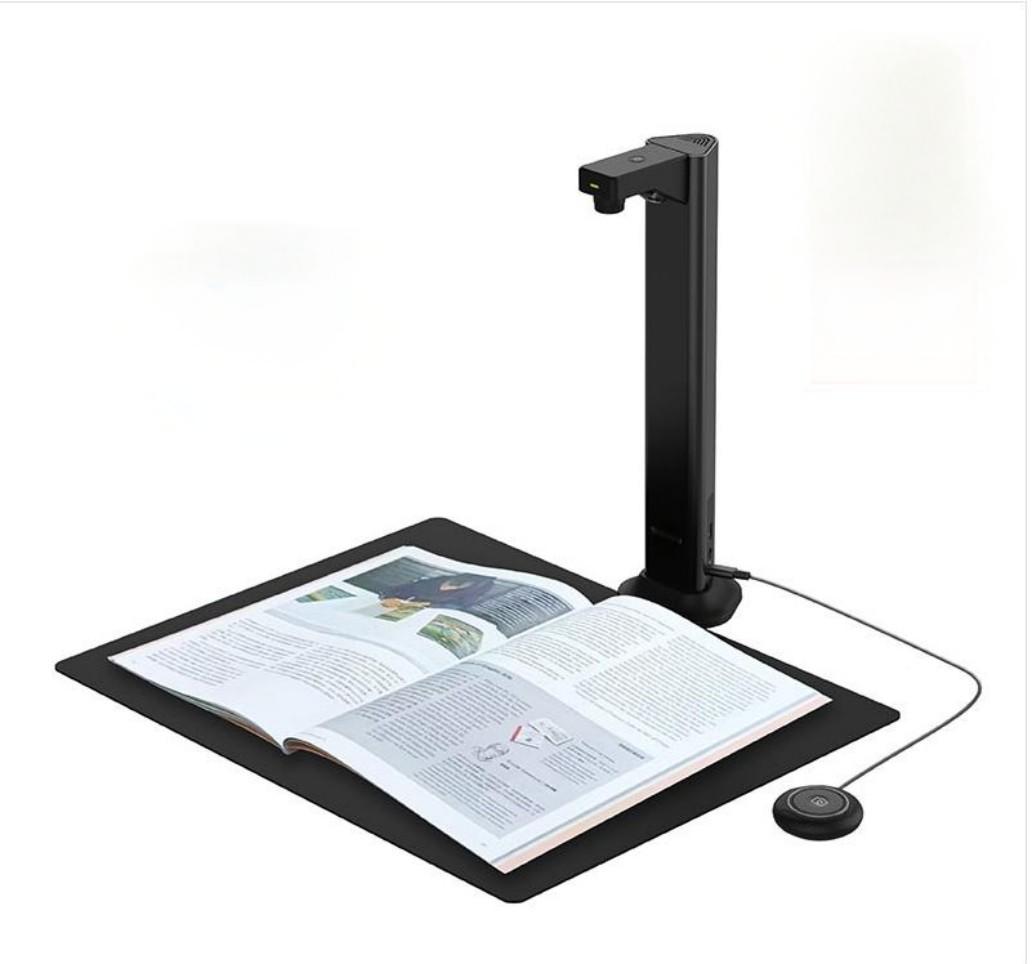
Real 24MP UVC A3 Document Scanner with USB Interface and Text to Speech Feature In-Stock Product
High-resolution A3 capture with UVC USB output, text-to-speech support, and in-stock availability for accessible document workflows.
View product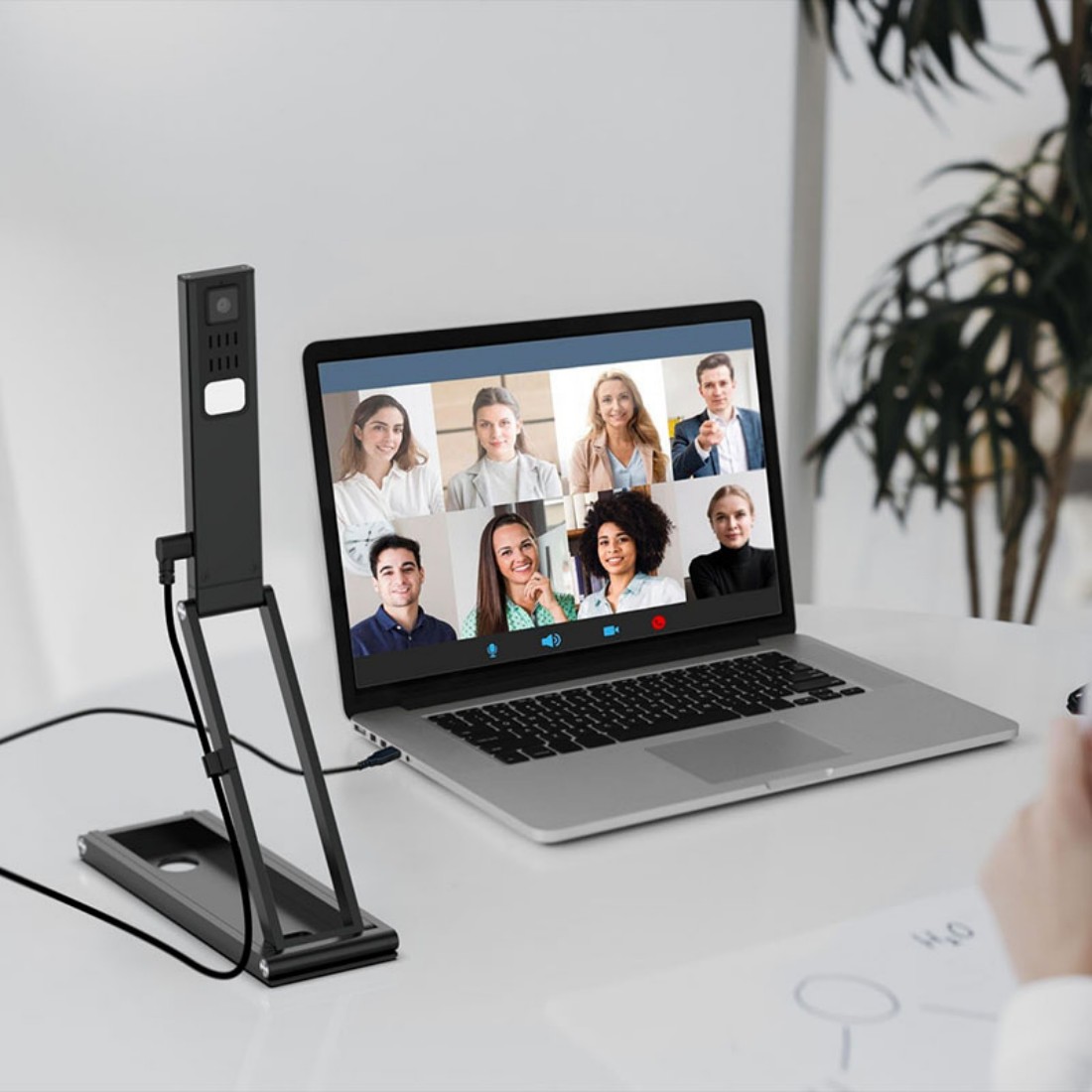
A3 4K Visual Presenter Document Camera with USB Interface for School Training Teaching Meetings Featuring Webcam Function
4K A3 visual presenter with USB webcam function for classrooms, training rooms, meeting spaces, and hybrid teaching.
View product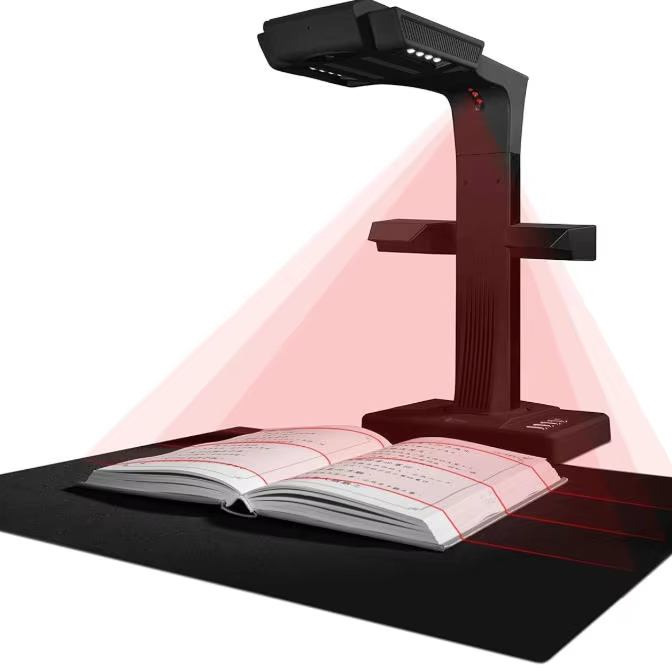
18MP A3 Book Scanner Overhead Document Camera Auto Curve Flattening OCR 180+ HDMI Visual Presenter for Office Library
Overhead book scanner and document camera with auto curve flattening, OCR, and HDMI visual presenter output for libraries.
View product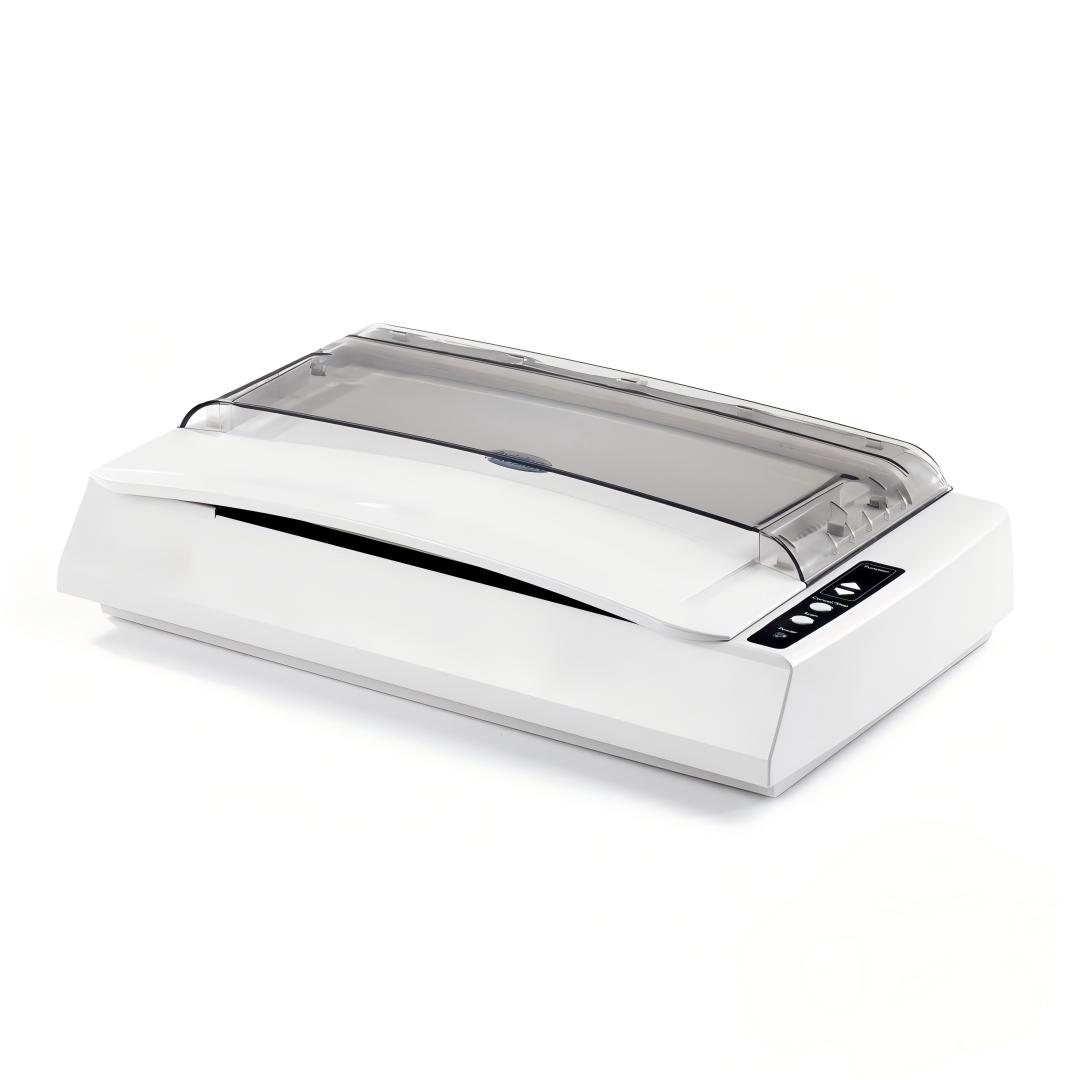
CCD Zero Margin Bookedge Flatbed Scanner A4 600dpi USB Bound Book Scanning No Spine Shadow Library Archive Digitization
CCD bookedge flatbed scanner for bound books, spine-shadow reduction, 600dpi capture, and library archive digitization.
View product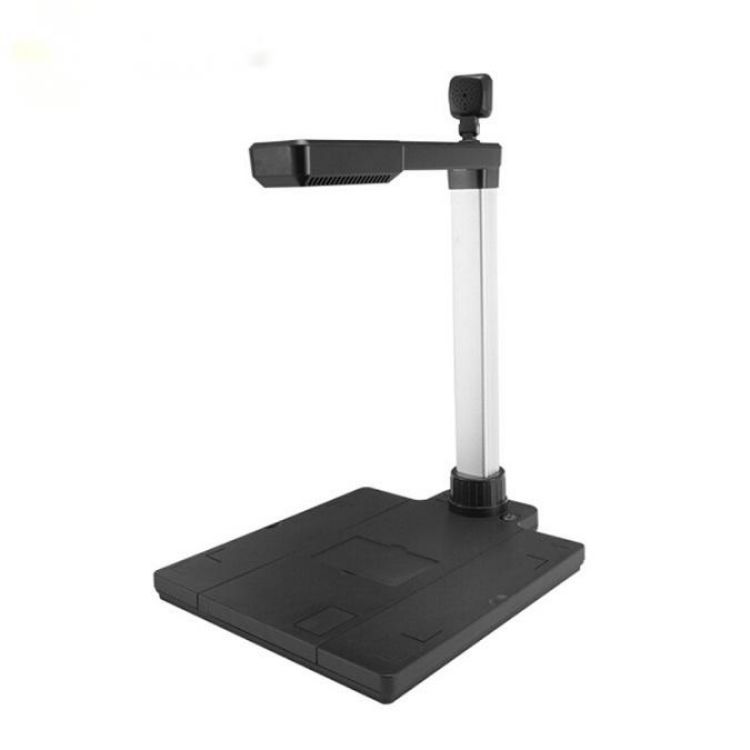
10MP Education Visualizer Scanner Document Management Book Camera USB in Stock
10MP USB education visualizer for document management, book capture, classroom display, and in-stock deployment.
View product
USB Document Camera Scanner 10MP CMOS Visualizer A4 Scanner for Office Education
Compact 10MP CMOS USB visualizer with A4 capture for offices, classrooms, training desks, and service counters.
View product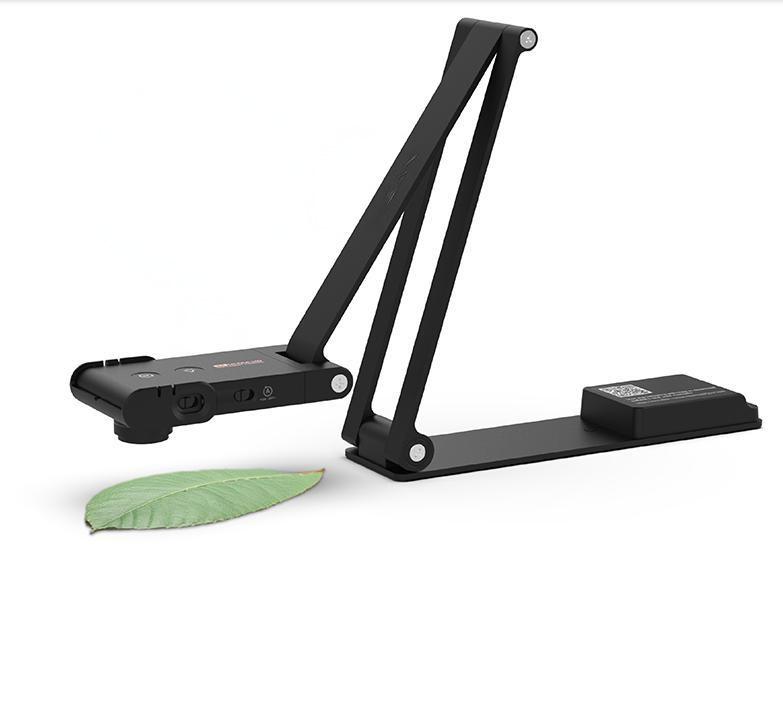
4K 2-in-1 USB 13MP Document Camera Visualizer AI Noise Cancellation 20X Macro Lens Foldable Design Microphone A3 Max 1-Year
4K 13MP foldable document camera with AI noise cancellation, 20x macro lens, microphone, and A3 maximum capture area.
View product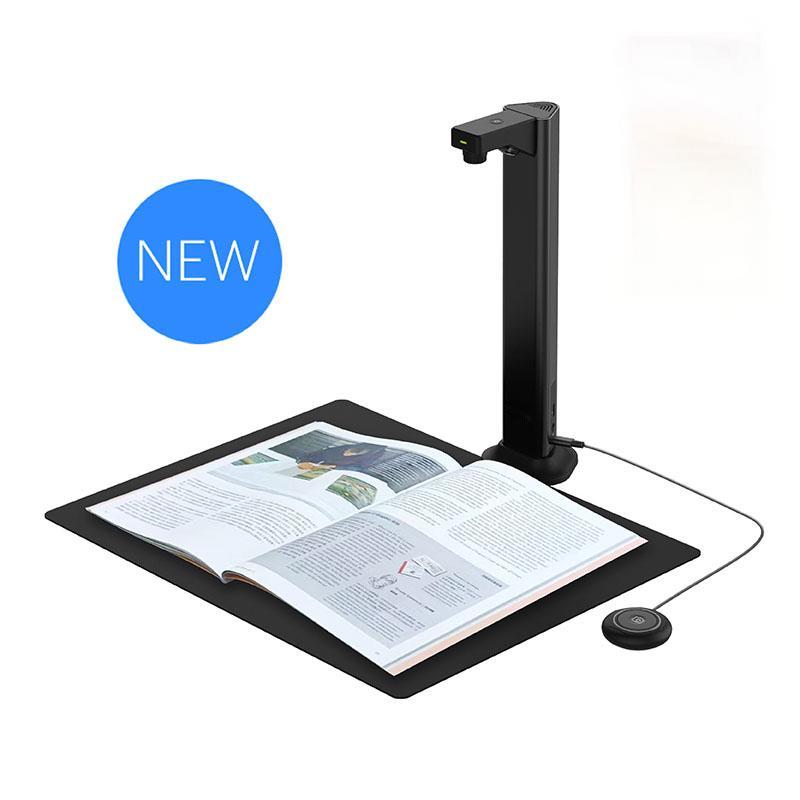
A3 18MP USB Aluminum Document Scanner with UVC Camera 1s Scan Speed OCR & Text to Speech Features-in Stock
18MP A3 aluminum document scanner with UVC camera, one-second scan speed, OCR, and text-to-speech features.
View productWhy Columbus Buyers Are Moving Toward Fixed, Wall-Mounted Visualizers
Columbus is a procurement hub for education, healthcare, government, insurance, logistics, manufacturing, and professional services. In this environment, a visualizer is no longer a portable accessory; it becomes shared room infrastructure.
Across Franklin, Delaware, and Union counties, and in communities such as Dublin, Westerville, Hilliard, Grove City, Upper Arlington, and Worthington, buyers are standardizing classrooms, training rooms, clinics, courtrooms, and service counters around repeatable image capture. A wall-mounted visualizer places the camera above the table, document, object, or work surface, so staff do not need to reposition a tripod or re-frame the image for every session. The result is faster start-up, fewer cable failures, more consistent training quality, and a cleaner room layout.
For procurement teams searching for a “wall mounted visualizer manufacturer & factories in the Columbus market,” the most important distinction is supply model. Guangzhou Quibow Electronic Co., Ltd. serves the Columbus market from its Guangzhou base as an onsite-checked supplier with product development, production coordination, export sales, and after-sales support. Factory-direct does not mean a local Columbus assembly plant; it means direct communication with the source team, OEM/ODM flexibility, sample scan support, and clearer control over specifications, lead time, and warranty terms.
A fixed visualizer is especially useful where the same room supports multiple users: a science teacher showing a dissecting tray, a nurse educator demonstrating a device, a clerk capturing an ID or form, a library staff member digitizing a fragile page, or a manufacturer reviewing a label or drawing. The right model depends on document size, resolution target, mounting method, software compatibility, and the level of OEM customization required.
Where Wall-Mounted Visualizers and Document Cameras Work in Columbus
These are practical deployment scenarios for Central Ohio institutions, integrators, distributors, and enterprises evaluating visualizer hardware.
K-12 STEM Classrooms
Fixed visualizers let teachers demonstrate math manipulatives, science experiments, maps, and small components without crowding a desk. UVC models work with common classroom displays and video conferencing software.
Higher Education & Libraries
Book scanners, bookedge flatbeds, and overhead document cameras support archives, rare books, study rooms, accessible text workflows, OCR, and text-to-speech projects across university and public library systems.
Healthcare & Telehealth Training
Clinics and training teams use document cameras to show forms, devices, and procedures on video calls. AI noise cancellation, microphones, and stable overhead framing improve remote consultation and staff education.
Government, Courts & Public Records
Fixed capture supports case files, maps, permits, ID cards, and public records digitization. Wall-mounted configurations reduce clutter at service windows and help maintain consistent capture for audits and archival records.
Corporate Training & Insurance
Training rooms, underwriting teams, claims departments, and remote collaboration groups use visualizers for documents, product samples, signatures, and detailed review with Zoom, Teams, and other UVC-ready applications.
Manufacturing & Logistics QA
Wall-mounted visualizers support repeatable inspection of labels, barcodes, small parts, drawings, and packaging. A fixed camera position is valuable when teams need the same field of view across shifts and sites.
What Is Shaping Visualizer Demand in Central Ohio
Procurement expectations in Columbus are being shaped by hybrid work, accessibility, digital records, and the need to do more with fixed room budgets.
Every Room Becomes a Video Room
Hybrid meetings have raised expectations for plug-and-play UVC capture. Buyers want visualizers that appear as a standard camera, avoid driver friction, and work across teaching, training, and meeting spaces.
OCR, Accessibility & Searchable Files
Libraries, schools, and government teams increasingly require OCR, searchable PDFs, and text-to-speech support. These features turn captured pages into usable digital content rather than static images.
AI-Assisted but Deterministic Capture
AI noise cancellation, auto-focus, curve flattening, and deskew improve results, but procurement teams still need repeatable workflows, clear software compatibility, and dependable hardware behavior.
Procurement Resilience
Low MOQ, clear lead times, flexible payment terms, and responsive technical communication matter more than ever. Columbus distributors and integrators need factory partners who can answer specification questions quickly.
How to Specify a Wall-Mounted Visualizer for Columbus Projects
Start with the document size and required output resolution, then select the sensor platform, mounting approach, software interface, and warranty terms. Megapixels alone are not a specification.
For archival masters, many library and government programs specify 300 dpi at the original document size. An A3 page at 300 dpi requires roughly 3508 × 4961 pixels, or about 17.4 MP, so an 18MP or 24MP model is appropriate. An A2 sheet at 300 dpi requires about 4961 × 7016 pixels, or around 34.8 MP, so a 48MP A2 scanner is the safer choice when image quality cannot be compromised. For OCR, on-screen teaching, and general office capture, 200–250 dpi is often sufficient, but the procurement specification should be written against the final use case.
| Document Size | Pixels at 300 dpi | Recommended Sensor | Quibow Match |
|---|---|---|---|
| A4 210 × 297 mm |
2480 × 3508 ≈ 8.7 MP |
10 MP or higher | 10MP CMOS visualizer, 10MP education visualizer, 10MP + 2MP dual-lens options |
| A3 297 × 420 mm |
3508 × 4961 ≈ 17.4 MP |
18–24 MP | 18MP OCR scanner, 24MP UVC A3 scanner, 18MP auto-flatten overhead scanner, 13MP 4K document camera |
| A2 420 × 594 mm |
4961 × 7016 ≈ 34.8 MP |
48 MP for ≈340 dpi | Dual 48MP overhead book scanner, 48MP A2 newspaper archive scanner |
| Photos & Art | 600–2400 dpi optical | Flatbed, 48-bit color | 1200 / 2400 DPI A3 flatbed scanners, CCD bookedge flatbed |
CIS: Compact Sheet-Fed Efficiency
CIS is ideal for high-volume office batches, invoices, contracts, and ADF workflows where a slim sensor path and fast duplex scanning matter. It is efficient for loose sheets, not for fragile bound books.
CMOS: One-Shot Overhead Capture
CMOS area sensors capture the whole page or object from above. This is the preferred platform for wall-mounted visualizers, document cameras, book scanning, classrooms, training rooms, and live demonstrations.
CCD: Bookedge and Detail Work
CCD linear sensors offer stable color and depth-of-field tolerance for bookedge scanning, photos, artwork, and originals that sit slightly above the glass. They are strong where spine shadow and detail matter.

Why Quibow Is a Practical Factory-Direct Partner for Columbus Buyers
Guangzhou Quibow Electronic Co., Ltd. is a technology-driven supplier focused on image data acquisition and conversion. The company develops and supplies photoelectric information equipment, including high-speed document cameras, book scanners, flatbed scanners, A3/A2 large-format scanners, and ID card recognition cameras. Its work spans CIS, CMOS, and CCD imaging platforms, with support from product design and development through production coordination, export sales, and after-sales service.
For Columbus buyers, the value is a narrow imaging focus, flexible OEM/ODM support, and verifiable supplier records. Quibow’s profile is listed as a trading company with onsite verification in Guangzhou, Guangdong, China; established in 2020; serving Eastern Europe, North America, and South America; with a team of 5–10 specialists and annual revenue in the US$1M–US$2.5M range.
- Business Type
- Trading company, onsite checked
- Location
- Guangzhou, Guangdong, China
- Established
- 2020
- Main Markets
- E. Europe, N. & S. America
- Annual Revenue
- US$1M – US$2.5M
- Team
- 5–10 dedicated specialists
Factory-Direct Product Coordination
Quibow supports product development, production coordination, export sales, and after-sales communication. Buyers get direct specification discussion instead of a purely catalog-based reseller conversation.
OEM / ODM Customization
Supported projects include logo printing, packaging, housing color, capture software branding, and SDK integration on selected models. This helps Columbus distributors and integrators build differentiated offers.
Cross-Sensor Engineering
CIS, CMOS, and CCD platforms each solve different problems. Quibow can match the sensor, resolution, interface, and form factor to the actual capture task instead of forcing one hardware category.
Verifiable Trust Records
Supplier assessment, credit overview, ratings and reviews, trade capacity, transaction level, trade history, and video introduction records help procurement teams complete due diligence before opening a sample order.
Responsive Export Support
The published performance profile shows ≤1-hour average response and a 100% message response rate. Payment methods include T/T, L/C, PayPal, and Western Union in USD, EUR, HKD, or CNY, with FOB, EXW, and DDU terms.
Warranty & After-Sales
Listed models such as A3 flatbed scanners, A2 overhead scanners, and the S2060W ADF scanner carry a 1-year warranty with remote technical support. Most stock book scanners and large-format scanners start from 1 piece or 1 set.
From Columbus Inquiry to Factory Delivery in Five Practical Steps
A transparent process for pilot orders, distributor programs, and institution-specific visualizer projects.
Requirement Review
Confirm document size, daily volume, room layout, operating system, output format, and whether the unit will be wall-mounted, ceiling-mounted, or desk-mounted.
Model Matching
Select the sensor platform and resolution. Quibow can provide sample scan details and recommend CIS, CMOS, or CCD based on the actual document, object, and OCR requirements.
Customization
For OEM/ODM projects, define logo, packaging, housing color, software branding, OCR language needs, and SDK integration scope on selected models.
Quality Inspection
Check focus, lighting uniformity, driver installation, capture speed, output quality, and accessory completeness before export packing.
Shipping & Support
Arrange export packing and shipping to the Columbus market, then provide remote setup support and warranty service for listed models.
Independent Records Columbus Procurement Teams Can Check
Trust should be verifiable. These third-party records help distributors, schools, and integrators complete supplier due diligence before a sample order.
Supplier Assessment
Onsite check confirming business premises and legal status.
View assessment →Credit Overview
Platform credit profile and trading reliability indicators.
View credit →Ratings & Reviews
Feedback left by verified buyers after completed orders.
Read reviews →Trade Capacity
Export markets, trade terms, and logistics capability.
View capacity →Common Questions from Columbus Visualizer Buyers
Practical answers for schools, libraries, healthcare teams, government procurement, AV integrators, and distributors.
What is a wall-mounted visualizer, and how is it used in Columbus classrooms?
A wall-mounted visualizer is an overhead document camera fixed to a wall, arm, or ceiling mount above a work surface. In Columbus classrooms, it is used to show textbooks, science demonstrations, maps, small objects, and handwritten work on a projector or video call. Fixed mounting saves setup time and keeps the camera angle consistent.
Can Quibow supply wall-mount-ready document cameras for a Columbus pilot?
Yes. Several document camera and visual presenter models can be integrated into fixed mounting arrangements, including 4K visual presenters, 13MP foldable document cameras, and 10MP USB visualizers. For a pilot, share the mounting plan, room height, document size, and software requirements so the correct model and accessories can be confirmed.
What MOQ, lead time, and shipping terms apply to Columbus orders?
Most stock book scanners, A2 large-format scanners, and flatbed scanners start from 1 piece or 1 set. Several document camera models start from 2 pieces. OEM/ODM quantities are confirmed per project. Payment methods include T/T, L/C, PayPal, and Western Union, with FOB, EXW, and DDU delivery terms. Lead time depends on model, stock status, customization, and shipping method to Columbus.
Which model should I choose for A3 versus A2 documents?
For A3 at 300 dpi, an 18MP or 24MP model is appropriate. For A2 at 300 dpi, a 48MP model is recommended for archival masters. If the goal is classroom display, OCR, or general office capture, a 10MP–13MP visualizer may be sufficient at lower resolution targets.
Do the visualizers work with Zoom, Teams, Windows, macOS, and UVC workflows?
Many models support UVC USB output, Windows and macOS, and standard video conferencing software. Some models are verified on Apple M1 Macs. Compatibility should be confirmed for each model before shipment, especially when the camera will be used with a fixed mount, extension cable, or room PC.
Do you support OEM/ODM, and what warranty is included?
Yes. OEM/ODM projects can include logo printing, packaging, housing color, capture software branding, and SDK integration on selected models. Listed models such as A3 flatbed scanners, A2 overhead scanners, and the S2060W ADF scanner carry a 1-year warranty with remote technical support.
Need a Wall-Mounted Visualizer Recommendation?
Share your document sizes, room layout, daily capture volume, mounting preference, and software requirements. Quibow can recommend the right sensor and model, confirm MOQ and lead time, and provide sample scan details for your Columbus-area project.
Factory-direct support for OEM/ODM, pilot orders, and Central Ohio digitization projects.