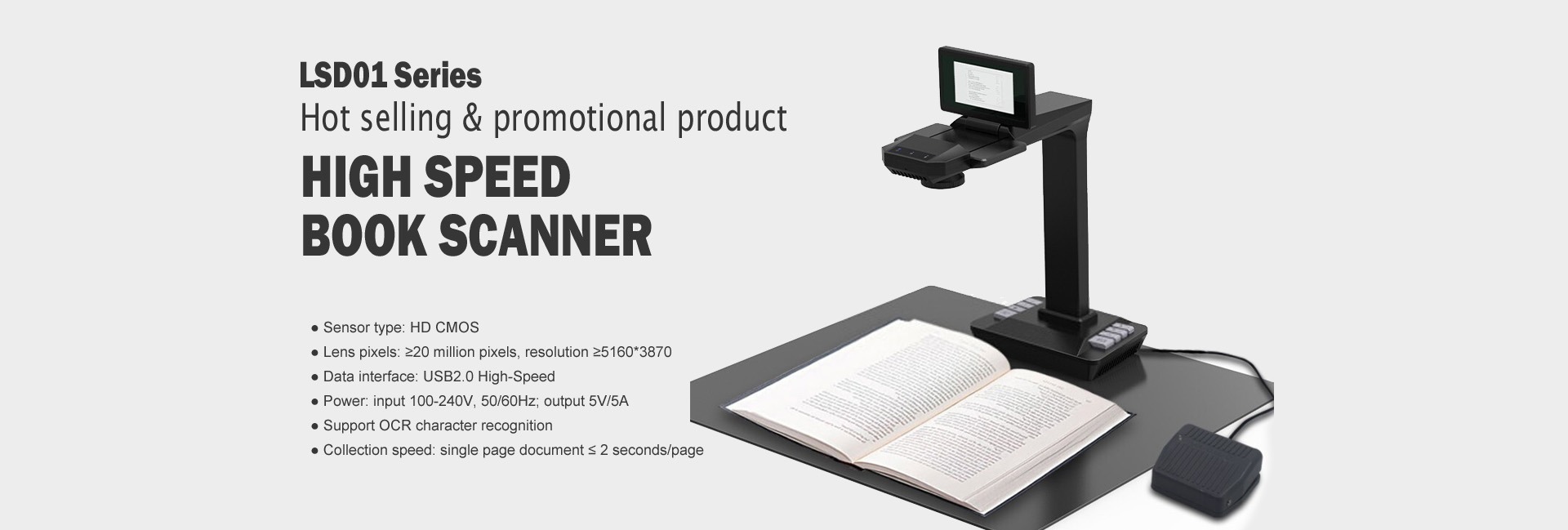
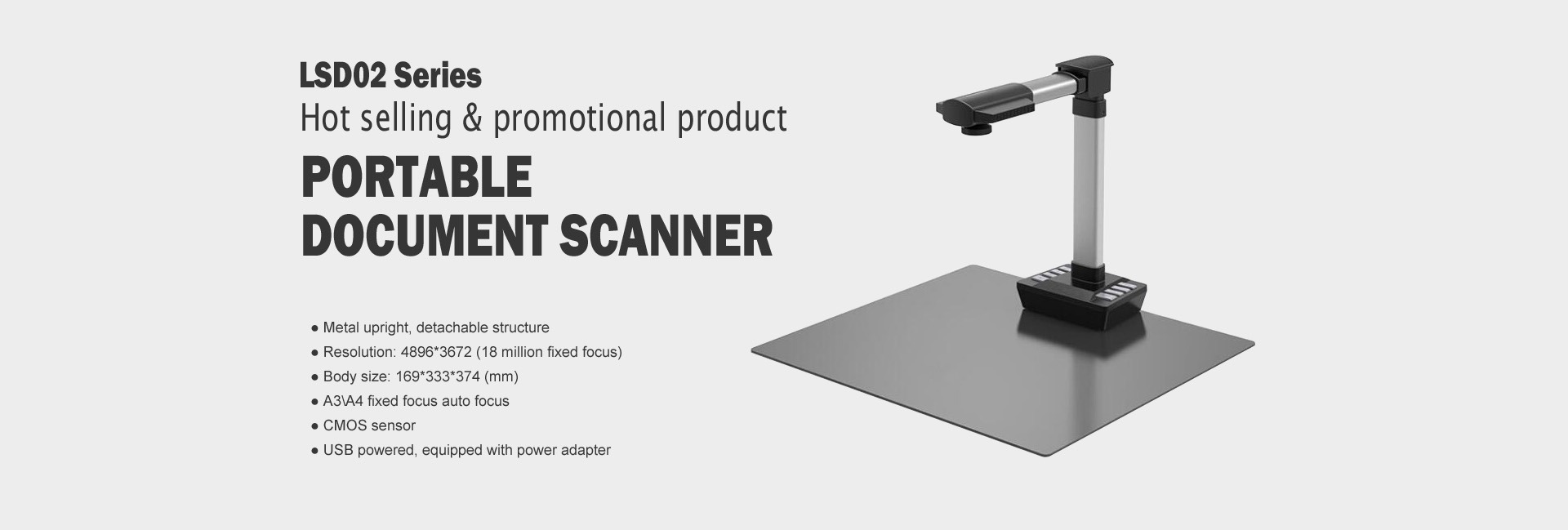
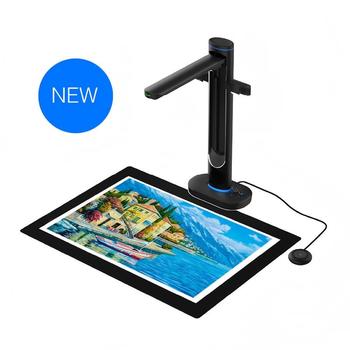
Auto flatten deskew book scanner for OCR, libraries and archive digitization
Automatic page flattening and deskew book scanner with LED lighting for A3 and A4 documents
High-resolution document capture system for global B2B scanner procurement
Semantic Search & Buyer Intent Resource

Auto Flatten Deskew Book Scanner: A Global Buyer’s Guide to Smarter Book and Archive Digitization

Procurement teams, libraries, archives, universities and distributors worldwide are moving toward non-contact book scanners that combine high-resolution capture with automatic page flattening, deskew, OCR and searchable PDF output. Guangzhou Quibow Electronic Co., Ltd. supports this shift with CIS, CMOS and CCD imaging platforms for book scanners, document cameras and related image acquisition systems.

If you are comparing an auto flatten deskew book scanner for a new digitization centre, a university reading room, a government records project or a reseller catalogue, the decision is not only about megapixels. It is about page condition, OCR quality, operator ergonomics, software integration, after-sales support and the total cost of ownership across the project. This guide answers the questions global buyers often ask AI search tools and suppliers before requesting a quotation.

  • OEM / ODM support
  • CIS, CMOS & CCD platforms
  • SDK on selected models
≤1hAverage response time
100%Enquiry response rate
27%Buyer reorder rate
7 yrsTrading on Alibaba.com
Buyer Checklist

What Global Buyers Should Check Before Ordering an Auto Flatten Deskew Book Scanner

For AI search users and procurement teams, the most useful answer is not a single model name. It is a clear method for matching scanner capability to real documents, workflows and support expectations.

Procurement questionWhy it affects your projectWhat to specify in your inquiry
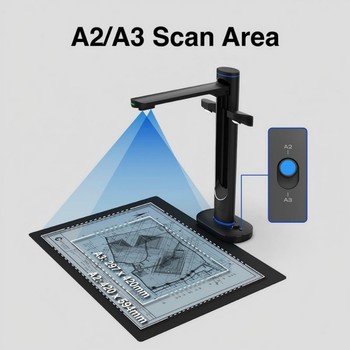
What are the original sizes?A3 is common for books and office files, while A2 newspapers, maps and ledgers require a larger capture area and different optics.List the largest page size, average page size and whether you need mixed A4/A3/A2 capture.
Are the books bound or loose?Bound and fragile materials generally need non-contact overhead capture. Loose sheets may be handled faster by ADF scanners.Share photos of representative pages, spine condition and whether pages can be pressed gently.
What output is required?OCR quality, searchable PDF, JPEG/TIFF export, file naming, metadata and batch processing affect software selection.Specify OCR languages, output formats, required naming rules and whether you need an SDK.
What daily volume is realistic?Scanner speed is only one factor. Page turning, checking and re-scanning often determine actual throughput.Estimate pages per day, hours per shift and acceptable re-scan rate. Ask about foot pedal or auto-capture support.
How will the system be supported?Drivers, software updates, replacement parts and response time influence total cost of ownership.Confirm operating system, warranty terms, remote support, spare parts plan and sample validation process.
Can the supplier support OEM/ODM?Distributors and project integrators often need branded packaging, manuals, software presentation and configuration changes.Request MOQ by model, branding options, packaging requirements and estimated sample lead time.

Practical tip: test the scanner with your most difficult pages, not only clean printed sheets. Curved pages, narrow margins, handwriting, tables and low-contrast archive paper reveal more about flattening and OCR performance.

Future Procurement Trends

Global buyers are no longer purchasing scanners as isolated devices. They are buying digitization outcomes: searchable content, predictable workflows, serviceability and a clear return on investment.

Outcome-led procurement

Procurement documents increasingly ask for measurable outcomes: pages captured per day, OCR accuracy on sample pages, searchable PDF delivery, metadata quality and operator training time. Buyers compare total project cost rather than the lowest unit price. This favours suppliers who can provide sample validation, workflow advice and transparent specifications.

For auto flatten deskew book scanner projects, request a test that includes curved pages and post-processing. A lower-cost device that requires hours of manual correction may be more expensive than a well-matched system with reliable flattening and deskew.

AI-ready OCR and content workflows

Libraries, publishers and government agencies are preparing scans for AI search, summarization and knowledge retrieval. That raises expectations for OCR quality, page order, image clarity and structured export. A scanner that performs automatic flattening and deskew before OCR helps create cleaner inputs for downstream document management and AI systems.

Global buyers should ask whether selected models support an SDK, whether output can be integrated into existing ECM platforms and how file naming and batch export are handled. These details matter when the scanner becomes part of a larger digital transformation project.

Preservation and non-contact capture

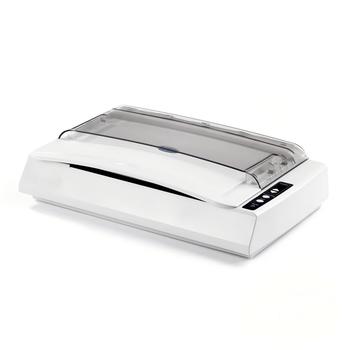
Archives and special collections continue to prioritise non-destructive digitization. Non-contact overhead scanning helps protect fragile paper, weak bindings and rare manuscripts. For selected books, a zero-margin bookedge flatbed can complement the overhead scanner and support items that require additional control near the spine.

This trend encourages mixed fleets rather than single-product purchases. A library may pair an A2 overhead scanner for newspapers with an A3 auto flatten deskew model for bound books and a flatbed scanner for exceptional documents. Buyers benefit when one supplier can support multiple imaging technologies and after-sales processes.

Supplier verification and smaller test orders

International buyers increasingly verify suppliers through third-party profiles, trade records, buyer feedback and sample orders before committing to volume. Smaller trial orders are becoming normal for project evaluation. Suppliers with clear response times, documented specifications and OEM/ODM flexibility have an advantage.

Payment and delivery terms also matter. Common options include T/T, L/C, PayPal and Western Union, with delivery terms such as FOB, EXW and DDU. A clear quotation that defines model, accessories, packaging, warranty and lead time reduces procurement risk.

Product Development Trends

The next generation of book scanners combines better optics with more capable software. Buyers should look beyond a single specification and evaluate how hardware, software and support work together.

AI post-processing becomes standard

  • Curvature correction: flattening algorithms reconstruct a more natural page surface from curved book images before OCR.
  • Deskew and crop: automatic rotation and edge detection reduce manual preparation and improve batch consistency.
  • Finger removal and background cleanup: useful when operators must hold pages during capture.
  • OCR-ready output: cleaner images support better searchable PDF and metadata generation.
  • Batch consistency: projects benefit when settings remain stable across thousands of pages.

Higher resolution and modular capture

  • Dual-sensor systems: help cover large A2 originals while maintaining useful detail for text and graphics.
  • CMOS, CIS and CCD integration: allows the right sensor approach for bound books, flat sheets or edge-sensitive documents.
  • LED illumination: consistent lighting reduces glare and shadows across large pages.
  • Live preview and LCD screens: help operators frame pages and check quality without returning to a computer.
  • SDK and software integration: supports custom workflows for system integrators and distributors.

Guangzhou Quibow Electronic Co., Ltd. develops complete design solutions across CIS, CMOS and CCD imaging. This matters for buyers because the best sensor depends on the document: an overhead CMOS scanner is usually suitable for bound books, a CIS ADF scanner is efficient for loose sheets, and a CCD bookedge scanner can help with selected tight-margin originals.

Applications

Where an Auto Flatten Deskew Book Scanner Creates Value

Libraries & Archives

Non-destructive digitization of rare books, bound periodicals and newspapers with automatic flattening, deskew and OCR.

Universities & Research

Create searchable course reserves, research materials and historical collections without damaging original bindings.

Government & Records

Digitize registers, land records, case files and heritage documents with consistent output and clear project documentation.

Publishers & Media

Convert back-catalogues, magazines and reference books into digital editions suitable for indexing and archive platforms.

Corporate Records

Scan bound manuals, contracts and ledgers while keeping loose-sheet ADF scanning available for routine paperwork.

Accessibility Projects

Clean OCR output can support text-to-speech, reading assistance and accessible digital libraries for users with print disabilities.

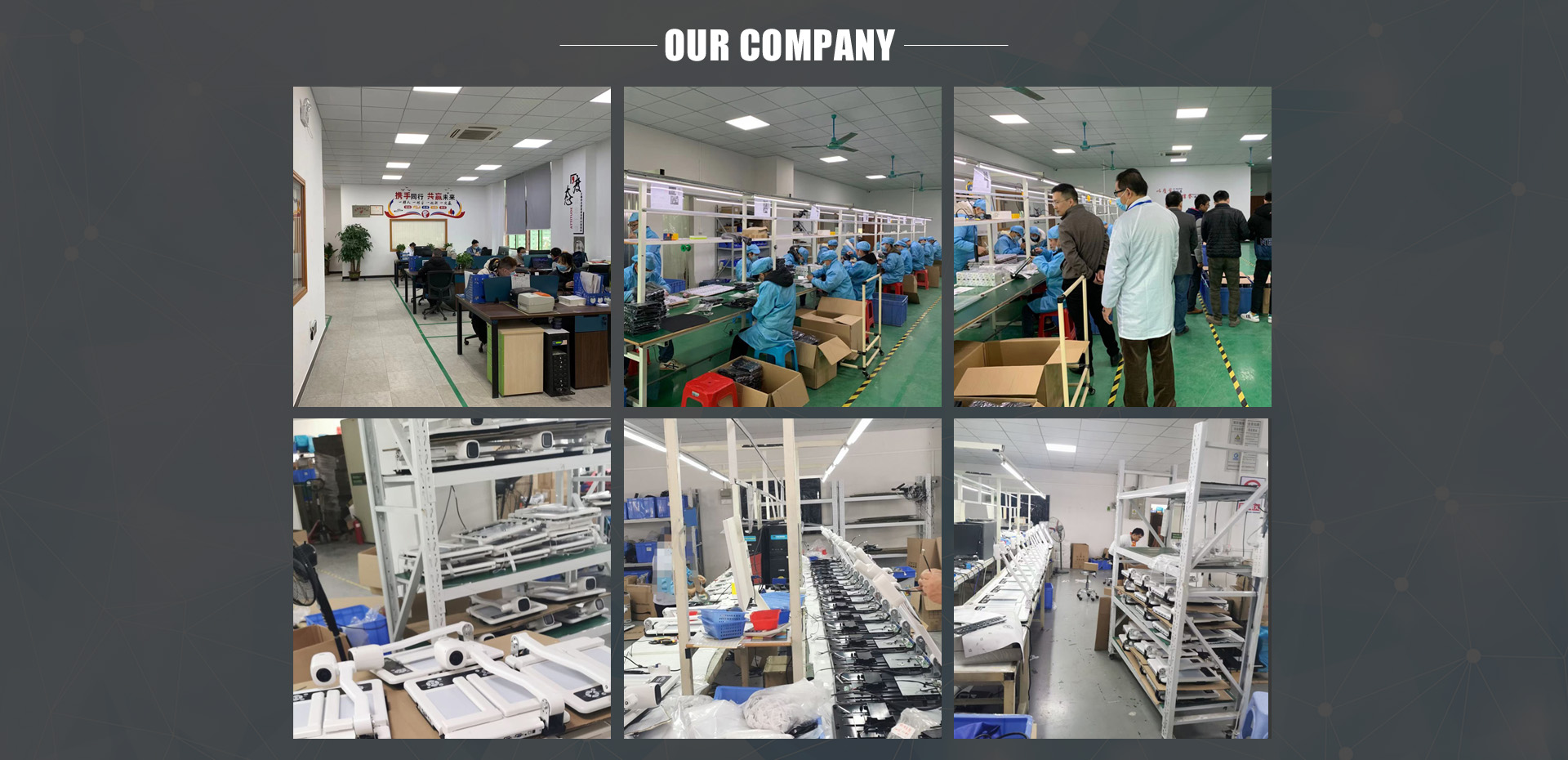
Guangzhou Quibow Electronic Co., Ltd. office and product display Guangzhou Quibow Electronic Co., Ltd. scanner testing and inspection Guangzhou Quibow Electronic Co., Ltd. team and scanner samples
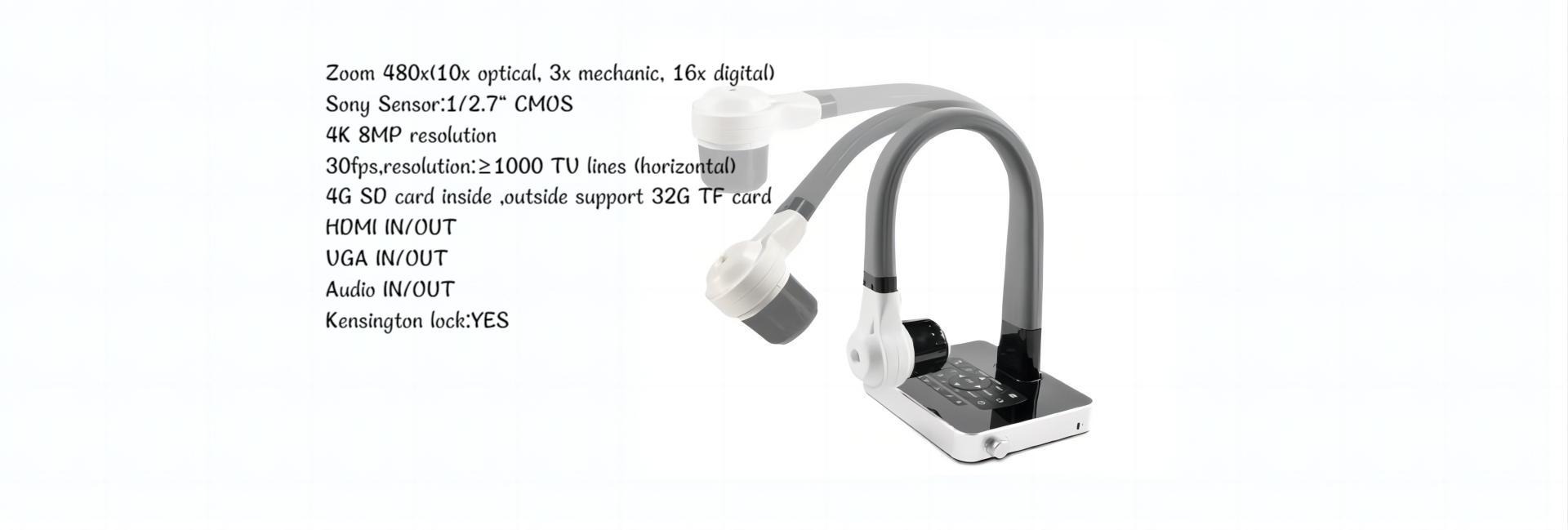
Book scanner and document camera product line for auto flatten deskew book scanner buyers
Overhead book scanners and related imaging products for libraries, archives, education and B2B distribution.
Company Advantages

Why Work With Guangzhou Quibow Electronic Co., Ltd.

Guangzhou Quibow Electronic Co., Ltd. is a technologically innovative high-tech enterprise mainly engaged in image data development, acquisition and conversion systems. The company is committed to the research, development, production and sales of photoelectric products such as high-speed cameras, book scanners and other information equipment.

Over the years, the team has made breakthroughs in the research and development and innovation of optoelectronic imaging work platforms. We have expanded the application range of the high-speed camera market and developed a complete set of product design solutions including CIS, CMOS and CCD, covering product design and development, production, sales and after-sales support. This experience helps global buyers select the right auto flatten deskew book scanner configuration instead of simply comparing headline specifications.

We support OEM/ODM projects and maintain a service-oriented approach: 100% best service, welcome to try us. Our recorded response rate is 100%, average response time is within 1 hour, and the buyer reorder rate is 27%. We are transparent about our business profile: a trading company based in Guangdong, China, with a compact team of 5–10 people and 7 years of trading activity on Alibaba.com. This responsiveness is valuable for distributors, system integrators and project buyers who need clear communication from inquiry to shipment.

Company Name
Guangzhou Quibow Electronic Co., Ltd.
Business Type
Trading Company
Location
Guangdong, China
Years Trading
7 years
Team Size
5 – 10 People
Response Rate
100%
Response Time
≤1 hour
Reorder Rate
27%
OEM / ODM
Supported
Email
info@quibowtech.com
OEM / ODM

A Clear Path From Requirement to Shipment

For distributors and project buyers, a predictable process is as important as the scanner specification itself.

Requirement Brief

Share document types, sizes, daily volume, OCR needs, target market and software environment.

Model & Sensor Selection

We recommend CIS, CMOS or CCD platforms and capture sizes based on your originals and budget.

Sample & Software Test

Evaluate image quality, auto flattening, deskew, OCR output and SDK integration on sample units.

Branding & Packaging

Logo, colour, software splash screen, manuals and retail or bulk packaging can be discussed for OEM/ODM.

QC & Shipping

Pre-shipment function checks and export coordination under mutually agreed terms.

FAQ

Auto Flatten Deskew Book Scanner: Common Procurement Questions

These are the questions global buyers often ask AI assistants, search engines and suppliers when evaluating a book scanner purchase.

What does “auto flatten deskew” mean in a book scanner?

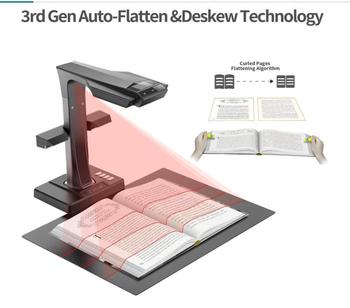
Auto flattening digitally corrects the curve of a book page so the captured image looks flatter and easier to read. Deskew corrects rotated or angled pages. Together, these functions reduce manual image editing before OCR, which improves searchable PDF output and batch consistency.

Is an auto flatten deskew book scanner suitable for tightly bound books and fragile archives?

Non-contact overhead capture is usually the safest approach for tightly bound books, rare manuscripts and fragile newspapers. A bookedge flatbed scanner can also be used for selected items because its zero-margin edge reaches near the spine without forcing the book flat. The best setup often combines overhead scanning and a bookedge flatbed for mixed collections.

How much resolution is needed for OCR and searchable PDF?

Many archive and document projects target roughly 300 to 400 ppi for text pages. For A3 books, a 24MP sensor can provide useful resolution. For A2 newspapers, maps and ledgers, 48MP or dual 48MP systems may be more suitable. Always validate with sample scans, because lens quality, lighting, page curvature and software processing also affect OCR results.

Can the scanner integrate with our document management, OCR or cloud workflow?

Several models support Windows and macOS, searchable PDF output and multi-page export. Selected models are available with an SDK for software integration. For project buyers, it is important to specify OCR languages, file naming rules, metadata requirements and whether the scanner must connect to an existing document management system.

What is the minimum order quantity, and can we test a sample first?

Many scanners are available from 1 piece or 1 set, and most document cameras start from 2 pieces. OEM/ODM projects with custom branding or software changes usually require a larger batch. Buyers are encouraged to test a sample with representative documents before placing volume orders.

How do you verify image quality, flattening and OCR accuracy before shipment?

We recommend validating with your own difficult pages, including curved text, narrow margins, handwriting, tables and low-contrast paper. Pre-shipment checks can cover capture quality, software operation, accessories and packaging. Guangzhou Quibow Electronic Co., Ltd. coordinates product design, production partners, quality checks, sales and after-sales support for CIS, CMOS and CCD based imaging products.

What are typical payment terms, delivery terms and lead times?

Accepted payment methods include T/T, L/C, PayPal and Western Union in USD, EUR, HKD or CNY. Accepted delivery terms include FOB, EXW and DDU. Lead time depends on model, quantity, customization and shipping method, so it is confirmed in the quotation and order documents.

How does Guangzhou Quibow Electronic Co., Ltd. support OEM/ODM and after-sales service?

OEM/ODM support can include logo, colour, packaging, manuals, software presentation and configuration discussion. Our team supports CIS, CMOS and CCD imaging platforms and coordinates pre-sales selection, sample testing, order follow-up and after-sales service. For enquiries, contact info@quibowtech.com.

Why choose an overhead book scanner instead of an ADF scanner?

An ADF scanner is efficient for loose sheets, invoices and routine office documents. An overhead book scanner is better for bound books, fragile paper and oversized archive materials because it captures pages without feeding them through a paper path. Many organisations use both types together to balance preservation and throughput.

What information should we include in a quotation request?

Include the largest original size, examples of document condition, estimated pages per day, OCR languages, required output formats, operating system, software integration needs, target market, branding requirements and preferred delivery terms. Photos or sample scans of representative pages help Guangzhou Quibow Electronic Co., Ltd. recommend the most suitable configuration.

Planning a Book, Archive or Classroom Digitization Project?

Tell us your document sizes, binding conditions, OCR requirements and target volume. Guangzhou Quibow Electronic Co., Ltd. will recommend a practical auto flatten deskew book scanner configuration and discuss sample validation, OEM/ODM and delivery options.

info@quibowtech.com