Library & Archive Digitization

Library Archive Digitization Overhead Scanner: A B2B Buyer’s Guide to Non-Contact Book and Archive Capture

Guangzhou Quibow Electronic Co., Ltd. supplies overhead scanners for libraries, archives, universities, publishers, government records teams and system integrators that need to digitize bound books, newspapers, ledgers, maps and fragile documents without flattening the originals. A library archive digitization overhead scanner uses a CMOS area sensor, LED illumination and capture software to photograph a page from above, then applies curvature correction, deskew, OCR and PDF export. The result is a safer workflow for fragile bindings and a faster workflow for high-volume page capture.

Because every collection is different, this guide goes beyond generic product claims. It explains how to match scan area, megapixels, lighting, OCR languages, software integration and after-sales support to real archive requirements, and it shares the procurement and product-development patterns our team sees from global buyers who need reliable, repeatable image capture.

  • Non-contact capture for bound volumes
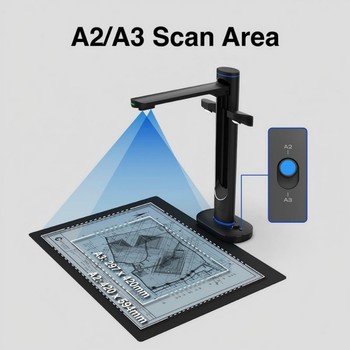
  • A2 and A3 overhead formats
  • OEM / ODM and SDK discussion
21–48MPCMOS capture options for books, newspapers and oversized records
≤1hRecorded average response time for buyer enquiries
100%Recorded response rate from our sales team
27%Recorded buyer reorder rate on the supplier profile
Recommended Configurations

The best model is not automatically the one with the most megapixels. It is the model whose capture area, sensor, lighting, software and handling speed fit the material and budget. These four configurations cover many of the library archive digitization overhead scanner enquiries we receive from global buyers.

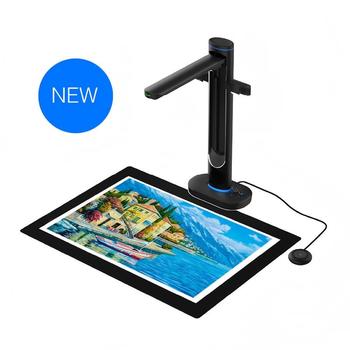
A2 · Dual 48MPA2 large-format book scanner with dual 48MP CMOS sensors for library archives

A2 Large-Format Book Scanner, Dual 48MP CMOS

  • A2 scan area
  • Dual 48MP CMOS
  • Windows & macOS

For large registers, atlases, map books and oversized bound volumes, a dual-sensor A2 overhead scanner splits the page into high-resolution views and helps preserve fine line work and small print. It is a strong candidate for institutions that need high-resolution masters and can plan operator training for stitching and color checks.

MOQ: 1 piece
View Details
Archive OCR48MP A2 newspaper and archive scanner with OCR for library digitization

48MP A2 Newspaper & Archive Scanner with OCR

  • A2 format
  • 48MP
  • OCR
  • USB

Newspapers and periodicals combine large pages, dense columns, folded edges and often fragile paper. This A2 configuration is suited to non-destructive capture of broadsheets and archive volumes, with OCR to searchable PDF for catalogs and research access. Discuss language packs, page splitting and metadata export during the sample stage.

MOQ: 1 piece
View Details
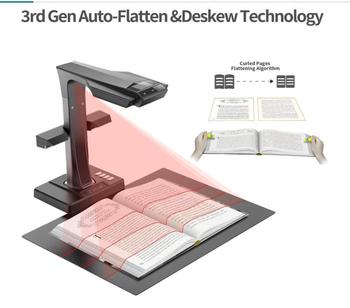
Auto-FlattenA3 24MP book scanner with auto flatten and deskew for library workflows

A3 24MP Auto-Flatten & Deskew Book Scanner

  • 24MP CMOS
  • 6000×4000 px
  • Searchable PDF

For circulating collections, manuscript volumes and reading-room workflows, an A3 overhead scanner with automatic flattening and deskew reduces manual correction. 24MP is often a practical balance between image detail, file size and capture speed, especially when OCR and daily throughput matter more than museum-level line quality.

MOQ: 1 piece
View Details
A2 · 21MPA2 21MP HD book scanner with LED lighting for archive access copies

A2 21MP HD Book Scanner with LED Lighting

  • A2 format
  • 21MP
  • LED light
  • Windows & macOS

For projects with A2 originals but tighter budgets, a 21MP A2 overhead scanner can be appropriate for scholarly access copies, newspaper clippings and collection-level digitization where the target is readable PDF rather than preservation-grade master. Request sample scans at your expected working distance and page size.

MOQ: 1 piece
View Details
Information Gain

How to Compare a Library Archive Digitization Overhead Scanner Beyond Megapixels

Procurement teams often compare only megapixels. A better comparison uses five dimensions: effective ppi on the largest original, capture cycle time, page-handling risk, OCR and metadata output, and total cost of ownership. These checks help separate a suitable archive scanner from a general-purpose visualizer.

Resolution and effective ppi

Overhead scanners are rated in megapixels, while archive guidelines often specify ppi. Convert with: effective ppi ≈ long-edge pixels ÷ long edge of the page in inches. The table below is a planning aid, not a guarantee. Actual output depends on lens, crop, focus, lighting and software.

SensorA3 approx.A2 approx.
18MP (4896 × 3672)≈ 296 ppi≈ 209 ppi
24MP (6000 × 4000)≈ 363 ppi≈ 257 ppi
48MP (8000 × 6000)≈ 484 ppi≈ 342 ppi

Many library digitization programs request around 300–400 ppi for text or use image-quality targets such as FADGI and ISO 19264-style evaluation. A 24MP A3 system can be practical for access copies, while a 48MP A2 system offers more headroom for large newspapers, maps and preservation-oriented masters. Always judge sample scans rather than the sensor number alone.

Throughput and operator ergonomics

  • Capture cycle: measure time per usable image after the page turn, not only the sensor frame rate.
  • Page handling: check book cradle height, opening angle, glass or glassless capture, and whether the operator can work comfortably for a full shift.
  • Software workflow: confirm auto-crop, curve flattening, dewarp, deskew, finger removal, blank-page removal, OCR language packs, searchable PDF, TIFF and PDF/A export.
  • Quality control: use a color target, focus check, resolution target, missing-page detection and consistent file naming.
  • Integration: ask whether an SDK, watched folder, barcode naming or metadata export is available for your digital asset management workflow.
Archive materialTypical capture approachWhat to verify before purchase
Rare bound booksNon-contact overhead CMOS scanner with book cradle and LED illuminationOpening angle, page curvature correction, light uniformity, focus across the gutter, staff handling procedure
Newspapers and periodicalsA2 overhead scanner with 48MP or dual-sensor capture and OCRFull-page coverage, page splitting, OCR accuracy on dense columns, large-file handling and storage plan
Loose manuscripts and recordsADF scanner for suitable loose sheets; overhead scanner for fragile or odd-sized itemsSheet damage risk, feeder reliability, duplex capture, daily volume and mixed-batch sorting
Maps, drawings and oversize recordsA2 overhead scanner or large-format flatbed with color managementEffective ppi, color target workflow, lens distortion, even lighting and stitching if required
Office and counter documentsADF or flatbed scanner for high-volume loose paperSpeed, OCR, network integration and workgroup software; an overhead scanner is not always the best tool

A common cost-saving design is a hybrid capture cell: one overhead scanner for fragile bound items and one ADF scanner for loose paper. This often improves throughput more than buying a single higher-megapixel overhead unit.

Procurement Trends

Library Archive Digitization Overhead Scanner Procurement Trends for 2025–2030

Global buyers are moving from simple scanner shopping toward workflow procurement. They want evidence, repeatable quality, integration and lifecycle support—not just a hardware specification sheet.

Compliance-first purchasing

Buyers increasingly ask for image-quality targets, color targets, audit trails and metadata naming instead of quoting DPI alone. Vendors that can explain trade-offs clearly are easier to evaluate.

Searchable, not just scanned

OCR and searchable PDF are now baseline requirements for many library projects. Archives also ask about handwriting recognition, multilingual OCR and structured export to discovery systems.

Hybrid capture cells

Institutions combine overhead scanners for bound items with ADF scanners for loose paper. Procurement teams evaluate the entire workflow, including sorting, quality control and storage.

Remote sample validation

Travel budgets are tighter, so buyers request representative sample scans, video demonstrations and test images before ordering. This is especially important for A2 newspapers and tightly bound volumes.

Open integration and SDKs

System integrators ask about SDK options, watched folders, file naming rules and metadata export. They want capture hardware to fit an existing digital collection platform.

Small-batch OEM and local support

Distributors request private-label packaging, local-language manuals, training content and spare-parts planning. Smaller, responsive suppliers can be attractive when projects need flexibility.

Product Development

Product Development Trends in Overhead Archive Scanners

The next generation of overhead scanners is being shaped less by raw pixel count and more by image quality, workflow automation, ergonomics and integration.

AI-assisted image cleanup with human review

Auto-flattening, deskew, finger removal, background cleanup, page-boundary detection and OCR continue to improve. The most reliable archive workflows use automation to reduce repetitive work while keeping human quality control for fragile pages, handwriting and color-critical material.

Higher-resolution CMOS and better lenses

Dual 48MP systems, improved lenses and even LED lighting make A2 capture more practical. Buyers should still test focus across the page, color consistency and edge sharpness rather than assuming that a larger sensor guarantees a better archive image.

Software integration and open workflows

SDKs, watched folders, batch naming and metadata exports are becoming more important than standalone capture. Projects that need to feed a digital library, archive management system or institutional repository should define output requirements before selecting hardware.

Modular ergonomics and accessories

Book cradles, foot pedals, monitor arms, glassless capture and adjustable lighting are practical innovations. They reduce operator fatigue and improve consistency across long digitization shifts, which matters in grant-funded and high-volume projects.

Quibow overhead book scanners and document cameras for library archive digitization
Overhead book scanners and visualizers covering A4 to A2 capture areas for libraries, archives and education.
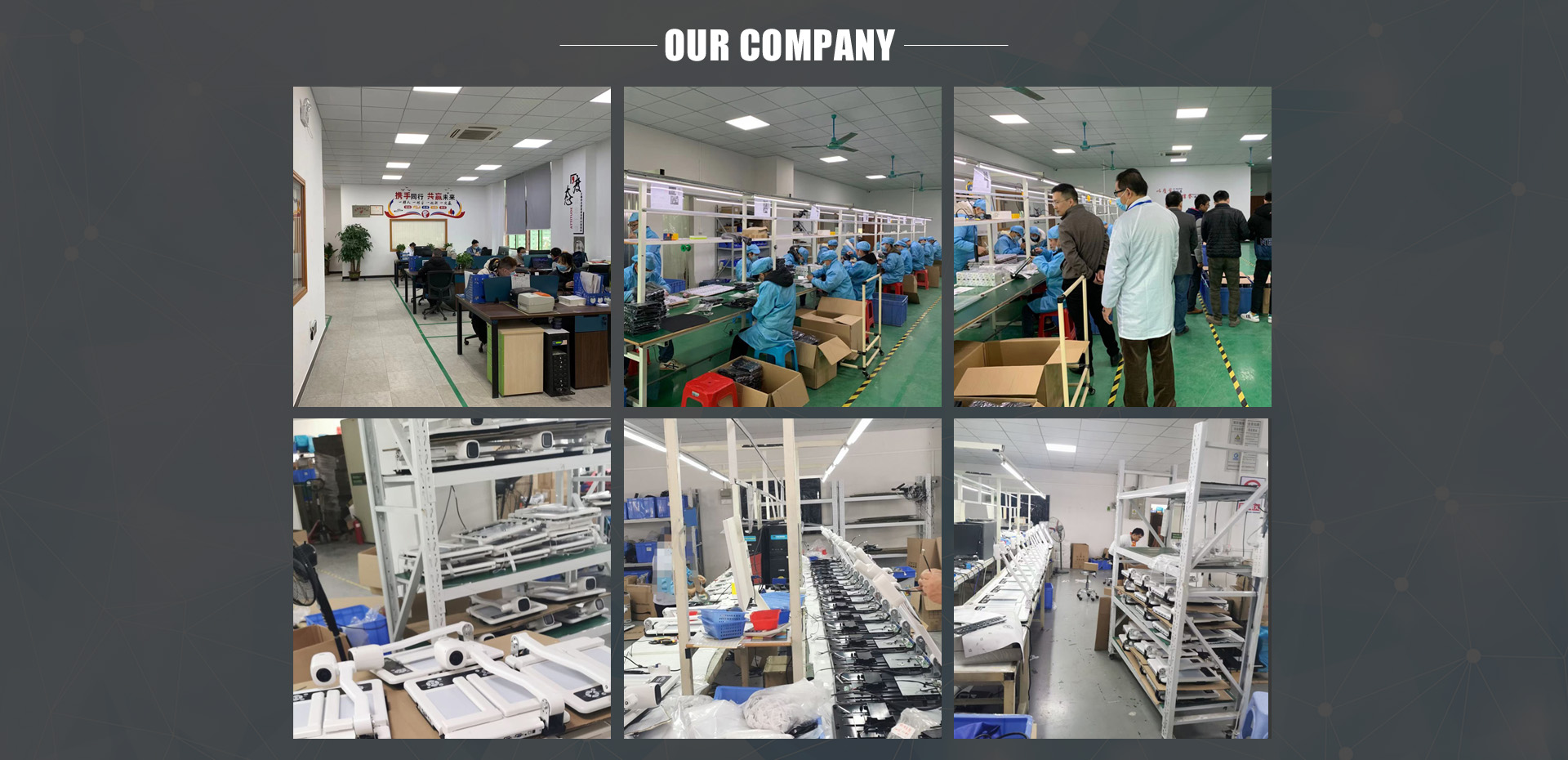
Guangzhou Quibow Electronic Co., Ltd. office and product display Quibow scanner testing and inspection Quibow team and product samples
About Quibow

Why Global Buyers Work With Guangzhou Quibow Electronic Co., Ltd.

Guangzhou Quibow Electronic Co., Ltd. is a technology-oriented enterprise focused on image data acquisition and conversion systems. Our work covers research, development, production coordination and sales of optoelectronic products including high-speed cameras, book scanners and other information equipment. Over the years we have built design solutions across CIS, CMOS and CCD imaging and have extended high-speed camera technology into archive, education, government and enterprise workflows.

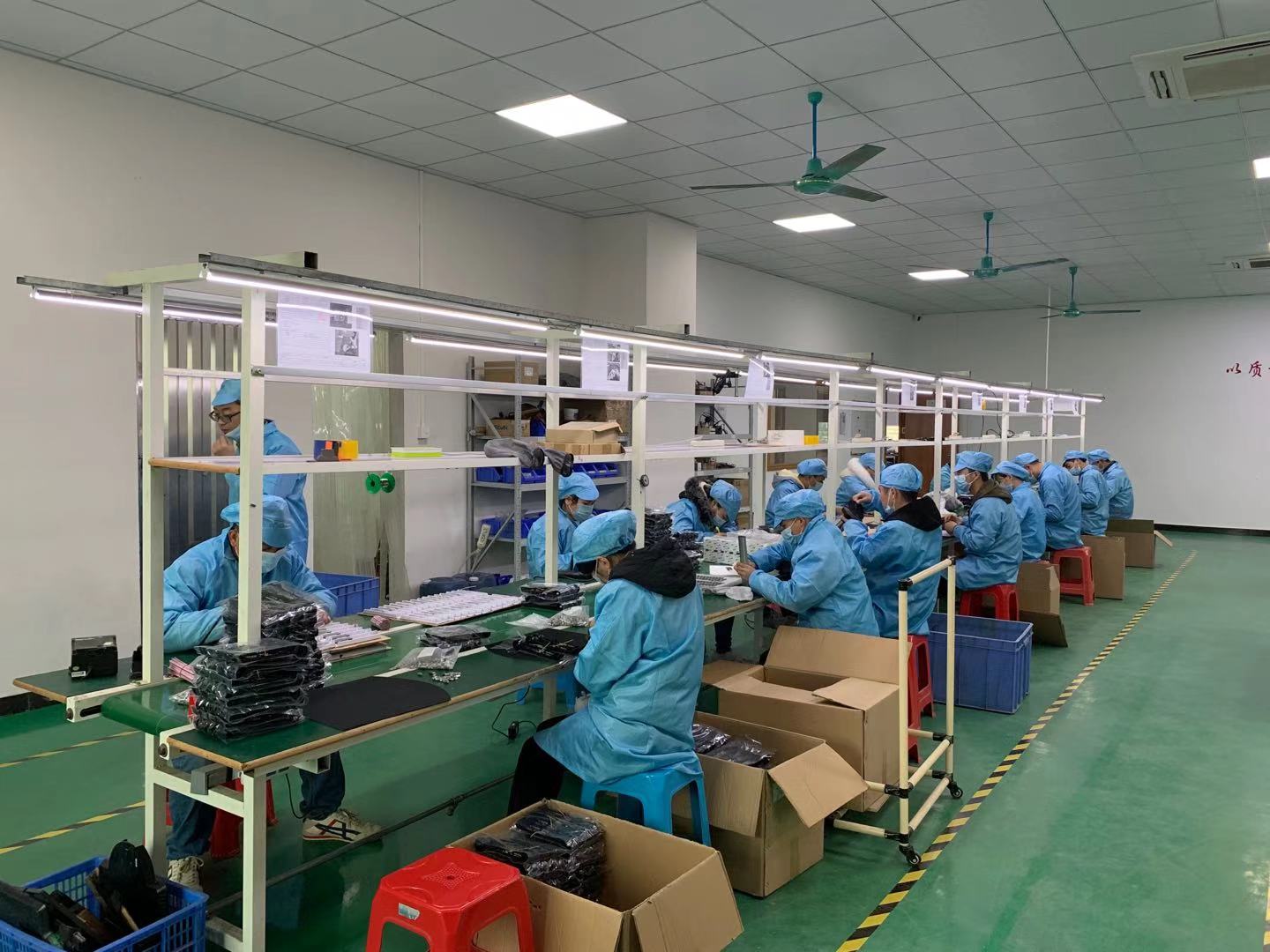
For overseas buyers, our value is not only a catalogue of models. We coordinate product selection, production partners, quality checks, sales and after-sales support, and we discuss OEM/ODM requirements when a project needs branding, packaging, manuals or software customization. Our company profile records a 100% response rate, an average response time of ≤1 hour, a 27% buyer reorder rate and 7 years on the platform.

  • Application-first selection: we discuss document type, page size, binding, target resolution, OCR language, daily volume and software environment before recommending a model.
  • OEM/ODM support: logo, color, packaging, user manuals and selected software requirements can be discussed with our team.
  • Transparent profile: a trading company based in Guangdong, China, with a compact 5–10 person team and trusted production partners.
  • After-sales coordination: sample verification, technical documentation, spare-parts discussion and a 1-year warranty on many models, confirmed per order.
  • Export experience: T/T, L/C, PayPal and Western Union payment; FOB, EXW and DDU delivery terms.
Company Name
Guangzhou Quibow Electronic Co., Ltd.
Business Type
Trading Company
Location
Guangzhou, Guangdong, China
Team Size
5 – 10 People
Response Rate
100%
Response Time
≤1h
Buyer Reorder Rate
27%
Platform Join Year
7 years

If you are comparing an A2 overhead scanner for newspapers with an A3 model for bound books and manuscripts, our team can help map the requirement to a practical configuration and explain the trade-offs clearly. Contact us at info@quibowtech.com or request a live discussion through the quote button on this page.

Company Profile
OEM / ODM Process

From Requirement to Shipment in Five Clear Steps

A predictable process for archive projects, private-label scanners and project-specific configurations.

Requirement Brief

Share document types, largest page size, binding condition, daily volume, target output and destination country.

Model & Sensor Selection

We compare A3 or A2 capture, CMOS sensor resolution, lighting and software options to fit the material and budget.

Sample Scan & Software Test

Evaluate image quality, OCR output, file export and SDK integration using representative pages before ordering.

Branding & Packaging

Logo, color, software splash screen, manuals and retail or bulk packaging can be discussed for OEM/ODM projects.

QC & Shipping

Pre-shipment function checks, then export under FOB, EXW or DDU terms with the agreed documentation.

FAQ

Questions Global Buyers Ask About Library Archive Digitization Overhead Scanners

What is a library archive digitization overhead scanner used for?

A library archive digitization overhead scanner captures books, newspapers, ledgers, maps and fragile documents from above without pressing the originals flat. It is used to create preservation masters, access PDFs, OCR text and catalog images for libraries, archives, museums, publishers and government records teams. Non-contact capture is especially valuable for tightly bound or fragile volumes.

How many megapixels do I need for A2 or A3 archive pages?

For A3 text pages, 18MP to 24MP is often practical for access copies, while 24MP to 48MP provides more headroom for fine print, maps and preservation-oriented workflows. For A2 newspapers and large registers, 48MP or dual-sensor capture is generally more suitable. Buyers should judge sample scans, lens quality, lighting, OCR output and effective ppi rather than megapixels alone.

Can an overhead scanner digitize rare and tightly bound books safely?

Yes. A non-contact overhead scanner keeps the book below the camera and uses LED illumination, a book cradle and software-based curve correction instead of glass pressure. Operators should still use a suitable cradle, limit opening angles for fragile volumes and follow institutional handling guidelines. For very fragile items, request sample scans and discuss handling accessories before purchase.

Do these scanners include OCR and searchable PDF output?

Many configurations include OCR and searchable PDF export, with language and software options confirmed per model. For archives that need TIFF, JPEG, PDF/A, batch folders or metadata naming, buyers should include those requirements in the sample test and order specification. OCR accuracy depends on print quality, language, scan resolution and page curvature.

Can the scanner export to TIFF, JPEG, PDF/A or a watched folder?

Export options vary by model and software version. Common requirements include searchable PDF, TIFF, JPEG, batch folders and consistent file naming. If your digital library or archive management system needs a specific output structure, describe it before ordering and test it with sample pages. Several models also offer SDK options for integration work.

Do you support OEM/ODM branding and SDK integration?

Guangzhou Quibow Electronic Co., Ltd. supports OEM/ODM discussion for branding, packaging, manuals and selected software requirements. Several scanner and document camera models offer SDK options for integrators. Technical feasibility, minimum order quantity and lead time are confirmed per project after reviewing your requirement.

What are the MOQ, payment and delivery terms?

Many scanners are available from 1 piece or 1 set, while most document cameras start from 2 pieces. Accepted payment methods are T/T, L/C, PayPal and Western Union, and delivery terms include FOB, EXW and DDU. OEM/ODM projects may require a larger batch, which is confirmed by project.

How can I request a sample scan, warranty details or quotation?

Send the largest document size, binding type, daily page target, OCR languages, software requirements, destination country and representative page images to info@quibowtech.com. Guangzhou Quibow Electronic Co., Ltd. will recommend a model, confirm MOQ and lead time, discuss warranty terms for the selected model and arrange sample scans or a live demonstration where possible.

Planning a Library or Archive Digitization Project?

Send us your document sizes, binding types, daily page target, OCR languages and target output. Our team will recommend a practical overhead scanner configuration and confirm the next steps.

info@quibowtech.com