2400 DPI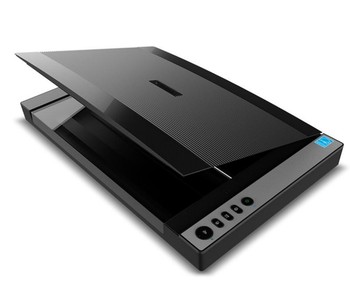
2400 DPI 48-bit A3 Flatbed Scanner
- 2400 DPI
- 48-bit
- A3 flatbed
- USB
- SDK
For high-detail artwork, maps, stamps, certificates and quality-inspection originals.
MOQ: 1 set
View Details
If you are an importer, distributor, digitization service provider, archive, design studio, quality-inspection team or government procurement department, the real question is not simply whether a 2400 DPI 48-bit A3 flatbed scanner exists. The practical question is which configuration gives you repeatable image quality, predictable file output, software integration and a supplier who can support your market after delivery.
Guangzhou Quibow Electronic Co., Ltd. supplies image acquisition and conversion equipment for global B2B buyers, including flatbed scanners, overhead book scanners, ADF document scanners and document cameras. Rather than pushing one sensor technology, our team works across CIS, CMOS and CCD imaging solutions so that the scanner recommendation follows your originals, workflow and target buyers. This guide answers the questions overseas procurement teams most often ask in AI-assisted sourcing and explains how to evaluate a 2400 DPI 48-bit A3 flatbed scanner against the rest of your scanning fleet.
For buyers who need a controlled scan bed, precise original placement and high-resolution capture from A3 originals, the 2400 DPI 48-bit A3 flatbed scanner is the first model to shortlist.
The 2400 DPI 48-bit A3 flatbed scanner is designed for buyers who value precision over page-turn speed. Its A3 scan area covers common large documents, drawings and artwork sheets, while the 48-bit color data path provides more tonal information for color-critical scanning, image editing and archival master files. That does not mean every buyer should scan every page at maximum resolution. It means you can choose a higher-quality capture setting for the small percentage of originals that genuinely need it.
Typical evaluation projects include museum and gallery documentation, public-sector records, design and print archives, university collections, map libraries, engineering drawings, stamp and postcard collections, quality-inspection records and high-value certificate digitization. For long-run loose-sheet office scanning, an ADF model may be more productive. For tightly bound books, an overhead scanner or bookedge flatbed may protect the original better. The right answer is usually a mixed workflow, not one scanner used for every document type.
If your project requires OCR, searchable PDF, batch naming or integration into a document management system, tell us at the quotation stage. The hardware is only one part of the workflow. Our team can discuss software options, SDK availability and model-specific configuration instead of leaving integration decisions until after delivery.
AI-assisted sourcing often starts with a broad question: “Which scanner should I buy?” A better request includes the original type, daily volume, output format, software environment and target country. This comparison shows how procurement teams usually shortlist.
| Buyer Requirement | Recommended Product Direction | Why It Fits |
|---|---|---|
| High-detail artwork, stamps, certificates, maps or inspection samples | 2400 DPI 48-bit A3 flatbed scanner | Precise flatbed placement, A3 format and extended color data provide a strong starting point for color-critical and detail-rich originals. Confirm native resolution and transparency options if needed. |
| General A3 office documents with occasional high-resolution needs | 1200 DPI A3 flatbed scanner or mixed flatbed workflow | Many buyers do not need maximum resolution for every page. A 1200 DPI model can be more cost-effective while preserving a high-resolution flatbed for priority originals. |
| Fragile bound books, newspapers and large archives | A2/A3 overhead book scanners or bookedge flatbed scanners | Non-contact overhead capture or a bookedge design can reduce stress on spines and originals. Curvature correction and OCR software are important evaluation points. |
| Loose sheets, invoices and back-office records at volume | CIS ADF scanner with duplex and network options | An ADF scanner improves throughput for standard paper sizes. For mixed projects, pair it with a flatbed scanner for drawings, certificates and fragile pages. |
| Classroom, training room or live presentation | 1080P or 4K document camera / visualizer | Optical zoom, frame rate and HDMI/VGA/USB output matter more than archival DPI when the goal is live demonstration and recording. |
Procurement tip: ask for a sample scan of your own original at two or three settings. Compare legibility, color accuracy, file size and scan time. A 2400 DPI 48-bit A3 flatbed scanner is powerful, but the correct setting for a typed contract and the correct setting for a postage stamp are not the same.
Global buyers are moving away from single-specification purchasing. They are evaluating the scanner as part of a repeatable acquisition system that includes hardware, software, support, compliance and future expansion.
Most serious digitization projects benefit from more than one capture method. These models represent common starting points for distributors, integrators and end users.
For high-detail artwork, maps, stamps, certificates and quality-inspection originals.
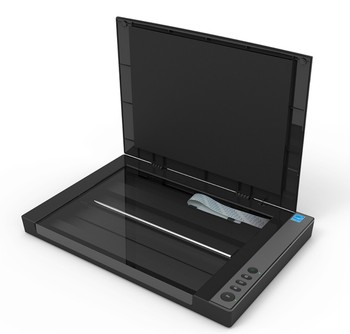
A practical flatbed option for drawings, certificates and general high-quality office capture.
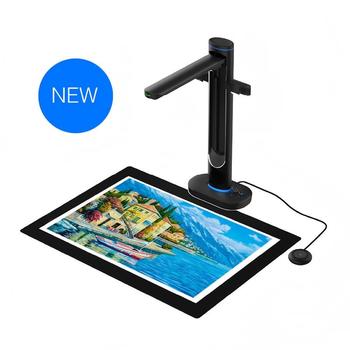
For oversized books, ledgers, newspapers, maps and drawings that need non-contact capture.
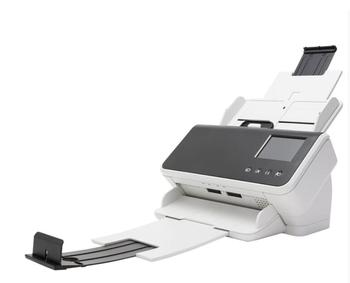
A sheet-fed companion for invoices, contracts and back-office records at volume.
Trust is built on verifiable capability, transparent communication and a realistic understanding of what a scanner must do in the buyer’s market.




Guangzhou Quibow Electronic Co., Ltd. is a technology-oriented enterprise focused on image data development, acquisition and conversion systems. Our work covers the research, development, production coordination, sales and after-sales support of optoelectronic products such as high-speed cameras, book scanners and other information equipment. Over the years, we have developed application experience across high-speed imaging platforms and complete product design solutions involving CIS, CMOS and CCD technologies.
For international buyers, that means you can discuss the real application before choosing a model. If your project needs a 2400 DPI 48-bit A3 flatbed scanner for high-detail originals, an A2 overhead scanner for fragile books, an ADF scanner for loose paper or a 4K visualizer for teaching, our team can help compare the options and identify the practical trade-offs. We support OEM/ODM, custom branding, packaging and software-integration discussions for suitable projects, and we are transparent about our role as a compact trading company with an engineering focus: we coordinate trusted production partners, check quality before shipment and stay involved through after-sales communication.
Buyers who need independent evidence can review our third-party records on Alibaba.com, including Ratings & Reviews, Supplier Assessment, Trade Capacity, Trade History, Transaction History and Credit Index. For product questions, sample requests or OEM/ODM discussions, contact our team at info@quibowtech.com or use the inquiry button on this page.
Learn More About the CompanyThese are the questions global buyers commonly ask when comparing a high-resolution flatbed scanner for archival, design, inspection and public-sector projects.
It describes a flatbed scanner with an A3 scan area, a 48-bit color data path and a maximum resolution of 2400 DPI. In procurement, confirm whether 2400 DPI is native optical resolution or interpolated resolution, and check the actual scan speed, color depth, interface, driver support and transparency options. For a fair comparison, request scans of your own charts, artwork or documents at the settings you plan to use in production. A 2400 DPI 48-bit A3 flatbed scanner is a strong fit when fine detail and color data matter, but the specification should be matched to the workflow.
No. Many text-based documents are perfectly serviceable at lower resolutions, depending on your archival standard and output needs. Higher resolution is most valuable for small details, stamps, maps, artwork, engineering line work, texture, restoration work and projects where users may enlarge sections of the image. Large files also increase storage, processing and delivery costs. A sensible workflow uses different presets: one for typed documents, one for critical originals and one for color reference material. Our team can discuss resolution planning without overspecifying the entire project.
A conventional flatbed can scan books only when they can be placed safely on the glass without forcing the spine or damaging the pages. For tightly bound volumes, a bookedge flatbed or a non-contact overhead book scanner is often safer and faster. For loose, fragile sheets, the flatbed can be a good choice if the original is supported correctly. Guangzhou Quibow Electronic Co., Ltd. supplies multiple scanner formats, so the recommendation can be matched to the original instead of asking one model to do everything.
OCR and searchable PDF depend on the software bundle, driver and integration plan. Many professional scanning projects combine Quibow hardware with OCR software configured for the buyer’s language, output format and filing system. Selected models also support SDK documentation for software integrators. Before ordering, specify the languages, desired file formats, batch naming rules, operating-system environment and whether the scanner must work inside an existing application. This avoids a situation where the hardware meets the resolution requirement but the software workflow does not.
Ask for the current driver list and test the exact operating systems used by your customers or operators. Depending on the model, buyers may require Windows, macOS, Linux, TWAIN, WIA or SDK access. If your project involves Apple silicon, central management, virtualized environments or a custom document-management application, confirm compatibility with a sample unit. For the 2400 DPI 48-bit A3 flatbed scanner, the correct driver set and software options should be confirmed with our sales team for the specific configuration you are considering.
Many scanners are available from 1 piece or 1 set, while document cameras often start from 2 pieces. OEM/ODM projects with custom branding, packaging, software splash screens or special configurations usually require a larger batch, which is confirmed per project. For serious projects, sample evaluation is strongly recommended: test image quality, speed, file output, driver stability and packaging before committing to a volume order. Contact info@quibowtech.com with your target model and application.
Accepted payment methods include T/T, L/C, PayPal and Western Union, with currencies such as USD, EUR, HKD and CNY. Accepted delivery terms include FOB, EXW and DDU. Final terms depend on the order value, destination, model configuration and agreement between both parties. Please include your target port, preferred terms and any packaging requirements in your inquiry so the quotation can be prepared accurately.
Review third-party records such as Ratings & Reviews, Supplier Assessment, Trade Capacity, Trade History, Transaction History and Credit Index on Alibaba.com. These records help buyers check commercial behavior and supply history. The company profile also lists a 100% response rate, response time within 1 hour and a 27% seller reorder rate. No single metric replaces sample testing, but together they give procurement teams a more complete view of supplier reliability. You can also request product documentation and ask specific technical questions before placing a trial order.
Many models are supplied with a 1-year warranty, and warranty terms are confirmed per model in the order documents. After-sales support typically includes technical communication, troubleshooting guidance, spare-parts planning and documentation where applicable. For project buyers, discuss the expected service model before shipment: who performs first-line support, what spare parts should be stocked, what testing records are required and how replacements are handled. Clear service expectations are part of a professional B2B scanner procurement process.
Yes. For suitable projects, Guangzhou Quibow Electronic Co., Ltd. can support OEM/ODM requirements such as logo, colour, packaging, manuals, software splash screens and configuration discussions. The exact scope depends on the model, order volume, software ownership and target-market requirements. If you need a custom scanner for a library program, distributor brand, government tender or system-integration project, share your requirements early so that engineering, packaging and quality-control steps can be planned together.
Tell us your original sizes, document types, target resolution, daily volume, software environment and destination market. Our team will recommend a practical configuration and confirm the next steps.
info@quibowtech.com