Product recommendations
8 Video Presenter & Document Camera Models for Vietnam Projects
These eight models cover the most common Vietnamese use cases: portable online-training capture, A3 classroom demonstration, wall-mounted counter digitization, professional visual presenting, library bookedge scanning and value-priced school deployment. Product image paths and product URLs are preserved from the current Quibow catalogue.
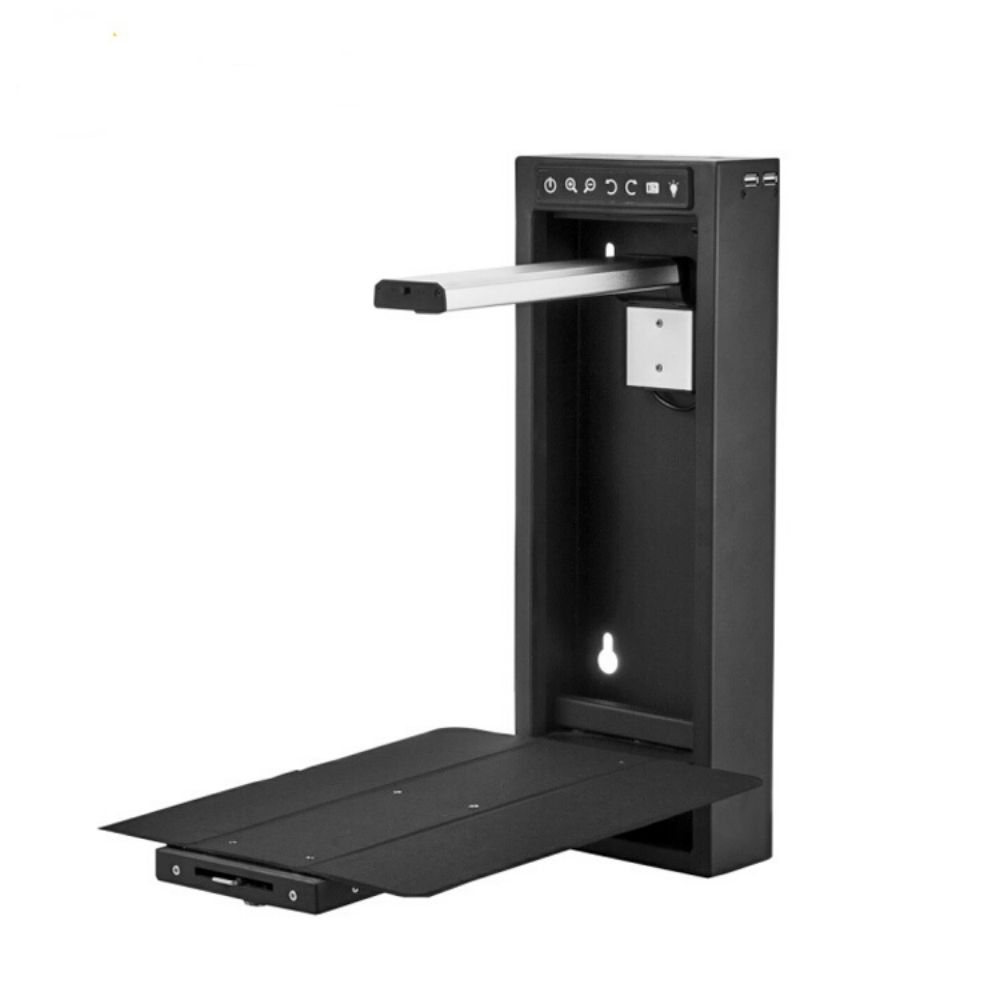
Online Training Portable 10MP A4 Document Scanner USB Interface Visualizer-in-Stock for Wall Version Black+Silver 1-Year
A compact wall-version A4 visualizer for online training rooms, tutoring centers and branch offices that need fast document sharing through USB. The 10MP capture is practical for forms, textbooks and live webcam-style demonstrations.
- 10MP A4 capture
- USB interface for computer-based teaching
- Stock model with 1-year warranty
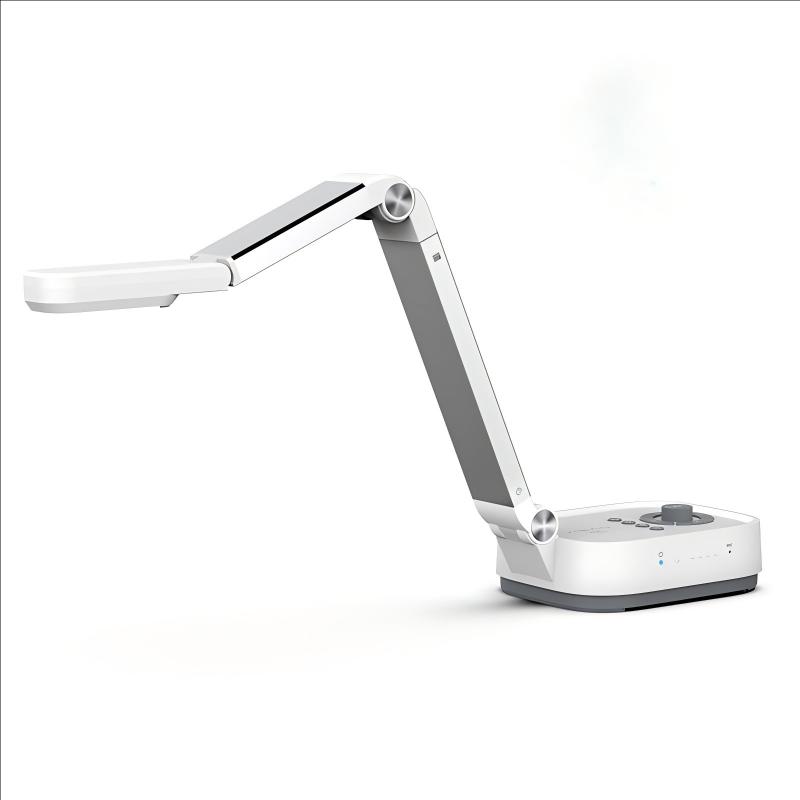
16MP 3D Desktop Visualizer Document Camera with Microphone 120X Zoom /VGA A3 Scan Size LED Light & Foldable for Education
An A3 education visualizer with 16MP still capture, 120X zoom range, built-in microphone, LED lighting and a foldable body. It suits classrooms that combine live projection with document capture and hybrid teaching.
- A3 scan area
- VGA output for projectors
- Microphone and LED light for classroom use
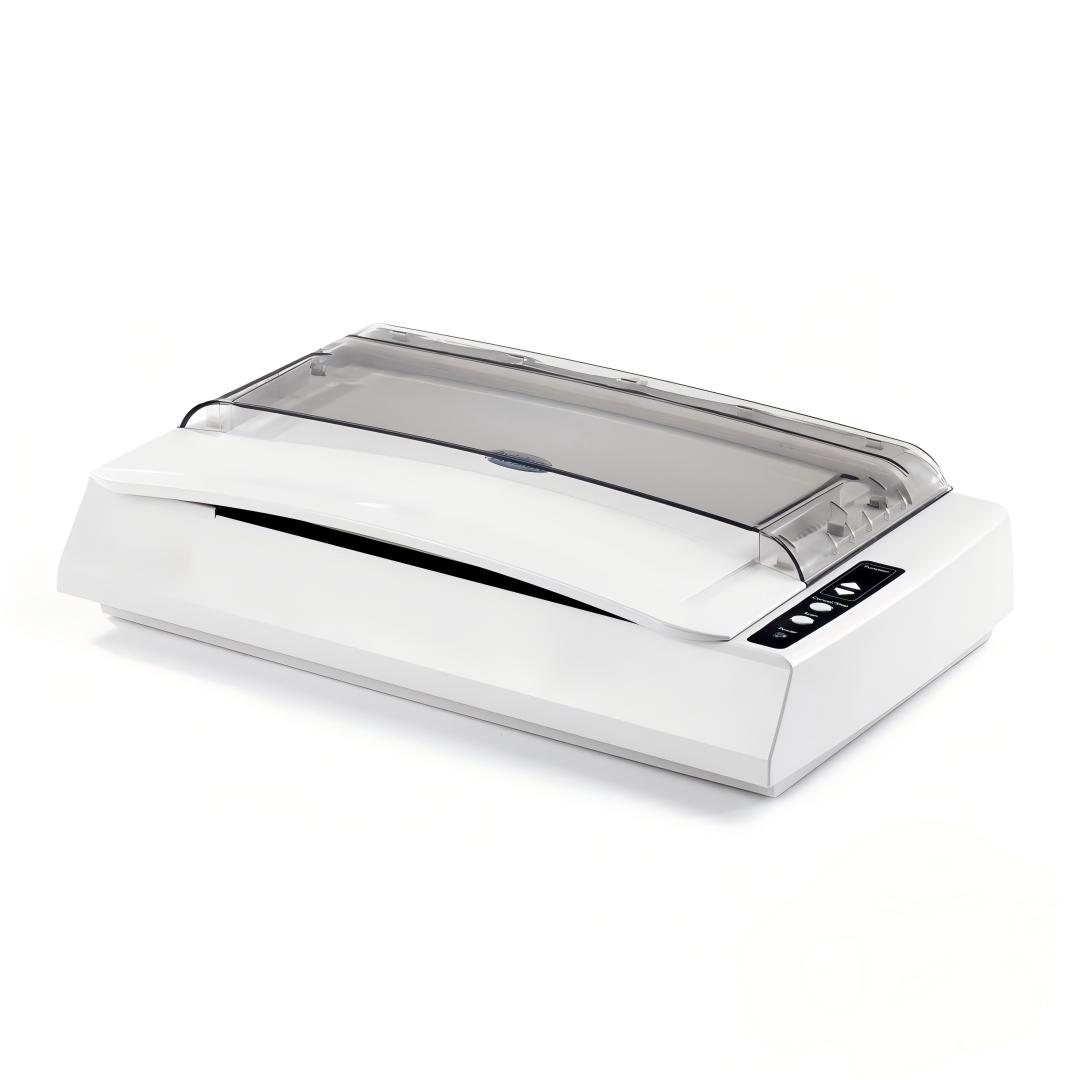
CCD Zero Margin Bookedge Flatbed Scanner A4 600dpi USB Bound Book Scanning No Spine Shadow Library Archive Digitization
A bookedge flatbed scanner for bound books and archive materials where spine shadow and binding stress are major concerns. The CCD platform and zero-margin design suit libraries, university archives and digitization service providers.
- 600 dpi optical capture
- Zero-margin bookedge format
- USB connection for archive workstations
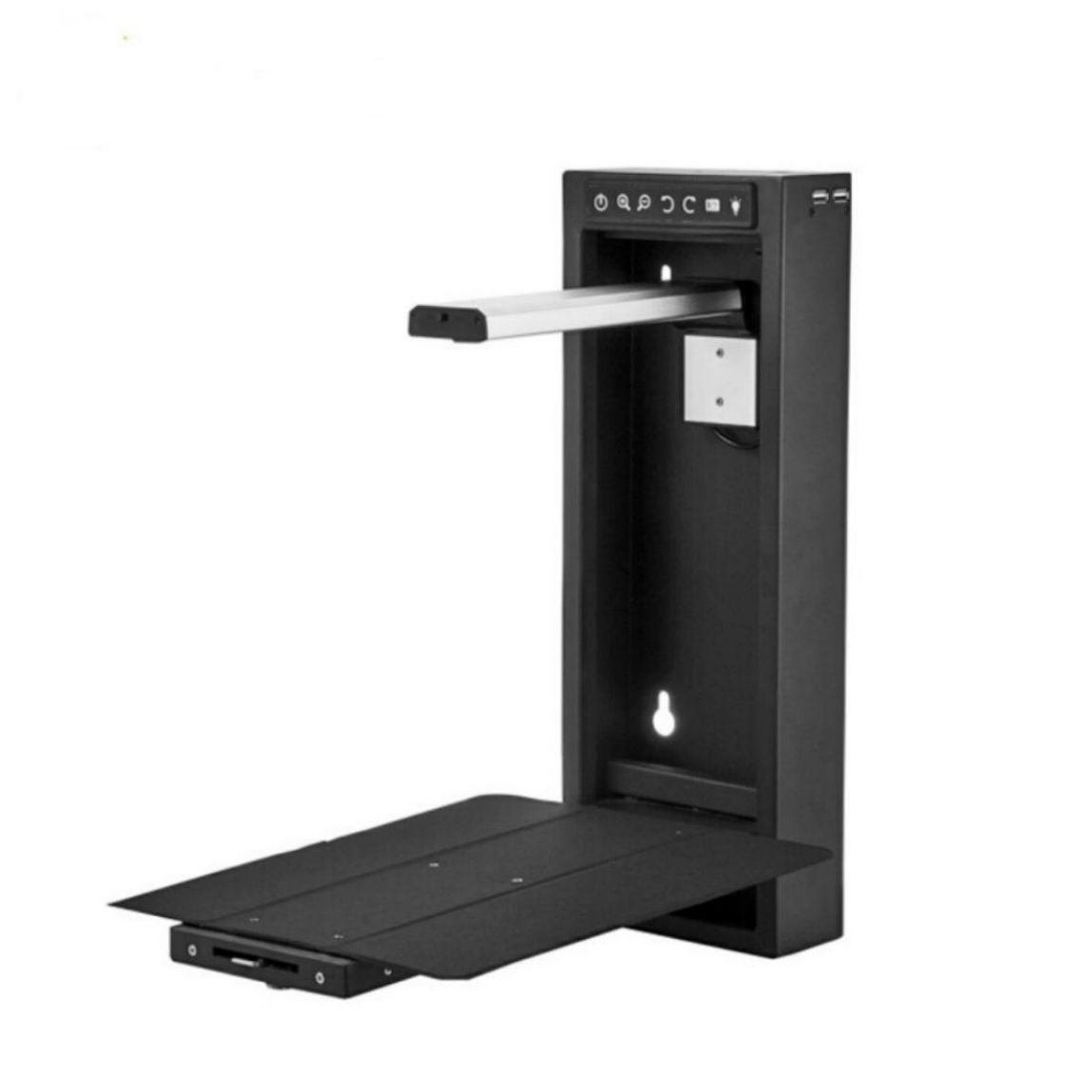
USB Interface Wall-Mounted A4 Visualizer OCR Document Scanner CMOS Sensor 10MP Resolution SDK Included Black 1-Year Stock
A wall-mounted A4 visualizer with CMOS sensor, OCR support and SDK included for workflow integration. It is relevant for government one-stop counters, bank service desks and enterprise reception points that capture IDs and forms repeatedly.
- 10MP CMOS sensor
- OCR and SDK for software integration
- Wall-mounted format saves counter space
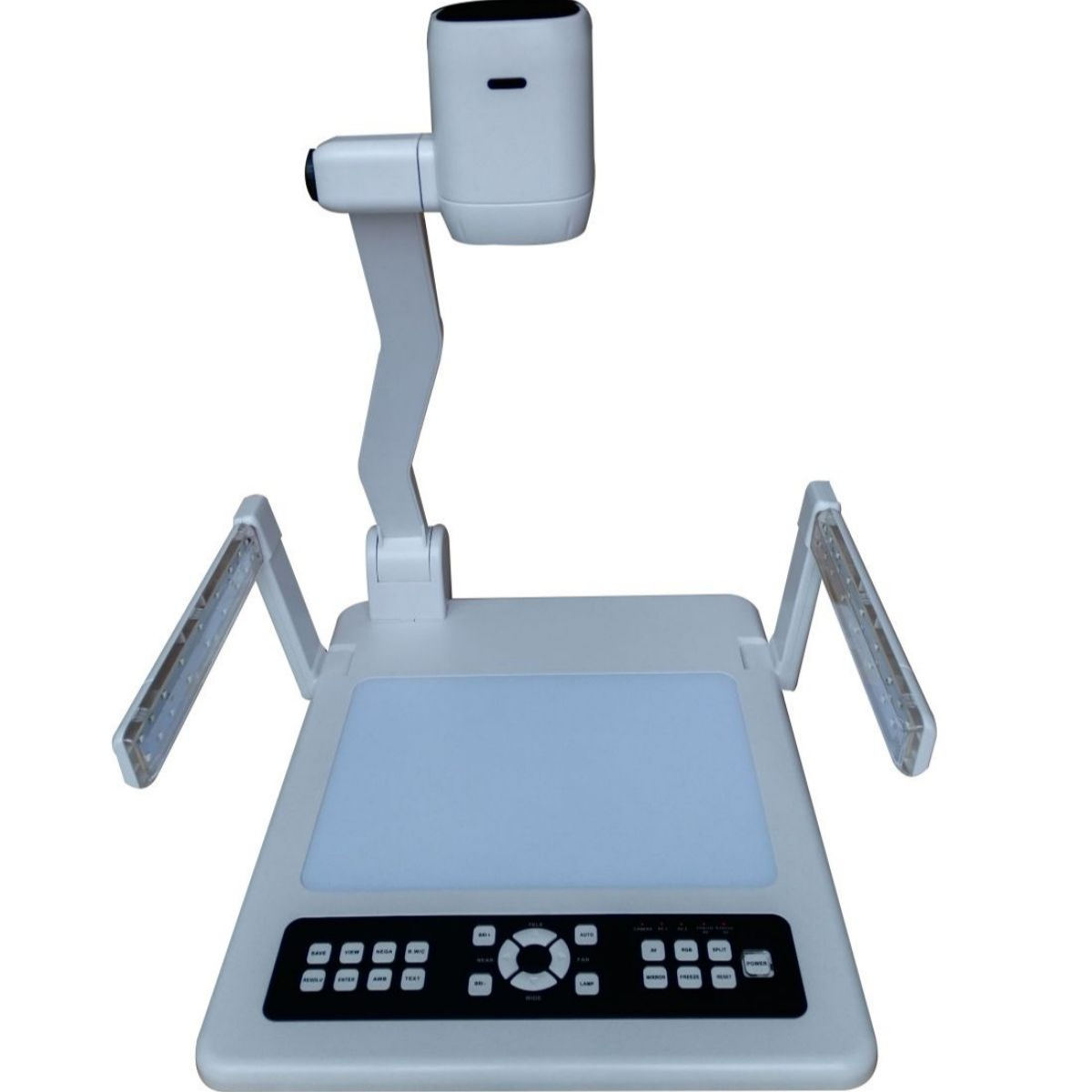
HD Optical Zoom Visual Presenter 1/3" CMOS Sensor 1-Year Warranty OEM Brand GUA Origin Professional Document Camera VGA RS232
A professional visual presenter with 1/3" CMOS sensor, optical zoom, VGA and RS232 control. It is suited to lecture halls, training rooms and OEM projects where stable live demonstration and remote control matter.
- 1/3" CMOS sensor
- VGA and RS232 interfaces
- OEM branding available on selected projects
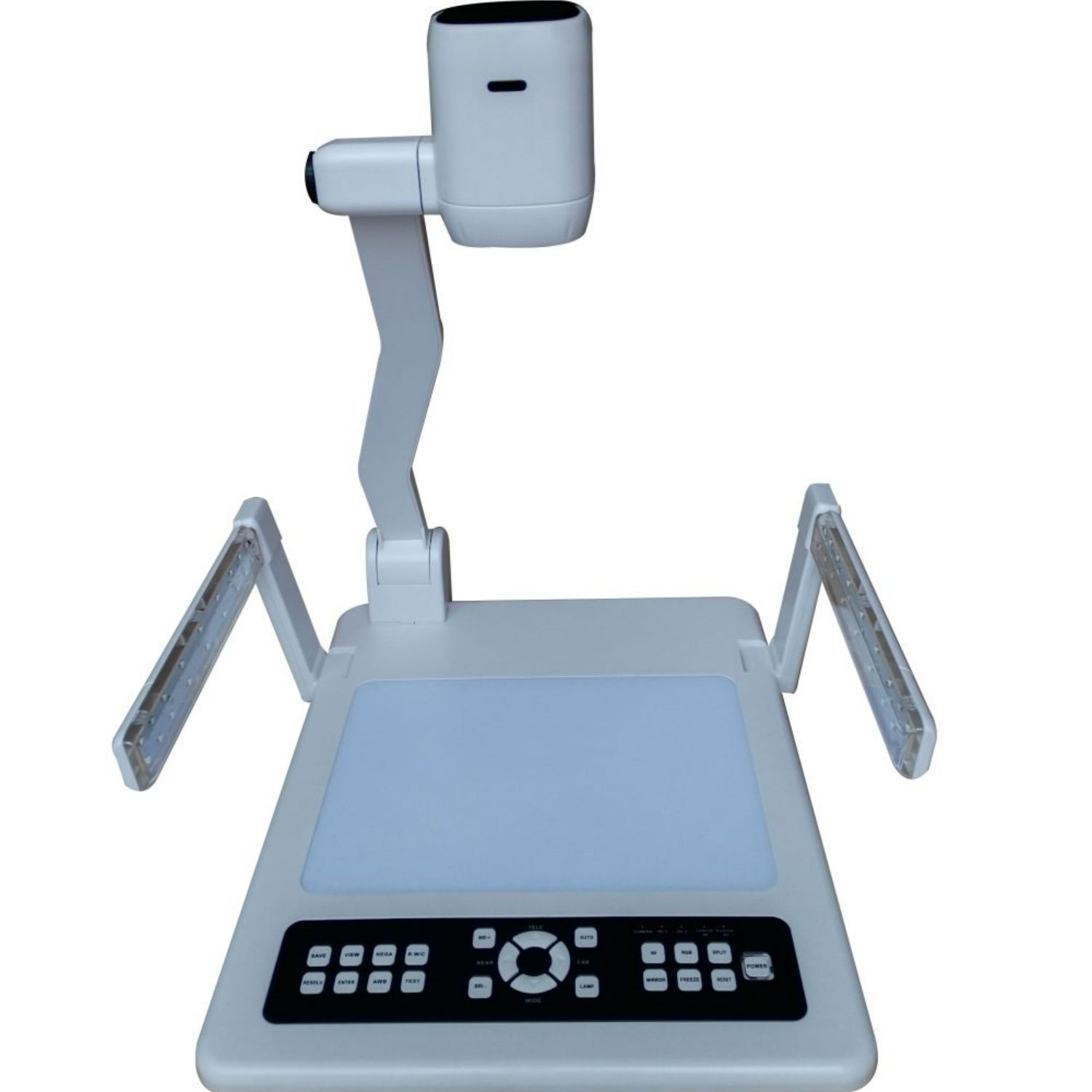
22x Optical Zoom 10x Digital Zoom VGA/USB Interface 2MP CMOS Sensor Resolution A4 Document Camera Foldable Digital Presenter for
A foldable A4 digital presenter with 22x optical zoom, 10x digital zoom and VGA/USB outputs. It is a practical choice for schools that need optical close-up detail for textbooks, science demonstrations and handwriting.
- 22x optical + 10x digital zoom
- VGA and USB outputs
- Foldable A4 presenter design
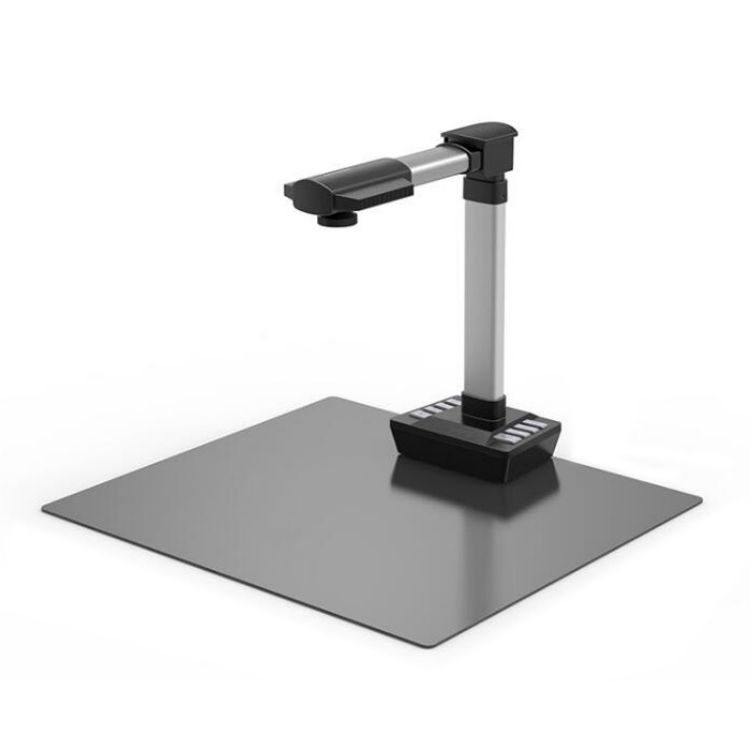
20MP OCR Aluminum Digital Visualizer Camera Classroom Office Training A3 Document Scanner USB Interface SDK Stock Black 1-Year
A 20MP A3 digital visualizer with aluminum body, OCR and USB interface. It is designed for classrooms, office training and capture workflows that need higher still-image resolution than entry-level 1080P visualizers.
- 20MP A3 capture
- OCR-ready workflow
- SDK stock model with 1-year warranty
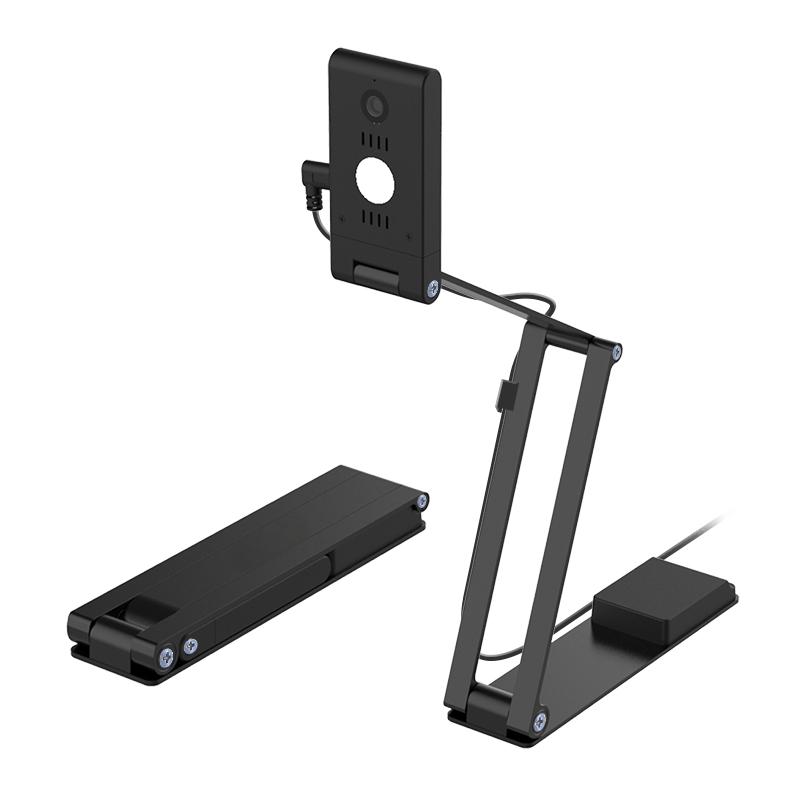
Value Priced 2-in-1 USB Digital Document Camera Visualizer A3 with 5MP 1/4" CMOS Sensor 10x Zoom 1-Year Warranty
A value-priced 2-in-1 USB document camera with 5MP CMOS sensor, A3 area and 10x zoom. It fits budget-conscious schools, tutoring centers and office desks that need reliable visual sharing without advanced archive-level resolution.
- A3 working area
- 5MP 1/4" CMOS sensor
- 10x zoom and USB connection
Need a model shortlist for a Vietnamese tender, classroom rollout or service-counter project? Share the document size, daily volume, required outputs and target budget, and Quibow will recommend a visual presenter configuration.
Contact UsLocalized market outlook
Six Trends Shaping Video Presenter Demand in Vietnam
Vietnam’s education, government and enterprise digitization projects are not simply buying “a camera on an arm.” Buyers are increasingly evaluating the visual presenter as a capture endpoint inside a wider workflow: teaching, service-counter digitization, archive preservation, quality inspection and hybrid collaboration.
From projector-only classrooms to live capture
Schools in Hanoi, Ho Chi Minh City, Da Nang and provincial education hubs are upgrading from static projectors to interactive teaching setups. A visual presenter lets teachers show textbooks, experiments, handwriting and 3D objects in real time, which is especially valuable for STEM, English demonstration lessons and hybrid classes.
Digital government and one-stop service counters
Administrative service centers, public offices and bank branches handle large volumes of ID cards, forms, signatures and supporting documents. Wall-mounted or desk visualizers with OCR and SDK options are being evaluated as a low-friction way to capture paper documents without changing the counter workflow.
Library, university and newspaper archive modernization
Libraries and archives need non-destructive digitization for bound books, periodicals, maps and newspaper collections. Bookedge flatbed scanners reduce spine shadow, while overhead A2/A3 capture protects fragile originals. The buying decision is shifting from “scan speed only” to image quality, OCR output and long-term maintainability.
Vocational training and industrial-park requirements
Technical colleges and manufacturers in industrial parks use visual presenters to show components, wiring, labels, tolerances and machine operations on a large screen. Buyers in this segment prioritize optical zoom, stable frame rate, lighting control and clear close-up detail rather than digital zoom alone.
Mature local AV/IT distribution channels
Vietnamese distributors and system integrators increasingly request OEM/ODM support, SDK access, English documentation, clear warranty terms and flexible FOB, EXW or DDU delivery. They want to bundle the visual presenter with projectors, displays, PCs and local installation services, not sell a standalone device.
Procurement moves toward verifiable total cost
Buyers are comparing sensor platform, resolution, interface, warranty and supplier evidence rather than lowest unit price. Onsite-checked supplier records, response speed, reorder data and after-sales support reduce the risk of failed classroom rollouts and failed service-counter pilots.
Localized application scenarios
Where Video Presenters and Document Cameras Fit in Vietnam
The same visual presenter can serve very different workflows. The right specification depends on whether the priority is live teaching, document capture, OCR integration, archive safety or budget control.
K-12 classrooms and teacher training
Use A3 visualizers with HDMI/VGA outputs to display textbooks, worksheets, science experiments and handwriting. For teacher-training rooms, choose models with simple controls, LED lighting and stable autofocus so teachers can operate them without technical support.
Universities, STEM labs and hybrid lectures
Higher-education buyers often need both live projection and USB capture for recording or conferencing. Confirm frame rate, focus stability, lighting uniformity and whether the model offers a UVC-compatible workflow before standardizing across lecture halls.
Libraries, archives and newspaper collections
Use zero-margin bookedge flatbeds for bound books and overhead scanners for A2 newspapers and maps. For preservation projects, require sample scans of curved pages, fine print and color covers so the selected model can be judged on real Vietnamese materials.
Government one-stop shops and public counters
Wall-mounted 10MP visualizers can capture forms, ID documents and signatures while keeping desk space clear. Projects that require OCR or direct integration should confirm SDK availability, data-security requirements and the software partner responsible for the workflow.
Banks, insurance and enterprise service desks
Counter teams use document cameras to capture application forms, identity documents and supporting paperwork quickly. Buyers should test capture speed, glare control and OCR accuracy under branch lighting, then decide between wall-mounted and desktop formats.
Vocational training and factory quality checks
Technical trainers and quality teams need close-up views of small parts, labels, solder points or machine settings. Choose optical zoom and higher still-image resolution when detail matters; avoid relying on digital zoom to compensate for insufficient optics.
Specification guidance
How to Specify a Visual Presenter for Vietnam: Megapixels, Zoom and Interfaces
Start with the document size and required dpi, not with the product name. Then verify live-video resolution, still-capture resolution, optical zoom, interface compatibility, voltage and warranty.
Information gain: use pixel math before comparing prices. An A4 page at 300 dpi requires about 2480 × 3508 pixels, or roughly 8.7MP. An A3 page at 300 dpi requires about 3508 × 4961 pixels, or roughly 17.4MP. An A2 newspaper page at 300 dpi requires about 4961 × 7016 pixels, or roughly 34.8MP. If a project needs margins for cropping or deskewing, specify a higher-resolution model.
Also separate live video resolution from still-image capture resolution. Many classroom visual presenters output 1080P video for projection or conferencing, while still capture may be 5MP, 10MP, 16MP or 20MP. For OCR and archive projects, test the still-image capture path and the software output, not only the live screen image.
For zoom, optical zoom is the specification that preserves detail. A 10x optical zoom is often adequate for a standard classroom, while 22x optical zoom is more suitable for large lecture rooms, auditoriums or detailed object demonstration. Digital zoom enlarges pixels; it does not create additional optical information.
| Document size | Pixels at 300 dpi | Recommended capture | Quibow model direction |
|---|---|---|---|
| A4 210 × 297 mm |
2480 × 3508 ≈ 8.7MP |
10MP or higher | 10MP portable visualizer, wall-mounted 10MP OCR visualizer |
| A3 297 × 420 mm |
3508 × 4961 ≈ 17.4MP |
20MP for margin and OCR work | 20MP OCR A3 visualizer, 16MP A3 education visualizer |
| A2 420 × 594 mm |
4961 × 7016 ≈ 34.8MP |
48MP for archival masters | 48MP A2 overhead book scanner and newspaper archive scanner available in the wider Quibow range |
| Photos and artwork | 600–2400 dpi optical | Flatbed with 48-bit color | A3 flatbed scanners and CCD bookedge flatbed for bound originals |
Procurement checklist
Vietnam Procurement and Deployment Checklist
Use this checklist to reduce rework between tender preparation, sample approval, import logistics and final acceptance in Vietnamese schools, offices and archives.
Power, plug and installation
Confirm 220V/50Hz input, adapter rating, plug type and cable length. For wall-mounted models, verify mounting height, bracket type and anti-theft fixings before the site survey.
Interface compatibility test
Test HDMI, VGA, USB and RS232 as required with the actual projector, interactive display or PC. If the buyer needs Teams, Zoom or Google Meet usage, confirm the supported USB workflow on that specific model.
Software, OCR and SDK scope
Clarify Windows/macOS driver support, OCR language coverage, export formats and SDK access. For Vietnamese OCR projects, run a sample document test before tender closing rather than assuming generic OCR performance.
Tender documentation package
Request datasheets, dimensions, weight, power consumption, packing details, warranty statement and user-manual language. These documents reduce delays during internal approval and customs preparation.
Shipping and commercial terms
Confirm FOB, EXW or DDU, lead time and export packing. Vietnamese importers commonly coordinate through Cat Lai, Cai Mep, Noi Bai or Tan Son Nhat with their own freight forwarder and customs broker.
Acceptance and after-sales plan
Approve sample scans for focus, color, lighting uniformity and zoom. Record the 1-year warranty terms, remote-support process and spare-parts route so the buyer knows what happens after installation.
Enterprise advantage
Why Quibow Supports Vietnam-Focused Video Presenter Projects
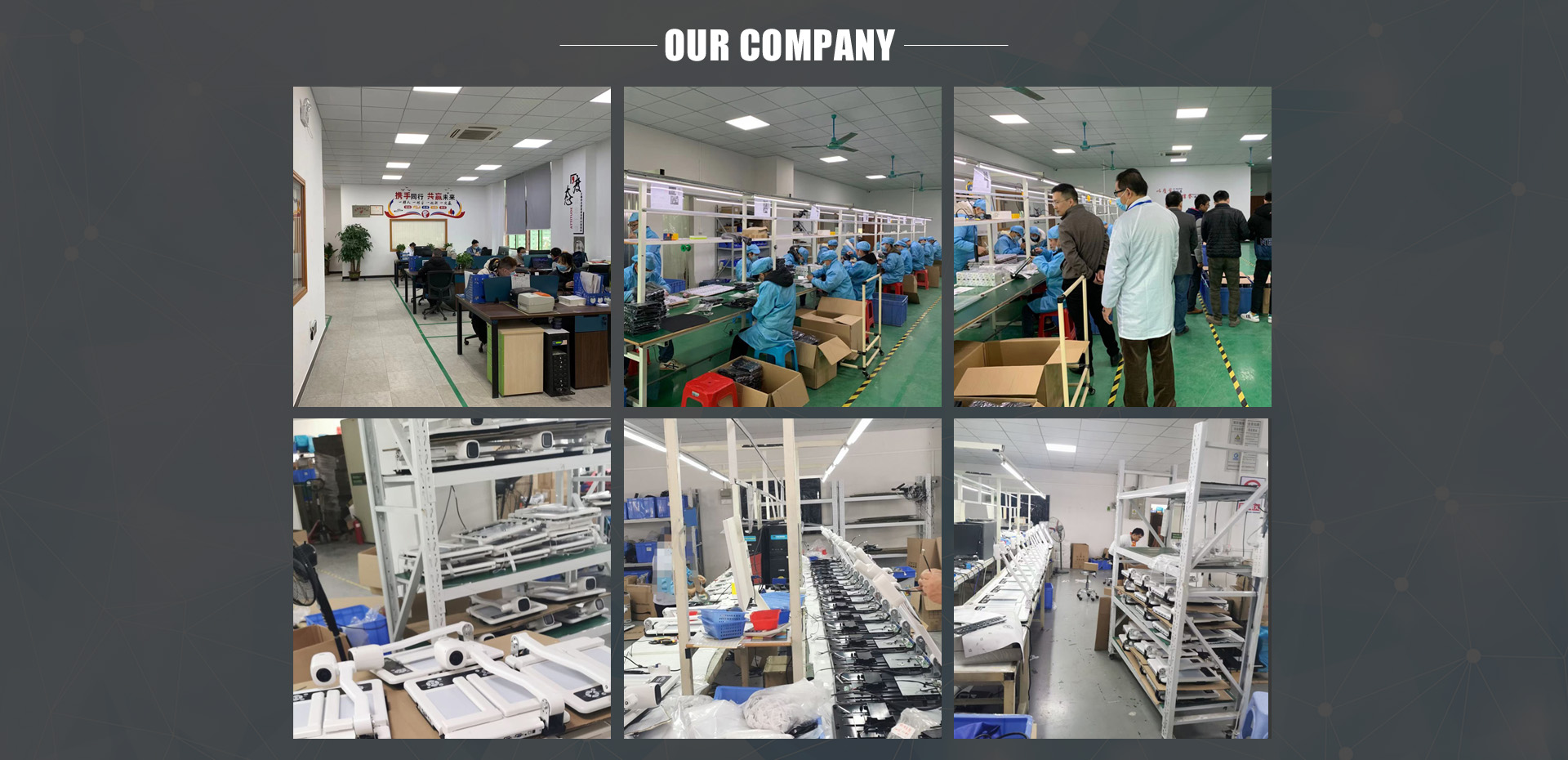
Guangzhou Quibow Electronic Co., Ltd. combines product sourcing, export coordination and technical support for document-imaging equipment. For Vietnamese buyers, the value is not only the product list; it is the ability to match the imaging platform, interface and customisation scope to the actual project.

Founded in 2020 and based in Guangzhou, Guangdong, Quibow develops and supplies image acquisition and conversion equipment, including high-speed document cameras, book scanners, flatbed scanners and ID card recognition cameras. The company works across CIS, CMOS and CCD imaging platforms and supports the cycle from product design and development to production coordination, export sales and after-sales service.
The current supplier profile describes a trading company with onsite-checked status, a team of 5–10 specialists, annual revenue of US$1M–US$2.5M and main markets in Eastern Europe, North America and South America. For Vietnam-bound projects, the practical advantage is clear model matching plus export-ready communication: document size, sensor choice, interface, voltage label, packaging, warranty and delivery terms can be confirmed before the order is placed.
Quibow supports OEM/ODM projects including logo printing, packaging, housing color, capture-software branding and SDK integration on selected models. The supplier profile also reports a ≤1-hour average response time, 100% message response rate and 27% buyer reorder rate, which are useful signals for procurement teams comparing new suppliers.
OEM/ODM customisation
Logo, packaging, housing color, software branding and SDK integration are available on selected models, supporting local distributors that need a differentiated offer.
CIS, CMOS and CCD platform choice
Different document workflows need different sensors. Quibow’s product range covers compact office scanning, overhead book capture, visual presenting and zero-margin bookedge scanning.
Responsive export communication
The supplier profile reports fast response and a high message response rate, which matters when Vietnamese buyers need quick clarification before a tender submission.
Flexible commercial terms
Payment methods include T/T, L/C, PayPal and Western Union in USD, EUR, HKD or CNY, with FOB, EXW and DDU delivery terms for export projects.
Verifiable supplier records
Supplier assessment, credit overview, ratings, trade capacity and transaction history are maintained as independent platform records for buyers to review before ordering.
Warranty and technical support
Listed models such as the A3 flatbed scanners, A2 overhead scanners and S2060W ADF scanner carry a 1-year warranty backed by remote technical support. Confirm model-specific terms before ordering.
Local buyer FAQ
Questions Vietnamese Buyers Ask Most
These answers reflect the current Quibow catalogue and supplier profile. For tender-specific requirements, request written confirmation for the exact model, voltage label, software scope and delivery term.
What is the minimum order quantity for Quibow scanners and document cameras?
Most stock book scanners, A2 large-format scanners and flatbed scanners start from 1 piece or 1 set. Several document camera models start from 2 pieces. OEM/ODM quantities are confirmed per project, so Vietnamese distributors should state the target model, branding scope and expected first order when requesting a quotation.
Do you support OEM and ODM orders for Vietnamese distributors?
Yes. Quibow supports OEM/ODM projects including logo printing, packaging, housing color, capture-software branding and SDK integration on selected models. Buyers should clarify which elements are customisable on the chosen model before finalizing artwork and packaging approval.
Are the scanners and visual presenters compatible with Windows and macOS?
Many models, including the A2 large-format scanners and the 1200 DPI A3 flatbed scanner, support Windows and macOS, and some are verified on Apple M1 Macs. Compatibility is confirmed for each model before shipment. For school computer labs, always test the exact operating-system version and the software used for teaching or OCR.
Which resolution do I need to scan A3 or A2 documents at 300 dpi?
An A3 page at 300 dpi needs about 3508 × 4961 pixels, around 17.4MP, so an 18MP or 20MP model is appropriate. An A2 sheet at 300 dpi needs about 4961 × 7016 pixels, around 34.8MP, so a 48MP A2 scanner is recommended for archival masters. If the workflow needs crop margins, OCR accuracy or color-critical output, specify higher resolution and request sample scans.
What payment and delivery terms do you accept?
Quibow accepts T/T, L/C, PayPal and Western Union in USD, EUR, HKD or CNY, with FOB, EXW and DDU delivery terms. Vietnamese importers should confirm the final Incoterm, shipping port or airport, freight-forwarder details and customs broker arrangement before issuing the purchase order.
What warranty do your products carry?
Listed models such as the A3 flatbed scanners, A2 overhead scanners and the S2060W ADF scanner come with a 1-year warranty, backed by remote technical support. Warranty terms should be confirmed for the exact model, especially for OEM projects where packaging and service scope may be customized.
Can the visual presenters operate on Vietnam’s 220V/50Hz power supply?
Vietnam uses 220V/50Hz power, and the final power label, adapter type, plug configuration and cable length should be confirmed before shipment. For wall-mounted units and fixed classroom installations, also confirm whether the installer needs a specific mounting bracket and whether the power outlet location matches the cable route.
Can you provide sample scans, SDK information or integration support?
Sample scans can be requested so buyers can evaluate focus, lighting uniformity, color and document readability on realistic materials. SDK availability and integration scope depend on the model; for Vietnamese OCR, ID-capture or service-counter projects, provide the intended software partner and workflow requirements early so Quibow can confirm the correct model and support boundary.
Request a Vietnam-ready quotation for video presenters and document cameras
Share your document sizes, required resolution, daily capture volume, interfaces, software scope and delivery city. Quibow will recommend a model, confirm OEM/ODM options and prepare the commercial terms for your Vietnamese project.
Contact UsEmail: info@quibowtech.com · Guangzhou Quibow Electronic Co., Ltd. · Room 504, No. 5 Zitan Second Street, Guangzhou, Guangdong, China