Eight Current USB Imaging Products for Nagoya Barcode-Driven Workflows
In Nagoya receiving docks, inspection cells, service counters, schools and clinics, a barcode scan often sits beside a second capture step: a label photo, delivery note, ID card, drawing, damaged-part image or inspection sheet. The eight products below are the current USB capture models from the supplied Quibow catalog. All product URLs are preserved.
For a dedicated handheld or fixed-mount USB barcode scanner, send the symbology, code density, scan distance, interface, mounting method and enclosure brief through the quote button. Quibow will confirm whether the requirement fits its CIS, CMOS and CCD imaging platforms, SDK scope and OEM/ODM process before quotation.
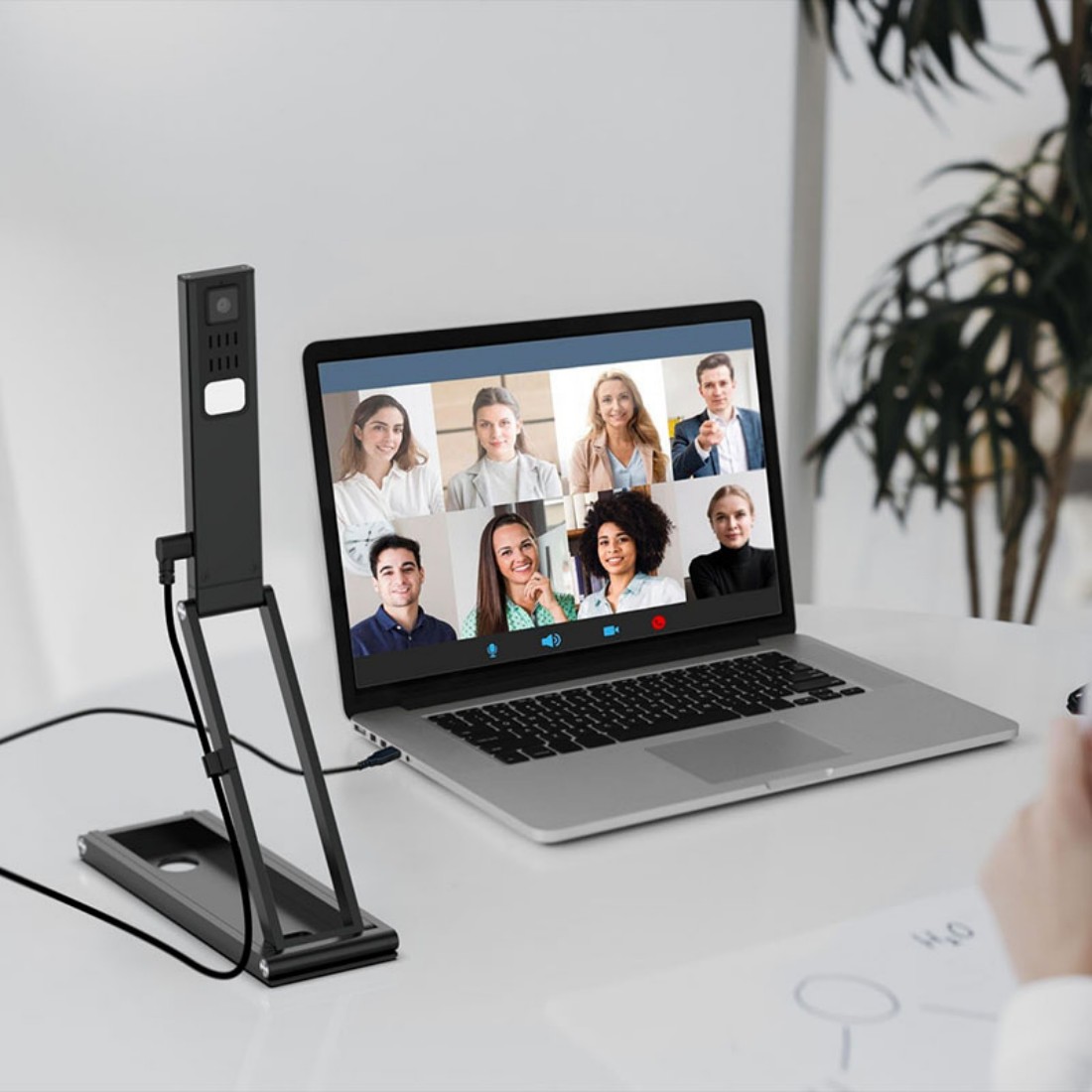
A3 4K Visual Presenter Document Camera with USB Interface for School Training Teaching Meetings Featuring Webcam Function
Nagoya fit: training rooms, customer demonstrations and drawing or label verification where a live 4K image must be shared on a projector.
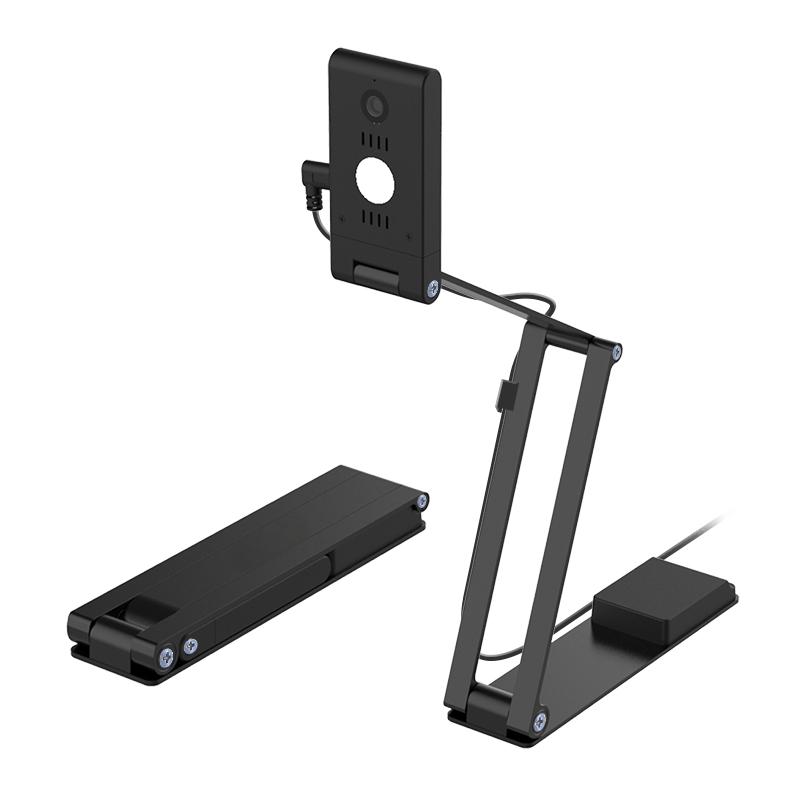
Value Priced 2-in-1 USB Digital Document Camera Visualizer A3 with 5MP 1/4" CMOS Sensor 10x Zoom 1-Year Warranty
Nagoya fit: budget-conscious school, office and counter deployments that still need an A3 capture area and USB plug-and-play use.
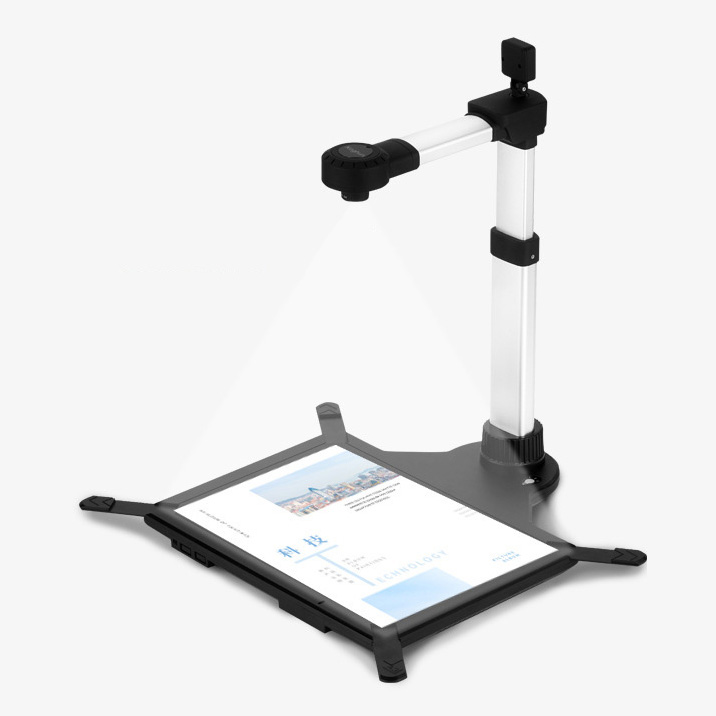
HD Dual Camera 16MP + 2MP Pixels Multifunction Stretchable Smart USB 60 Pages/Min A3/A4 Document Scanner 360 Rotation 180
Nagoya fit: service counters and back-office digitization where 60 pages per minute, dual-camera capture and rotation reduce document handling.
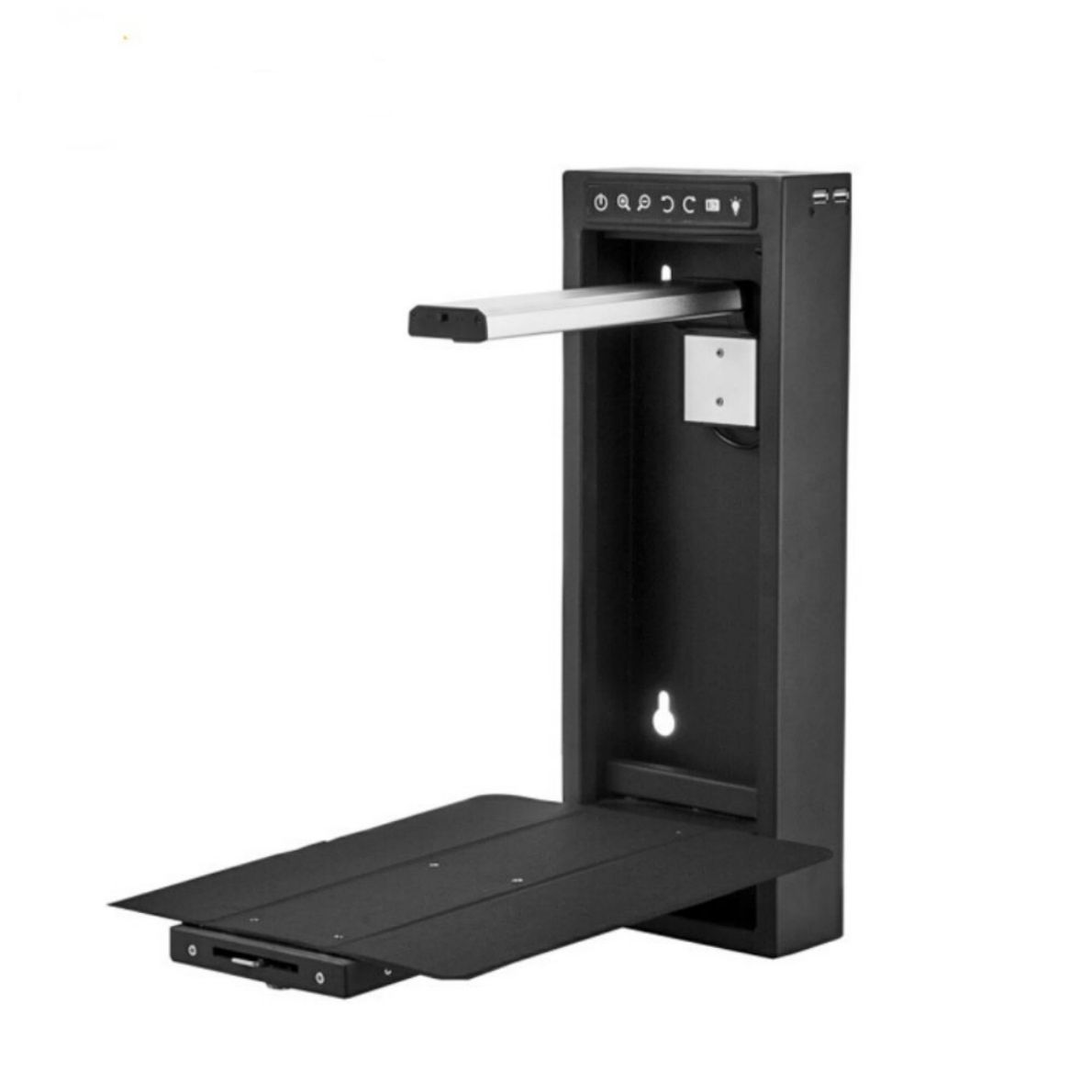
Document Camera A4 Visualizer Wall Version USB CMOS Sensor 10MP 1-Second Scan Document Scanner Stock for Classroom Smart
Nagoya fit: wall-mounted receiving desks, compact offices and classrooms where 1-second A4 capture saves bench space.
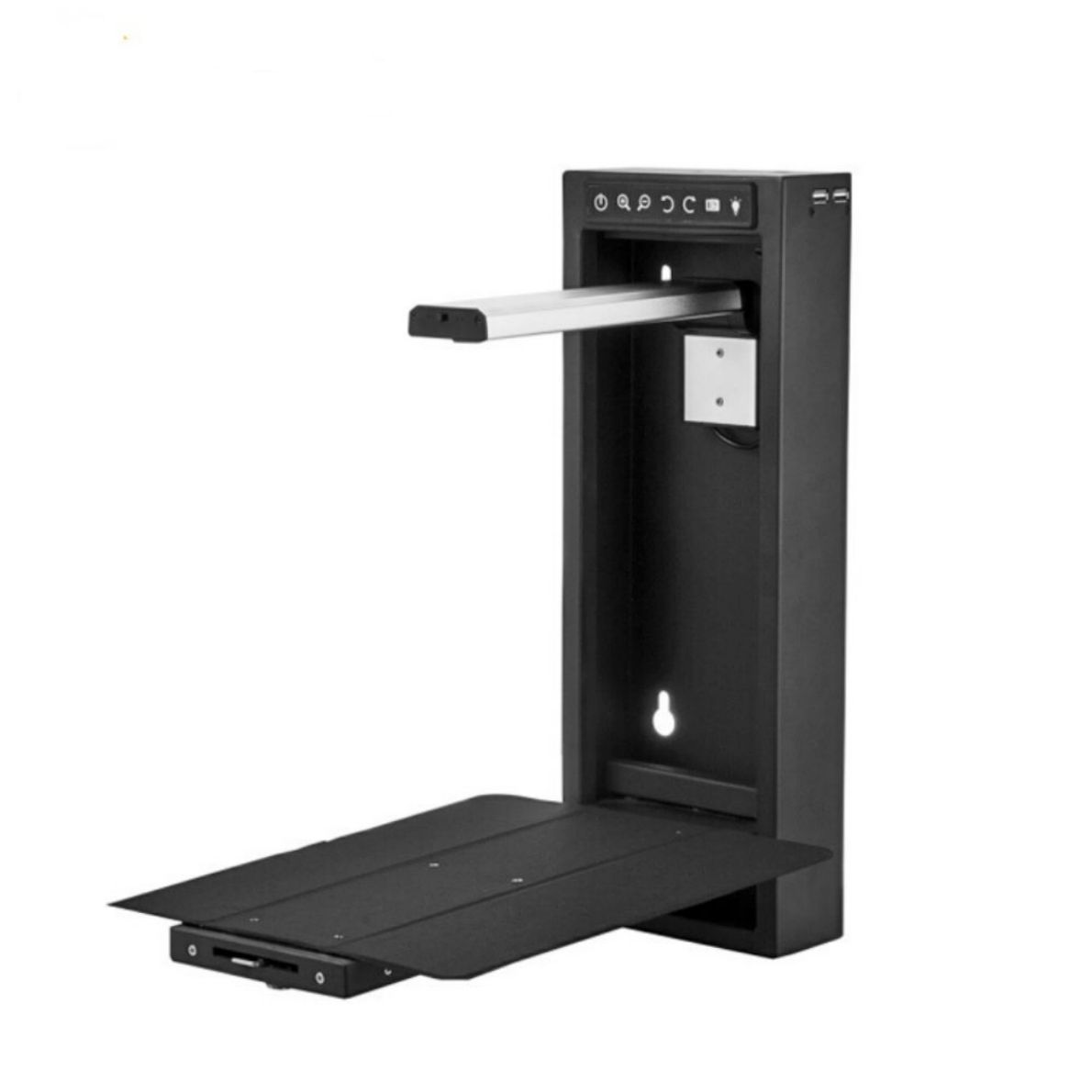
Factory New High Definition Wall Mount Document Scanner USB Interface Visualizer CE Certified 1-Year Warranty High-Speed A4 SDK
Nagoya fit: OEM or kiosk integrations that need CE-listed hardware, A4 high-speed capture and SDK access for workflow customization.
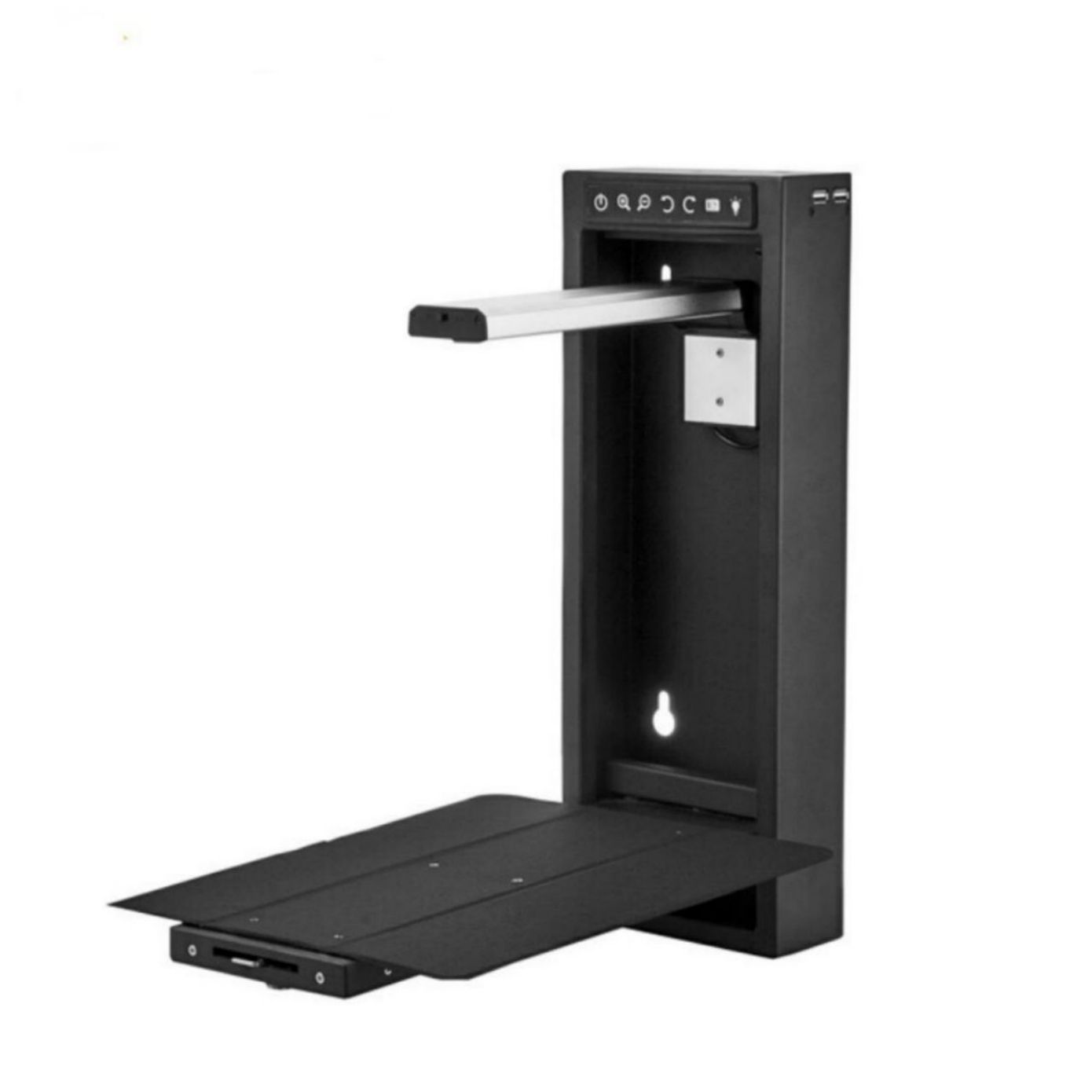
10MP USB CMOS Document Camera Wall Mount Scanner with 1-Second Scan Speed 1-Year Warranty in Stock Classroom Education A4 SDK
Nagoya fit: classroom, public-sector and education deployments requiring fast A4 capture, in-stock supply and remote technical support.
A4 Black USB 5V High-Speed 10MP High-Resolution Document Scanner Wall-Mountable OEM 24 Bit SDK 1-Year Warranty Education Stock
Nagoya fit: embedded OEM projects, high-resolution label and document capture, and local system-integrator builds that require SDK support.
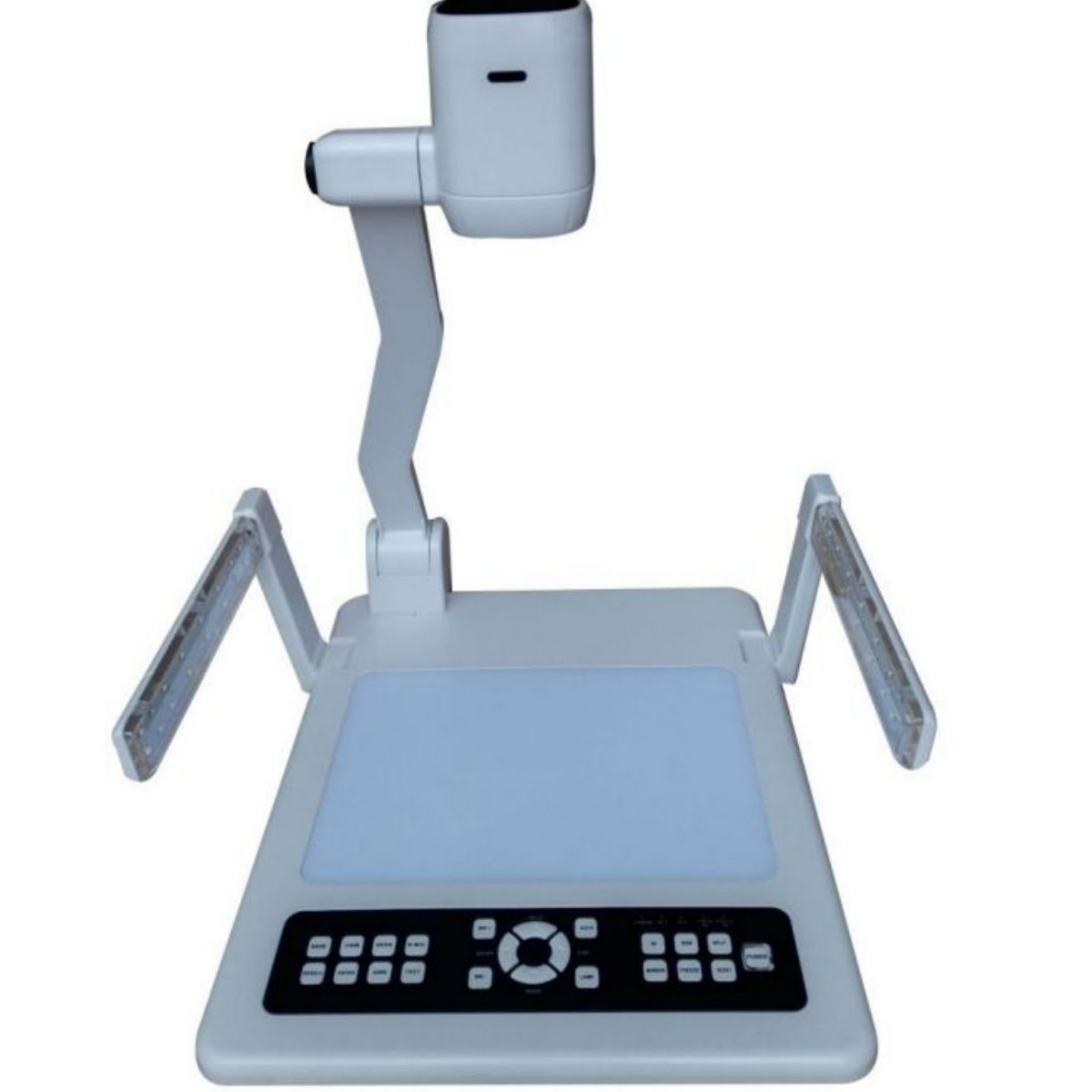
Multi-functional Document Camera Professional in Visual Presenter Also Visualizer in Educational Equipment
Nagoya fit: meeting rooms, training centers and lectures where presenters switch between paper documents, components and 3D objects.
These service and verification signals come from Quibow’s public supplier profile and platform records. They are buying evidence, not a guarantee of fit for every Nagoya project; confirm model-level certificates, lead time and sample performance before ordering.
Why Nagoya’s Barcode and Imaging Procurement Is Different
Nagoya is not a generic distribution market. Aichi Prefecture’s automotive, aerospace, machine-tool, electronics and logistics clusters create highly specific expectations for traceability, speed and supplier accountability.
Procurement teams in Nagoya often search for USB barcode scanner factories because they need a reliable fixed-station scanning device, but the real requirement is usually broader: scan, capture, verify and archive must work as one workflow. A warehouse operator scans a carton code and then photographs a damaged corner. An automotive supplier scans a parts label and attaches an inspection sheet. A clinic scans a patient ID and captures a paper referral. A school scans a QR code and presents a textbook page on screen. The supplier that understands this chain reduces integration risk.
Nagoya buyers also tend to compare freight, documentation and after-sales support before they approve a sample. Delivery to Nagoya can move by air through Chubu Centrair or by sea through the Port of Nagoya, and commercial teams want clear FOB, EXW or DDU terms. Japanese procurement is rarely impressed by a generic catalog. It responds better to model-level data, tested samples, a named technical contact and evidence that a supplier can sustain spare parts and support after delivery.
Automotive & aerospace traceability
Aichi supply chains connect barcode labels, inspection records and document images. A USB station should support stable daily capture, not just one code.
Port of Nagoya & logistics
Receiving desks handle mixed paperwork, delivery notes and labels. Capture speed, USB reliability and compact mounting matter more than consumer features.
Retail, pharmacy & counters
Barcode scanning and document capture increasingly share a countertop. Wall-mounted A4 scanners preserve space in busy Nagoya stores and clinics.
Manufacturing quality inspection
Visual presenters and wall scanners let teams compare parts, labels, drawings and defects while keeping both hands free.
Education & public sector
Schools and training rooms need 1-second A4 capture, projector-friendly output and simple USB connection for non-specialist staff.
System integrators & SMEs
Small-batch OEM, SDK access, logo printing and packaging flexibility help Nagoya integrators build localized solutions without excess inventory.
Nagoya Market Trends Shaping USB Scanner Demand
These are evaluation signals Quibow sees in project briefs and supplier discussions, not a statistically sampled market forecast. Use them to structure a Nagoya RFQ and to ask better questions before a sample order.
Automation tied to the 2024 logistics problem
New driver-work-hour rules and tighter delivery windows push warehouses toward fixed USB stations, faster receiving checks and simple operator interfaces.
2D codes and document capture converge
QR, Data Matrix and PDF417 workflows increasingly need an image of the label or document beside the decoded value for audit and dispute resolution.
Aichi SMEs want small-batch OEM
Integrators request logo printing, packaging, housing color, software branding and SDK support without committing to large inventory.
Paperless programs still need archival masters
Japanese offices increasingly accept digital records, but quality teams still specify readable masters, OCR-friendly output and reliable long-term capture.
How to Compare USB Barcode Scanner Factories Before You Approve a Sample
A credible factory comparison is not a beauty contest between product photos. It is a structured test of optical performance, interface stability, software ownership, compliance evidence and service depth.
For Nagoya projects, ask every USB scanner supplier to prove the same six points. A supplier may be strong in one area and weak in another; the table makes the trade-offs visible before your engineering team spends time on a sample. For barcode-specific projects, request a sample image or test report at the actual scan distance, not only a headline resolution. For document-capture projects, request a captured image of a Japanese invoice, delivery note, label and handwritten field under your normal lighting.
| Procurement question | Why it matters in Nagoya | Evidence to request |
|---|---|---|
| Scan target and code density | Aichi manufacturers may use tiny Data Matrix codes; logistics teams may scan large carton labels. One device rarely fits both. | Tested depth of field, minimum code module, sample photos at working distance, ambient-light test. |
| Interface and OS behavior | USB HID keyboard wedge is simple; virtual COM or SDK may be needed for ERP, MES or kiosk software. | Driverless confirmation, Windows and macOS compatibility, M1 Mac verification where claimed, SDK API list. |
| Software and integration scope | Japanese labels, OCR fields and date formats can fail after a generic demo succeeds. | SDK license terms, OCR language support, sample integration notes, test software and firmware update process. |
| Physical and environmental fit | Nagoya counters and inspection benches are often tight. Wall mounting, cable routing and 5V USB power can decide adoption. | Dimensions, mounting pattern, power draw, cable length, operating temperature and drop or dust protection where relevant. |
| Compliance documents | Japanese buyers need model-level documents for internal risk review. Wireless features and AC adapters can change the requirement. | CE, RoHS and other declarations exactly matching the model; PSE or Radio Law confirmation when applicable; packing list and invoice documents. |
| Service model and spare parts | A low unit price is not useful if a Nagoya line stops for a missing cable or unclear warranty process. | 1-year warranty terms, remote support channel, spare-parts list, DOA process, response-time commitment and reorder history. |

Quibow’s Verifiable Advantages for Nagoya Buyers
Guangzhou Quibow Electronic Co., Ltd. is a technology-driven supplier focused on image data acquisition and conversion. The company develops and supplies photoelectric information equipment, including high-speed document cameras, book scanners, flatbed scanners and ID-card recognition high-speed cameras, working across CIS, CMOS and CCD imaging platforms.
Quibow covers product design and development, production coordination, export sales and after-sales support, and welcomes OEM/ODM projects. Its public supplier profile lists an onsite-checked business, fast message response, a buyer reorder rate of 27% and a 1-year warranty on listed models. For Nagoya buyers, those facts matter because they support a sample-first, evidence-based procurement process rather than a blind catalog order.
Be clear about product scope: Quibow’s current published catalog is centered on USB imaging and document-capture hardware. If your Nagoya RFQ is strictly for a handheld barcode scanner or a fixed industrial code reader, share the exact code, distance, interface and enclosure requirement. The team will confirm product fit, platform availability and OEM/ODM scope before quotation.
- Business type
- Trading company, onsite checked
- Location
- Guangzhou, Guangdong, China
- Year established
- 2020
- Team
- 5–10 dedicated specialists
- Annual revenue
- US$1M – US$2.5M
- Main markets
- E. Europe, N. & S. America
Supplier assessment, credit overview, ratings, trade capacity and transaction history are public buying evidence.
Imaging-platform experience helps match resolution, depth of field and lighting to the real workflow.
Logo, packaging, housing color, software branding and SDK integration can be discussed for selected models.
Platform data shows ≤1h average response and 100% message response, useful when a Nagoya team needs a quick fit check.
From Nagoya RFQ to Delivery in Four Transparent Steps
A clear process shortens the distance between a scanner requirement and a workable sample. Quibow’s workflow is designed for buyers who need evidence before volume.
Requirement review
Share document or code size, daily volume, scan distance, operating system, output format, preferred interface and target delivery date. The team aims to respond quickly with clarifying questions.
Model matching
Quibow matches the brief to sensor platform and product family, then provides a shortlist, current datasheet and sample-scan or live-demo request path.
Customization & QC
For OEM/ODM, confirm logo, packaging, housing color, software branding, OCR language and SDK integration. Units are checked for focus, lighting uniformity, driver install and capture speed.
Shipment & support
Export packing, FOB, EXW or DDU terms, and remote technical support with a 1-year warranty on listed models. Payment terms include T/T, L/C, PayPal and Western Union in USD, EUR, HKD or CNY.
FAQs Nagoya Buyers Ask Before Ordering USB Scanners
These answers reflect Quibow’s public supplier profile and the practical questions that arise when a Nagoya team evaluates USB scanning and imaging hardware.
Can you ship to Nagoya, and which delivery terms apply?
Yes. Quibow supports export delivery and documents the shipment according to the agreed model and order. Common delivery terms are FOB, EXW and DDU, with air freight via Chubu Centrair or sea freight via the Port of Nagoya arranged according to buyer preference. Lead time depends on stock, quantity and customization, so confirm it model by model before issuing a PO.
What is the minimum order quantity for stock models and OEM projects?
Most stock book scanners, A2 large-format scanners and flatbed scanners start from 1 piece or 1 set. Several document camera models start from 2 pieces. OEM/ODM quantities are confirmed per project because logo, packaging, software branding and SDK requirements change the production setup.
Do you support OEM/ODM, Japanese labels and SDK integration?
Quibow supports OEM/ODM projects including logo printing, packaging, housing color, capture-software branding and SDK integration on selected models. For Japanese deployments, provide the required label layout, OCR language, date format and output fields at RFQ stage so that sample testing reflects the real workflow.
Which certifications and documents should a Nagoya buyer verify?
Request certificates that match the exact model and configuration, not only the product family. CE is listed on selected models, and many USB imaging devices are wired USB, which simplifies radio-related questions. If an AC adapter, battery or wireless module is included, confirm PSE and Radio Law requirements with your compliance team before purchase.
Are the devices compatible with Windows, macOS and local office systems?
Many models support Windows and macOS, and some are verified on Apple M1 Macs. Compatibility is confirmed for each model before shipment. For ERP, MES, kiosk or school systems, ask for the SDK, driverless USB behavior, supported output formats and a sample test with your own operating environment.
What payment, warranty and after-sales terms apply?
Payment methods include T/T, L/C, PayPal and Western Union in USD, EUR, HKD or CNY, with FOB, EXW and DDU delivery terms. Listed models such as A3 flatbed scanners, A2 overhead scanners and document cameras carry a 1-year warranty, backed by remote technical support. Spare-parts and DOA processes should be confirmed in the quotation.
Request a Nagoya-Specific USB Scanner or Imaging Hardware Quote
Send your code type, document size, scan distance, daily volume, operating system, required certification, target delivery date and Japanese documentation needs. Quibow will reply with a model shortlist, sample recommendation and delivery options to Nagoya.