Eight Manuscript Scanners & Document Cameras for Edmonton Buyers
For Edmonton procurement teams, the right shortlist is defined by the material as much as by the scanner category. Bound manuscripts need non-contact overhead capture; maps and newspapers need wide-format coverage or careful stitching; IDs and counter forms need fast USB visualizers; classrooms need live HDMI output; legal and government records need OCR, stable exports and predictable SDK support. The eight catalogue items below provide a practical starting comparison for wholesale, reseller and institutional buying.
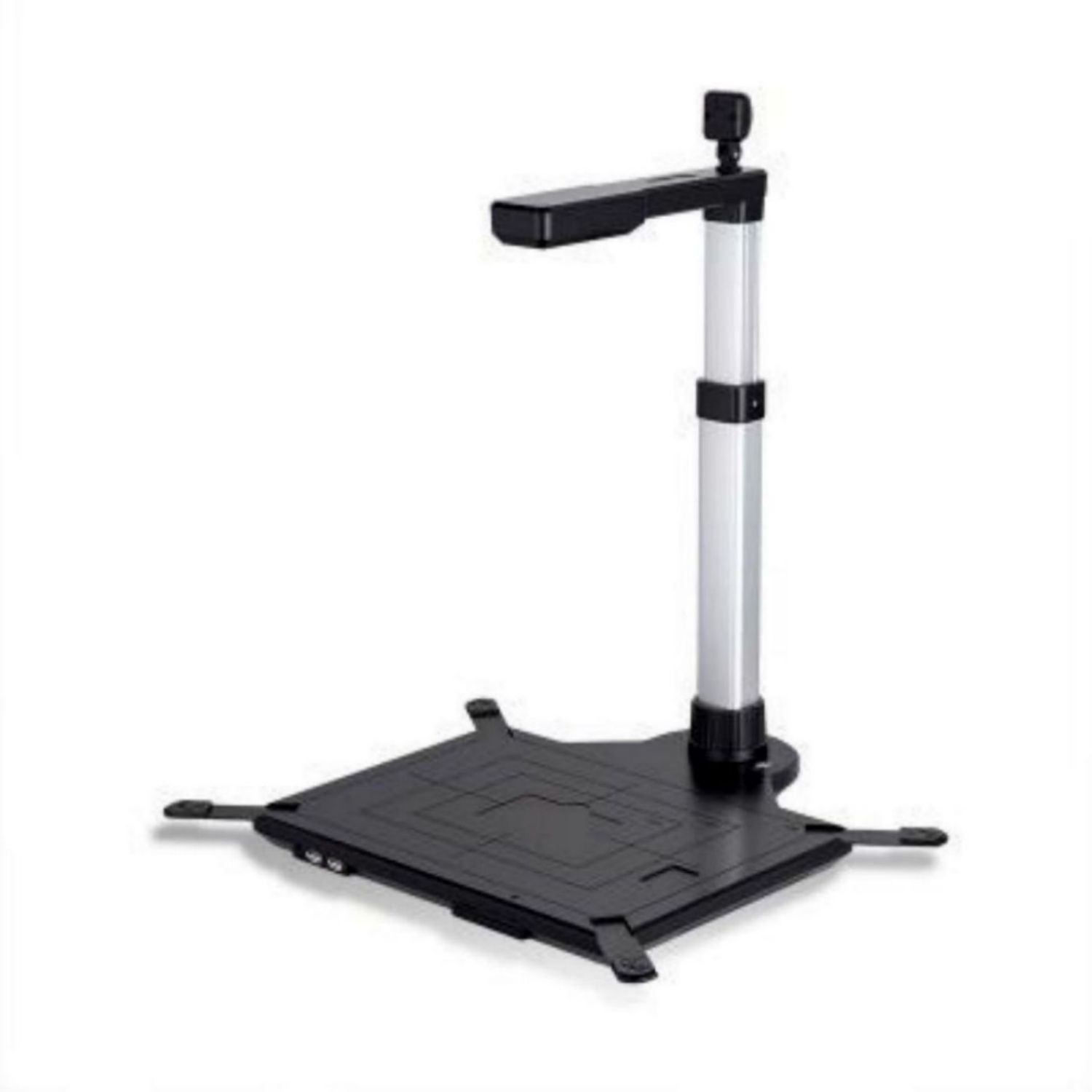
Professional USB Dual Camera Scanner for A3 Documents Supports OCR PDF Multi-Languages High-Speed 1-Second Scan 360-Degree
A strong fit for bound manuscripts, legal files, archival folders and administrative records where one-second capture and multi-language OCR can reduce handling risk.
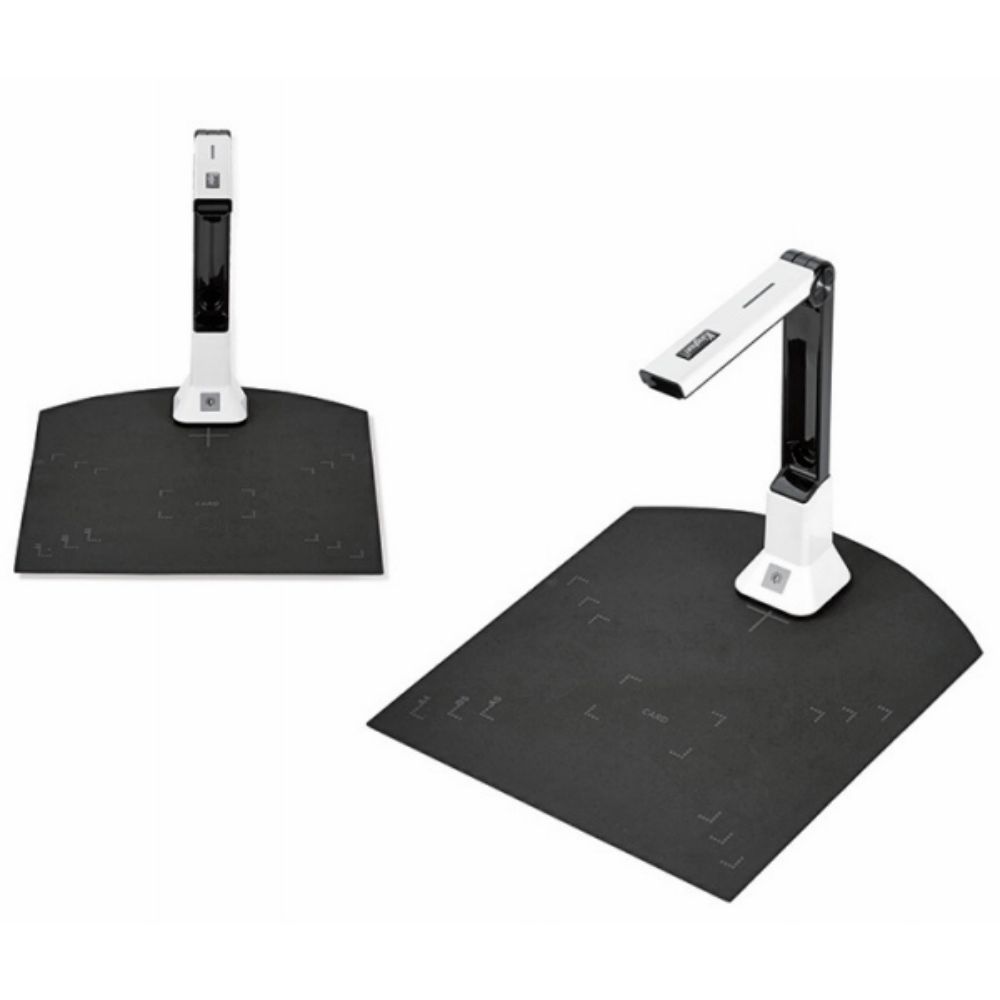
Wholesale 5MP USB Light CMOS A4 Document Scanner Portable Smart Handheld High Resolution 1-Second Scan CE Certified Stock Black
Useful for mobile intake, branch counters, clinic forms and small Edmonton offices that need a compact USB device rather than a fixed scanning station.
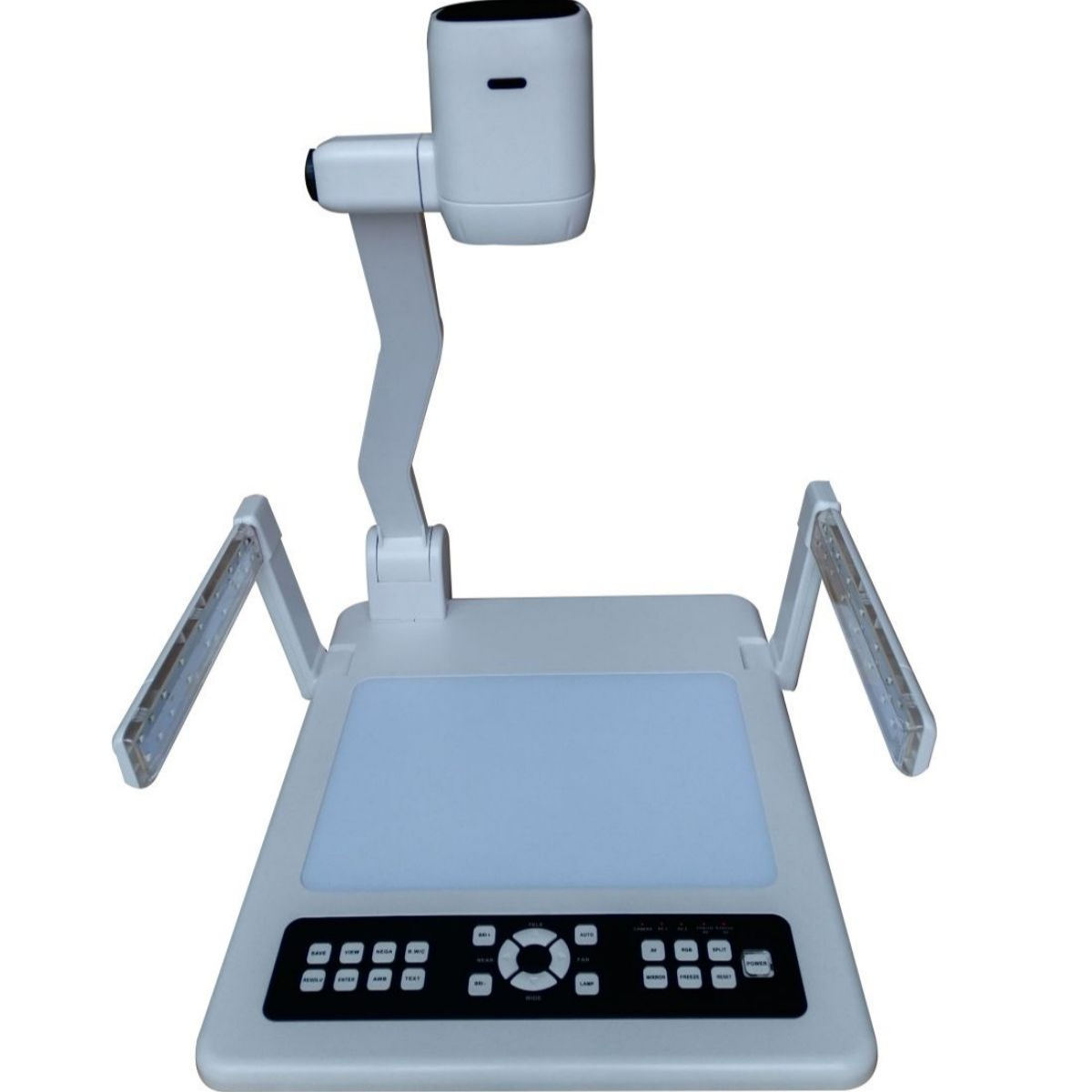
HD Optical Zoom Visual Presenter 1/3" CMOS Sensor 1-Year Warranty OEM Brand GUA Origin Professional Document Camera VGA RS232
Suitable for classrooms, training rooms, engineering demonstrations and live document sharing where optical zoom and legacy VGA/RS232 integration matter.
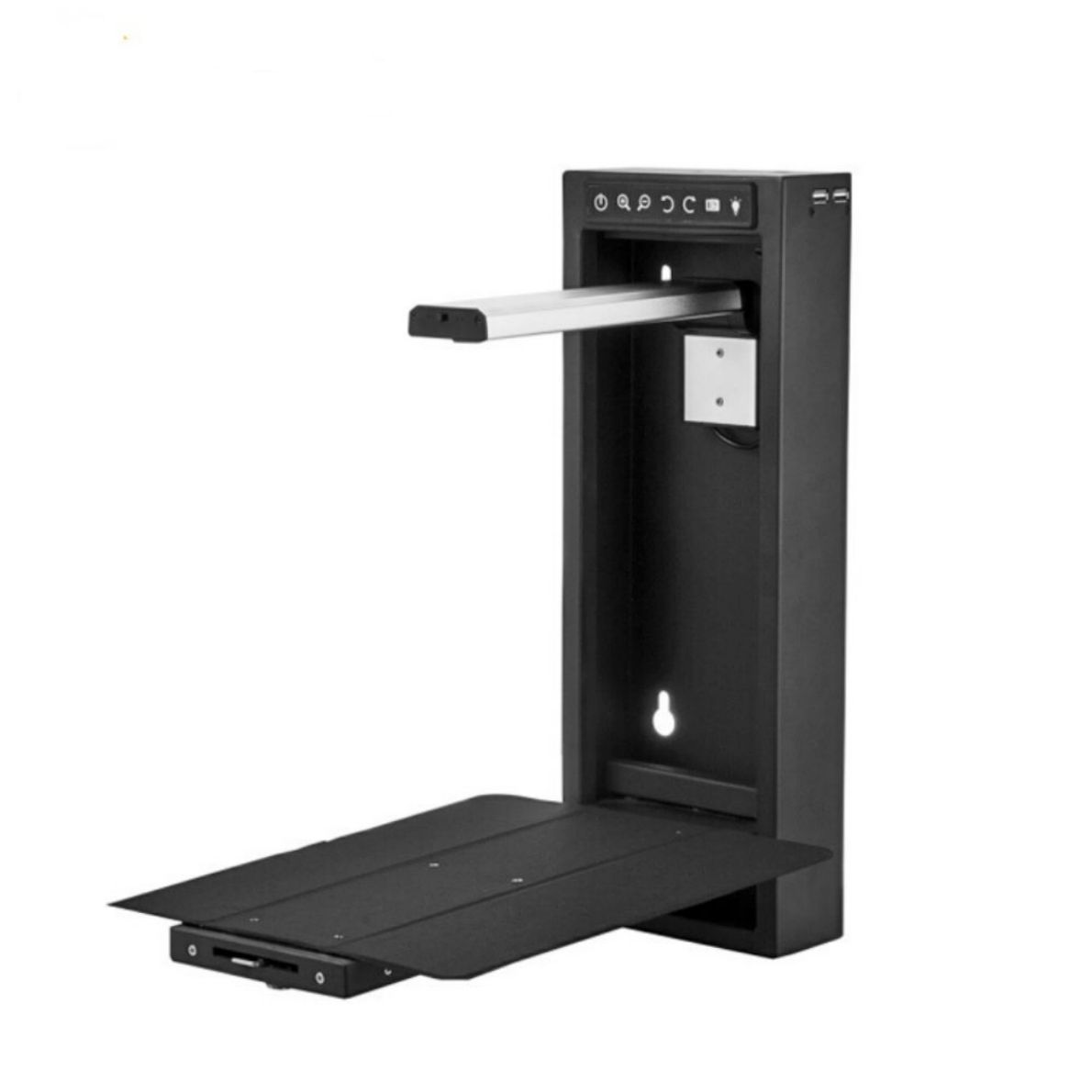
Factory New High Definition Wall Mount Document Scanner USB Interface Visualizer CE Certified 1-Year Warranty High-Speed A4 SDK
A space-saving option for scan desks, training walls, service counters and compact records rooms where desk depth is limited and repeatable A4 capture is required.
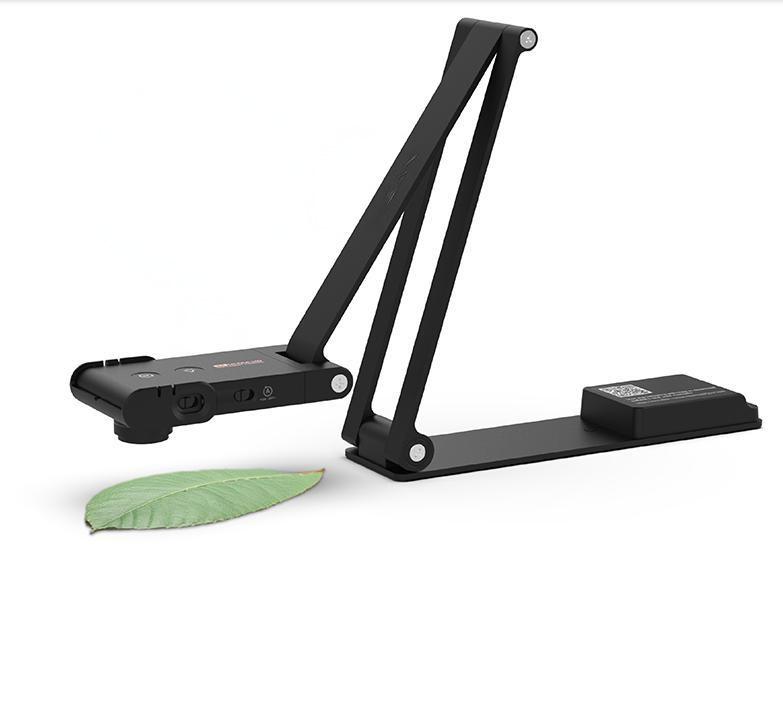
4K 2-in-1 USB 13MP Document Camera Visualizer AI Noise Cancellation 20X Macro Lens Foldable Design Microphone A3 Max 1-Year
Well matched to hybrid meetings, design reviews, map inspection and detailed component captures, with a foldable format that is easier to deploy across rooms.
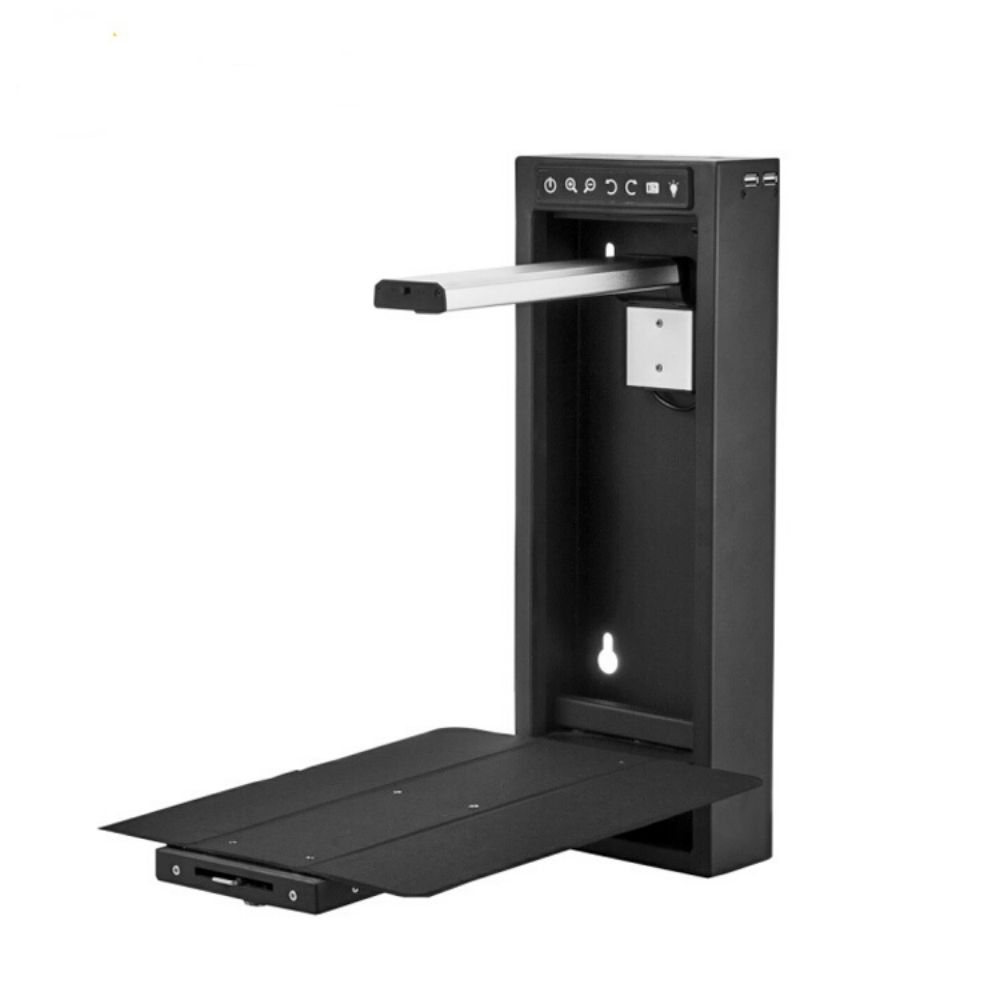
Online Training Portable 10MP A4 Document Scanner USB Interface Visualizer-in-Stock for Wall Version Black+Silver 1-Year
A practical visualizer for distance learning, remote onboarding, virtual consultations and mobile client service where quick setup and simple USB connection are priorities.
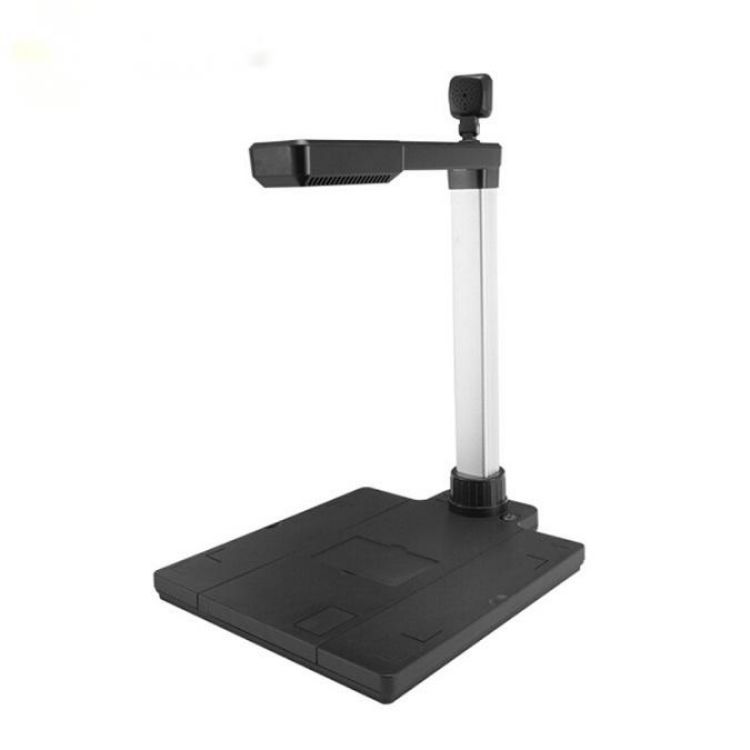
10MP Education Visualizer Scanner Document Management Book Camera USB in Stock
Designed around education and document management use, making it suitable for schools, tutoring centers, corporate learning teams and simple book-capture stations.
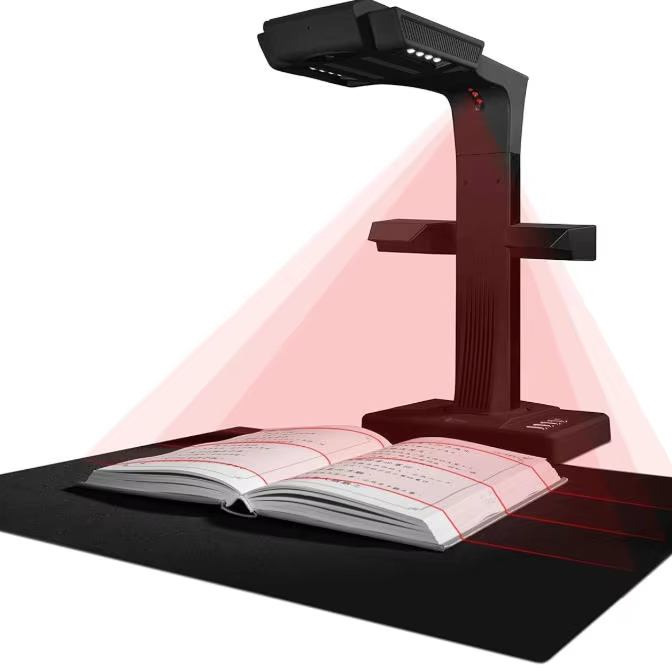
18MP A3 Book Scanner Overhead Document Camera Auto Curve Flattening OCR 180+ HDMI Visual Presenter for Office Library
A high-value manuscript and library option, combining overhead non-contact capture with auto curve flattening, OCR 180+ languages and HDMI presentation output.
What Edmonton Buyers Actually Need from a Manuscript Scanner Wholesaler
Edmonton’s digitization demand is not only about scanning paper. It is about preserving access to fragile manuscripts, proving compliance, and making dense records searchable across distributed teams. In a city where universities, public libraries, museums, legal practices, engineering consultancies, healthcare clinics, municipal offices and energy-sector records teams all manage mixed formats, a single A4 flatbed is often not enough. Bound books cannot be pressed onto glass. A2 maps and newspapers exceed ordinary platen sizes. Line drawings lose readability when captured with uneven light. That is why the Edmonton procurement conversation should start with capture format, sensor platform, OCR output and workflow integration rather than megapixels alone.
For manuscript work, non-contact overhead capture is usually the safest first choice because the page is photographed from above while the binding remains supported. A3 overhead scanners are efficient for books, files and ledgers, while document cameras add live presentation value for classrooms, training rooms and design reviews. Where the requirement calls for high optical resolution on photographs or artwork, a flatbed scanner still has a role. Where the task is high-volume loose paper, an ADF scanner can be more productive. The ideal wholesale relationship is therefore consultative: the supplier should help match the page, binding, lighting, software and volume to the right imaging platform.
Local buying note for Edmonton
Ask for sample scans of your own material before finalizing a tender or retail launch. Manuscripts, newsprint, tracing paper, maps, carbon-copy forms and glossy brochures all behave differently. A sample scan should confirm text legibility, colour fidelity, OCR accuracy, edge focus, page curvature and export format.
Also confirm plug type, power adapter requirements, software compatibility, OCR language packs, packing method and delivery terms to Alberta before purchase.
Where Manuscript Scanners Create Value in Edmonton
Edmonton organizations rarely buy a scanner for a single isolated task. They need a device that can support preservation, access, service delivery and reporting across teams. These are the most common application clusters.
Libraries & Archives
Overhead capture helps digitize rare books, local history collections, periodicals and bound indexes without forcing the spine flat. OCR and searchable PDF output improve public access.
Universities & Research
Researchers in Edmonton often work with theses, field notebooks, maps, journals and archival photocopies. A3 overhead scanners and visual presenters support both capture and live teaching.
Government & Legal Records
Bound ledgers, case files, permits and service forms require consistent capture and readable exports. Multi-language OCR, predictable file naming and SDK access can reduce manual rework.
Engineering & Energy Records
Edmonton’s engineering and energy teams manage drawings, site plans, QA records and as-built documentation. Wide-format coverage and sharp edge detail matter more than decorative features.
Healthcare & Clinics
Paper referrals, consent forms, insurance documents and ID cards still enter many clinical workflows. Compact USB scanners and visualizers can support fast intake where policy allows.
Museums & Cultural Heritage
Fragile items, community records and exhibition materials benefit from non-contact capture and respectful handling. Overhead systems support documentation without unnecessary pressure on originals.
CIS, CMOS or CCD: Choosing the Right Sensor for Edmonton Projects
Quibow’s catalogue is built across CIS, CMOS and CCD imaging platforms. Each platform has a distinct role. Choosing correctly can protect image quality, speed up deployment and avoid expensive rework after a pilot.
CIS Contact Image Sensor
Compact and efficient for sheet-fed paths and high-volume office batches. CIS systems are well suited to invoices, contracts and loose documents where originals can travel through an ADF.
- Best for
- High-volume office scanning and batch records
- Edmonton fit
- Administrative backlogs and day-to-day paper intake
CMOS Area Sensor
Captures the full page from above in one shot. Software can flatten curves, remove fingers, deskew pages and apply OCR without pressing a book onto glass. This is usually the most practical route for manuscripts and bound volumes.
- Best for
- Bound books, newspapers, live teaching and counter service
- Edmonton fit
- Libraries, archives, universities and service counters
CCD Linear Sensor
CCD flatbeds use a moving carriage and can offer strong optical resolution with controlled lighting. They remain relevant for photographs, artwork and certain bookedge scanning requirements.
- Best for
- Photos, artwork and controlled flatbed capture
- Edmonton fit
- Museums, design archives and high-resolution reproduction
Resolution, OCR and Cold-Climate Deployment
The most common procurement error is buying by megapixel label without calculating the actual document size. Resolution is a function of pixels across the page. An 18MP camera covering A3 is not the same as an 18MP camera covering A2. For archival masters, 300 dpi is often specified; for OCR and on-screen reading, 200–250 dpi may be sufficient, but the target must be confirmed by the records owner.
A3 at 300 dpi requires roughly 17.4MP, so 18MP to 24MP cameras are a sensible starting range. A2 at 300 dpi requires roughly 34.8MP, which is why 48MP wide-format models are recommended when broadsheets, maps or newspaper pages must be captured as masters in one pass.
| Document size | Pixels at 300 dpi | Recommended range | Typical Edmonton use |
|---|---|---|---|
| A4 210 × 297 mm | 2480 × 3508 ≈ 8.7 MP | 10MP or higher | Clinic forms, contracts, service intake, administrative files |
| A3 297 × 420 mm | 3508 × 4961 ≈ 17.4 MP | 18–24MP camera | Bound books, ledgers, university files, legal records |
| A2 420 × 594 mm | 4961 × 7016 ≈ 34.8 MP | 48MP wide-format model | Newspapers, maps, drawings and archival broadsheets |
| Photos & artwork | 600–2400 dpi optical | Flatbed with 48-bit colour | Museum records, design archives and high-resolution reproduction |
Localized Developments Shaping Scanner Demand
Procurement in Edmonton is becoming more outcome-focused. Buyers want evidence that a scanner improves access, reduces handling risk and fits existing records workflows—not just that it has a high-resolution sensor.
Searchable Archives
Libraries, museums and records teams increasingly expect OCR output that can be searched, indexed and reviewed. Multi-language OCR is becoming a practical requirement rather than a premium feature.
Hybrid Teaching & Meetings
Visual presenters are no longer limited to classrooms. Edmonton training teams use document cameras for remote demonstrations, design reviews, onboarding and live document annotation.
Non-Contact Preservation
For fragile manuscripts, reducing physical pressure is a core concern. Overhead CMOS capture, auto flattening and deskew tools support digitization while respecting the condition of the original.
Smaller, Smarter Stations
Wall-mounted scanners, portable USB visualizers and foldable document cameras help organizations create capture points in compact offices, counters, clinics and temporary project rooms.

Why Quibow Fits the Edmonton Wholesale and OEM Channel
Guangzhou Quibow Electronic Co., Ltd. focuses on image data acquisition and conversion equipment, including high-speed document cameras, book scanners, flatbed scanners and ID recognition cameras built on CIS, CMOS and CCD platforms. For Edmonton buyers, the value is not only access to a product list. It is the ability to match a sensor platform to the page, confirm OCR languages, discuss SDK integration and adapt branding or packaging for a reseller programme.
The company’s supplier profile lists onsite-checked status, response-time indicators and a 27% buyer reorder rate. Those signals are most useful when paired with a clear specification conversation: what will be scanned, how often, at what resolution, by whom, and with which software? Quibow’s stated OEM/ODM capabilities include logo printing, packaging, housing colour, capture software branding and SDK integration on selected models. Listed models carry a 1-year warranty with remote technical support, and payment/delivery terms can be discussed during quotation.
From Edmonton Requirement to Shipment in Five Steps
A transparent process helps procurement teams, resellers and institutional buyers understand what happens after the first inquiry.
Requirement Review
Confirm page sizes, binding types, daily volume, OCR languages and software environment.
Model Matching
Shortlist A3 overhead, A2 wide-format, flatbed or document camera options with sample scans if needed.
Customization
Discuss logo, packaging, housing colour, software branding and SDK integration on selected models.
Quality Check
Review focus, lighting uniformity, driver installation, capture speed and packing requirements.
Shipping & Support
Confirm FOB, EXW or DDU terms, export packing and remote technical support through warranty.
Questions Local Buyers Ask Before Ordering
These answers focus on the practical questions raised by Edmonton institutions, resellers, integrators and end users evaluating manuscript scanning equipment.
Can Quibow supply manuscript scanners and document cameras to Edmonton buyers?
Yes. The supplier is based in Guangzhou and serves international buyers, including North American markets. Shipping to Edmonton is typically discussed during quotation so that delivery terms, packing, carrier options and customs documentation can be confirmed before order. Buyers can request FOB, EXW or DDU terms and should verify import duties, taxes and customs brokerage with their own logistics provider.
Which scanner is best for bound books and fragile manuscripts?
For bound manuscripts, a non-contact overhead document camera or book scanner is usually safer than a flatbed because the binding does not need to be pressed flat. The 18MP A3 overhead book scanner with auto curve flattening, OCR and HDMI output is a strong starting point. The A3 dual-camera OCR scanner is another option for mixed documents and faster capture. Final selection depends on page size, daily volume and OCR expectations.
What model should we consider for A2 newspapers, maps or engineering drawings?
If the material must be captured in one pass at archival resolution, an A2 large-format overhead scanner is the correct category. For A2 at 300 dpi, approximately 34.8MP is required, so 48MP wide-format models are preferable for archival masters. A3 systems can be used for smaller sheets or with careful workflow planning, but they should not be treated as a direct substitute when full A2 coverage is mandatory.
How many megapixels do we need for 300 dpi at A4, A3 or A2?
A4 at 300 dpi is approximately 8.7MP, A3 is approximately 17.4MP, and A2 is approximately 34.8MP. For OCR and on-screen access, lower resolution may be acceptable, but archival and tender requirements often specify 300 dpi or higher. Calculate the actual pixel dimensions across the page before choosing a sensor, and request sample scans when the document has fine text, maps or technical linework.
Do the scanners support Windows, macOS, OCR and SDK integration?
Many listed models support Windows and macOS, and some are verified on Apple M1-powered Macs according to the source catalogue. OCR and export formats vary by model. SDK availability should be confirmed for the exact product and software version. For records systems, counter applications or reseller SaaS platforms, share your integration requirements before quotation.
How should Edmonton offices plan for dry winters, static and dust?
Use a stable indoor environment, keep the capture area clean, and follow the manufacturer’s cleaning guidance for lenses, platen glass and lighting surfaces. Non-contact overhead scanners reduce pressure on fragile originals, while flatbed systems should be checked for dust before scanning photographs or artwork. If static is a recurring issue, test the scanner with your actual paper and request practical setup guidance during ordering.
What are the MOQ, sample and OEM/ODM options?
Most stock book scanners, large-format scanners and flatbed scanners start from 1 piece or 1 set, while several document camera models start from 2 pieces according to the supplier profile. OEM/ODM quantities are confirmed per project. Typical customization can include logo printing, packaging, housing colour, capture software branding and SDK integration on selected models.
What payment, delivery and warranty terms are available?
The supplier profile lists T/T, L/C, PayPal and Western Union, with currencies including USD, EUR, HKD and CNY. Delivery terms include FOB, EXW and DDU. Listed models such as the A3 flatbed scanners, overhead scanners and selected ADF scanners come with a 1-year warranty backed by remote technical support. Confirm the exact warranty terms, packing method and delivery schedule for your Edmonton order.
Request a Manuscript Scanner Recommendation and Sample Scan
Share your largest document size, binding type, daily volume, OCR languages, software environment and whether you need OEM/ODM or SDK support. The supplier profile lists ≤1h average response time and a 1-year warranty on listed models; final specifications, lead time, shipping to Alberta and pricing are confirmed by quotation.