Eight Document Digitization Products Recommended for Japanese Buyers
This shortlist addresses real procurement questions in Japan: compact room footprints, mixed A4/A3 originals, bound-book safety, OCR for searchable files, Windows/macOS compatibility, 100V power confirmation and trial-order flexibility. Product URLs and images below are preserved from the current Quibow catalogue.
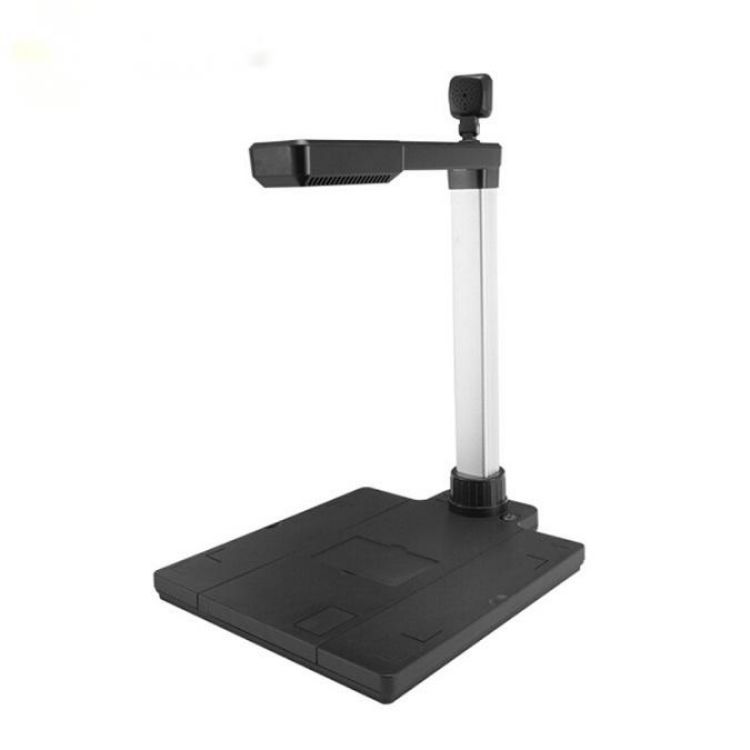
10MP Education Visualizer Scanner for Classroom Document Management
A practical USB visualizer for Japanese classrooms, school libraries and small offices. It captures A4 worksheets, textbook pages and demonstration objects for projection or digital filing.
- 10MP USB document camera
- Education and book display
- Simple A4 capture workflow
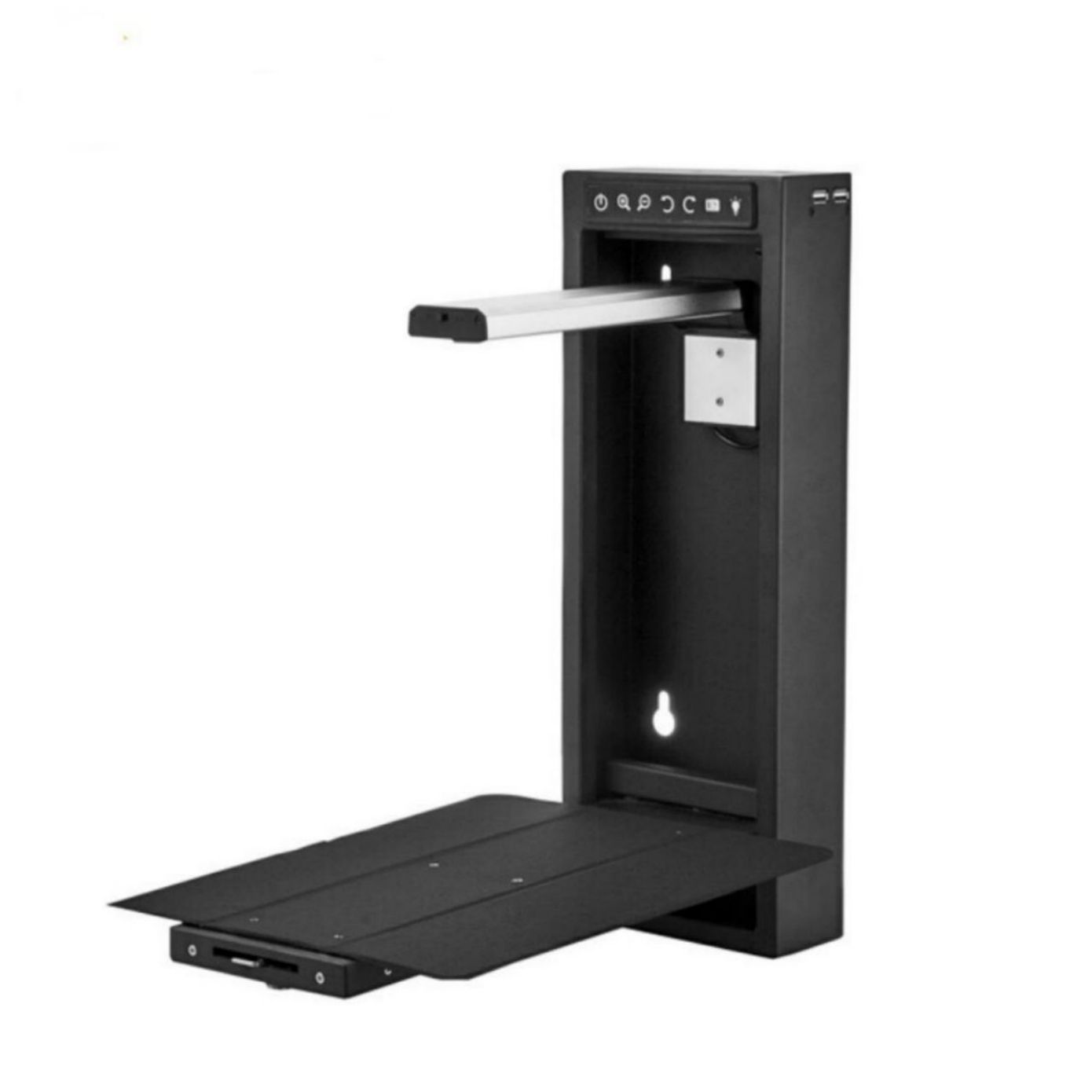
10MP USB CMOS Wall-Mount Document Camera with 1-Second A4 Capture
A space-saving CMOS camera for fixed scanning points. The 1-second A4 capture and SDK support suit school corridors, municipal counters and training rooms without tripods.
- 10MP CMOS overhead view
- Wall-mounted installation
- A4 SDK-ready education model
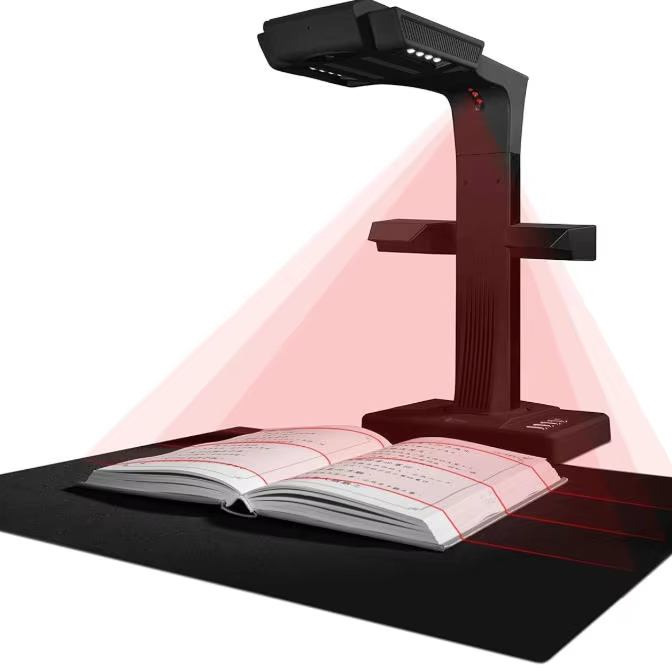
18MP A3 Overhead Book Scanner with Auto Curve Flattening & OCR
For bound books, this 18MP A3 overhead scanner reduces post-processing with auto curve flattening, deskew and OCR. HDMI output also supports live presentation in reading rooms.
- 18MP A3 overhead capture
- Auto curve flattening and deskew
- OCR and HDMI visual presenter
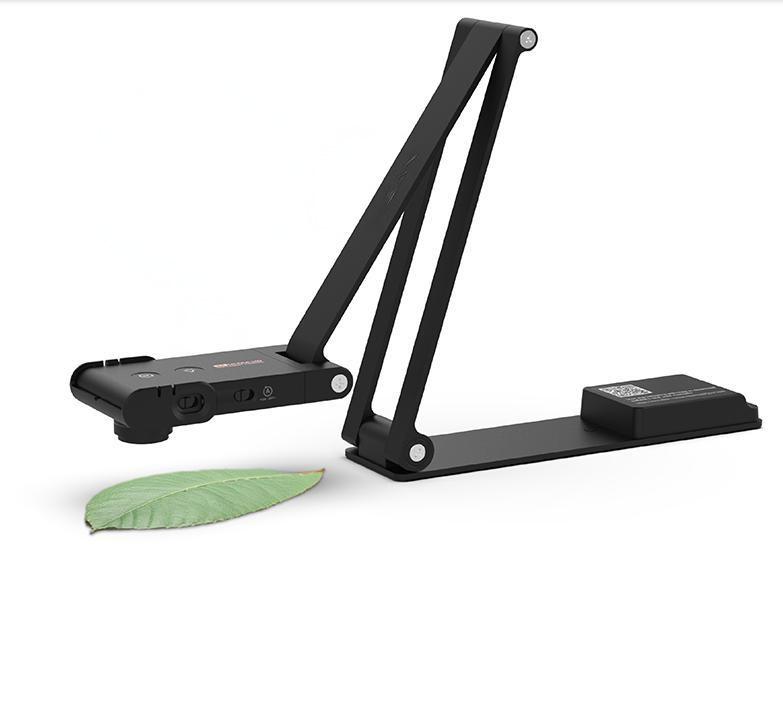
4K 2-in-1 13MP Document Camera with AI Noise Cancellation
A 4K 13MP 2-in-1 camera with AI noise cancellation, 20x macro lens and foldable body. Built for hybrid lessons, telework meetings and counter service where quick setup matters.
- 4K 13MP document camera
- AI noise cancellation and microphone
- 20x macro, A3 max coverage
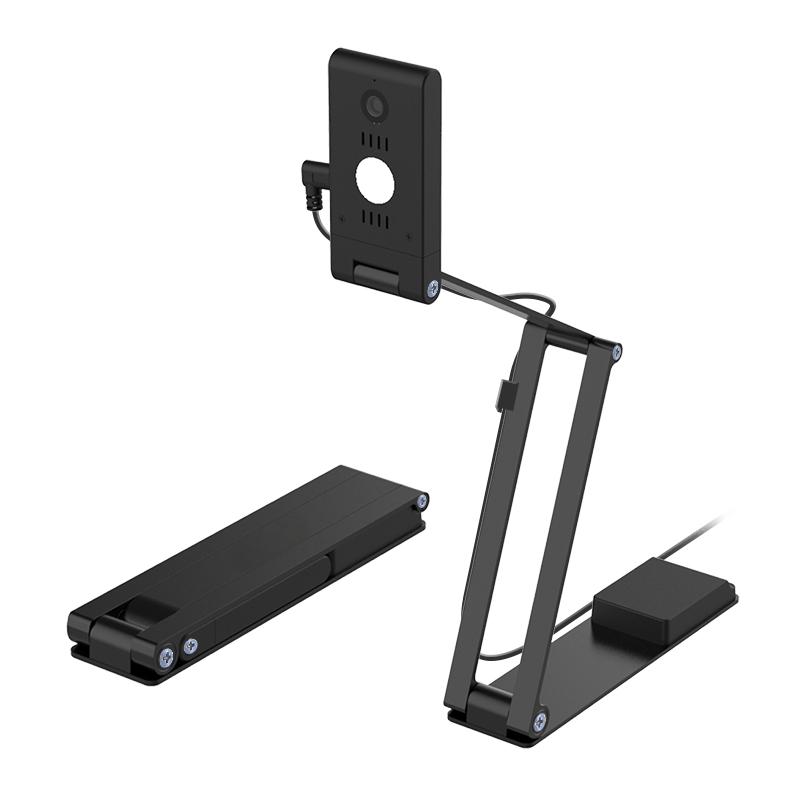
Value 5MP 2-in-1 A3 USB Document Camera Visualizer
A value-focused 5MP A3 visualizer with 2-in-1 USB design and 10x zoom. Suitable for smaller Japanese schools and branch offices that need simple lesson sharing and form review.
- 5MP 1/4-inch CMOS sensor
- A3 USB document camera
- 10x zoom, 1-year warranty
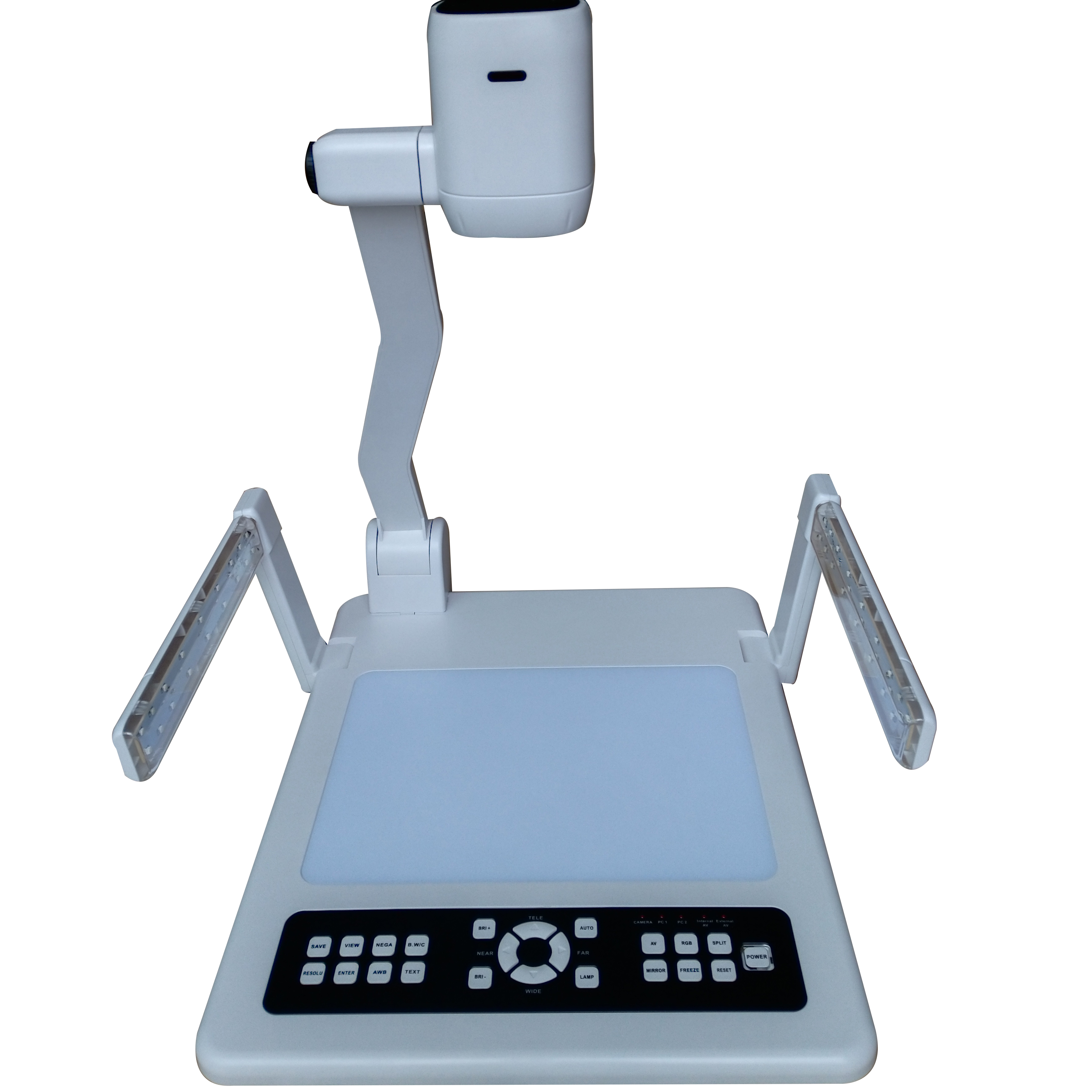
Foldable Ultra HD Desktop Document Camera for Schools
A flexible Ultra HD desktop visualizer for classrooms and training rooms. Foldable construction supports different working heights, while HDMI/VGA output connects to existing projectors.
- Foldable desktop visualizer
- HDMI and VGA video output
- School demonstration and remote class use
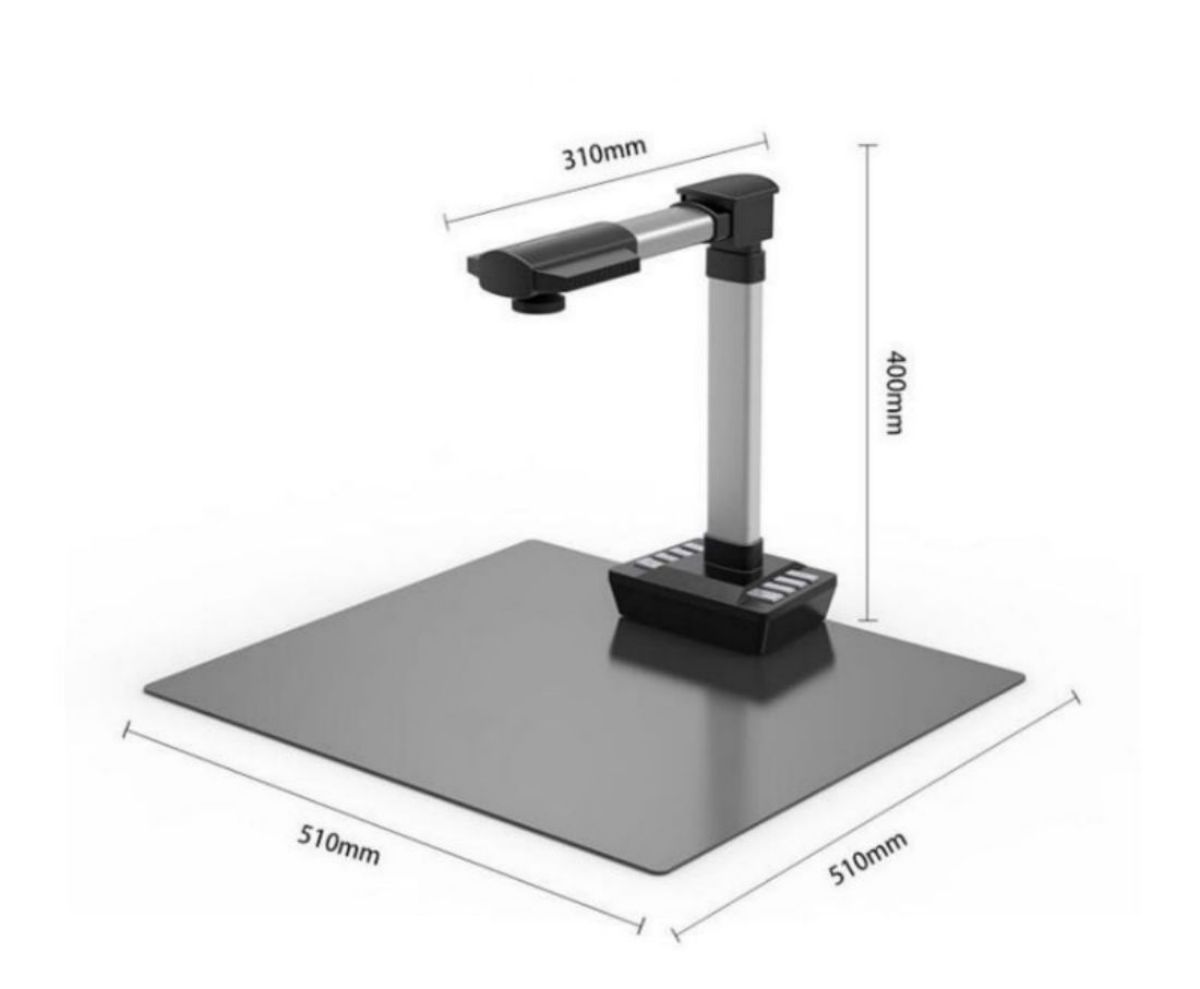
Portable 20MP Wireless A3 Book Scanner with Foot Pedal
A portable 20MP wireless A3 book scanner with foot pedal, USB interface and 24-bit color. Hands-free page capture suits reading rooms, field digitization and mobile archive projects.
- 20MP A3 portable book scanner
- Wireless operation and foot pedal
- USB interface, 24-bit color
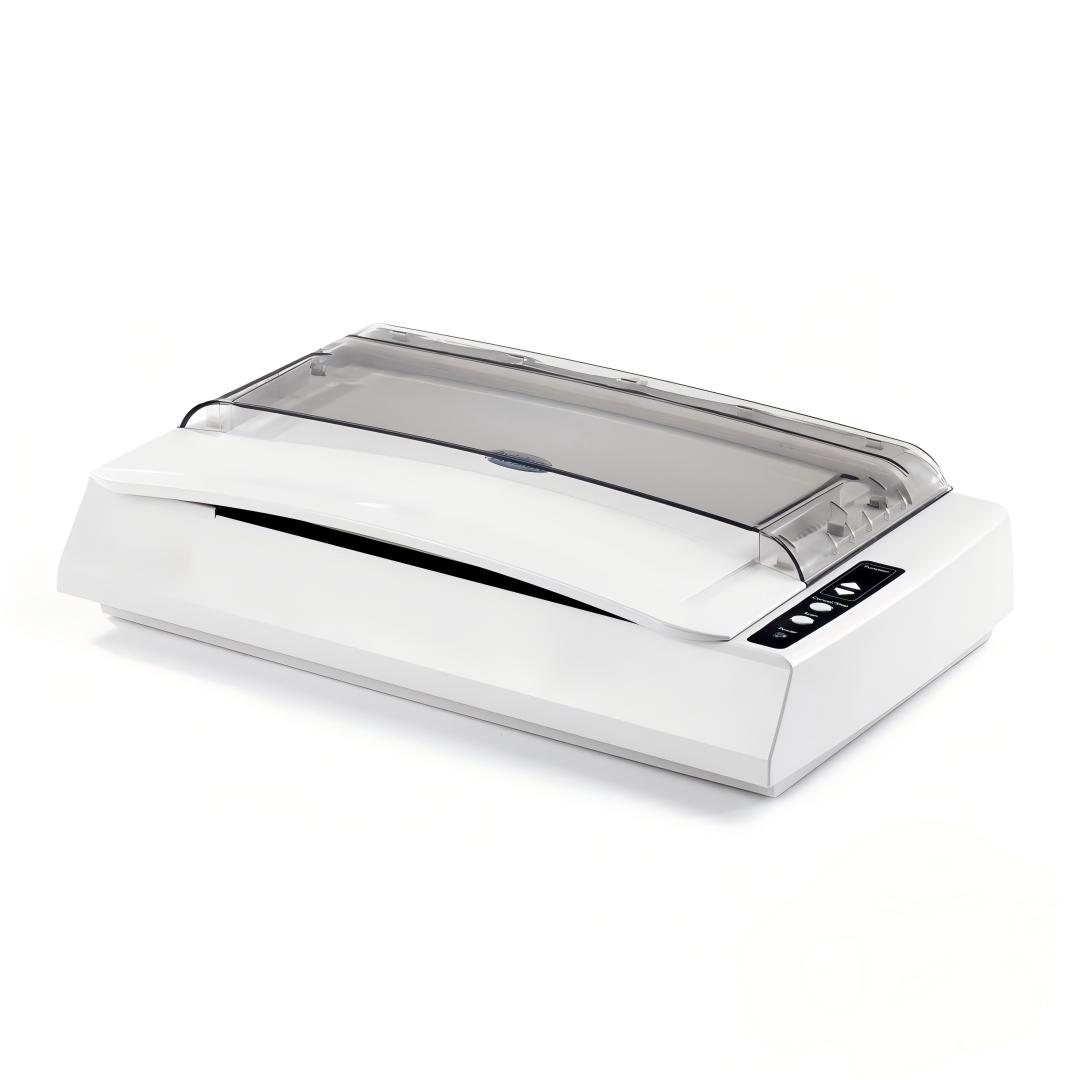
CCD Zero-Margin A4 Bookedge Flatbed Scanner, 600 dpi
A CCD zero-margin bookedge flatbed for bound books and archive records where the gutter must stay close to the glass. It helps avoid spine shadow in library and archive digitization.
- CCD bookedge A4 flatbed
- 600 dpi, USB connected
- No spine shadow for bound records
Why Japanese Buyers Choose Quibow as a Document Digitization Export Partner
Founded in 2020 in Guangzhou, Quibow is a technology-driven supplier of image acquisition and conversion equipment. Our experience covers CIS, CMOS and CCD imaging platforms, from capture hardware through export support.




Japanese procurement teams often need more than a product photograph. They need a model that fits the room, a resolution that satisfies an internal digitization standard, a clear minimum order, and documents that can be filed. Quibow’s role is to turn that requirement into a practical configuration, then supply it with export packing, remote setup guidance and a 1-year warranty on listed models.
For Japan-facing projects, we confirm Windows/macOS compatibility, OCR language options, SDK requirements and power-plug details before the proforma invoice. Our team supports OEM/ODM projects, including logo printing, packaging, housing color, software branding and SDK integration on selected models.
Application-first selection
We start with document size, daily volume, binding type, target dpi, OCR language, computer OS and available desk space, then match a sensor platform.
Bound-book preservation
Non-contact overhead scanning avoids pressing spines, while auto flattening, deskew and CCD bookedge designs reduce handling risk and post-processing.
Japan-specific quotation
We confirm 100V/50–60Hz power, plug type, adapter requirements and model-specific documentation at quotation stage. PSE-related documents are project-specific.
OEM / ODM & SDK
Logo, packaging, housing color, capture-software branding and SDK integration are available on selected models, subject to project MOQ.
Export terms buyers plan around
T/T, L/C, PayPal and Western Union in USD, EUR, HKD or CNY, with FOB, EXW and DDU delivery terms for different order sizes.
Inspection before packing
Each unit is checked for focus, lighting uniformity, driver installation and capture speed. Spare-part planning and remote support can be discussed before shipment.
Fast, verifiable communication
Our current service indicators include ≤1 hour average first response, 100% message response and a 27% buyer reorder rate. These help Japanese buyers evaluate responsiveness.
Wholesaler & distributor support
Most stock book scanners and flatbed scanners start from 1 piece or 1 set; several document cameras start from 2 pieces. This supports pilot orders and distributor stock tests.
Where Document Digitization Equipment Fits Japanese Workflows
Japan’s buying decisions are often driven by room constraints, preservation rules, staff workflow and integration with existing PCs, projectors and document systems.
Public and university libraries
Non-contact overhead book scanners capture local-history books, periodicals and academic materials without pressure on the spine. CCD bookedge flatbeds support tight-gutter volumes, while OCR helps build searchable catalogues and digital reading copies.
Boards of education and schools
A3 document cameras and visualizers show textbook pages, science demonstrations and student work on classroom displays. Foldable and wall-mount models suit older buildings and shared classrooms where floor space is limited.
Municipal offices and counters
Wall-mount and compact USB document cameras can capture forms, notices and supporting documents at service counters. SDK integration and stable fixed positioning matter where staff repeat the same workflow throughout the day.
Corporate archives and accounting
Japanese offices often need searchable PDFs of contracts, drawings, ledger books and audit records. A3 overhead scanners handle bound files; flatbed and ADF options support loose sheets and routine batches with controlled lighting.
Newspapers, museums and local history
A2 large-format overhead scanning is valuable for newspapers, maps, posters and archival sheets that cannot be fed through a sheet-fed scanner. For 300 dpi A2 masters, specify a 48MP model; for 225–240 dpi access copies, a 21MP A2 model may be enough.
Distributors and system integrators
Japanese resellers may need trial units, branded packaging, SDK access and clear model documentation before stocking a new digitization line. Quibow supports wholesale and OEM/ODM discussions with MOQ confirmed per project.
Localized Trends Shaping Document Digitization Procurement in Japan
Buyers are moving from isolated scanning devices toward repeatable capture workflows that protect originals, reduce manual correction and integrate with existing office systems.
From image capture to searchable records
OCR, deskew, curve flattening and searchable PDF output are now part of the buying decision. A scanner that only produces images creates extra labor; a configured workflow with OCR and consistent file naming saves staff time.
Non-contact preservation
Libraries and archives increasingly prefer overhead capture for bound and fragile materials. The goal is to protect the original while still producing usable digital copies for catalogues, reading services and internal reference.
Hybrid classrooms and remote meetings
4K visualizers with microphones, AI noise cancellation and HDMI/VGA output support lessons, teacher training and hybrid meetings. Foldable and wall-mount designs fit rooms that cannot dedicate a permanent scanning table.
Compact, branch-friendly sourcing
Japanese offices often distribute digitization across branches rather than one central room. Portable A3 book scanners, wall-mounted cameras and low-MOQ trial orders let procurement teams test before a wider rollout.
How to Specify Resolution and Sensor Type for A4, A3 and A2 Projects
Megapixels should always be read against document size. The same camera can be adequate for A4 and insufficient for A2 if the tender requires a fixed dpi.
At 300 dpi, an A4 sheet requires about 2480 × 3508 pixels, or roughly 8.7 MP. A3 requires about 3508 × 4961 pixels, approximately 17.4 MP, so an 18MP or 24MP model is a sensible match for A3 book and archive scanning.
An A2 sheet at 300 dpi needs about 4961 × 7016 pixels, roughly 34.8 MP. For A2 archival masters, a 48MP large-format scanner is the safer specification. If the requirement is OCR or on-screen reading at 200–250 dpi, a 21MP A2 model may still be considered after testing.
10MP education visualizers and document cameras are suitable for A4-focused workflows.
18MP and 24MP overhead book scanners are common choices for A3 books, ledgers and worksheets.
Specify a 48MP A2 overhead scanner for archive masters, newspapers and large maps.
CIS for sheet-fed volume
Compact, low-power linear sensing suits ADF batches, invoices and contracts. Choose CIS when the workflow is flat-sheet document throughput rather than bound-book capture.
CMOS for overhead capture
An area sensor captures the whole page in one shot. Paired with flattening, deskew and finger removal software, it is the practical choice for books, newspapers and live teaching.
CCD for bookedge detail
A moving CCD carriage offers depth of field and stable color. Bookedge flatbeds minimize spine shadow when scanning bound volumes, photographs and archival records.
Decision path
Bound and fragile: overhead CMOS or CCD bookedge. A3/A2 archival: 18MP–48MP overhead. High-volume loose sheets: CIS ADF. Mixed use: configure more than one model.
From Japanese Inquiry to Export Delivery in Four Clear Steps
A transparent process helps procurement, IT and archive teams evaluate the supplier before a purchase order is issued.
Requirement review
Confirm document sizes, daily volume, binding type, target dpi, OCR language, OS, room space and Japan power/plug requirements.
Model matching and sample scan
We recommend sensor platform and resolution, then provide model specifications, MOQ guidance and sample scans where required.
OEM / ODM and documentation
For branding or integration projects, confirm logo, packaging, housing color, software branding, SDK needs and project MOQ.
QC, packing and support
Inspect focus, lighting, drivers and capture speed; use export packing; provide remote setup guidance and 1-year warranty on listed models.
FAQ from Japanese Buyers Sourcing Document Digitization Equipment
These questions reflect what schools, libraries, municipal offices, distributors and system integrators ask before requesting a quotation.
Can we start with one unit before a wider rollout?
Yes for most stock book scanners, A2/A3 overhead scanners and flatbed scanners: MOQ starts from 1 piece or 1 set. Several document camera models start from 2 pieces. OEM/ODM quantities are confirmed per project, so a pilot order can be planned before a school or library-wide purchase.
How do you handle 100V power and Japan plug requirements?
Power requirements are confirmed at model level before the proforma invoice. We check 100V, 50/60Hz, plug type and adapter requirements for the destination. PSE-related documentation, if needed by the project, is discussed case by case rather than assumed for every model.
Is Japanese OCR supported?
OCR language support depends on the bundled software version, language pack and licensing. Before ordering, confirm the required Japanese OCR output, searchable PDF format, export file types and whether SDK integration is needed. Sample scanning helps validate the workflow before purchase.
Which model suits A3 books or A2 newspapers?
For A3 books at 300 dpi, 18MP or 24MP overhead scanners are appropriate. For A2 at 300 dpi, choose a 48MP A2 scanner. A 21MP A2 model may be acceptable for access copies or OCR at roughly 225–240 dpi, but it should not be quoted against a strict 300 dpi A2 tender without testing.
What payment, delivery and warranty terms apply?
Quibow accepts T/T, L/C, PayPal and Western Union in USD, EUR, HKD or CNY, with FOB, EXW and DDU delivery terms. Listed models such as A3 flatbeds, A2 overhead scanners and the S2060W ADF scanner carry a 1-year warranty, backed by remote technical support.
Do you support OEM/ODM for Japanese distributors?
Yes. OEM/ODM support can include logo printing, packaging, housing color, capture-software branding and SDK integration on selected models. Japanese distributors should share target volume, branding requirements and integration scope so MOQ and schedule can be confirmed before the order.
Request a Japan-Specific Quotation and Sample Scan
Share your document sizes, daily volume, target resolution, OCR language and available space. Our export team will recommend a suitable Quibow model, confirm MOQ and power details, and discuss sample scans, OEM/ODM or SDK requirements for Japan.
Email: info@quibowtech.com