Top Trusted A2 Scanner Supplier & Exporters in the Indianapolis Market
A procurement-grade guide for Indianapolis archives, libraries, universities, public agencies, design firms and enterprise digitization teams — built around true A2 capture, OCR-ready workflows, OEM/ODM flexibility and export-ready service from Guangzhou to Indiana.
Scanner and Document Camera Shortlist for Indianapolis Buyers
These eight in-stock or configurable products cover the practical capture points we see most often in Indianapolis: archive tables, library branches, classroom demonstrations, service counters, legal files, engineering plans and mobile book-scanning projects. Every product link below is retained from the source catalogue.
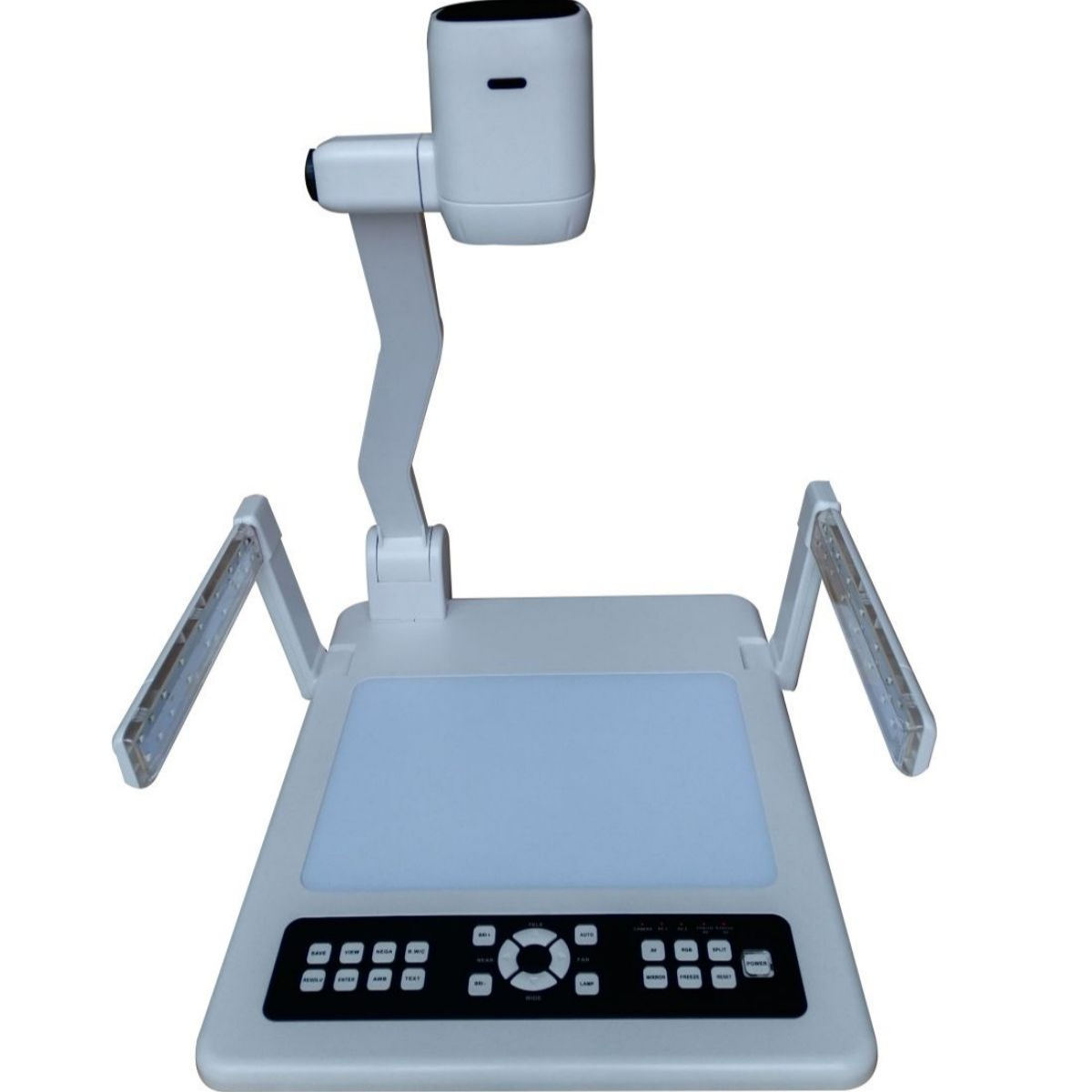
HD Optical Zoom Visual Presenter 1/3" CMOS Sensor 1-Year Warranty OEM Brand GUA Origin Professional Document Camera VGA RS232
- 1/3" CMOS imaging
- HD optical zoom
- VGA and RS232 control
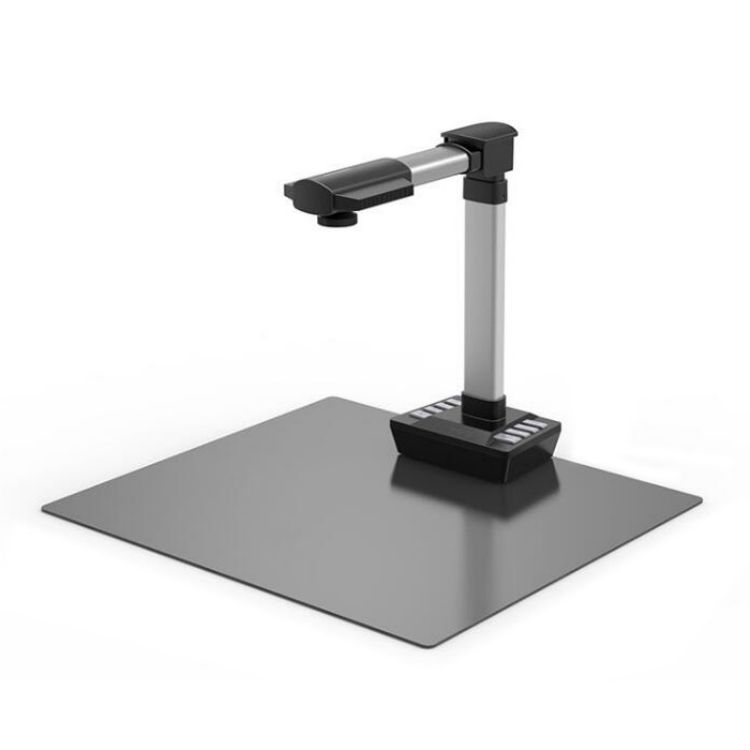
High Resolution Portable A3 Library Book Scanner with Foot Controller USB Interface Automatic Document Scanner Stock Product
- Portable A3 capture
- Foot controller workflow
- USB interface
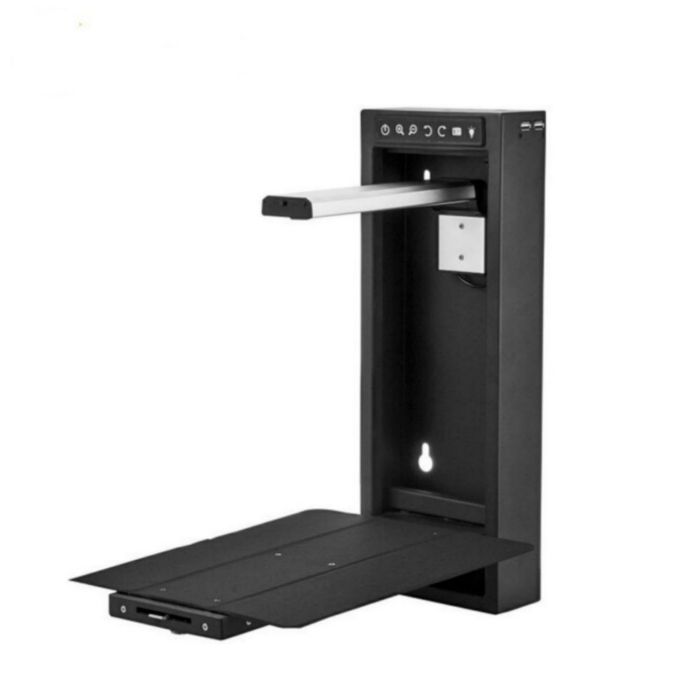
A4 Black USB 5V High-Speed 10MP High-Resolution Document Scanner Wall-Mountable OEM 24 Bit SDK 1-Year Warranty Education Stock
- 10MP high-resolution capture
- Wall-mountable design
- SDK and education use
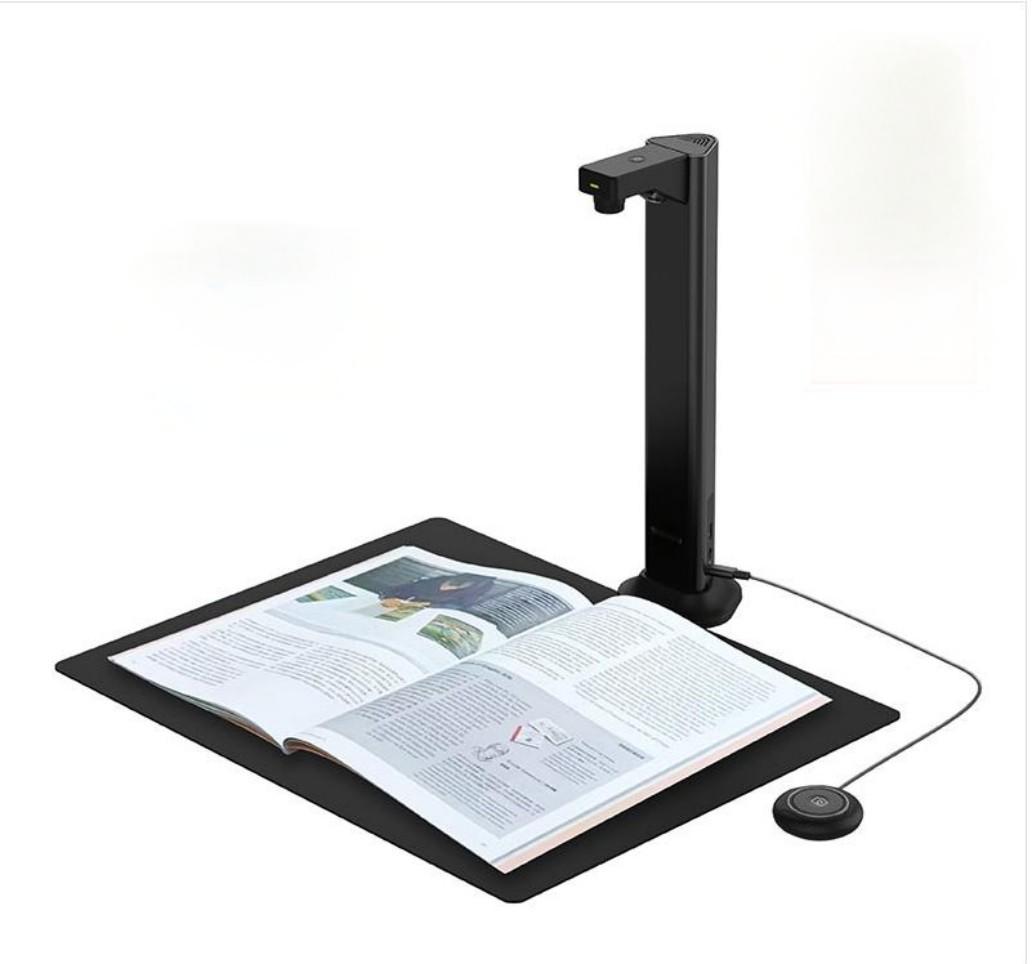
Real 24MP UVC A3 Document Scanner with USB Interface and Text to Speech Feature In-Stock Product
- Real 24MP A3 capture
- UVC USB video class
- Text-to-speech feature
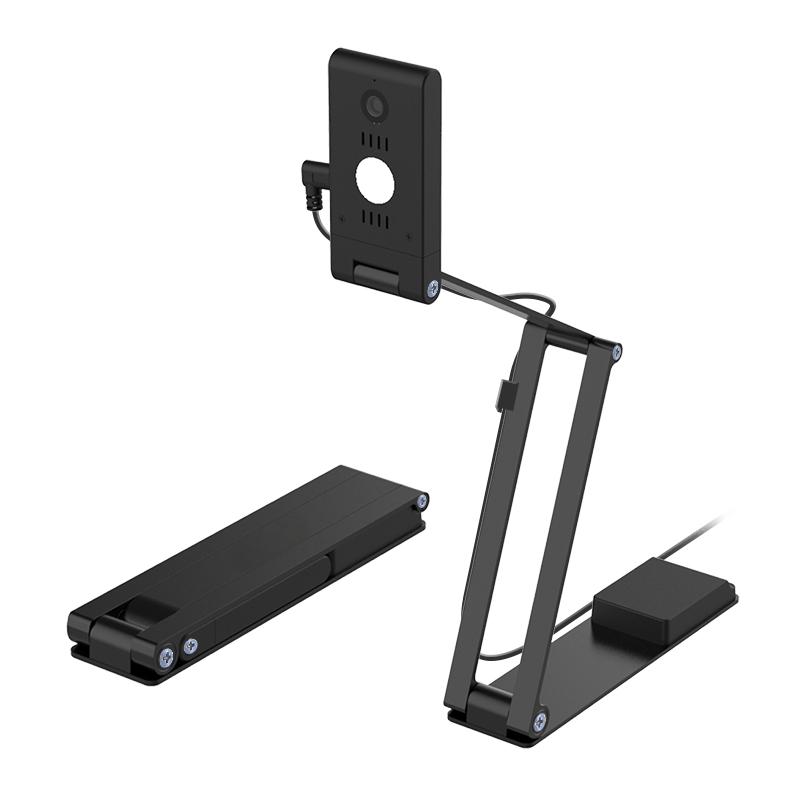
Value Priced 2-in-1 USB Digital Document Camera Visualizer A3 with 5MP 1/4" CMOS Sensor 10x Zoom 1-Year Warranty
- 5MP 1/4" CMOS sensor
- 10x zoom
- USB document camera
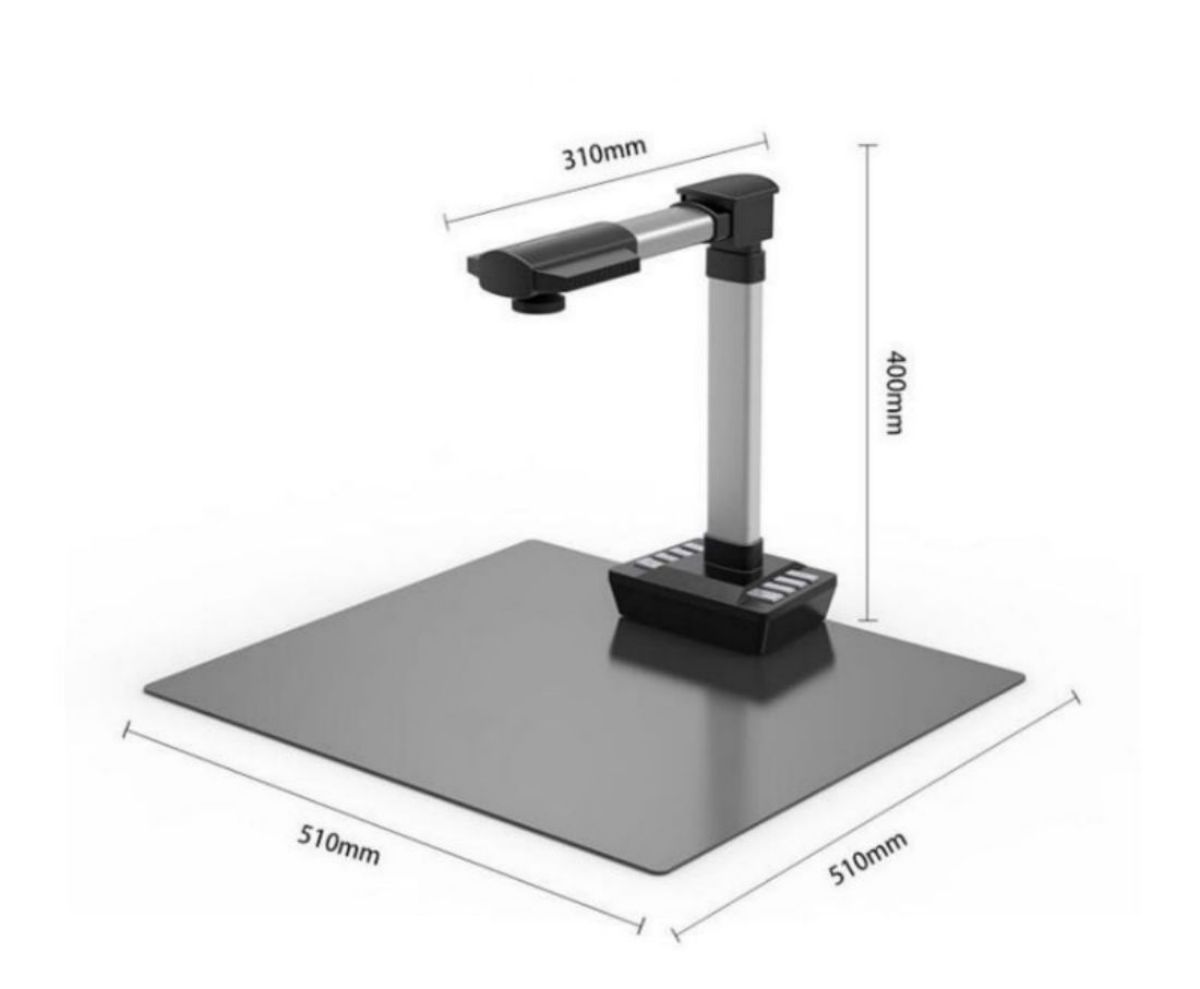
Portable 20MP High-Speed Wireless A3 Document Scanner Professional Book Scanner Foot Pedal USB Interface 24-Bit Color Stock
- 20MP A3 book scanning
- Wireless + USB interface
- Foot pedal and 24-bit color
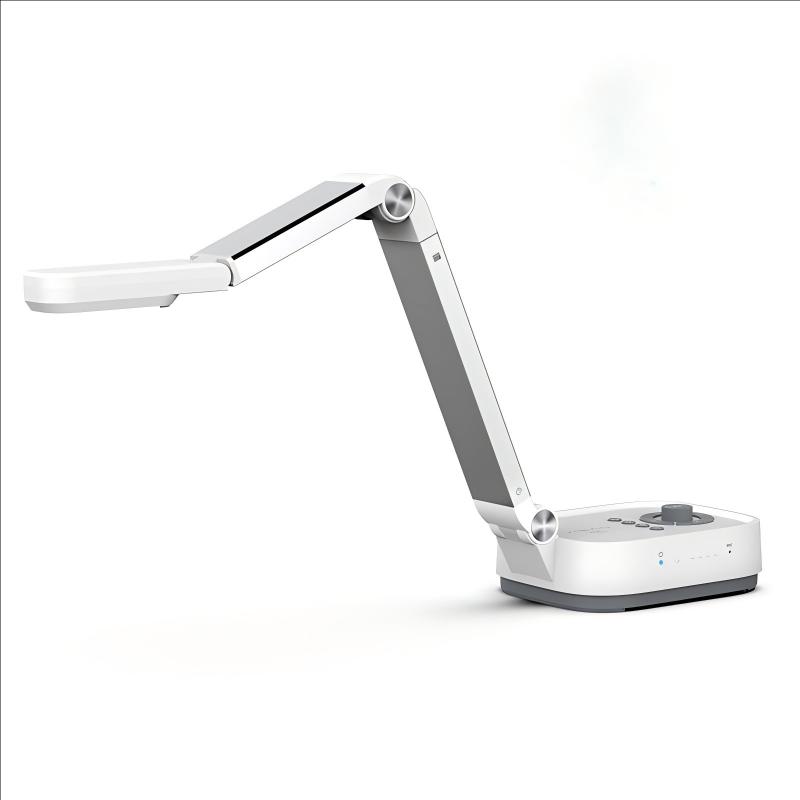
16MP 3D Desktop Visualizer Document Camera with Microphone 120X Zoom /VGA A3 Scan Size LED Light & Foldable for Education
- 16MP 3D visualizer
- 120x zoom and microphone
- LED light and foldable arm
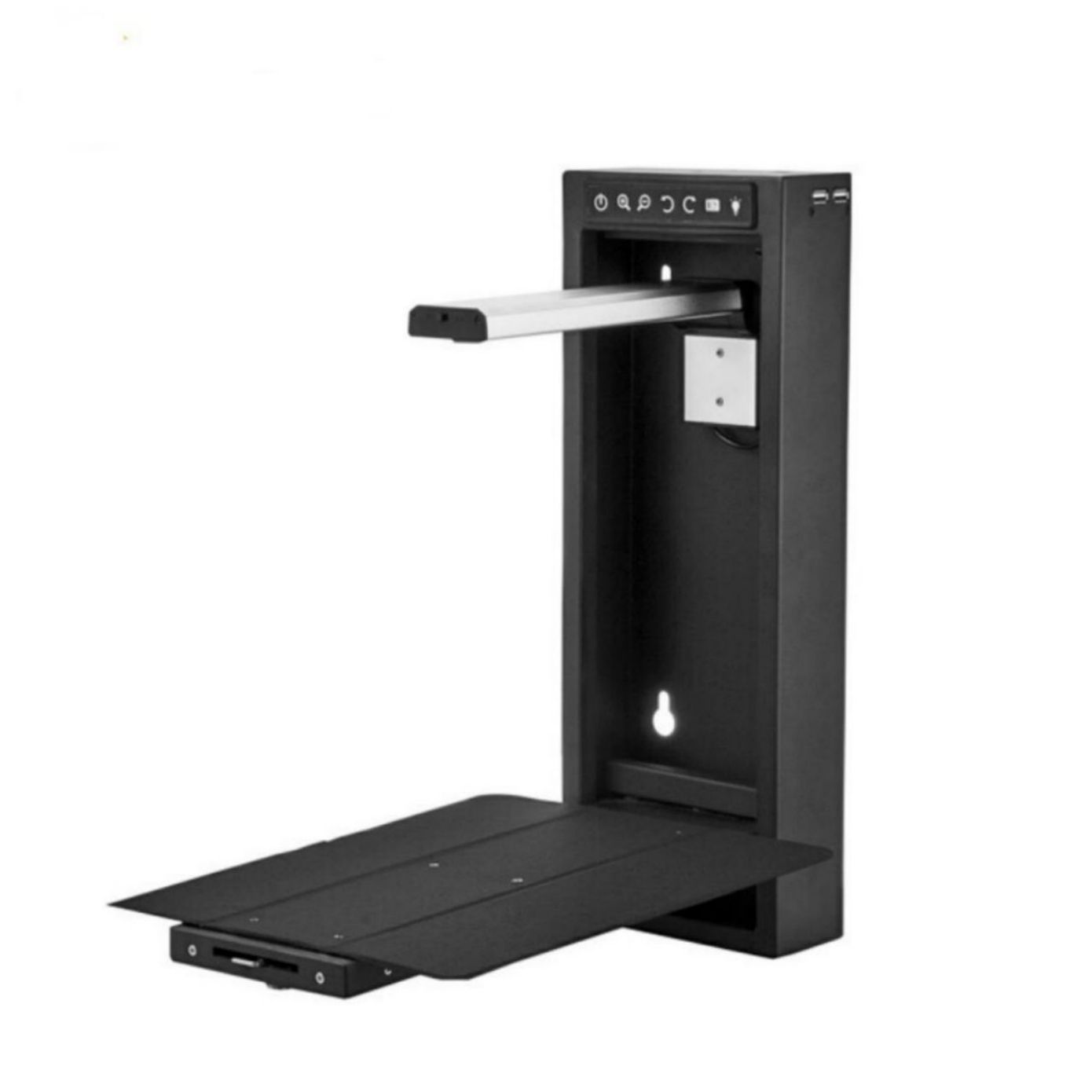
10MP USB CMOS Document Camera Wall Mount Scanner with 1-Second Scan Speed 1-Year Warranty in Stock Classroom Education A4 SDK
- 10MP USB CMOS capture
- 1-second scan speed
- Classroom and A4 SDK use
Source: publicly listed supplier performance indicators referenced from the original Quibow website. Treat these as a starting point for due diligence, not as a substitute for a written service-level agreement, sample scan test or local references.
Why an A2 Scanner Purchase in Indianapolis Requires More Than a Product Price
Indianapolis is Indiana’s capital and the seat of Marion County, with a buyer base that stretches well beyond corporate offices. It includes state and local government teams, public library and genealogy staff, university and K-12 administrators, healthcare systems, insurance and legal departments, architecture and engineering firms, logistics operators and manufacturers. For these buyers, an A2 document scanner is not simply a peripheral. It is a time-to-digitize decision that affects public records responsiveness, classroom readiness, court and claims file access, design review, and long-term preservation.
Search intent in the Indianapolis market is also more specific than “buy a large scanner.” A procurement specialist may search for an A2 scanner supplier in Indianapolis, compare an A2 overhead book scanner exporter, look for a large-format document scanner for Indiana archives, or ask which resolution is needed to capture a broadsheet newspaper at 300 dpi. The answer should connect format, sensor, software, shipping terms and service expectations — not just list megapixels.
This guide is structured around that mixed intent: commercial research, technical evaluation, local application fit, supplier verification and export logistics. It is written for buyers who need a defensible recommendation before they submit a requisition, request samples or compare quotes from multiple document-camera and scanner suppliers.
What “trusted” should mean to an Indianapolis procurement team
Trust is not a badge on a product page. For an A2 scanner supplier serving Indianapolis, trust is a chain of evidence. It includes a clear business identity, an onsite-checked profile when available, written warranty terms, confirmed operating-system support, sample scans captured on your own document types, and a realistic plan for shipping, customs clearance and after-sales response. Quibow’s published profile identifies Guangzhou Quibow Electronic Co., Ltd. as an image acquisition and conversion equipment supplier established in 2020, with CIS, CMOS and CCD imaging platforms, OEM/ODM support and markets that include North America. Those facts are useful, but they should be documented in your purchase file.
The original site also lists a trading-company business type, an onsite-checked supplier record, an annual revenue band of US$1M–US$2.5M and a specialist team of 5–10 people. For a high-value A2 scanner rollout, this mix suggests a focused supplier rather than a sprawling catalogue. The practical implication is straightforward: ask for direct technical confirmation, request a model-specific datasheet, and confirm whether custom branding, packaging, OCR language packs or SDK integration are handled by the same project team.
Indianapolis Buyer Snapshot
- Most requested formats: A2 broadsheets, plat maps, architectural drawings, bound books, A3 meeting files and A4 counter documents.
- Typical environments: public records offices, library special collections, university labs, planning departments, claims teams, K-12 media centers and design studios.
- Core validation: 300 dpi capability at the target page size, no software interpolation, OCR output quality, and a workable foot-pedal or capture-button workflow.
- Commercial checks: MOQ, sample scan, warranty, Windows/macOS support, export terms, spare-parts plan and data-governance fit.
- Quibow fit: 1-piece MOQ on many stock scanners, 2-piece MOQ on selected document cameras, OEM/ODM and SDK support, and a 1-year warranty on listed models.
A2 vs A3 vs A4: Match the Scanner to the Document, Not the Marketing Label
The most common mistake in large-format scanner procurement is confusing sensor resolution with delivered page resolution. A scanner can be marketed as “24MP” or “48MP” and still miss a 300 dpi requirement if the sensor covers a much larger platen area, or if the software upscales the image after capture.
Approximate Pixels Needed at 300 dpi
Engineer’s rule of thumb: A2 at 300 dpi requires roughly 4961 × 7016 pixels, or about 34.8MP, before any crop or margin allowance. A 48MP A2 scanner gives a more comfortable archival margin and helps sustain real detail when pages are not perfectly flat.
Sensor Platform: CIS, CMOS or CCD
| Platform | Best fit in Indianapolis | Watch-out |
|---|---|---|
| CIS | ADF batches, invoices, permits, insurance files and high-volume office scanning. | Not the best choice for fragile bound books unless the device is specifically designed for bookedge capture. |
| CMOS area sensor | A2 overhead scanners, newspaper archives, bound books, map capture, classroom visualizers and counter cameras. | Resolution must be proven at the full document size; lighting and lens quality matter as much as megapixels. |
| CCD linear sensor | Flatbed scanning of photos, artwork, bookedges and originals that need controlled lighting. | Large-format A2 CCD configurations may be bulkier and slower for batch capture than overhead CMOS designs. |
How to read a 48MP A2 scanner specification before you request a quote
A 48MP sensor is useful only when the optics and capture geometry support it. Ask the supplier for native resolution, sensor dimensions, lens type, light source, focus method, maximum capture area, scan speed, output formats, TWAIN/WIA/UVC compatibility, SDK availability, OCR engine, and whether auto-flatten, deskew, finger removal and curve correction run locally or in the cloud. For Indianapolis public-sector buyers, “locally” matters because some records cannot be uploaded to an external service without review.
Also separate the product’s live-view performance from its still-capture performance. A document camera used in a classroom may prioritise frame rate and HDMI/VGA output, while an archival scanner prioritises full-resolution still capture and colour fidelity. Quibow’s portfolio spans both categories: visual presenters, document cameras, A3 book scanners, A2 overhead scanners, flatbed scanners and ADF models. That breadth is helpful, but it also means the buyer should match the exact model to the workflow rather than assuming that every “document camera” is an archival scanner.
Where A2 and High-Resolution Document Capture Fit in Indianapolis
The same scanner can serve very different departments. The following scenarios are written to help Indianapolis buyers identify requirements that a generic product page often misses.
Public Records and Marion County Offices
Oversized minutes, historical ledgers, maps, permits and case files often arrive on paper that cannot be fed through an ADF. Overhead A2 capture protects the original, reduces handling, and supports searchable PDFs for records teams that need faster response to internal and public requests.
Libraries, Genealogy and Special Collections
Indianapolis library branches and genealogy volunteers handle yearbooks, newspapers, family histories and fragile bound volumes. A3 and A2 book scanners with foot-pedal control, auto-flatten and OCR help volunteers scan consistently without pressing books flat or exposing pages to unnecessary light.
K-12, Universities and Training Rooms
Visual presenters with optical zoom and HDMI/VGA output are practical for science demonstrations, textbooks, 3D objects and hybrid instruction. For accessibility, a 24MP A3 scanner with text-to-speech can turn printed materials into listenable and searchable content.
Architecture, Engineering and Construction
Plans, site drawings and as-built sets are often larger than A3 and arrive from multiple revision cycles. An A2 overhead scanner can capture a full sheet in one frame, while an A3 model with high resolution may be sufficient for letter-size project files and meeting-room documents.
Healthcare, Insurance and Claims Teams
A2 and A3 scanners are useful for EOBs, charts, imaging reports, ID documents and oversized case files. The scanner should be paired with a data-governance process that covers HIPAA, retention, access control and secure destruction. Hardware alone does not create compliance.
Logistics, Manufacturing and Quality
Indianapolis’s logistics and advanced manufacturing base creates demand for capture at receiving, quality and compliance desks. Wall-mount document cameras and A4 counter scanners can capture labels, proof-of-delivery forms and inspection sheets without dedicating a full desk.
Localized Development Trends Shaping A2 Scanner Demand
Indianapolis buyers are not moving in a straight line from paper to paperless. They are building hybrid workflows in which physical records remain authoritative, but digital access is expected immediately. That shift changes the scanner specification.
AI-OCR Is Becoming a Procurement Requirement
OCR is no longer a bonus feature. Buyers want searchable PDFs, correctable text layers, handwriting consideration and output that can be indexed by document-management systems. Ask for OCR samples on real Indianapolis files — not only clean brochures.
Public-Record Responsiveness Is Under Pressure
When records requests rise, manual copying becomes a bottleneck. An A2 overhead scanner can capture oversized originals without cropping, while auto-flatten and deskew reduce post-processing time. The value case is measured in staff hours saved and faster response, not only hardware cost.
Hybrid Workplaces Need Shared, Simple Devices
With distributed teams and limited storage, scanners must be easy for rotating staff and student workers to use. Foot pedals, one-click capture, fixed-focus work areas, wall mounting and clear on-screen capture profiles reduce training time and variation between operators.
Total Cost of Ownership Is Replacing Lowest Price
Public and institutional buyers increasingly evaluate the full cost: landed price to Indianapolis, software licences, training, warranty, spare parts, downtime, OCR accuracy and integration effort. A lower unit price can be false economy if the device cannot deliver the required dpi or requires manual post-processing.
How to Verify a Trusted A2 Scanner Exporter for Indianapolis Delivery
Verification should happen before a purchase order. The checklist below is designed for library, government, education, healthcare and enterprise buyers who need evidence for their file.
Supplier identity and commercial evidence
- Confirm the legal company name, address, registered business scope and export experience in writing. For Quibow, the published identity is Guangzhou Quibow Electronic Co., Ltd., based in Guangzhou, Guangdong, China.
- Review onsite-checked supplier records, credit overview, trade capacity, transaction level, trade history and buyer ratings where available. These are independent platform records and should be read alongside direct communication.
- Ask for a model-specific quotation that states Incoterms, currency, lead time, packing method, warranty start date, software included and whether duties or destination charges are excluded.
- Request sample scans produced from documents comparable to yours. A clean brochure scan does not prove performance on a curled newspaper or a tightly bound book.
Technical evidence for A2 capture
- Ask for native resolution at the full A2 capture area, not interpolated resolution. Confirm the pixel dimensions of a delivered scan.
- Confirm whether deskew, curve flattening, finger removal, background black-edge removal and OCR are included or optional.
- Check operating-system support, driver type, SDK availability, export formats and whether the software runs offline.
- Confirm lighting type, power requirements, warm-up time, capture speed, USB version and video output if a live presenter mode is required.
Indianapolis Logistics Reality Check
Indianapolis buyers often compare FOB, EXW and DDU quotes without normalising the destination cost. Ask each supplier to explain the full route: export clearance, air or sea freight, US customs entry, port or airport handling, linehaul to Indianapolis, delivery appointment, unloading and any liftgate requirement.
Air freight may arrive through Indianapolis International Airport or through a larger gateway before domestic linehaul. Sea freight is usually slower and may clear at another port before trucking to Indiana. The cheapest quote can become the most expensive option if it excludes customs brokerage, duties, storage or local delivery.
Also confirm: 120V/60Hz power compatibility, English-language software, remote support hours in Eastern Time, RMA address, spare-parts availability and whether a local service partner is required for your organisation’s risk policy.
Why Quibow Can Support an Indianapolis A2 Scanner Programme
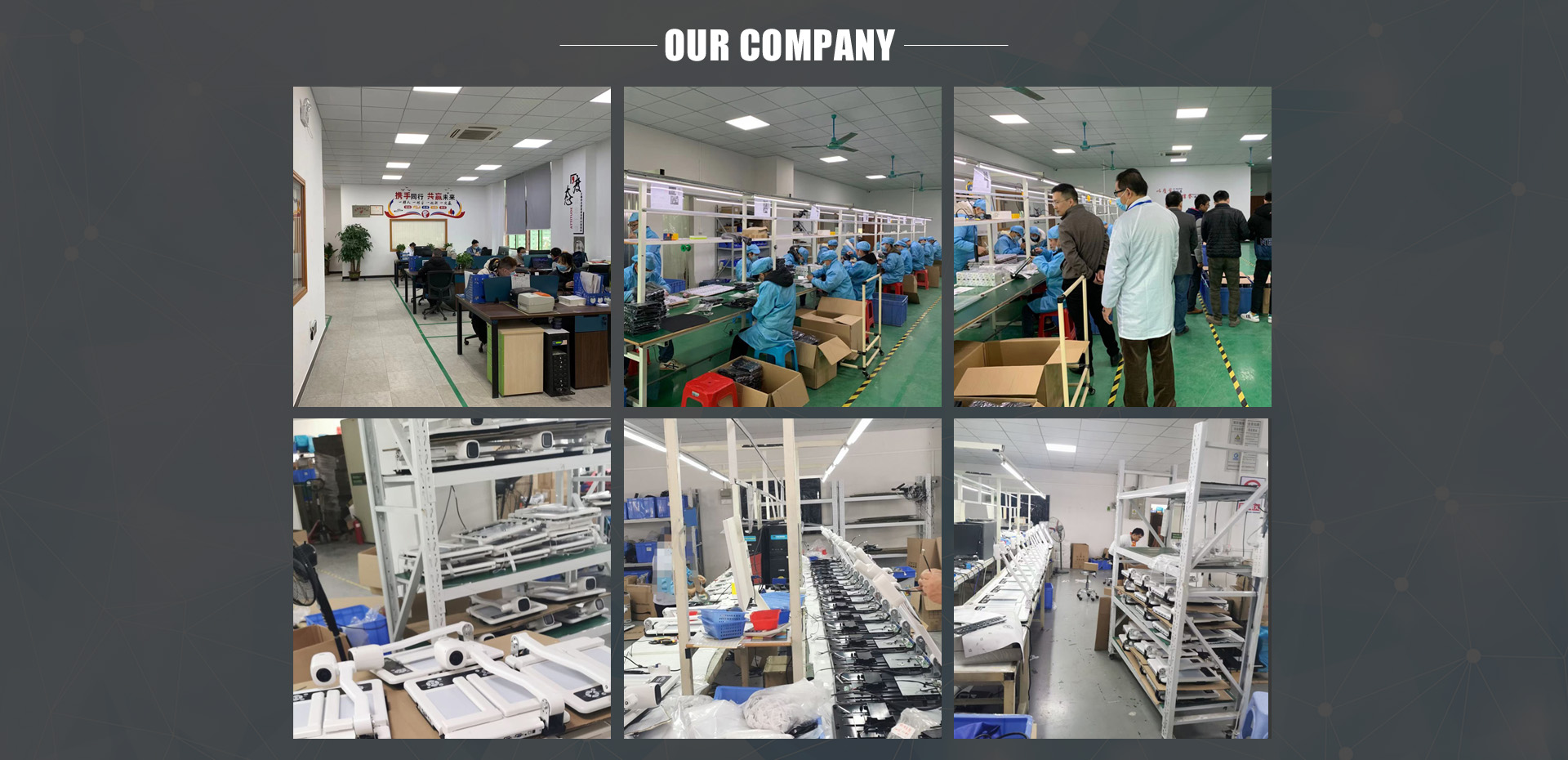
The original company profile describes a focused image-acquisition supplier with product breadth, OEM/ODM capability and export experience across North America. Those advantages matter most when they are tied to a specific deployment plan.




Focused on image acquisition and conversion
Guangzhou Quibow Electronic Co., Ltd. develops and supplies photoelectric information equipment including high-speed document cameras, book scanners, flatbed scanners and ID-card recognition cameras. The portfolio is built on CIS, CMOS and CCD imaging platforms, which allows buyers to compare the right sensor approach for an A2 archive project, an A3 office workflow or a live classroom visualizer.
For Indianapolis buyers, the advantage is not simply model variety. It is the ability to discuss capture format, resolution, OCR, SDK integration and OEM branding in one technical conversation. Quibow’s profile lists OEM/ODM support, logo and packaging customisation, software branding and SDK integration on selected models — all relevant if a library, school district, integrator or reseller needs a repeatable product configuration rather than a one-off unit.
From Indianapolis Requirement to Export Delivery in Five Steps
A transparent workflow helps procurement teams, IT, records managers and integrators understand what happens after the first inquiry.
Requirement Review
Confirm document sizes, daily volume, operator skill, OS, OCR languages, output formats and data-security constraints.
Model Matching
Compare A2, A3, A4, flatbed, overhead and document-camera options, then provide sample scans where possible.
Customisation
Discuss logo, packaging, housing colour, software branding, SDK integration and selected model configurations.
Inspection
Check focus, lighting uniformity, driver installation, capture speed, ports and accessories before packing.
Shipping & Support
Confirm Incoterms, export packing, warranty start, remote support path and spare-parts expectations.
Commercial Terms Referenced by Quibow
- Currency: USD, EUR, HKD and CNY
- Payment: T/T, L/C, PayPal and Western Union
- Delivery: FOB, EXW and DDU
- Warranty: 1-year warranty on listed models, with remote technical support
- MOQ: many stock scanners from 1 piece or 1 set; selected document cameras from 2 pieces
What Indianapolis Buyers Should Confirm in Writing
- Model-specific native resolution at full A2 size
- Windows/macOS version and SDK terms
- Shipment route, customs responsibility and delivery address
- Warranty start date and return process
- Training materials and remote support hours
- Spare-parts and consumables plan
Independent Records Indianapolis Buyers Can Check
Trust should be verifiable. The original Quibow website links to supplier records maintained on its B2B platform. Use these as part of your due-diligence file, together with direct sample scans and written commercial terms.
Supplier Assessment
Onsite-checked supplier record confirming business premises and legal status information.
View assessment →Credit Overview
Platform credit profile and trading reliability indicators for preliminary review.
View credit →Ratings & Reviews
Feedback left by verified buyers after completed orders on the platform.
Read reviews →Trade Capacity
Export markets, trade terms, logistics capability and trading capacity information.
View capacity →Transaction Level
Platform-measured order volume and performance level for recent activity.
View level →Trade History
Record of past trade activity available on the original supplier profile.
View history →Transaction History
Completed transactions over recent months, useful for pattern checks and references.
View transactions →Video Introduction
See the company environment and product presentation before requesting a formal quote.
Watch video →Frequently Asked Questions from Indianapolis Buyers
These answers address the practical issues raised by local procurement teams, library staff, educators, IT administrators and resellers evaluating an A2 scanner supplier or exporter.
Are you an A2 scanner supplier or exporter for Indianapolis buyers?
Quibow supplies and exports imaging equipment from Guangzhou to international markets, including North America. The product range includes A2 overhead scanners, A3 book scanners, flatbed scanners, ADF models and document cameras. For Indianapolis buyers, the practical starting point is to share document sizes, daily scan volume, OCR needs, operating system and required delivery terms so the correct model and export route can be confirmed.
Which A2 scanner resolution should I specify for newspapers, maps or plat maps at 300 dpi?
A full A2 sheet at 300 dpi requires roughly 34.8MP before crop and margin allowance. A 48MP A2 overhead scanner is the safer specification for archival masters, detailed maps, broadsheet newspapers and drawings where fine text must remain legible. If the requirement is 200 dpi, the pixel demand drops significantly, but institutional archives often prefer 300 dpi or higher for master files.
Can an overhead book scanner capture bound books without damaging the spine?
Yes. Overhead CMOS capture is designed to photograph the page from above without pressing the book flat. Software features such as curve flattening, deskew, finger removal and page splitting improve output. For very tight bindings or fragile special collections, ask for a sample scan of a comparable book and confirm the maximum opening angle and lighting method.
What is the minimum order quantity for Quibow scanners and document cameras?
Most stock book scanners, A2 large-format scanners and flatbed scanners start from 1 piece or 1 set. Several document camera models start from 2 pieces. OEM/ODM quantities are confirmed per project because branding, packaging, software customisation and SDK work can change the minimum order and lead time.
Do you support OEM, ODM, SDK integration and branding for Indianapolis resellers?
Yes. Quibow supports OEM/ODM projects including logo printing, packaging, housing colour, capture-software branding and SDK integration on selected models. For a school district, library consortium or systems integrator, provide the target operating system, integration method, branding assets and estimated annual volume so the project can be scoped accurately.
What are the typical payment and delivery terms?
The original company information lists T/T, L/C, PayPal and Western Union, in USD, EUR, HKD or CNY, with FOB, EXW and DDU delivery terms. For Indianapolis delivery, confirm whether the quotation includes international freight, US customs clearance, duties, port fees and final trucking. If it excludes any of these, ask for them to be estimated separately.
How long does shipping to Indianapolis usually take?
Stock availability, production queue, freight mode and customs clearance determine the actual timeline. Air freight is faster but more expensive; sea freight lowers transport cost but adds transit time. A realistic purchase file should separate supplier lead time, export clearance, international transit, US customs entry and domestic delivery. Ask for a written schedule with each stage rather than accepting a single “fast delivery” statement.
Are the scanners compatible with Windows, macOS and Apple M1 Macs?
Many models, including A2 large-format scanners and the 1200 DPI A3 flatbed scanner, support Windows and macOS, and some are verified on Apple M1 Macs. Compatibility should be confirmed by model and software version before shipment. If your Indianapolis IT team uses managed devices, ask whether the installer requires administrator rights, whether the driver is signed, and whether an SDK is available for custom integration.
What warranty and after-sales support are included?
Listed models such as A3 flatbed scanners, A2 overhead scanners and the S2060W ADF scanner generally carry a 1-year warranty with remote technical support. Onsite service may require a local partner. For institutional deployments, ask for the RMA procedure, spare-parts list, remote support hours in Eastern Time, and whether advance replacement is available.
Can you provide sample scans before we issue a purchase order?
Sample scans are strongly recommended. Provide a representative A2 newspaper, bound book, map, drawing or counter document, and ask for the raw output plus OCR PDF. Check sharpness at the edges, colour accuracy, lighting uniformity, curvature correction and text searchability. A supplier that can demonstrate the exact workflow is a better fit than one that only provides catalogue images.
Request an A2 Scanner Recommendation and Export Quote
Share your document size, daily volume, required resolution, OCR or SDK requirement, operating system and delivery destination in Indianapolis. The response can include model matching, sample-scan guidance, OEM/ODM feasibility, warranty terms and export packing details.
Get a Quote