Top Trusted A2 Book Scanner Manufacturer & Exporter for Baltimore
A semantic procurement guide for Baltimore libraries, archives, universities, courts, healthcare teams and enterprise records groups evaluating A2 overhead book scanners, dual-camera capture, OCR workflows, OEM/ODM supply and export delivery from Guangzhou to the U.S. East Coast.
Why Baltimore A2 book scanner searches now signal a real digitization project
A buyer searching for an A2 book scanner manufacturer near Baltimore is rarely looking for a generic office scanner. The phrase usually appears inside a larger workflow: replacing a fixed copier for bound ledgers, preserving Maryland newspaper back issues, digitizing oversized plat books and architectural drawings, creating searchable PDFs for court records, or equipping classrooms and training rooms with visual presenters.
A2 is the critical dimension. An A2 sheet is approximately 420 × 594 mm, while A3 is 297 × 420 mm and A4 is 210 × 297 mm. That size difference matters because oversized records often cannot be reduced without losing marginal notes, seals, fold lines and handwritten annotations. For bound books, newspapers and maps, an overhead A2 scanner is usually more practical than a flatbed because it captures without pressing the spine flat.
At 300 dpi, an A2 page needs about 34.8 effective megapixels. A 48MP A2 overhead scanner gives the extra headroom needed for cropping, deskewing, flattening book curves and still meeting archival master-file expectations. A 21MP or 24MP device can be excellent for A3 books, classroom capture and general records, but procurement teams should not assume it will deliver true 300 dpi across a full A2 sheet.
This guide adds information that a simple product listing cannot: local application scenarios in Baltimore and the wider Maryland corridor, resolution math, sensor-platform trade-offs, OEM/ODM verification points, export terms and buyer FAQ. The aim is to help procurement teams, IT managers, digitization coordinators and resellers compare suppliers on evidence, not only on price.
Semantic buyer-intent snapshot
Baltimore-area searches often combine format, application, compliance and supplier-verification language. These are the practical questions behind the query:
Eight capture tools that support A2-focused digitization programs
These models are useful for Baltimore buyers building a mixed capture fleet: an A2 overhead station for oversized bound material, A3 book scanners for day-to-day archives, document cameras for live teaching and compact scanners for counter service. Product URLs are preserved from the supplied catalogue.
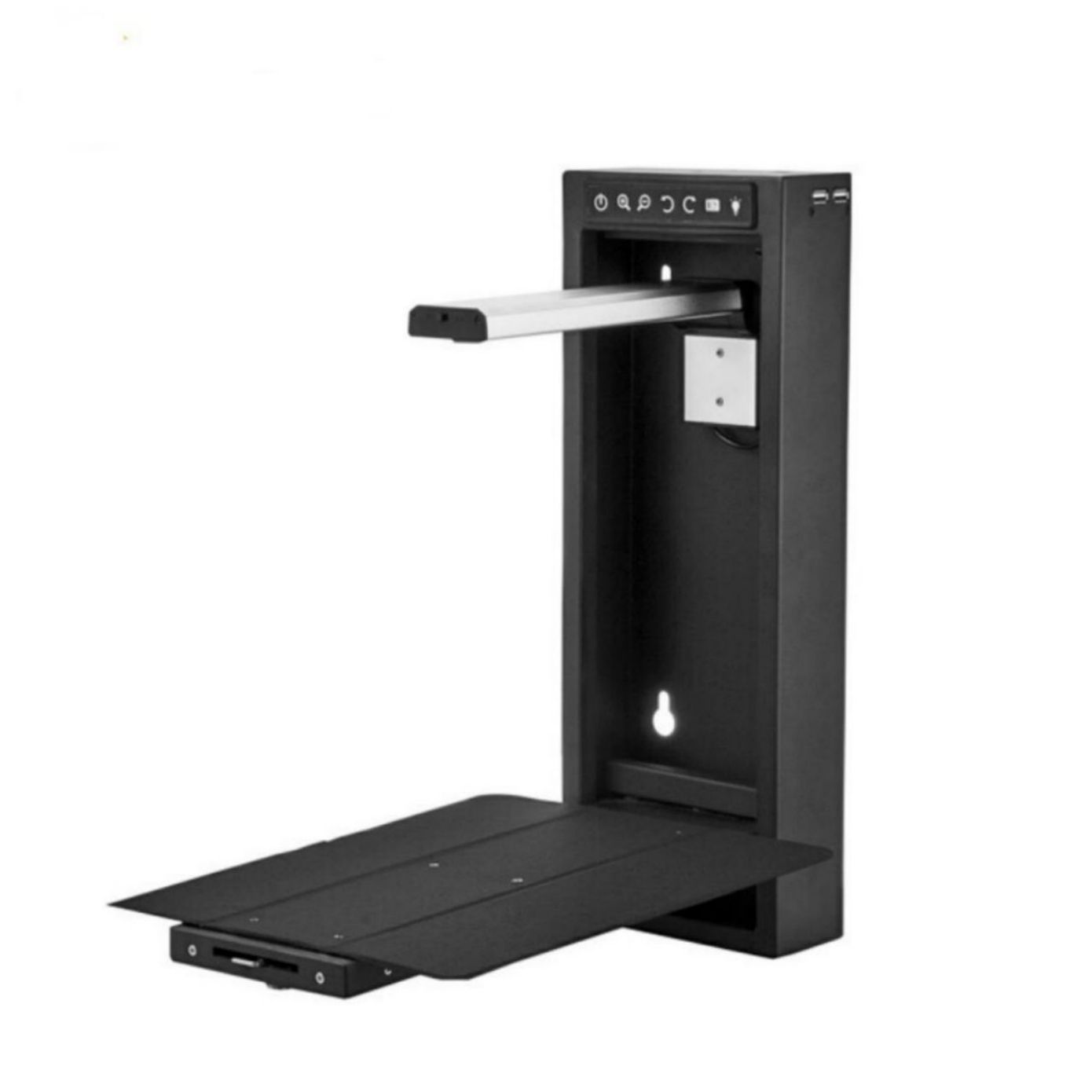
10MP USB CMOS Document Camera Wall Mount Scanner
Wall-mounted A4 capture with 1-second scan speed for classrooms, training rooms and service counters.
- 10MP CMOS document camera
- 1-second capture speed
- SDK and stock availability
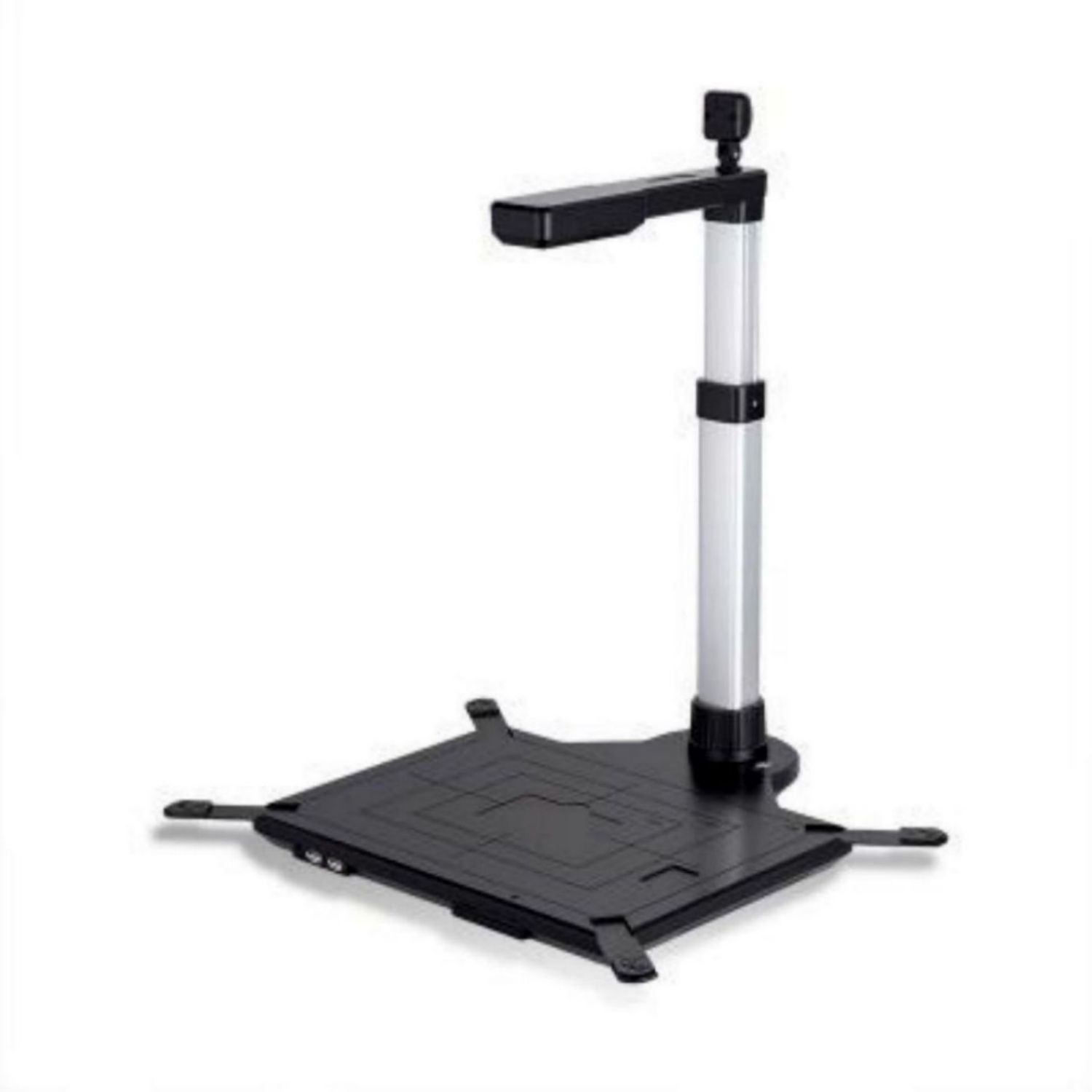
Professional USB Dual-Camera A3 Document Scanner
Dual-camera A3 capture with OCR, PDF export and multi-language support for records and counter workflows.
- 1-second high-speed scan
- 360-degree capture concept
- Multi-language OCR PDF
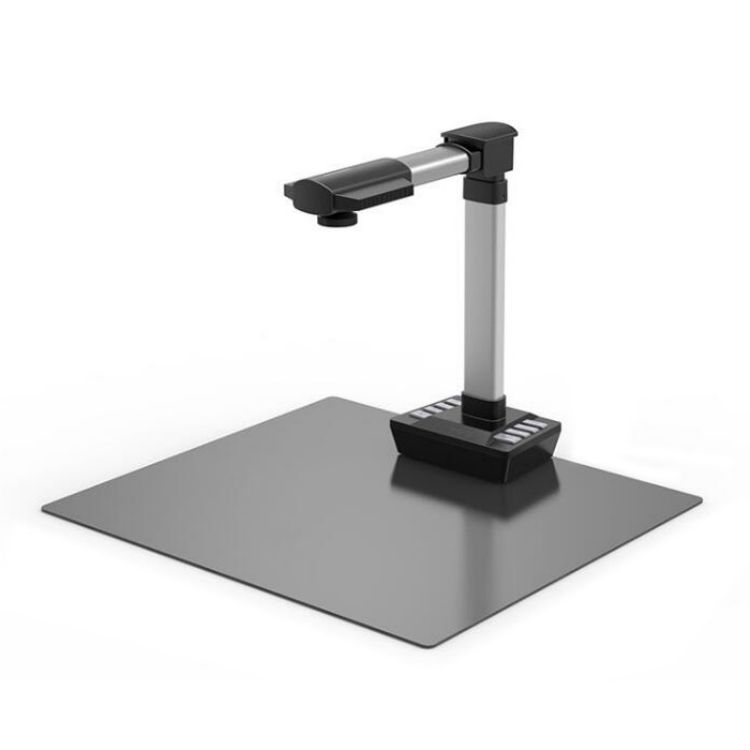
Portable A3 Library Book Scanner with Foot Pedal
Hands-free A3 scanning for reading rooms, small archives and mobile digitization projects.
- Foot controller for book capture
- USB interface
- Portable library workflow
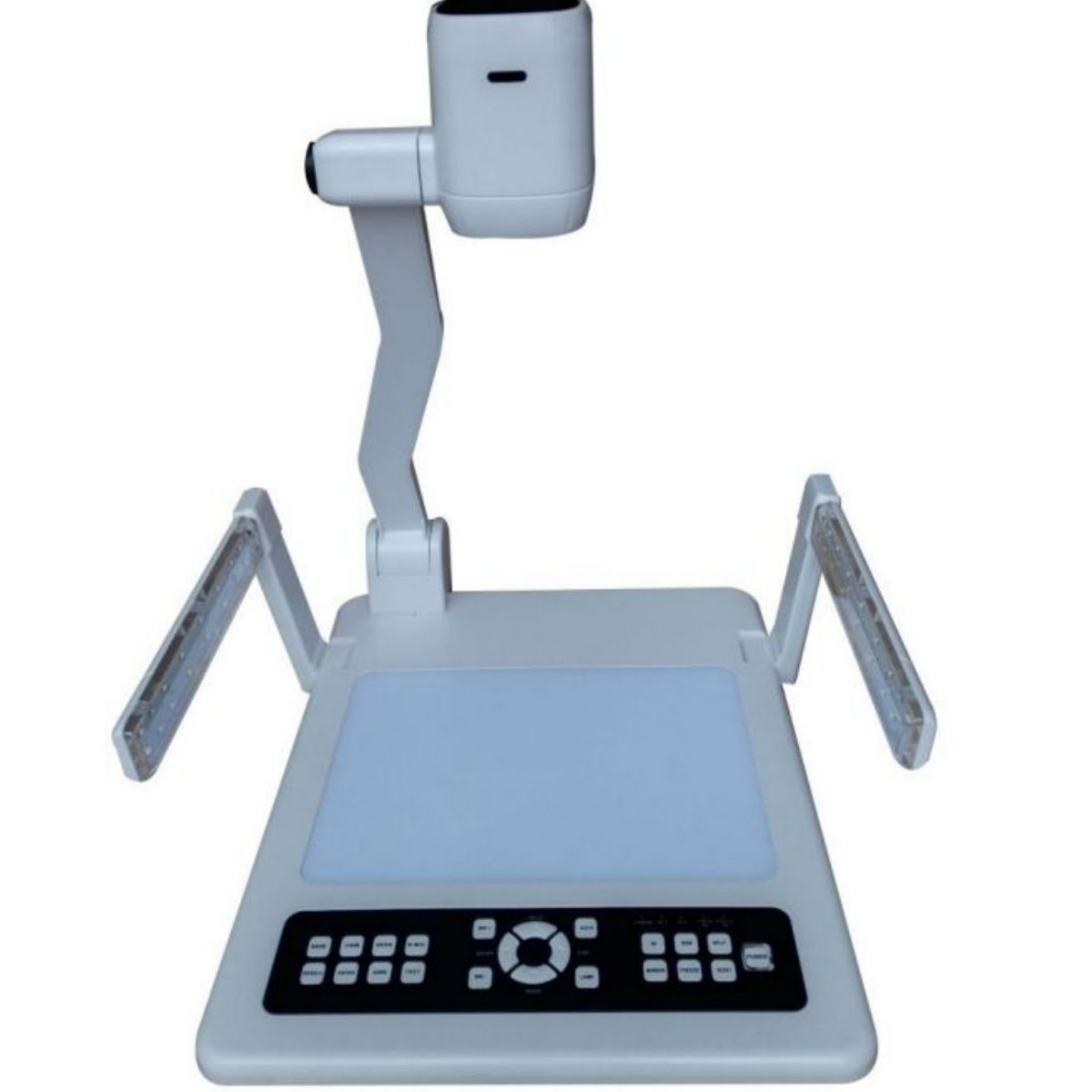
Multi-Functional Education Visual Presenter
A document camera and visualizer for classrooms, training centers and live demonstrations.
- Presentation and capture in one
- Education-focused visualizer
- Useful for hybrid teaching
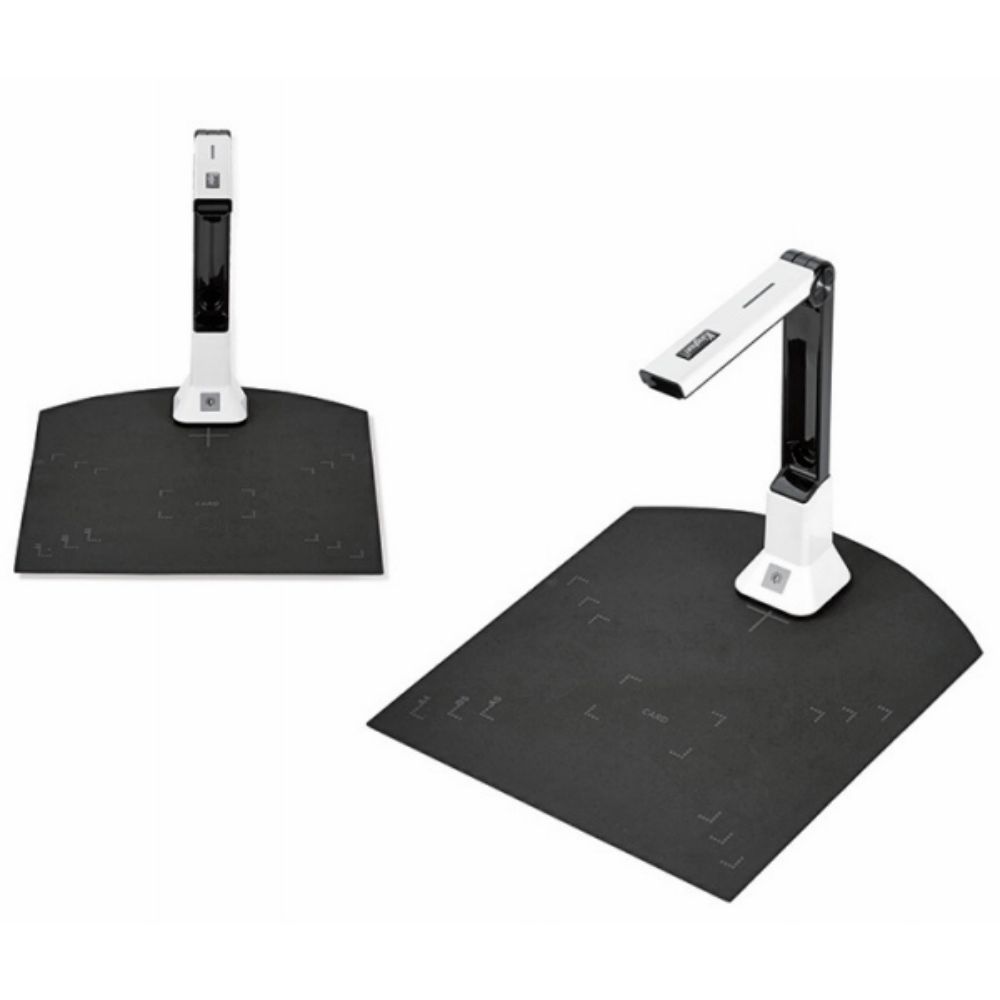
5MP USB A4 Portable Document Scanner
Compact A4 scanner for field offices, banking counters and quick document capture.
- 5MP CMOS sensor
- 1-second scan speed
- CE-certified stock model
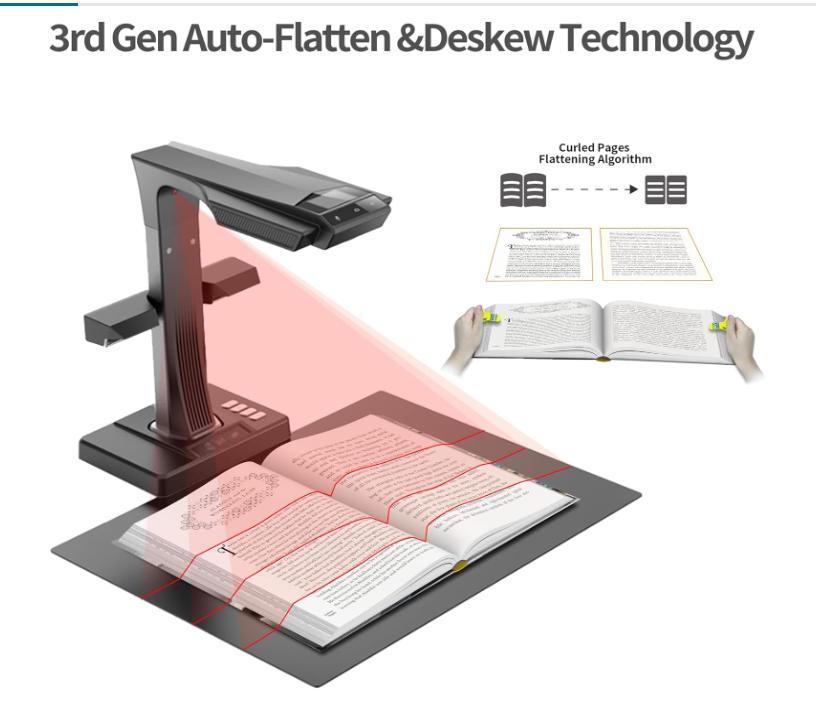
A3 24MP Auto-Flatten Book Scanner
24MP document digitizer with curve flattening, deskew and searchable PDF output.
- 4000 × 6000 pixel CMOS
- Auto-flatten and deskew
- USB visualizer workflow
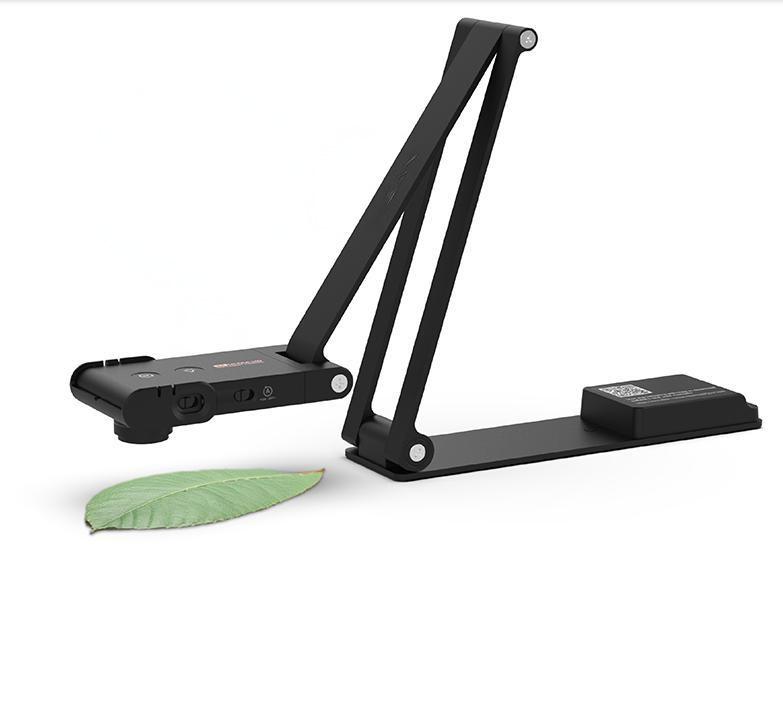
4K 13MP Foldable Document Camera
Foldable 4K visualizer with 20X macro lens, AI noise cancellation and microphone for hybrid rooms.
- 13MP document camera
- 20X macro lens
- A3 maximum capture area
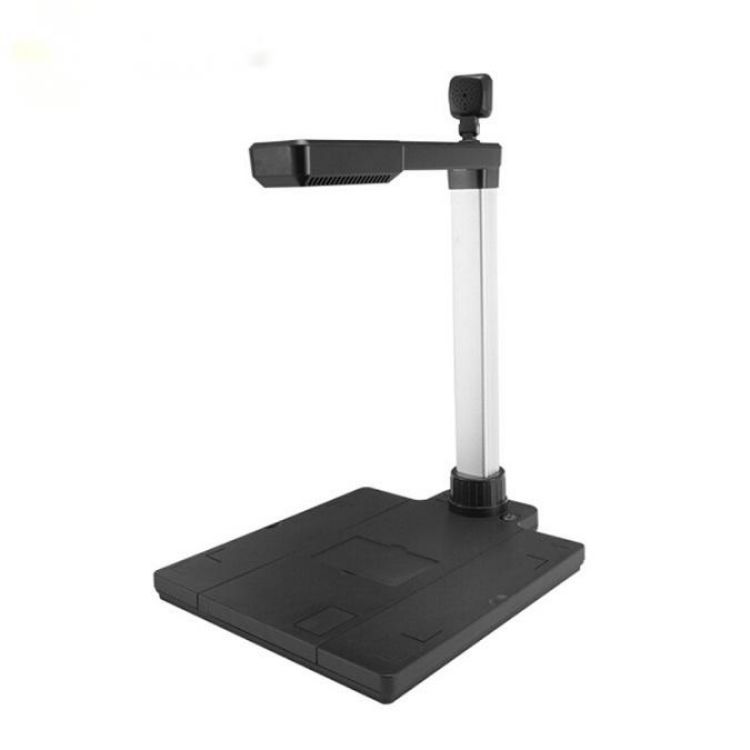
10MP Education Visualizer & Book Camera
USB education visualizer for document management, book display and classroom projection.
- 10MP document camera
- Book and document display
- In-stock education model
Where A2 overhead scanners and document cameras fit local workflows
Baltimore buyers often work across public institutions, universities, healthcare systems, legal practices and logistics businesses. The right configuration depends on how the original is bound, how large it is and whether the output must be readable, searchable or preservable.
Libraries & archives
Bound newspapers, city directories, plat books, maps and fragile special collections need non-contact A2 capture. An overhead scanner with curve correction allows staff to digitize without flattening the spine, while OCR creates searchable access copies.
Universities & schools
Research libraries, academic departments and K-12 classroom teams use document cameras for live teaching and A3 or A2 scanners for dissertations, lab notebooks, student records and oversized teaching materials.
Government & courts
Permitting, land records, case files and historical ledgers often contain oversized pages and handwritten annotations. Dual-camera capture and OCR support indexing, while local teams apply their own records-retention and public-access policies.
Healthcare & insurance
Hospitals, clinics and insurers often need to digitize paper forms, claims and administrative records. Scanner choice should support the organization's own HIPAA safeguards, access controls and retention rules; hardware alone does not create compliance.
Law firms & title work
Case binders, title documents, property records and oversized plats can be captured with A3 or A2 systems. Searchable PDFs reduce manual review time and help legal teams organize exhibits and client files.
Port, logistics & manufacturing
Bills of lading, engineering drawings, manifest files, supplier records and large-format plans often exceed A3. A2 overhead capture preserves the full page and creates digital copies that are easier to index and share across East Coast operations.
What Baltimore-area procurement teams are asking for in 2025
Price still matters, but serious buyers are comparing image quality, OCR output, workflow compatibility, supplier verification and long-term support. These trends are especially visible in library, education, government and legal digitization projects.
300 dpi archival expectations
More institutional buyers ask for sample scans at 300 dpi, especially for A2 newspapers, maps and ledgers. Suppliers must explain effective resolution rather than only sensor megapixels.
Searchable PDF over image-only capture
OCR has moved from a bonus to a baseline requirement. Local teams want multi-language text recognition, editable output and searchable PDFs that integrate with records systems.
Non-destructive handling
Archives and special collections prefer overhead capture because it avoids pressing tightly bound volumes flat. Software-based curve flattening and deskewing help protect originals while improving readability.
Mixed A2 and A3 fleets
Instead of buying one device for every task, buyers combine A2 overhead scanners for oversized materials with A3 book scanners, ADF units and document cameras for routine work.
SDK and OEM/ODM requirements
Resellers and integrators request SDK access, software branding, logo printing, packaging changes and housing color options for U.S. education and records-management channels.
Export-ready documentation
Baltimore buyers ask about FOB, EXW and DDU terms, payment currencies, warranty coverage and remote setup support. Clear export terms reduce delays when equipment must reach Maryland institutions on schedule.
How to specify an A2 book scanner for 300 dpi archival work
Resolution is a function of sensor pixels and document size. The following calculations help avoid an expensive mismatch between a catalog specification and a project requirement.
| Original size | Pixels at 300 dpi | Practical sensor target | Typical use |
|---|---|---|---|
| A4 210 × 297 mm | 2480 × 3508 ≈ 8.7 MP | 10 MP or higher | Counter documents, classroom handouts, forms |
| A3 297 × 420 mm | 3508 × 4961 ≈ 17.4 MP | 18–24 MP | Books, case files, academic records, journals |
| A2 420 × 594 mm | 4961 × 7016 ≈ 34.8 MP | 48 MP for about 340 dpi | Newspapers, plat books, posters, maps, drawings |
| Photos & artwork | 600–2400 dpi optical | Flatbed with 48-bit color | Reproduction, cataloging, fine-detail archives |
Effective resolution comparison
CMOS overhead platforms
Area sensors capture the whole page from above and are ideal for bound books, newspapers and visual presentation.
- Best for
- A2 book scanners, dual-camera OCR stations, visualizers
- Key advantage
- Non-contact capture with software flattening
CCD bookedge flatbeds
Linear CCD scanners provide stable color and depth of field for photographs, artwork and book-edge originals.
- Best for
- Photos, art, thick volumes, zero-margin bookedge scanning
- Key advantage
- Controlled lighting and strong optical detail
CIS sheet-fed workflows
Contact image sensors are compact and fast for loose-page batches, invoices, contracts and administrative records.
- Best for
- High-volume office scanning and ADF batches
- Key advantage
- Slim hardware, low power and fast duplex throughput
Why Quibow is a trusted A2 book scanner manufacturer & exporter for Baltimore buyers
Guangzhou Quibow Electronic Co., Ltd. works at the intersection of image acquisition, conversion equipment and export supply. The advantage is not only a product list; it is the ability to match a document workflow to the right sensor platform and then support the buyer through customization and delivery.

Quibow develops and supplies photoelectric information equipment, including high-speed document cameras, book scanners, flatbed scanners, A2/A3 large-format scanners and ID-card recognition cameras. Its public company profile describes work across CIS, CMOS and CCD imaging platforms, with capabilities spanning product development coordination, production follow-up, export sales and after-sales support.
For Baltimore buyers, that means a practical manufacturer-and-exporter relationship: you can discuss A2 capture size, 300 dpi resolution targets, OCR output, Windows or macOS compatibility, SDK integration and OEM branding before a purchase order is issued. The company profile also states that Quibow was established in 2020, is based in Guangzhou, serves Eastern Europe, North America and South America, and operates with a small specialist team.
- Business profile
- Trading company, onsite checked
- Established
- 2020
- Location
- Guangzhou, Guangdong
- Main markets
- E. Europe, N. & S. America
- Annual revenue
- US$1M – US$2.5M
- Team
- 5–10 specialists
The company profile is presented transparently: Quibow is listed as a trading company with onsite-checked operations, not as a large factory group. Buyers who need independent platform records can review supplier assessment, credit overview, ratings, trade capacity and transaction history before ordering.
Application-led model matching
Share document size, binding type, daily volume, OCR need and operating system. The team can recommend A2 overhead, A3 book scanning, flatbed, ADF or document-camera configurations instead of forcing one model into every workflow.
Multi-sensor engineering perspective
Experience across CIS, CMOS and CCD means the recommendation can focus on the real trade-offs: non-contact book capture, high-volume loose pages, controlled flatbed lighting or live presentation.
OEM, ODM and SDK flexibility
Selected models support logo printing, packaging, housing color, capture software branding and SDK integration. This is useful for Baltimore-area resellers, integrators and education suppliers building repeatable solutions.
Stock-friendly minimum order quantities
Many stock book scanners, A2 large-format scanners and flatbed scanners start from 1 piece or 1 set; several document camera models start from 2 pieces. OEM/ODM quantities are confirmed per project.
Export-ready commercial terms
Payment methods include T/T, L/C, PayPal and Western Union, with USD, EUR, HKD and CNY accepted. FOB, EXW and DDU delivery terms are available, making it easier to compare landed-cost options for Baltimore deliveries.
Warranty and remote support
Listed models such as A3 flatbed scanners, A2 overhead scanners and the S2060W ADF scanner carry a 1-year warranty, backed by remote technical support for setup and troubleshooting.
Verify these four points before issuing a purchase order
E-E-A-T for industrial equipment is built on evidence. These checks help procurement teams separate a capable A2 book scanner exporter from a catalog-only seller.
Match page size to true resolution
Calculate pixels against the largest original, not the smallest. A2 at 300 dpi requires roughly 34.8MP; a 48MP platform provides cropping and deskew headroom.
Request real sample scans
Ask for a bound-page capture with small text, a seal, a fold line and a page curve. Review OCR accuracy and confirm that the file is searchable, not image-only.
Confirm software and integration
Check Windows and macOS support, Apple M1 compatibility where relevant, SDK availability, export formats and local IT security requirements for sensitive records.
Review shipping, warranty and records
Confirm FOB, EXW or DDU terms, lead time, packing, 1-year warranty details, remote support and the supplier's public assessment and transaction records.
Questions Baltimore buyers ask before choosing an A2 book scanner supplier
These answers reflect common procurement, workflow and export questions for U.S. East Coast buyers.
What is an A2 book scanner, and why would a Baltimore institution choose one over A3?
An A2 book scanner captures originals up to approximately 420 × 594 mm using an overhead camera or scanning platform. Baltimore libraries, archives, courts, museums and engineering teams choose A2 when originals such as newspapers, plat books, maps, posters or large ledgers exceed A3 width. A3 remains ideal for standard books and files; A2 is for oversized material that cannot be reduced without losing information.
Which resolution do I need for A2 scanning at 300 dpi?
An A2 page at 300 dpi requires about 4961 × 7016 pixels, or roughly 34.8MP. A 48MP A2 overhead scanner is the safer choice for archival masters because it provides extra pixels for cropping, geometric correction and book-curve flattening. A 21MP or 24MP model may be suitable for A3 work but should not be assumed to deliver full A2 300 dpi.
Can an overhead book scanner capture tightly bound books without damaging them?
Yes. Overhead capture is non-contact, so staff do not need to press the spine flat against glass. Software functions such as auto-flatten, deskew and finger removal can improve the output. For very tight gutters and rare materials, a bookedge flatbed may also be considered, but workflow policy should always prioritize the preservation needs of the original.
Do you support OEM, ODM and SDK requirements for Baltimore resellers?
Yes. Selected products support OEM/ODM work such as logo printing, packaging customization, housing color, capture software branding and SDK integration. This helps U.S. distributors and system integrators build their own branded digitization solutions while relying on proven imaging hardware.
Are the scanners compatible with Windows and macOS?
Many models, including A2 large-format scanners and the 1200 DPI A3 flatbed scanner, support Windows and macOS, and some models are verified on Apple M1 Macs. Because compatibility can vary by model and software version, confirm the exact operating system, OCR language and export format before shipment.
What are the common payment, currency and delivery terms for Baltimore orders?
Quibow's listed terms include T/T, L/C, PayPal and Western Union, with USD, EUR, HKD and CNY accepted. Delivery terms include FOB, EXW and DDU. For Baltimore buyers, request a written quotation that states the Incoterm, packing details, lead time and whether remote setup support is included.
What warranty and after-sales support are available?
Listed models such as A3 flatbed scanners, A2 overhead scanners and the S2060W ADF scanner come with a 1-year warranty, backed by remote technical support. Before ordering, ask for the warranty statement for the exact model, spare-parts guidance and the escalation process for software or calibration issues.
Can I request sample scans or a model recommendation before placing an order?
Yes. Provide the largest document size, binding type, daily scanning volume, required dpi, OCR languages, operating system and whether output must be searchable PDF. With those details, the team can recommend an A2 overhead, A3 book, flatbed or document-camera configuration and discuss sample-scan options before a purchase order.
Request an A2 book scanner recommendation with real sample-scan guidance
Share your document sizes, daily volume, OCR and software requirements, target budget and delivery expectations for Baltimore. The team can compare overhead A2, A3 book scanning, flatbed and document-camera options, then outline OEM/ODM feasibility, MOQ, warranty and export terms.
Include your largest original size and target dpi for a faster engineering response. Existing stock models may start from 1 piece or 1 set; document cameras may start from 2 pieces.