8 OCR Scanner & Document Camera Models for Kyoto Buyers
The shortlist below is drawn from Quibow’s current imaging range and is organized around the capture tasks Kyoto buyers ask about most often: Japanese-language OCR, non-contact book scanning, A3 classroom capture, wall-mounted document cameras, portable archival work and optical-zoom presentation. Product links and image paths are preserved from the source catalogue; confirm current firmware, OCR language packs and electrical requirements before ordering.
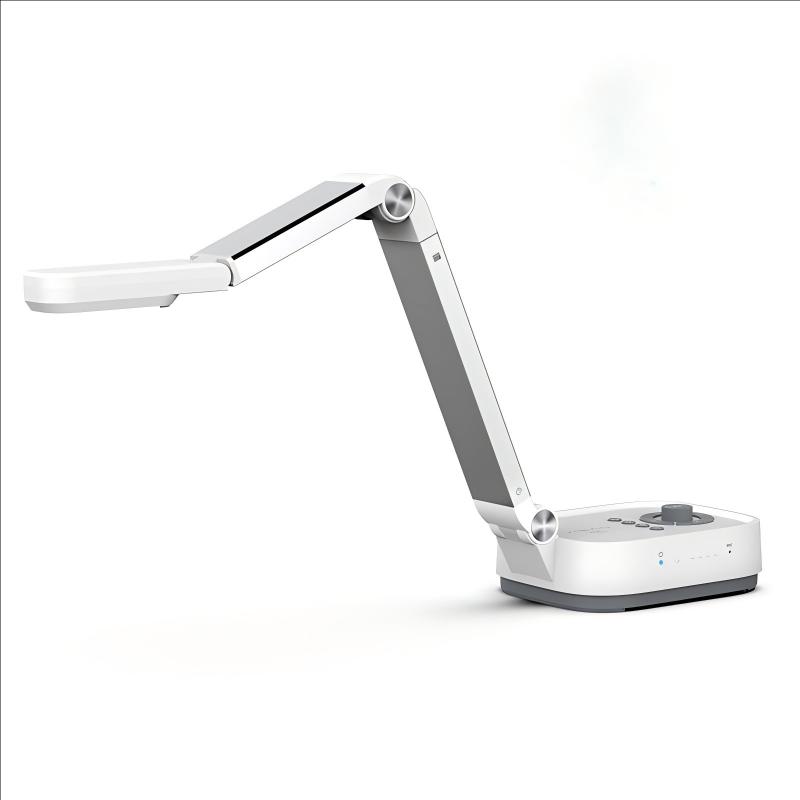
16MP 3D Desktop Visualizer Document Camera with Microphone, 120X Zoom, VGA, A3 Scan Size, LED Light & Foldable Design
Foldable visualizer for lesson demonstration, teacher training and A3 worksheet capture. Microphone and LED lighting support live classroom use.
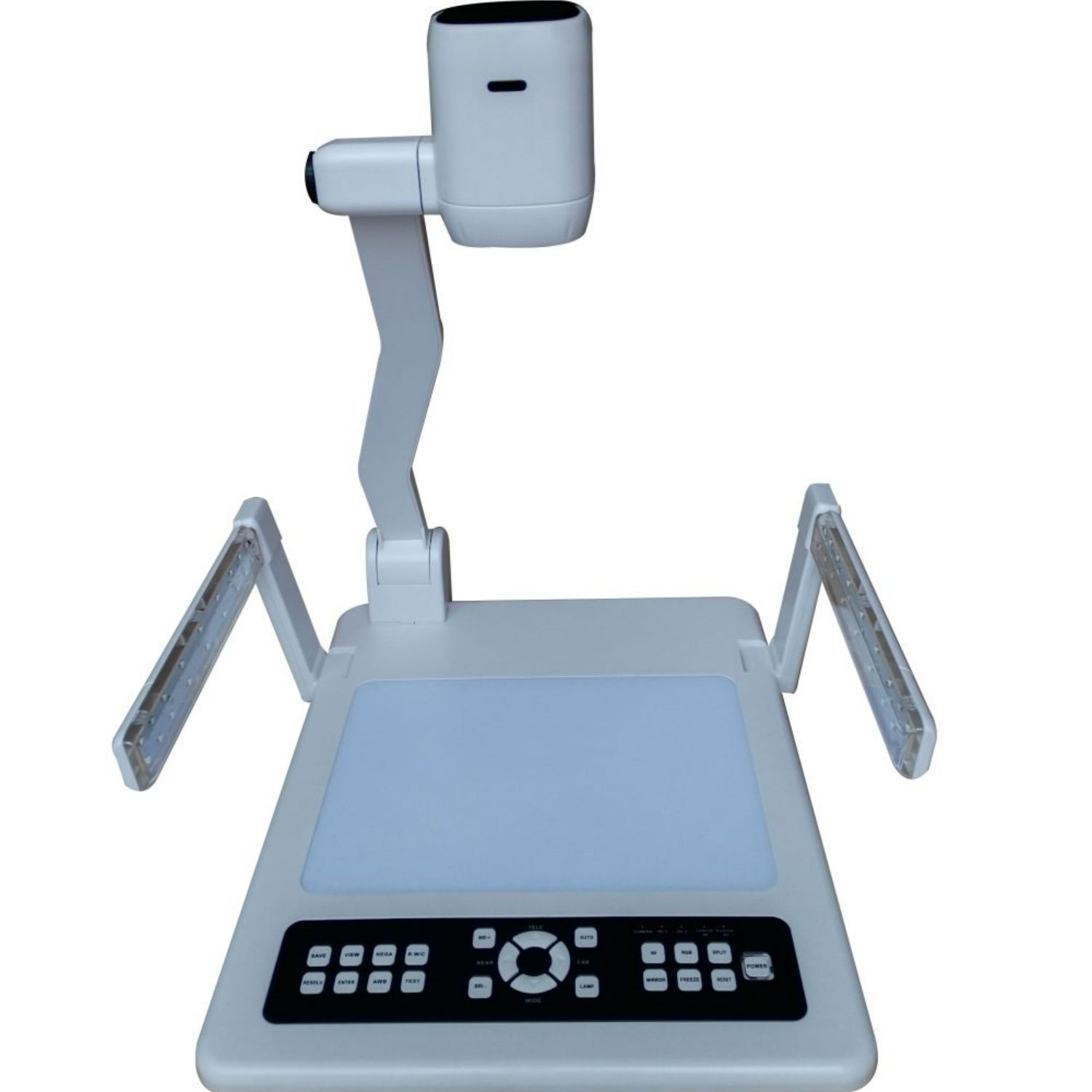
22x Optical Zoom + 10x Digital Zoom A4 Document Camera with VGA/USB, 2MP CMOS Sensor and Foldable Digital Presenter Design
Optical zoom is useful for reading fine print, demonstrating documents and presenting A4 materials in meeting rooms or training spaces.
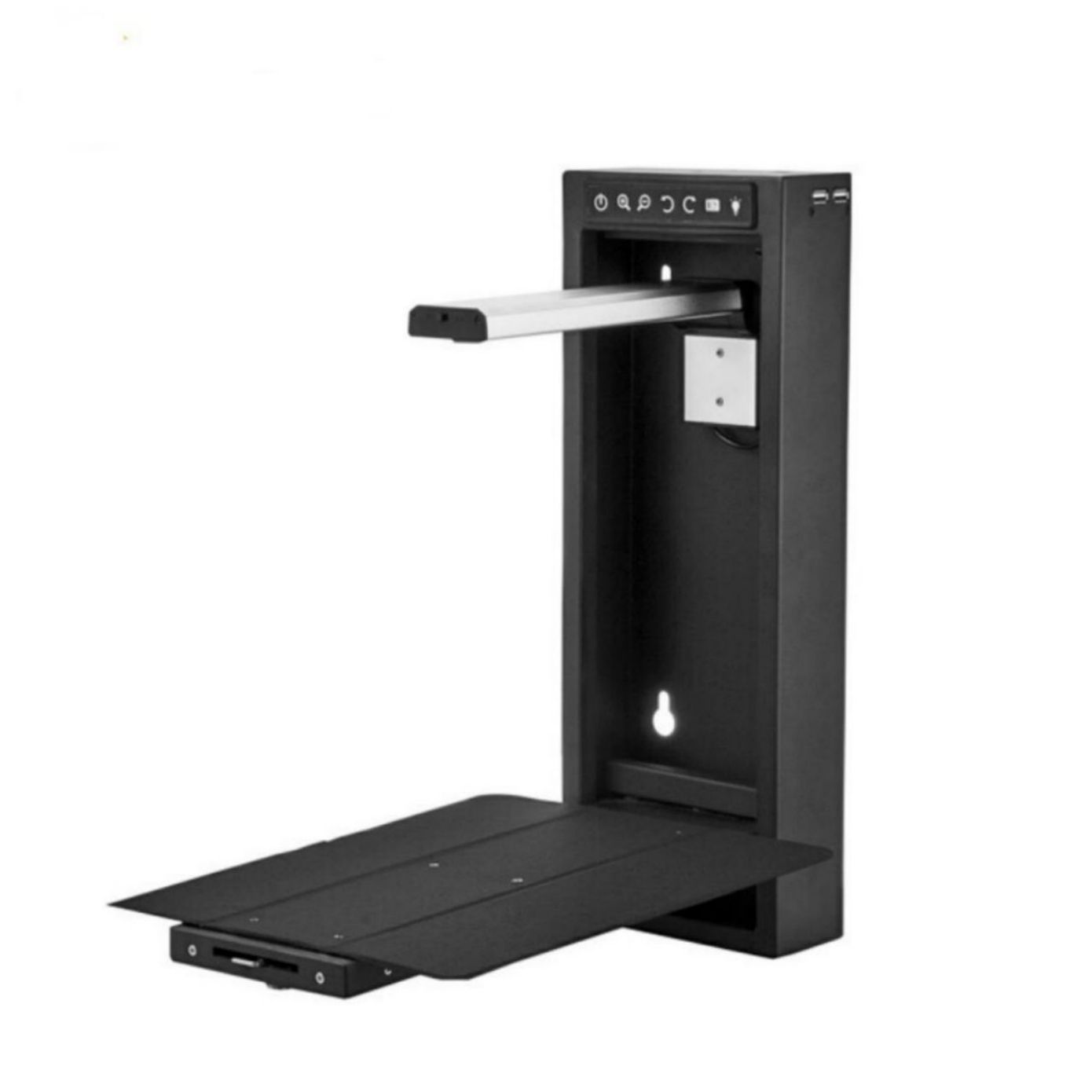
10MP USB CMOS Document Camera Wall Mount Scanner with 1-Second Scan Speed, 1-Year Warranty, A4 SDK and Classroom Education Support
Space-saving wall-mounted A4 capture for service counters, compact offices, classrooms and assisted scanning stations.
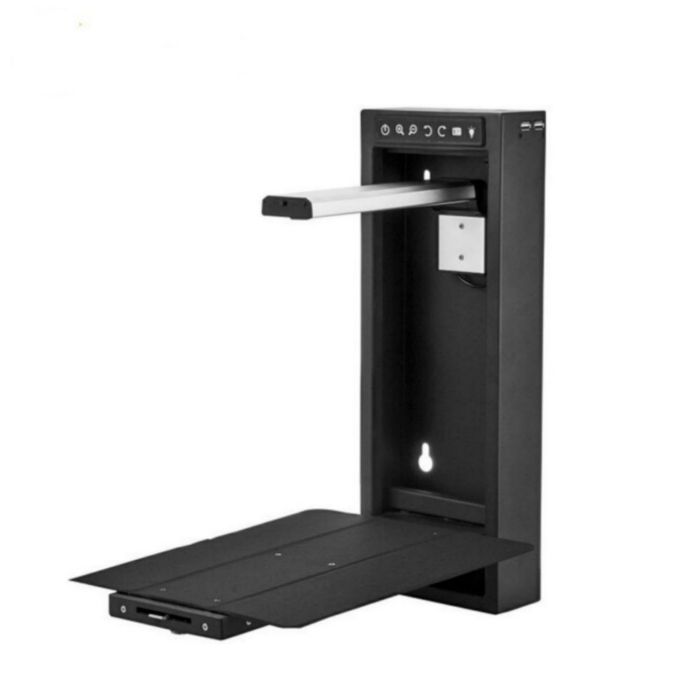
A4 Black USB 5V High-Speed 10MP High-Resolution Document Scanner, Wall-Mountable, OEM, 24-Bit, SDK and 1-Year Warranty
OEM-friendly A4 capture for high-volume intake, form digitization and integration into custom document workflows.
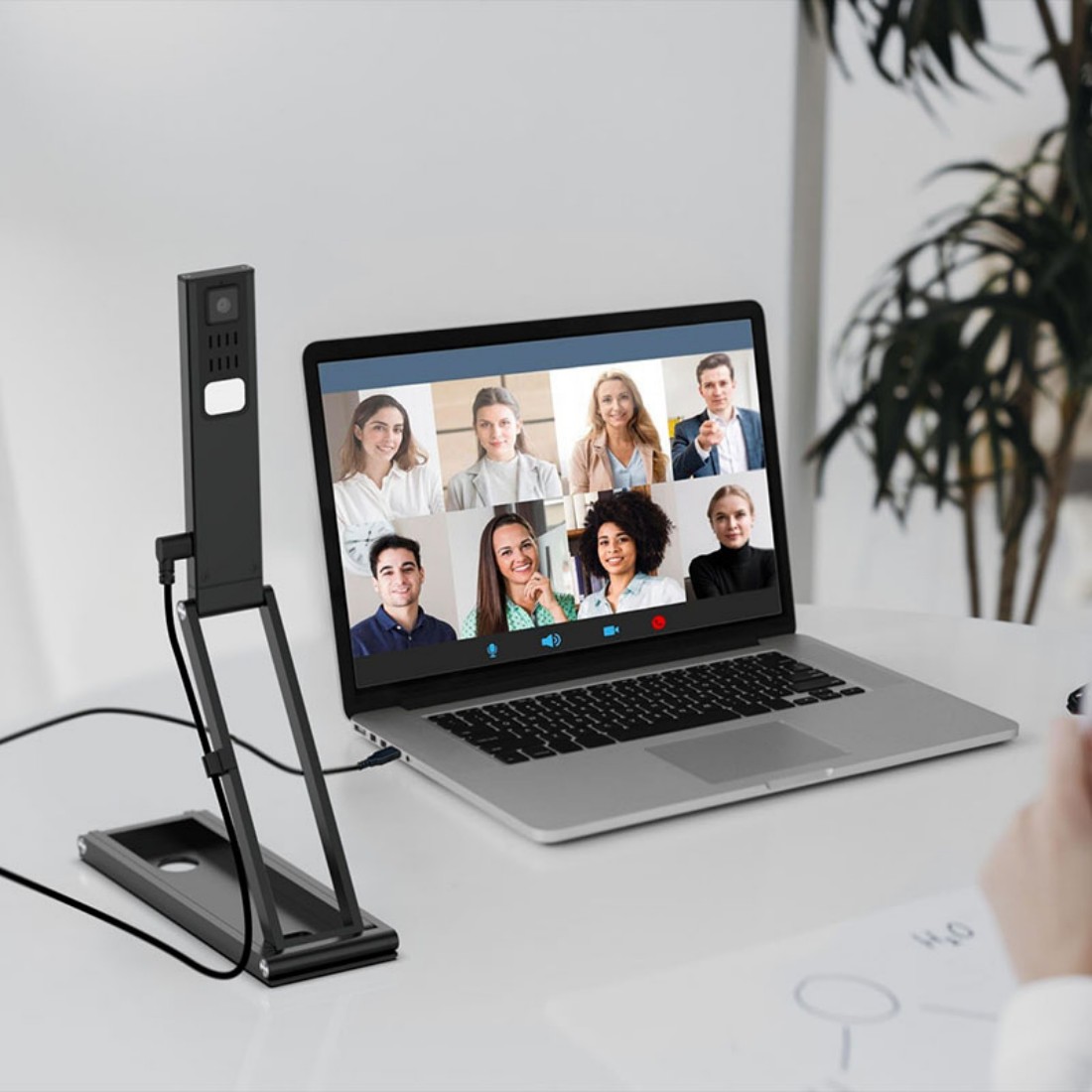
A3 4K Visual Presenter Document Camera with USB Interface for School, Training, Teaching and Meetings, Featuring Webcam Function
4K visual presenter for classroom projection, hybrid teaching, science demonstrations and meeting-room collaboration.
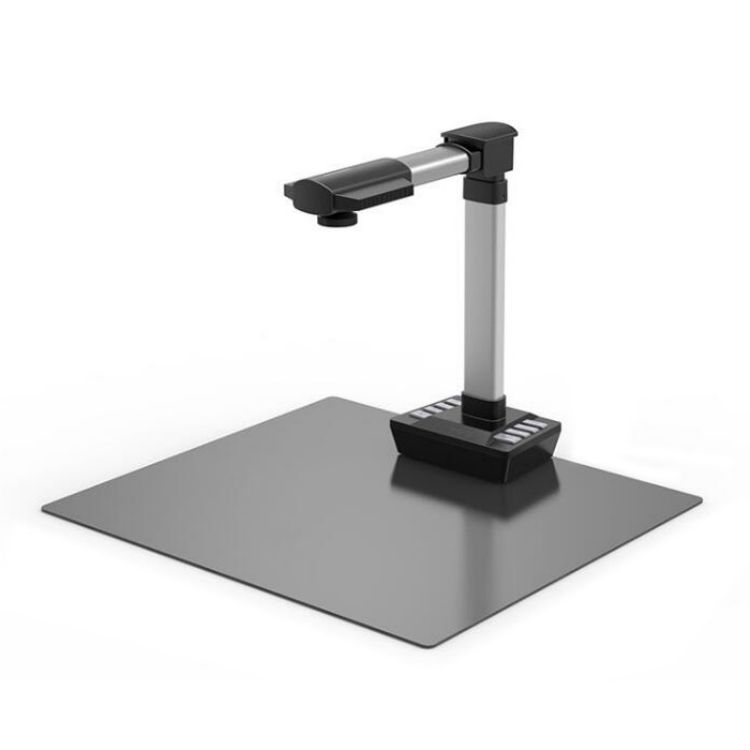
High Resolution Portable A3 Library Book Scanner with Foot Controller, USB Interface and Automatic Document Scanner Stock Product
Portable A3 book capture with a foot controller for hands-free page turning and efficient reading-room digitization.
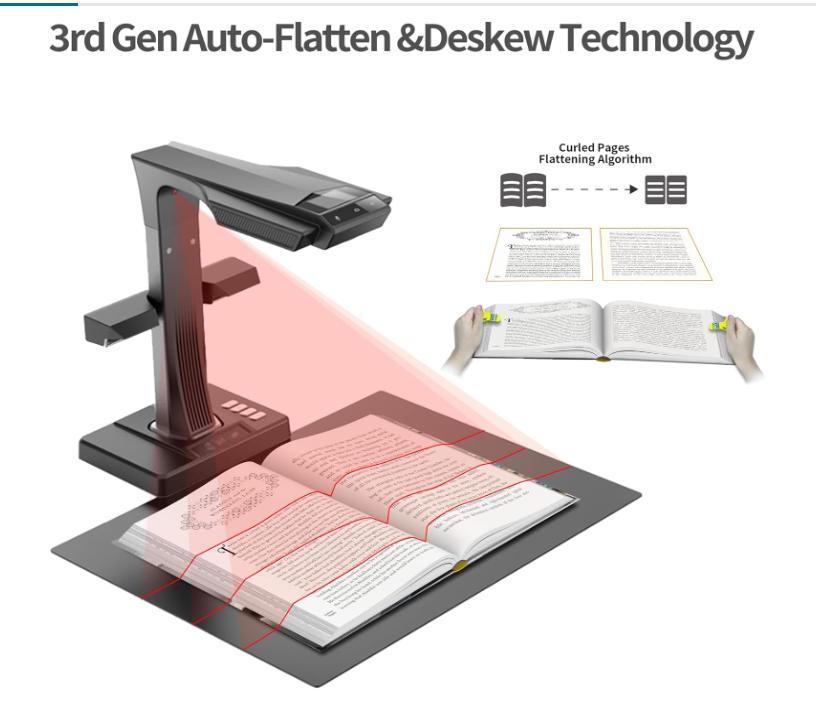
A3 24MP Book Scanner Auto Flatten Deskew CMOS Document Digitizer, 4000×6000, USB, OCR and Searchable PDF
Non-contact A3 book scanner with auto-flatten and deskew; ideal for bound volumes, reports and searchable PDF workflows.
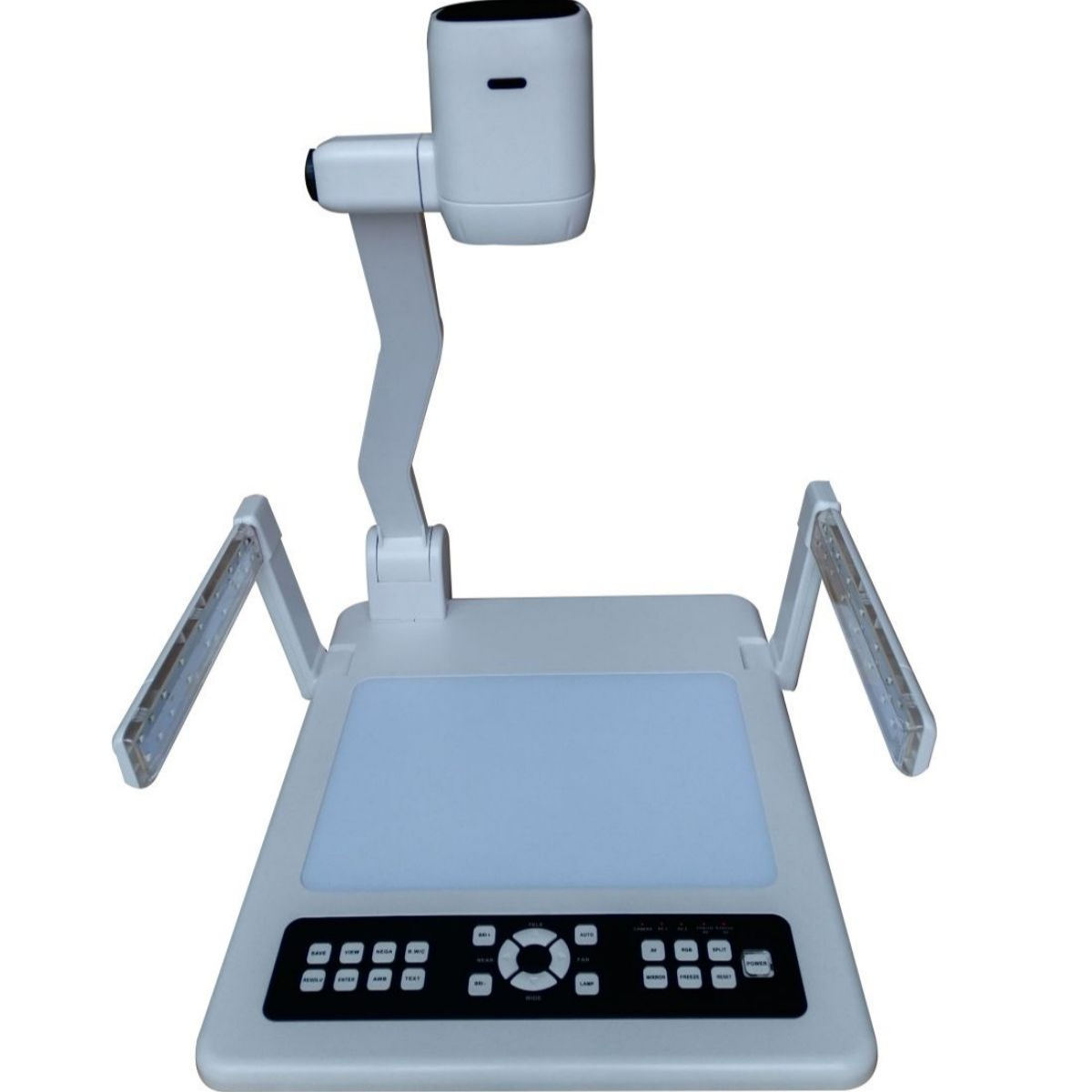
HD Optical Zoom Visual Presenter with 1/3" CMOS Sensor, 1-Year Warranty, OEM Brand, VGA/RS232 and Professional Document Camera Design
Professional optical-zoom document camera for labs, training rooms and system-integration projects requiring serial control.
Product availability, MOQ, warranty, OCR engine, language packs and trade terms should be confirmed in writing. For Kyoto procurement, request sample scans of your own Japanese documents rather than judging by catalogue images alone.
Marketplace-listed response metric; confirm the current service level for your Kyoto project.
Useful for early quotation requests, but not a substitute for technical sample testing.
A public supplier indicator; ask for current references and model-specific feedback.
Listed on selected models, with remote technical support; clarify RMA and spare-parts terms.
Why Kyoto Buyers Need More Than a Generic OCR Scanner Listing
Kyoto’s demand for document capture is shaped by its universities, public libraries, municipal offices, museums, temples and shrines, publishers and precision manufacturers. Those environments rarely share a single scanning workflow.
A scanner bought for a Kyoto reading room may be used by staff to digitize local-history material for researchers, while a municipal counter may need fast A4 form capture and an SDK connection to an existing records system. A school may care most about live A3 demonstration, not archival file quality. A museum or temple collection may require non-contact capture because pressing a fragile document against glass is unacceptable.
That is why procurement should begin with the document, not the product name. Bound books, folded maps, broadsheet newspapers, ID cards, handwritten notes, vertical Japanese text and mixed-language forms all stress different parts of the imaging chain. Megapixels matter, but so do lens quality, lighting uniformity, page-curve handling, software ergonomics, OCR language support and after-sales response.
For Kyoto buyers, a China OCR scanner supplier is not simply a price source. The supplier must be able to explain sensor choices, provide sample scans, confirm Windows and macOS compatibility, supply SDK documentation where needed, and ship export-packed hardware with clear warranty and RMA terms. This guide uses publicly listed Quibow company information and product data as a starting point, while flagging the checks that belong in every purchase decision.
Where OCR Scanners and Document Cameras Fit in Kyoto Workflows
These are the practical use cases that most often determine model choice: preservation, space, OCR language, projection, integration and daily volume.
Libraries and reading rooms
Public and university libraries often need to digitize local-history material without applying pressure to bindings. A3 overhead book scanners with auto-flatten and deskew, or a portable A3 model with foot pedal, let staff capture pages in a reading-room workflow while handling originals carefully.
Universities and research offices
Research offices, seminar rooms and teaching labs use visual presenters and document cameras for live annotation, specimen display and remote collaboration. Look for HDMI, VGA or USB output, optical zoom and SDK access if the device must connect to a lecture-capture or records system.
Temples, shrines and museum collections
Non-contact capture matters for folded paper, mounted works and fragile records. A2/A3 overhead scanning with controlled LED lighting is typically safer than pressing a document against a flatbed; color fidelity, glare control and operator training should be part of the tender.
Municipal counters and citizen services
Wall-mounted 10MP USB document cameras save counter space and can capture A4 forms, IDs and supporting documents at service windows. Buyers should confirm SDK integration, mounting hardware, security requirements and OCR language support before deployment.
Schools and teacher training
Kyoto schools and training centres use visual presenters to show textbooks, handwriting, science demonstrations and 3D objects on projectors or displays. A3 coverage, long zoom range, microphone input and simple controls matter more than raw megapixels for daily classroom use.
Publishers, newspapers and local archives
Broadsheet pages, maps and local newspaper runs may require A2 capture, while A3 book scanners handle bound volumes. For searchable archives, specify OCR output, page-order naming, image compression policy and a quality-control step after scanning.
Four Trends Shaping OCR Scanner Purchasing in Kyoto
Procurement conversations are moving from “how many megapixels?” toward workflow quality, preservation and integration.
Japanese OCR and searchable PDF expectations
Kyoto buyers increasingly expect OCR output that handles vertical and horizontal Japanese text, mixed English, tables and administrative forms. Ask for sample files and confirm the OCR engine, language pack, licensing and proofreading workflow before purchase.
Preservation-first, non-contact capture
For fragile books, archives and museum material, overhead CMOS capture is often preferred because the original does not need to be pressed flat. Buyers should compare lighting uniformity, page-curve correction and operator training, not only sensor resolution.
Compact and flexible equipment for limited space
Wall-mounted A4 document cameras, foldable visualizers and portable A3 book scanners suit Kyoto offices, reading rooms and service counters where desk space is limited. Mounting method, cable routing and field-of-view adjustment become practical tender requirements.
SDK, OEM and integration-ready procurement
Resellers and system integrators need more than a box. They need SDK access, software branding options, clear interface documentation and compatibility with local document-management systems. Include acceptance tests for capture speed, image quality and OCR output in the contract.
Resolution, Sensor and OCR: A Practical Buyer’s Guide
Megapixels only matter in relation to document size. For archival master files, calculate the required pixel dimensions at your target dpi before comparing models.
An A4 page at 300 dpi requires about 2,480 × 3,508 pixels, or roughly 8.7 megapixels. An A3 page at 300 dpi requires about 3,508 × 4,961 pixels, or roughly 17.4 megapixels. An A2 sheet at 300 dpi requires about 4,961 × 7,016 pixels, or roughly 34.8 megapixels. For A2 archival masters, a 48MP model is therefore a more realistic starting point than a 21MP model.
OCR quality is not determined by megapixels alone. Lens sharpness, lighting uniformity, page curvature, contrast, software preprocessing and the Japanese OCR language pack all affect recognition. For Kyoto projects, always test your own documents: a clean printed A4 form is a very different OCR challenge from a bound Meiji-era book or a handwritten local-history note.
| Document size | Pixels at 300 dpi | Practical sensor choice | Model fit from this shortlist |
|---|---|---|---|
| A4 210 × 297 mm |
2,480 × 3,508 ≈ 8.7 MP |
10MP or higher | 10MP USB wall-mount document camera; 10MP high-resolution A4 scanner |
| A3 297 × 420 mm |
3,508 × 4,961 ≈ 17.4 MP |
18–24MP for archival capture | 24MP A3 book scanner with auto flatten and OCR |
| A2 420 × 594 mm |
4,961 × 7,016 ≈ 34.8 MP |
48MP for approximately 340 dpi | Ask the supplier for an A2 dual 48MP or 48MP newspaper archive model if A2 is mandatory |
| Photos and art | 600–2,400 dpi optical | Flatbed or CCD photo scanner | Use a dedicated flatbed/CCD model; overhead OCR scanners are not a substitute for fine-art reproduction |
Why Quibow Can Support Kyoto-Facing OCR Scanner Projects
Guangzhou Quibow Electronic Co., Ltd. is a Guangzhou-based supplier of image acquisition and conversion equipment. The points below are drawn from the supplier’s public company and product information and should be verified for your specific order.
Imaging platform breadth
The company works across CIS, CMOS and CCD imaging platforms. That breadth matters because a book scanner, flatbed scanner, ADF scanner and document camera each solve a different capture problem.
OEM / ODM and SDK support
Public product information lists support for logo printing, packaging, housing colour, capture-software branding and SDK integration on selected models. This suits Kyoto resellers and system integrators building local solutions.
Responsive export communication
The supplier’s marketplace profile lists an average response time of one hour or less and a 100% message response rate. Use the first reply to test technical depth, not only price response.
Practical MOQ and stock options
Most stock book scanners, A2 large-format scanners and flatbed scanners are listed from one piece or one set, while several document camera models start from two pieces. OEM/ODM quantities are confirmed per project.
Warranty and remote support
Selected models carry a one-year warranty with remote technical support. For Kyoto buyers, agree the RMA process, DOA handling, spare-parts plan and support window before issuing a purchase order.
Export payment and delivery terms
Listed terms include T/T, L/C, PayPal and Western Union in USD, EUR, HKD or CNY, with FOB, EXW and DDU delivery. Confirm the final Incoterm, customs broker and import duty responsibility for Japan.

Guangzhou Quibow Electronic Co., Ltd.
Quibow describes itself as a technology-driven company focused on image data acquisition and conversion. Its product scope includes high-speed document cameras, book scanners, flatbed scanners and ID card recognition cameras, with product design, development, production coordination, export sales and after-sales support handled through its Guangzhou base.
For Kyoto procurement teams, the company is best treated as a China-based manufacturing and trading partner rather than a local Japanese service provider. That means sample testing, written specifications, export packing checks and a clear after-sales plan should be built into the buying process from the beginning.
Independent Records Kyoto Buyers Can Check
Trust should be verifiable. These marketplace records are maintained by Alibaba.com according to the source site. Review them alongside sample scans, a live video demonstration and a model-specific quotation.
Supplier Assessment
Onsite check confirming business premises and legal status.
View report →Credit Overview
Platform credit profile and trading reliability indicators.
View credit →Ratings & Reviews
Feedback left by verified buyers after completed orders.
Read reviews →Trade Capacity
Export markets, trade terms and logistics capability.
View capacity →Transaction Level
Platform-measured order volume and performance level.
View level →Trade History
Record of past trade activity on the platform.
View history →Transaction History
Completed transactions over recent months.
View transactions →Video Introduction
See the supplier’s products and workspace on camera.
Watch video →Questions Kyoto Buyers Ask Most When Sourcing from China
Use these questions to structure a supplier comparison. The answers below reflect publicly listed Quibow information and standard due-diligence practice; confirm every point for your specific model and order.
Are these scanners suitable for Japanese-language OCR in Kyoto?
OCR quality depends on the software and language pack as much as the camera. For Japanese documents, request sample scans that include vertical and horizontal text, furigana, tables and mixed Japanese/English. The 24MP A3 book scanner and A3 4K visual presenter are suitable for high-resolution capture, but confirm the OCR engine, licensing and searchable-PDF workflow before purchase.
Which model should we choose for A3 bound books?
For non-contact A3 book capture, start with the A3 24MP book scanner with auto-flatten and deskew. If staff must move between reading rooms, the portable A3 library book scanner with foot pedal may be easier to deploy. If the priority is live teaching rather than archival capture, choose a visual presenter instead.
Can we use a wall-mounted document camera at a Kyoto service counter?
Yes, wall-mount A4 document cameras are designed for counters and compact offices. Confirm USB power, mounting method, field of view, SDK access and compatibility with the counter PC. For high-volume ID or form capture, test the 10MP USB 5V model with your own forms and lighting conditions.
What is the minimum order quantity for these models?
Most stock book scanners, A2 large-format scanners and flatbed scanners start from one piece or one set. Several document camera models start from two pieces. OEM/ODM quantities are confirmed per project. Ask for current stock and MOQ in writing because allocations can change.
Do you support OEM, ODM and SDK integration?
Yes. Public information states support for logo printing, packaging, housing colour, capture-software branding and SDK integration on selected models. Kyoto resellers and system integrators should define API needs, operating system, OCR engine, language pack and acceptance tests before the project starts.
What warranty and after-sales support is available?
Listed models such as the A3 flatbed scanners, A2 overhead scanners and document cameras are described with a one-year warranty, backed by remote technical support. Before ordering, agree the RMA address, DOA handling, spare-parts plan and response-time expectations.
What payment and delivery terms are common for Kyoto orders?
The supplier lists T/T, L/C, PayPal and Western Union, with USD, EUR, HKD or CNY currencies and FOB, EXW or DDU terms. For Kyoto, confirm the final Incoterm, airport or seaport, customs broker, import duties and delivery address before issuing a purchase order.
How can we verify quality before placing an order?
Send three representative documents: an A4 page, an A3 spread and, if relevant, an A2 newspaper or map. Ask for sample scans, a live video demonstration, OCR output, packing details and a test report. Review the supplier assessment, credit overview, ratings, trade capacity and transaction history linked on this page.
Request a Kyoto-Specific OCR Scan Test
Share an A4 page, an A3 spread and, where relevant, an A2 newspaper or map. Include the daily volume, required OCR language, output format, PC operating system, integration needs and delivery destination in Kyoto. A supplier that can respond with model-specific sample scans, clear trade terms and a written after-sales process is usually a safer long-term partner than one that competes on price alone.
For procurement teams comparing multiple China OCR scanner suppliers, keep the evaluation focused on document handling, Japanese OCR quality, software compatibility, export packing, warranty and verifiable supplier records.
Contact UsThis guide is for B2B sourcing reference. Product specifications, certifications, availability, warranty and trade terms must be confirmed directly with the supplier before purchase.