Top 10 Foldable Document Camera Manufacturers & Supplier in Monterrey
A practical shortlist for schools, libraries, clinics, government counters, and industrial training teams that need foldable visualizers, overhead book scanners, and A3/A4 document capture with export-ready support.
8 Foldable and Overhead Document Camera Models for Monterrey Buyers
The product list below is the first filter in a Monterrey procurement process. Every model is linked to its original product page so buyers can compare sensor type, capture area, ports, OCR workflow, mounting style, and minimum order. These models are not ranked by price alone; they are grouped by the local use case they solve best.
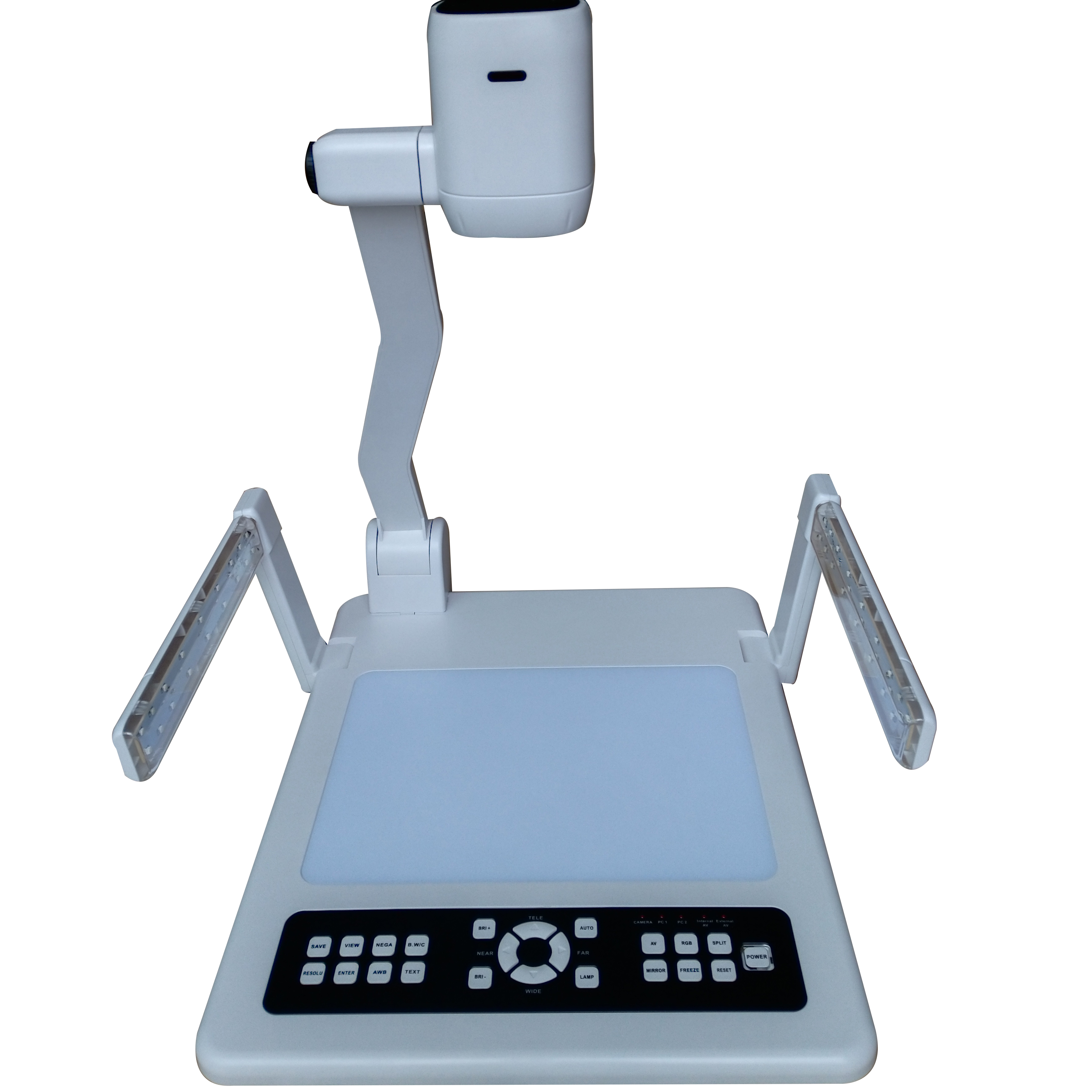
Modern Foldable Flexible Ultra HD Desktop Document Camera for School Video Output HD MI VGA Visualizer
Best for hybrid classrooms, teacher training, STEM demonstrations, and shared visualizers that must fold away between lessons.
- Ultra HD
- HDMI / VGA
- Flexible arm
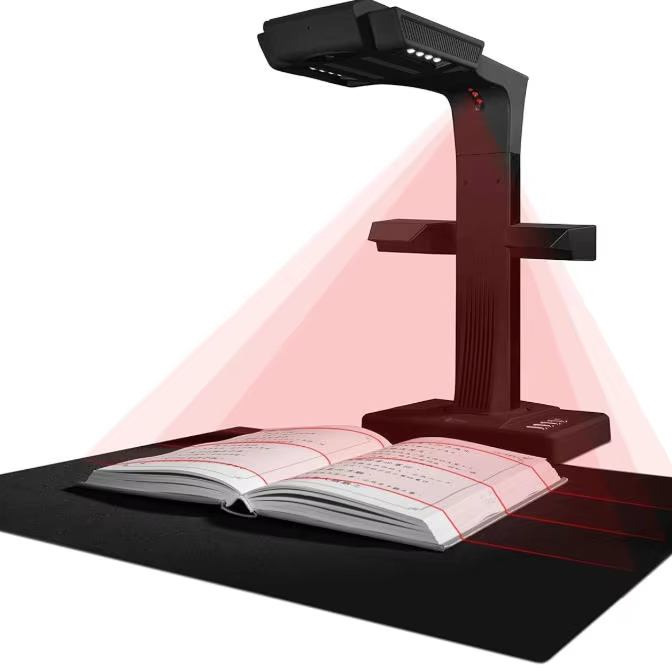
18MP A3 Book Scanner Overhead Document Camera Auto Curve Flattening OCR 180+ HDMI Visual Presenter for Office Library
Best for university libraries, legal archives, notary records, and newspaper preservation where binding curve correction matters.
- 18MP
- A3 overhead
- Auto flattening
- OCR
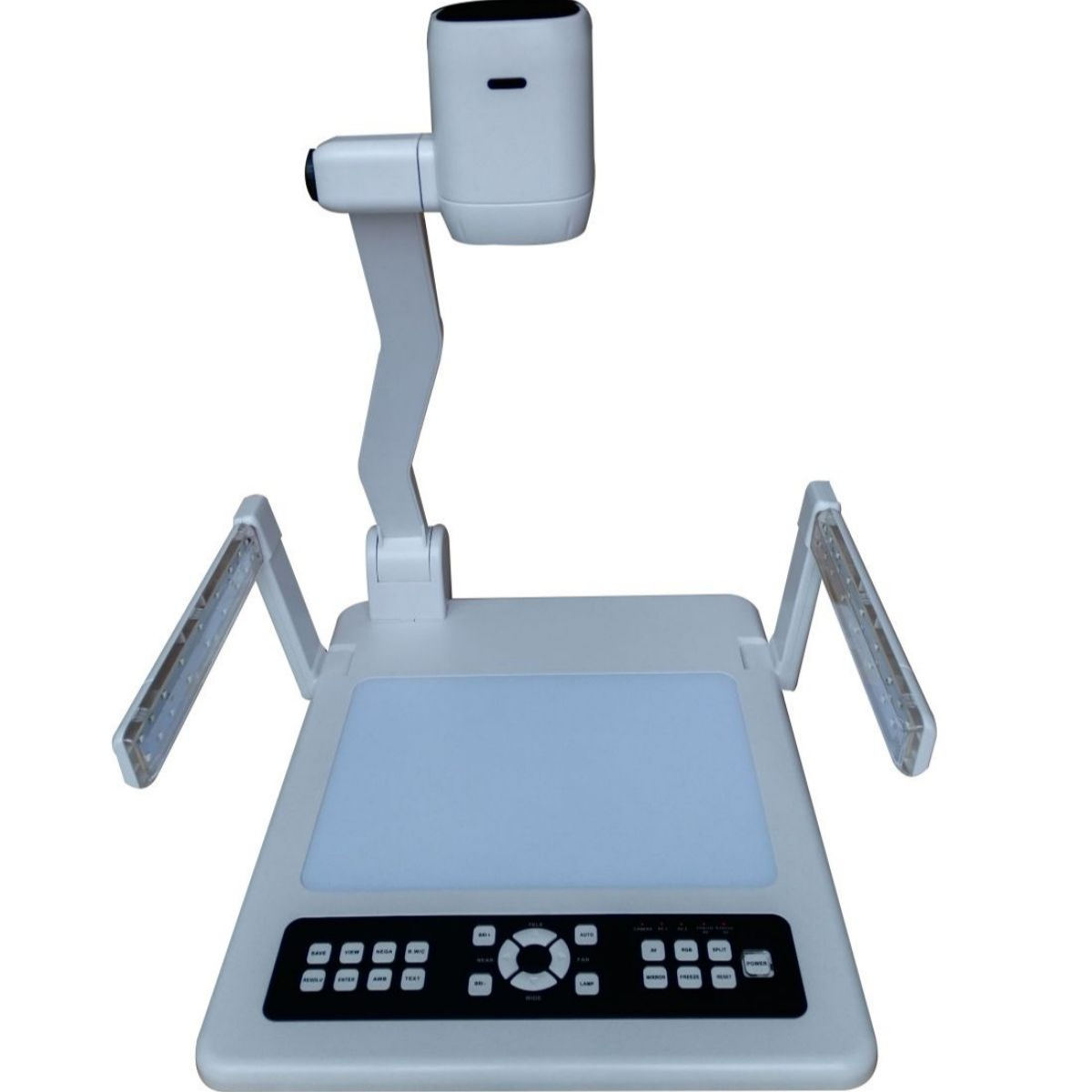
HD Optical Zoom Visual Presenter 1/3" CMOS Sensor 1-Year Warranty OEM Brand GUA Origin Professional Document Camera VGA RS232
Best for meeting rooms, training labs, product demonstrations, and technical presentations where optical zoom is more useful than a fixed lens.
- HD optical zoom
- 1/3" CMOS
- VGA / RS232
- OEM
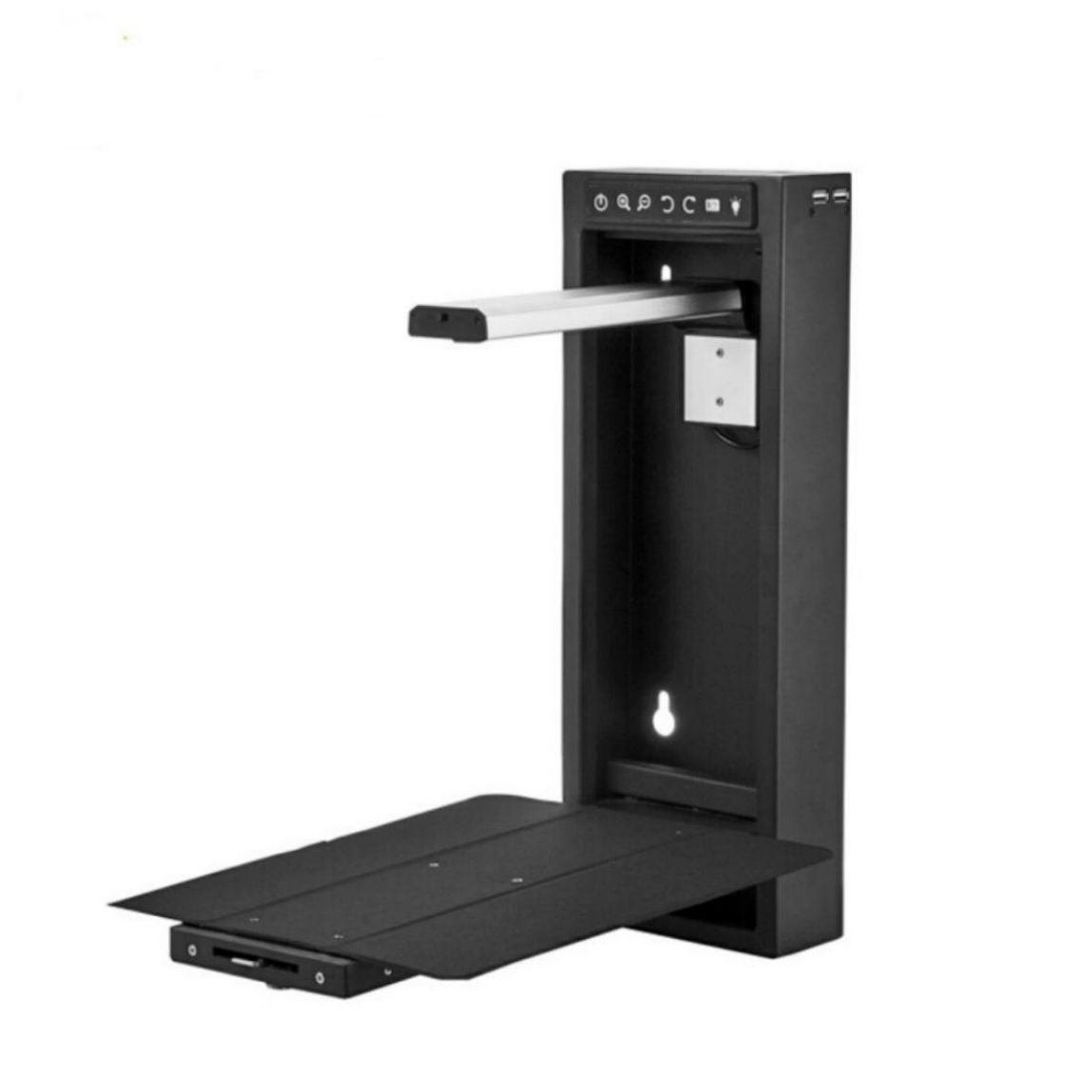
USB Interface Wall-Mounted A4 Visualizer OCR Document Scanner CMOS Sensor 10MP Resolution SDK Included Black 1-Year Stock
Best for reception desks, clinic intake, government service windows, and ID/forms capture where counter space is limited.
- 10MP
- USB
- OCR
- SDK included
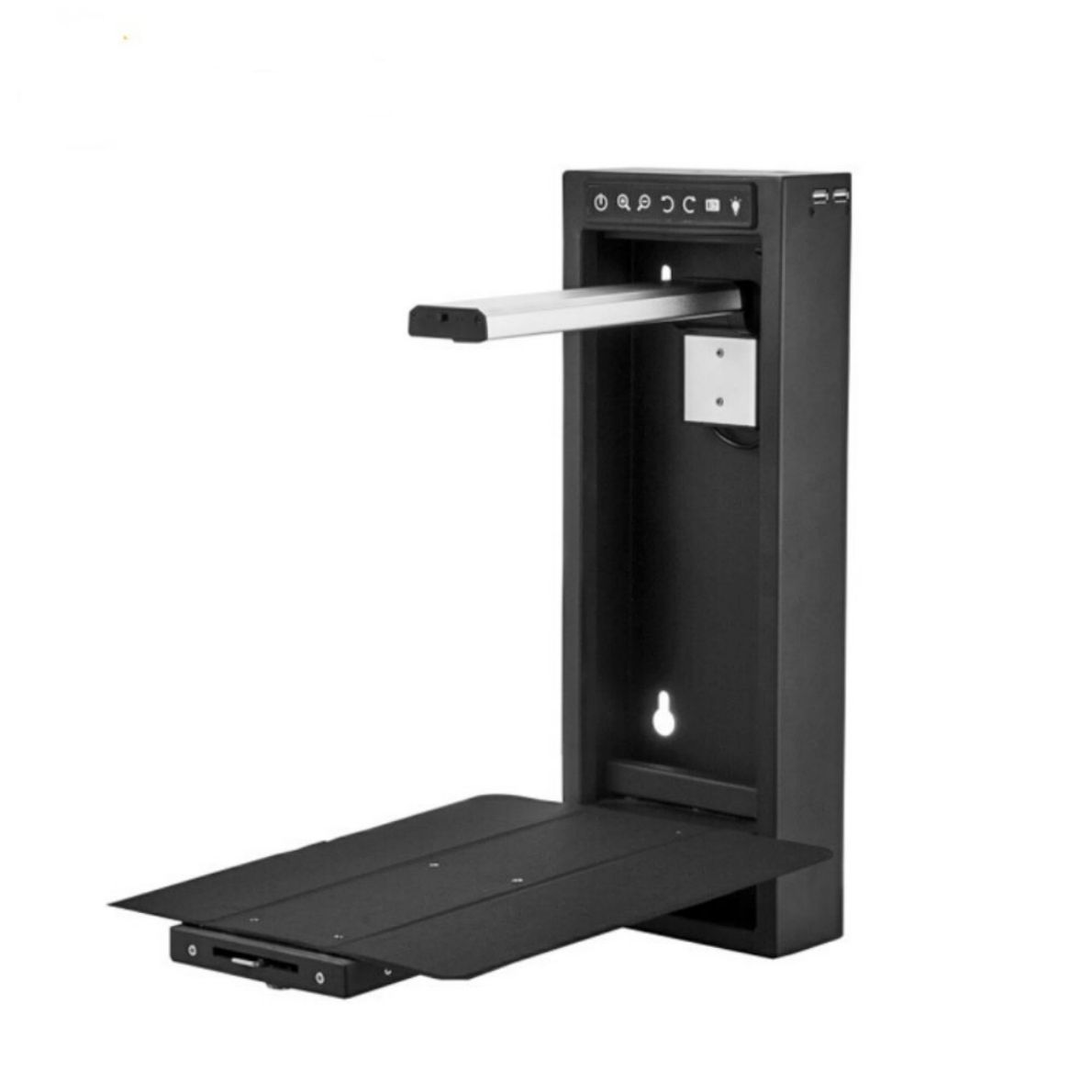
Document Camera A4 Visualizer Wall Version USB CMOS Sensor 10MP 1-Second Scan Document Scanner Stock for Classroom Smart
Best for classrooms, smart offices, bank counters, and service points that need one-second capture without a dedicated desk footprint.
- 10MP
- 1-second scan
- Wall version
- USB
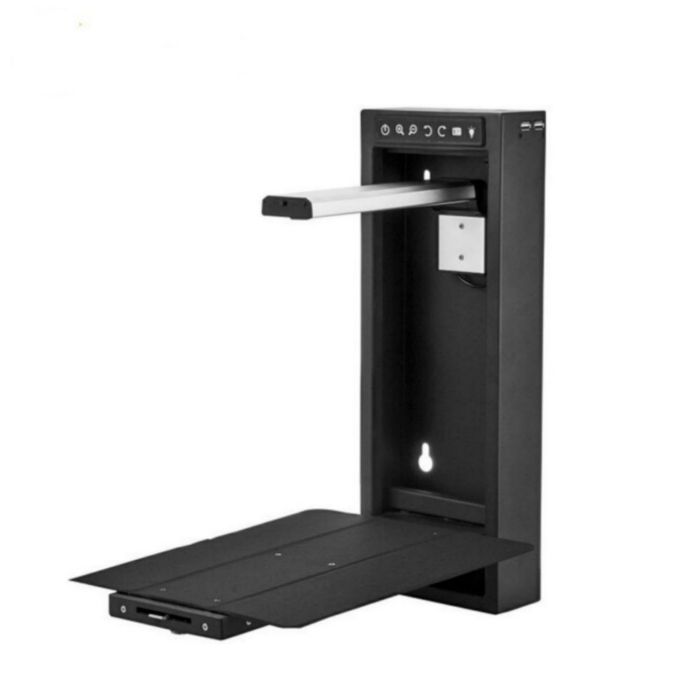
A4 Black USB 5V High-Speed 10MP High-Resolution Document Scanner Wall-Mountable OEM 24 Bit SDK 1-Year Warranty Education Stock
Best for high-traffic counters, education offices, document intake stations, and OEM projects that need stock availability and SDK access.
- 10MP
- 24-bit
- Wall-mountable
- 1-year warranty
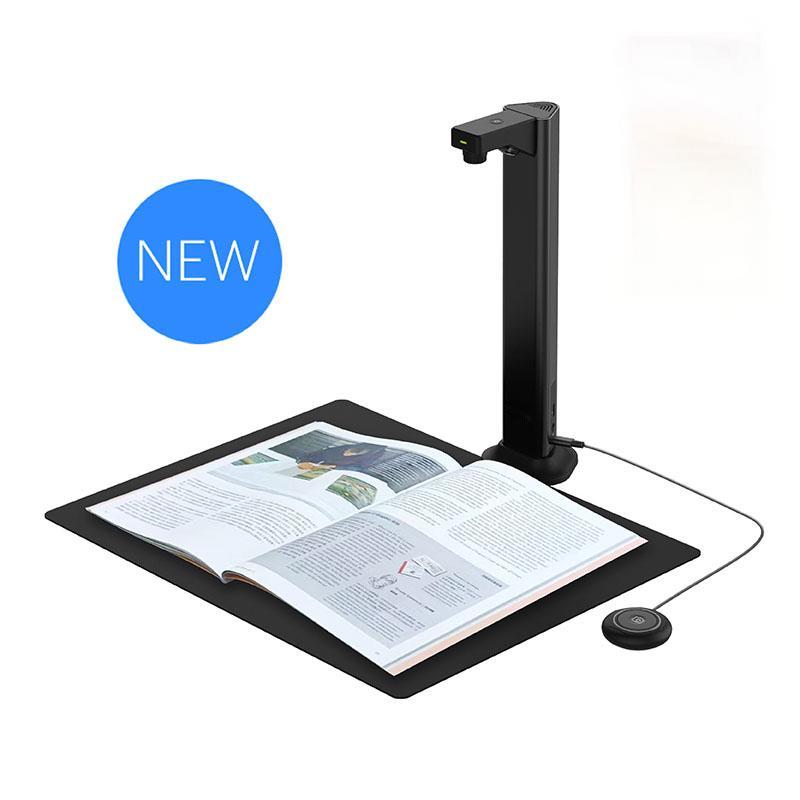
A3 18MP USB Aluminum Document Scanner with UVC Camera 1s Scan Speed OCR & Text to Speech Features-in Stock
Best for engineering drawing review, legal files, accessible reading, and office digitization where an aluminum body and OCR export are required.
- 18MP
- A3
- UVC camera
- OCR + TTS
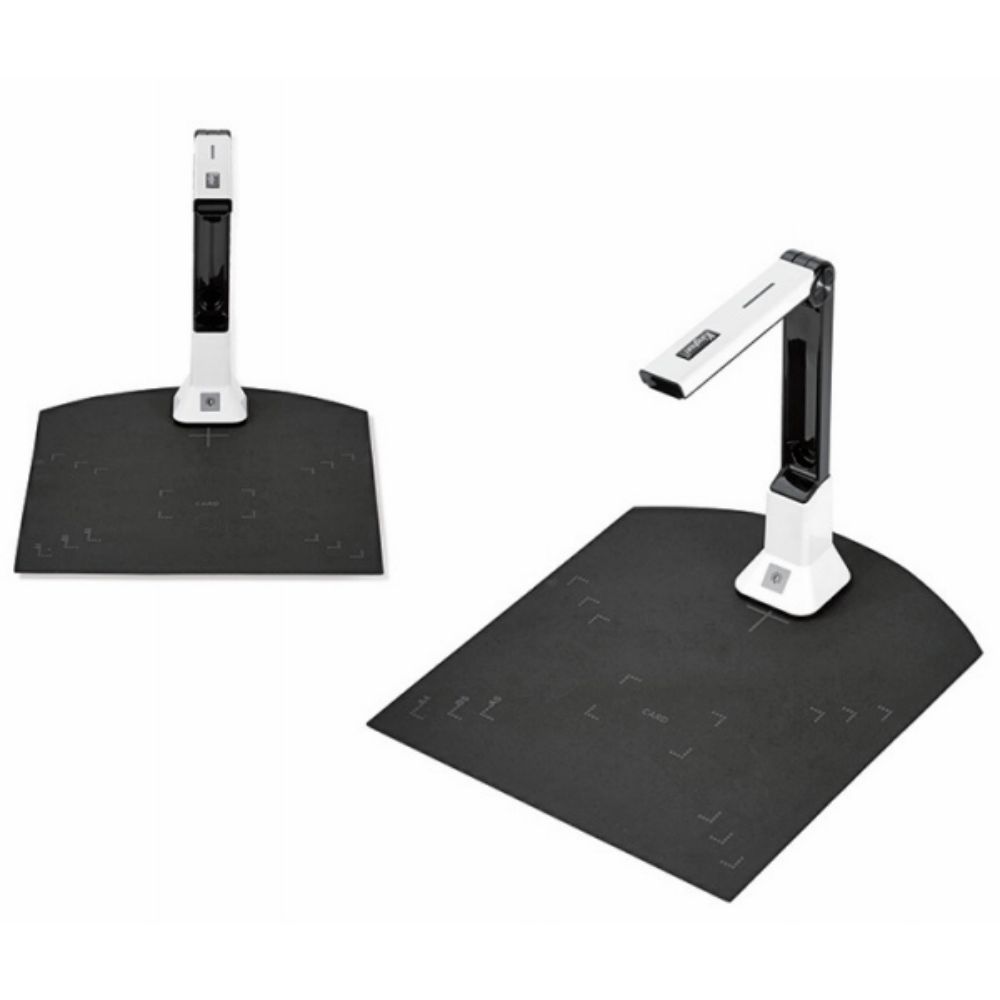
Wholesale 5MP USB Light CMOS A4 Document Scanner Portable Smart Handheld High Resolution 1-Second Scan CE Certified Stock Black
Best for mobile enrollment, field sales, pop-up registration, and distributed offices that need a compact A4 capture device.
- 5MP
- Portable
- 1-second scan
- CE certified
Why Monterrey Buyers Should Use a Top 10 Shortlist, Not a Copied Directory
Monterrey is not a generic search market. It is an industrial, academic, and service economy where a document camera may be used for a university lecture, a supplier audit, a notary archive, a hospital intake desk, a bank onboarding station, or a factory training room.
The phrase “top 10 foldable document camera manufacturers and supplier in Monterrey” should therefore be treated as a procurement lens, not a popularity badge. A supplier that ranks first for a public library may not rank first for a corporate training center. A model that folds compactly into a classroom cabinet may be less suitable than a wall-mounted A4 visualizer at a service counter. The right shortlist connects the buying intent to the local use case, the page size, the capture speed, the software workflow, and the import process.
For Monterrey, the strongest RFQ is usually built around four local realities: Spanish-language workflows, space-efficient installation, stable USB/HDMI/VGA connectivity, and clear export documentation from China to Nuevo León. A buyer should also confirm whether the supplier can support OEM/ODM branding, SDK integration, sample scans, remote technical support, and a warranty process that works through a Mexican importer. These are the checks that separate a real supplier candidate from a catalogue page.
How to Compare Foldable Document Camera Manufacturers & Suppliers in Monterrey
Use these ten criteria to build a scorecard for any supplier serving Monterrey. The ranking should be project-specific: a university archive, a private school group, a hospital network, and an industrial training center should not weigh the same criteria equally.
Resolution at page size
Ask for a sample A3 or A2 scan at the required dpi, not only a megapixel number. Megapixels must be translated into real capture resolution.
Sensor fit
CMOS overhead sensors suit bound books; CIS suits ADF batch scanning; CCD bookedge scanners reduce spine shadow for fragile originals.
Fold and mounting design
Check hinge quality, arm lock, footprint, wall-mount option, and whether the device can be stored safely in a shared classroom or counter.
Live output and latency
Confirm HDMI, VGA, and USB behavior, frame rate, and display latency. A visualizer for teaching must feel immediate, not delayed.
Spanish OCR and export
Test Spanish OCR, searchable PDF, image export, and text-to-speech where accessibility is required. Do not assume every model includes a Spanish UI.
SDK and UVC integration
For integrators, confirm UVC compatibility, SDK availability, driver support, and whether the device can work with local Mexican software vendors.
OEM and ODM flexibility
Check logo printing, packaging, housing color, software branding, and documentation support. Customization should be quoted per project.
Warranty and RMA path
Ask what is covered, how remote diagnostics are handled, where spare parts ship from, and how the Mexican importer will manage returns.
Import readiness
Confirm commercial invoice, packing list, HS code, plug type, voltage, and any conformity documents. For Mexico, clarify CFDI and customs-broker responsibilities before the PO.
Response and total cost
Compare response speed, sample lead time, MOQ, payment terms, shipping terms, and the total landed cost for Monterrey, not just the unit price.
Where Foldable Document Cameras and Visualizers Fit in Monterrey
Monterrey’s buyer base is diverse. The same product family can serve education, public service, manufacturing, healthcare, and commercial distribution, but the specification should change with the environment.
Universities and Hybrid Classrooms
Foldable visualizers with HDMI/VGA output let teachers show textbooks, lab objects, and handwritten solutions on projectors or video-conference screens.
Libraries and Archives
Overhead A3 book scanners with auto curve flattening and OCR support digitization of bound books, periodicals, legal files, and fragile records.
Government and Banking Counters
Wall-mounted A4 visualizers save counter space while capturing forms, ID documents, and signatures at service windows and onboarding desks.
Industrial Training and Quality
Optical-zoom visual presenters help trainers demonstrate small parts, drawings, labels, and inspection details to groups in manufacturing plants.
Clinics and Administrative Intake
A4 document cameras capture insurance forms, referrals, and patient paperwork quickly, but software privacy, access control, and retention rules must be reviewed by the buyer.
Distributors and System Integrators
OEM/ODM branding, SDK access, and stock availability let local distributors build bundled solutions for schools, offices, and public-sector tenders.
Local Trends That Affect Document Camera Procurement
The bars below are an editorial priority index for Monterrey buying teams, not a statistical market forecast. They show where document-camera requirements are becoming more demanding in real procurement conversations.
Nearshoring increases documentation volume
Industrial growth and supplier qualification create more contracts, audit records, quality documents, and customs paperwork that must be captured, indexed, and shared.
Hybrid classrooms remain relevant
Schools and universities still need visualizers that can switch between in-room projection and video-conference sharing without complex setup.
Spanish OCR and searchable archives
Legal, HR, academic, and public records are more useful when scanned pages become searchable Spanish PDFs instead of image-only files.
Distributed counter and field capture
Banks, clinics, enrollment teams, and distributors want compact wall-mounted or portable devices that work across multiple sites.
Sensor, Resolution, and OCR: The Two Decisions That Prevent a Bad RFQ
Most sourcing mistakes happen before the price comparison. Buyers request “high resolution” without defining the page size, or they choose a camera without checking whether the sensor suits bound books, flat sheets, or ID cards.
CIS Contact Image Sensor
Compact, low-power, and efficient on sheet-fed paths. Good for invoices, contracts, and office batches where pages can pass through an ADF or controlled scan path.
- High-volume office batches
- Invoices and records
- ADF scanning
CMOS Area Sensor
Captures the full page from above in one shot. Software can flatten curves and reduce finger or shadow artifacts, making CMOS ideal for books and live teaching.
- Bound books
- Newspapers and maps
- Visual presenters
CCD Linear Sensor
Provides stable color and greater depth of field in flatbed designs. A zero-margin bookedge model can scan bound originals without the spine shadow common on ordinary flatbeds.
- Photos and artwork
- Bookedge scanning
- High optical resolution
| Document size | Pixels at 300 dpi | Recommended sensor | Typical Monterrey use |
|---|---|---|---|
| A4 210 × 297 mm | 2480 × 3508 ≈ 8.7 MP | 10 MP or higher | Counter forms, ID packets, clinic intake, classroom handouts |
| A3 297 × 420 mm | 3508 × 4961 ≈ 17.4 MP | 18–24 MP | Book scanning, legal files, engineering drawings, teacher materials |
| A2 420 × 594 mm | 4961 × 7016 ≈ 34.8 MP | 48 MP for about 340 dpi | Newspapers, maps, archives, large-format institutional records |
| Photos and art | 600–2400 dpi optical | Flatbed with 48-bit color | Museums, design studios, heritage collections, print archives |
Practical rule: an 18MP or 24MP overhead scanner is the sensible starting point for A3; a 48MP A2 model is the safer choice when an archive tender requires 300 dpi at full A2. Always request a real sample scan before signing the purchase order.
Why Guangzhou Quibow Electronic Co., Ltd. Belongs in the Comparison

Guangzhou Quibow Electronic Co., Ltd. is a Guangzhou-based supplier focused on image acquisition and conversion equipment, including high-speed document cameras, book scanners, flatbed scanners, visual presenters, and ID card recognition cameras. The company works across CIS, CMOS, and CCD imaging platforms and supports OEM/ODM projects for distributors, system integrators, and end users.
For Monterrey buyers, the value is not a local factory claim. The value is a transparent export-supplier profile with product breadth, OEM/ODM flexibility, SDK access on selected models, fast response, and remote technical support. Quibow’s published profile indicates an onsite-checked supplier record, 100% message response rate, approximately one-hour average response time, and a 27% buyer reorder rate. These signals should still be verified against your own RFQ, sample test, and commercial terms.
- Established2020
- LocationGuangzhou, Guangdong, China
- Supplier profileOnsite-checked supplier, trading company
- Main marketsEastern Europe, North America, South America
- Annual revenueUS$1M–US$2.5M
- Team5–10 dedicated specialists
- Response≤1h average; 100% message response
- Reorder rate27% buyer reorder rate
- Warranty1-year warranty on listed models
- MOQFrom 1 piece or set; selected cameras 2 pieces
- OEM/ODMLogo, packaging, housing color, software branding, SDK
- TermsT/T, L/C, PayPal, Western Union; FOB, EXW, DDU
Monterrey procurement note: a China-based supplier can provide export documents and remote support, but it does not replace a Mexican importer or issue a local CFDI invoice. Confirm the importer of record, customs broker, HS code, plug type, voltage, Spanish OCR requirement, and RMA path before the purchase order.
Local Procurement Questions Buyers Ask Most
Can a supplier ship foldable document cameras directly to Monterrey?
Yes, but the correct shipping term depends on who clears customs. Quibow quotes FOB, EXW, and DDU. For Monterrey, confirm your importer of record, customs broker, HS code, and delivery address in Nuevo León before the PO. A China-based supplier normally provides export documents; the Mexican importer handles local fiscal invoicing and clearance responsibilities.
What is the minimum order quantity for these document cameras and scanners?
Most stock book scanners, A2 large-format scanners, and flatbed scanners start from 1 piece or 1 set. Several document camera models start from 2 pieces. OEM/ODM quantities are confirmed per project because logo, packaging, software branding, and housing-color changes can affect the production plan.
Do you support OEM and ODM orders for Monterrey distributors?
Yes. The published OEM/ODM scope includes logo printing, packaging, housing color, capture-software branding, and SDK integration on selected models. For public-sector or education tenders, request the customization checklist and a sample before committing to a full production run.
Are the scanners compatible with Windows and macOS?
Many models, including A2 large-format scanners and the 1200 DPI A3 flatbed scanner, support Windows and macOS, and some are verified on Apple M1 Macs. Compatibility is model-specific, so confirm the exact SKU, driver version, and third-party software before the order.
Is Spanish OCR or a Spanish user interface available?
Spanish OCR and software language support depend on the model and the OCR engine used. Do not assume every product includes a Spanish UI. Request a Spanish sample scan, a searchable PDF test, and a screenshot of the capture software before purchase. SDK access is available on selected models for integrators that need a custom workflow.
Which resolution do I need for A3 or A2 documents at 300 dpi?
An A3 page at 300 dpi needs about 3508 × 4961 pixels, or roughly 17.4 MP, so an 18MP or 24MP scanner is suitable. An A2 sheet at 300 dpi needs about 4961 × 7016 pixels, or roughly 34.8 MP, so a 48MP A2 overhead scanner is the safer choice for archival masters.
What warranty and after-sales support are available?
Listed models such as the A3 flatbed scanners, A2 overhead scanners, and selected document cameras come with a 1-year warranty, backed by remote technical support. Before ordering, ask how diagnostics, spare parts, and RMA shipping will be handled through your Monterrey importer.
What payment and delivery terms are accepted?
Quibow accepts T/T, L/C, PayPal, and Western Union in USD, EUR, HKD, or CNY, with FOB, EXW, and DDU delivery terms. For Monterrey, calculate the total landed cost, including freight, insurance, customs brokerage, duties, and local delivery, rather than comparing the product price alone.
Can you supply a 127V power plug for Monterrey?
Monterrey operates on a 127V/60Hz supply, but many document cameras use external adapters or USB power. Plug type, adapter input range, and certification documents must be confirmed for each SKU. Provide your delivery address and electrical requirement in the RFQ so the quotation matches the local installation.
How can a Monterrey buyer verify the supplier before payment?
Review the supplier assessment, credit overview, buyer ratings, trade history, transaction history, and company video when available. Then request a live demonstration or sample scan, confirm the product URL and model number, check packing and warranty terms, and compare at least two suppliers using the same document-size and resolution test.
Need a Foldable Document Camera for a Classroom, Archive, Clinic, or Service Counter?
Share your document size, daily volume, target resolution, connection type, Spanish OCR requirement, mounting preference, and delivery postal code in Monterrey. We will recommend a suitable model and confirm MOQ, lead time, warranty, and export documents.