Top 10 A4 Flatbed Scanner Factory & Wholesalers for Hat Yai
A source-verification white paper for Hat Yai importers, schools, archives, clinics and cross-border distributors comparing A4 flatbed scanners, A3/A2 overhead scanners and document cameras.
8 Factory-Direct Models for Hat Yai A4 Flatbed Scanner Projects
Hat Yai procurement rarely stops at one format. A tender for an A4 flatbed scanner may also include A3 book scanning, A2 archive work, ID capture, classroom visualizers and warehouse documentation. The eight models below are factory-direct options from the current Quibow catalog; if your specification is strictly an A4 flatbed scanner, use the catalog request and we will match the exact platen size, optical resolution, sensor and SDK requirement.
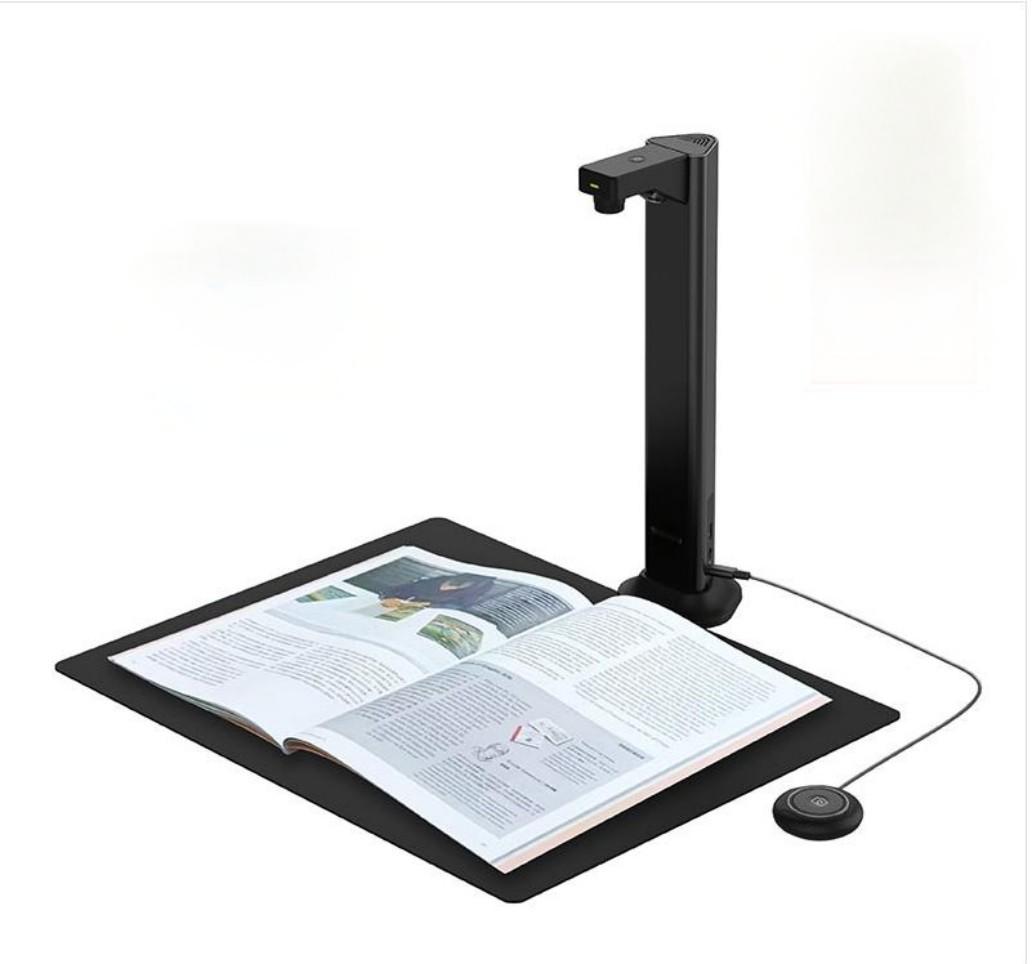
Real 24MP UVC A3 Document Scanner
Overhead capture for offices that need fast scans of forms, ID packets, supplier documents and training materials.
- USB interface
- Text-to-speech feature
- Ready stock
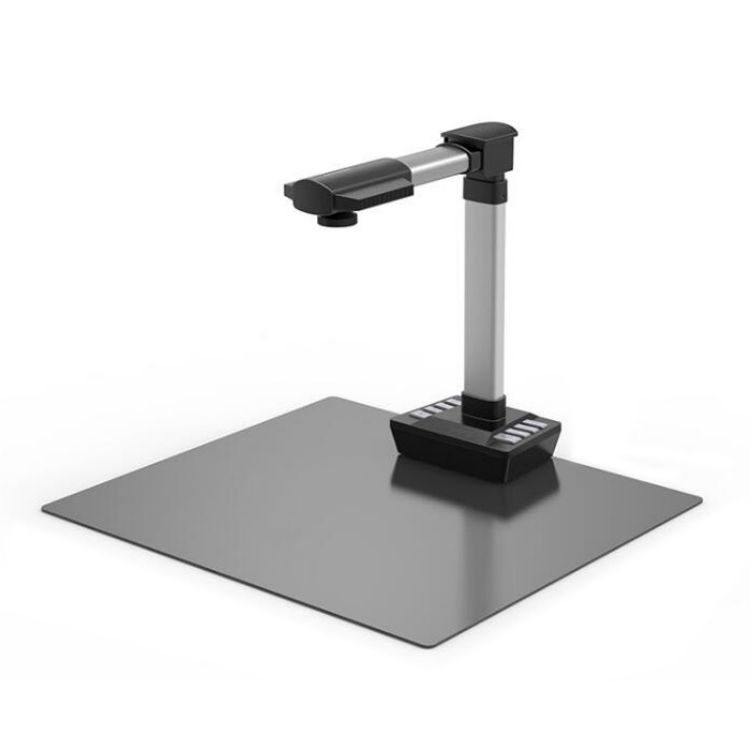
20MP OCR Aluminum Digital Visualizer
Aluminum-body visualizer with OCR and USB for classroom demonstration, office training and A3 document capture.
- A3 capture area
- OCR visualizer workflow
- SDK-ready model
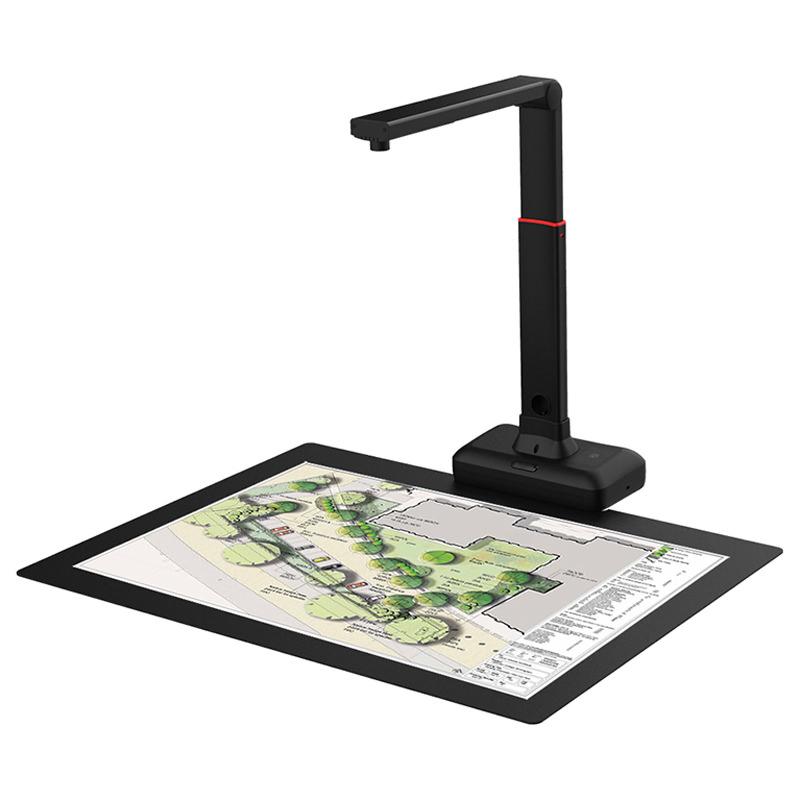
A2 Large Format Overhead Scanner, 21MP
For newspapers, maps, engineering drawings and larger records that cannot be fed through a normal A4 flatbed.
- Aluminum overhead structure
- USB connection
- Text-to-speech support
High Resolution Portable A3 Library Book Scanner
Hands-free page capture for libraries, school resource rooms and archive teams working with bound documents.
- Foot controller
- USB interface
- Automatic document workflow
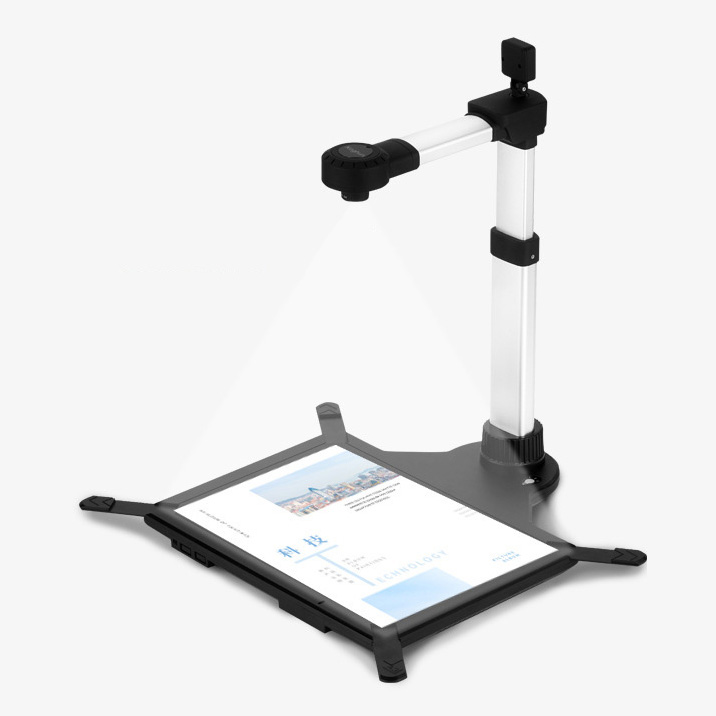
HD Dual Camera 16MP + 2MP Document Scanner
Stretchable smart USB scanner with 360-degree rotation for high-volume front-desk, ID and document capture.
- 16MP + 2MP dual camera
- Up to 60 pages per minute
- A3/A4 document handling
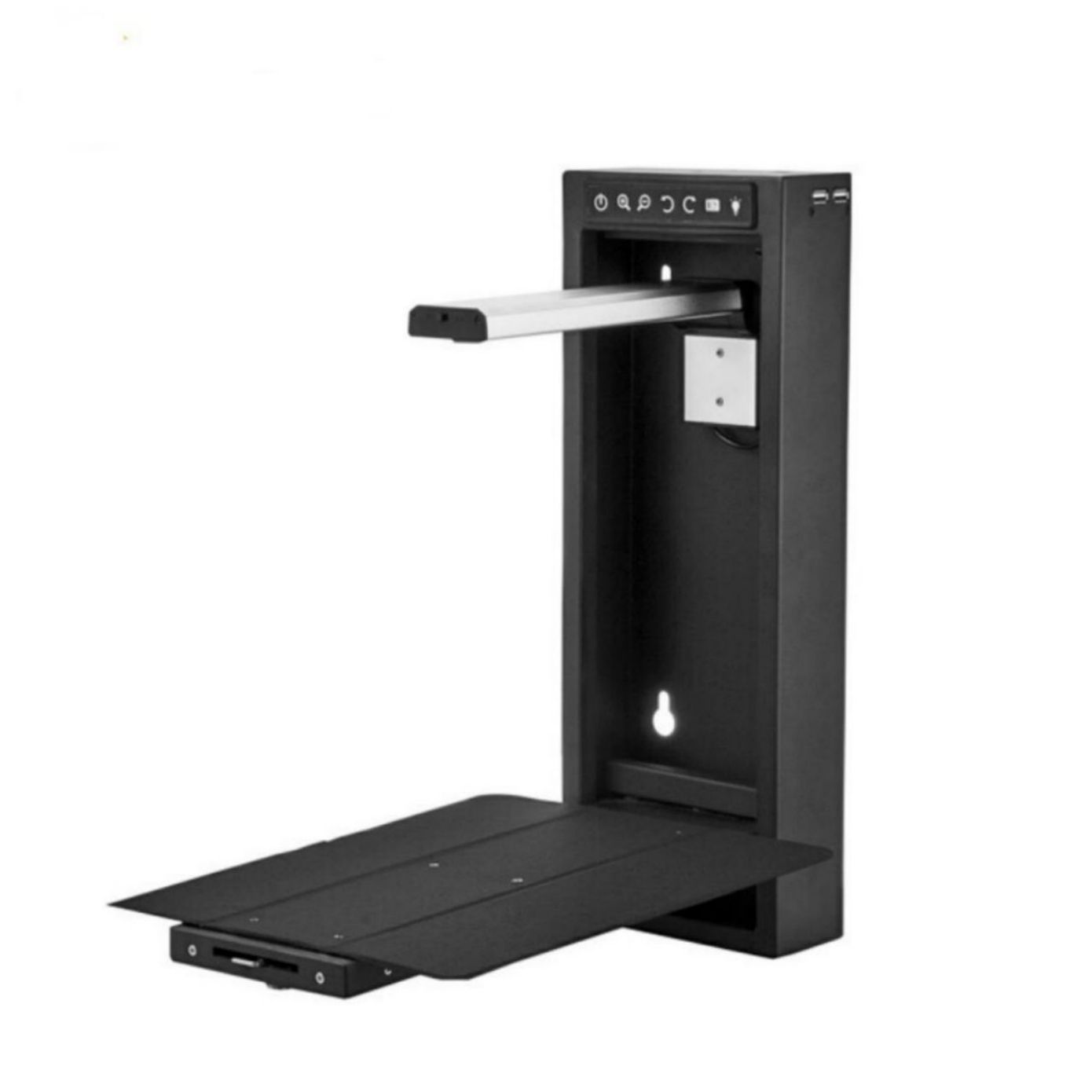
10MP USB CMOS Wall-Mount A4 Scanner
A4 capture for service counters, classrooms and compact offices where a fixed overhead camera saves desk space.
- 1-second scan speed
- USB CMOS imaging
- 1-year warranty
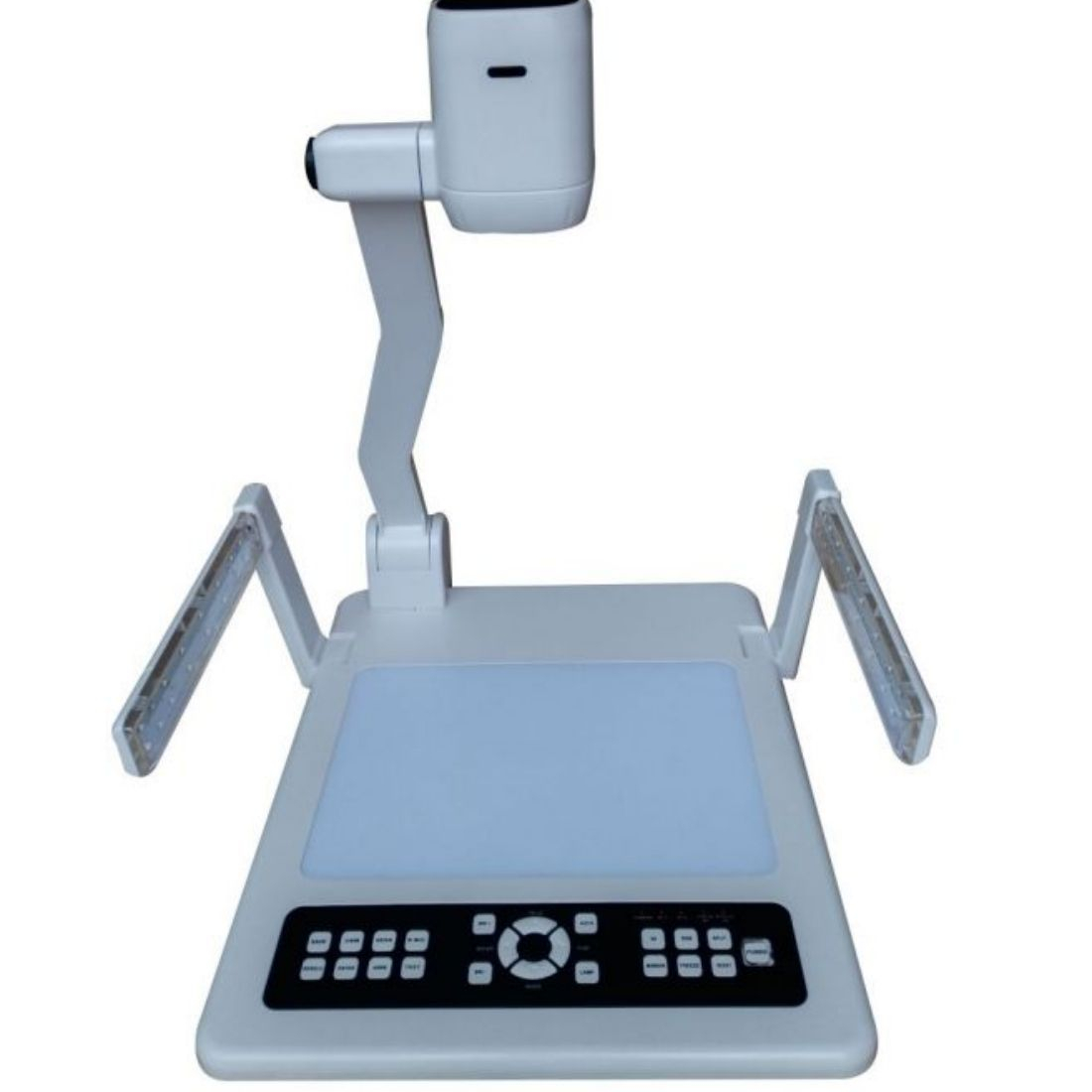
22X Optical Zoom Desktop Document Camera
Live presentation and capture for training rooms, laboratories, classrooms and counter demonstrations.
- 22X optical zoom
- VGA and HD outputs
- Desktop visualizer design
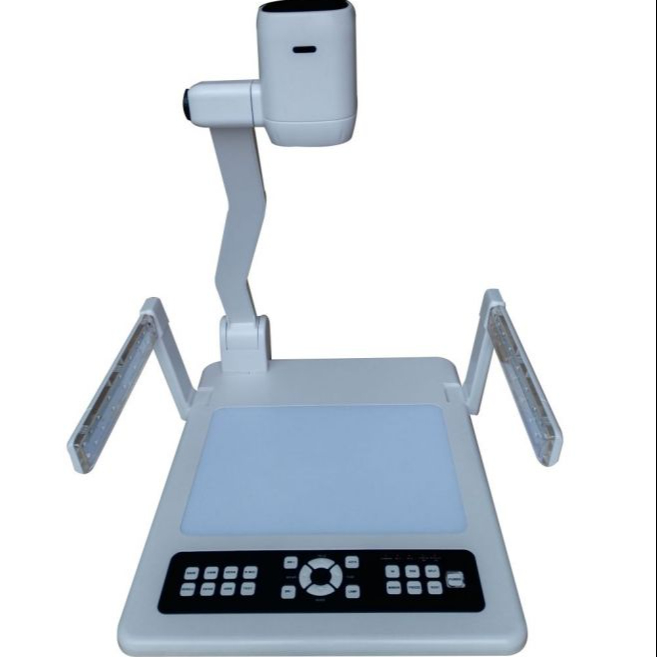
22X Optical Zoom Visualizer with Audio/Video
Projector-friendly visual presenter with HDMI, RS232, audio and microphone interfaces for integrated rooms.
- 22X optical zoom
- HDMI / RS232 interfaces
- Audio and mic support
Why Hat Yai Is a Serious A4 Flatbed Scanner Market
Hat Yai is more than a tourist stop on the way to the Thai–Malaysia border. It is the commercial and logistics heart of Songkhla, serving trading companies, rubber and seafood exporters, halal food processors, hospitals, universities, government offices, freight forwarders and regional distributors. Buyers here often handle a wider document mix than a typical office: supplier invoices with carbon copies, customs declarations, student records, patient forms, certificates, land documents, multilingual contracts and fragile historical papers. That is why an A4 flatbed scanner search in Hat Yai quickly becomes a workflow question, not a single-spec purchase.
The purchasing pattern is also practical. Many buyers prefer mixed orders, small trial batches, clear DDU or FOB quotations, Thai/English documentation and after-sales support that can be handled remotely. A low headline price can hide weak optical resolution, unstable drivers, missing OCR language packs, poor edge-to-edge scanning or a warranty that is difficult to claim. Serious procurement teams therefore compare the supplier’s evidence, not only the product photograph.
Top 10 A4 Flatbed Scanner Factory & Wholesaler Signals for Hat Yai
This is not a directory of ten unverified company names. Supplier names change, marketplaces recycle listings and “factory” is often used loosely. The ten checks below are the durable shortlist logic that Hat Yai importers, school purchasing officers, hospital procurement teams and system integrators can apply to any A4 flatbed scanner factory or wholesaler before placing a purchase order.
True Optical Resolution
Ask for optical DPI, not interpolated DPI. A genuine 600 dpi A4 flatbed can outperform an exaggerated 1200 dpi claim. Request raw scan crops and compare fine print, stamps and QR codes.
Sensor and Lighting
CIS is compact and efficient for sheet-fed workflows; CCD often handles raised originals and book gutters more gracefully. For photos, stamps and color-critical documents, confirm 48-bit color and lighting uniformity.
A4 Platen and Zero-Margin Design
Check the actual scan area, not only the glass size. If the buyer scans passports, ID cards or bound book edges, ask whether the platen supports edge capture or zero-margin scanning without shadow retouching.
Flatbed, ADF or Hybrid
For invoices, delivery orders and customs paperwork, a 60 ppm ADF may be more productive than a flatbed. For fragile paper, stitched books and irregular documents, a flatbed is safer. Match the feeder to the document, not the catalog headline.
OCR, PDF/A and Thai Language
Test the OCR language pack before you buy. Hat Yai workflows often require Thai, English and sometimes Malay. Verify searchable PDF, PDF/A, Unicode text export, TIFF/JPEG output and multi-page batch naming.
Driver and SDK Reliability
TWAIN, WIA, SANE, Windows, macOS and Apple M1 support should be proven with screenshots or a live session. For system integrators, SDK access, firmware stability and reconnection after sleep are more important than a stylish housing.
Your Own Sample Scan Test
Send real Hat Yai documents: thin paper, color logos, stamped invoices, carbon copies, ID cards, crumpled receipts and a bound book page. Ask for 200 dpi, 300 dpi and 600 dpi outputs so you can inspect noise, sharpness and OCR quality.
Factory or Wholesaler Transparency
A trading wholesaler can be useful for mixed orders and export coordination, but the buyer should know the legal entity, address, product scope, QC method, MOQ and manufacturing partner. An onsite-checked profile is stronger than a banner that says “factory direct.”
Export Terms to Hat Yai
Confirm FOB, EXW or DDU, packing method, lead time and shipping route. Common options include Laem Chabang seaport, Hat Yai International Airport and the Sadao–Bukit Kayu Hitam border crossing. Ask who handles import VAT and customs documents.
Warranty and Remote Support
Listed Quibow models carry a 1-year warranty, but every buyer should still ask for the RMA route, spare-parts policy, response time and remote setup process. Put the terms in the quotation, not only in a chat message.
A4 Flatbed Scanner vs A3 Overhead Scanner vs Document Camera
For Hat Yai buyers, the most expensive mistake is buying the wrong capture format. The correct choice depends on paper size, binding, daily volume, color requirements, OCR needs and whether the device must also present live images to a classroom or service counter.
A4 Flatbed Scanner
Best for passports, ID cards, receipts, photos, stamps, fragile paper, certificates and book-edge documents. Specify optical resolution, CCD/CIS sensor, 48-bit color, TWAIN/SDK support and a platen that matches the actual document thickness.
A3/A2 Overhead Scanner
Best for bound books, newspapers, maps, plans, archives and documents that cannot be pressed flat. Sensor resolution must be matched to page size. A 24MP camera is comfortable at A3; A2 archival masters usually need 48MP for 300 dpi output.
Document Camera / Visualizer
Best for teaching, training, live demonstrations, product inspection and counter display. Check optical zoom, HDMI/VGA/USB output, frame rate, microphone support and SDK access if the visualizer must integrate with local software.
| Document size | Approx. pixels at 300 dpi | Recommended capture class | Typical Hat Yai use |
|---|---|---|---|
| A4 · 210 × 297 mm | 2480 × 3508 · about 8.7 MP | 10MP+ document camera or A4 flatbed | ID cards, invoices, patient forms, certificates |
| A3 · 297 × 420 mm | 3508 × 4961 · about 17.4 MP | 18–24MP overhead scanner | School records, supplier packs, A3 drawings |
| A2 · 420 × 594 mm | 4961 × 7016 · about 34.8 MP | 48MP A2 overhead scanner | Newspapers, maps, archive masters, large plans |
| Photos and stamps | 600–2400 dpi optical | CCD flatbed with 48-bit color | Museum, library, insurance and legal evidence |
Where A4 Flatbed Scanners and Factory Capture Systems Work in Hat Yai
The same hardware can serve very different local workflows. A school office, a customs broker and a hospital reception desk may all ask for “a scanner,” but their success criteria are different.
Universities and Schools
Exam papers, student records, textbooks, certificates and classroom demonstrations. A3 overhead scanners and 22X zoom visualizers are often paired with an A4 flatbed for ID cards and small documents.
Government and Municipal Offices
Permits, procurement files, land documents and correspondence require consistent output, OCR and PDF/A retention. Buyers should test Thai OCR and audit-friendly file naming before rollout.
Border Trade and Logistics
Hat Yai’s proximity to Sadao and the Malaysian border creates heavy invoice, packing-list and delivery-order traffic. ADF support helps batch documents; a flatbed handles stamped or irregular pages.
Hospitals, Clinics and Insurance
Patient registration, ID copies, lab reports, referral letters and insurance claims need privacy-aware digitization. Choose stable drivers, local folder control and a clear data-retention policy.
Halal Food, Rubber and Manufacturing
Certificates, QC logs, supplier declarations and export documents often need searchable archives. A4 flatbeds handle small certificates; A3 overhead scanners capture large production sheets and drawings.
Libraries, Archives and Media
Fragile books, newspapers, photographs and bound records should not be forced through an ADF. Zero-margin flatbeds and overhead book scanners reduce handling risk and retouching time.
Four Hat Yai Procurement Trends Shaping A4 Flatbed Scanner Demand
Audit-Ready Digital Records
Government and enterprise buyers increasingly ask for PDF/A, OCR, timestamped files and predictable naming. The scanner is only one part of a document governance workflow.
Thai–English OCR Checks
Bilingual documents are common in Hat Yai. Procurement teams are learning to test Thai OCR, English OCR and mixed-language pages before accepting a software bundle.
Hybrid Classrooms and Counters
Visualizers with HDMI, USB and optical zoom are replacing shared overhead projectors. The same device may be used for teaching, training and document capture.
Cross-Border Service Expectations
Buyers expect faster quotations, DDU options, remote setup and spare-parts clarity. A supplier that cannot explain its RMA route is a risk, even if the unit price is low.
Why Guangzhou Quibow Electronic Co., Ltd. Belongs on a Hat Yai Shortlist



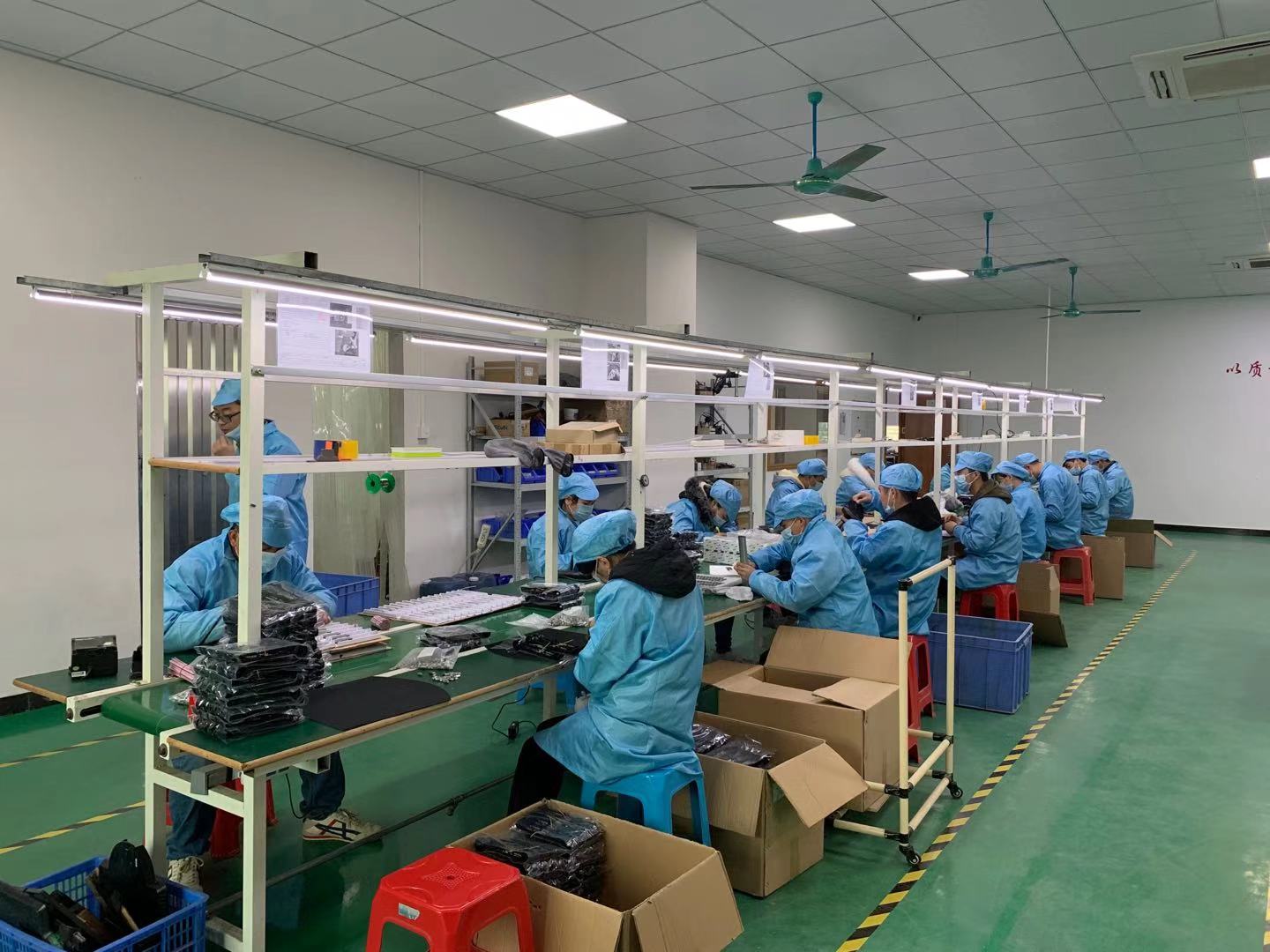
Guangzhou Quibow Electronic Co., Ltd. is an onsite-checked trading company based in Guangzhou, Guangdong, China, focused on image data acquisition and conversion equipment. Established in 2020, the team works across CIS, CMOS and CCD imaging platforms and supplies overhead book scanners, A2/A3 document scanners, flatbed scanners, document cameras and ID-card recognition cameras.
For Hat Yai buyers, the practical value is not a local showroom. It is product selection across multiple capture formats, OEM/ODM flexibility, export communication, remote technical support and a clear quotation path. Quibow supports logo printing, packaging, housing color, capture-software branding and SDK integration on selected models, with MOQ starting from 1 piece or 1 set on many listed scanners and 2 pieces on selected document cameras.
Buyers who need a strict A4 flatbed scanner, an A3 book scanner or a classroom visualizer can request a model match, a sample scan and a quotation with the correct warranty and delivery terms. For OEM/ODM projects, share the target packaging, language pack, SDK requirement and annual volume so the configuration is confirmed before the first production run.
Get CatalogHow to Verify an A4 Flatbed Scanner Factory Before You Pay
A professional shortlist should move from claims to evidence. These six checks are especially relevant for Hat Yai buyers who cannot easily visit a Guangzhou supplier in person.
Request a Live Video Audit
Ask to see the actual office, warehouse, product line and QC table on a live call. Match the legal entity and address on the quotation with the supplier profile.
Demand Raw Sample Scans
Ask for uncompressed TIFF or high-quality JPEG outputs from your own documents. Check line sharpness, OCR text, color noise, edge shadow and page curvature handling.
Prove Drivers and SDK
Request a screen-recorded driver installation or a live SDK demonstration. Confirm Windows, macOS, TWAIN/WIA and selected Apple M1 compatibility before committing.
Run a 30-Page Pilot
Test a realistic batch: 10 clean invoices, 5 stamped forms, 5 thin receipts, 5 ID cards and 5 bound pages. Measure scan time, OCR time, jam rate and reconnection after sleep.
Check Import Paperwork
Confirm HS code, commercial invoice, packing list and warranty statement with your Thai customs broker. Clarify who pays import duty, VAT and local delivery.
Lock the Warranty in Writing
Listed models carry a 1-year warranty. Record the RMA address, spare-parts path, response-time target and remote-support process in the quotation or contract.
Hat Yai Procurement FAQ: What Local Buyers Ask Before Ordering
Is there an A4 flatbed scanner factory inside Hat Yai?
Hat Yai is a commercial and logistics hub, not a major scanner manufacturing base. Most buyers source from China, Bangkok distributors or regional wholesalers. Direct factory or wholesaler communication can improve specification control, mixed orders and OEM/ODM flexibility, but local service and import support still matter.
Can you ship an A4 flatbed scanner to Hat Yai door-to-door?
FOB, EXW and DDU terms may be available depending on the model and order. Typical routes include Laem Chabang seaport, Hat Yai International Airport or the Sadao–Bukit Kayu Hitam border crossing. Confirm HS code, packing, insurance and who pays Thai import VAT with your broker.
What voltage and plug should I specify for Thailand?
Thailand uses 220–240V, 50Hz. Do not rely on a product photo for plug type. Confirm the adapter, cable and plug configuration before shipment, especially for classrooms, clinics and service counters that use power strips.
Does the scanner software support Thai OCR?
OCR language packs vary by model and software version. Ask for a Thai OCR sample before ordering. A proper test should include searchable PDF output, PDF/A retention, Unicode export and mixed Thai–English pages that are common in Hat Yai.
What is the MOQ for a mixed Hat Yai order?
Many stock book scanners, A2 large-format scanners and flatbed scanners start from 1 piece or 1 set. Several document camera models start from 2 pieces. OEM/ODM quantities are confirmed per project, and mixed model orders can be discussed.
Which resolution do I need for A4, A3 and A2 at 300 dpi?
A4 at 300 dpi needs about 8.7 MP; A3 needs about 17.4 MP; A2 needs about 34.8 MP. A 10MP+ device is usually enough for A4 capture, 18–24MP is suitable for A3, and 48MP is recommended for A2 archival masters.
How do I avoid a scanner that is slow in real work?
Test your own documents. Measure seconds per page, OCR processing time, driver wake-up time and operator steps. A fast headline speed does not help if the operator must crop, rotate and rename every file manually.
What warranty and after-sales support are provided?
Listed models such as A3 flatbed scanners, A2 overhead scanners and selected ADF models come with a 1-year warranty, backed by remote technical support. For Hat Yai buyers, request the RMA route, spare-parts policy and remote setup process in writing before payment.
Get the A4 Flatbed Scanner Catalog for Hat Yai
Tell us your paper sizes, daily scan volume, Thai OCR requirement, voltage, delivery terms and whether you need OEM/ODM branding. Our team can match an A4 flatbed scanner, A3 overhead scanner or document camera to the workflow and send sample scans for your own documents.