Teaching Visual Presenter Manufacturers & Manufacturer Serving Mexico
Source 4K and 1080P teaching visual presenters, A3/A2 overhead book scanners, A4 bookedge flatbeds and USB document cameras from Guangzhou Quibow Electronic — built for Spanish-speaking classrooms, university labs, government tenders and distributor programmes.
8 Teaching Visual Presenter & Scanning Models for Mexico Buyers
These eight catalogue items cover the most common classroom and digitization briefs: live teaching, wall-mounted visualizers, book-friendly scanning, 3D object display, optical zoom and OEM visual presenters. Every product URL below is preserved from the current catalogue.
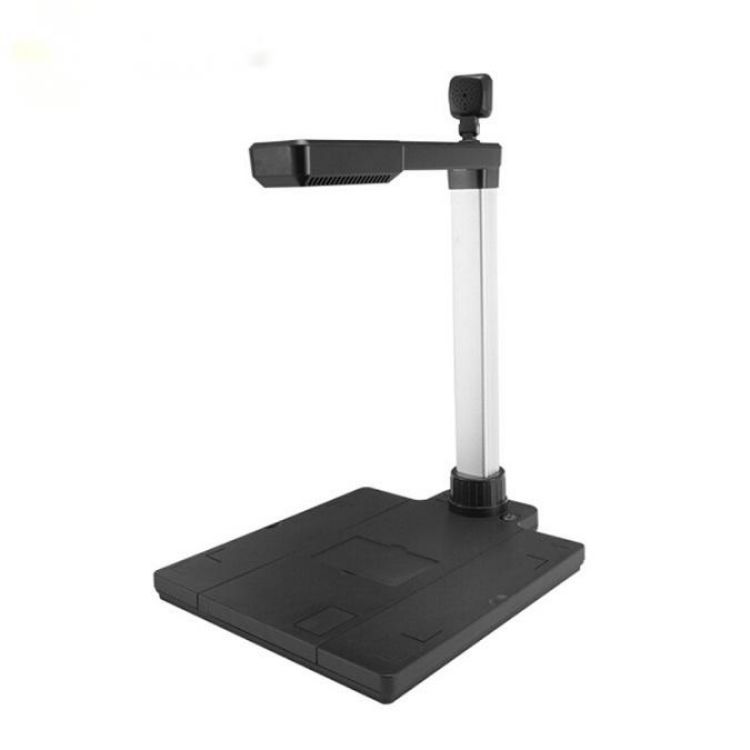
10MP Education Visualizer Scanner Document Management Book Camera USB in Stock
A practical USB visualizer for schools that need to show documents, book pages and printed teaching materials on a projector or display.
- 10MP document camera
- USB classroom connection
- Book and document management use
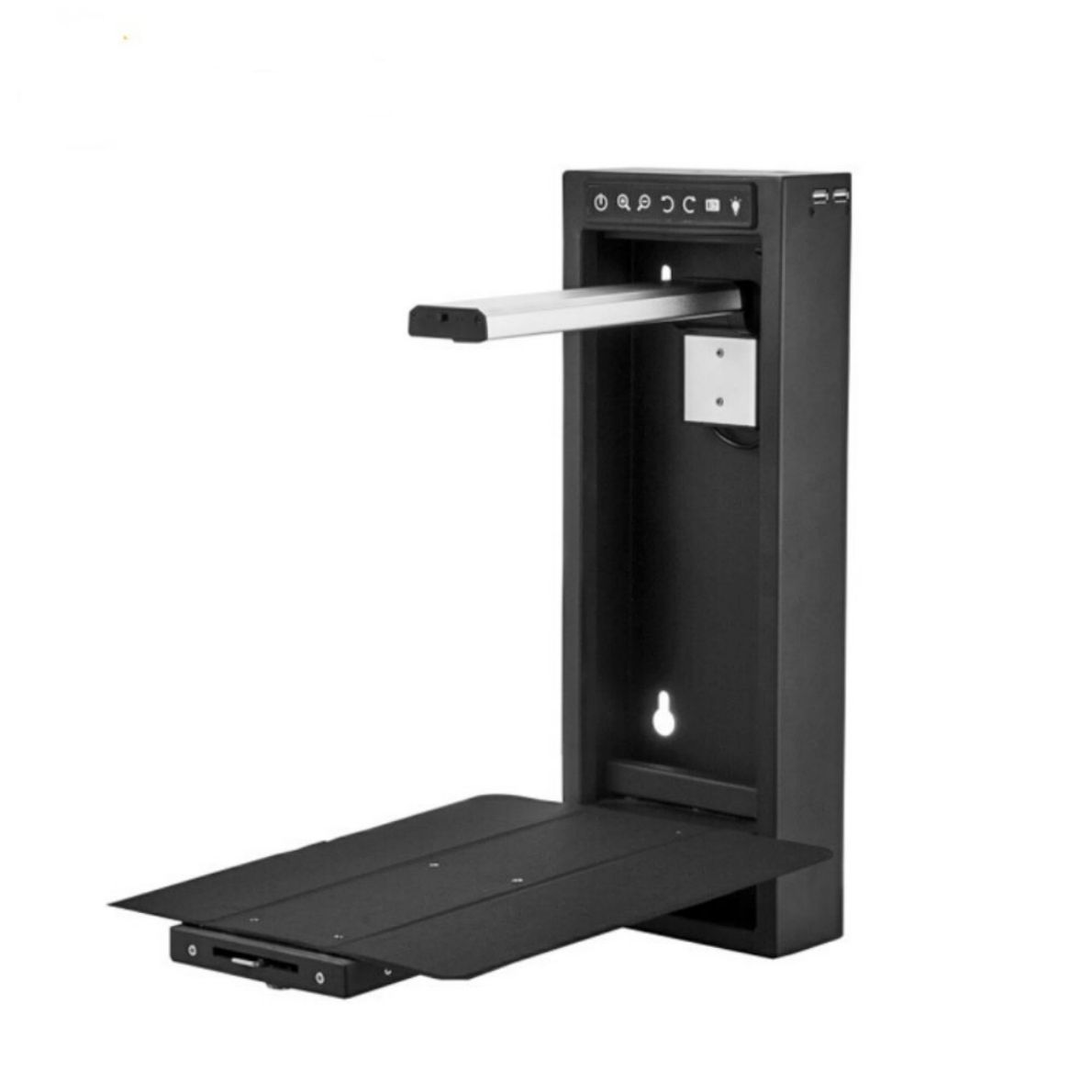
Document Camera A4 Visualizer Wall Version USB CMOS Sensor 10MP 1-Second Scan Document Scanner Stock for Classroom Smart
Useful where desk space is limited: a wall-version A4 visualizer with a 10MP CMOS sensor and fast one-second scan workflow for classrooms.
- Wall-mounted A4 visualizer
- 10MP CMOS sensor
- 1-second scan description
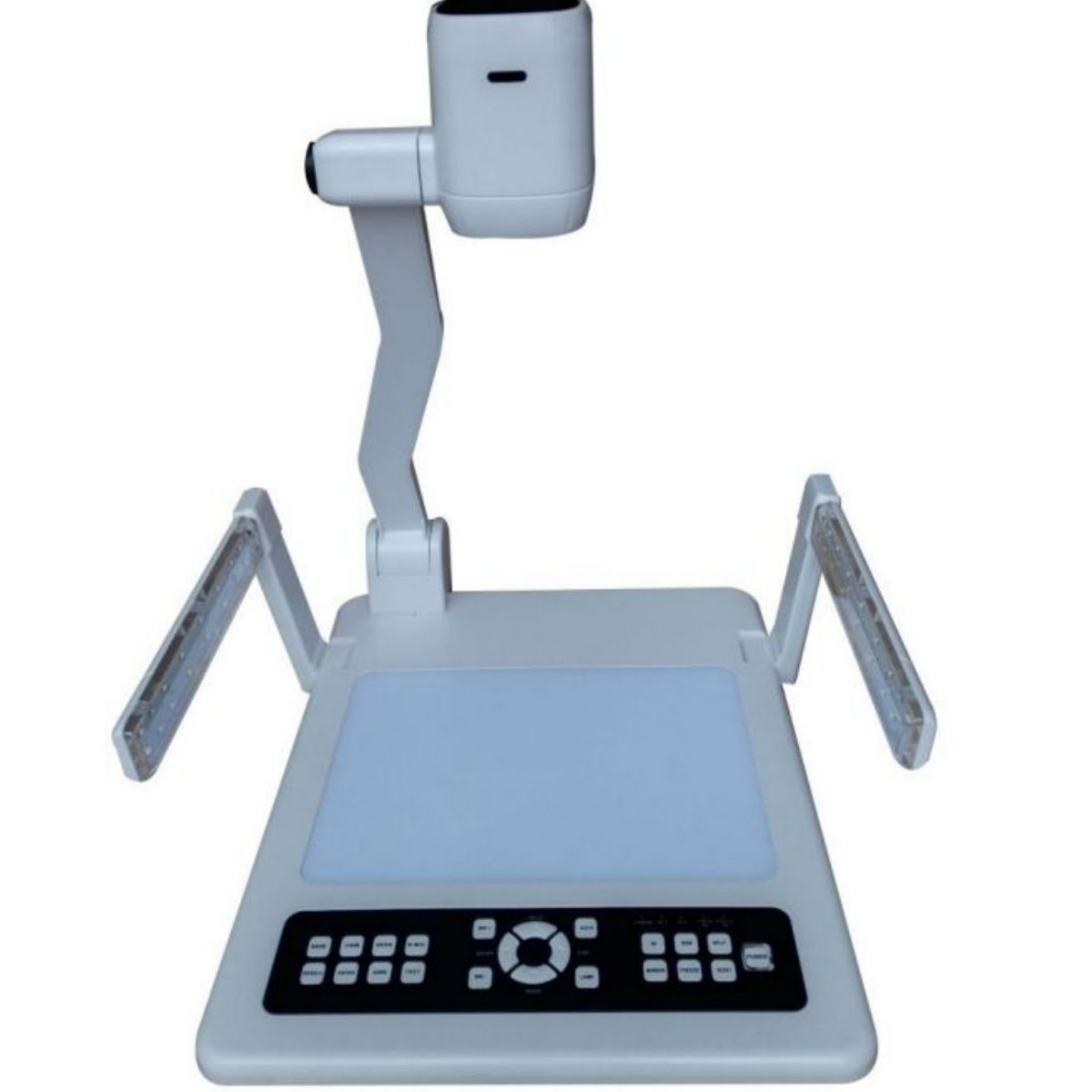
Multi-functional Document Camera Professional in Visual Presenter Also Visualizer in Educational Equipment
A flexible educational visual presenter for schools that need one device to support live demonstration, document viewing and classroom explanation.
- Visual presenter and visualizer roles
- Multi-functional educational equipment
- Professional classroom use
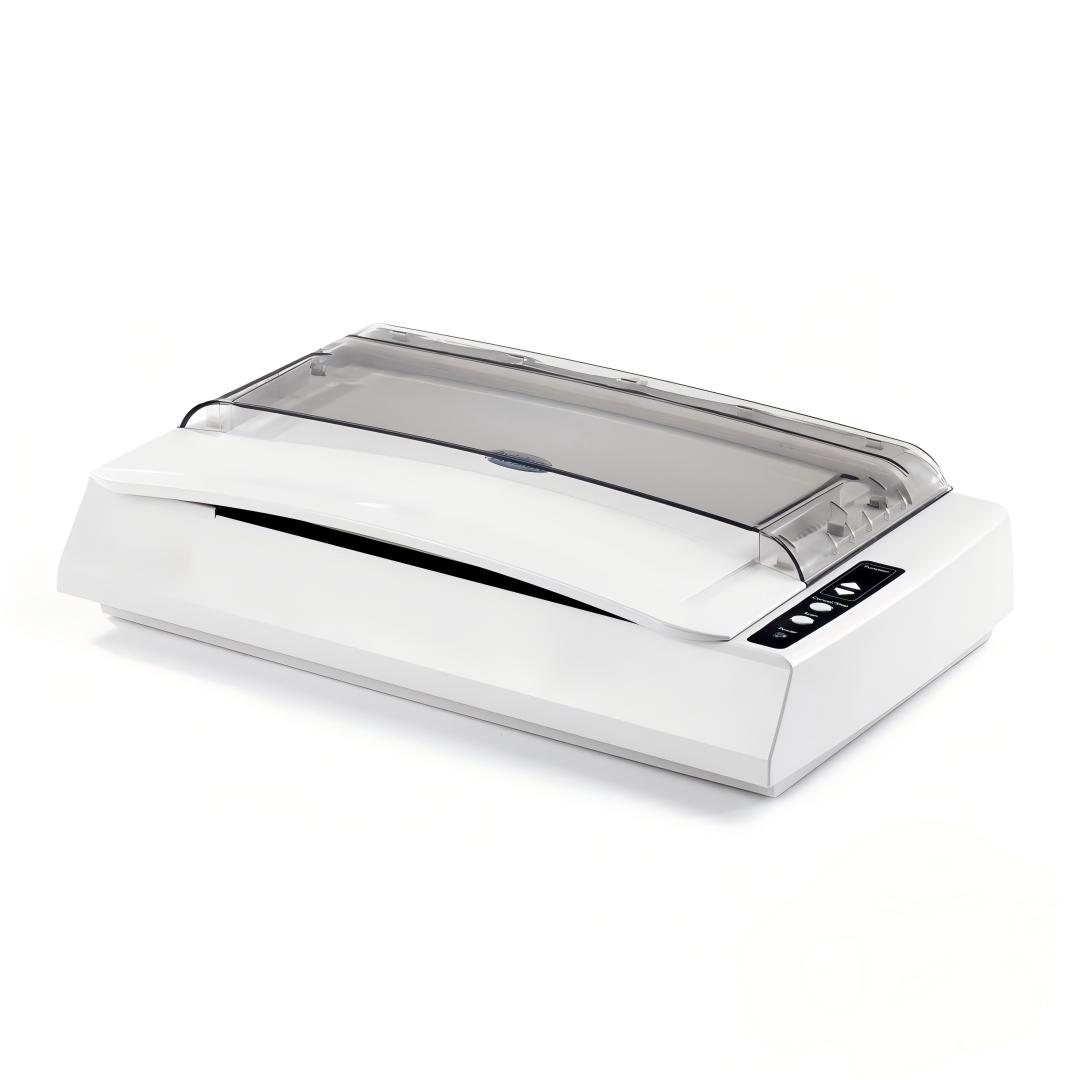
CCD Zero Margin Bookedge Flatbed Scanner A4 600dpi USB Bound Book Scanning No Spine Shadow Library Archive Digitization
For libraries, archives and notarial records where bound books must be digitized without pressing the spine flat or creating a dark gutter shadow.
- CCD bookedge scan platform
- Zero-margin A4 design
- Library and archive digitization
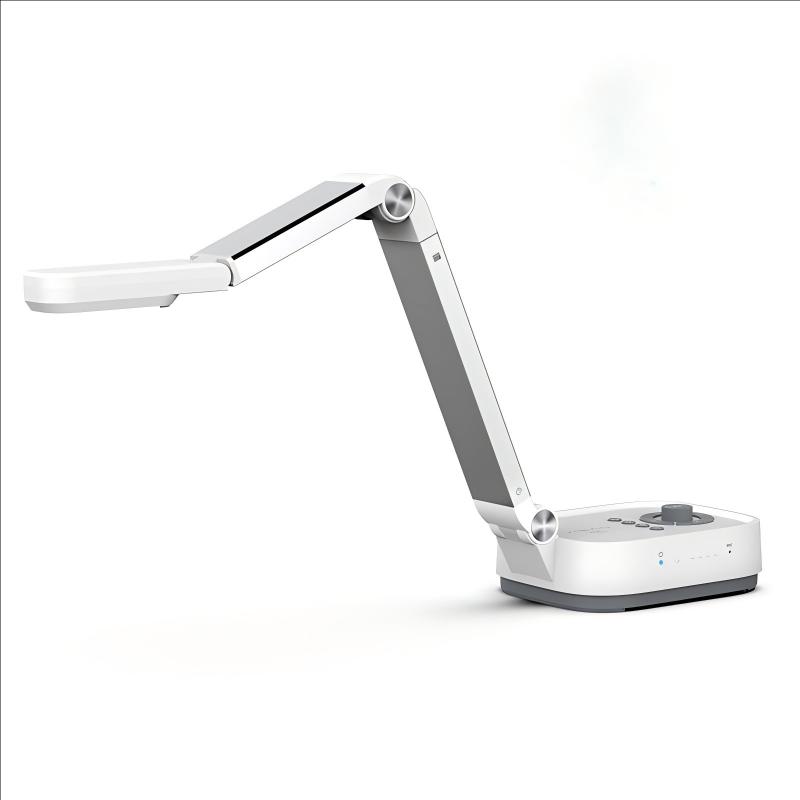
16MP 3D Desktop Visualizer Document Camera with Microphone 120X Zoom /VGA A3 Scan Size LED Light & Foldable for Education
A strong fit for STEM demonstrations, engineering components and 3D objects where teachers need magnification, LED illumination and A3 scan size.
- 16MP 3D desktop visualizer
- Built-in microphone
- A3 scan size, LED light, foldable
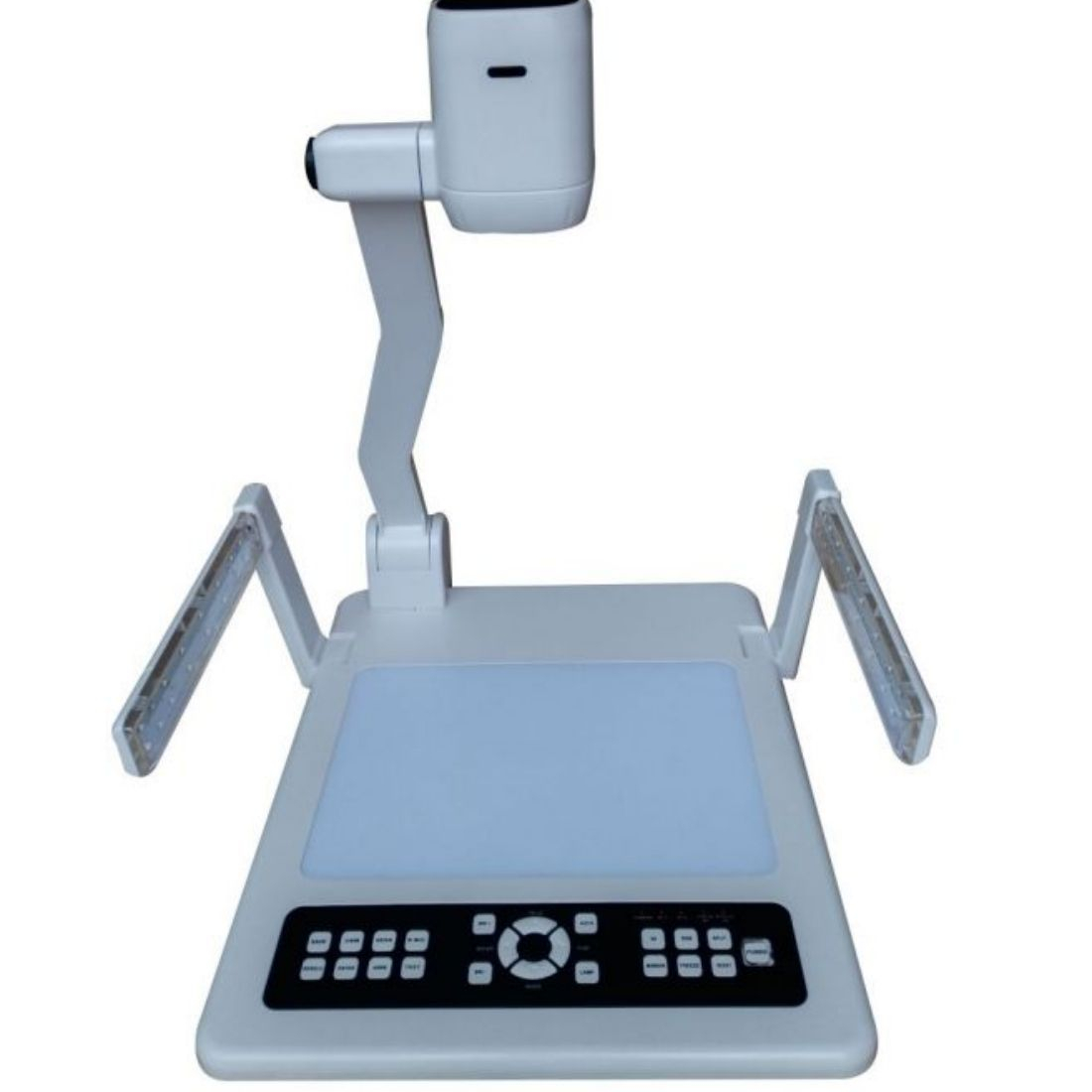
Factory 22X Optical Zoom Desktop VGA HD MI Audio Interface High Resolution Document Camera Visualizer
For larger classrooms and training rooms where optical zoom matters: 22X optical zoom, desktop form factor and VGA/HDMI audio interface.
- 22X optical zoom
- VGA and HDMI interface
- Audio-capable classroom presentation
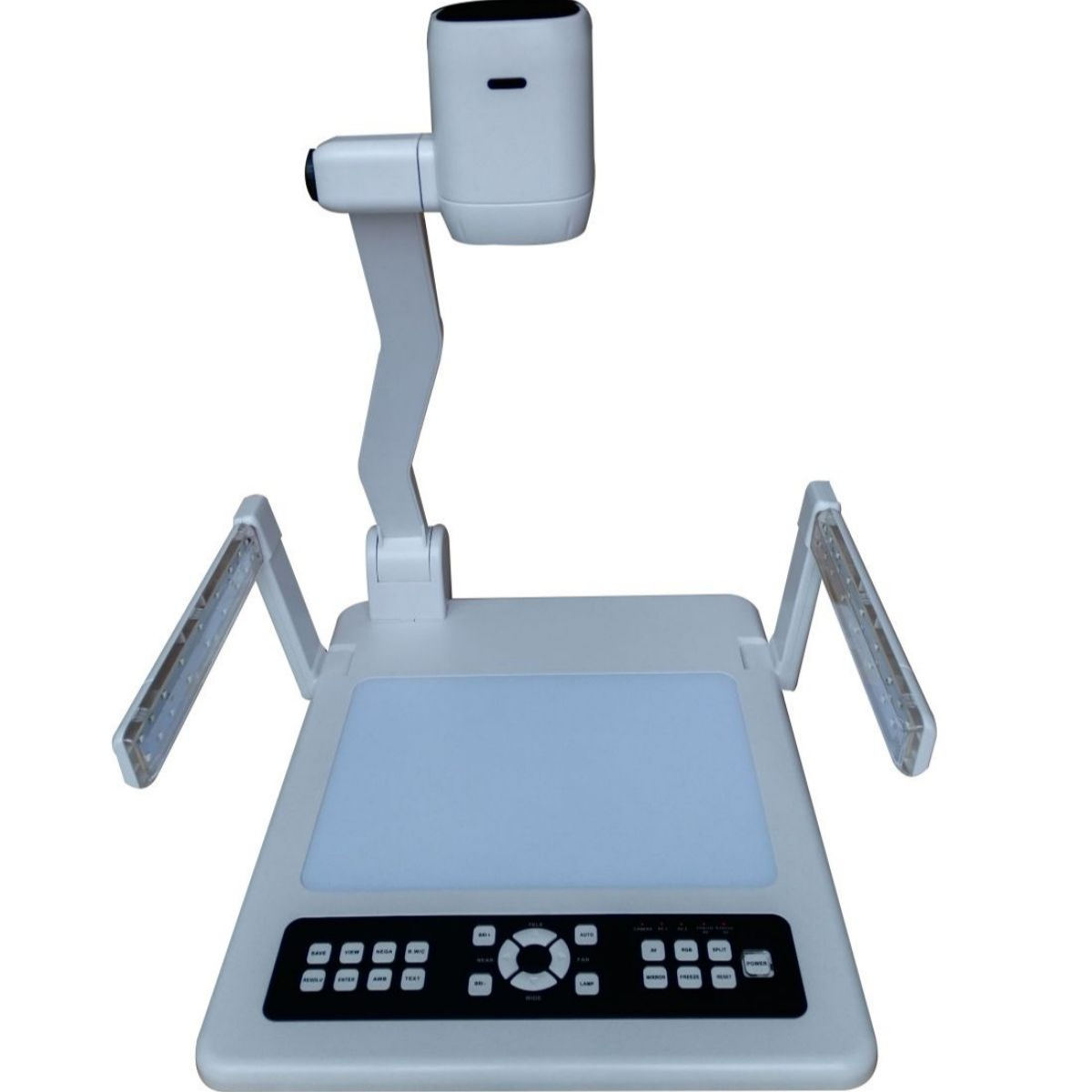
HD Optical Zoom Visual Presenter 1/3" CMOS Sensor 1-Year Warranty OEM Brand GUA Origin Professional Document Camera VGA RS232
A professional visual presenter with 1/3-inch CMOS sensor, VGA and RS232, OEM branding and a one-year warranty for tender or integrator projects.
- 1/3" CMOS sensor
- VGA and RS232 control
- OEM brand, 1-year warranty
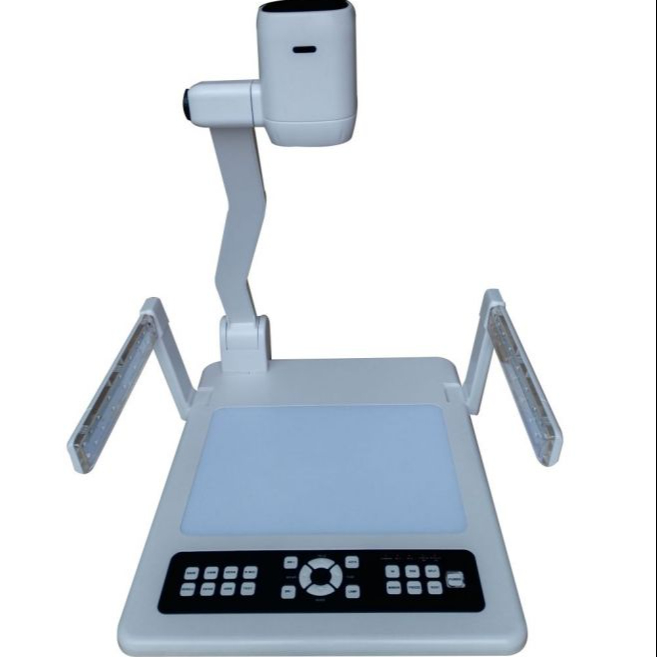
Factory Desktop Document Camera Visualizer 22X Optical Zoom with Interface HD MI RS232 Audio Mic Video
A distributor-friendly desktop document camera with 22X optical zoom, HDMI, RS232, audio, microphone and video support for classroom and training deployments.
- 22X optical zoom
- HDMI and RS232
- Audio, microphone and video
What “Teaching Visual Presenter” Means to Mexico Buyers
Buyers searching for teaching visual presenter manufacturers and a manufacturer serving Mexico are usually solving two different problems at once: live classroom demonstration and document digitization. The equipment overlaps, but the specifications do not.
Teaching visual presenter
A live classroom display device. Priority features are low-latency video, optical zoom, HDMI/VGA/USB output, good lighting and easy switching between a textbook, a 3D object and a teacher’s handwriting.
Document camera scanner
A capture-first device. Users care about megapixels, image sharpness, software compatibility, OCR export and the ability to save pages quickly. Live frame rate is useful but secondary to file quality.
Overhead book scanner
A non-contact scanner for bound books, newspapers, maps and fragile records. It protects the spine, captures A3 or A2 in one shot and relies on software flattening, deskew and OCR rather than glass pressure.
Bookedge flatbed scanner
A controlled-light scanner with a zero-margin edge. For notarial records, library collections and archives, the main benefit is scanning bound pages without spine shadow or damaging the binding.
Resolution math before the tender
Mexico school and archive tenders often specify 300 dpi master files, but catalogue pages sometimes advertise megapixels without explaining what happens across an A3 or A2 sheet. Use pixel math, not headline numbers.
An A4 page at 300 dpi needs about 8.7 MP; A3 needs about 17.4 MP; and A2 needs about 34.8 MP. A 21MP A2 overhead scanner can be excellent for on-screen review and OCR, but across the full A2 sheet it may only reach roughly 225–240 dpi. If 300 dpi A2 archival masters are mandatory, specify a 48MP A2 model.
For live classroom use, a 1080P visual presenter with 10X–22X optical zoom often beats a higher-megapixel capture scanner with fixed focus, because the teacher needs smooth motion, fast focus and a clear view of small text during the lesson.
Where Teaching Visual Presenters Work in Mexico
Mexico’s education and public-sector projects are not uniform. A device selected for a private university in Monterrey may not fit a multi-grade classroom, a municipal archive or a state-level distributor programme. The scenarios below help narrow the brief before requesting a quotation.
Primary and secondary classrooms
Teachers use visual presenters to show textbook exercises, handwriting, science samples and small objects to an entire class. For Mexico, HDMI and VGA compatibility remains important because projector and display estates vary widely across schools.
Universities and STEM labs
Engineering, health-science and technical programmes need close-up views of components, biological samples, printed diagrams and 3D objects. Models with 16MP capture, LED light, microphone and A3 scan size reduce switching between separate devices.
Teacher training and hybrid learning
Training centres record demonstrations, work through printed materials and build digital resource libraries. A document camera with USB capture and simple software lets trainers save pages, annotate lessons and share content with remote participants.
Libraries and municipal archives
Bound newspapers, local history volumes, maps and fragile records require non-contact capture. Use A3 overhead scanners for books and A2 overhead scanners for newspapers and broadsheets; use CCD bookedge flatbeds when spine shadow and page curvature must be minimized.
Government service counters
Notaries, municipal offices, banks and insurance desks capture identification documents, forms and supporting paperwork. Before ordering, confirm the required output format, software workflow, privacy policy and whether the camera must save to a local PC only.
Distributors and systems integrators
Mexican distributors and integrators need reliable model matching, OEM/ODM branding, packaging coordination, SDK access on selected models and clear warranty terms so they can support schools and public institutions locally.
Mexico-Specific Trends Shaping Visual Presenter Procurement
These trends are practical rather than theoretical. Each one changes what should be written into a quotation, tender response or distributor stock plan.
Hybrid I/O is still essential
Many Mexican classrooms still use VGA projectors while newer rooms use HDMI displays and USB-connected PCs. Specify the exact ports needed rather than assuming that one connector fits every school.
4K is growing, but 1080P remains cost-effective
4K 8MP visualizers are valuable for large displays, detailed objects and premium university projects. For routine classroom demonstration, 1080P models with good optics and stable lighting often deliver the better budget fit.
Optical zoom matters more than digital zoom
When a teacher zooms into a textbook paragraph, optical zoom keeps text crisp. Digital zoom enlarges pixels. For large rooms, compare 10X, 22X and combined zoom claims carefully and ask for real sample images.
Archive projects demand real dpi
Public libraries and heritage projects are increasingly specific about 300 dpi master files. An A2 scanner with 21MP may be acceptable for access copies and OCR, but 48MP is safer when A2 archival output is contractual.
Spanish-language deployment needs planning
Hardware is only part of the rollout. For distributor projects, confirm Spanish labeling, quick-start guides, software language, training workflow and the terminology used by the education authority or tender document.
Low-risk procurement wins
Buyers prefer stock availability, low MOQ, clear warranty, T/T or L/C terms and verifiable supplier records. A supplier with a one-hour average response and OEM/ODM coordination is easier to place on a shortlist.
How to Compare Teaching Visual Presenter Manufacturers for Mexico
Use the table as a tender pre-check. It converts vague product interest into questions that suppliers can answer with real specifications.
| Decision area | What to ask | Best-fit route | Why it matters in Mexico |
|---|---|---|---|
| Live teaching | Frame rate, focus speed and optical zoom at full classroom distance | 1080P or 4K visual presenter with HDMI/VGA and 10X–22X optical zoom | Teachers need readable text and smooth object movement, not a still-capture scanner interface |
| Book and newspaper scanning | A3 or A2 capture area, dpi at full page, OCR, curve flattening | A3 16MP–24MP overhead scanner or A2 48MP overhead scanner | Libraries and archives need non-contact capture and searchable files |
| Bound book edge | Zero-margin distance, CCD sensor, spine shadow performance | CCD bookedge flatbed scanner A4 600dpi | Notarial and heritage records often cannot be pressed flat |
| OEM / ODM | Logo, packaging, housing colour, software branding, SDK | Selected visual presenters and document cameras | Distributors need brand differentiation and local tender documentation |
| Electrical fit | Input voltage, adapter rating, plug type, Spanish labeling if required | Confirm 127V/60Hz use, Type A/B plug and adapter scope before shipment | Mexico uses 127V/60Hz in common environments; tender requirements may add NOM or labeling checks |
| Software | Windows, macOS, Apple M1 verification, OCR languages and export formats | Confirm model-by-model compatibility before purchase | School PCs and university Macs may coexist in the same deployment |
| Commercial risk | MOQ, sample scan support, warranty, payment terms and response speed | Stock models from 1 pcs or 1 set; OEM/ODM quantity by project | Pilot orders and state tenders have different risk profiles |



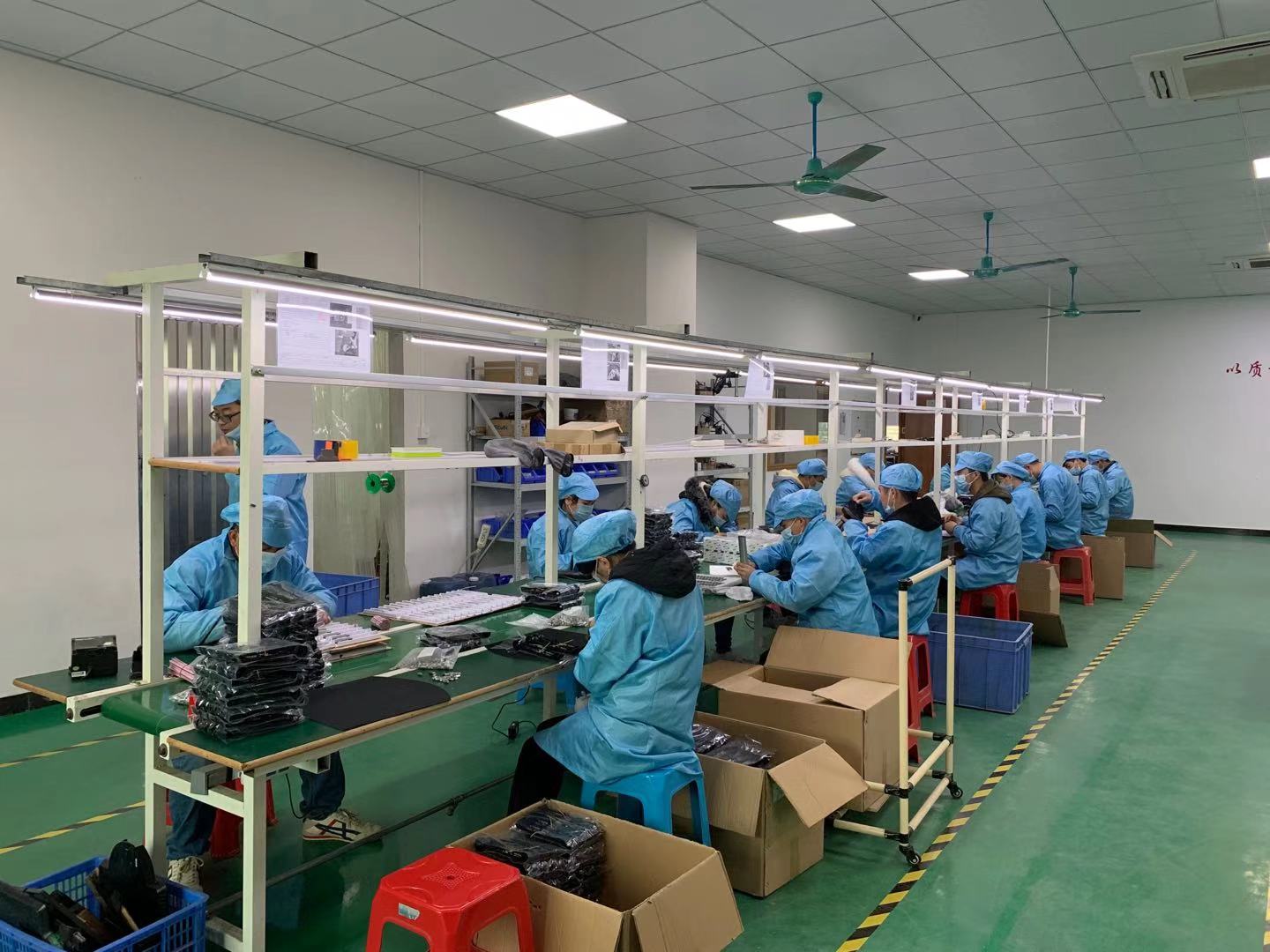
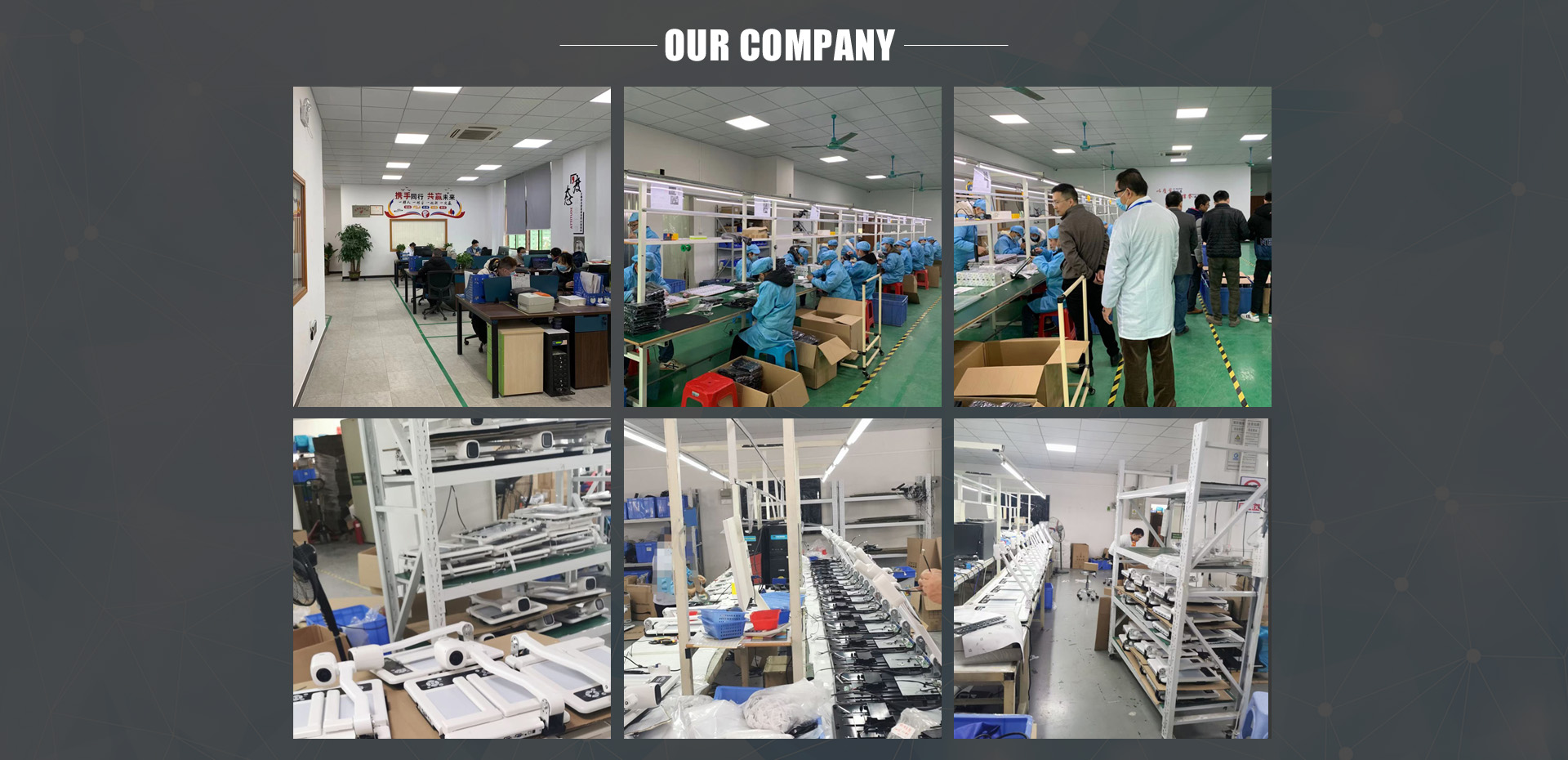
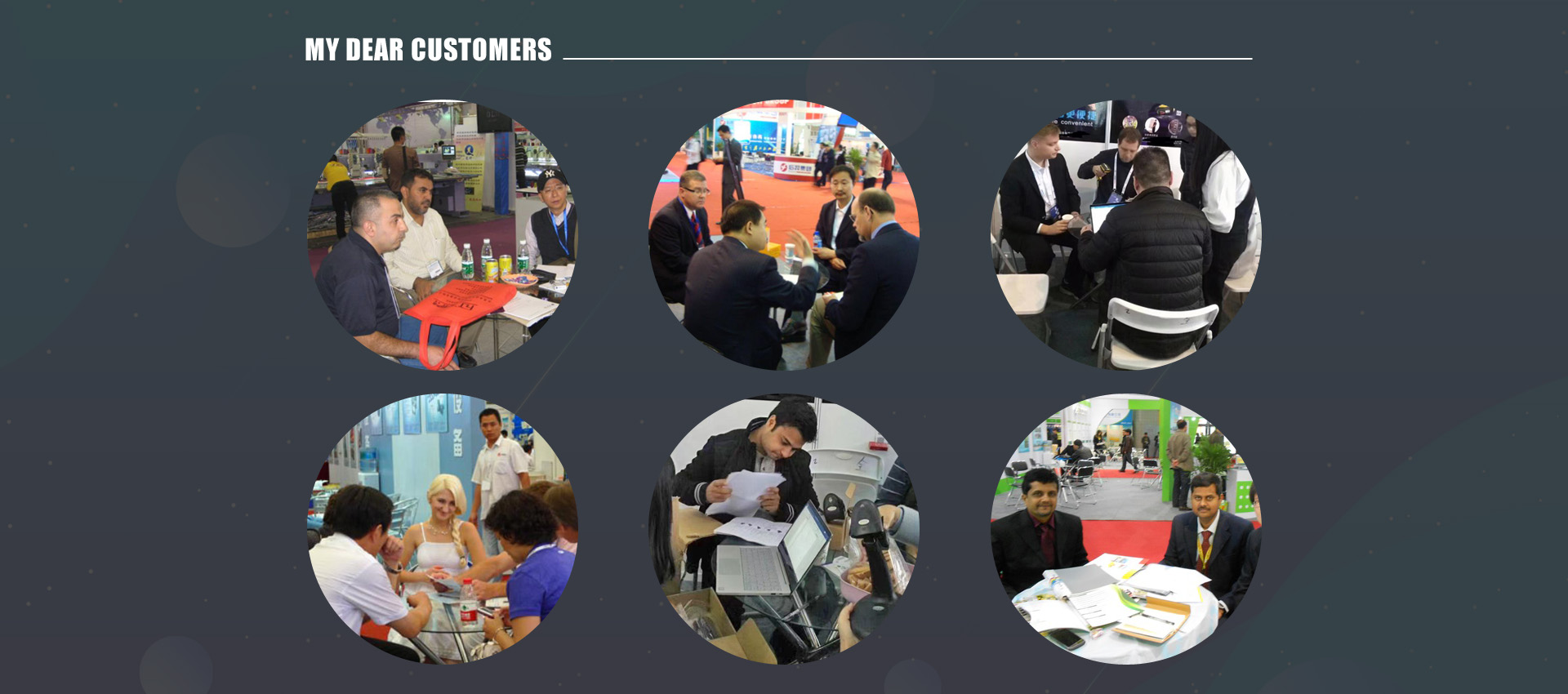
Guangzhou Quibow Electronic Co., Ltd.
Quibow is a Guangzhou-based developer and supplier of image acquisition and conversion equipment. The company works across CIS, CMOS and CCD imaging platforms, covering high-speed document cameras, book scanners, A3/A2 overhead scanners, flatbed scanners and ID-card recognition cameras.
For Mexico-focused projects, the practical advantage is coordination: product selection, OEM/ODM customization, export sales and remote after-sales support are handled through one contact path. That reduces the gap between a school’s teaching requirement and the final shipped configuration.
- Business type
- Trading company, onsite checked
- Location
- Guangzhou, Guangdong, China
- Established
- 2020
- Main markets
- Eastern Europe, North & South America
- Annual revenue
- US$1M – US$2.5M
- Team
- 5–10 dedicated specialists
Supporting capabilities include ODM/OEM logo printing, packaging, housing colour changes, capture software branding and SDK integration on selected models. Listed scanner and camera models commonly carry a one-year warranty and remote technical support, with final terms confirmed in the quotation.
Independent Supplier Records You Can Check
Trust is easier to justify when remote buyers can inspect third-party records instead of relying only on a brochure.
Supplier Assessment
Onsite checked business premises and legal status.
View report →Credit Overview
Platform credit profile and trading reliability indicators.
View credit →Ratings & Reviews
Feedback from verified buyers after completed orders.
Read reviews →Trade Capacity
Export markets, trade terms and logistics capability.
View capacity →From Mexico Project Brief to Shipment in Five Steps
A transparent workflow helps procurement teams, distributors and school groups understand what happens after the first enquiry.
Requirement review
Confirm document size, classroom count, daily volume, target resolution, ports, voltage/plug and delivery city.
Model matching
Match the brief to CMOS overhead capture, CCD bookedge scanning, CIS sheet-fed scanning or a live visual presenter.
Customization
Quote logo, packaging, housing colour, software branding, Spanish labeling scope and SDK integration where available.
Quality inspection
Check focus, lighting uniformity, driver installation, capture speed and accessory completeness before packing.
Export & support
Confirm FOB, EXW or DDU terms, export documents, spare-part plan and remote technical support after delivery.
Payment methods
T/T, L/C, PayPal and Western Union
Payment currencies
USD, EUR, HKD and CNY
Delivery terms
FOB, EXW and DDU
Common Questions from Mexico Buyers
These answers focus on the details that usually decide whether a sample order, distributor programme or school rollout can move forward.
What is the minimum order quantity for Mexico school or distributor orders?
Most stock book scanners, A2 large-format scanners and flatbed scanners start from 1 piece or 1 set. Several document camera and visual presenter models start from 2 pieces. OEM/ODM quantities are confirmed per project because packaging, branding and SDK requirements can change the production plan.
Do you support OEM and ODM orders for Mexican distributors?
Yes, on selected models. Support can include logo printing, packaging customization, housing colour changes, capture software branding and SDK integration. For a Mexico-focused launch, prepare brand assets, target model mix, estimated annual quantity and any Spanish-language labeling or documentation requirements before artwork begins.
Can you ship to Mexico and which delivery terms are available?
Quibow quotes FOB, EXW and DDU delivery terms. Payment methods include T/T, L/C, PayPal and Western Union in USD, EUR, HKD or CNY. Share the destination city, preferred freight forwarder and importer details so the quotation can reflect realistic export packing and documentation needs. Import duties and local clearance are normally handled by the importer unless another term is agreed in the order.
Are the visual presenters compatible with Windows and macOS?
Many models support Windows and macOS, and some have been verified on Apple M1 Macs. Compatibility varies by model and by software version, so confirm the exact model, operating system and required capture software before ordering. For tender responses, request the compatibility statement in writing.
How do we confirm 127V/60Hz power and plug requirements for Mexico?
Mexico commonly uses 127V/60Hz with Type A or Type B plugs, but the actual requirement depends on the adapter and the room installation. Include voltage, plug type, adapter preference and whether the tender requires NOM or other labeling in the RFQ. Certification scope and Spanish labeling should be confirmed before the order is finalized.
Which model should we choose for A3 textbook demos versus A2 newspaper archives?
For live A3 textbook demonstration, choose a visual presenter or document camera with optical zoom, HDMI/VGA output and good lighting. For A3 scanning, a 16MP–24MP overhead scanner is usually suitable. For A2 newspapers and archival masters, a 48MP A2 overhead scanner is the safer choice when 300 dpi output is mandatory; 21MP A2 models may still be useful for on-screen access, OCR and lower-resolution reproduction.
What warranty and after-sales support are available?
Listed models such as A3 flatbed scanners, A2 overhead scanners and selected document cameras commonly carry a one-year warranty backed by remote technical support. Confirm the exact warranty terms, DOA process, spare-part plan and return procedure in the quotation, especially for multi-school rollouts or distributor stock orders.
Can you provide sample scans or test images before a purchase order?
Request sample scans that reflect your real materials: a typical textbook page, glossy paper, a newspaper spread, handwritten notes and a low-light classroom setup. For distributors, ask about a test unit plan. Sample scans help verify sharpness, colour, lighting uniformity and OCR quality before a tender specification is locked.
Can Spanish-language deployment be supported?
For selected OEM/ODM projects, packaging and software branding can be customized, and Spanish-language deployment requirements can be reviewed with the factory. The available scope depends on the model and software platform. For education projects, provide the Spanish interface terms, quick-start content, teacher training outline and any tender wording that must appear on labels or documents.
Send Your Teaching Visual Presenter Requirement to Quibow
Share classroom count, document size, target resolution, HDMI/VGA/USB ports, 127V/60Hz plug requirements, OEM branding needs and delivery city. Our export team will recommend the closest model, confirm stock or OEM terms and propose sample scans for your Mexico project.
Use the live chat button to reach our team without leaving this page. If your tender includes Spanish labeling, NOM-related checks or a distributor launch plan, mention it in the first message so the quotation can cover the right scope.
info@quibowtech.com
Book scanners · Visual presenters · Document cameras · OEM/ODM support