8 Factory-Direct Book Scanners & Document Cameras for Semarang Buyers
Catalogue-ready models for library digitization, A3 thesis capture, A2-style document workflows, classroom presentation and counter scanning. Each link below preserves the original product URL.
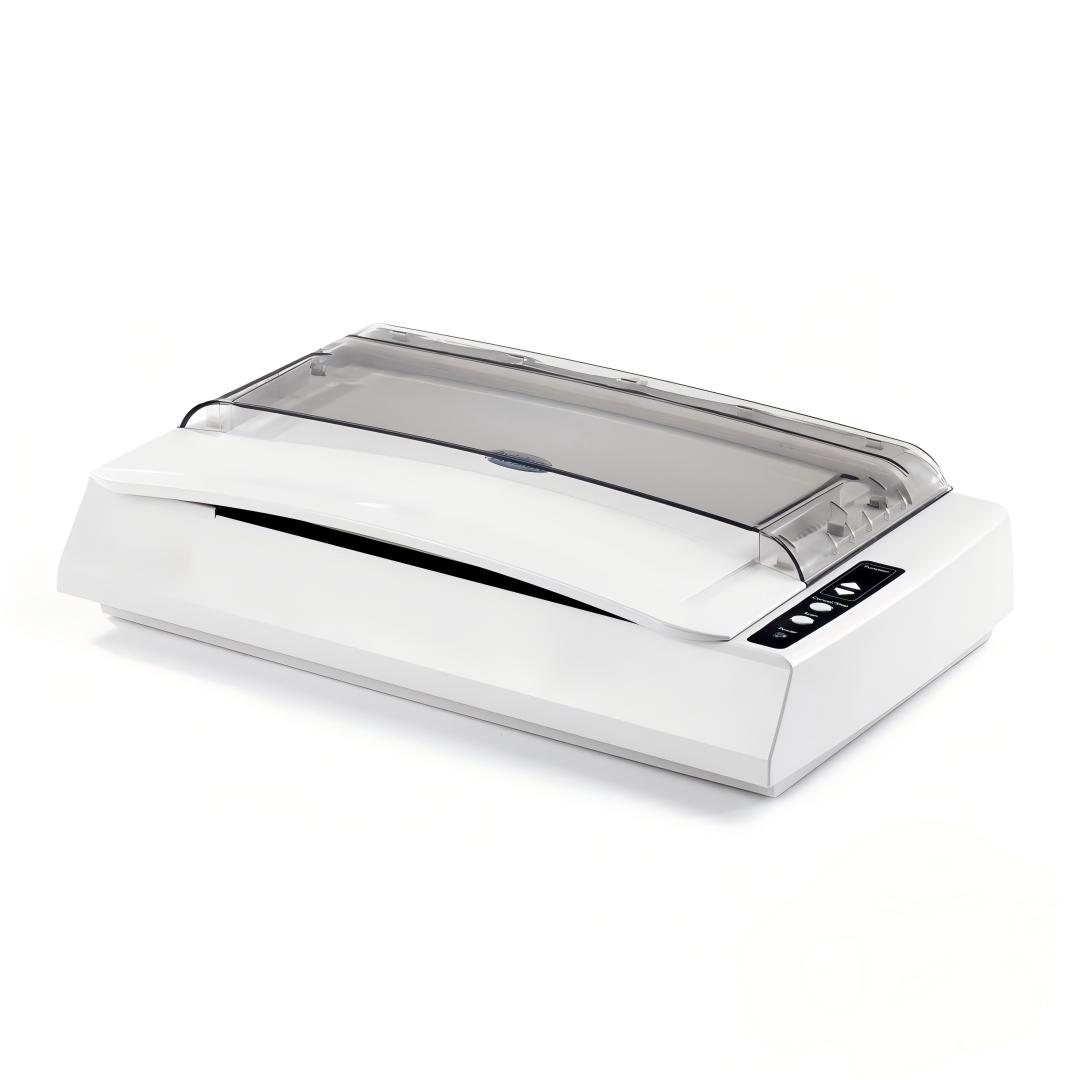
CCD Zero Margin Bookedge Flatbed Scanner A4 600dpi USB Bound Book Scanning No Spine Shadow Library Archive Digitization
- Zero-margin bookedge platen
- CCD imaging, 600 dpi, USB
- Library, archive and fragile books
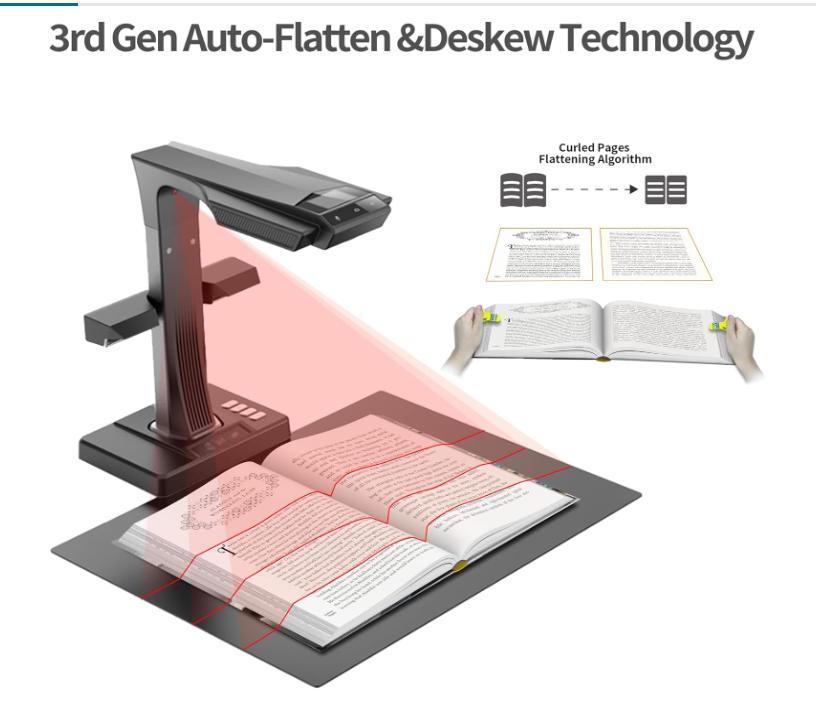
A3 24MP Book Scanner Auto Flatten Deskew CMOS Document Digitizer 4000x6000 USB Visualizer OCR Searchable PDF
- 4000 × 6000 CMOS capture
- Auto flatten and deskew
- OCR to searchable PDF workflow
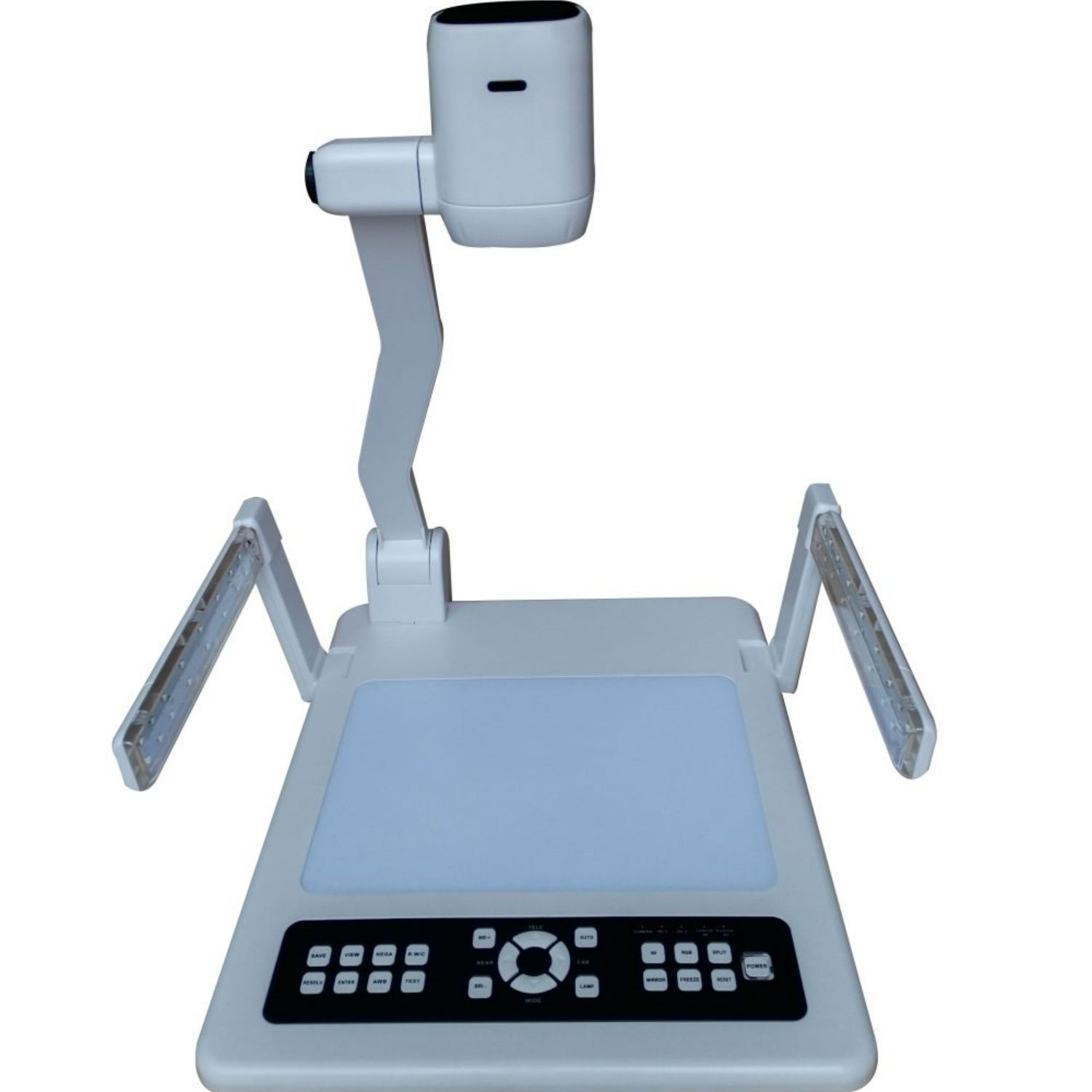
22x Optical Zoom 10x Digital Zoom VGA/USB Interface 2MP CMOS Sensor Resolution A4 Document Camera Foldable Digital Presenter
- 22x optical + 10x digital zoom
- VGA/USB output, foldable design
- Classroom, counter and training use
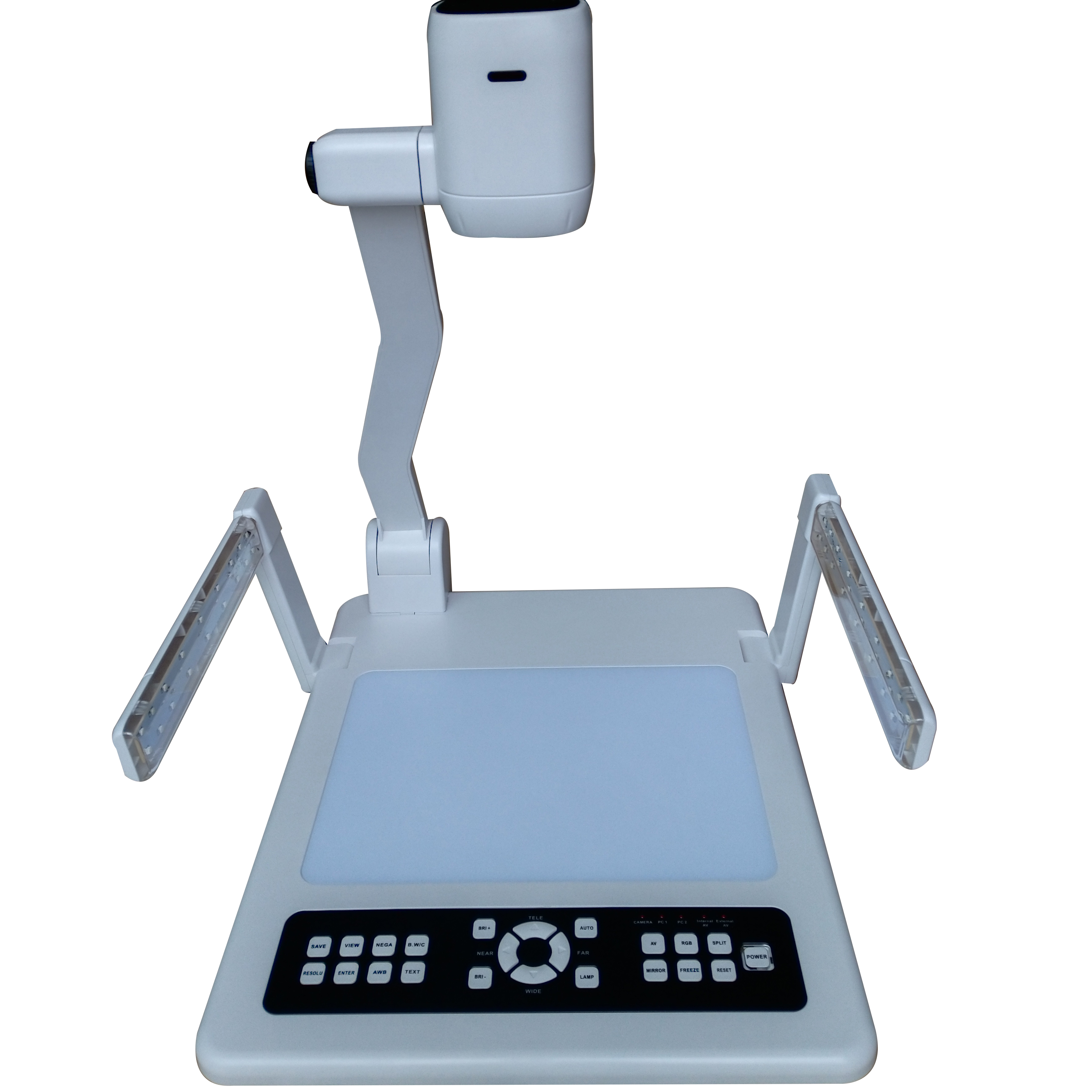
Modern Foldable Flexible Ultra HD Desktop Document Camera for School Video Output HDMI VGA Visualizer
- Foldable, flexible desktop form
- HDMI and VGA visualizer output
- Schools, training rooms and meetings
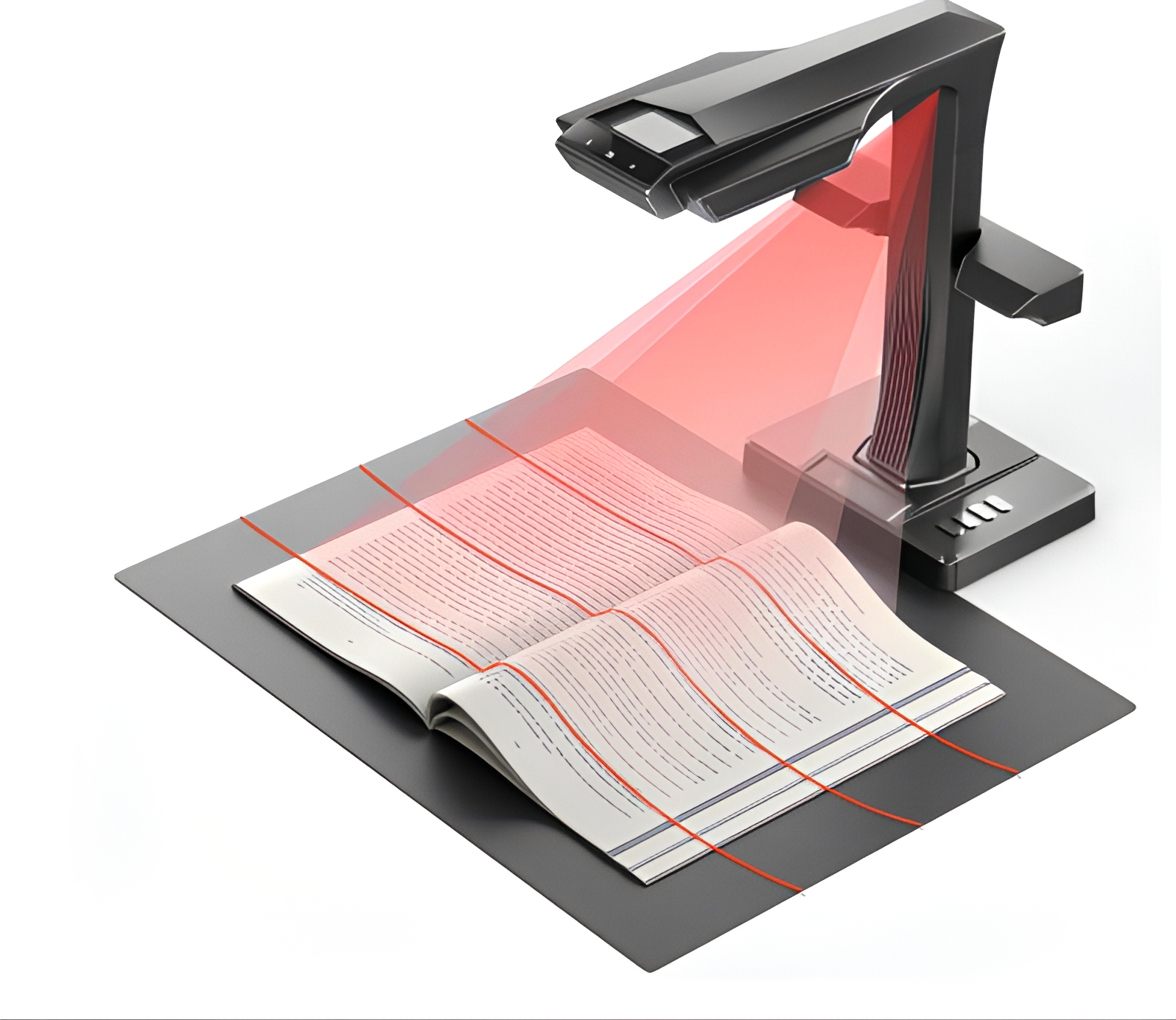
Book Scanner 38MP A3 Document Camera Auto Curve Flattening High Speed Overhead Scanner for Library Office
- 38MP A3 overhead capture
- Auto curve flattening
- High-speed library and office scanning
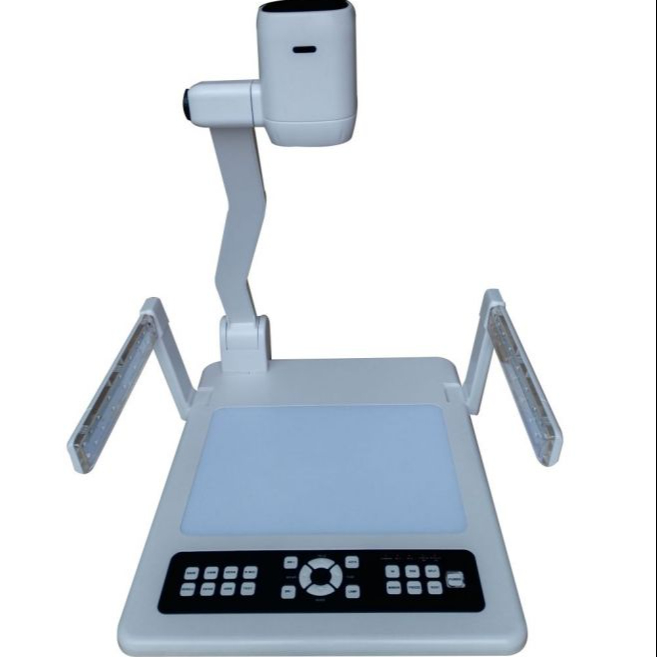
Factory Desktop Document Camera Visualizer 22X Optical Zoom with Interface HDMI RS232 Audio Mic Video
- 22x optical zoom visualizer
- HDMI, RS232, audio and mic support
- Desktop presentation and live capture
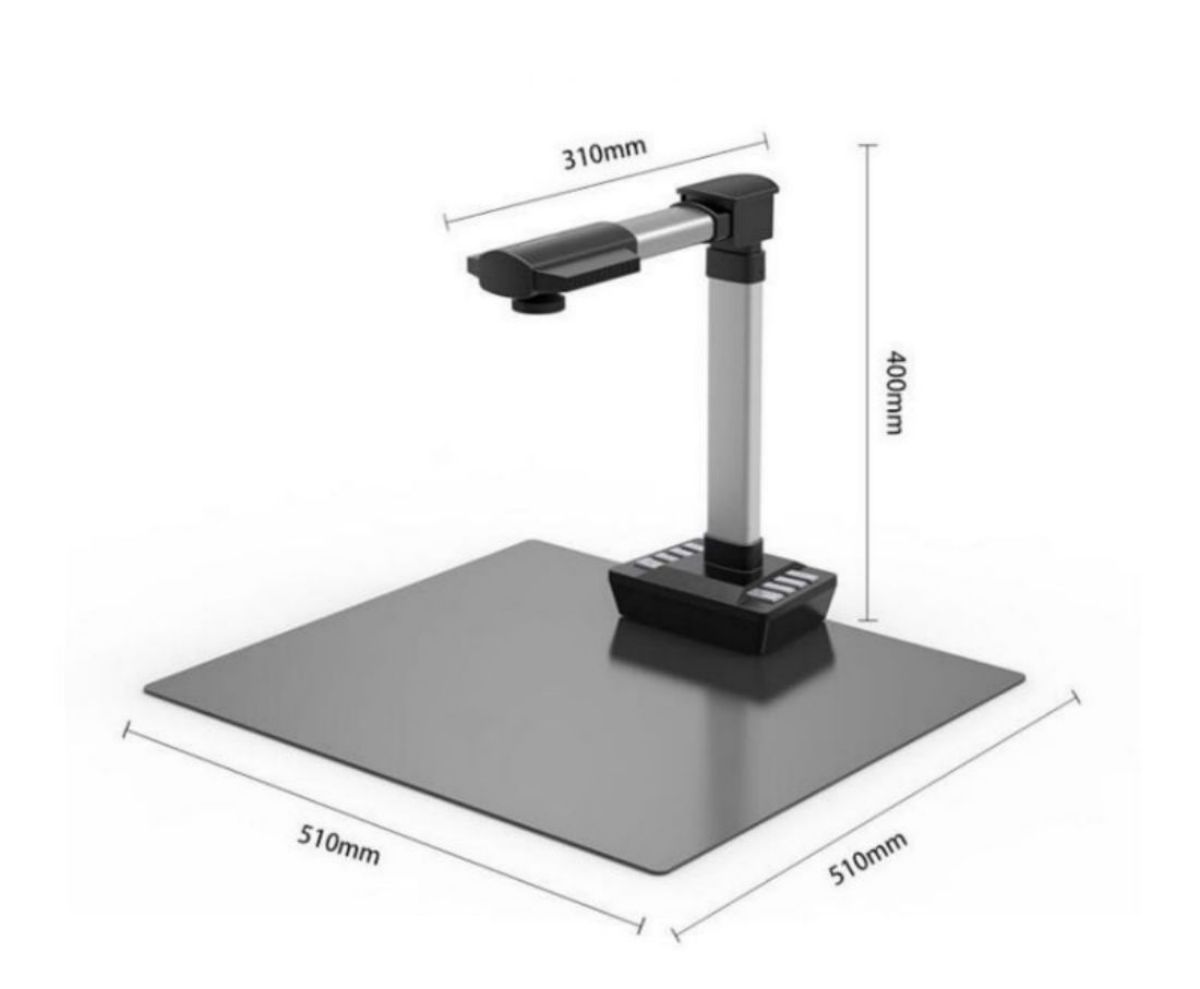
Portable 20MP High-Speed Wireless A3 Document Scanner Professional Book Scanner Foot Pedal USB Interface 24-Bit Color Stock
- 20MP high-speed A3 capture
- Wireless workflow, USB and foot pedal
- 24-bit color, professional book use
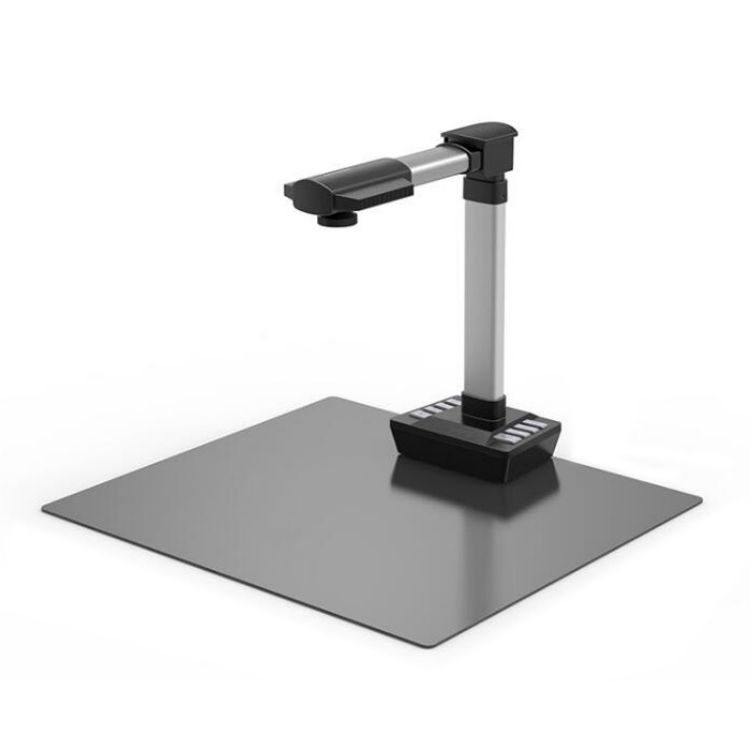
20MP OCR Aluminum Digital Visualizer Camera Classroom Office Training A3 Document Scanner USB Interface SDK Stock Black 1-Year
- 20MP OCR visualizer camera
- Aluminum body, USB interface, SDK
- Classroom, office and training use
Portable Book Scanner Wholesale for Semarang: What the Market Is Really Buying
Semarang is not a generic “Indonesia” buying profile. It is a port city with a dense education base, active provincial administration, growing digital records programmes and a wide network of print shops, vocational schools and institutional reading rooms.
Procurement teams here often need equipment that can move between a library reading room, a service counter and a training room without rebuilding the workflow. That is why the term portable book scanner should be treated as an operational requirement, not just a size description. The unit must hold focus, deliver even lighting, produce OCR-ready output and survive regular transport inside a campus or office building.
For a wholesaler, the buying decision is equally practical. A low unit price is only useful when packing, warranty, remote diagnostics, spare parts and model documentation are clear. Quibow supports B2B buyers with factory-direct product options across CIS, CMOS and CCD imaging platforms, plus OEM/ODM coordination for distributors, system integrators and tender-based projects.
Portable Overhead, Not Phone-Style Scanning
In institutional use, portable usually means a foldable overhead document camera or compact book scanner that can be carried between rooms. It still needs controlled lighting, stable focus, page-curve correction and clean export options. For daily book capture, a foot pedal and USB workflow often matter more than a small folded footprint.
Wholesale Is a Service Bundle
Wholesale pricing is only one line in the total cost. Compare the MOQ, export packing, warranty process, remote support, software branding options and SDK availability. Most Quibow stock scanners start from 1 piece or 1 set, while selected document cameras start from 2 pieces. OEM/ODM quantities are confirmed per project.
Resolution Must Be Measured at Page Size
Do not compare megapixels without the document size. A3 at 300 dpi needs about 17.4MP; A2 at 300 dpi needs about 34.8MP. Lens quality, sensor aspect ratio, lighting and curve flattening determine whether the final image is genuinely usable for OCR, archival masters and tender acceptance.
Platform-recorded supplier performance and listed warranty terms are confirmed per model in the quotation. Ask for the current record before a tender submission.
Localized Applications in Semarang and Central Java
Book scanners and visualizers are not only for large archives. In Semarang they support teaching, public services, publishing, campus administration and small-business digitization.
University and Research Libraries
Semarang’s higher-education ecosystem includes institutions such as Diponegoro University, UIN Walisongo, Unissula and Polines. Reading rooms commonly digitize theses, journals, maps, local history and Arabic-script materials. An overhead scanner protects bindings, while OCR to searchable PDF reduces manual cataloguing.
City and Regency Archives
Archive teams deal with mixed paper sizes, handwriting, stamps and fragile margins. The A3 24MP auto-flatten scanner and 38MP overhead scanner support curve correction, batch capture and manual quality control. For legal records, keep an audit trail of file names, scan dates and operator IDs.
Pesantren and Islamic Schools
Semarang and surrounding regencies have dense pesantren networks. Materials may use Arabic script or Jawi, so test OCR with actual pages before promising automatic text extraction. For preservation-first projects, non-contact overhead capture plus manual metadata can be more reliable than an optimistic OCR claim.
Publishers, Print Shops and Newspaper Back-Issues
Commercial printers, campus print hubs and regional publications need A3+ sheets, ledgers and broadsheets. A 38MP overhead model is strong for A3 originals. For full A2 at 300 dpi, confirm an A2 48MP or newspaper-archive model from the current catalogue rather than assuming a 21MP unit can meet the spec.
Government, Banking and Service Counters
ID cards, certificates, forms and signatures are often captured at service counters. The 20MP OCR aluminum visualizer or a dual-lens high-speed model can support document-and-portrait workflows. Confirm SDK access, privacy controls and whether images are stored locally or transferred over a network.
Port, Logistics and Manufacturing Offices
Tanjung Emas-related logistics, freight forwarders, workshops and factories handle bills of lading, customs paperwork and technical drawings. A foldable visualizer is easy to deploy across offices, but humidity control, dust covers and stable power protection matter in coastal Semarang.
Semarang Localization Trends Shaping 2025–2026 Procurement
Local buying behaviour is moving from “buy a scanner” toward “build a repeatable capture workflow.” The four trends below affect model choice, operator training and after-sales design.
Scanning-as-a-Service and Campus Print Hubs
Student demand for thesis binding, document digitization and job-ready print services is encouraging campus print shops and small commercial copy centres to add book capture. A portable overhead unit with a foot pedal can serve walk-in customers, while a flatbed remains useful for single sheets, certificates and artwork. Wholesalers should bundle the scanner with dust protection, a calibration target and a simple file-naming guide.
Searchable PDF and OCR Expectations
Institutional tenders increasingly ask for OCR, not just image capture. That changes the evaluation: language coverage, layout retention, page ordering and export format become as important as megapixels. For Indonesian, English and Arabic-script documents, request sample outputs before purchase. Quibow can discuss OCR workflow options, but the final language pack and accuracy target must be confirmed model by model.
Humidity, Dust and Voltage Discipline
Semarang’s coastal climate makes storage and maintenance part of the specification. Users should plan dust covers, a dry cabinet or dehumidifier where appropriate, and surge protection for 230V/50Hz office power. Non-contact overhead scanners reduce pressure on fragile bindings, but no supplier should imply that a standard scanner is waterproof or corrosion-proof without documentation. Ask for the operating environment limits.
Port-Based Wholesale and Spare-Part Planning
Buyers increasingly compare Incoterms, packaging quality, remote diagnostics and spare-part availability before price. Shipments to Semarang are commonly discussed via Tanjung Emas port, but transit time and import documentation must be confirmed per order and forwarder. Quibow supports FOB, EXW and DDU terms with T/T, L/C, PayPal and Western Union payment options in USD, EUR, HKD or CNY.
How to Specify Resolution Before Comparing Wholesale Prices
Resolution at the document size is the first filter. Megapixels alone can hide a weak lens, a cropped sensor area or unrealistic claims.
The calculation is straightforward: multiply the required pixel width by the required pixel height. At 300 dpi, an A3 page needs approximately 3508 × 4961 pixels, or about 17.4MP. An A2 sheet needs approximately 4961 × 7016 pixels, or about 34.8MP. If a supplier quotes A2 at 300 dpi from a 21MP sensor, request a measured sample scan or ask for a different model.
A4 Bookedge and Fragile Books
The CCD zero-margin bookedge flatbed is suited to catalogues and bound books where spine shadow is a problem. It is slower per page than an overhead scanner, but the controlled platen and moving carriage can produce stable colour and detail for reading-room work. Confirm the opening angle and handling routine with the institution.
A3 Books, Theses and Office Files
For A3 books and routine office capture, compare the 24MP auto-flatten deskew model with the 38MP overhead scanner and the portable 20MP wireless model. Add a foot pedal and OCR workflow where operators scan for hours. Request sample scans of actual thesis paper, stamps and handwriting.
A2 Newspapers, Maps and Archives
Full A2 work needs a larger capture area and higher pixel count. If the tender specifies 300 dpi at A2, use an A2 48MP class model or document a formally approved lower resolution. A 38MP unit can still be excellent for A3-plus and sectional capture, but it should not be presented as a full A2 300 dpi archival solution.
Enterprise Advantages for Semarang Distributors and Institutional Buyers
Quibow is a Guangzhou-based B2B imaging supplier built around flexible product sourcing, OEM/ODM support and export communication. The advantage is not a single model; it is the ability to match a sensor platform, capture format and support plan to the project.
CIS, CMOS and CCD Coverage
Different projects need different imaging logic. CIS is efficient for ADF-style office batches, CMOS area sensors are ideal for non-contact overhead book capture and visualizers, and CCD linear sensors support controlled flatbed capture with strong depth-of-field behaviour. Buyers can compare platforms instead of forcing every workflow into one scanner.
OEM/ODM from Logo to SDK
OEM/ODM support includes logo printing, packaging, housing colour, capture-software branding and SDK integration on selected models. This is useful for distributors building a local brand or system integrators embedding capture into a records platform. Project quantities and technical scope are confirmed before quotation.
Small Start, Scale Later
Most stock book scanners and flatbed-style units start from 1 piece or 1 set; selected document cameras start from 2 pieces. That structure suits a Semarang pilot, a single-campus rollout or a tender sample order before a larger distributor agreement. OEM/ODM MOQs are negotiated per programme.
Export Quality Gates
For wholesale orders, inspection should cover focus, lighting uniformity, driver installation, capture speed and packaging. Ask for the test script that matches your acceptance criteria, especially when OCR, SDK integration or specific language support is required. Clear QC steps reduce disputes after a long shipment.
Responsive Export Communication
Platform records show an average response time of 1 hour or less and a 100% message response rate. Remote technical support, model documentation and spare-part discussions can be handled before shipment. For on-site service requirements, confirm the scope in writing; remote diagnostics can be combined with local partner arrangements case by case.
Professional Trade Terms
Quibow accepts T/T, L/C, PayPal and Western Union in USD, EUR, HKD or CNY, with FOB, EXW and DDU delivery terms. Listed models such as A3 flatbed and overhead scanners can carry a 1-year warranty with remote technical support. Final terms are stated in the proforma invoice and order confirmation.
Verification links are available on the Quibow company profile: company profile and supplier assessment. Quibow does not claim a local Semarang service centre unless separately agreed in writing.
Procurement Checklist for Semarang Book Scanner Buyers
Use this checklist before requesting a wholesale quotation. It helps separate a genuine book-scanning workflow from a generic camera purchase.
Count Page Sizes and Bindings
List A4, A3, A2, loose sheets, bound books, ledgers and maps. Record daily page volume and peak campaign volume. A model that is right for 50 pages a day may be wrong for a 5,000-page archive project.
Set a DPI Floor per Output
Define which files are access copies, OCR masters or archival masters. A3 at 300 dpi requires about 17.4MP; A2 at 300 dpi requires about 34.8MP. Write the requirement into the quotation.
Test Language and Script
Send actual Indonesian, English, Arabic-script or Jawi sample pages for OCR testing. Do not assume that bundled OCR supports every script accurately. Confirm the language pack, export format and review workflow.
Match the Port to the Workflow
Check USB, HDMI, VGA, RS232 and wireless requirements. For book capture, a foot pedal and offline mode may reduce operator fatigue. For classroom presentation, HDMI and fast focus may be more important than scanning resolution.
Plan for 230V Power and Coastal Humidity
Confirm 230V/50Hz compatibility, plug type and surge protection. Add dust covers and a dry storage plan where valuable records are involved. Ask for operating-environment guidance rather than assuming weather resistance.
Request Sample Scans and a QC Script
Ask for a sample scan of your own page, a test OCR file and the proposed acceptance checklist. Check focus across the page, colour consistency, curve flattening, file naming and operator steps. This is the fastest way to expose unrealistic resolution claims.
Define Warranty and Spare Parts
Listed models can carry a 1-year warranty with remote support, but the final term must appear in the order. Ask about consumables, cables, power adapters, packaging and the process for returning a defective unit from Indonesia.
Lock Incoterm and Semarang Logistics
Confirm FOB, EXW or DDU, export packing and the forwarder route to Semarang via Tanjung Emas or another agreed gateway. Include installation, training and spare-part shipments in the same logistics plan if the rollout has multiple sites.
FAQ: Common Questions from Semarang Book Scanner Buyers
Direct answers to the commercial and technical questions raised most often by local distributors, campus procurement teams and archive managers.
Are you a portable book scanner factory or a wholesaler?
Guangzhou Quibow Electronic Co., Ltd. is a Guangzhou-based B2B supplier working across factory-direct production partners. Our platform-recorded business type is a trading company with onsite-checked status. In practice, we coordinate product design and sourcing, OEM/ODM projects, production follow-up, export sales and remote technical support. Buyers can verify the company profile and supplier assessment before ordering.
What is the minimum order quantity for a Semarang order?
Most stock book scanners, A2 large-format scanners and flatbed-style units start from 1 piece or 1 set. Several document camera models start from 2 pieces. OEM/ODM quantities are confirmed per project because packaging, logo, software branding and SDK work affect the production plan.
Can you ship to Semarang and quote an Incoterm?
Yes. Shipping to Semarang can be discussed via Tanjung Emas port or another forwarder route. We quote FOB, EXW and DDU terms, with T/T, L/C, PayPal and Western Union in USD, EUR, HKD or CNY. Transit time, import documentation and local delivery should be confirmed per order and forwarder.
Do the scanners support Indonesian OCR?
OCR support depends on the model, bundled software and language pack. Do not assume that Indonesian, English or Arabic-script OCR is included at a specific accuracy level without a sample test. Send representative pages and state the required output: searchable PDF, editable text, page order, metadata and file-naming rules.
Which model is best for A3 bound books and university theses?
The A3 24MP auto-flatten deskew scanner is a practical starting point for theses, files and bound A3 documents. The 38MP A3 overhead scanner is better when higher-resolution capture is required for A3 originals. The portable 20MP wireless model suits buyers who need a compact setup with a foot pedal. Ask for sample scans of your actual paper and binding.
What should I choose for A2 newspapers or large maps?
Full A2 at 300 dpi needs about 34.8MP, so a 21MP or 24MP unit should not be treated as a full-page A2 300 dpi archival solution. Specify an A2 48MP or dual 48MP model from the current catalogue, and request measured sample scans. A 38MP A3 scanner is excellent for A3 and sectional A2 capture, but the page size and dpi requirement must match the model’s real capture area.
What warranty and support are available?
Listed models such as the A3 flatbed scanners, overhead book scanners and selected document cameras can carry a 1-year warranty with remote technical support. The exact term, covered parts and return process must be stated in the order confirmation. For buyers requiring onsite service in Semarang, discuss the requirement before quotation so the scope can be documented.
Can we order OEM branding, custom packaging or SDK access?
Yes, OEM/ODM support is available on selected models. Typical scope includes logo printing, packaging, housing colour, capture-software branding and SDK integration. Technical feasibility, project quantity, testing responsibility and delivery schedule are confirmed before the proforma invoice.
Do you provide a sample scan before we commit to a wholesale order?
You can request sample scans or a demonstration workflow tied to your document type. Provide page images, target dpi, OCR language and output format so the test is meaningful. Sample unit availability, cost and shipping are confirmed separately from the bulk quotation.
What payment terms do you accept?
Quibow accepts T/T, L/C, PayPal and Western Union in USD, EUR, HKD or CNY, with FOB, EXW and DDU delivery terms. Final payment terms, lead time and warranty conditions are stated in the quotation and order confirmation.
Request a Semarang-Specific Wholesale Quotation
Send your page sizes, daily page count, binding type, OCR language, power and port requirements, preferred Incoterm and target delivery window. We will reply with suitable portable book scanner or document camera options, a sample-scan checklist and wholesale terms for your project.