PDF scanner shortlist for Mexico City buyers
These eight models cover the practical range of PDF-first capture: A4 visualizers, A3 overhead book scanners, USB document cameras, dual-camera counters and wall-mount capture stations. Product links are preserved for direct technical review.
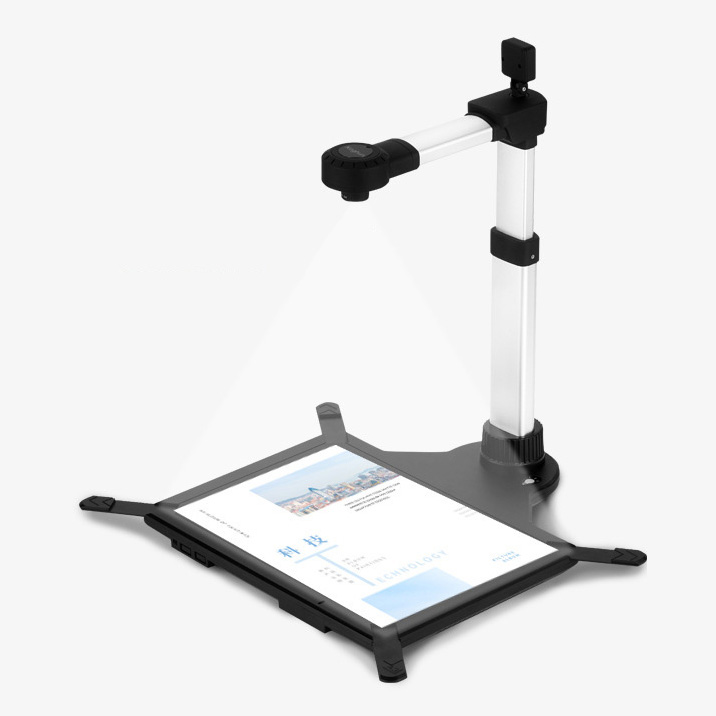
HD Dual Camera 16MP + 2MP Pixels Multifunction Stretchable Smart USB 60 Pages/Min A3/A4 Document Scanner 360 Rotation 180
- 16MP main camera plus 2MP secondary capture
- A3/A4 capture with 60 pages/min duty
- USB workflow and 360-degree rotation
Mexico City fit: service counters, admissions desks, notary support and mixed document/ID capture.
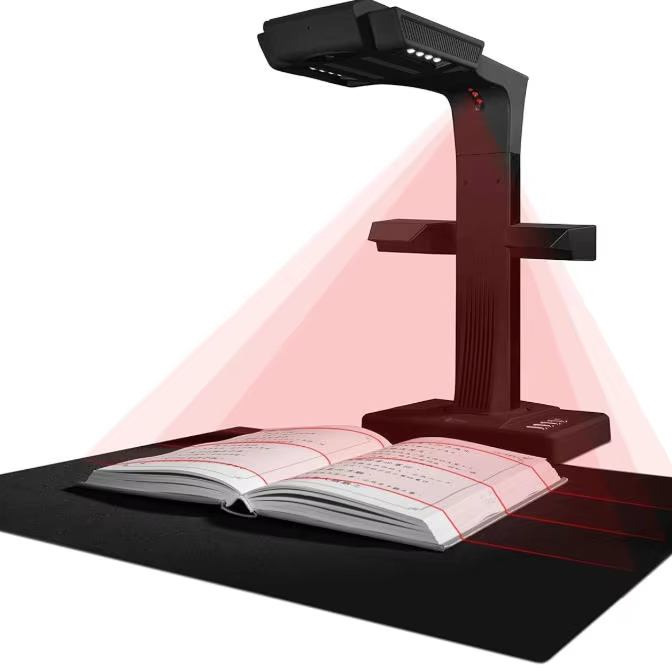
18MP A3 Book Scanner Overhead Document Camera Auto Curve Flattening OCR 180+ HDMI Visual Presenter for Office Library
- 18MP A3 overhead capture
- Auto curve flattening and OCR on supported workflows
- HDMI visual presenter for live display
Mexico City fit: university libraries, archive rooms, fragile bound books and teaching rooms that need one device for capture and presentation.
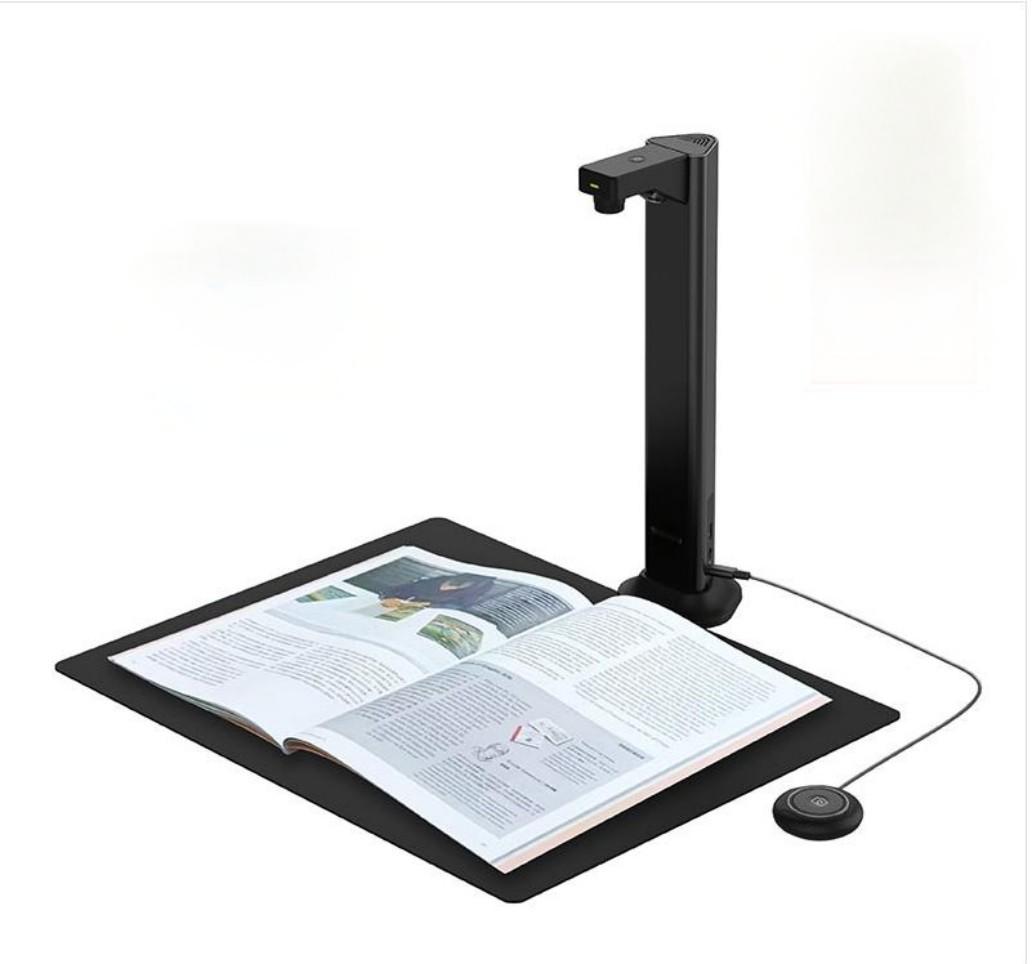
Real 24MP UVC A3 Document Scanner with USB Interface and Text to Speech Feature In-Stock Product
- 24MP A3 image capture
- UVC USB interface for software integration
- Text-to-speech feature for reading support
Mexico City fit: accessibility support, reading rooms, office digitization and integrators building assistive reading workflows.
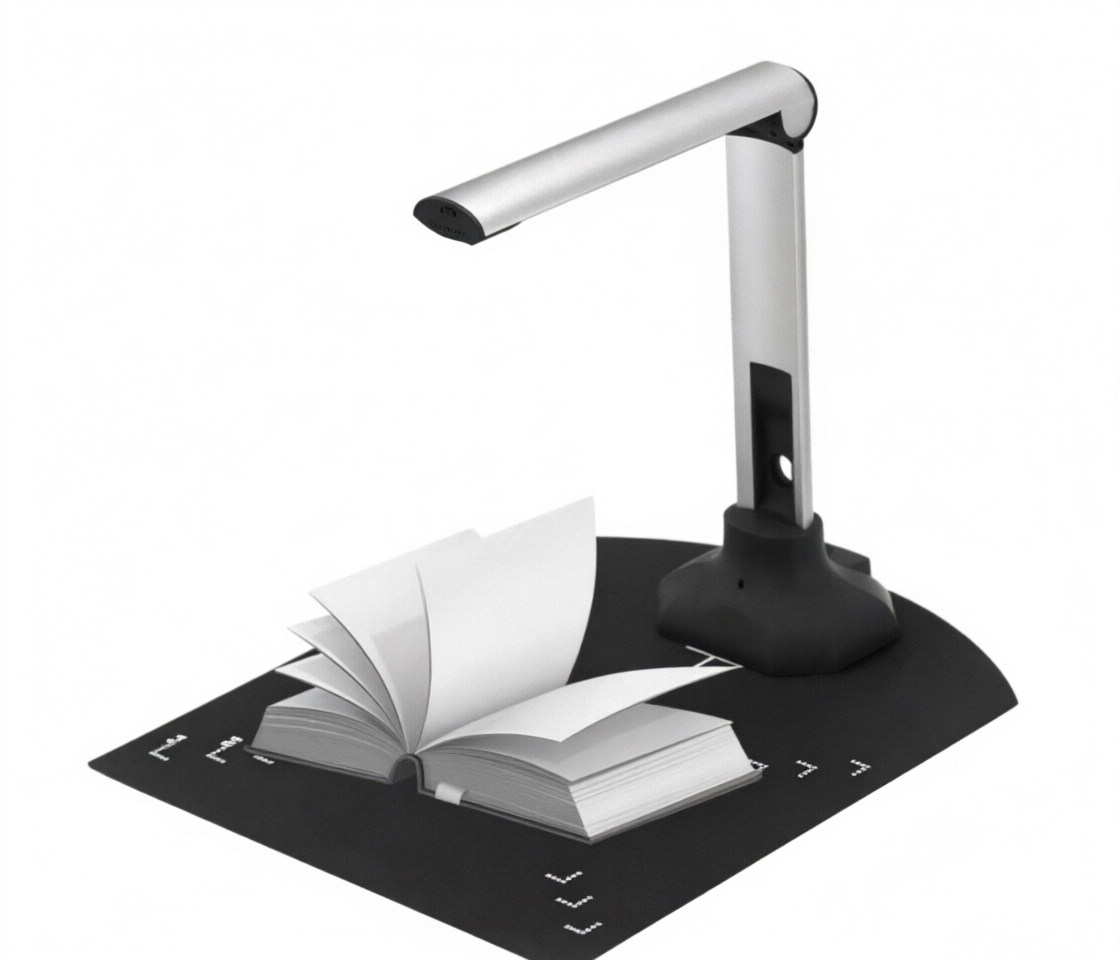
USB Document Camera Scanner 10MP CMOS Visualizer A4 Scanner for Office Education
- 10MP CMOS sensor
- A4 document camera visualizer
- USB connection for office and classroom PCs
Mexico City fit: compact desks, training rooms, small offices and schools that need live A4 demonstration plus PDF capture.
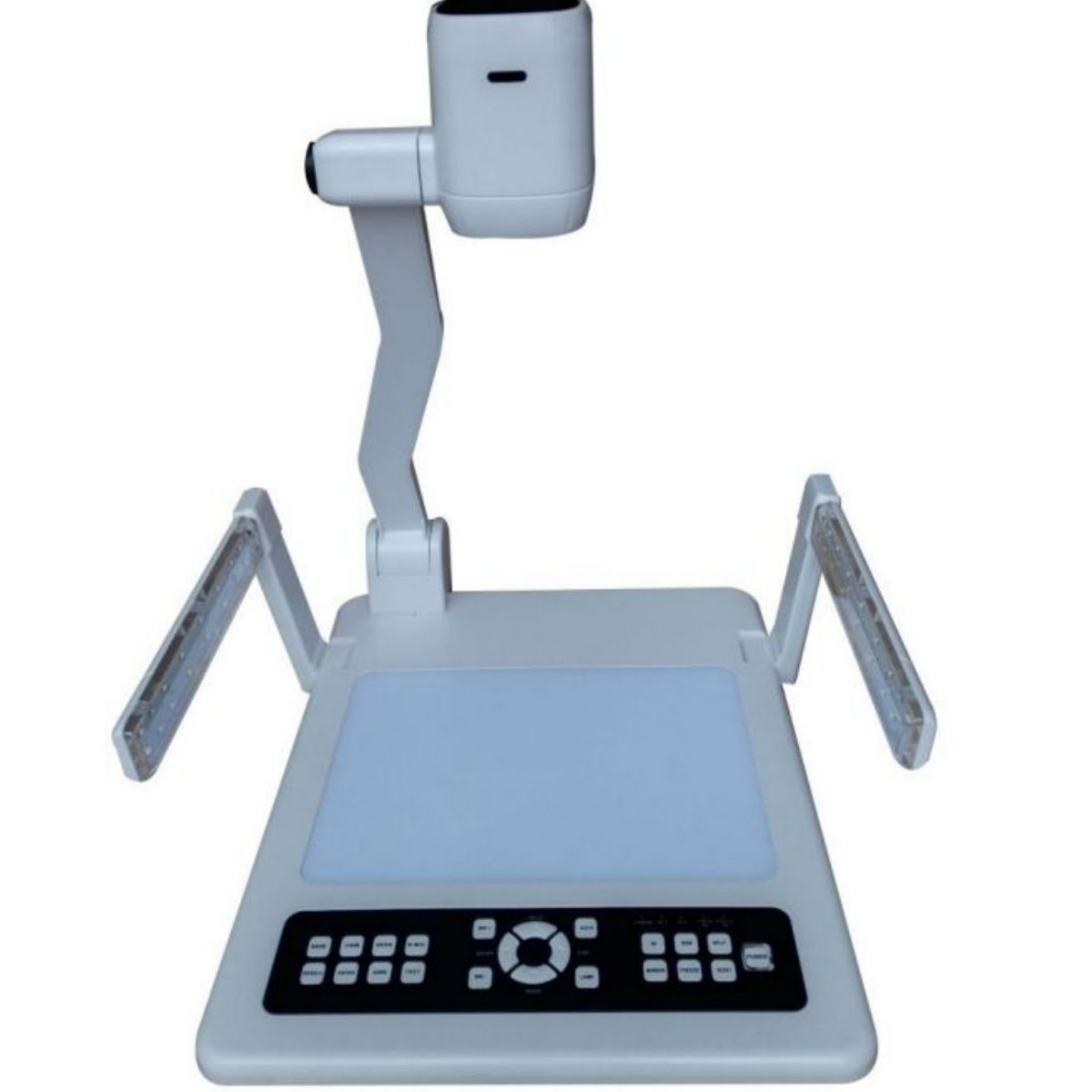
Multi-functional Document Camera Professional in Visual Presenter Also Visualizer in Educational Equipment
- Professional visual presenter form factor
- Live classroom and training demonstration
- Multi-functional document camera use
Mexico City fit: hybrid classrooms, corporate training centers, tutoring studios and lecture rooms in the CDMX education corridor.
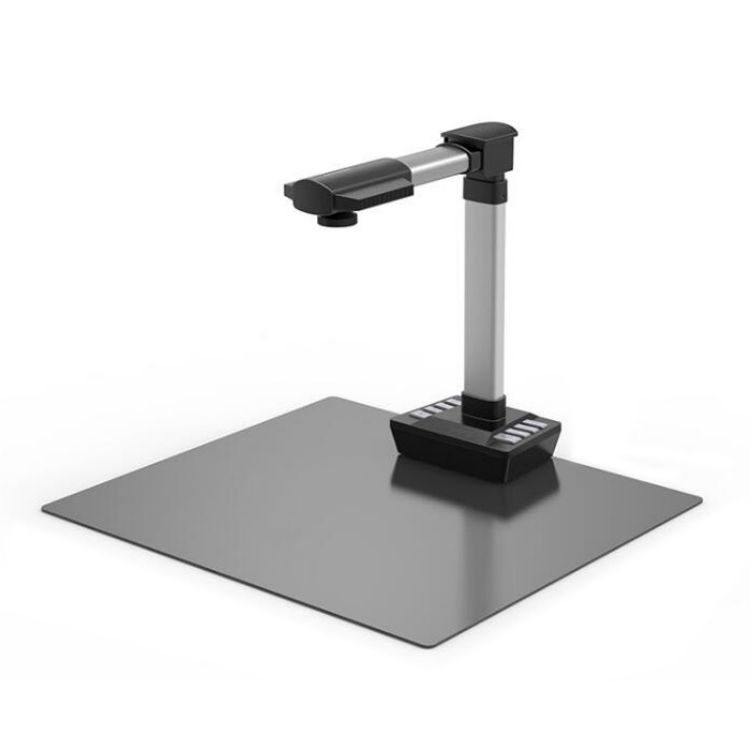
20MP OCR Aluminum Digital Visualizer Camera Classroom Office Training A3 Document Scanner USB Interface SDK Stock Black 1-Year
- 20MP OCR visualizer camera
- A3 document capture with USB interface
- SDK option for integrators, black finish, 1-year warranty
Mexico City fit: training rooms, system integrators, digital capture pilots and office deployments that need SDK access.
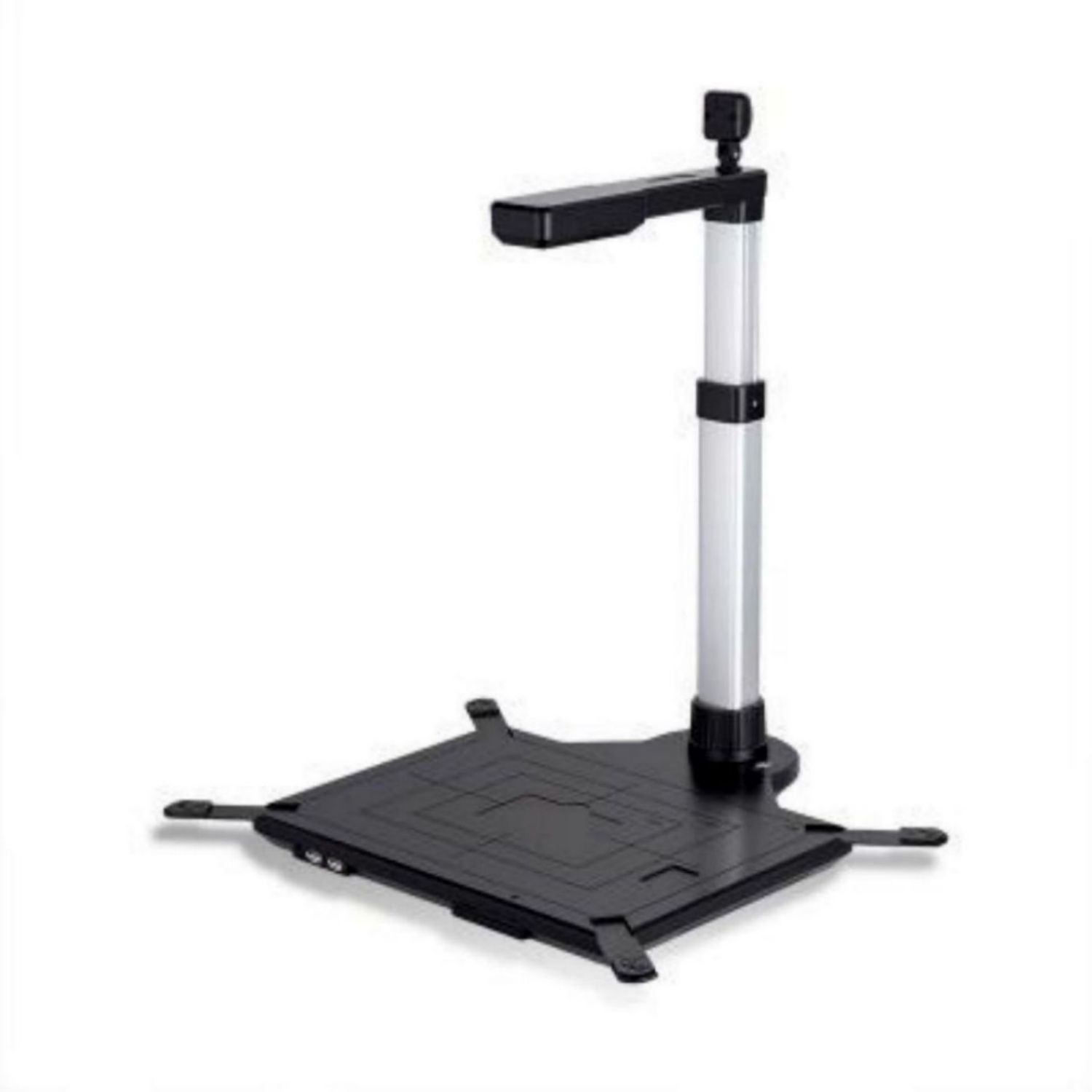
Professional USB Dual Camera Scanner for A3 Documents Supports OCR PDF Multi-Languages High-Speed 1-Second Scan 360-Degree
- A3 professional USB dual-camera scanner
- OCR PDF and multi-language support on listed workflow
- 1-second scan and 360-degree capture flexibility
Mexico City fit: high-volume service desks, legal and administrative files, multilingual document intake and PDF indexing projects.
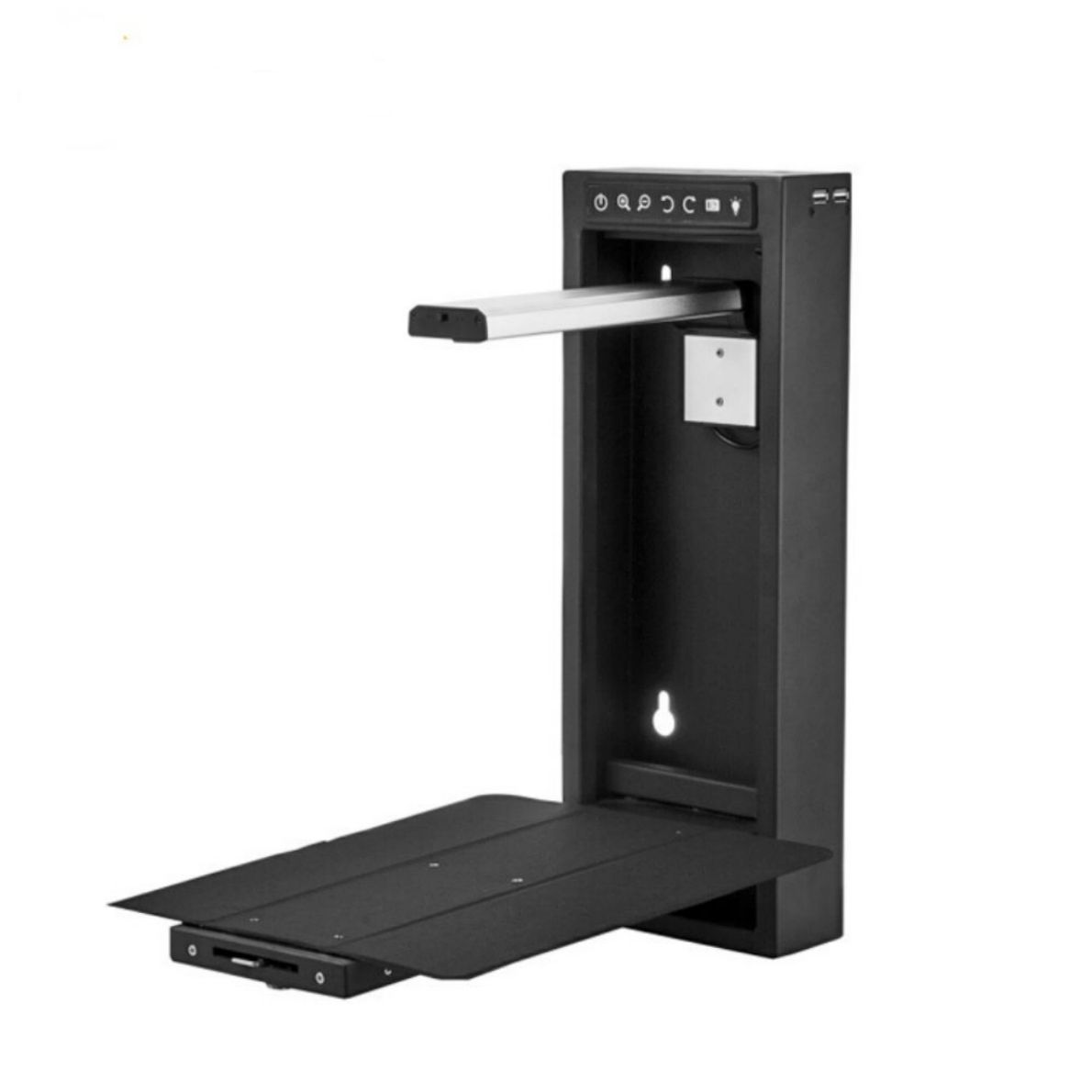
Factory New High Definition Wall Mount Document Scanner USB Interface Visualizer CE Certified 1-Year Warranty High-Speed A4 SDK
- Wall-mount HD document scanner visualizer
- USB interface, high-speed A4 capture
- CE certified, SDK option, 1-year warranty
Mexico City fit: fixed counter stations, registration windows, compact back offices and queue-facing service points where desk space is limited.
What “PDF scanner wholesaler” means for Mexico City procurement
A PDF scanner is not a separate device category. In practice, it is a document scanner, overhead book scanner, document camera or visual presenter paired with capture software that exports images to PDF and, on supported models, applies OCR to create searchable PDFs. That distinction matters when comparing PDF scanner wholesalers for the Mexico City market, because two devices with similar megapixel counts can serve very different workflows.
Search intent has moved beyond “cheapest scanner”
Mexico City buyers increasingly search for PDF scanner wholesaler Mexico City, A3 document scanner supplier CDMX and overhead book scanner for archives. The intent behind those queries is usually one of four jobs: convert paper records into searchable PDF files, present physical documents during training, capture A3 files at a service counter, or build a repeatable digitization workflow for a library or public-facing office.
For distributors and procurement teams, the right comparison is not only sensor resolution. Review page size, daily volume, OCR language, output format, USB/HDMI interfaces, software compatibility, SDK availability, warranty support and import terms. A 24MP A3 model may be more efficient than a higher-resolution A2 device if most work is A4 correspondence and counter forms. Conversely, a 10MP A4 visualizer is not a substitute for an 18MP or 24MP A3 book scanner when the output must preserve full-page detail.
What wholesale buyers should verify before ordering
- Output: confirm PDF export and whether OCR creates searchable text on the selected model.
- Resolution: calculate pixel requirement from the target page size and dpi, not only the headline megapixel number.
- Workflow: check USB, HDMI, UVC, SDK, Windows and macOS compatibility model by model.
- Import: agree FOB, EXW or DDU terms and confirm duties, taxes and customs brokerage with a Mexico City freight forwarder.
- Service: request sample scans, warranty terms, spare-parts guidance and remote troubleshooting steps.
Where PDF-ready scanners are used across Mexico City
Mexico City is a dense services market: universities, public offices, notary practices, corporate legal teams, creative studios, archives, clinics and school groups all manage mixed paper and digital records. The devices below are sold to wholesalers, distributors and institutional buyers who need reliable capture hardware rather than a single-purpose retail scanner.
University libraries and archives
Overhead A3 book scanners protect bindings while producing PDF masters for theses, periodicals and historical records. Auto curve flattening and OCR are especially relevant where searchable text is required.
Schools, universities and training
Document cameras and visual presenters support live demonstration of textbooks, forms, diagrams and physical objects. For hybrid classes, HDMI and VGA output make the device part of the room rather than a desk accessory.
Government, notary and legal
Service counters need fast A3/A4 capture of contracts, identification, supporting documents and file copies. Dual-camera and UVC models can be integrated into intake workflows while keeping PDF output predictable.
Corporate offices and finance teams
Contracts, invoices, HR files and signed authorizations still arrive as paper. Wholesalers serving CDMX offices can bundle A4 visualizers, wall-mount scanners and A3 overhead devices for departments that need PDF archives without redesigning the workspace.
Print shops, studios and design offices
A3 drawings, proofs, layout boards and project files require full-page capture with clean edges. For A2 sizes, ask for a current A2 overhead or dual 48MP model rather than forcing an A3 device beyond its optical envelope.
Distributors and system integrators
Resellers need more than hardware: USB/UVC interfaces, SDK access, OEM/ODM branding and remote support matter when building a repeatable offer for Mexico City clients across multiple sectors.
Current PDF capture trends in the Mexico City market
Mexico City procurement is not only replacing old flatbed scanners. Buyers are revisiting document workflows as hybrid work, digital record retention and space constraints change what a scanner must do.
PDF-first records management
Departments want final files that can be named, indexed, emailed and archived as PDF. Searchable PDF via OCR is often the deciding feature when comparing document cameras and overhead scanners.
Non-contact book scanning
Libraries and archives avoid pressing fragile paper against glass. Overhead A3 scanners with auto curve flattening and deskew support reduce handling risk while keeping full-page capture practical.
Hybrid classrooms and visualizers
Schools and training centers use document cameras as presentation tools. HDMI/VGA output, optical zoom and live demonstration features turn a scanner into shared classroom infrastructure.
Space-saving and SDK-ready hardware
High-rise offices and compact service counters favor wall-mount, foldable and dual-camera devices. Integrators also ask for SDK access so capture can connect to internal intake software.
How to match megapixels to page size before you order
Megapixels only matter in relation to the page size you need to capture. Divide the required pixel dimensions by the physical document size and you get the effective scanning resolution. This is the quickest way to avoid buying an oversized camera for A4 work or an undersized model for an A3 archive tender.
A4 documents
At 300 dpi, A4 requires roughly 2480 × 3508 pixels. A 10MP A4 visualizer or a 16MP + 2MP dual-camera model is a practical starting point for office PDF capture.
Best for: counter forms, HR files, teaching materials, office PDF workflows.
A3 documents
At 300 dpi, A3 requires roughly 3508 × 4961 pixels. Choose an 18MP or 24MP model for archive-grade A3 PDFs; a 24MP sensor provides useful headroom for cropping and page-edge safety.
Best for: books, legal files, newspapers, university records, A3 visualizers.
A2 documents
At 300 dpi, A2 requires roughly 4961 × 7016 pixels. For archival A2 masters, specify a 48MP A2 overhead scanner; a 21MP A2 device may be sufficient for reference capture but not for a 300 dpi tender requirement.
Best for: newspapers, maps, large plans, archive projects. Ask for a current A2 model.
Why Quibow is a credible PDF scanner wholesale partner
Guangzhou Quibow Electronic Co., Ltd. is a technology-driven supplier focused on image data acquisition and conversion. The company develops and supplies photoelectric information equipment, including high-speed document cameras, book scanners, flatbed scanners and ID card recognition cameras. Quibow works across CIS, CMOS and CCD imaging platforms and supports export sales, production coordination, after-sales support and OEM/ODM projects.
Sensor-platform expertise
Different projects need different imaging foundations. CIS is compact and efficient for sheet-fed office batches. CMOS area sensors capture a full page from above, making them suitable for books, newspapers, teaching and counter capture. CCD linear sensors support stable color and depth of field for photos, artwork and bookedge scanning.
OEM/ODM and SDK support
Selected models support logo printing, packaging, housing color, capture software branding and SDK integration. For Mexico City distributors and integrators, that means hardware can be positioned under a local brand or connected to an existing intake, archiving or classroom workflow.
Wholesale terms for practical buying
Many stock book scanners, large-format scanners and flatbed scanners start from one piece or one set, while several document camera models start from two pieces. OEM/ODM quantities are confirmed per project. Payment methods include T/T, L/C, PayPal and Western Union in USD, EUR, HKD or CNY, with FOB, EXW and DDU delivery terms.
Response and after-sales support
Published supplier performance indicators include an average response time of one hour or less, a 100% message response rate and a 27% buyer reorder rate. Listed models such as A3 flatbed scanners, A2 overhead scanners and the S2060W ADF scanner carry a one-year warranty backed by remote technical support.
Quality inspection before shipment
Export orders are coordinated with checks for focus, lighting uniformity, driver installation and capture speed. Buyers should confirm the exact test criteria for their order, request sample scans at the target page size and agree on packaging and documentation before shipment.
Transparent company profile
Guangzhou Quibow Electronic Co., Ltd. was established in 2020 as a trading company listed with onsite-checked supplier status. Main markets include Eastern Europe, North America and South America. Annual revenue is listed at US$1M–US$2.5M, supported by a team of 5–10 dedicated specialists.



From requirement review to export support
Wholesale buyers need a clear process after the first inquiry. This six-checkpoint workflow is designed for procurement teams that need to compare specifications, confirm customization and plan delivery to Mexico City without ambiguity.
Requirement review
Confirm document size, daily volume, target dpi, PDF/OCR output, operating system, interface needs and end-user environment.
Model matching
Match the requirement to A4 visualizer, A3 overhead scanner, dual-camera counter unit or A2 large-format model, with sample scans on request.
Customization
Review logo, packaging, housing color, capture software branding, OCR language needs and SDK integration on selected models.
Quality inspection
Check focus, lighting uniformity, driver installation and capture speed before export packing. Confirm the inspection checklist for the order.
Export packing and documents
Agree FOB, EXW or DDU terms, confirm commercial documents and coordinate with the buyer’s Mexico City freight forwarder for clearance.
Remote setup and warranty
Provide remote technical guidance, confirm one-year warranty coverage on listed models and support troubleshooting after delivery.
Questions wholesalers and local buyers ask most
These answers are written for distributors, importers and institutional buyers comparing PDF scanner wholesalers serving Mexico City. Confirm final terms in your quotation, because model availability, customization and delivery responsibilities can change by project.
Is Quibow a local Mexico City retailer?
No. Quibow is a Guangzhou-based export supplier and trading company, not a Mexico City storefront. Mexico City buyers typically purchase through import, distribution or project procurement. Confirm customs clearance, local delivery, duties and taxes with your freight forwarder before placing an order.
What is the minimum order quantity?
Most stock book scanners, A2 large-format scanners and flatbed scanners start from one piece or one set. Several document camera models start from two pieces. OEM/ODM quantities are confirmed per project, so state your target model and branding requirement in the inquiry.
Can you ship to Mexico City and what delivery terms apply?
Quibow supports export delivery with FOB, EXW and DDU terms. DDU does not mean the buyer avoids all import obligations; duties, taxes and brokerage should be clarified with your Mexico City customs broker. Share your preferred Incoterm and delivery address when requesting a quotation.
Which payment methods and currencies do you accept?
Payment methods include T/T, L/C, PayPal and Western Union. Quoted currencies can include USD, EUR, HKD and CNY. For first orders, confirm the exact payment schedule, bank details and order documentation before transferring funds.
Which models can produce searchable PDF files?
Several listed models are positioned for PDF and OCR workflows, including the 18MP A3 overhead book scanner, the 24MP UVC A3 scanner, the 20MP OCR visualizer and the professional dual-camera A3 scanner with OCR PDF multi-language support. Because OCR features can depend on software and language packs, confirm the exact output requirement before ordering.
How many megapixels are needed for A3 or A2 at 300 dpi?
An A3 page at 300 dpi needs about 3508 × 4961 pixels, or roughly 17.4MP, so an 18MP or 24MP model is appropriate. An A2 sheet at 300 dpi needs about 4961 × 7016 pixels, or roughly 34.8MP, so a 48MP A2 scanner is recommended for archival masters. If the requirement is 200–250 dpi, a lower-resolution model may be sufficient.
Do you support OEM, ODM and SDK integration?
Yes. OEM/ODM support can include logo printing, packaging, housing color, capture software branding and SDK integration on selected models. For Mexico City integrators, provide the target operating system, interface requirement, software environment and expected volume so the correct model can be recommended.
What about Windows, macOS, warranty and response time?
Many models support Windows and macOS, and some are verified on Apple M1 Macs; compatibility should be confirmed for each model before shipment. Listed models carry a one-year warranty backed by remote technical support. Quibow publishes an average response time of one hour or less and a 100% message response rate.
Planning a PDF capture rollout for Mexico City?
Send a short brief with your page size, daily scan volume, target dpi, PDF/OCR language requirement, classroom or counter environment, and preferred delivery term. Our team can match a model, confirm OEM/ODM options and provide sample scans for technical review.
Send an Inquiry