Overhead Document Camera Supplier & Wholesaler for the Portland Market
Wholesale overhead document cameras, book scanners, visual presenters and A3/A4 capture systems for Portland schools, libraries, archives, clinics, design studios and enterprise procurement teams.
Send an InquiryEight Overhead Document Cameras and Book Scanners for Portland Buyers
To support fast technical due diligence, the eight models below are shown in the order supplied by the product catalogue. Each card preserves the original product URL, so engineers and procurement teams can verify capture area, sensor, interface, stock status and recommended use before requesting a wholesale quote. For a Portland rollout, confirm whether the priority is A4 counter capture, A3 bound-book scanning, live classroom presentation, OCR to searchable PDF, or wall-mounted space saving.
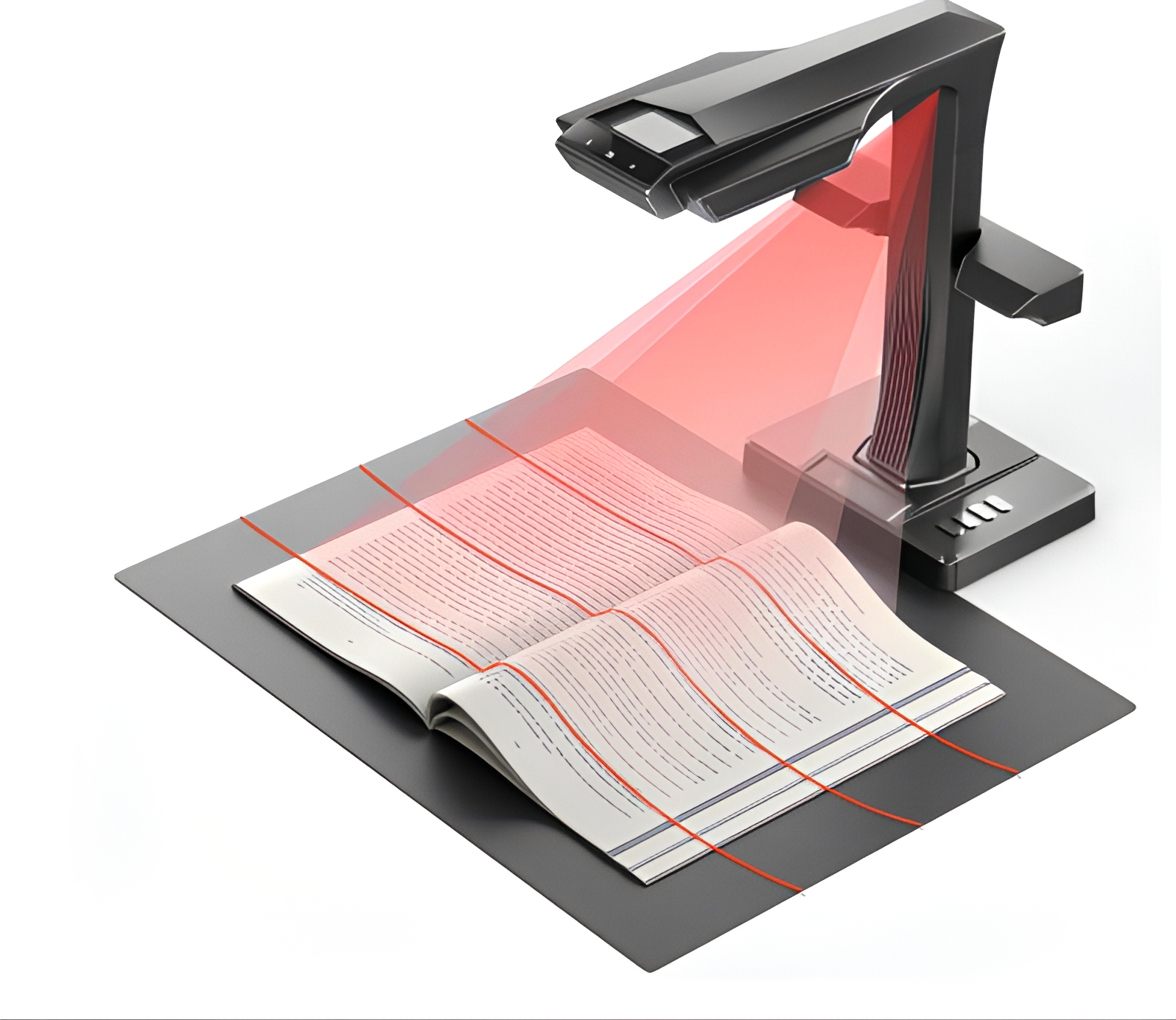
Book Scanner 38MP A3 Document Camera Auto Curve Flattening High Speed Overhead Scanner for Library Office
- Auto curve flattening for bound books
- High-speed overhead capture
- Library, archive and office digitization
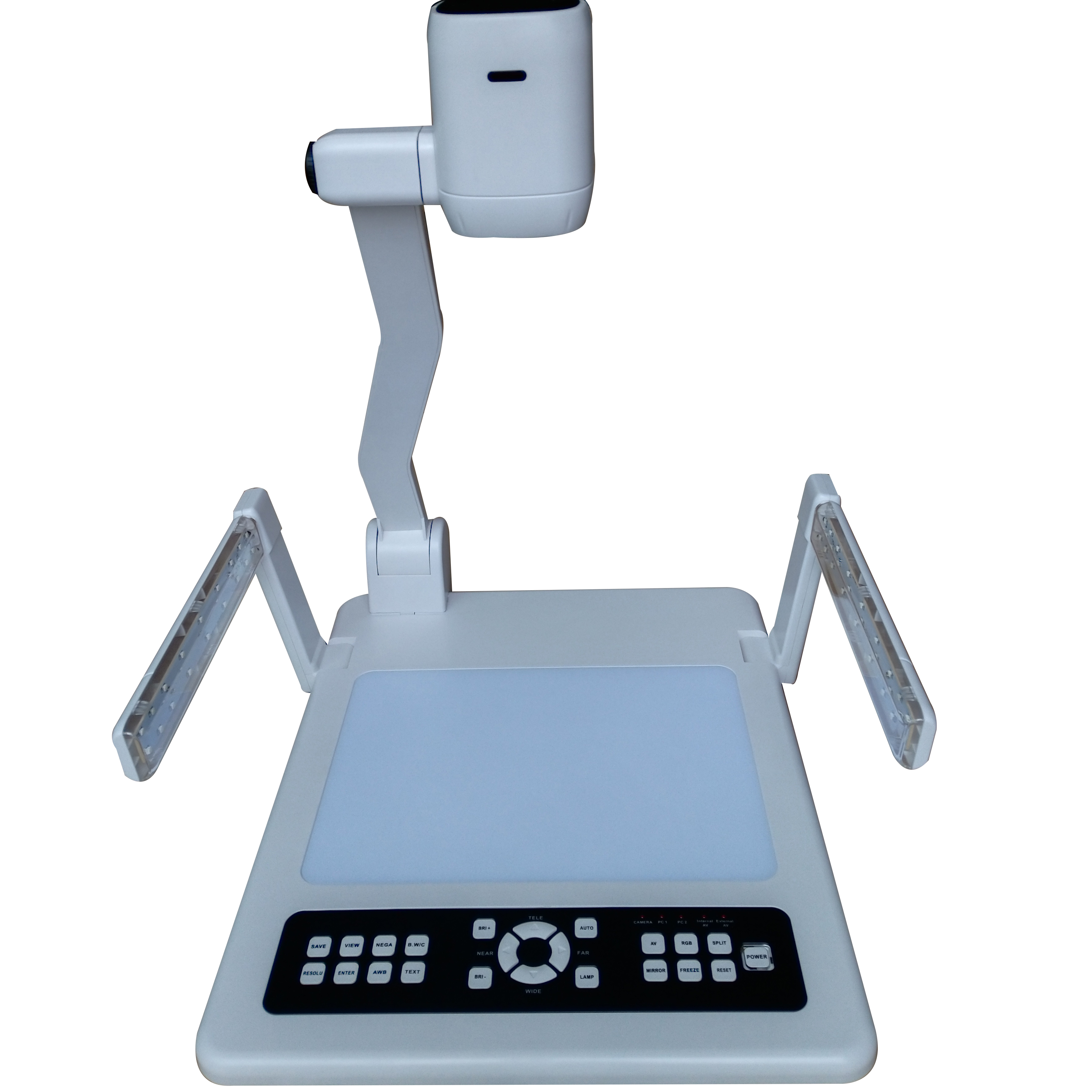
Modern Foldable Flexible Ultra HD Desktop Document Camera for School Video Output HD MI VGA Visualizer
- Foldable body for classrooms and meeting rooms
- HDMI and VGA video output
- Live visualizer for demonstrations
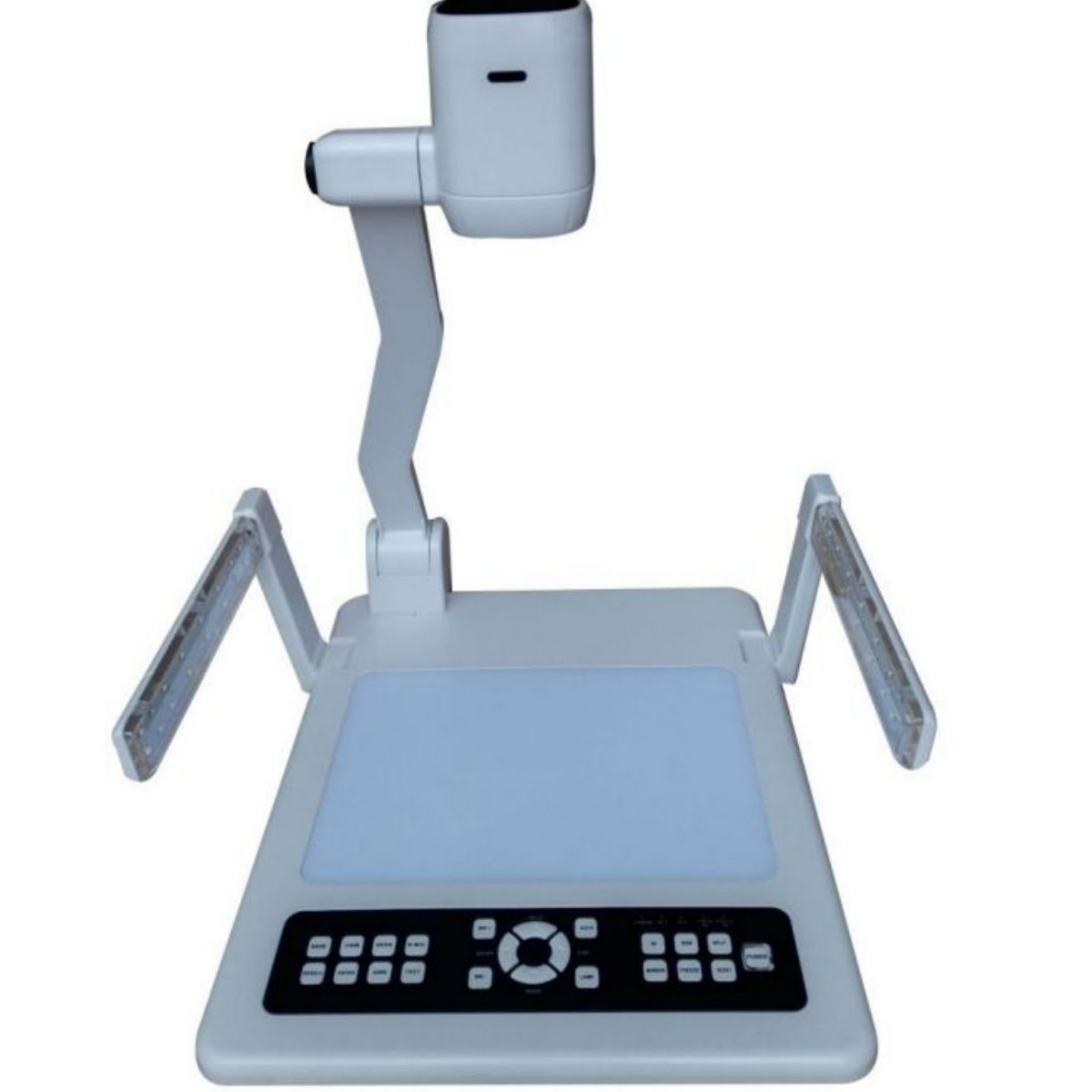
Multi-functional Document Camera Professional in Visual Presenter Also Visualizer in Educational Equipment
- Multi-purpose classroom presentation
- Visual presenter and visualizer workflow
- Suitable for education equipment projects
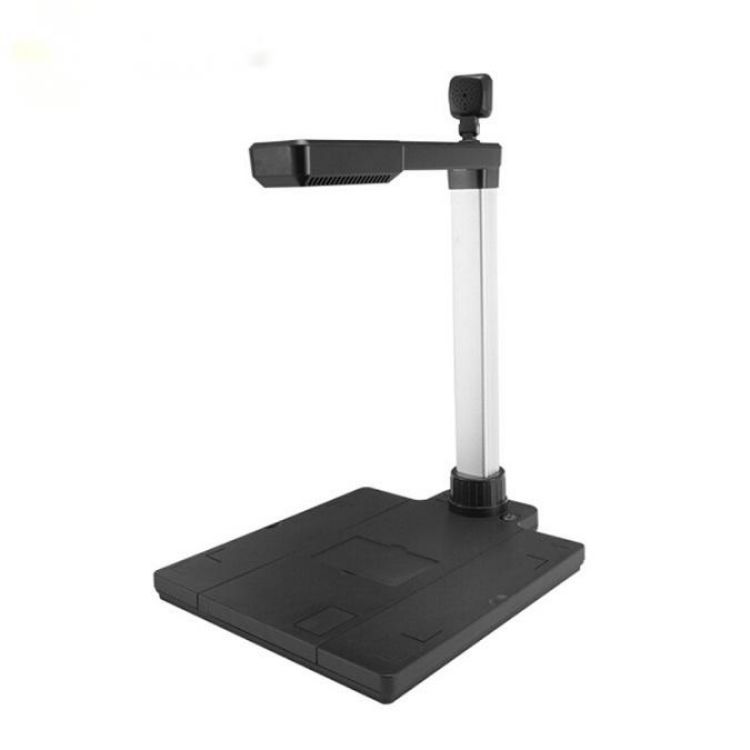
10MP Education Visualizer Scanner Document Management Book Camera USB in Stock
- 10MP USB document capture
- Book and document management use
- Stock availability for education projects
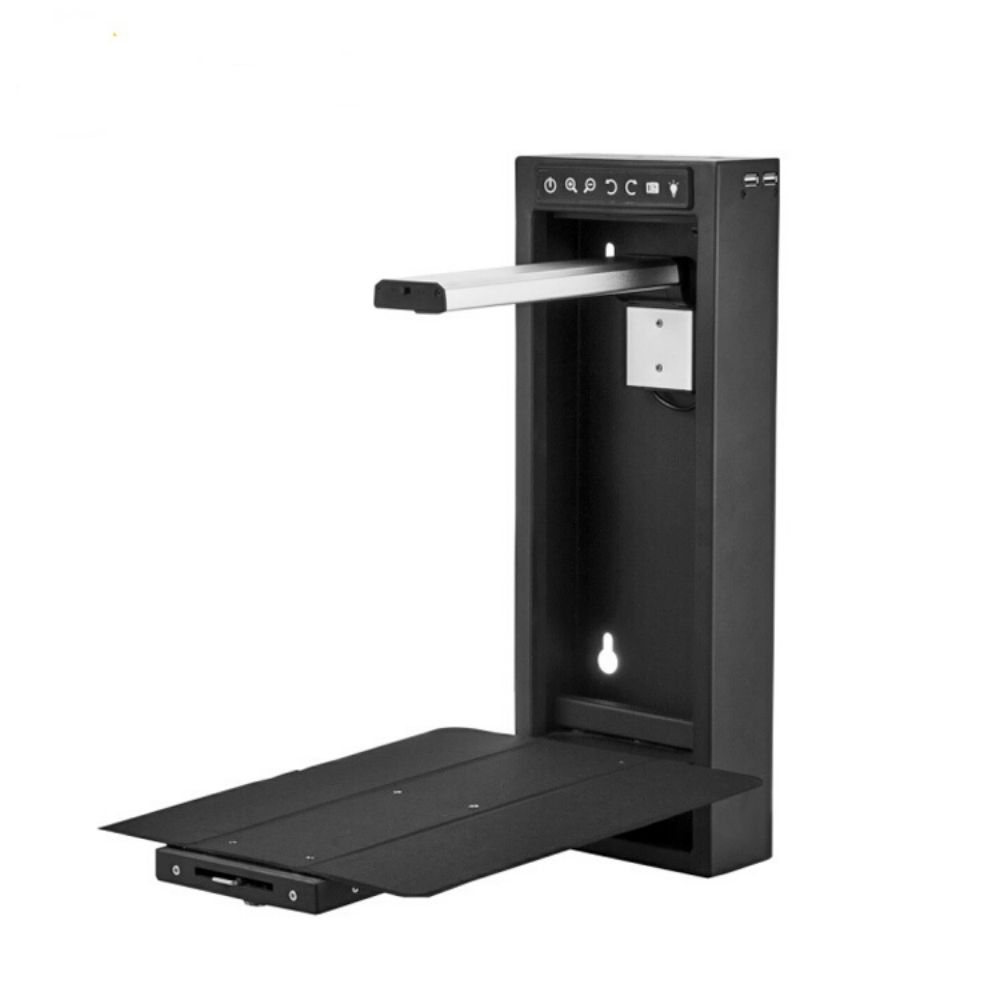
Online Training Portable 10MP A4 Document Scanner USB Interface Visualizer-in-Stock for Wall Version Black+Silver 1-Year
- Portable A4 capture for online training
- USB interface and wall-version option
- Black and silver configuration
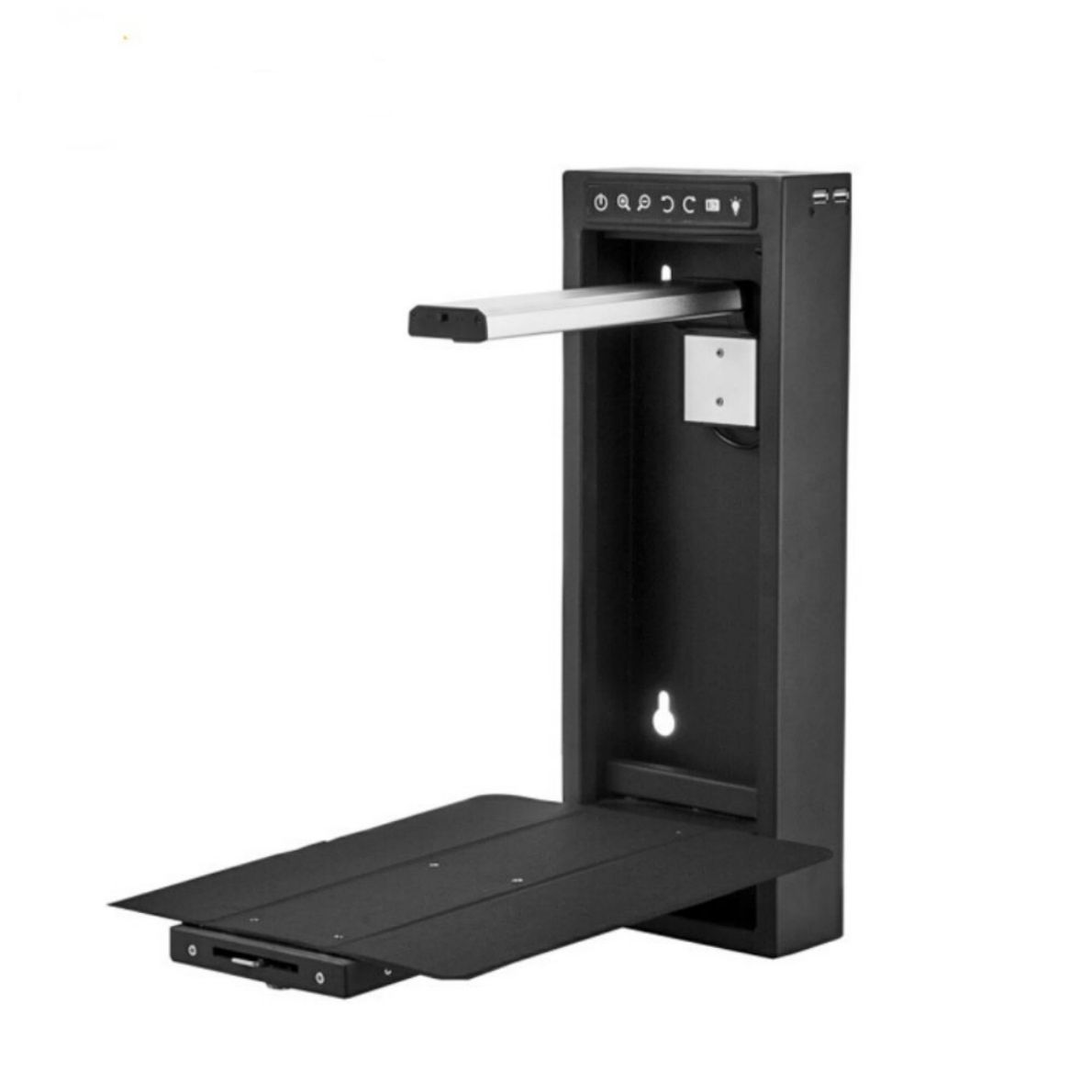
Document Camera A4 Visualizer Wall Version USB CMOS Sensor 10MP 1-Second Scan Document Scanner Stock for Classroom Smart
- Wall-mounted A4 visualizer format
- 10MP CMOS sensor with fast scan
- Classroom and smart-room deployment
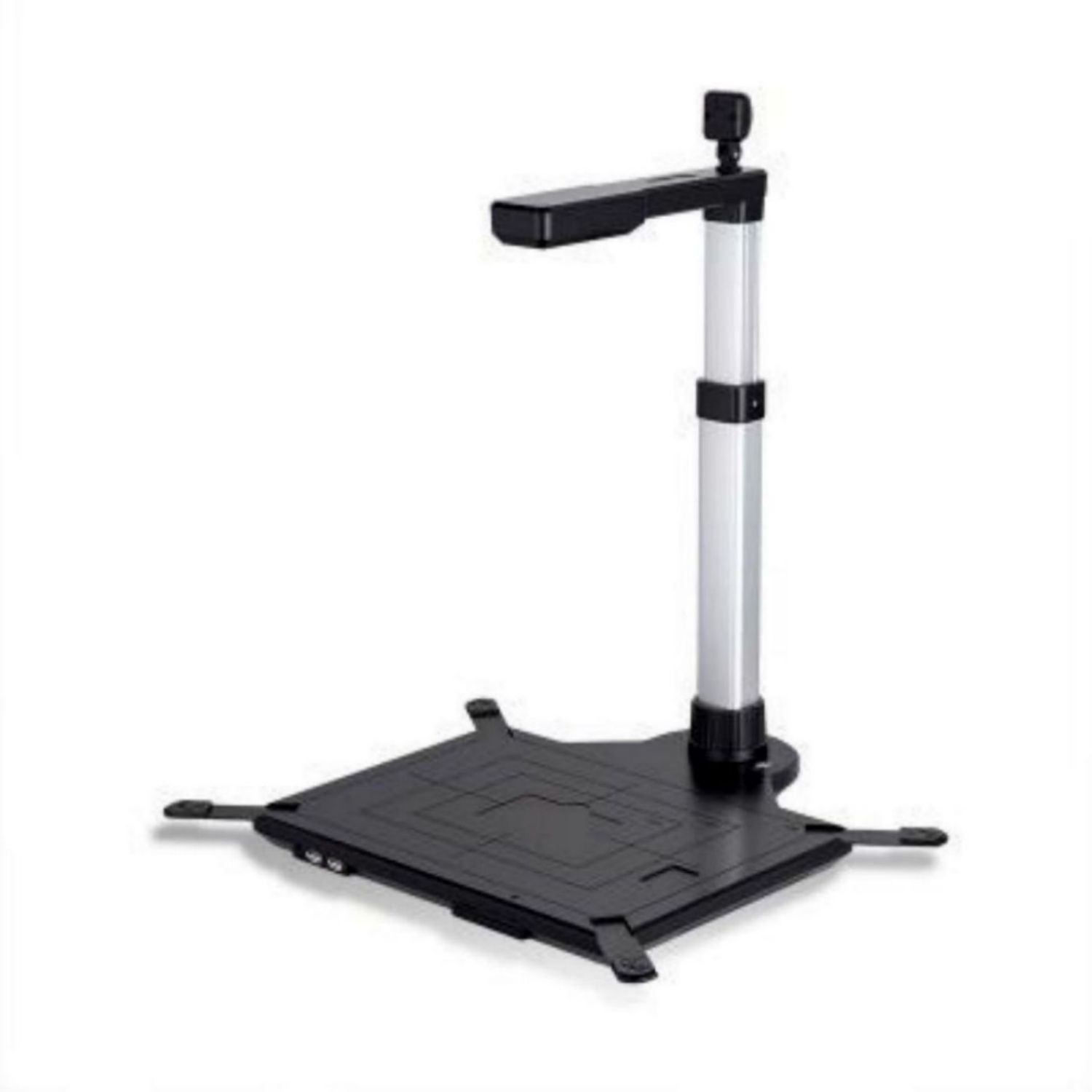
Professional USB Dual Camera Scanner for A3 Documents Supports OCR PDF Multi-Languages High-Speed 1-Second Scan 360-Degree
- Dual-camera A3 document capture
- OCR and PDF multi-language support
- High-speed one-second scan workflow
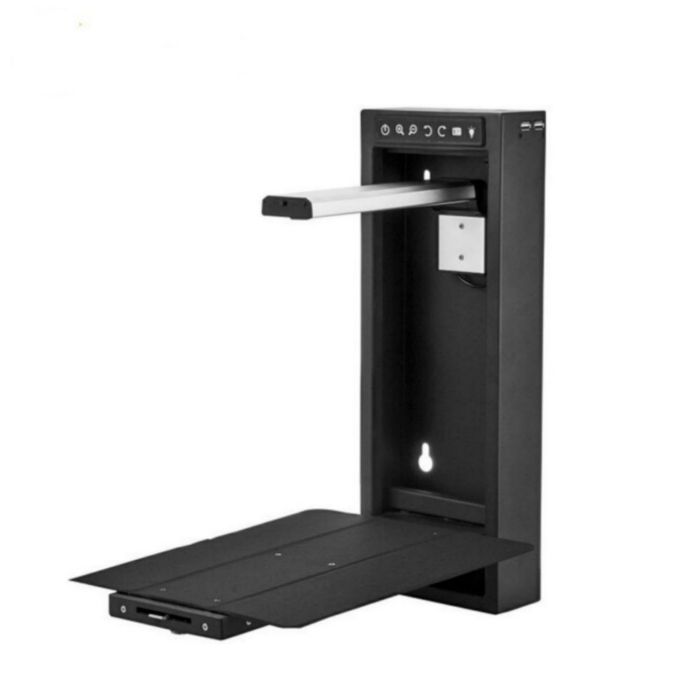
A4 Black USB 5V High-Speed 10MP High-Resolution Document Scanner Wall-Mountable OEM 24 Bit SDK 1-Year Warranty Education Stock
- Wall-mountable A4 capture format
- OEM, 24-bit and SDK support
- Education stock with 1-year warranty
Evidence Portland Buyers Can Review Before a Wholesale Order
Trust is easier to evaluate when the supplier separates verifiable business signals from marketing claims. The company profile behind this product range lists the following service and trading indicators.
Overhead Document Cameras for Portland, Oregon: What the Local Market Actually Needs
Portland’s document capture demand is not one market. It spans public libraries and special collections, K-12 and university classrooms, city and county records, healthcare intake, legal and insurance files, and creative studios in the Pearl District and Central Eastside. A generic webcam or flatbed scanner quickly becomes a bottleneck when the original is bound, fragile, oversized, or needed live during a hybrid meeting. An overhead document camera solves three jobs at once: non-contact capture, fast page turns, and live visual presentation.
For a Portland buyer, supplier choice is a risk decision. Oregon purchasers often need specifications in plain English, sample scans, OCR language confirmation, Windows and macOS compatibility, and a clear statement of what is not included. Quibow operates from Guangzhou, Guangdong, China, rather than from a Portland warehouse. That transparency matters: this is direct wholesale and OEM/ODM sourcing, and delivery to Portland is quoted under FOB, EXW or DDU terms. It is not a local retail storefront and should not be evaluated as one.
The practical benefit is range and customization. The Quibow profile covers CIS, CMOS and CCD imaging platforms, overhead book scanners, A3 and A2 large-format document scanners, flatbed scanners, document cameras, visual presenters, and ID card recognition high-speed cameras. For Portland projects, that range allows a single source to support multiple departments, from a school visualizer purchase to a records-room digitization plan.
Resolution Fit at a Glance
These ranges are starting points. Final dpi depends on page size, lens coverage, crop, page curvature and OCR requirements. Always request a sample scan at the exact document size used in Portland.
Portland Application Scenarios for Overhead Document Cameras and Book Scanners
The following are common requirement patterns for Portland-area organizations and businesses. They are not claims of specific client relationships; they show how buyers usually map device features to real operating needs.
Public Libraries, Historical Collections & Genealogy Rooms
Portland’s library and heritage ecosystem—including large public systems, university special collections, and organizations similar to the Oregon Historical Society—must digitize bound books, directories, maps, newspapers and fragile manuscripts without pressing a spine flat. A 38MP A3 overhead book scanner with auto curve flattening is often the first review model because it captures a full page in one shot, enables OCR, and reduces handling. For oversized newspapers or maps, ask for A2 overhead options and confirm the true dpi delivered at the requested page size.
K-12 Classrooms, Community Colleges & Universities
Portland Public Schools, neighboring districts such as Beaverton, Hillsboro, Gresham and Lake Oswego, plus Portland State University and Portland Community College, often need visual presenters that connect to existing projectors and displays. Look for HDMI/VGA outputs, optical zoom, LED illumination, remote control, and a capture area large enough for A3 textbooks, science demonstrations or design reviews. For hybrid teaching, confirm whether USB video output can feed the room’s collaboration platform without extra converters.
City, County and Court Records
Municipal and county offices in the Portland metro area process permits, case files, property records and correspondence. Overhead cameras with one-second capture, automatic page detection, OCR and local USB storage can reduce queue time at service counters. Keep the scanner outside any mandatory cloud workflow. Public records teams should request sample OCR output and verify output formats such as PDF, PDF/A and searchable PDF before issuing a purchase order.
Clinics, Dental Offices & Healthcare Administration
Healthcare intake teams around the OHSU corridor and independent Portland clinics often handle insurance cards, referrals, consent forms and paper charts. A wall-mounted A4 document camera or dual-camera scanner can capture documents and ID cards at the counter while keeping sensitive paper local. Buyers should confirm whether capture software runs offline, how images are named, and who controls storage. Do not treat a marketing claim of clinical suitability as a compliance guarantee; validate the workflow with your privacy officer.
Architecture, Design & Creative Production Studios
Pearl District agencies, Central Eastside studios, architecture firms and product teams use document cameras for moodboards, sketches, material samples and 3D objects. A 4K visualizer or 1080P presenter with optical zoom and HDMI output is often more useful than a scanner alone because the image can be shared live while a team annotates. Look for smooth zoom, responsive focus, neutral color and a stable arm or foldable body that fits compact meeting rooms.
Legal, Title, Insurance & Financial Services
Downtown Portland law firms, title companies, insurance adjusters and financial teams frequently scan contracts, claim forms, identification documents and supporting exhibits. A dual-camera A3 scanner with OCR is relevant when staff must capture both a document and an ID or portrait scene. If the firm integrates capture into a document management system, ask about SDK access, image formats, and Windows or macOS compatibility before customization. For sensitive matters, keep capture local and define retention rules internally.
Portland Market Trends Increasing Demand for Wholesale Document Cameras
Portland’s technology, education, public-sector and creative economies are pushing document capture from a back-office task to a front-counter and classroom capability.
Hybrid Classrooms and Meeting Equity
Schools and employers across Portland continue to support remote participants. A visual presenter gives remote attendees the same view of a textbook page, prototype or handwritten calculation as the people in the room. Buyers increasingly ask for HDMI, VGA and USB output options so one camera can serve an interactive display, a lecture-capture system and a video-conferencing computer.
Public Records and Archive Modernization
Oregon public agencies and mission-driven institutions face ongoing pressure to improve access while protecting originals. Overhead document cameras reduce physical handling because staff do not need to flatten a book against glass. Auto curve flattening, page detection and OCR shorten the path from a fragile paper page to an indexed digital file that can be reviewed by remote staff or the public.
Searchable OCR and Accessible Documents
Procurement language increasingly references searchable PDF, consistent file naming and accessible digital workflows. A camera that merely produces an image is no longer enough for many records, legal and education projects. Portland buyers should test OCR on real documents, confirm supported languages, and ask whether layout, tables and multi-page capture are preserved before approving a model.
Direct Import and OEM/ODM for Integrators
Silicon Forest-area integrators, AV resellers and education technology companies often need branded hardware rather than a generic retail device. OEM and ODM support—including logo, packaging, housing color, software branding and SDK integration—lets a Portland reseller build a repeatable solution around a proven document camera platform while controlling the customer experience.
Space-Efficient Wall-Mounted Capture
Downtown clinics, compact service counters and older Portland buildings rarely have room for a large scanner. Wall-mounted A4 document cameras preserve counter space and keep the capture lens out of the way when not in use. This trend is especially relevant for intake desks, school offices and records windows where staff need a repeatable overhead view without a dedicated equipment table.
Multi-Use Hardware Budgets
Budget scrutiny encourages one device to serve several tasks: scanning documents, showing a textbook during training, capturing an ID card, or presenting a product sample on a video call. A foldable visualizer or dual-camera A3 scanner can reduce the number of separate devices a department buys. The trade-off is that buyers must test the exact mix of live output, scan resolution, software compatibility and portability.
Matching Megapixels, DPI and OCR to Portland Specifications
Megapixels only matter in relation to page size, crop and output requirements. Divide the camera’s usable pixels across the document width and height to estimate true scanning resolution. This calculation prevents overbuying an A4 counter camera and prevents underbuying an A2 archive scanner.
Resolution Math for A4, A3 and A2
A4 at 300 dpi needs roughly 8.7MP; A3 at 300 dpi needs roughly 17.4MP; A2 at 300 dpi needs roughly 34.8MP. A 10MP camera is usually sufficient for A4 OCR and on-screen reference. An 18MP to 24MP model is the practical range for A3 books and office records. A 38MP A3 model offers extra margin for crop, page curvature and OCR cleanup, while A2 archival work generally points buyers toward 48MP overhead scanners.
- Ask for a sample scan at the exact page size.
- Confirm whether advertised megapixels are interpolated.
- Check the output dpi after lens crop and deskew.
OCR Is a Workflow, Not a Checkbox
Searchable PDF is valuable only when OCR accuracy is acceptable on your actual documents. Confirm supported languages, layout retention, multi-page handling and export options. For public records and library digitization, test samples with small type, stamps, handwriting, tables and aged paper. For classroom use, OCR may be secondary to live video quality, zoom speed and projector compatibility. Specify the output workflow first, then choose camera resolution.
- Test English plus any required language packs.
- Review PDF, PDF/A and searchable PDF export.
- Define naming and storage rules before rollout.
Sensor, Lens, Light and Software
A CMOS area sensor is well suited to bound books, documents and live presentation because it captures the whole page from above. CIS is common in ADF office scanning, while CCD is used in flatbeds and bookedge scanners where depth of field and stable color matter. Final image quality also depends on lens quality, lighting uniformity, compression and capture software. Auto curve flattening, deskew and finger removal can save hours on Portland archive projects.
- Choose CMOS for overhead books and live visuals.
- Choose CCD flatbed for photos and bookedge work.
- Confirm SDK and software compatibility before OEM integration.
Why Quibow Is a Practical Wholesale Partner for the Portland Market
Guangzhou Quibow Electronic Co., Ltd. was founded in 2020 and is based at Room 504, No. 5 Zitan Second Street, Guangzhou, Guangdong, China. Its public profile identifies it as an onsite-checked supplier with 5–10 dedicated specialists, annual revenue in the US$1M–US$2.5M range, and main markets in Eastern Europe, North America and South America.
CIS, CMOS and CCD Imaging Experience
The product range spans multiple imaging platforms rather than a single generic camera design. This helps Portland buyers match the sensor to the job: CMOS overhead cameras for books and live presentation, CIS-based ADF scanners for office batches, and CCD flatbed or bookedge options for photographs, artwork and spine-safe bookedge capture.
OEM and ODM Customization
Quibow supports OEM/ODM projects including logo printing, packaging, housing color, capture software branding and SDK integration on selected models. For Portland integrators, AV resellers and education suppliers, this means a documented path from a standard product to a branded deployment rather than a one-size-fits-all retail box.
Low MOQ on Many Stock Models
Most stock book scanners, A2 large-format scanners and flatbed scanners start from 1 piece or 1 set. Several document camera models start from 2 pieces. OEM/ODM quantities are confirmed per project. This structure allows a Portland pilot, a single department purchase, or a staged district rollout to be quoted with realistic minimums.
Software, SDK and OS Compatibility
Many models support Windows and macOS, and some have been verified on Apple M1 Macs according to the original catalogue content. When the project involves a document management system, kiosk, classroom platform or ID verification workflow, ask for the SDK scope, output formats and compatibility confirmation before purchase.
Quality Inspection Before Shipment
Units are checked for focus, lighting uniformity, driver installation and capture speed before shipping. For Portland projects, request the specific inspection points that matter to your users, such as OCR sample output, HDMI frame rate, wall-mount stability or software installation on your organization’s operating-system image.
Warranty, Response and Verification
Listed models such as A3 flatbed scanners, A2 overhead scanners and ADF scanners carry a 1-year warranty with remote technical support. Public platform records can support due diligence: supplier assessment confirms premises and legal status, while credit overview, ratings and trade history give procurement teams additional context before onboarding.
From Portland Inquiry to Delivered Wholesale Order
The buying path is designed for procurement teams that need documentation, not vague promises. Each stage produces information you can attach to an internal review or compare against another supplier.
Requirement Review
Share document sizes, daily volume, whether books are bound, target dpi, OCR needs, operating system and desired delivery terms for Portland. A first response typically arrives within one hour during business hours.
Model Matching and Sample Scans
Quibow recommends a sensor platform and resolution based on the job rather than on megapixels alone. Ask for sample scans using your page size, plus confirmation of HDMI, VGA, USB or SDK requirements if the camera will feed a live room or custom software.
OEM/ODM and Documentation
If you need a branded device or software integration, define logo, packaging, housing color, OCR languages and SDK scope. Procurement documentation can include model specifications, MOQ, warranty terms and commercial terms for Portland delivery.
Inspection, Shipping and Support
Before shipment, confirm inspection points, packing method, shipping terms and after-sales contact. Payment methods include T/T, L/C, PayPal and Western Union; currencies include USD, EUR, HKD and CNY; delivery terms include FOB, EXW and DDU.
Portland Buyer FAQ: Overhead Document Camera Supplier & Wholesaler
These are the questions most commonly raised by Portland-area schools, libraries, public agencies, integrators and businesses evaluating a direct wholesale purchase.
Is Quibow local to Portland?
No. Quibow is based in Guangzhou, Guangdong, China, and supplies Portland buyers through export wholesale. There is no local Portland warehouse or retail showroom. The advantage is direct factory-range sourcing, OEM/ODM support and access to the full imaging catalogue; the trade-off is that shipping, import timing and customs terms must be planned with your procurement team.
What is the minimum order quantity?
Most stock book scanners, A2 large-format scanners and flatbed scanners start from 1 piece or 1 set. Several document camera models start from 2 pieces. OEM/ODM quantities are confirmed per project based on branding, packaging, software changes or SDK requirements. Always confirm the MOQ on the quotation because model-level stock can change.
Can I request sample scans before placing an order?
Yes. Sample scans are the fastest way to evaluate real image quality. Share the page size, document type, language, target OCR output and lighting conditions. For Portland library or archive projects, include a curved page, a small-type page and a large-format sheet if relevant. The sample should be evaluated at 100% zoom, not only as a resized web preview.
How do shipping, duties and delivery to Portland work?
Quibow quotes delivery under FOB, EXW or DDU terms. Transit time and import handling vary by carrier, shipment size and customs broker. Oregon does not impose a state sales tax, but import duties, customs clearance and other fees may still apply depending on the shipment and Incoterm. Confirm exactly what the quotation includes before issuing a purchase order.
Can you support school district or public institution specifications?
Quibow can provide model specifications, sample scans, interface details and compatibility confirmation to help Portland-area education and public institutions evaluate a product. This does not imply pre-approval or an existing contract with any specific district or agency. Public buyers should run their own technology review, privacy review and procurement process.
Are the scanners compatible with Windows and macOS?
Many models, including A2 large-format scanners and the 1200 DPI A3 flatbed scanner, support Windows and macOS, and some are verified on Apple M1 Macs according to the original catalogue information. Compatibility is model-specific. If your Portland organization standardizes on macOS, Windows 11, Linux-based kiosks or a locked-down image, confirm the exact driver and software requirement in writing.
What warranty and technical support are included?
Listed models such as A3 flatbed scanners, A2 overhead scanners and the S2060W ADF scanner come with a 1-year warranty backed by remote technical support. For a smoother deployment, keep packing materials and serial numbers, document the operating-system image and capture a short video of any fault before troubleshooting. Remote diagnostics are faster when the issue is reproducible.
Can you customize a document camera for our Portland business?
Yes, OEM/ODM support can include logo printing, packaging, housing color, software branding and SDK integration on selected models. Integrators should provide the target workflow, output format, network or local-storage policy and expected volume. For sensitive records, prefer a local capture workflow and confirm the software behavior before committing to a large rollout.
Request a Wholesale Quote for Overhead Document Cameras
Share your document sizes, daily page volume, OCR needs, live presentation requirements, operating system, target dpi and preferred delivery terms for Portland, Oregon. Quibow will recommend a practical model, confirm MOQ and warranty, and provide the commercial details your procurement team needs to compare options.
Guangzhou Quibow Electronic Co., Ltd.
Room 504, No. 5 Zitan Second Street, Guangzhou, Guangdong, China