8 In-Stock Models for Seattle Library & Book Scanning Projects
These eight models cover the most common Seattle buying scenarios: bound-volume preservation, classroom visualizers, A3/A4 forms, wall-mounted scanning, mobile intake, A3 OCR digitization, A2 map and newspaper capture, and wireless book scanning with a foot pedal. Product URLs are preserved from the current catalogue.
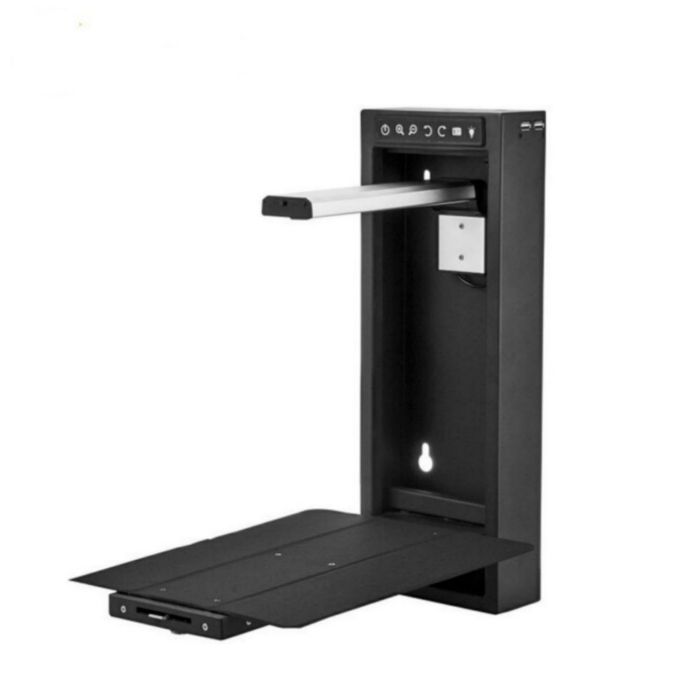
A4 Black USB 5V High-Speed 10MP High-Resolution Document Scanner Wall-Mountable OEM 24 Bit SDK 1-Year Warranty Education Stock
A practical wall-mount or desktop scanner for school offices, library service points and wholesale resellers that need A4 capture, SDK access and education-ready stock.
- 10MP high-resolution A4 capture
- USB 5V, wall-mountable design
- 24-bit color and SDK support
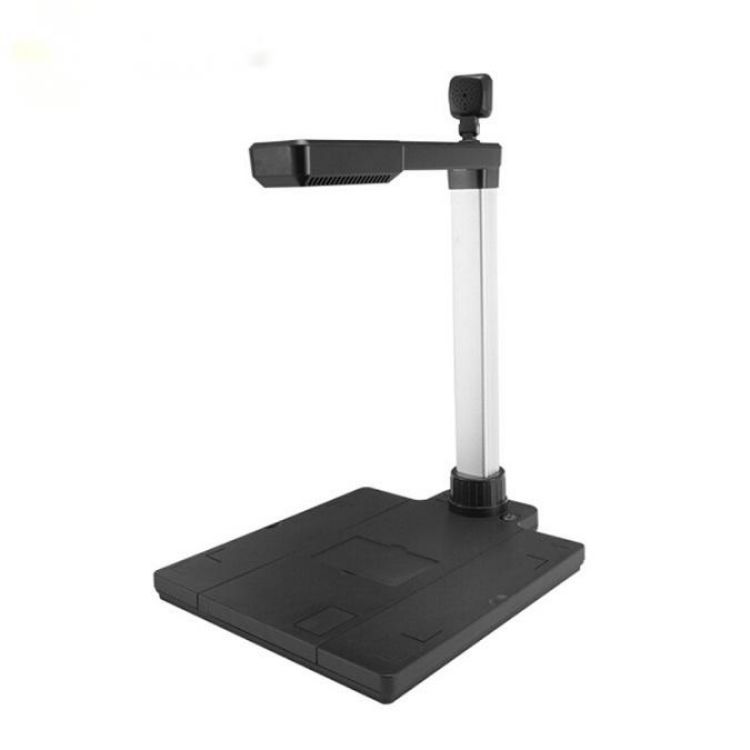
10MP Education Visualizer Scanner Document Management Book Camera USB in Stock
A useful teaching and library documentation tool for projecting books, forms, lesson materials and local-history pages without flattening the original.
- 10MP USB document camera
- Education visualizer and book capture
- Ready stock for school projects
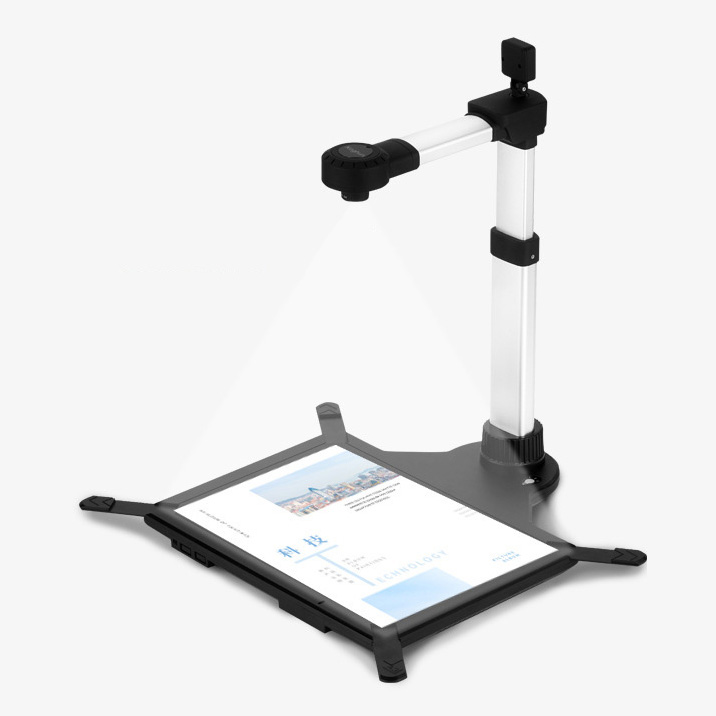
HD Dual Camera 16MP + 2MP Pixels Multifunction Stretchable Smart USB 60 Pages/Min A3/A4 Document Scanner 360 Rotation 180
For high-throughput counters, ID verification and multi-format records where a secondary lens and fast page-per-minute capture reduce repetitive handling.
- 16MP main plus 2MP secondary camera
- 60 pages/min A3/A4 capture
- Stretchable, 360° rotation and 180° movement
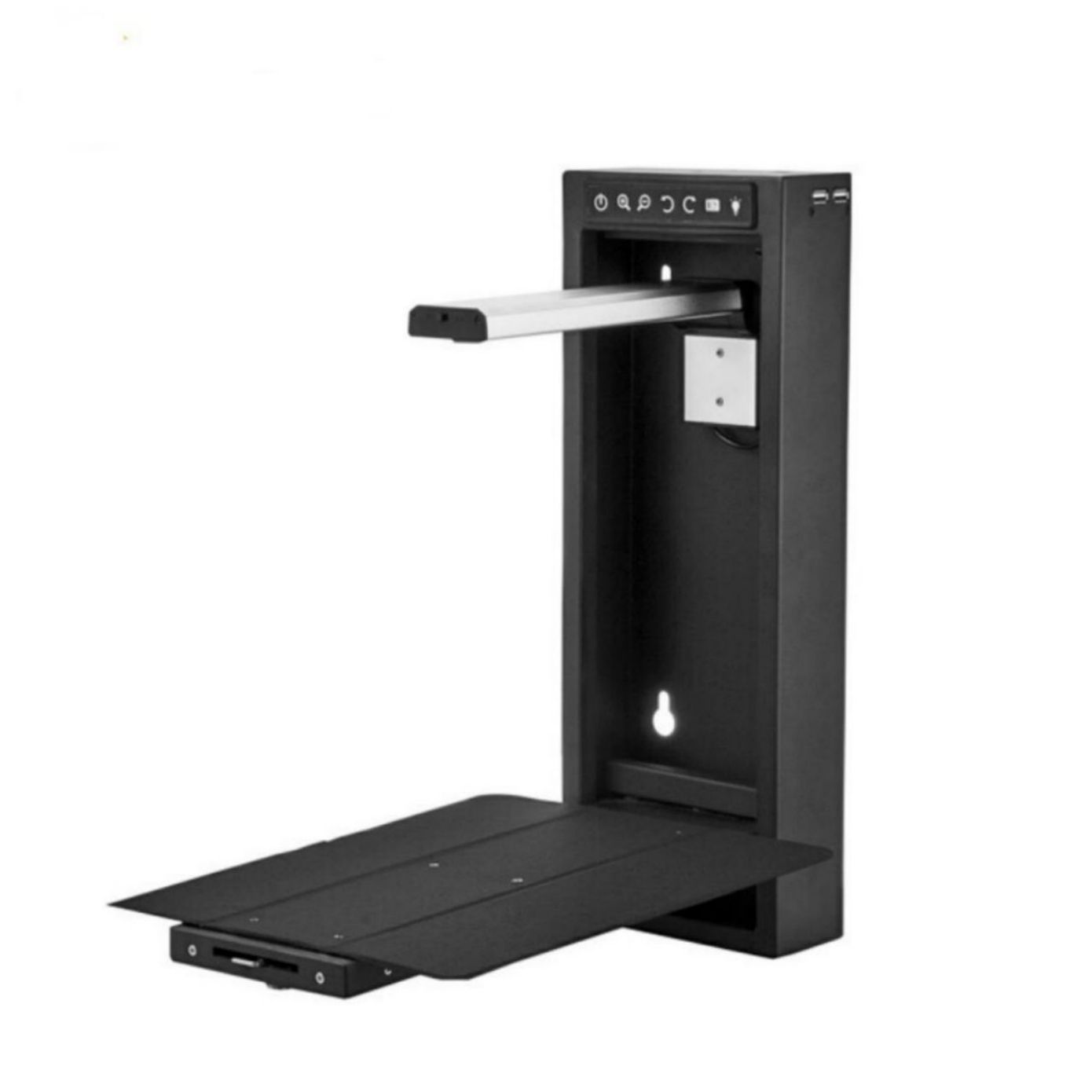
10MP USB CMOS Document Camera Wall Mount Scanner with 1-Second Scan Speed 1-Year Warranty in Stock Classroom Education A4 SDK
A space-saving A4 capture option for Seattle classrooms, branch service desks and compact back-office digitization stations.
- 10MP USB CMOS document camera
- 1-second scan speed for service points
- A4 capture with SDK and 1-year warranty
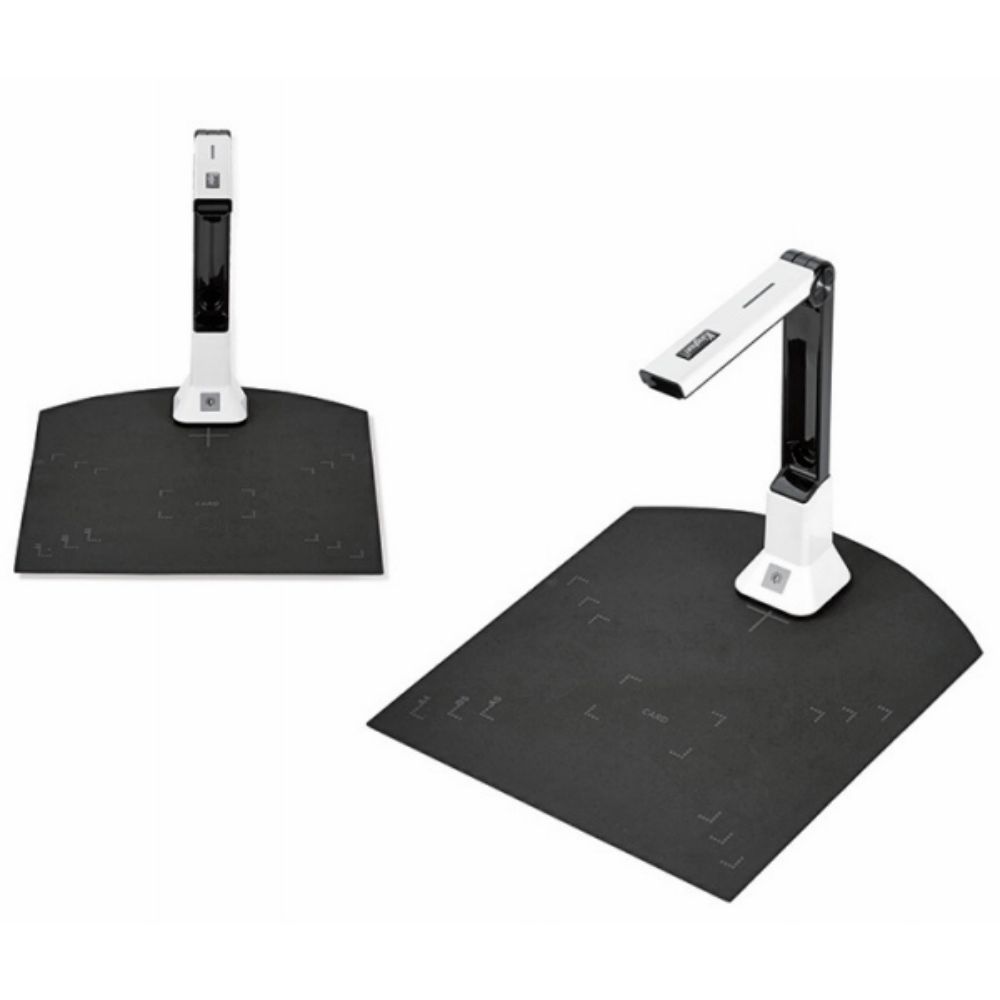
Wholesale 5MP USB Light CMOS A4 Document Scanner Portable Smart Handheld High Resolution 1-Second Scan CE Certified Stock Black
A lower-cost, portable A4 scanner for field intake, mobile notaries, small library branches and distributor stock programs.
- 5MP USB CMOS A4 portable design
- 1-second scan speed with light
- CE certified and ready stock
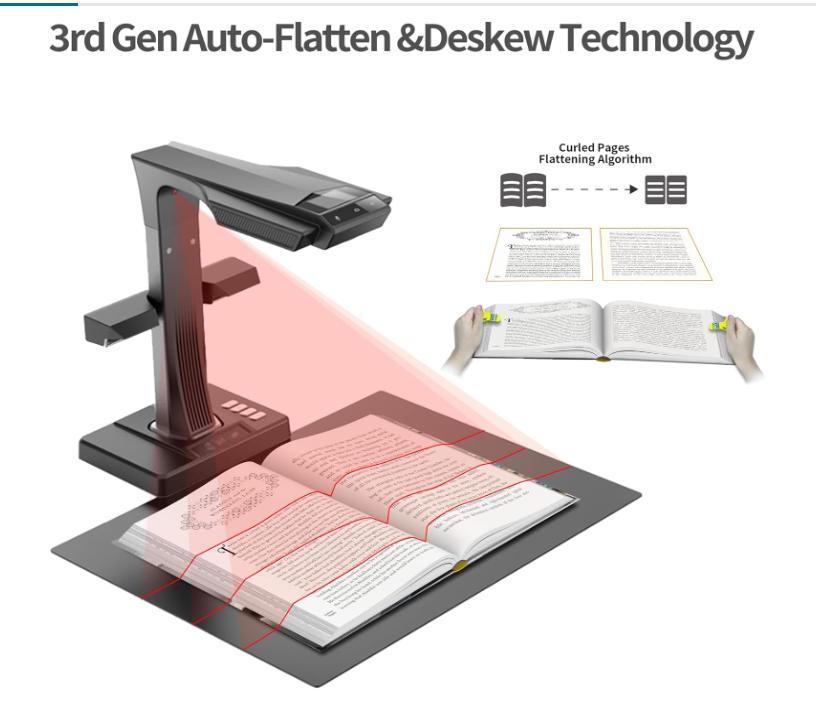
A3 24MP Book Scanner Auto Flatten Deskew CMOS Document Digitizer 4000x6000 USB Visualizer OCR Searchable PDF
A core recommendation for bound books, local-history volumes and fragile documents that require non-destructive scanning plus OCR output.
- 24MP CMOS, 4000 × 6000 pixels
- Auto flatten, deskew and OCR
- Searchable PDF for library discovery
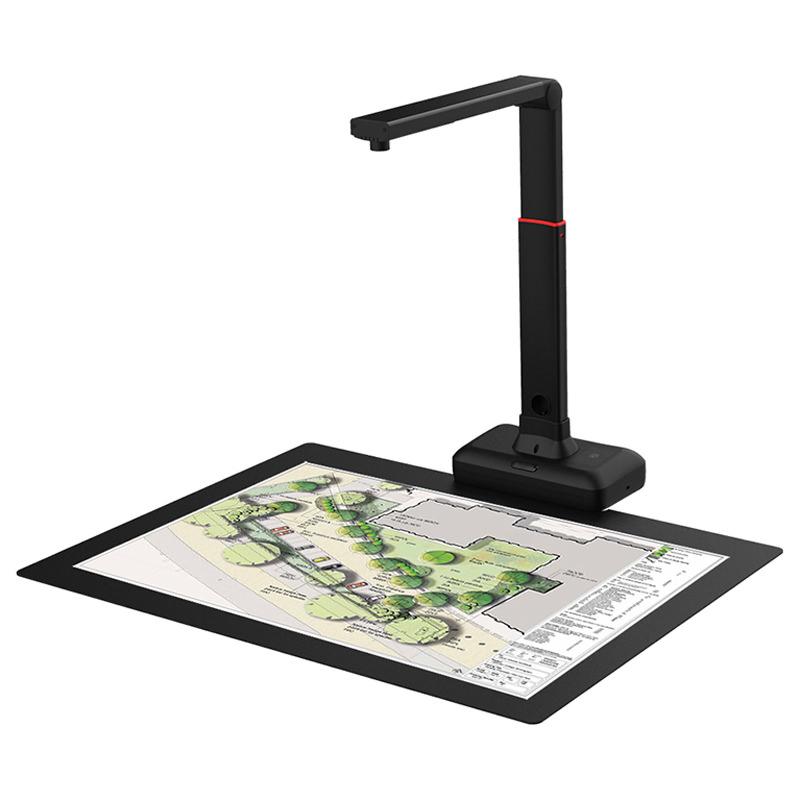
A2 Large Format Overhead Document Scanner 21MP USB Aluminum Text-to-Speech 1-Year Warranty in Stock
For newspapers, plat maps, engineering drawings and oversize archives where a single overhead capture is more practical than tiling.
- A2 large-format overhead capture
- 21MP USB imaging with aluminum body
- Text-to-speech and 1-year warranty
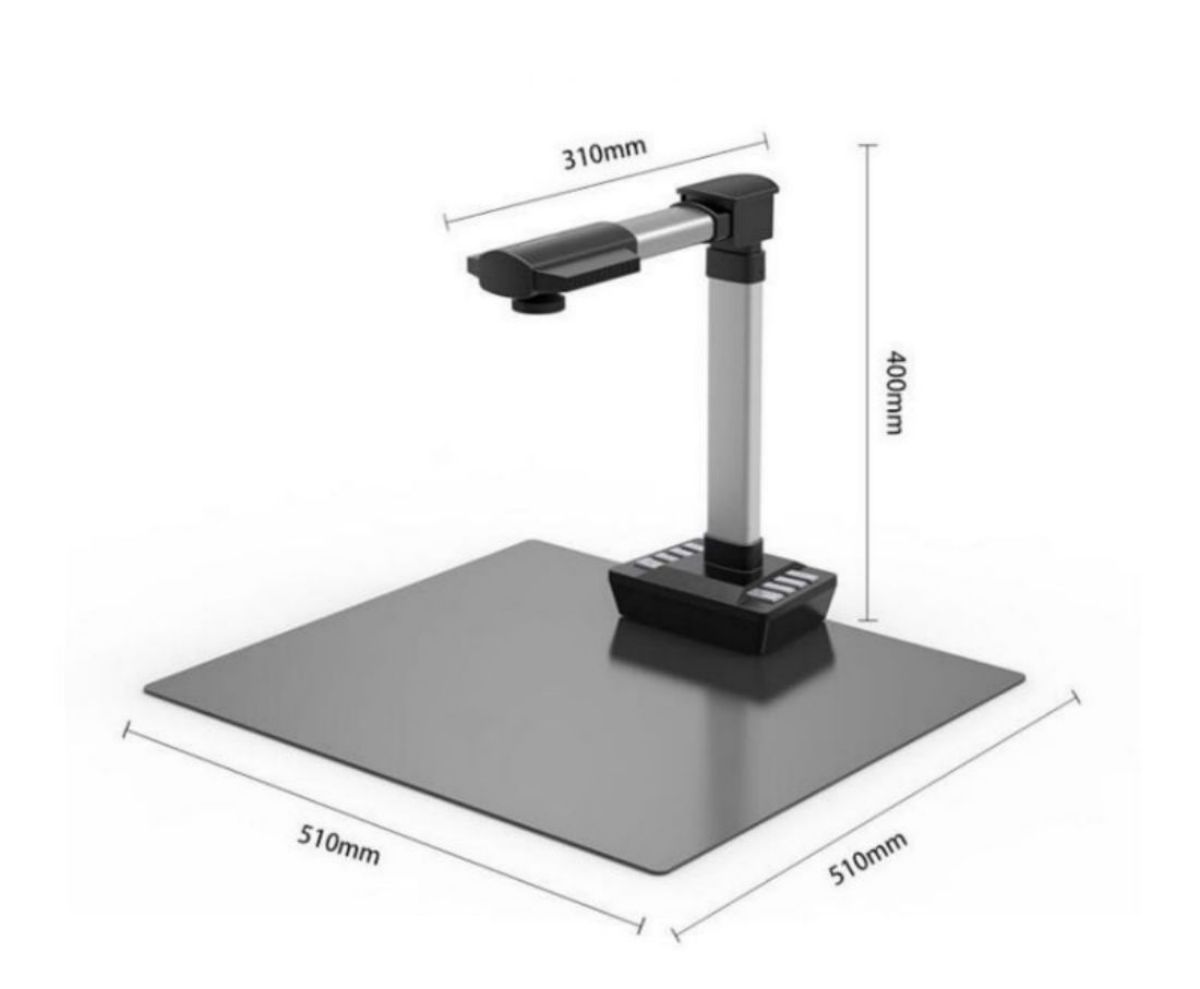
Portable 20MP High-Speed Wireless A3 Document Scanner Professional Book Scanner Foot Pedal USB Interface 24-Bit Color Stock
A flexible A3 book scanner for off-site genealogy projects, mobile archives, classroom capture and distributors needing a wireless workflow option.
- 20MP A3 portable book capture
- Wireless workflow plus USB interface
- Foot pedal for hands-free scanning
A Practical Seattle Sourcing Guide, Not a Generic Product List
Seattle is a dense knowledge economy: public and academic libraries, university special collections, K-12 districts, municipal records teams, law firms, insurers, museums, publishers, port operations and engineering offices all digitize different material. A single procurement cycle can involve a fragile bound volume, a batch of A4 forms and a 24 × 36-inch map. The scanner that is right for one is rarely right for all.
Start with document geometry, handling risk and output requirements
For Seattle buyers, the most expensive sourcing mistake is choosing by megapixels alone. Resolution only matters in relation to page size. An A3 page scanned at 300 dpi requires about 3508 × 4961 pixels, or roughly 17.4MP. An A2 sheet at 300 dpi requires about 4961 × 7016 pixels, or roughly 34.8MP. A 21MP A2 overhead scanner can be excellent for access copies, reading-room capture and OCR, but it will not satisfy a tender that demands a 300 dpi archival master for an A2 map.
The second issue is handling risk. Bound books, scrapbooks, newspaper volumes and archival folders should not be pressed flat by an automatic document feeder. Non-contact overhead capture with auto-flatten and deskew is generally safer for library book scanning. Loose-leaf records, invoices and forms may be better served by ADF or flatbed devices, while oversize plats and broadsheets call for A2 overhead scanning.
The third issue is output. Seattle public-sector, legal and research workflows increasingly ask for searchable PDF, OCR text layers, text-to-speech and SDK integration. A scanner that only produces images creates downstream labor. A model with OCR, deskew, curve correction and export controls can reduce review time and improve public access.
The resolution check that prevents a failed archive project
Before you request a quotation, ask the supplier to calculate the delivered dpi for your largest original, not just the sensor megapixels. For a full A2 sheet, a 21MP camera is often suitable for reading copies, but a 48MP class scanner is the safer specification for 300 dpi archival masters. For A3 books and records, 18MP–24MP is usually the practical starting point.
Ask for a sample scan of your own page at the target dpi, plus the OCR output, so your team can evaluate text quality, page curvature and file size before purchase.
How Many Megapixels Do Seattle Library and Archive Projects Really Need?
Use the source size and required dpi to set the sensor class. This table gives procurement teams a quick benchmark before comparing A3 and A2 models.
| Original size | 300 DPI pixel target | Recommended class | Seattle workflow |
|---|---|---|---|
| A4 210 × 297 mm |
2480 × 3508 ≈ 8.7MP |
10MP or higher | Forms, IDs, branch service scans, teaching materials |
| A3 297 × 420 mm |
3508 × 4961 ≈ 17.4MP |
18MP–24MP | Bound books, school records, local-history volumes, OCR |
| A2 420 × 594 mm |
4961 × 7016 ≈ 34.8MP |
48MP for ≈300 dpi | Newspapers, plat maps, drawings, broadsheets, posters |
Note: delivered dpi depends on how much of the sensor area the original fills. Always confirm crop, zoom and working distance with the supplier using your own sample page.
Where Library Book Scanners and Document Cameras Fit in Seattle Workflows
These are practical application patterns for Seattle-area institutions, not claims of specific client relationships. They show how buyers commonly match the capture format to the material.
Public Libraries & Branch Services
Branch teams need patron-facing scanning, local-history digitization and accessible document delivery. A wall-mounted A4 camera or a 1-second A3 scanner supports quick service without sending fragile items through a sheet feeder.
Archives & Special Collections
University, museum and historical-society collections often contain rare books, photographs and oversize maps. Overhead A3/A2 scanning with auto flatten, deskew and OCR helps create access copies while reducing physical handling.
K-12, Colleges & Hybrid Classrooms
Document cameras and visualizers let teachers show textbooks, lab demonstrations and 3D objects live on projectors or video calls. This is especially useful for Seattle schools supporting hybrid instruction and remote specialists.
Legal, Title, Insurance & Municipal Records
Case files, permits, signatures and plats require consistent capture and searchable output. A2 overhead scanning handles maps and drawings, while dual-camera or wall-mount models support counter intake and ID capture.
Newspapers, Publishers & Genealogy
Broadsheets, bound newspaper volumes and family-history books are common in Pacific Northwest research. A2 large-format scanners capture full pages in one shot, while A3 book scanners with a foot pedal support hands-free bound-volume work.
Port, Maritime & A/E/C Documentation
Engineering drawings, maintenance manuals, parts catalogs and site records often exceed A3. A2 overhead capture and portable A3 wireless scanning give field teams and document-control staff a practical way to digitize oversize material.
Local Digitization Trends Shaping 2025–2026 Buying Decisions
Seattle buyers are moving from “scan an image” to “create a usable record.” That changes the specification and the supplier questions.
OCR and Searchable Public Records
Requests for searchable PDF, text layers, OCR languages and accessible output are becoming normal in library, legal and municipal workflows. Text-to-speech and clean exports add value beyond raw image capture.
Non-Destructive Preservation
Fragile bindings, uncut pages and archival folders make sheet-fed scanning risky. Auto-flatten, deskew and overhead capture are now selection criteria, not optional features.
Hybrid Classrooms and Distributed Teams
Visualizers are used for live teaching, training, telemedicine-style review and remote collaboration. HDMI, VGA, USB and SDK options matter when the device must fit an existing AV stack.
Wholesale Consolidation and Landed Cost
Seattle distributors compare product cost with freight, import duties, warranty labor and spare-part risk. FOB, EXW and DDU options, plus USD pricing and sample scans, make supplier comparisons more transparent.
Which Model Should a Seattle Buyer Shortlist?
Use this workflow table to narrow the product range before requesting a sample scan and quotation.
| Seattle workflow | Recommended model | Why it fits |
|---|---|---|
| Fragile bound books and local-history volumes | A3 24MP Book Scanner Auto Flatten Deskew OCR | Non-contact A3 capture, curve correction, deskew and searchable PDF for reading copies and discovery. |
| Newspapers, plat maps and oversize drawings | A2 Large Format Overhead Document Scanner 21MP | Single-shot A2 capture for broadsheets and maps; specify a higher-resolution class if the tender requires 300 dpi at full A2. |
| Classroom teaching and live visual presentation | 10MP Education Visualizer Scanner | Document camera workflow for textbooks, objects and lesson materials without flattening originals. |
| High-volume counter, forms and ID capture | HD Dual Camera 16MP + 2MP 60 Pages/Min Scanner | Dual-camera design, A3/A4 flexibility and fast capture for service counters and records intake. |
| Off-site, mobile and field intake | Wholesale 5MP USB A4 Portable Document Scanner | Compact A4 USB scanning with CE certification for mobile projects and distributor stock programs. |
| Wireless A3 book scanning with hands-free capture | Portable 20MP Wireless A3 Book Scanner with Foot Pedal | 20MP A3 capture, wireless workflow, USB interface and foot pedal for repetitive page turns. |
CIS, CMOS or CCD: Match the Sensor to the Material
Quibow works across CIS, CMOS and CCD imaging platforms. The right platform depends on whether the original is flat, bound, fragile, reflective or oversize.
CMOS Area Sensor
Best for overhead, non-contact capture. The whole page is captured in one shot, so bound books do not need to be pressed flat. Software can correct curvature, deskew pages and support OCR.
- Bound books and fragile volumes
- Classroom visualizers and live capture
- A3/A2 overhead document scanning
CIS Contact Sensor
Compact, low-power and efficient for sheet-fed paths. CIS is a strong choice for loose A4/A3 documents, invoices and office batches—but it is not the right tool for fragile bound volumes.
- High-volume office batches
- ADF and compact document paths
- Loose forms, contracts and invoices
CCD Linear Sensor
A moving optical carriage can provide greater depth of field and stable color for photos, artwork and bookedge scanning. It is useful when originals sit slightly above the platen or spine shadow is a concern.
- Photos, art and mixed originals
- Zero-margin bookedge scanning
- Controlled, high-quality flatbed workflows
Inside the Quibow Advantage for Seattle Wholesale Buyers
Guangzhou Quibow Electronic Co., Ltd. is a technology-driven supplier focused on image data acquisition and conversion. Founded in 2020 and based in Guangzhou, the company coordinates development, production, export sales and after-sales support across CIS, CMOS and CCD imaging platforms.

Lean, direct and built for OEM/ODM coordination
Our business type is a trading company with onsite-checked status, supported by product development and production coordination. That means Seattle buyers can verify legal status and premises while working with a lean team that stays close to the factory and engineering process.
We support OEM/ODM projects including logo printing, packaging, housing color, capture software branding and SDK integration on selected models. Most stock book scanners, A2 large-format scanners and flatbed scanners start from 1 piece or 1 set; several document camera models start from 2 pieces. OEM/ODM quantities are confirmed per project.
For Seattle wholesale buyers, the practical advantages are fast technical response, sample scans before purchase, flexible payment and delivery terms, and direct access to product recommendations instead of a generic catalogue list.
What We Verify Before a Scanner Leaves for Seattle
Export projects fail when small assumptions are left unchecked. Our workflow is designed to surface those issues before packing and shipment.
Requirement Review
Confirm document size, daily volume, operating system, OCR language, output format, SDK requirement and whether the originals are bound or loose.
Model Matching
Recommend A3, A2 or document camera class based on the largest original, target dpi and workflow. Sample scans can be produced from your page.
Customization & Inspection
OEM/ODM options are confirmed for logo, packaging, housing color, software branding and SDK. Units are checked for focus, lighting uniformity, driver install and capture speed.
Shipping & After-Sales
Export packing and remote setup support are coordinated for Seattle delivery. Payment terms include T/T, L/C, PayPal and Western Union in USD, EUR, HKD or CNY, with FOB, EXW and DDU delivery terms.
Seattle Wholesale Buying Guide: 6 Questions That Save Rework
Before comparing quotations, ask these questions. They expose whether a supplier understands library, archive and classroom workflows—not just camera specifications.
01 What is the smallest original—and the largest?
If you handle A4 forms and A2 maps, one scanner may not cover both well. A3 book scanning and A2 overhead scanning are often complementary.
02 Are the bindings fragile or flat?
Fragile books and folded records need non-contact capture and careful page handling. ADF scanners are better for loose sheets.
03 What output does the workflow require?
Confirm searchable PDF, OCR languages, text-to-speech, image formats, file naming and SDK integration. A sample file is more useful than a specification sheet.
04 What is the peak daily volume?
For high-volume counters and classrooms, check capture speed, foot pedal support, live preview and workflow software. For occasional archival work, prioritize image quality and preservation.
05 Which operating system and software stack?
Many models support Windows and macOS, and some are verified on Apple M1 Macs. Compatibility should be confirmed per model before shipment.
06 What is the true landed cost?
Compare FOB, EXW and DDU quotations, import duties, lead time, warranty support and spare-part availability. A low unit price can be expensive if it shifts risk to your team.
Seattle Library Book Scanner FAQ for Wholesalers and Procurement Teams
These are the questions Seattle-area libraries, universities, distributors and office teams commonly ask before requesting a quotation.
What is the best book scanner for a Seattle library with fragile bound volumes?
For fragile bound volumes, start with a non-contact overhead CMOS book scanner. The A3 24MP auto-flatten deskew model is a practical choice when most volumes are A3 or smaller and you need OCR searchable PDF. If the collection includes newspapers, plats or oversize local-history materials, add an A2 overhead scanner. Always request a sample scan of your own book at the target dpi before purchase.
How do I choose between A3 and A2 scanners for Seattle archives and municipal records?
Choose by the largest original you must capture in one pass. A3 is usually right for bound books, files and school records. A2 is better for newspapers, plat maps, drawings and broadsheets. If your tender requires a 300 dpi archival master for full A2 pages, specify a 48MP-class A2 scanner; a 21MP A2 model is often more suitable for access copies, OCR and reading-room workflows.
Can Quibow supply Seattle wholesalers and distributors with OEM/ODM support?
Yes. We support OEM/ODM projects including logo printing, packaging, housing color, capture software branding and SDK integration on selected models. OEM/ODM quantities are confirmed per project. Many stock book scanners, A2 large-format scanners and flatbed scanners start from 1 piece or 1 set, while several document camera models start from 2 pieces.
Do you ship to Seattle, and what payment and delivery terms are available?
We coordinate export packing and shipping for Seattle delivery. Payment methods include T/T, L/C, PayPal and Western Union in USD, EUR, HKD or CNY. Delivery terms include FOB, EXW and DDU. Import duties, local taxes and customs clearance responsibilities should be confirmed in the quotation so the landed-cost calculation is transparent.
Are the scanners compatible with Windows, macOS and library software?
Many models support Windows and macOS, and some are verified on Apple M1 Macs. SDK availability and third-party software compatibility vary by model, so confirm the exact operating system, driver requirement and integration target before shipment. We can provide setup details and sample output for review.
What is the minimum order quantity for Seattle wholesale orders?
Most stock book scanners, A2 large-format scanners and flatbed scanners start from 1 piece or 1 set. Several document camera models start from 2 pieces. OEM/ODM minimums are confirmed per project because packaging, branding and software customization affect production planning.
What warranty and after-sales support do Seattle buyers receive?
Listed models such as the A3 flatbed scanners, A2 overhead scanners and selected document cameras come with a 1-year warranty, backed by remote technical support. We can provide setup guidance, compatibility confirmation and spare-part recommendations. Specific service terms are confirmed in the quotation and order confirmation.
How can we verify scan quality before placing an order?
Send us a representative page, binding type, target page size, required dpi and desired output format. We can recommend a model and provide a sample scan or specification review before your purchase order. For library projects, evaluate OCR accuracy, page curvature, color fidelity and file size—not just the megapixel number.
Get a Scanner Shortlist Built Around Your Seattle Workflow
Share your document sizes, binding condition, daily volume, OCR languages and target dpi. We will recommend the right A3/A2 book scanner or document camera, confirm OEM/ODM options and send a sample scan route so your procurement team can compare total project risk—not just unit price.
Inquire NowEmail: info@quibowtech.com · Guangzhou Quibow Electronic Co., Ltd. · Book scanners, document cameras and large-format scanners for libraries, archives, education and wholesale distribution.