8 Scanner & Visualizer Products for Montreal Buyers
The models below are shown first because most Montreal buyers start with three questions: what is the document size, how tight is the binding, and will the device support live presentation, OCR or archival capture? Each product URL is preserved for direct review, while A2/A3 large-format book scanners can be matched through our inquiry team.
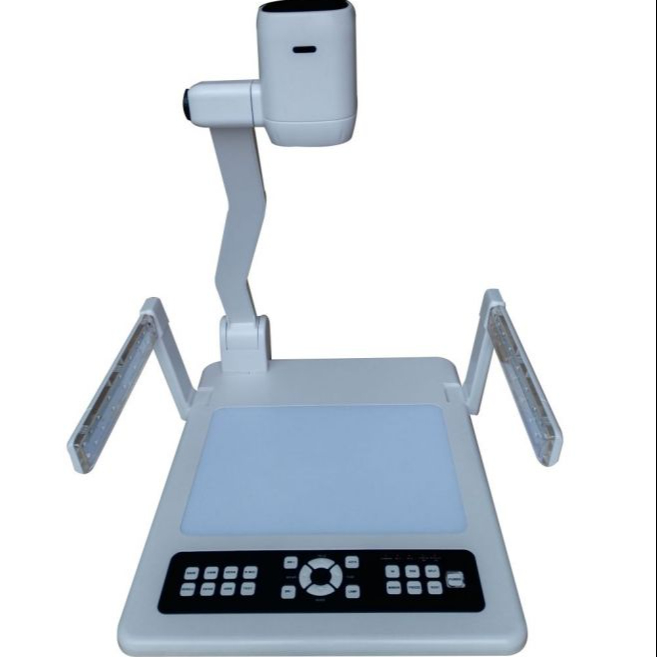
Factory Desktop Document Camera Visualizer 22X Optical Zoom with Interface HD MI RS232 Audio Mic Video
Desktop visualizer for training rooms, service counters and live demonstrations. Optical zoom, HDMI/RS232 and audio/mic/video interfaces suit classroom or meeting-room upgrades in Montreal.
View model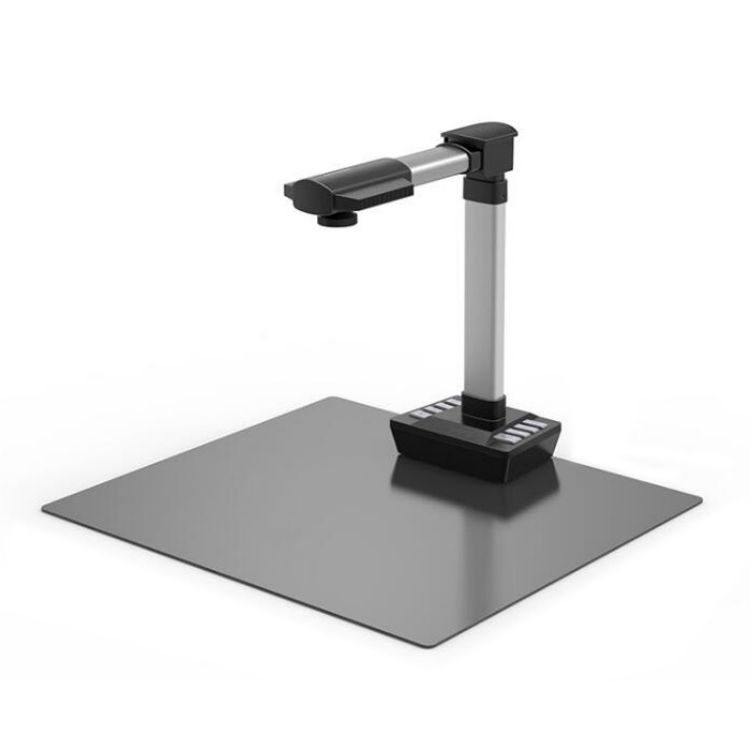
20MP OCR Aluminum Digital Visualizer Camera Classroom Office Training A3 Document Scanner USB Interface SDK Stock Black 1-Year
Aluminum A3 visualizer with 20MP still capture and OCR support. A practical choice for school boards, office training rooms and Montreal print shops that need fast document-to-searchable-PDF work.
View model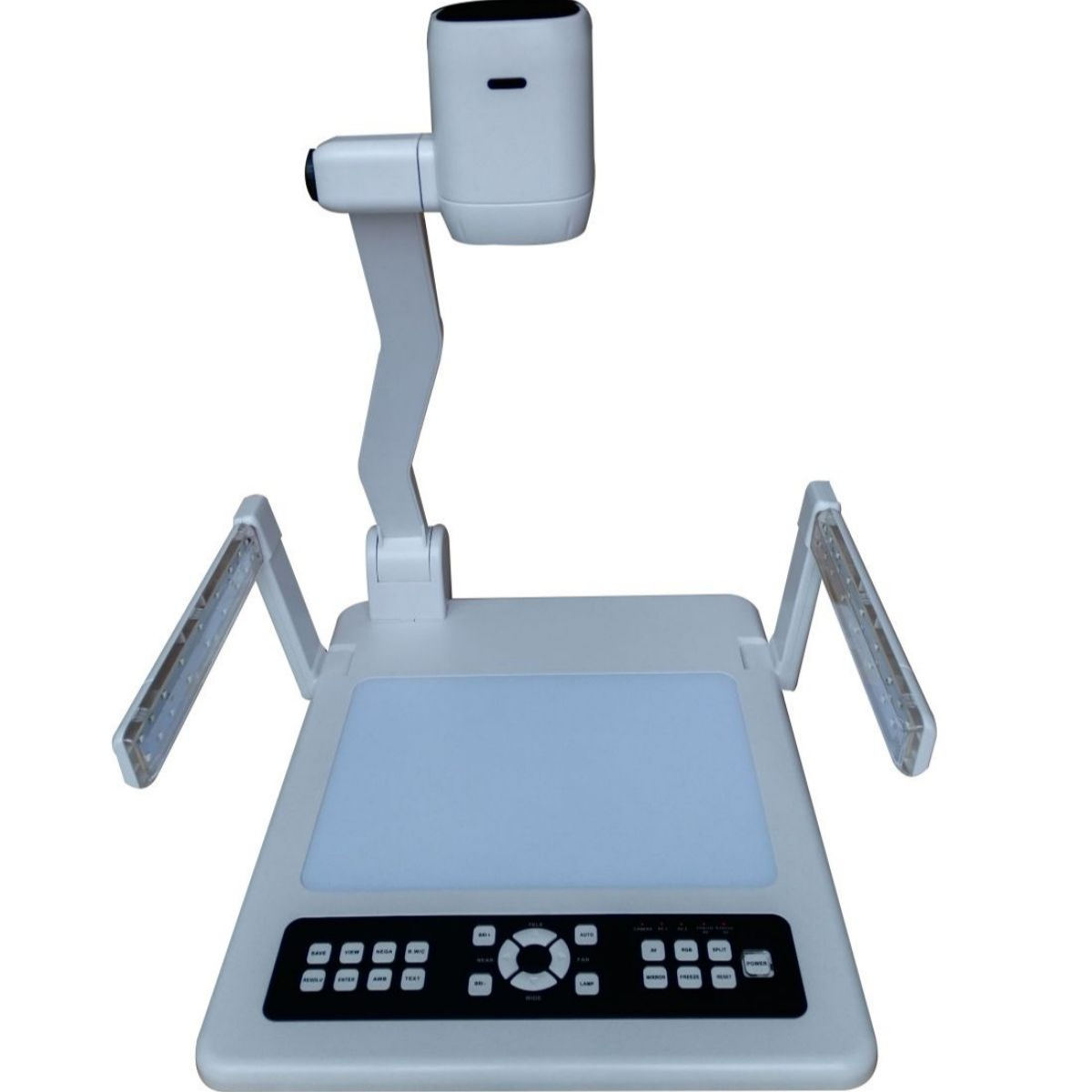
HD Optical Zoom Visual Presenter 1/3" CMOS Sensor 1-Year Warranty OEM Brand GUA Origin Professional Document Camera VGA RS232
Professional HD visual presenter with 1/3-inch CMOS sensor, VGA/RS232 and 1-year warranty. Suitable for OEM brand programs, AV integrators and education-equipment distributors.
View model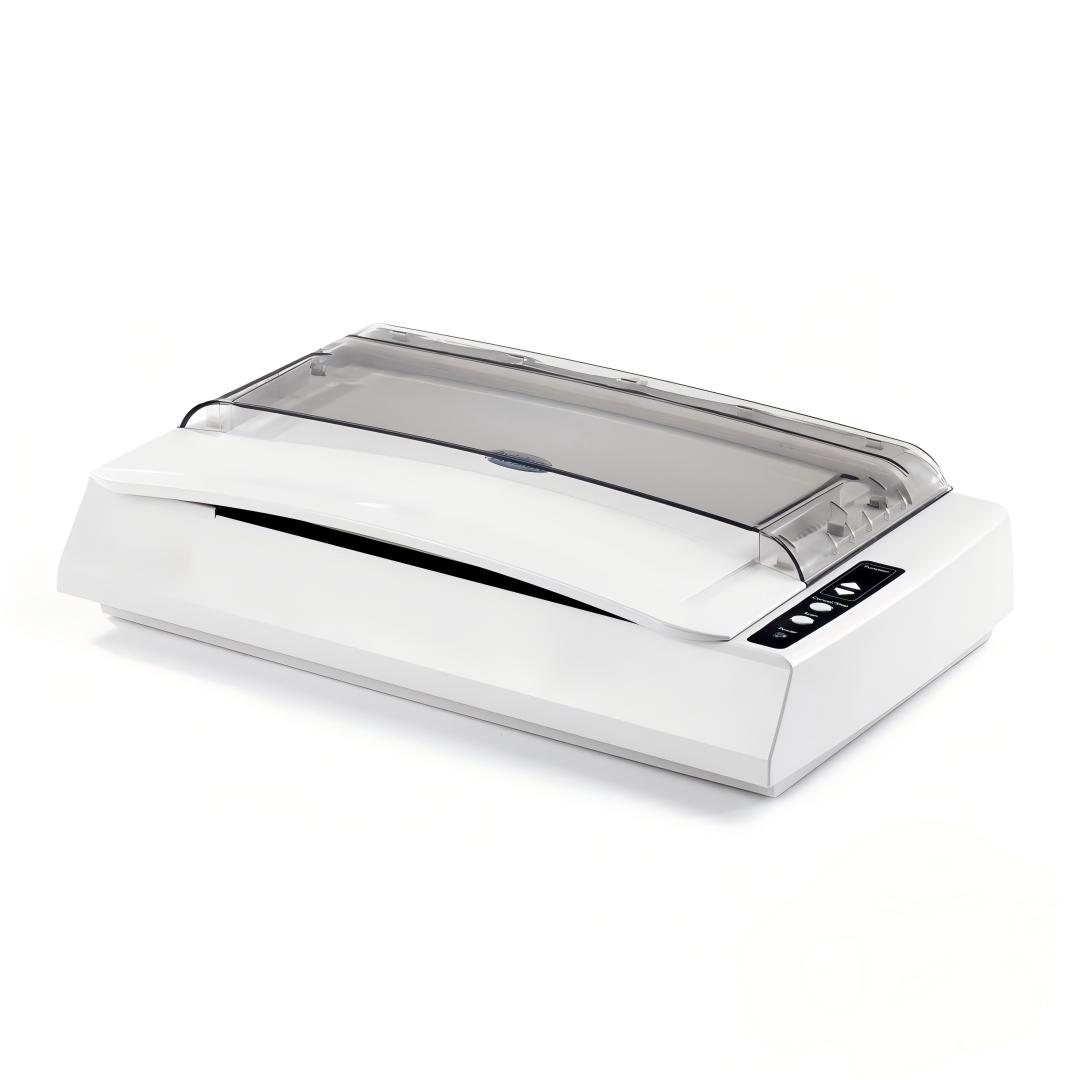
CCD Zero Margin Bookedge Flatbed Scanner A4 600dpi USB Bound Book Scanning No Spine Shadow Library Archive Digitization
CCD bookedge flatbed with zero-margin design to reduce spine shadow on bound books. Relevant to Montreal libraries, archives and notarial records with tight bindings.
View model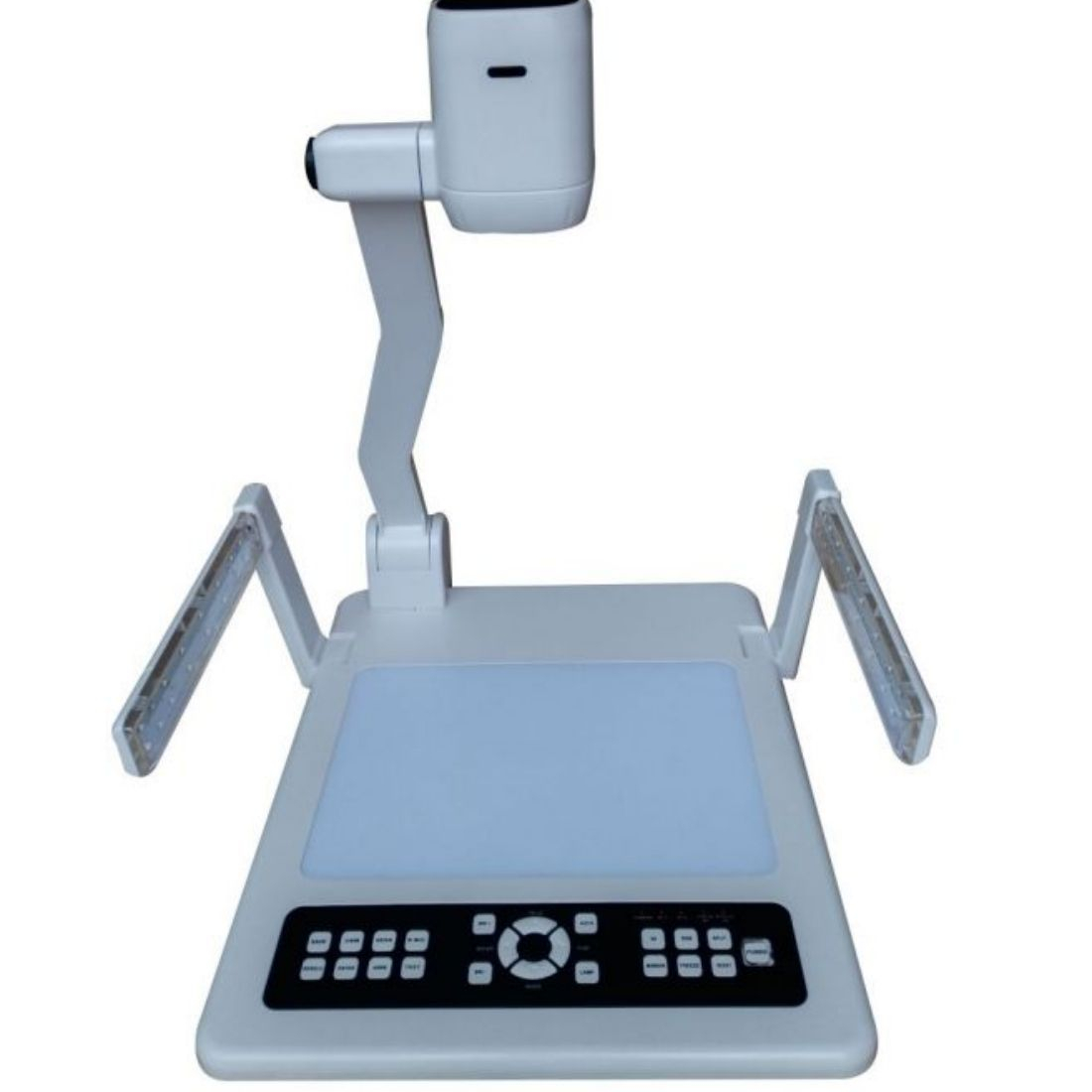
Factory 22X Optical Zoom Desktop VGA HD MI Audio Interface High Resolution Document Camera Visualizer
Desktop 22× optical zoom document camera with VGA/HDMI and audio interface. A high-resolution visualizer for classroom projection, hybrid meetings and live capture.
View model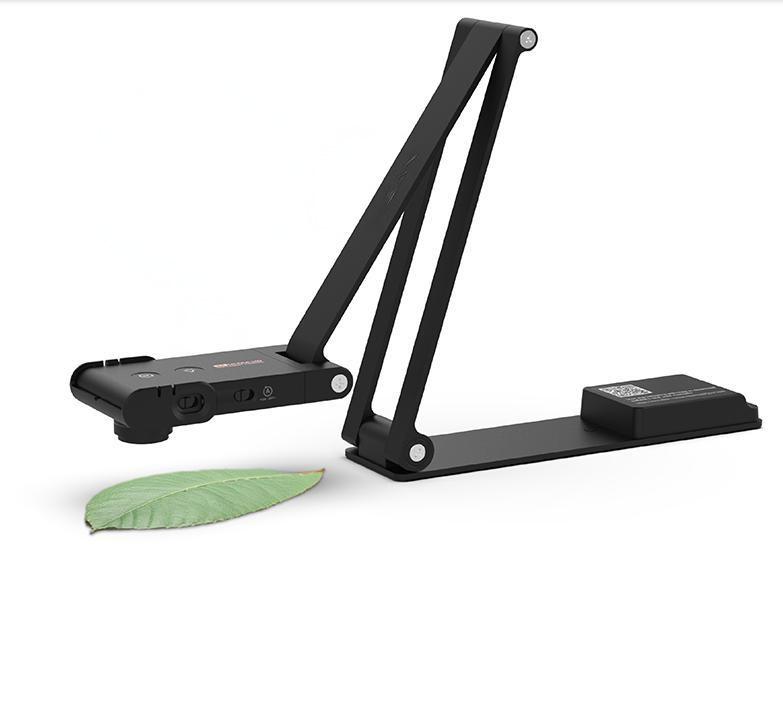
4K 2-in-1 USB 13MP Document Camera Visualizer AI Noise Cancellation 20X Macro Lens Foldable Design Microphone A3 Max 1-Year
Foldable 4K/13MP USB visualizer with AI noise cancellation, 20× macro lens and microphone. Useful for hybrid teaching, telemedicine-style presentations and detailed object capture.
View model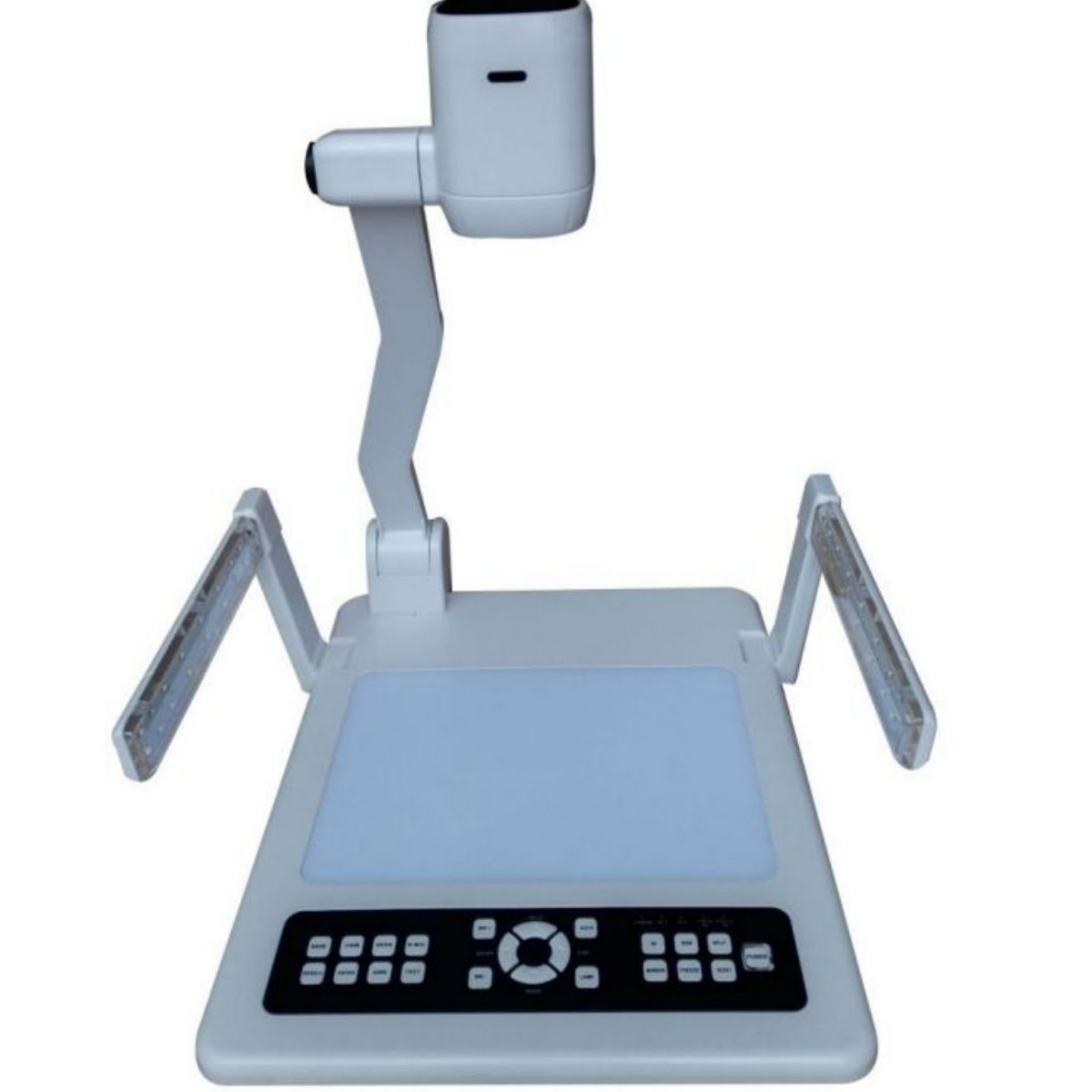
Multi-functional Document Camera Professional in Visual Presenter Also Visualizer in Educational Equipment
Multi-functional document camera for education and visual presentations. Adds a flexible visualizer layer to Montreal classrooms, training labs and public-facing counters.
View model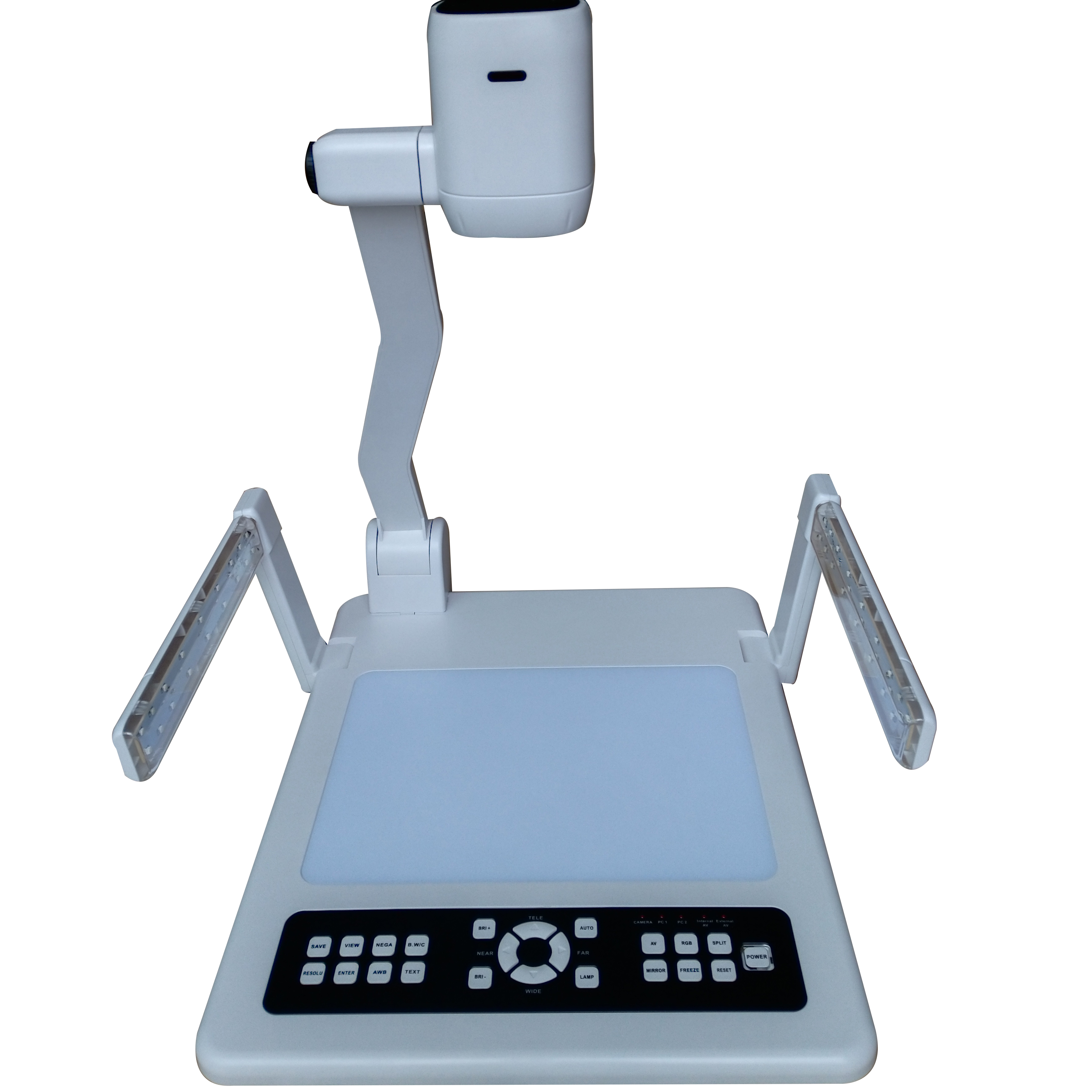
Modern Foldable Flexible Ultra HD Desktop Document Camera for School Video Output HD MI VGA Visualizer
Modern foldable Ultra HD desktop document camera with HDMI/VGA output. A compact visual presenter for school video output, hot desks and mobile teaching carts.
View modelWhere Large-Format Scanning and Visual Presenters Earn Their Place
Montreal organizations rarely buy a scanner as a standalone box. They buy a way to protect a collection, speed up bilingual records work, support hybrid teaching, or turn large drawings and newspapers into searchable digital assets. The application scenarios below are the ones procurement teams most often raise.
Libraries & Archives
Overhead and bookedge capture reduce stress on rare books, periodicals, directories and municipal records. Non-contact scanning is especially relevant when a binding cannot be pressed flat for a conventional copier.
Bilingual Records & OCR
Montreal workflows often combine French, English and multilingual documents. When OCR language coverage is confirmed at quotation, scanned pages can become searchable PDFs, editable text and metadata-rich archives.
Notarial, Legal & Municipal
Bound registers, case files and permits need consistent capture, clear page edges and reliable file naming. A3 overhead scanners and CCD bookedge flatbeds suit offices that scan daily but cannot risk damaging originals.
Universities, CEGEPs & Training
Visual presenters show textbooks, lab equipment, small components and handwritten notes live on projectors or video platforms. A foldable 4K USB model can serve classrooms, hybrid courses and remote tutoring.
Maps, Plans & Engineering Drawings
A2 large-format overhead scanners support newspapers, maps, site plans and architectural drawings that do not fit an A3 platen. For Montreal engineering and construction teams, one-shot capture reduces stitching and lost detail.
Print Shops & Scanning Bureaus
Reprographics shops, copy centres and corporate mailrooms add overhead capture to convert client documents quickly. A 20MP A3 OCR visualizer or 4K document camera can handle walk-in jobs without a dedicated production scanner.
Procurement Signals Shaping Montreal Digitization Projects
Montreal buyers are not only comparing megapixels. They are comparing handling risk, OCR quality, bilingual workflow support, classroom compatibility and after-sales response. These six trends are a practical checklist for a 2025-style digitization plan.
A2 and 48MP Archive Masters
Archives and newspaper collections increasingly specify A2 capture and 300 dpi masters. Because an A2 sheet at 300 dpi needs about 34.8 MP, 48MP models are the safer choice for broadsheets and maps.
Searchable French / English PDFs
OCR is moving from a bonus feature to a workflow requirement. Confirm language packs, output formats and whether the software can batch process mixed French/English documents before purchase.
Non-Contact Handling
Fragile bindings, foxed paper and oversized originals make contact scanning risky. Overhead CMOS capture and bookedge CCD designs reduce pressure on the object while keeping page edges readable.
Hybrid Teaching & AV Upgrades
Classrooms and training rooms need HDMI/VGA, USB and, in some cases, RS232 control. Visual presenters with optical zoom and clear object capture are replacing older opaque projectors.
OEM / ODM & SDK Integration
Distributors and system integrators want their own logo, packaging, software branding and SDK access. This is especially useful for AV resellers, library-system vendors and service-counter software providers.
DDU Logistics & Remote Support
For Montreal, a practical quotation should clarify FOB, EXW or DDU terms, packing, delivery point, duties/taxes responsibility, warranty process and remote troubleshooting before the order moves forward.
CIS, CMOS or CCD: Choose by the Document, Not by the Brochure
An A2 large-format book scanner, an A3 overhead visualizer and a zero-margin bookedge flatbed solve different problems. The sensor platform determines how the original is handled, how fast the workflow feels and how much resolution reaches the page edge.
CIS Contact Image Sensor
Compact, low-power capture for sheet-fed paths and high-volume office batches. Best when documents are loose, standard-sized and speed matters more than book handling.
- Typical use
- Invoices, contracts, office batches, ADF workflows
- Montreal fit
- Administrative backlogs and paperless-office projects
CMOS Area Sensor
One-shot overhead capture for books, newspapers, maps and live objects. Software can flatten curves, remove fingers and deskew pages, which is valuable when the binding cannot be pressed flat.
- Typical use
- A2/A3 overhead book scanners, 4K visualizers, classroom cameras
- Montreal fit
- Archives, libraries, hybrid teaching, counter services
CCD Linear Sensor
A moving optical carriage with stable colour and greater depth of field. A zero-margin bookedge flatbed can scan close to the spine, making it useful for bound volumes and delicate reference books.
- Typical use
- Bookedge flatbeds, photos, artwork, library digitization
- Montreal fit
- Notarial registers, heritage collections, special libraries
How Many Megapixels Do You Need for A3 or A2 at 300 dpi?
Megapixels matter only in relation to paper size. At a required dpi, the pixel count is determined by the document dimensions. For archival masters, A3 at 300 dpi needs about 17.4 MP, while A2 at 300 dpi needs about 34.8 MP.
This is why a 21MP sensor that is excellent for A3 may not satisfy an A2 tender that specifies 300 dpi. If the requirement is “300 dpi at A2,” a 48MP A2 overhead scanner is the more defensible specification.
| Document size | Pixels at 300 dpi | Recommended sensor | Typical match |
|---|---|---|---|
| A4 210 × 297 mm | 2480 × 3508 ≈ 8.7 MP | 10 MP or higher | A4 bookedge flatbed; 10MP+2MP dual-lens scanner |
| A3 297 × 420 mm | 3508 × 4961 ≈ 17.4 MP | 18–24 MP | 18MP OCR scanner; 20MP A3 visualizer; 24MP auto-flatten scanner |
| A2 420 × 594 mm | 4961 × 7016 ≈ 34.8 MP | 48 MP for ≈340 dpi | Dual 48MP A2 book scanner; 48MP A2 newspaper/archive scanner |
| Photos & art | 600–2400 dpi optical | Flatbed, 48-bit colour | 1200 / 2400 DPI A3 flatbed scanners |
Why Guangzhou Quibow Is a Practical Partner for Montreal Projects
For B2B buyers, trust is not a slogan. It is the ability to verify the supplier, understand the terms, request a sample scan and know who will answer when a classroom or archive rollout needs support. Our company profile and trading terms are summarized below.

Guangzhou Quibow Electronic Co., Ltd.
Quibow develops and supplies photoelectric information equipment, including high-speed document cameras, book scanners, flatbed scanners and ID-card recognition cameras. The company is an onsite-checked supplier based in Guangzhou, Guangdong, China, with an export focus on Eastern Europe, North America and South America.
Working across CIS, CMOS and CCD platforms, Quibow supports OEM/ODM projects including logo printing, packaging, housing colour, capture-software branding and SDK integration on selected models. This is valuable for Montreal AV distributors, library-system integrators and education-equipment resellers that need a branded solution rather than a generic product listing.
Requirement Review
Document size, daily volume, binding type, OS, OCR language and output format are confirmed before a model is recommended.
Model Matching
Sensor platform, resolution and interface are matched to the application, with sample scans available on request.
OEM / ODM
Logo, packaging, housing colour, software branding and SDK support help distributors build their own offer.
Inspection & Support
Units are checked for focus, lighting uniformity, driver installation and capture speed, with remote technical support.
Share the Brief
Tell us page sizes, material condition, daily volume and deadline.
Approve the Match
We confirm sensor, resolution, interface and sample-scan expectations.
Customize
OEM/ODM options, OCR language packs and SDK integration are scoped.
Ship & Support
Export packing, terms and after-sales process are confirmed before dispatch.
Payment Methods
T/T, L/C, PayPal, Western Union
Payment Currency
USD, EUR, HKD, CNY
Delivery Terms
FOB, EXW, DDU
Questions Local Buyers Ask Before Ordering
These answers combine the current product range, export terms and the practical questions that come up when a Montreal institution, distributor or school board evaluates a scanner or visual presenter.
Can you ship large-format book scanners and document cameras to Montreal?
Yes. We export to North America and can quote FOB, EXW or DDU terms. For Montreal, the quotation should confirm the delivery point, packing method, lead time and whether local duties and taxes are included or handled by the buyer. If DDU is requested, please provide a clear delivery address and receiving requirements before the order is finalized.
What is the minimum order quantity for scanners and visualizers?
Most stock book scanners, A2 large-format scanners and flatbed scanners start from 1 piece or 1 set. Several document camera models start from 2 pieces. OEM/ODM quantities are confirmed per project because logo, packaging, software branding and SDK work can change the production plan.
Which model should a Montreal archive choose for A2 newspapers or maps?
For A2 broadsheets, maps and archive masters, choose a 48MP A2 overhead scanner or the dual 48MP A2 book scanner if both speed and detail are important. An A2 page at 300 dpi needs about 34.8 MP, so a 21MP A2 model should not be assumed to meet a 300 dpi A2 tender without checking the actual page size and crop.
Do your scanners support French and English OCR?
OCR capability depends on the model, capture software and language packs installed. Because Montreal workflows often include French, English and mixed-language documents, always confirm the required OCR languages, output formats and batch workflow during quotation. For integrators, SDK access may be available on selected models for custom capture and recognition workflows.
Will a document camera work with Montreal classroom projectors and displays?
Many models provide HDMI, VGA or USB output, and some include RS232, audio or microphone options. However, classroom AV systems vary, so check the projector/display input, cable distance, resolution and control method before purchase. A 4K USB visualizer may suit hybrid teaching, while a 22× optical zoom desktop visualizer better fits live projection of textbooks and objects.
Are the scanners compatible with Windows and macOS?
Many models, including several A2 large-format scanners and A3 flatbed scanners, support Windows and macOS, and some have been verified on Apple M1 Macs. Compatibility should be confirmed for the exact model, operating-system version and capture software version before shipment. If your team uses Macs in Montreal, state this in the initial inquiry so the correct driver and software package can be checked.
What about power, plugs and local delivery preparation?
At order review, confirm the Canadian 120V/60Hz power requirement, plug type, adapter specification and any site-specific electrical constraints. Products that are USB-powered or use an external adapter should be checked against the exact model. For multi-unit rollouts to Montreal, label the receiving contact, delivery hours, loading-dock access and any building security requirements before dispatch.
What warranty and after-sales support are included?
Listed models such as the A3 flatbed scanners, A2 overhead scanners and selected visualizers come with a 1-year warranty, backed by remote technical support. The practical after-sales checklist is: keep the model and serial number, describe the issue with photos or a short video, confirm the operating system and software version, and follow the remote troubleshooting steps. Spare-part and repair options can be discussed at quotation.
Request a Montreal-Specific Scanner Recommendation
Send your document sizes, binding condition, daily scan volume, OCR language requirements, output format, classroom or archive workflow and target deadline. Our team will return a model recommendation, sample-scan guidance, MOQ, lead time and FOB/EXW/DDU options for Montreal.
Contact Us