8 Image Scanner Products Selected for Phoenix Buyers
The range below is organized around real Phoenix-area workflows: bound public records, A3 case files, A4 intake forms, ID capture, classroom visuals, hybrid training and map-heavy project documentation. Every image and product URL is retained from the original Quibow catalogue.
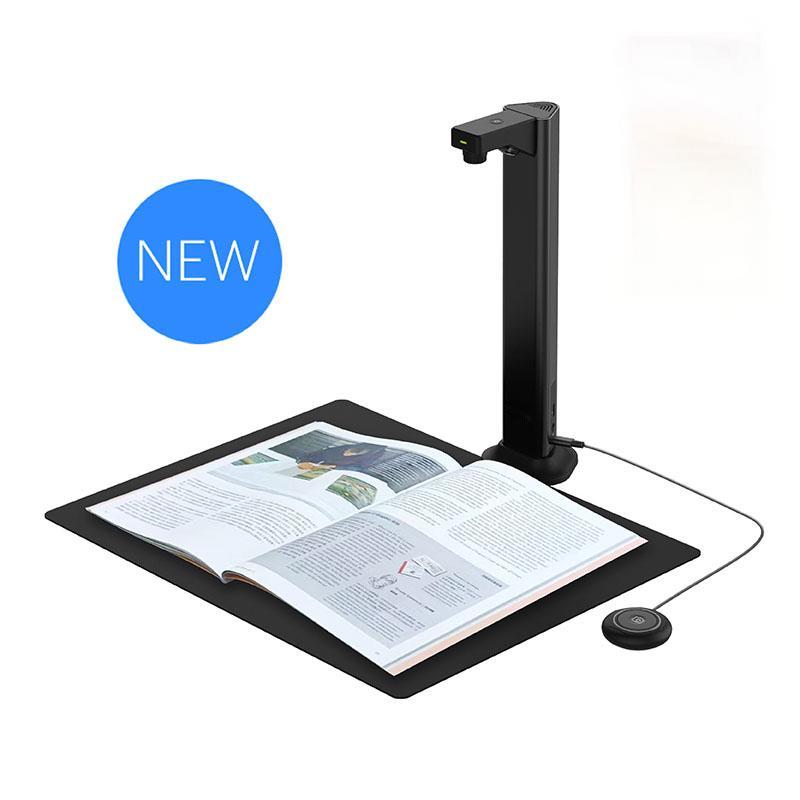
A3 18MP USB Aluminum Document Scanner with UVC Camera, 1s Scan Speed, OCR & Text to Speech
A strong fit for Phoenix law firms, title companies, school offices and records teams that need fast A3 capture from a USB-connected camera. The aluminum body suits daily counter use, while OCR and text-to-speech support accessible digital files.
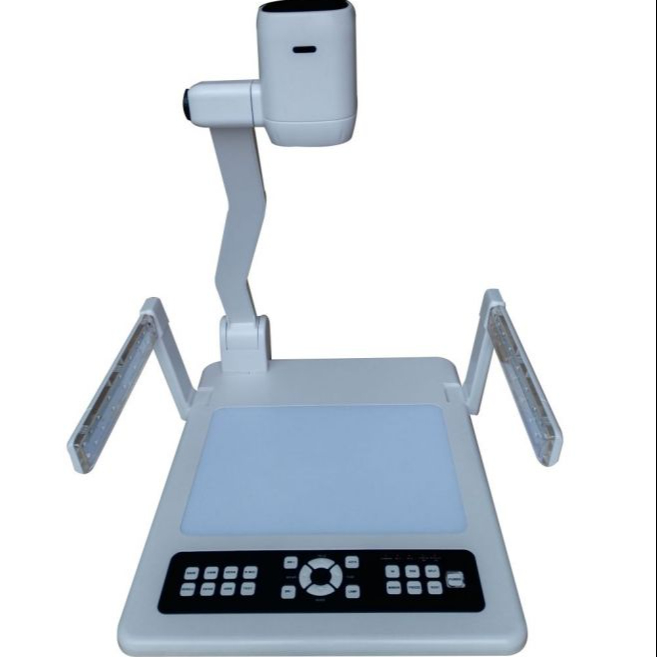
Factory Desktop Document Camera Visualizer 22X Optical Zoom with HDMI, RS232, Audio, Mic and Video
For university training rooms, hybrid meetings and science demonstrations in the Phoenix metro. HDMI, RS232, audio and microphone connectivity support classroom AV racks, recorded lessons and remote coaching sessions.
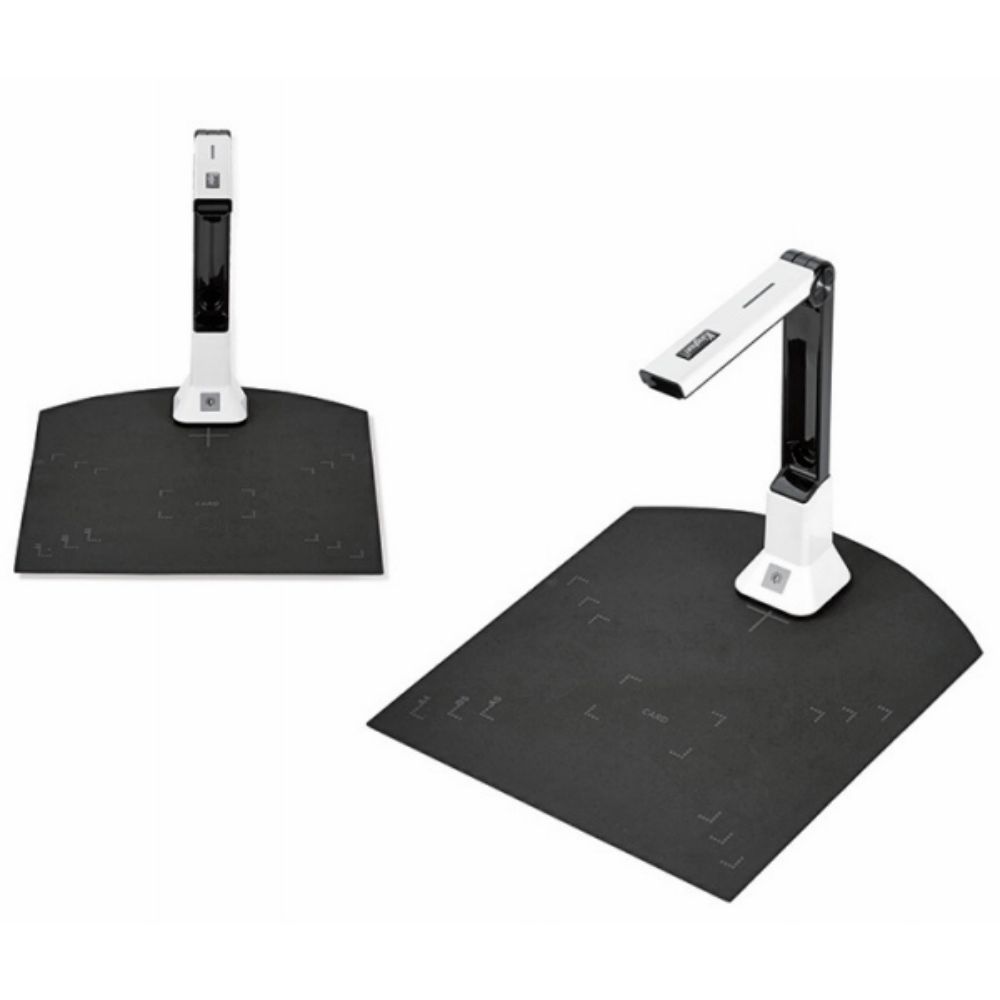
Wholesale 5MP USB Light CMOS A4 Document Scanner, Portable Smart Handheld High Resolution 1-Second Scan, CE Certified
A lightweight A4 USB scanner for mobile notaries, clinic intake desks, insurance agents and field staff. CMOS imaging and one-second capture help digitize forms without bulky equipment or a dedicated scan room.
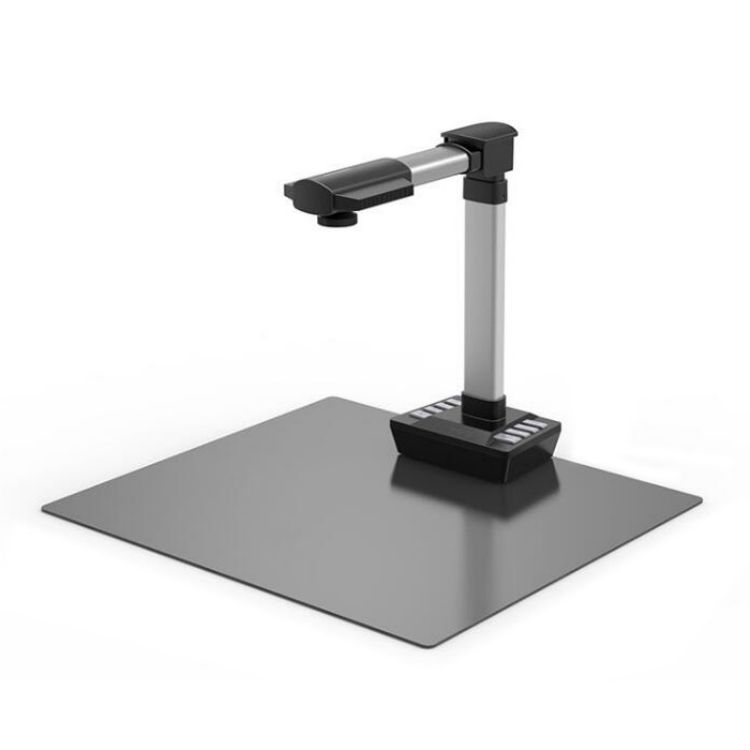
High Resolution Portable A3 Library Book Scanner with Foot Controller, USB Interface, Automatic Document Scanner
A practical choice for Phoenix public libraries, historical societies and archives handling bound materials. The foot pedal keeps both hands free, while USB deployment fits existing public workstations and digitization carts.
<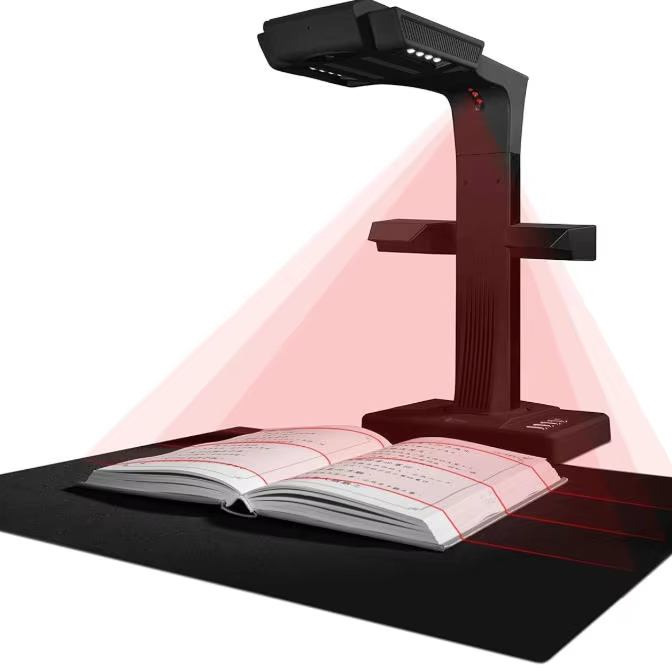
18MP A3 Book Scanner Overhead Document Camera, Auto Curve Flattening, OCR 180+, HDMI Visual Presenter for Office and Library
Curve flattening, OCR and HDMI output make this model suitable for Maricopa County records, university special collections and presentation rooms. Capture overhead without pressing fragile pages flat or removing bindings.
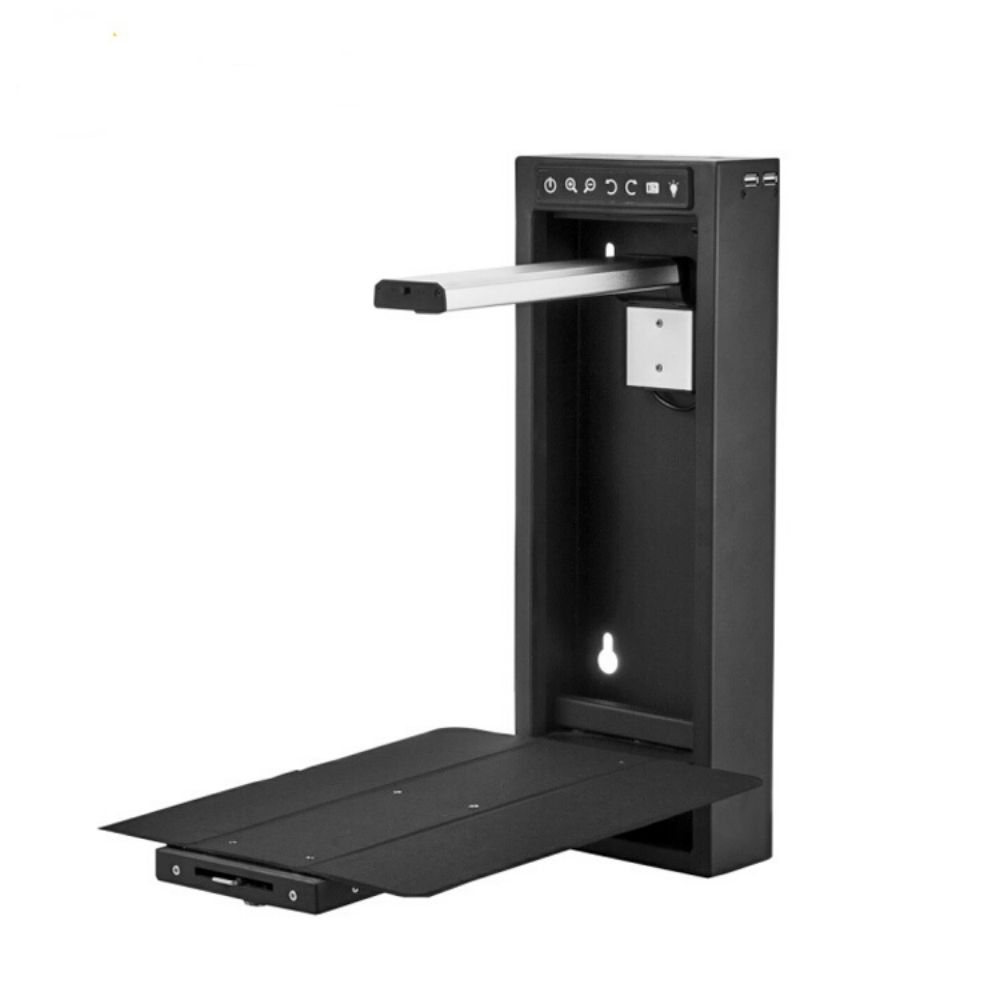
Online Training Portable 10MP A4 Document Scanner USB Interface Visualizer, Wall Version, Black + Silver
Built for online training, telehealth-style document sharing and wall-mounted teaching stations. The compact USB visualizer is easy to deploy across multiple rooms, clinics or remote-learning sites in Phoenix and surrounding cities.
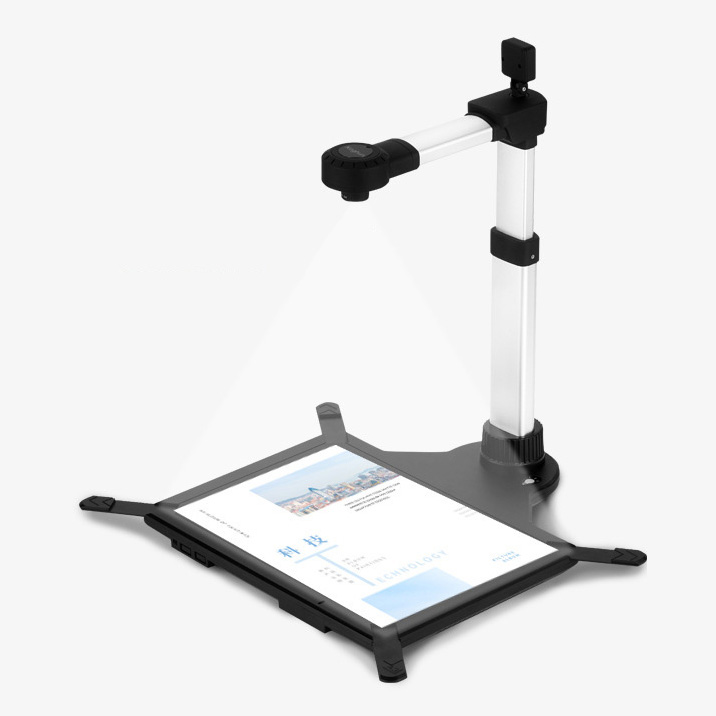
HD Dual Camera 16MP + 2MP Pixels Multifunction Stretchable Smart USB 60 Pages/Min A3/A4 Document Scanner, 360 Rotation
A high-throughput choice for service counters, registrars and customer-facing desks that capture documents and ID images. The stretchable dual-camera design supports A3/A4 pages, 360-degree rotation and 60 pages per minute.
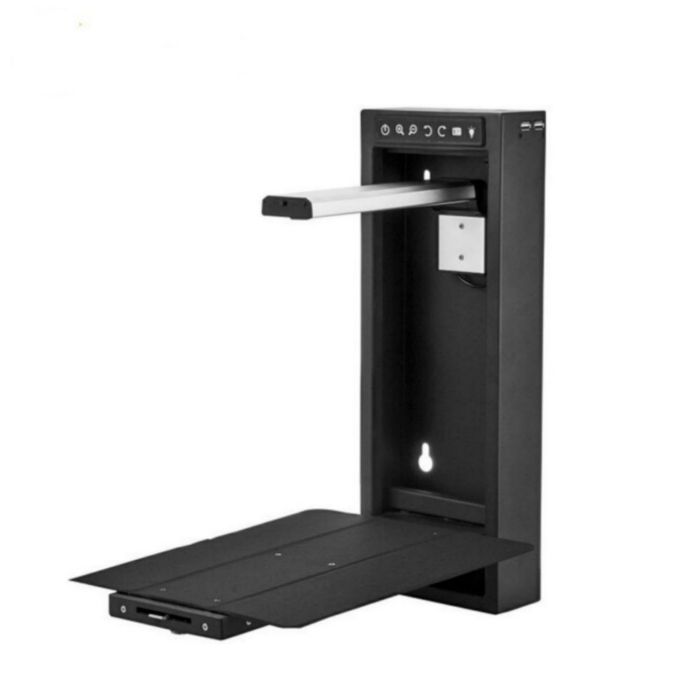
A4 Black USB 5V High-Speed 10MP High-Resolution Document Scanner, Wall-Mountable, OEM, 24 Bit SDK, 1-Year Warranty
A compact A4 scanner for clinic, government and education rooms with limited desk space. USB 5V power, SDK access and OEM options suit kiosk builds, workflow integrations and distributed capture points.
A Procurement Snapshot for Phoenix Image Scanner Buyers
Price matters, but so does response speed, reorder confidence, warranty support and the ability to configure the right sensor platform for a specific document mix.
Why Image Scanner Selection in Phoenix Requires a Localized Brief
Phoenix is not a generic Sun Belt market for document capture. The metro’s records environment combines fast-growing public agencies, large school and university systems, title and escrow workflows, healthcare intake, construction and engineering documentation, and a dense base of legal and financial services. Buyers are not simply purchasing a camera; they are buying throughput, auditability, software fit and service response for a specific paper mix.
That paper mix includes bound minute books, A3 case files, A4 patient or client forms, ID cards, maps, plan sets, newspaper archives and classroom materials. Each format points to a different scanner architecture. Overhead CMOS book scanners protect bindings. Flatbed or bookedge scanners provide controlled lighting and optical resolution. ADF and CIS units handle loose-sheet batches. Document cameras combine live presentation with instant capture. A Phoenix procurement brief should therefore begin with page size, binding, daily volume, output format and integration requirements—not megapixels alone.
The desert climate adds a practical maintenance dimension. Low humidity generally helps paper storage, but dust and fine particulates can settle on lenses, platen glass and white reference areas. For Phoenix-area deployments, Quibow recommends a simple routine: keep dust covers on idle units, clean optical surfaces on a scheduled basis, avoid direct sunlight on capture areas, and re-check white balance or calibration after moves between buildings. In non-climate-controlled archive rooms, allow equipment to stabilize before power-on rather than assuming any scanner is “heat-proof.”
Local RFQs also show a clear pattern: searchable PDF and OCR are becoming default requirements, not premium add-ons. Records teams want to respond to public-record requests faster; libraries want discoverable collections; clinics want searchable intake files; construction teams want plan sets tied to project names. That is why our recommended Phoenix configurations pair image capture with OCR, USB plug-and-play, Windows/macOS compatibility where available, and SDK options for system integrators.
Two specification mistakes we see frequently
First, buying excessive resolution for an A4 desk scanner can increase file size, storage cost and processing time without improving readability. Second, assuming a 21MP device will satisfy a 300 dpi A2 archival requirement can lead to a failed pilot. Use pixel math before the purchase order: an A3 page at 300 dpi needs roughly 17.4MP, while an A2 sheet at 300 dpi needs roughly 34.8MP. Add a small margin for cropping and deskew. For A2 maps, newspapers or engineering drawings, specify a 48MP-class platform or request a dedicated A2 configuration from our wider catalogue.
Information Gain: The Pixel Check
Use this quick formula in your Phoenix RFQ so suppliers quote against a measurable outcome:
- A3 at 300 dpi: about 3508 × 4961 px ≈ 17.4MP.
- A2 at 300 dpi: about 4961 × 7016 px ≈ 34.8MP.
- A4 at 300 dpi: about 2480 × 3508 px ≈ 8.7MP.
- OCR-first workflow: 200–250 dpi may be sufficient, but confirm with your document management system.
- Dust protocol: add lens cleaning and calibration checks to the deployment plan.
Phoenix-Area Workflows That Benefit from the Right Image Scanner
From downtown Phoenix records offices to Tempe education sites, Scottsdale clinics, Mesa service counters, Chandler engineering teams and Glendale public facilities, the same principle applies: match the capture device to the document and the service-level goal.
Maricopa County & Municipal Records
A3 overhead book scanners and A2-class options support bound minute books, maps and public records. OCR to searchable PDF helps records teams answer requests with less manual review.
Libraries, Archives & Historical Societies
Non-contact overhead capture reduces stress on spines. Foot controllers and auto-flattening features improve throughput for Phoenix libraries, university special collections and local history groups.
Education, ASU & Hybrid Training
Document cameras with HDMI/VGA/USB output support classrooms, recorded lessons and remote coaching. A 22x optical zoom visualizer lets instructors show fine text, devices, experiments and 3D objects.
Legal, Title & Escrow
A3 scanners handle deeds, case files and printed evidence; dual-camera models support ID and portrait capture at service counters. Searchable PDF reduces manual filing and retrieval time.
Healthcare, Insurance & Intake
A4 wall-mount and portable scanners fit reception desks, clinics and mobile agents. Capture insurance cards, forms and printed records, then pass them into workflow systems through USB or SDK integration.
AEC, Mining & Advanced Manufacturing
Construction, water and manufacturing teams often work with plan sets, inspection packets and annotated drawings. Use A2-class capture for large sheets and A3 overhead scanners for close-up documentation and QA records.
2025 Phoenix Trends Reshaping Image Scanner Demand
These trends are especially visible in organizations balancing public accountability, hybrid work, rapid construction and growth in advanced manufacturing.
1. Public-records response is becoming a service-level commitment
Searchable OCR and fast retrieval are moving into mainstream records workflows. A scanner that produces clean, searchable PDFs can reduce manual review and make digital archives more useful to staff and the public.
2. Hybrid teaching and distributed training remain durable
Visualizers are no longer just projector accessories. Phoenix schools, universities and corporate training teams need live capture for recorded lessons, remote demonstrations and multi-site collaboration.
3. Advanced manufacturing and AEC documentation are driving larger formats
As the metro’s engineering, semiconductor and construction base grows, plan sets, inspection records and annotated drawings require A2/A3 capture, OCR and integration-friendly SDK support.
Resolution Benchmark for Local Tenders
Phoenix buyers often ask for “high resolution” without defining dpi. Use the pixel benchmark below to create a clear RFQ. The bar width shows the relative pixel demand for 300 dpi master files.
How to Specify an Image Scanner for Phoenix Workflows
A supplier should help you convert document requirements into a measurable configuration. Use these six steps to compare proposals on equal terms.
Define page size and binding
A4 intake forms, A3 case files, bound books and A2 plan sets require different optics and capture paths. Decide whether originals can be fed, placed on glass or must be captured overhead.
Calculate required pixels
Multiply the physical page dimensions by the target dpi. For 300 dpi A3, plan around 18–24MP. For 300 dpi A2, plan around 48MP or accept a lower dpi with documented trade-offs.
Match the sensor to the job
CIS suits compact sheet-fed paths. CMOS area sensors excel at overhead book capture and live presentation. CCD linear sensors provide depth of field and stable color for photos, art and bookedge scanning.
Validate software and OCR
Confirm Windows/macOS support where required, OCR languages, searchable PDF output, driver compatibility, and SDK access for integrators. Test with your actual document management system.
Plan for dust, light and storage
Schedule lens and platen cleaning, avoid direct sun on capture areas, use dust covers, and allow equipment to stabilize after transport. Keep spare calibration references for multi-site rollouts.
Compare total landed cost
Include freight, warranty, spares, software configuration, training and support response. A lower unit price can become expensive if a model fails a pilot or cannot integrate with your workflow.
CIS, CMOS or CCD: A Procurement View
| Sensor platform | Strength | Best Phoenix use | What to confirm |
|---|---|---|---|
| CIS | Compact, low power, fast on sheet-fed paths; well suited to batch office scanning. | Loose invoices, contracts, insurance forms and high-volume office scanning. | Daily duty cycle, ADF speed, duplex support, driver and OCR performance. |
| CMOS area sensor | Captures a whole page in one shot; ideal for bound books and live visualizers. | Public records, books, newspapers, classrooms, counters and hybrid training. | Megapixels vs page size, auto-flattening, HDMI/USB output and software compatibility. |
| CCD linear sensor | Depth of field, stable color and tolerance for slightly raised originals. | Photos, artwork, bookedge scanning and materials where spine shadow matters. | Optical dpi, color depth, warm-up behavior and scan time at production settings. |
Recommended Configuration by Phoenix Workflow
| Workflow | Recommended model from this page | Why it fits |
|---|---|---|
| Bound records and fragile books | 18MP Auto-Flattening Overhead Book Scanner; Portable A3 Library Book Scanner with Foot Controller | Non-contact capture, curve flattening and hands-free operation reduce handling risk while supporting OCR. |
| A3 case files and searchable archives | A3 18MP USB Aluminum Document Scanner with OCR | Fast A3 capture with UVC camera, OCR and text-to-speech supports records, legal and education workflows. |
| A4 intake and limited desk space | 10MP Wall-Mountable A4 Scanner; 5MP Portable A4 Scanner | Compact USB capture for clinics, field agents, reception desks and distributed service points. |
| Live teaching and remote training | 22x Optical Zoom Visualizer; 10MP Portable A4 Visualizer | HDMI/VGA/USB outputs, optical zoom and compact deployment for classrooms and recorded sessions. |
| Counter service, ID capture and high volume | Dual-Camera 16MP + 2MP A3/A4 Scanner | Dual cameras, 360-degree rotation and 60 pages per minute support document plus ID capture at service desks. |
Why Quibow Is a Practical Export Partner for Phoenix Imaging Projects
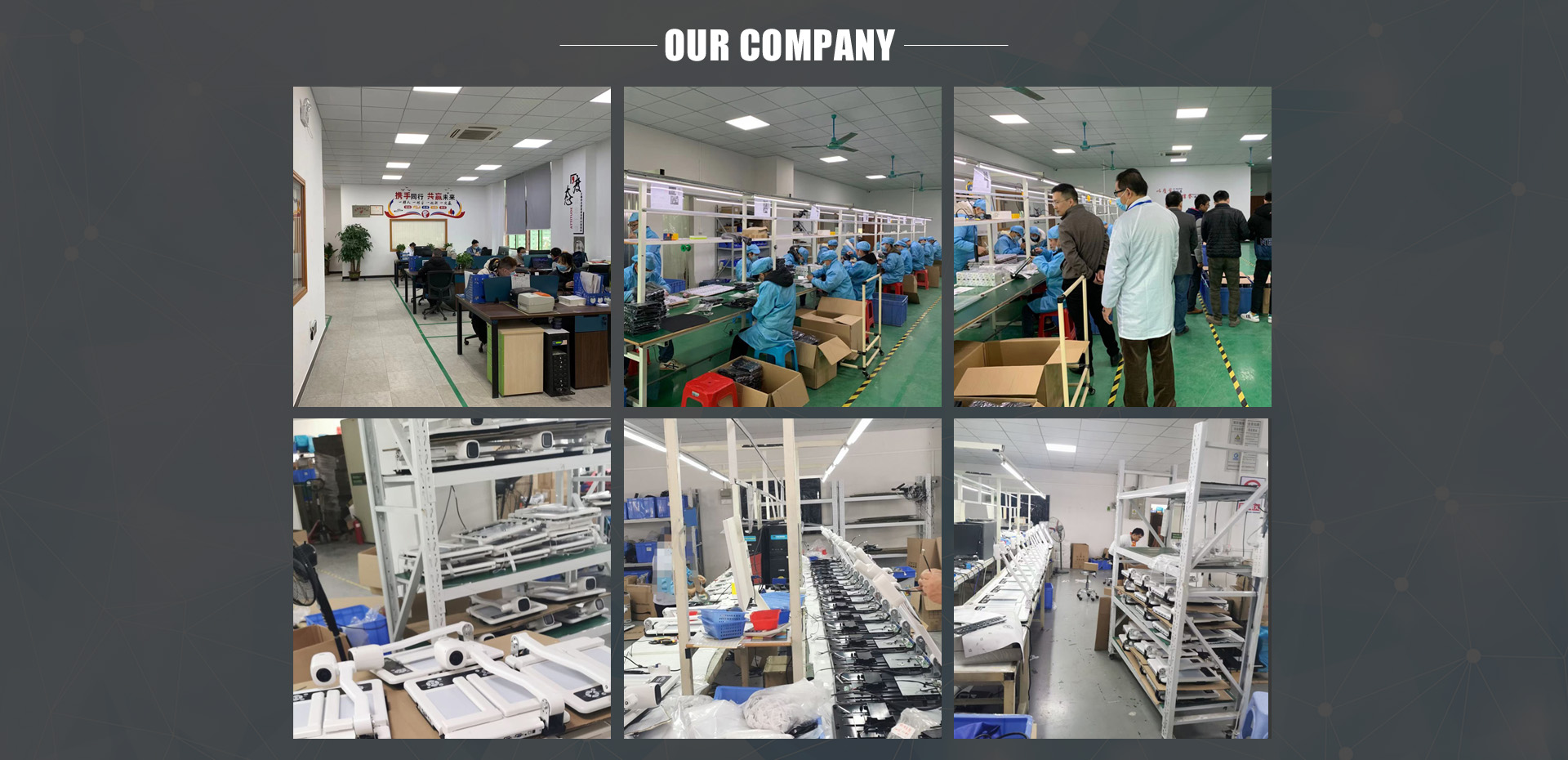
Guangzhou Quibow Electronic Co., Ltd. develops and supplies image acquisition and conversion equipment, including high-speed document cameras, book scanners, flatbed scanners and ID card recognition cameras.
Our team works across CIS, CMOS and CCD imaging platforms and covers the full cycle from product design and development to production coordination, export sales and after-sales support. That breadth matters for Phoenix buyers comparing a simple unit purchase against a multi-site digitization rollout with software, training and warranty requirements.
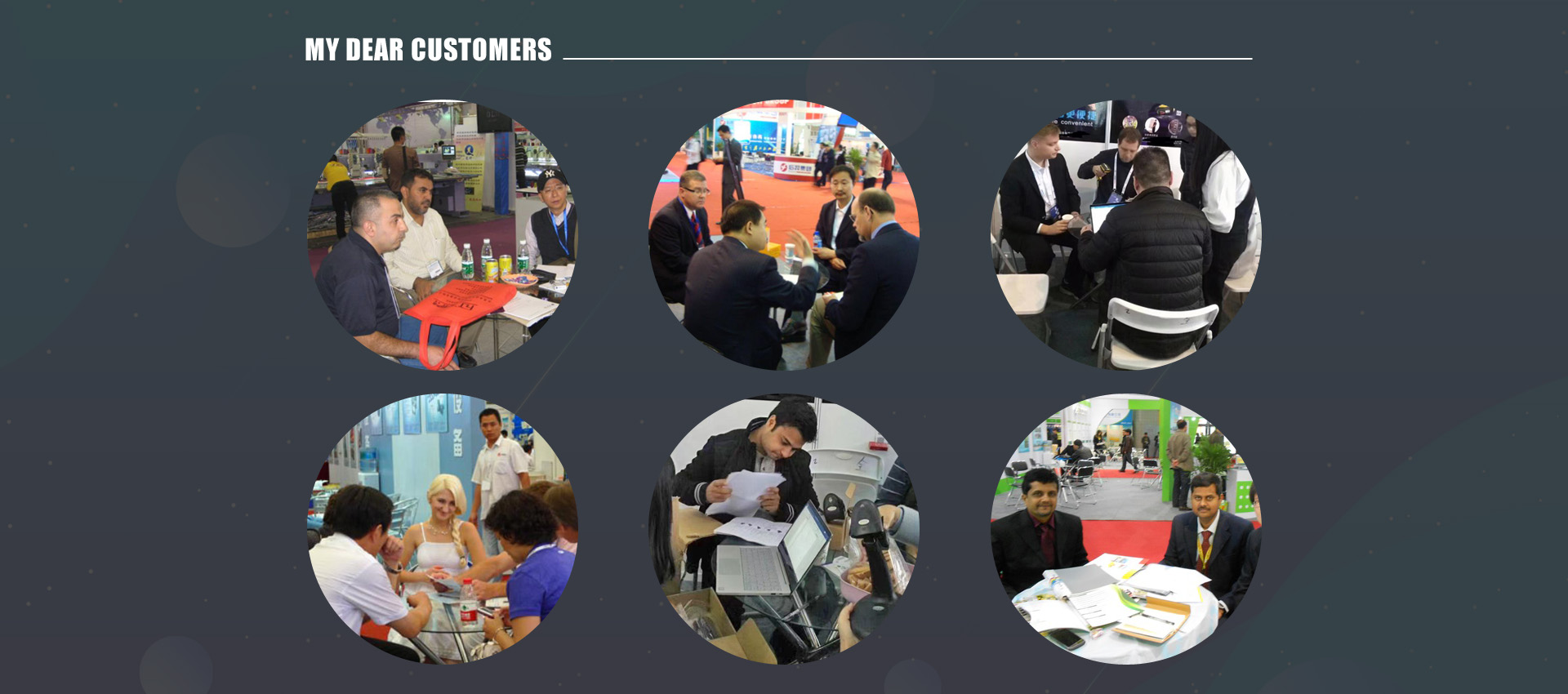
We are an onsite-checked supplier based in Guangzhou, Guangdong, China, established in 2020. Our main markets include Eastern Europe, North America and South America. We support OEM/ODM projects with logo printing, packaging, housing color, capture software branding and SDK integration on selected models. For integrators, school districts, records teams and distributors, this makes it possible to align hardware with an existing workflow rather than forcing the workflow to fit a generic scanner.
Quibow maintains a ≤1h average response time, a 100% message response rate and a 27% buyer reorder rate. Listed models carry a 1-year warranty backed by remote technical support. Payment terms include T/T, L/C, PayPal and Western Union in USD, EUR, HKD or CNY, with FOB, EXW and DDU delivery terms available for project quotation.
For Phoenix projects, we recommend starting with a short technical brief: document sizes, daily volume, binding type, target dpi, OCR needs, operating system, output format and integration requirements. Our team can then recommend a model, confirm compatibility and, where needed, provide sample scans or a configuration proposal for a pilot.
- Company
- Guangzhou Quibow Electronic Co., Ltd.
- Business type
- Trading company, onsite checked
- Location
- Room 504, No. 5 Zitan Second Street, Guangzhou, Guangdong, China
- Established
- 2020
- Annual revenue
- US$1M – US$2.5M
- Team
- 5–10 dedicated specialists
- Main markets
- Eastern Europe, North America, South America
- Imaging platforms
- CIS, CMOS and CCD
- Support
- OEM/ODM, SDK, 1-year warranty on listed models

Questions Phoenix-Area Buyers Ask Most
Localized answers for procurement teams, integrators, records managers, educators and distributors comparing image scanner suppliers.
Can you ship document scanners to Phoenix, Arizona, and what delivery terms apply?
Yes. We quote Phoenix deliveries under FOB, EXW or DDU terms depending on the project. Share your destination ZIP code, order volume and preferred shipping method; our team will confirm packing, lead time and logistics options. We are an exporter based in Guangzhou, not a Phoenix warehouse, so landed-cost and delivery timing should be confirmed for each order.
Which scanner is best for A2 maps, newspaper archives or construction plan sets?
For 300 dpi A2 capture, plan on a 48MP-class system; a 21MP scanner may be acceptable for screen review but not for archival masters. The products on this page cover A3/A4 and book workflows, while A2 large-format configurations are available from our broader catalogue. Send a sample page size and target dpi so we can recommend the correct platform.
How should we manage dust and dry desert conditions in Phoenix?
Use dust covers when equipment is idle, clean lenses and platen glass on a scheduled basis, avoid direct sunlight on the capture area, and re-check white balance or calibration after equipment is moved. In warm storage or non-climate-controlled rooms, allow the device to stabilize before powering on. These steps protect image quality without requiring unverified “desert-proof” claims.
What is the minimum order quantity, and can Phoenix resellers order mixed models?
Most stock book scanners, A3/A4 document scanners and portable scanners start from 1 piece or 1 set. Several document camera and visualizer models start from 2 pieces. Mixed-model orders may be possible subject to stock. OEM/ODM quantities are confirmed per project.
Are the scanners compatible with Windows and macOS, and do you support SDK integration?
Many models support Windows and macOS, and some have been verified on Apple M1 Macs. SDK availability depends on the model and project scope. Before ordering, tell us your operating system, document-management software and output requirements so compatibility can be confirmed for the exact configuration.
What warranty, payment and after-sales support is included?
Listed models such as the A3 scanners, book scanners and document cameras generally carry a 1-year warranty with remote technical support. Payment methods include T/T, L/C, PayPal and Western Union in USD, EUR, HKD or CNY. Support includes configuration guidance, troubleshooting and, where applicable, software or SDK integration assistance.
Do you support OEM/ODM projects for Phoenix distributors and integrators?
Yes. OEM/ODM projects can include logo printing, packaging, housing color, capture software branding and SDK integration on selected models. Send your target market, volume, branding requirements and technical scope so the project can be reviewed before quotation.
How do we start a pilot or request sample scans?
Provide one or more representative documents, the required dpi, OCR language and output format. We can discuss sample scans, model selection and a pilot configuration. For repeatable comparison, test the same pages, lighting and software settings across each proposed scanner.
Need a Scanner Recommendation for Phoenix, Arizona?
Share your page sizes, daily volume, binding type, target dpi, OCR language and software requirements. Our team will help you compare an A3 book scanner, A4 document scanner, visualizer or counter-capture configuration for your workflow.