8 High-Resolution Book Scanners and Document Visualizers for New York Buyers
These eight catalogue models address the most common New York buying briefs: bound-book preservation, A3/A2 archive capture, OCR to searchable PDF, classroom presentation, wall-mounted scanning and OEM/ODM integration.
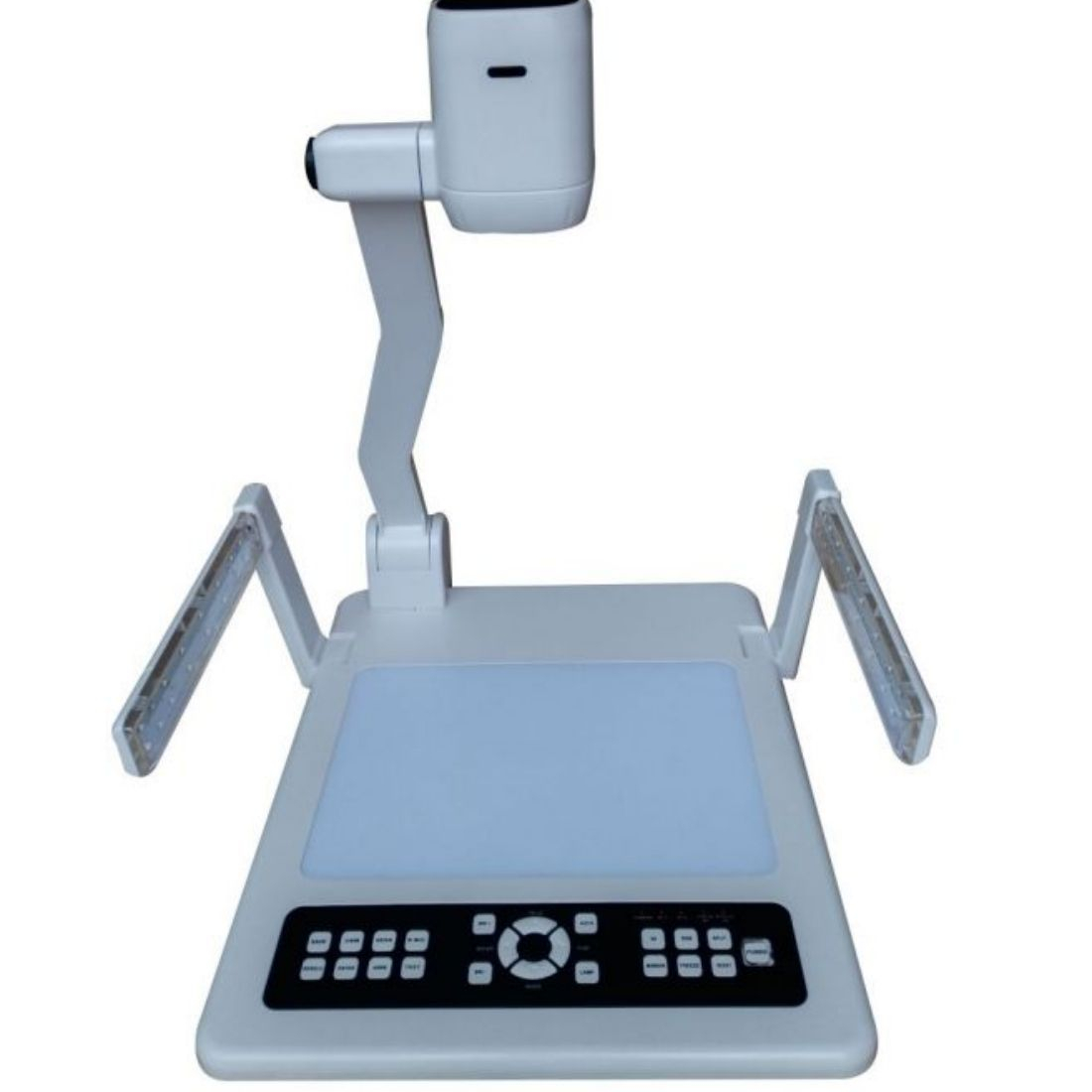
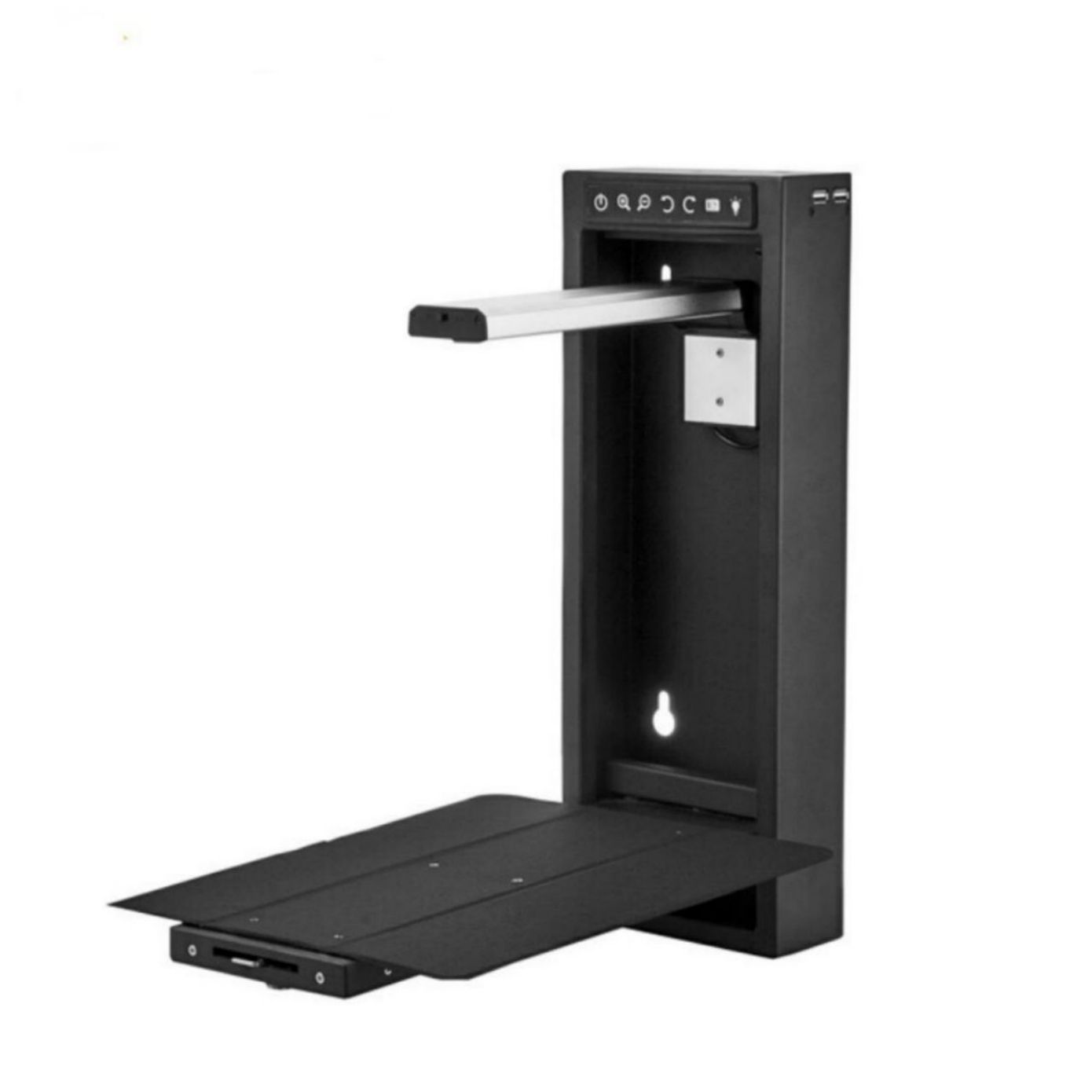
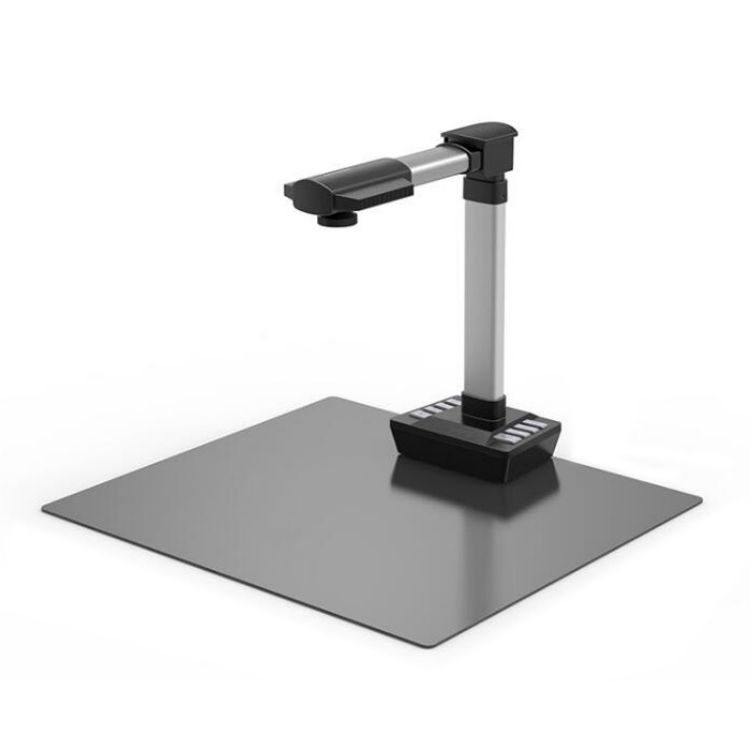
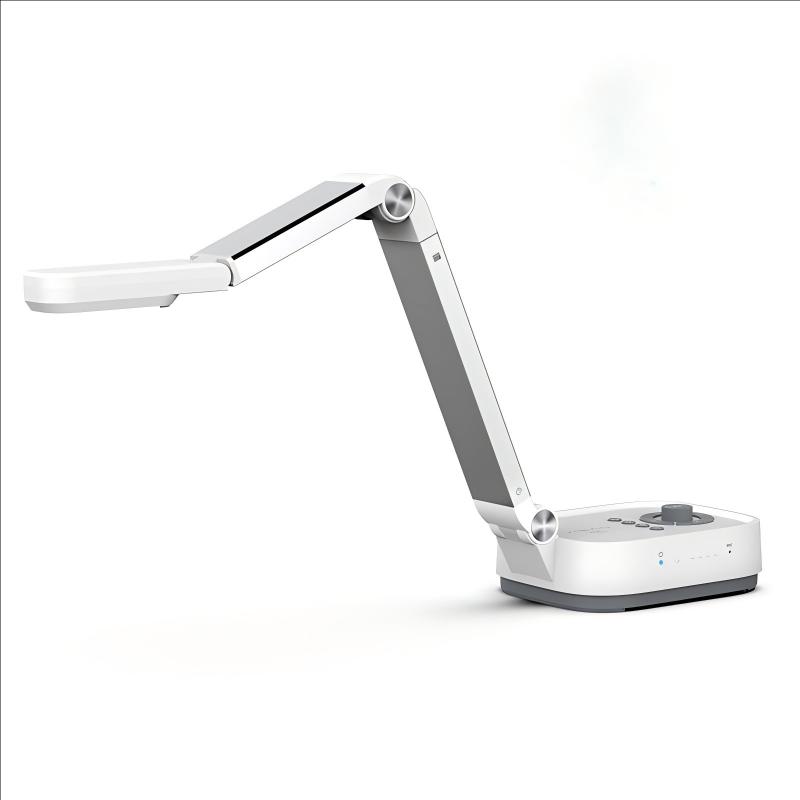
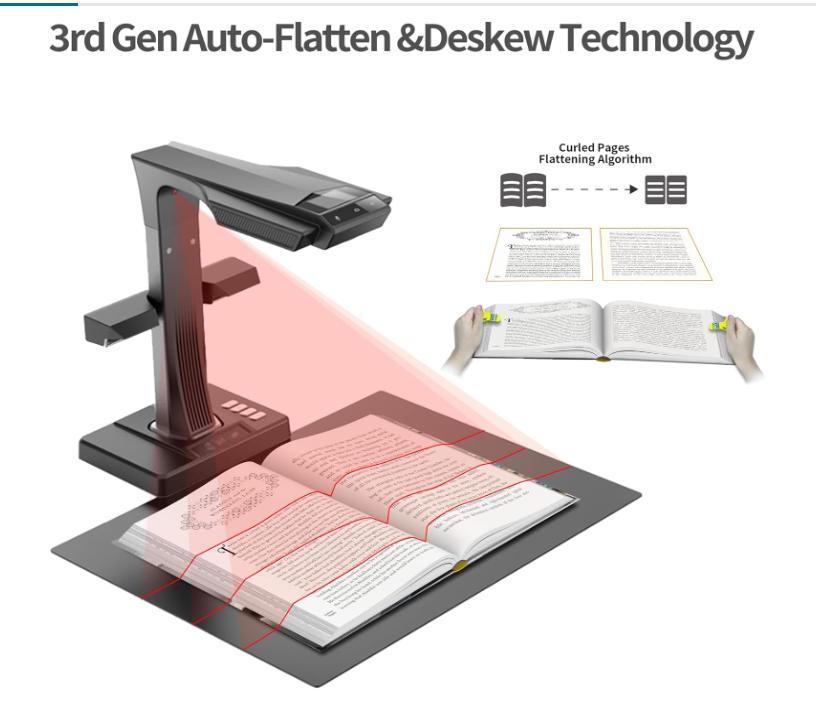
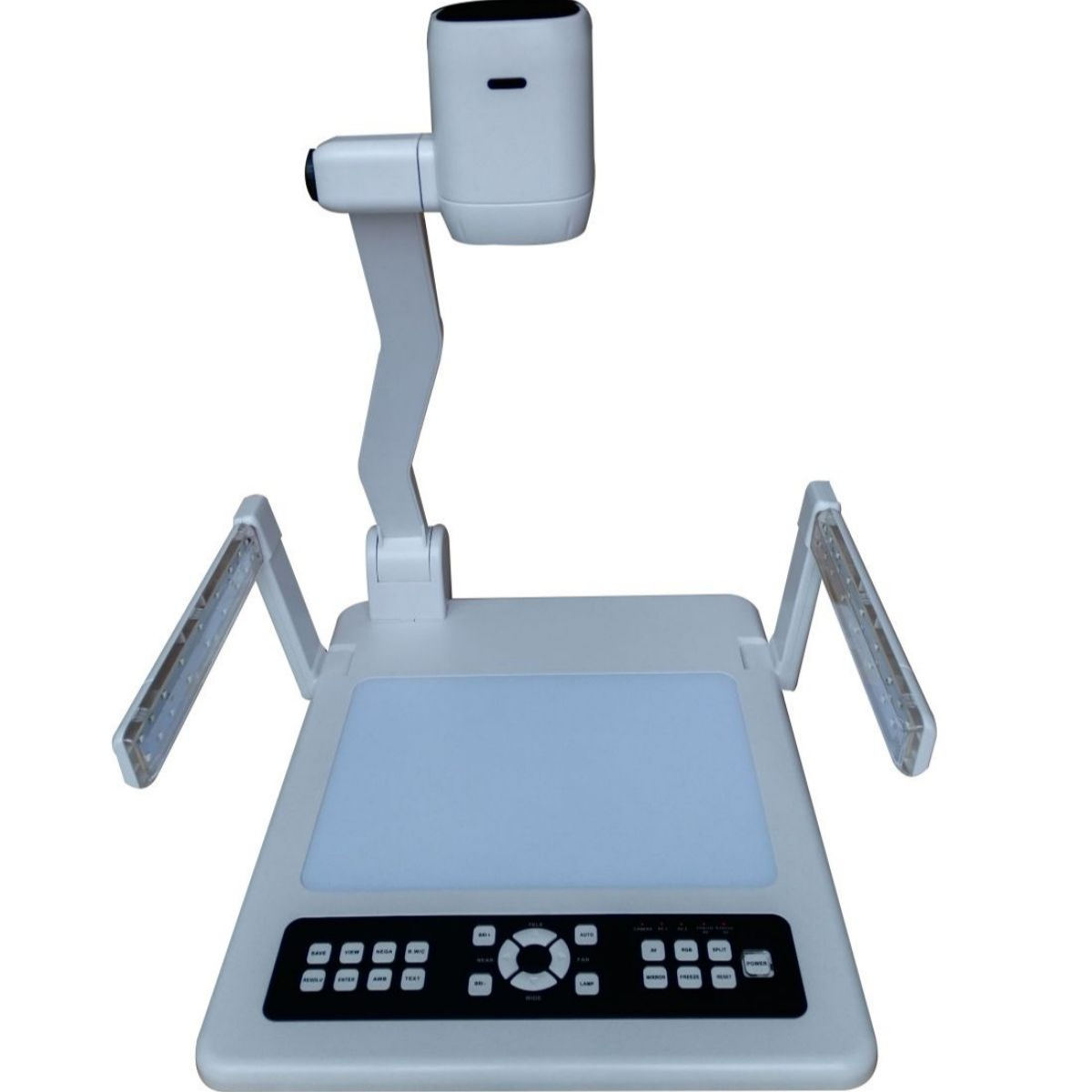
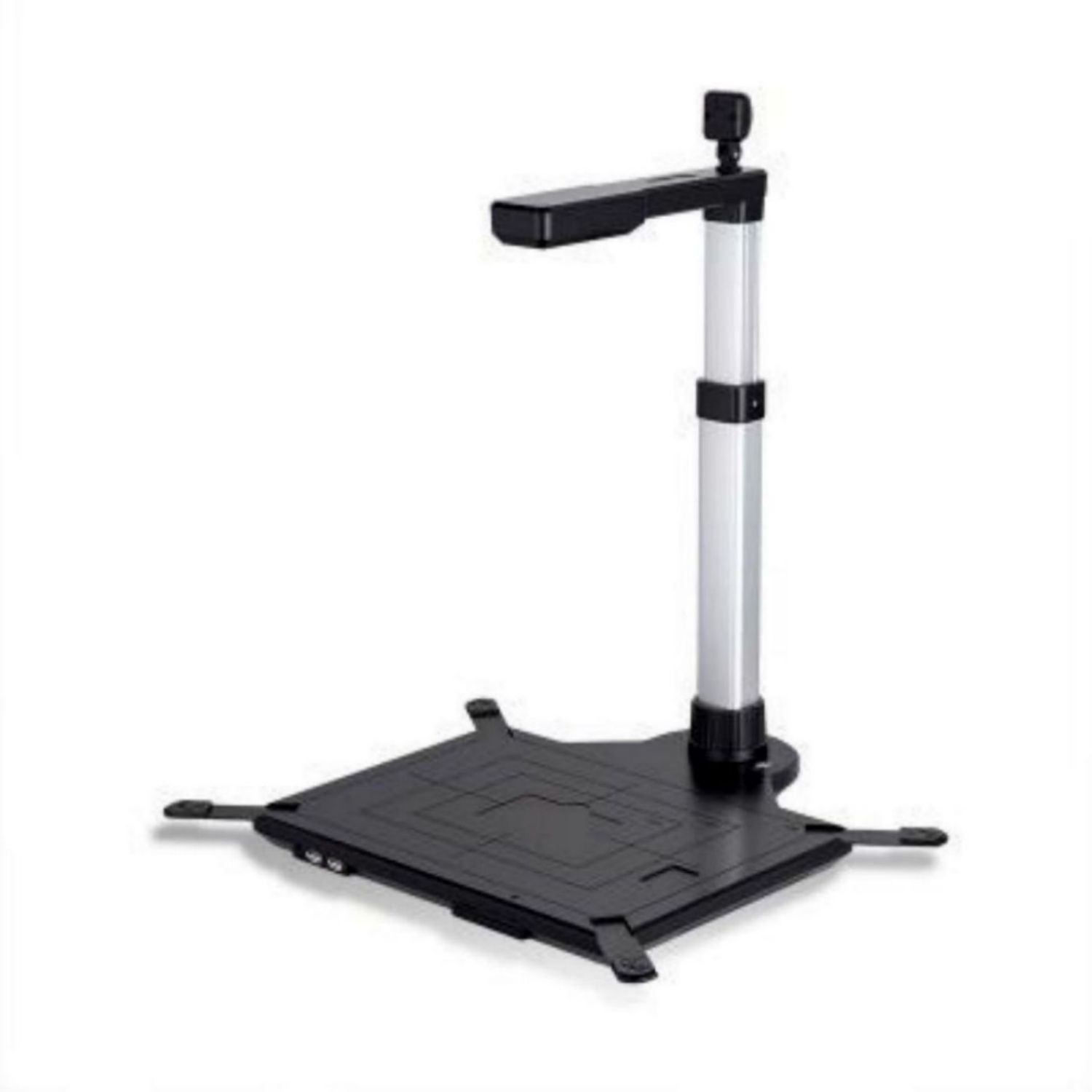
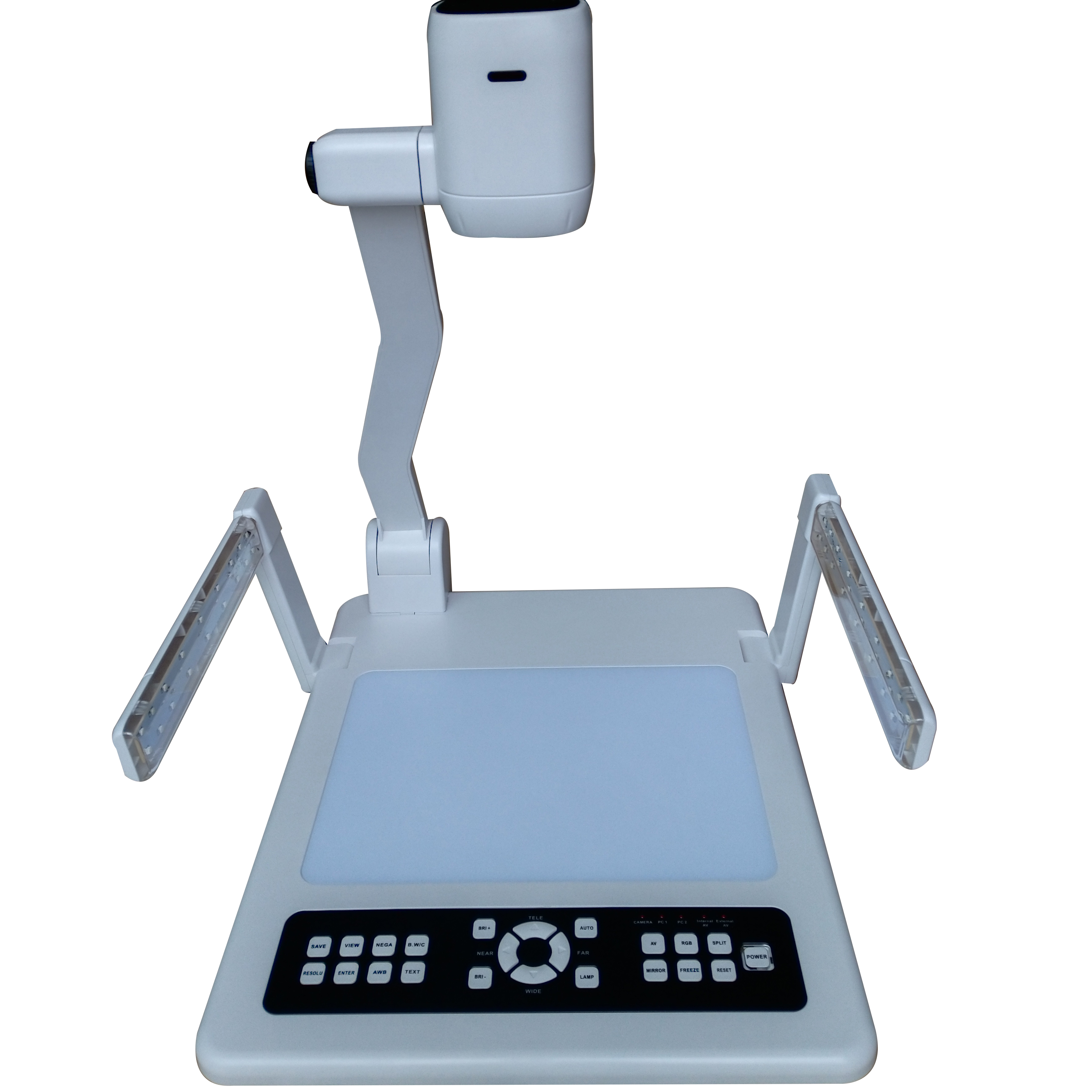
Ask for sample scans, wholesale pricing, current stock status and OEM/ODM availability for New York delivery.
High-Resolution Capture Is Now a Workflow Decision, Not a Hardware Upgrade
New York’s knowledge economy runs on records: public library systems, academic research collections, historical societies, courts, law firms, school districts, museums, publishers, government agencies and corporate compliance teams all depend on converting paper into reliable digital assets. For these buyers, a high-resolution book scanner is not a simple peripheral. It is infrastructure that affects preservation safety, public access, research velocity, litigation readiness and the cost of maintaining physical storage.
The strongest New York procurement briefs separate three questions that inexperienced buyers often merge: what document sizes must be captured without contact, what true optical resolution is required at that size, and which software outputs the institution can actually accept. A scanner that produces a sharp image but cannot export OCR searchable PDF, cannot run on the buyer’s operating system, or cannot be supported after delivery creates hidden labor costs.
This white paper is written for that reality. It compares overhead book scanners, A3 and A2 document cameras, wall-mount visualizers and flatbed alternatives through the lens of information gain: resolution math, sensor tradeoffs, preservation risk, classroom usability and wholesale/OEM supply accountability. The goal is to help New York buyers specify the right model before a purchase order is issued, not after a pilot fails.
Non-contact capture
Overhead scanning reduces stress on bindings and fragile pages.
OCR searchable PDF
Text layers turn scanned records into searchable institutional assets.
OEM/ODM and SDK
Selected models support branding, software integration and deployment flexibility.
Export-ready supply
FOB, EXW and DDU terms support wholesale and project purchasing.
Resolution, Sensor Size and the Real Meaning of “High Resolution”
Megapixels only become meaningful when they are mapped to a physical page size. A 20MP sensor covering A4 is very different from a 20MP sensor covering A2. Buyers should require the supplier to state the true optical resolution at the target document size, not simply quote a sensor megapixel number.
| Document size | Pixels at 300 dpi | Recommended capture | Quibow model fit |
|---|---|---|---|
| A4 210 × 297 mm | 2480 × 3508 ≈ 8.7 MP | 10MP or higher | 10MP wall-mount scanner; 20MP OCR visualizer |
| A3 297 × 420 mm | 3508 × 4961 ≈ 17.4 MP | 18MP–24MP for headroom | 20MP visualizer; 24MP auto-flatten book scanner |
| A2 420 × 594 mm | 4961 × 7016 ≈ 34.8 MP | 48MP for archival masters | Dual 48MP and 48MP newspaper scanner family |
| Photos and art | 600–2400 dpi optical | Flatbed with 48-bit color | Flatbed scanner alternatives for artwork and loose originals |
Resolution quick check
Engineer’s note: a 21MP camera covering a full A2 sheet is typically around 225–240 dpi. If a New York tender requires 300 dpi at A2, the safer specification is a 48MP A2 model or a project-specific validation scan.
Where High-Resolution Scanners and Visualizers Work Every Day
New York buyers rarely purchase one scanner for one room. They purchase for a mixed estate of public service desks, reading rooms, classrooms, courtrooms, labs, studios and back-office operations.
Public libraries and research archives
Non-contact overhead capture protects rare books, newspapers, maps and fragile records while creating searchable digital access copies.
Universities and K–12 school districts
Visual presenters and wall-mount scanners support hybrid instruction, document cameras, lab demonstrations and remote teaching rooms.
Law firms, courts and agencies
OCR searchable PDF and dual-camera capture support case files, ID documents, public records and counter-service workflows.
Museums, historical societies and nonprofits
A2 capture helps digitize broadsheets, maps, posters and ephemera while flatbed options serve photographs and artwork.
Publishers and media archives
High-resolution A2 scanning supports back-issue digitization, newspaper archives and image libraries that require clean master files.
AV integrators, wholesalers and resellers
OEM/ODM support, SDK access on selected models and export terms help New York channel partners build repeatable solutions.
New York Digitization Trends Shaping 2025–2026 Purchasing Decisions
Local demand is moving toward searchable, audit-ready digital collections and flexible presentation tools that can serve both physical and remote audiences.
OCR-first archives
Institutions increasingly expect searchable PDF and usable text layers, not image-only scans that require later reprocessing.
Preservation-safe capture
Non-contact overhead scanning, auto-flatten and deskew reduce handling risk for bound volumes and fragile paper.
A2 for newspapers and maps
New York’s media archives, historical societies and research libraries need one-shot capture for oversized originals.
Hybrid classroom visualizers
Schools and universities need HDMI/VGA document cameras that make physical materials visible to in-room and remote learners.
Space-efficient deployment
Wall-mount and foldable visualizers suit compact classrooms, public service counters and shared meeting rooms.
Verifiable supplier accountability
Procurement teams want response times, warranty clarity, sample scans, export terms and documented company records before approval.
A New York Buyer’s Checklist: From Specification to Acceptance
Use this four-part framework to compare manufacturers and wholesalers on total deployment fit rather than headline megapixels alone.
Document profile
Define maximum page size, bound versus loose originals, color needs, daily volume and whether A4, A3 or A2 is the true operating format.
Image quality
Require true optical dpi at the target size, lighting uniformity, curve correction, deskew and OCR language coverage.
Workflow integration
Confirm Windows/macOS support, USB/HDMI/VGA requirements, SDK availability and whether the output format fits the institution’s records system.
Commercial assurance
Verify MOQ, warranty, spare-part approach, OEM/ODM terms, payment methods, delivery terms and remote technical support before award.
Why Quibow Fits the New York Institutional and Channel Supply Chain
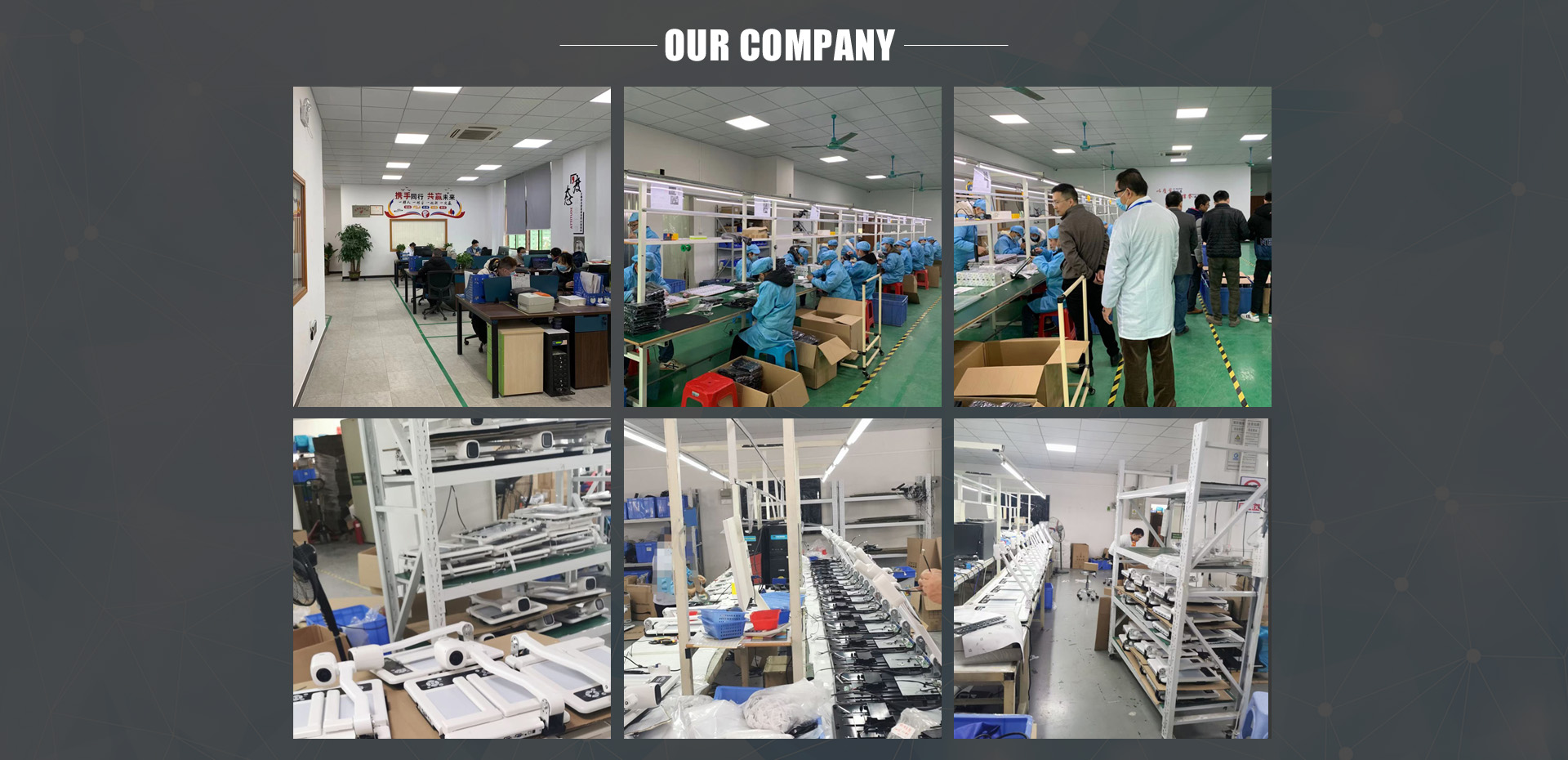
Guangzhou Quibow Electronic Co., Ltd. is a technology-driven company focused on image data acquisition and conversion. We develop and supply photoelectric information equipment, including high-speed document cameras, book scanners, flatbed scanners and ID card recognition cameras. For New York buyers, that means a supplier conversation grounded in capture format, sensor platform and software integration rather than a generic catalogue listing.
Our team works across CIS, CMOS and CCD imaging platforms and covers the full cycle from product design and development to production coordination, export sales and after-sales support. We support OEM/ODM projects that include logo printing, packaging, housing color, capture-software branding and SDK integration on selected models — valuable for New York distributors, AV integrators and institutional resellers that need differentiated offers.
Trust signals matter in public-sector and education procurement. Quibow is an onsite-checked supplier based in Guangzhou, established in 2020, serving Eastern Europe, North America and South America. Our platform indicators include a typical first response target of ≤1 hour, a 100% message response rate and a 27% buyer reorder rate. Listed models such as A3 flatbed scanners, A2 overhead scanners and the S2060W ADF scanner carry a 1-year warranty, backed by remote technical support.


Requirement review
Document size, daily volume, operating system, output format and delivery window are confirmed, usually within one hour.
Model matching
We recommend the right sensor platform and resolution, then provide sample-scan support where needed.
Sample validation
For archive, OCR or workflow-critical projects, validate a representative page before final model selection.
OEM/ODM customization
Logo, packaging, housing color, capture-software branding, OCR language coverage and SDK integration on selected models.
Quality inspection
Units are checked for focus, lighting uniformity, driver installation and capture performance before packing.
Shipping and support
Export packing and remote setup support, with a 1-year warranty on listed models and documented commercial terms.
Payment methods
T/T, L/C, PayPal and Western Union.
Payment currency
USD, EUR, HKD and CNY.
Delivery terms
FOB, EXW and DDU, confirmed per project and destination.
Questions New York Buyers Ask Before Ordering
These answers reflect the commercial and technical points most often raised by libraries, school districts, universities, resellers and systems integrators.
What is the minimum order quantity for New York wholesale buyers?
Most stock book scanners, A2 large-format scanners and flatbed scanners start from 1 piece or 1 set. Several document camera models start from 2 pieces. OEM/ODM quantities are confirmed per project, and distributors can request mixed-model quotations for initial stock.
Which scanner should a New York library choose for bound books?
For A3 bound books, directories and fragile volumes, the 24MP auto-flatten deskew book scanner is the strongest starting point because it combines high pixel dimensions with curve correction and OCR searchable PDF. For oversized newspapers, maps and broadsheets, specify an A2 model with enough resolution for the required dpi.
Can we request sample scans before purchase?
Yes. Share representative page sizes, binding type, target dpi, OCR languages and required output format. Our engineers can recommend a model and provide sample-scan guidance so the evaluation reflects the actual New York collection or classroom material.
Are the scanners compatible with Windows and macOS?
Many models, including the A2 large-format scanners and the 1200 DPI A3 flatbed scanner, support Windows and macOS, and some are verified on Apple M1 Macs. Compatibility should be confirmed for each model and software version before shipment.
What resolution do we need for A3 or A2 at 300 dpi?
An A3 page at 300 dpi needs about 3508 × 4961 pixels, or roughly 17.4MP, so an 18MP or 24MP scanner is suitable. An A2 sheet at 300 dpi needs about 4961 × 7016 pixels, or roughly 34.8MP, so a 48MP A2 scanner is recommended for archival masters.
How are scanners shipped to New York and what terms are available?
Quibow accepts T/T, L/C, PayPal and Western Union in USD, EUR, HKD or CNY, with FOB, EXW and DDU delivery terms. Lead time depends on stock status, customization, inspection and the selected shipping method. Buyers should confirm import responsibilities and final delivery terms in the quotation.
Do you support OEM/ODM and SDK integration for New York integrators?
Yes. We support OEM/ODM projects including logo printing, packaging, housing color, capture-software branding and SDK integration on selected models. This is useful for AV integrators, distributors and resellers building repeatable education or archive solutions.
What warranty and after-sales support is included?
Listed models such as the A3 flatbed scanners, A2 overhead scanners and the S2060W ADF scanner come with a 1-year warranty, backed by remote technical support. For project deployments, confirm spare-unit planning, installation responsibilities and escalation contacts in the purchase agreement.
Request a New York-Ready Scanner Recommendation
Send your document sizes, daily volume, target dpi, OCR languages, operating system, preferred output format and delivery window. We will respond with a model shortlist, sample-scan guidance, MOQ, lead time and wholesale or OEM/ODM options.
Inquire Now info@quibowtech.com