8 Document Cameras and Overhead Scanners for Munich Buyers
Munich procurement teams rarely buy a document camera as a generic office accessory. They compare optical zoom, sensor format, OCR software, mounting method, Windows/macOS compatibility, spare-parts support and DDU delivery. The eight models below address those requirements across classrooms, archives, service counters, engineering desks and mobile training rooms.
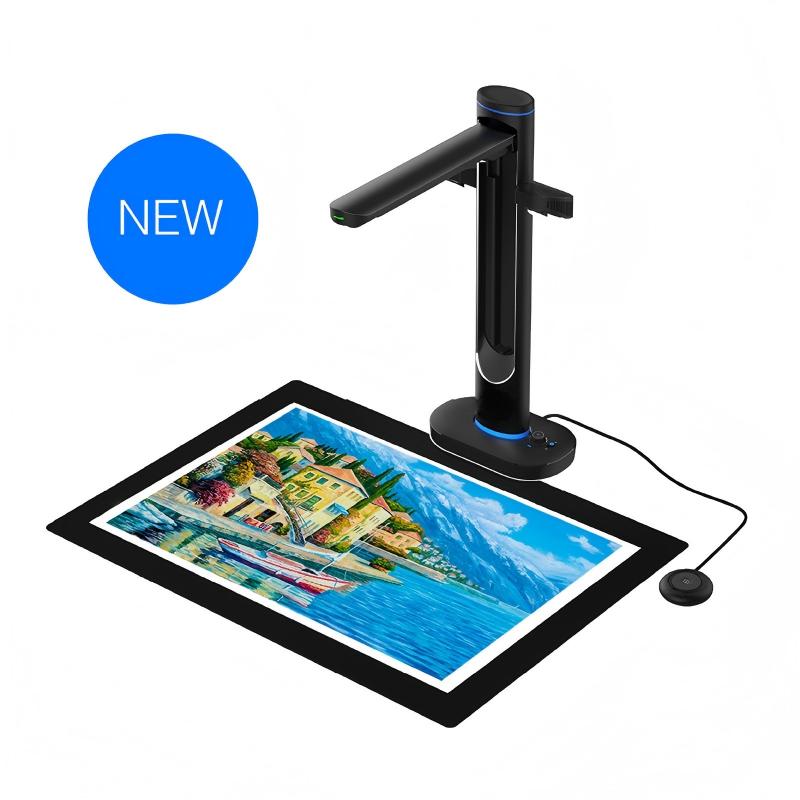
A2 Large Format Book Scanner Dual 48MP CMOS Sensors High-Speed Desktop Overhead Scanner for Windows & MacOS
A strong fit for Munich archives, newspapers, maps and bound volumes where full A2 coverage and high-resolution masters are required.
View product →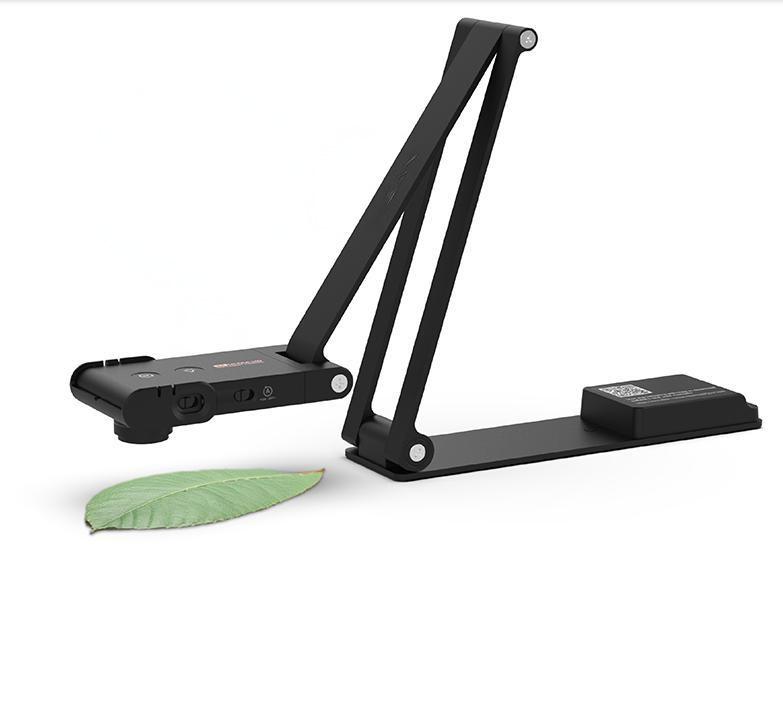
4K 2-in-1 USB 13MP Document Camera Visualizer AI Noise Cancellation 20X Macro Lens Foldable Design Microphone A3 Max 1-Year
A compact foldable visualizer for hybrid Munich classrooms, training rooms and live product demonstrations.
View product →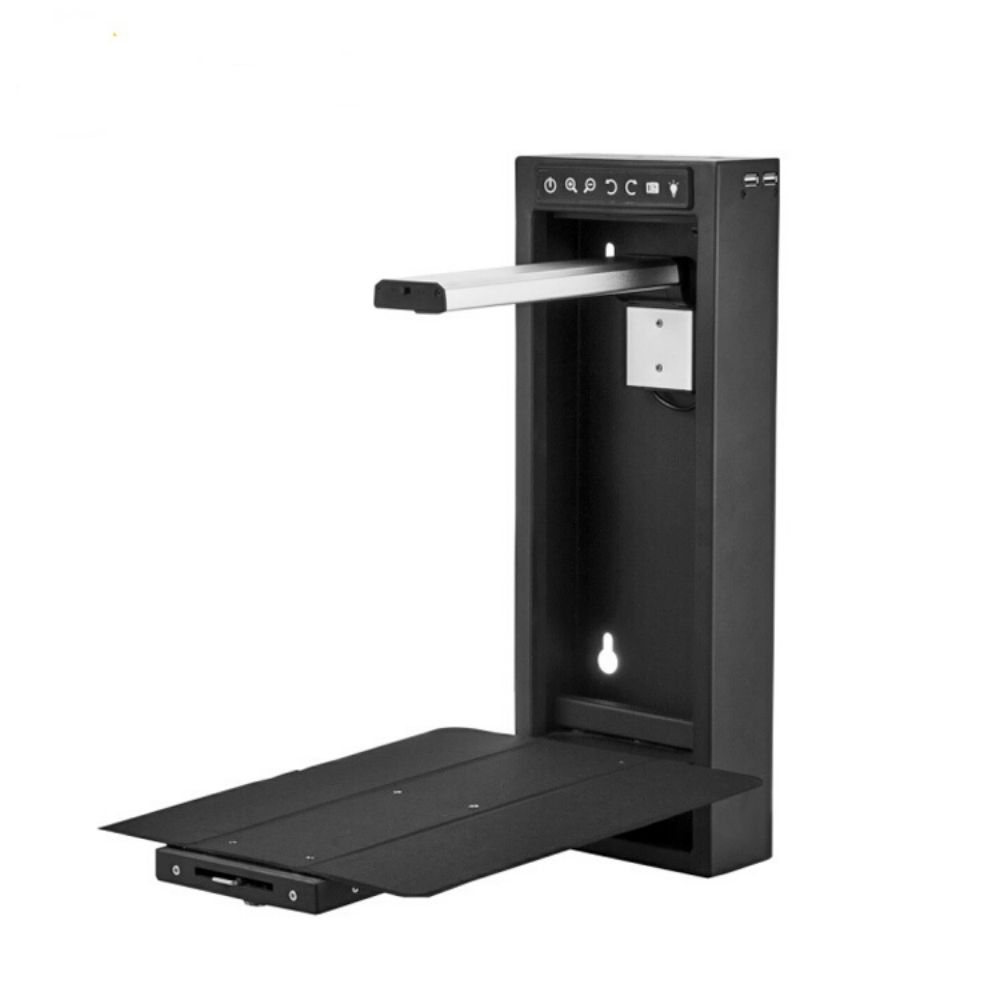
Online Training Portable 10MP A4 Document Scanner USB Interface Visualizer-in-Stock for Wall Version Black+Silver 1-Year
Useful for mobile consultants, Munich coworking spaces and remote training setups that need fast A4 capture with minimal space.
View product →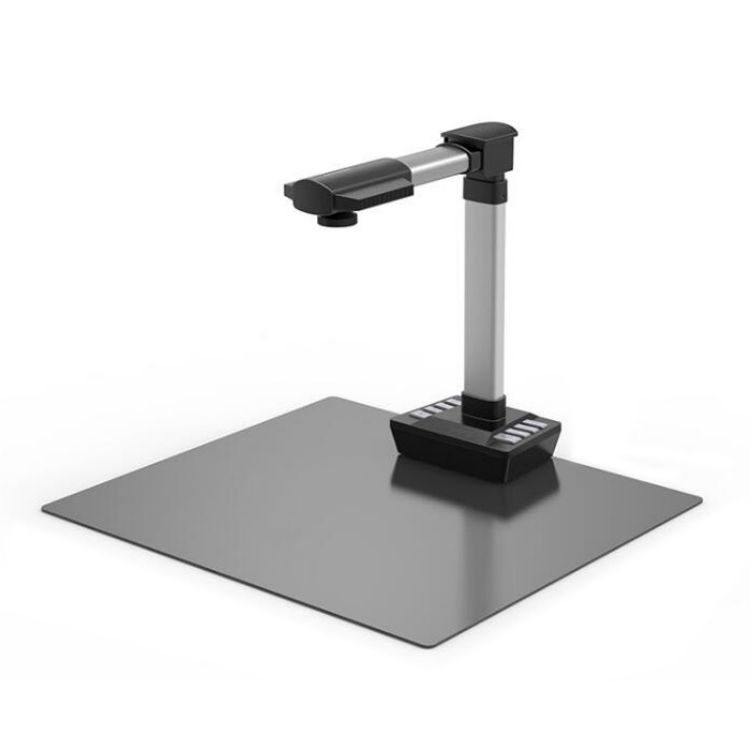
20MP OCR Aluminum Digital Visualizer Camera Classroom Office Training A3 Document Scanner USB Interface SDK Stock Black 1-Year
An aluminum-body A3 camera with OCR and SDK potential for lecture halls, training centers and system integrations.
View product →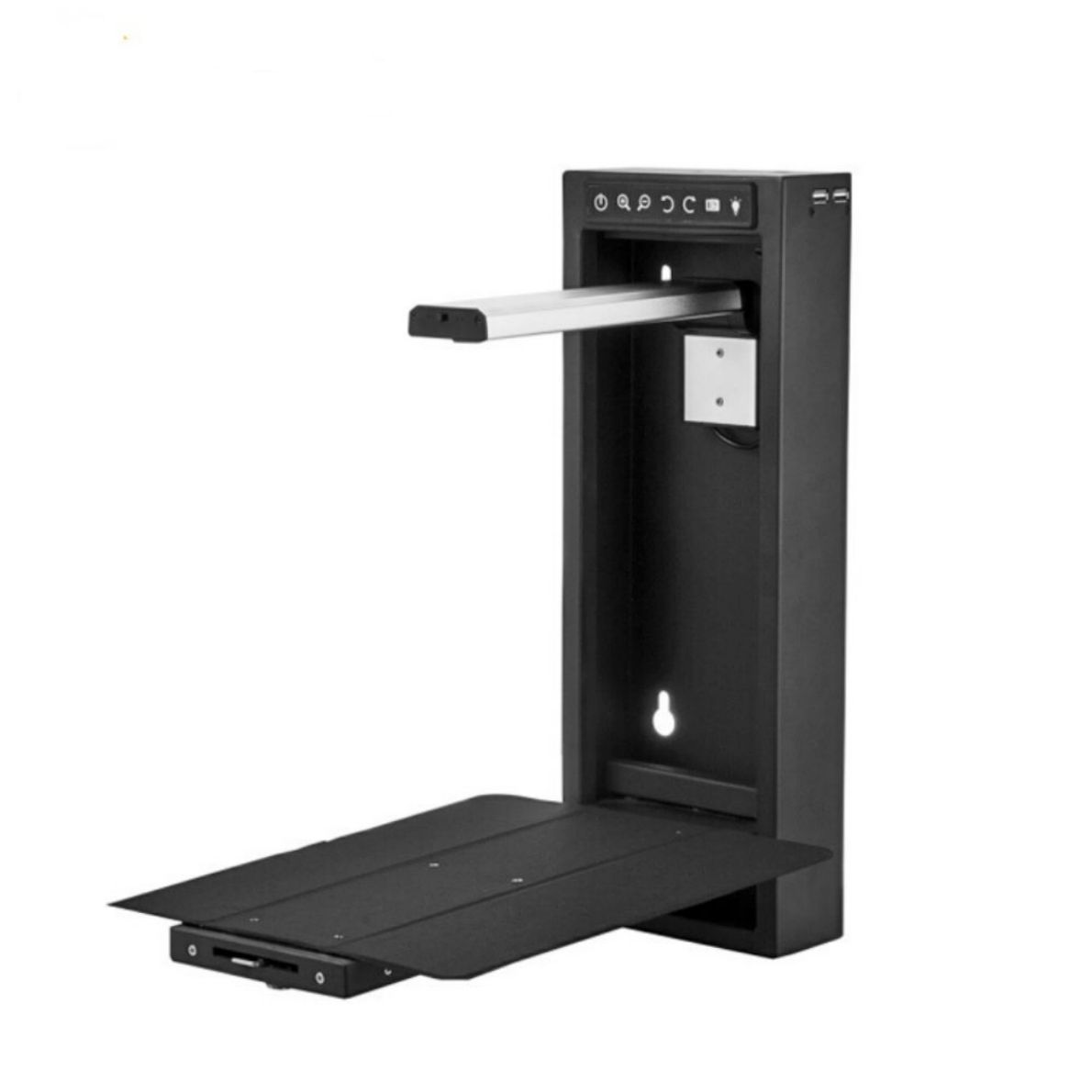
Factory New High Definition Wall Mount Document Scanner USB Interface Visualizer CE Certified 1-Year Warranty High-Speed A4 SDK
A wall-mounted capture option for Munich service counters, examination rooms and space-limited public offices.
View product →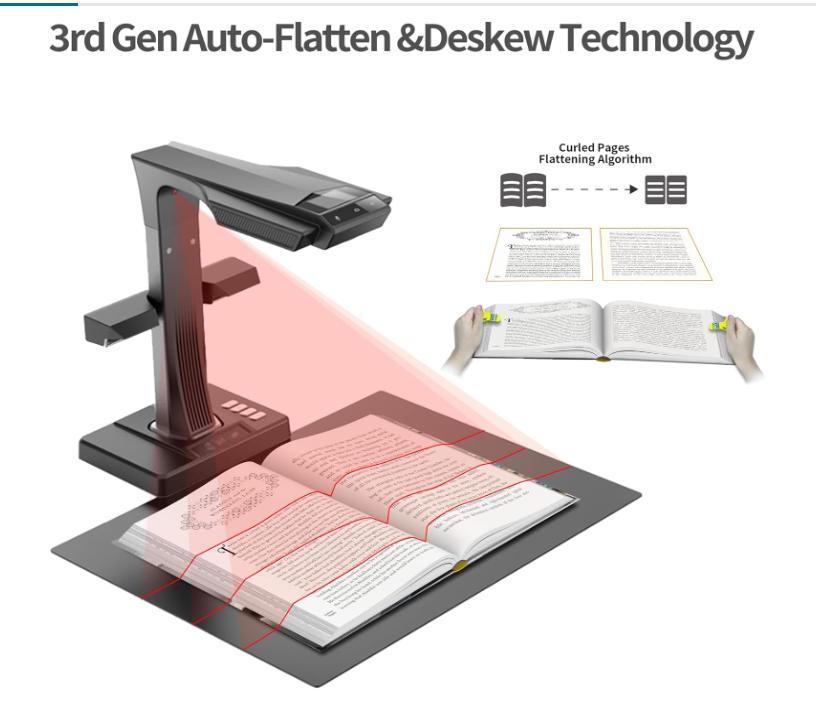
A3 24MP Book Scanner Auto Flatten Deskew CMOS Document Digitizer 4000x6000 USB Visualizer OCR Searchable PDF
Auto-flatten, deskew and searchable PDF output help Munich libraries and administrative teams digitize bound records efficiently.
View product →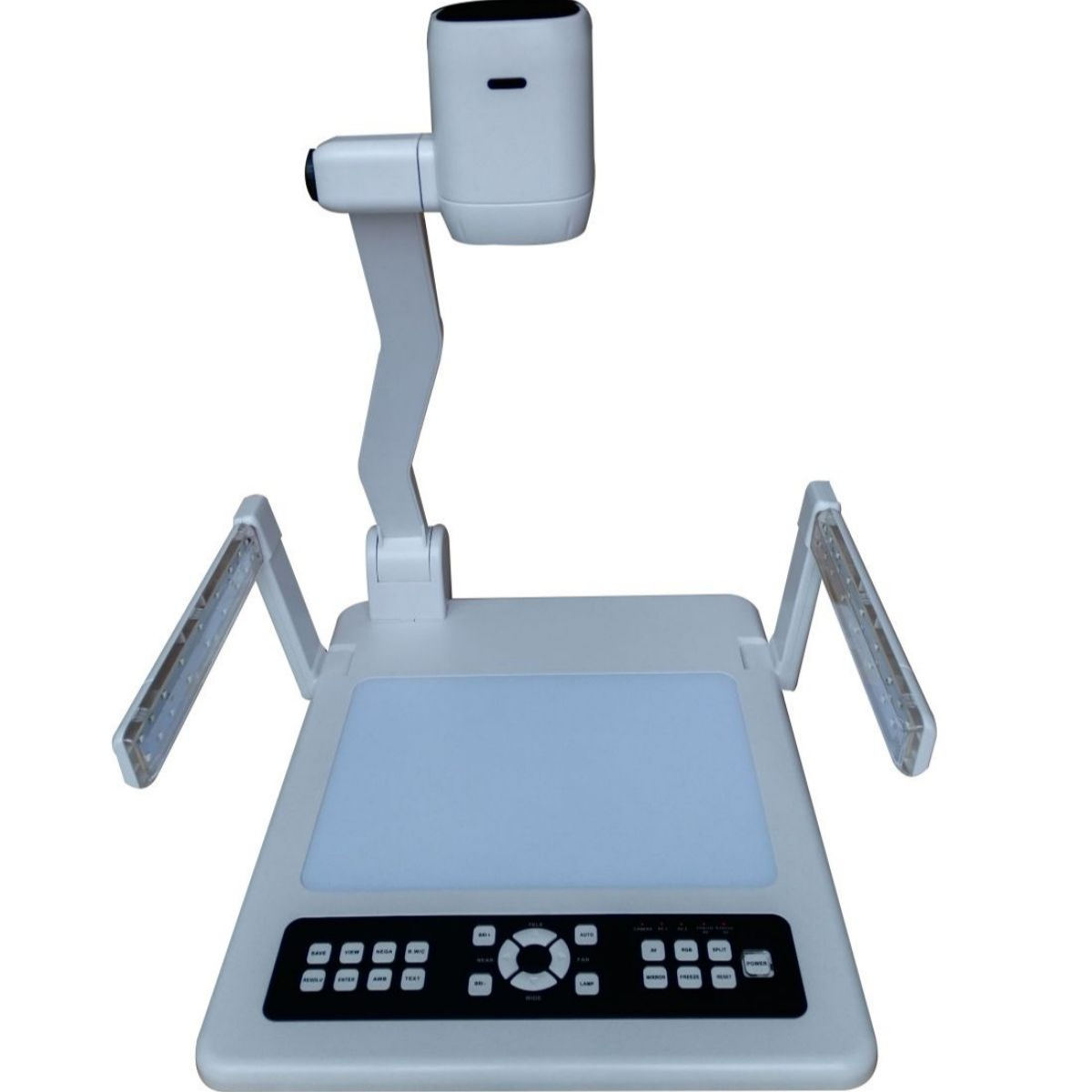
HD Optical Zoom Visual Presenter 1/3" CMOS Sensor 1-Year Warranty OEM Brand GUA Origin Professional Document Camera VGA RS232
A professional visual presenter for Munich lecture theatres, conference rooms and AV installations needing optical zoom and VGA/RS232 control.
View product →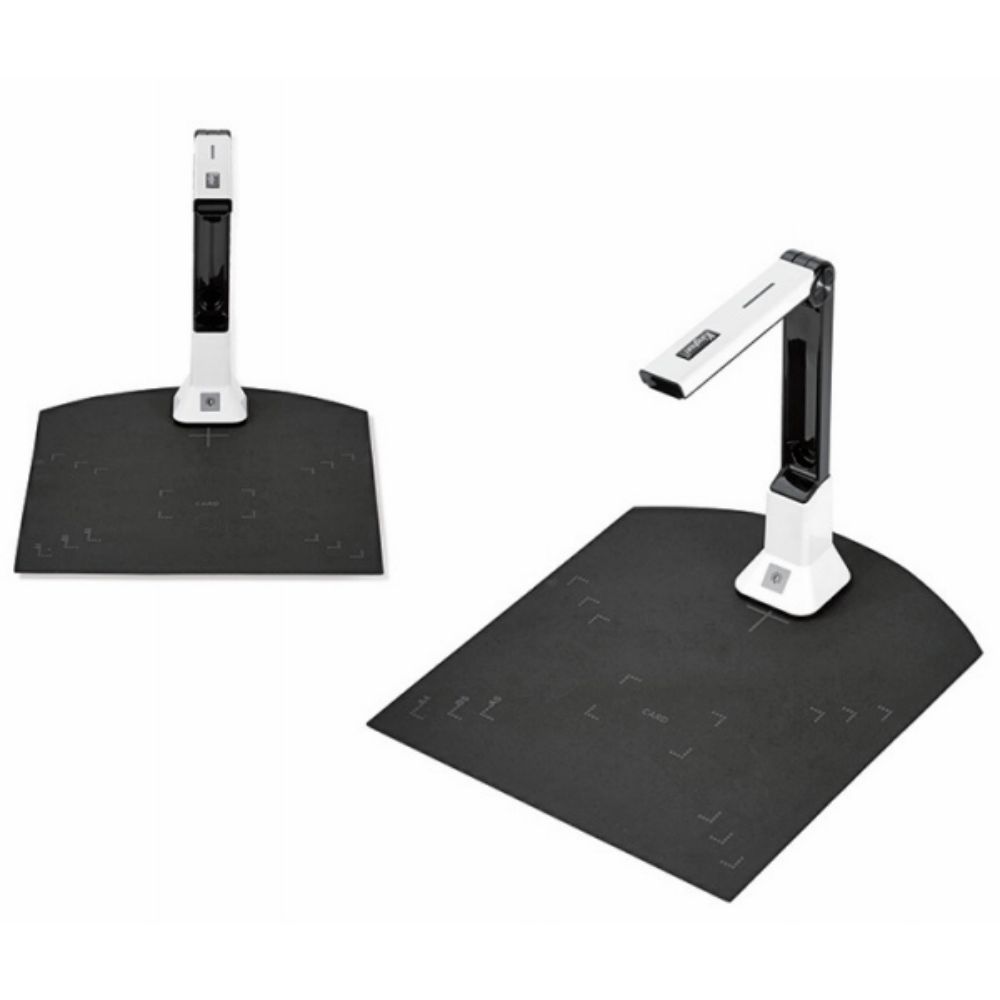
Wholesale 5MP USB Light CMOS A4 Document Scanner Portable Smart Handheld High Resolution 1-Second Scan CE Certified Stock Black
A budget-friendly, portable A4 scanner for field staff, pop-up service desks and small Munich offices needing quick capture.
View product →Why the Munich Market Needs Specialist Document Camera Exporters
Munich is not only a consumer market. It is a B2B gateway into Bavaria for libraries, research institutes, universities, museums, legal and insurance teams, engineering groups, automotive suppliers, public authorities, vocational schools and AV integrators. Each buyer has a different document workflow, but most share the same procurement questions: Can the device capture the required page size at the required resolution? Is it compatible with existing Windows or macOS systems? Can the supplier support a tender, provide QC evidence and deliver DDU to Munich?
Hybrid university teaching
Munich lecture halls and seminar rooms increasingly combine room projection with remote participation. A foldable USB document camera with HDMI or USB output lets lecturers show textbooks, sketches, components and experiments without passing objects around the room.
Libraries and archives
Bound books, newspapers and maps require non-contact overhead capture. A3 and A2 scanners reduce stress on bindings and support OCR to searchable PDF, which is valuable for Munich research collections and administrative archives.
Insurance, legal and finance
Munich service teams handle forms, identity documents, contracts and case files. A document camera with fast capture, stable focus and OCR can reduce manual transcription when it is integrated into an existing case-management workflow.
Engineering and architecture
Bavarian engineering firms often work with A3 drawings, site sketches, material samples and A2 plans. Overhead capture keeps originals flat without folding them, while high-resolution sensors preserve annotations and fine line work.
Museums and cultural institutions
Object documentation needs faithful colour and texture. A CMOS visual presenter can support condition checks, catalogue images and public demonstrations without transporting fragile items to a flatbed scanner.
Public administration
Resident services, permit desks and examination offices need space-saving capture at the counter. Wall-mounted and foldable models keep the desk usable while allowing A4 or A3 records to be recorded quickly and consistently.
What Munich Buyers Are Prioritising in 2025
These are not laboratory trends disconnected from procurement. They are recurring themes in B2B document-camera enquiries from German-speaking markets, especially where a product must fit an existing AV, archive or OCR workflow.
Hybrid AV integration
Document cameras are becoming room-AV endpoints. Buyers ask for HDMI, VGA, USB, remote control and SDK options so the device can sit alongside projectors, displays and conferencing systems.
OCR and searchable archives
Scanning is no longer enough. Munich teams want auto-flatten, deskew, OCR and searchable PDF so records become usable in document management and research systems.
EU documentation readiness
Public and corporate buyers ask early for CE-marked configurations, model-specific documentation and clear warranty terms. Compliance should be confirmed model by model before a tender is submitted.
Space-efficient and foldable
Munich office density and flexible teaching spaces reward compact equipment. Foldable document cameras are easier to store, move between rooms and integrate into multi-use desks.
The bars above are indicative procurement-priority visuals based on typical B2B enquiry themes. They are not presented as a statistical market survey.
How Munich Buyers Should Specify Resolution Before Requesting a Quote
Megapixels alone do not tell you whether a document camera can scan a full A3 or A2 page at 300 dpi. The practical calculation is page size multiplied by target resolution. For archival masters, 300 dpi is a common requirement; for OCR and on-screen review, 200–250 dpi may be sufficient depending on the source document.
A frequent Munich tender question is: “Which model captures A2 at 300 dpi?” An A2 sheet at 300 dpi needs about 4961 × 7016 pixels, or roughly 34.8 MP. A 21MP A2 overhead camera therefore delivers approximately 225–240 dpi at full A2 coverage, which is often acceptable for reading and OCR but may not satisfy an archive specification. For a true 300 dpi A2 master, specify a 48MP A2 scanner.
For A3 pages at 300 dpi, approximately 17.4 MP is the mathematical minimum, so an 18MP or 24MP model is appropriate. For A4 pages, an 8.7 MP calculation means a 10MP foldable camera is already above the requirement. This is why a careful supplier asks for page size, daily volume, target dpi and output format before recommending a product.
Also confirm the capture area, not only the sensor. A foldable document camera may be described as A4, A3 or A3 Max depending on its arm geometry and lens. For Munich AV integrators, the output interface matters as much as resolution: USB for workstation capture, HDMI or VGA for room projection, and SDK access for custom software.
| Document size | Pixels at 300 dpi | Recommended sensor | Typical Quibow match |
|---|---|---|---|
| A4 210 × 297 mm | 2480 × 3508 ≈ 8.7 MP | 10 MP or higher | 10MP portable A4 scanner; 13MP foldable camera |
| A3 297 × 420 mm | 3508 × 4961 ≈ 17.4 MP | 18–24 MP | 20MP A3 visualizer; 24MP auto-flatten book scanner |
| A2 420 × 594 mm | 4961 × 7016 ≈ 34.8 MP | 48 MP for ≈300 dpi | Dual 48MP A2 overhead book scanner |
| Photos and fine art | 600–2400 dpi optical | Flatbed with 48-bit colour | Ask for flatbed alternatives and sample scans |
Questions Munich Buyers Ask Before Ordering
Are you a manufacturer or a trading company for the Munich market?
Guangzhou Quibow Electronic Co., Ltd. is a Guangzhou-based, onsite-checked supplier and exporter of document cameras, visual presenters and book scanners. We coordinate product design, development and production support, and we provide OEM/ODM services on selected models. For Munich buyers, this means you can discuss configuration, sample scans, packaging, software branding and export terms with one technical contact rather than a purely catalogue-based reseller.
Can you deliver to Munich and which delivery terms are available?
We support FOB, EXW and DDU delivery terms. DDU can be discussed for Munich-bound shipments, with freight and import arrangements confirmed according to the final destination, Incoterm and order value. We accept T/T, L/C, PayPal and Western Union in USD, EUR, HKD or CNY. For tender planning, provide your target delivery date, quantity and whether you require door delivery or collection from an EU freight forwarder.
Do the document cameras support German OCR and searchable PDF?
OCR language support depends on the model, bundled software and project configuration. German and English OCR are common requirements for Munich offices, universities and archives, and we can discuss language packs, searchable PDF output and sample scans before an order. For legal, archive or public-sector projects, test output with your own document samples is recommended.
Are the devices CE certified for EU procurement?
CE certification is specified on certain Quibow models, including the wall-mount document scanner and portable 5MP A4 scanner. Because compliance evidence must match the exact model, configuration and order, please confirm the requirement during quotation. We can provide model-specific documentation for evaluation, while the buyer remains responsible for validating final tender requirements.
What is the minimum order quantity for Munich resellers and integrators?
Most stock book scanners, A2 large-format scanners and flatbed scanners start from 1 piece or 1 set. Several document camera models start from 2 pieces. OEM/ODM quantities are confirmed per project and depend on branding, packaging, housing colour, software changes and SDK integration.
Can you provide sample scans for an A3 or A2 tender?
Yes. Sample scans can be requested so that your team can evaluate legibility, colour reproduction, OCR quality and page-curvature handling. For best results, send a representative page, state the required dpi and output format, and identify whether the final use is on-screen reading, searchable archive, OCR data extraction or printed reproduction.
What warranty and technical support is available?
Listed models such as the A3 flatbed scanners, A2 overhead scanners and selected document cameras come with a 1-year warranty, backed by remote technical support. Warranty terms, spare-parts arrangements and return processes are confirmed in the quotation and order documents so that Munich-facing resellers can plan their own service commitments.
Which model should a Munich archive choose for A2 newspapers at 300 dpi?
For A2 newspapers, maps or full broadsheets at a genuine 300 dpi master, the dual 48MP A2 overhead book scanner is the appropriate specification. If the project only requires OCR, reading copies or 200–250 dpi access files, a lower-megapixel A2 model may be sufficient and more cost-effective. We recommend confirming the preservation policy first, then matching the sensor to the page size.
Why Quibow Is a Practical Export Partner for Munich-Facing Projects
Our role is not to push one model into every project. It is to match document size, sensor platform, software workflow and export requirements, then provide clear evidence so Munich distributors, integrators and end users can buy with fewer unknowns.
CIS, CMOS and CCD expertise
We work across CIS, CMOS and CCD imaging platforms. That allows us to explain trade-offs between sheet-fed speed, non-contact book capture, optical zoom and flatbed colour accuracy before a Munich buyer commits to a specification.
OEM / ODM and SDK support
Logo printing, packaging, housing colour, capture-software branding and SDK integration are available on selected models. This is useful for Munich AV integrators and distributors who need a product identity or workflow integration beyond a generic box.
Fast response and clear communication
Our current supplier profile shows an average response time of one hour or less, a 100% message response rate and a 27% buyer reorder rate. For project-based Munich buyers, fast clarification of model, interface, MOQ and documentation reduces tender delays.
Verifiable supplier records
Quibow maintains an onsite-checked supplier assessment, credit overview, buyer ratings, trade capacity, transaction level and trade history records. Munich procurement teams can review third-party platform evidence instead of relying only on a sales presentation.
Quality inspection before shipment
Our workflow includes checking focus, lighting uniformity, driver installation and capture speed. For Munich classroom or archive rollouts, we can discuss sample approval, packaging protection and model-specific inspection points before bulk shipment.
Export terms suited to EU projects
We accept T/T, L/C, PayPal and Western Union in USD, EUR, HKD or CNY, with FOB, EXW and DDU terms. A 1-year warranty is offered on listed models, supported by remote technical assistance and spare-parts discussion for project customers.
From Munich Requirement to Export Delivery in Four Steps
Requirement review
Confirm page size, daily volume, operating system, output format, interface, language and tender documentation needs.
Model and sample matching
Recommend the sensor platform, resolution, capture area and accessories. Provide sample scans or product evidence where required.
Customisation and QC
Discuss logo, packaging, software branding, OCR languages and SDK integration, then check focus, lighting, driver and speed.
Shipping and support
Arrange export packing and DDU/FOB/EXW shipment planning, then provide remote technical support and warranty guidance.
Request a Quote, Sample Scan Plan or OEM Discussion
Share your document size, target dpi, daily scanning volume, preferred interface and delivery requirement for Munich. Our team will recommend a suitable foldable document camera, visual presenter or overhead book scanner and clarify MOQ, lead time, warranty, payment currency and DDU options. For public-sector or distributor projects, include your tender timeline and required compliance documents so the reply is focused from the first message.