8 Document Visualizer & Scanner Products for Thailand Buyers
These catalogue models match common Thai procurement needs: classroom presentation, university capture, government document digitization, bank counter imaging, book archiving and portable field scanning. Every product image and URL below is preserved for direct evaluation.
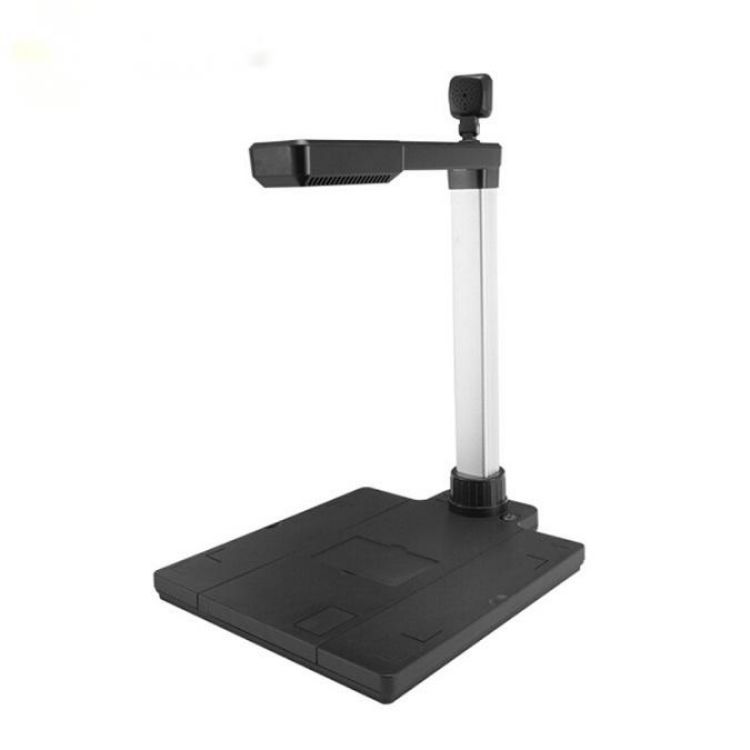
10MP Education Visualizer Scanner Document Management Book Camera USB in Stock
- USB visualizer for live teaching and document capture
- Useful for classroom demonstrations and office records
- Stock option for pilot programmes and reseller trials
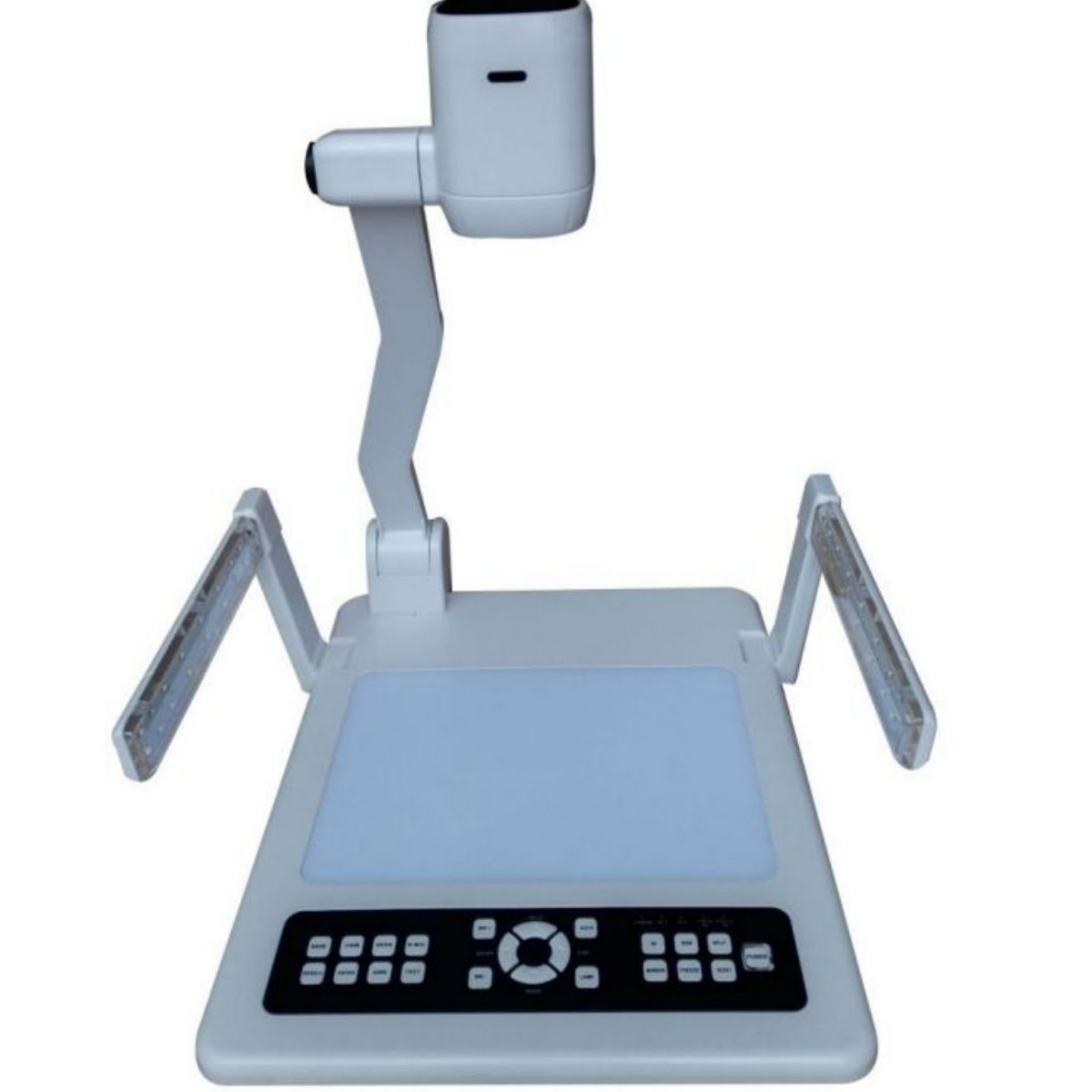
Multi-functional Document Camera Professional in Visual Presenter Also Visualizer in Educational Equipment
- Multi-purpose presentation and visualizer workflow
- Suitable for schools, training centres and meeting rooms
- Flexible configuration for Thai AV distributors
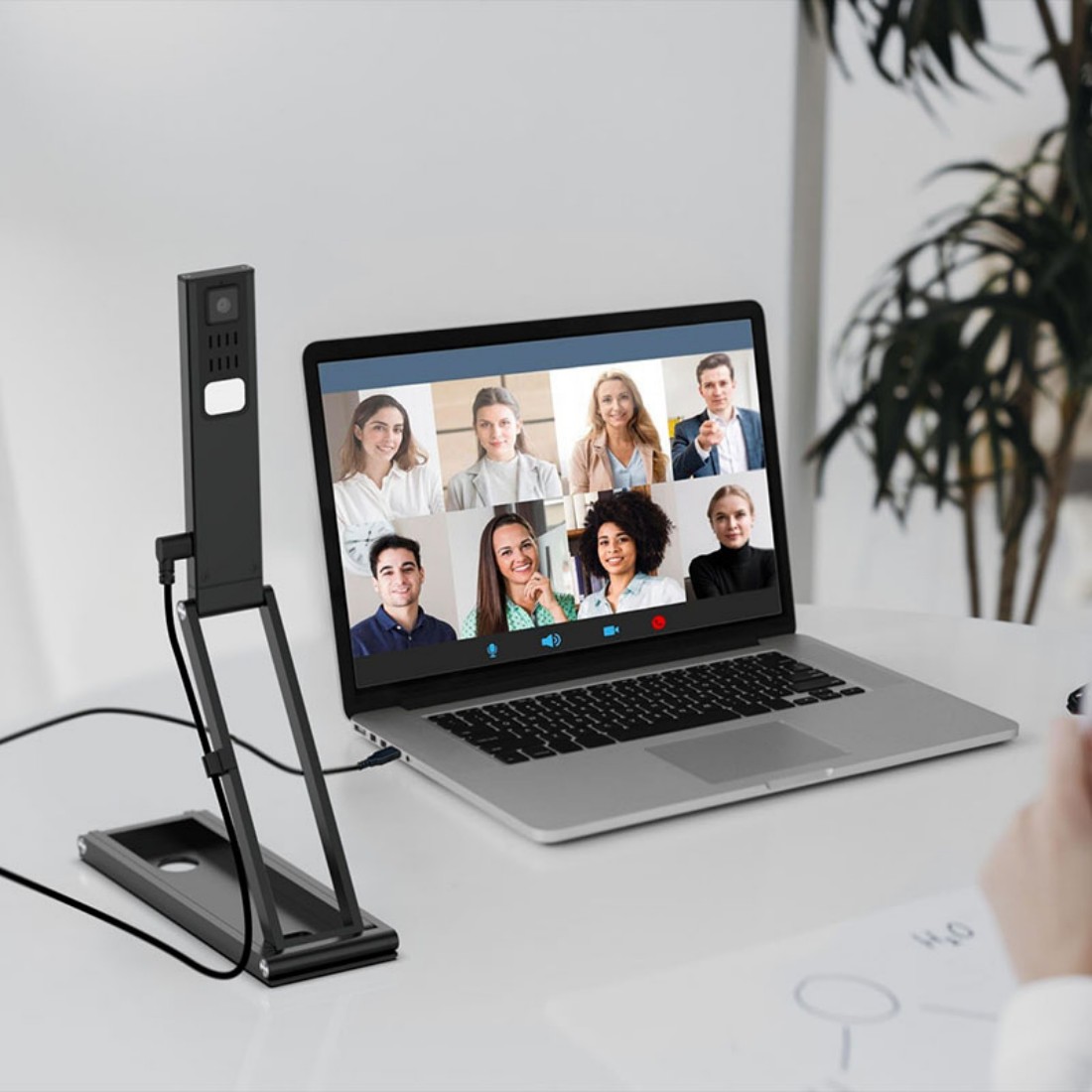
A3 4K Visual Presenter Document Camera with USB Interface for School Training Teaching Meetings Featuring Webcam Function
- 4K visual presenter with USB connectivity
- Supports teaching, training and online meeting use
- Webcam function for hybrid-learning environments
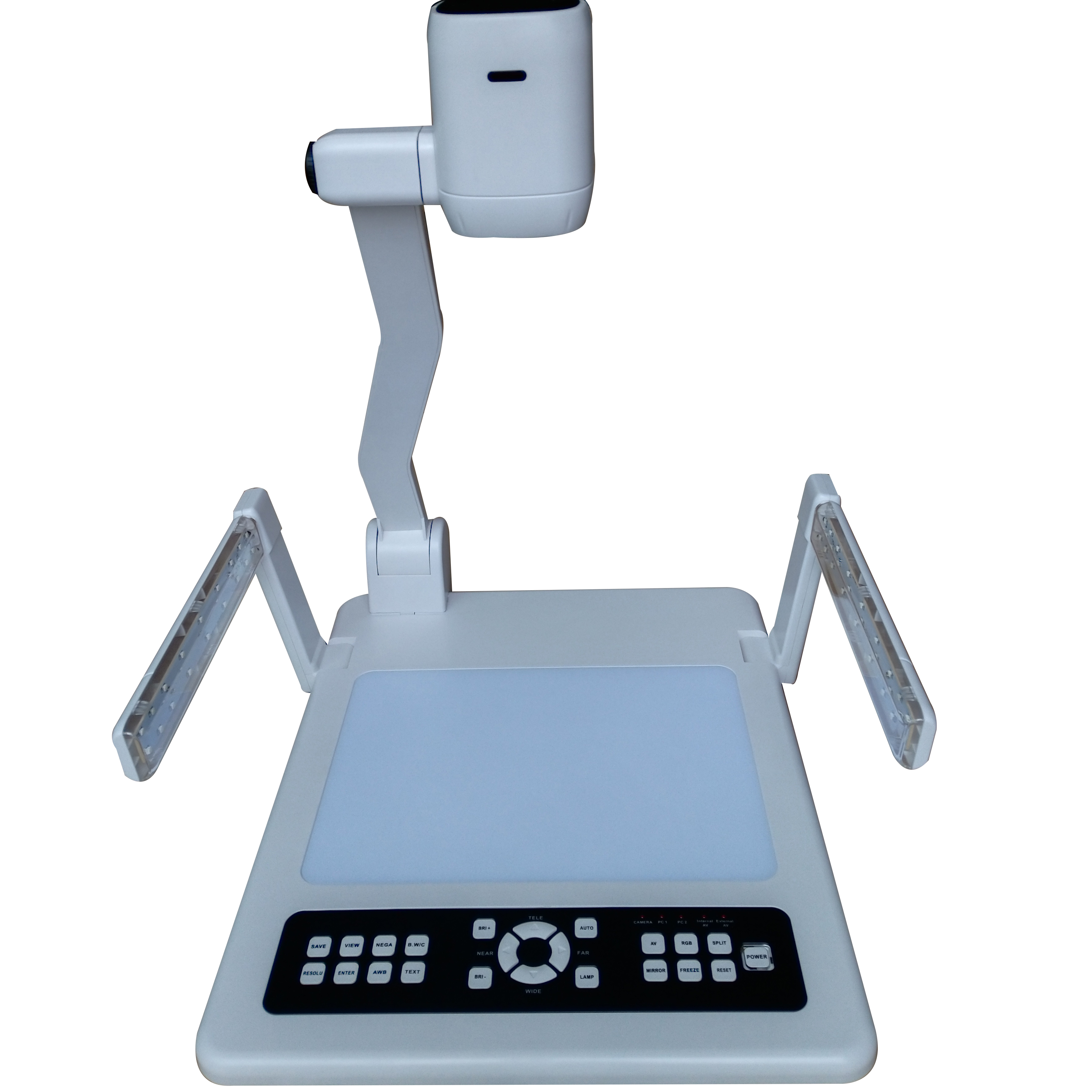
Modern Foldable Flexible Ultra HD Desktop Document Camera for School Video Output HD MI VGA Visualizer
- Foldable desktop design for compact Thai classrooms
- HDMI and VGA video output for projectors and displays
- Useful for worksheets, textbooks and object demonstrations
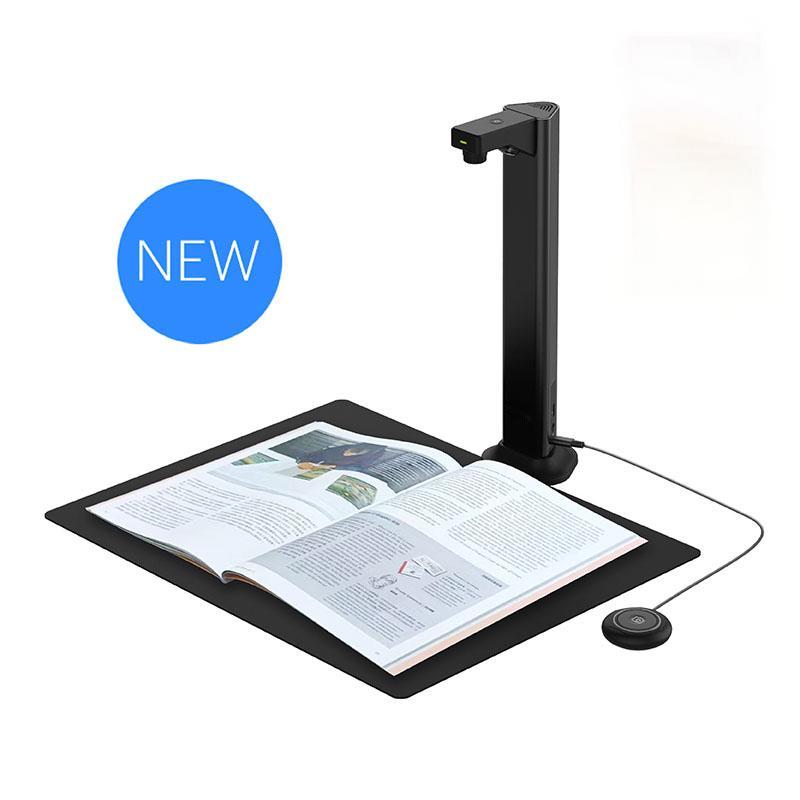
A3 18MP USB Aluminum Document Scanner with UVC Camera 1s Scan Speed OCR & Text to Speech Features-in Stock
- 18MP A3 capture for contracts, forms and books
- UVC camera, fast scan speed and OCR workflow
- Aluminum body for frequent office or service-counter use
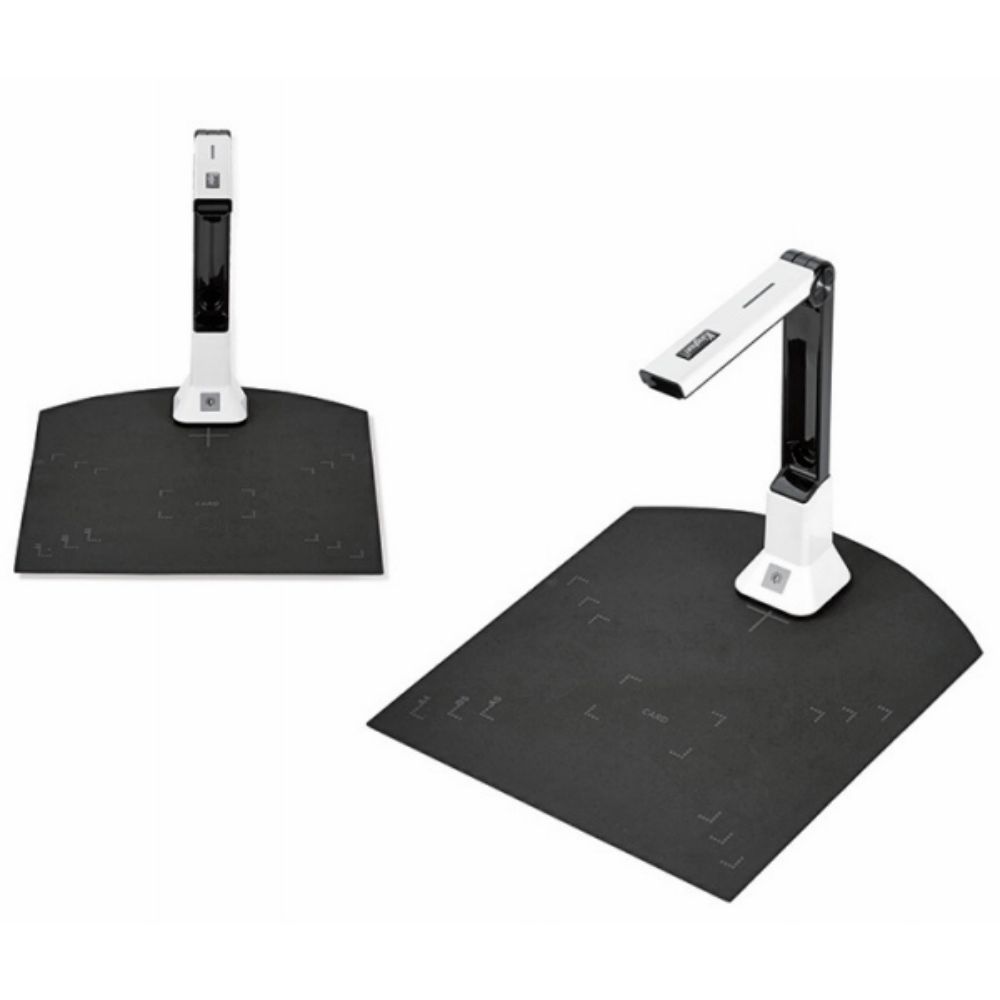
Wholesale 5MP USB Light CMOS A4 Document Scanner Portable Smart Handheld High Resolution 1-Second Scan CE Certified Stock Black
- Portable A4 scanner for field agents and mobile desks
- 5MP CMOS capture with integrated light
- CE-certified stock model for reseller programmes
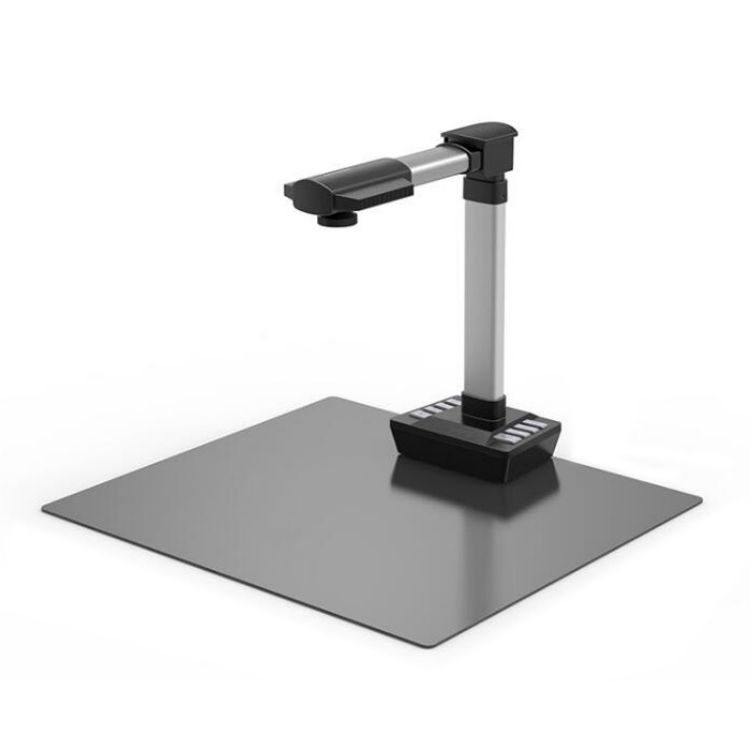
20MP OCR Aluminum Digital Visualizer Camera Classroom Office Training A3 Document Scanner USB Interface SDK Stock Black 1-Year
- 20MP A3 visualizer with OCR and SDK potential
- Classroom, office and training-room applications
- Aluminum body and 1-year warranty listing
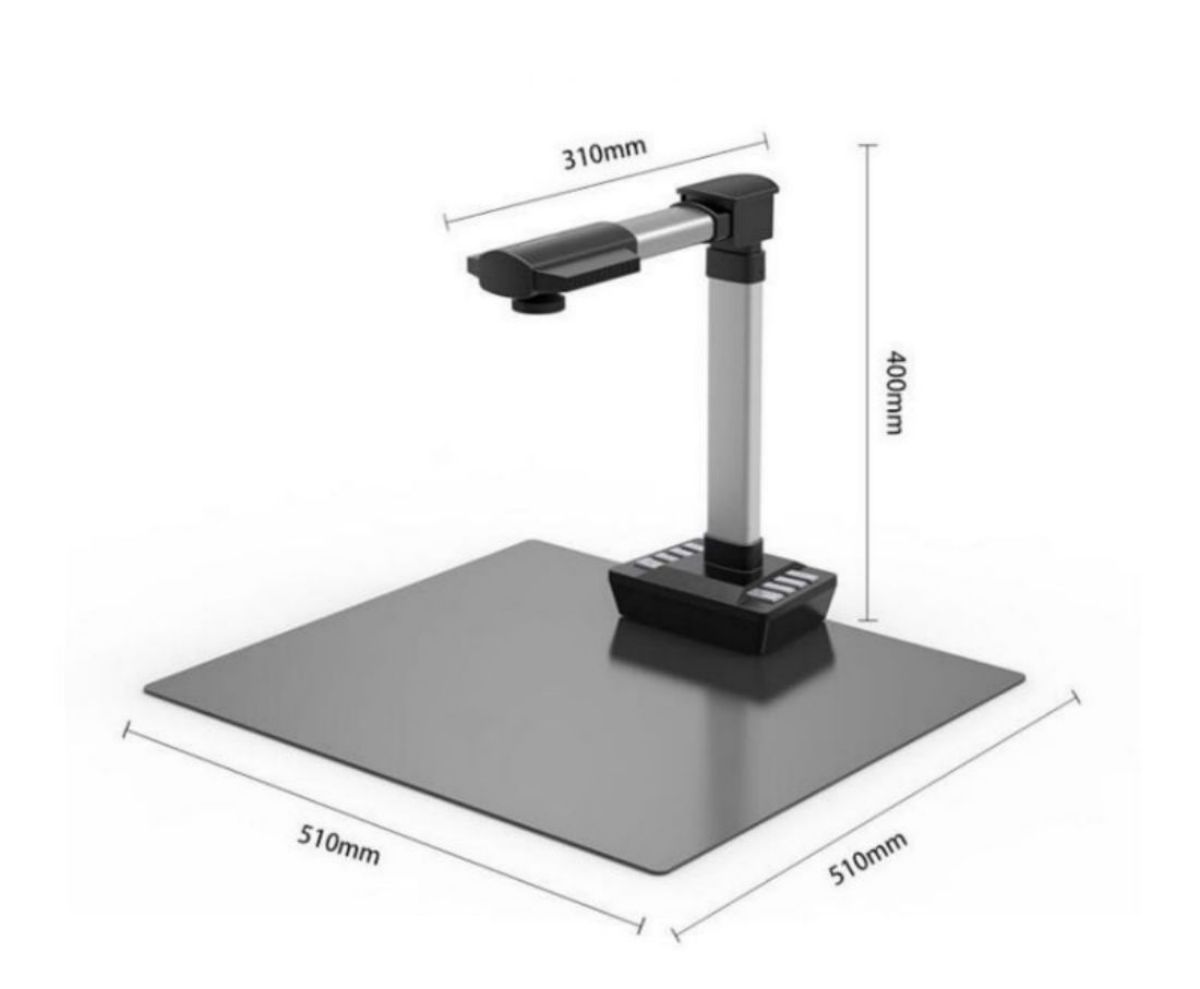
Portable 20MP High-Speed Wireless A3 Document Scanner Professional Book Scanner Foot Pedal USB Interface 24-Bit Color Stock
- 20MP A3 book scanner with foot-pedal capture
- Wireless and USB interface options
- 24-bit color capture for archives and publications
Why Thailand Is a Strategic Market for Document Visualizers and Overhead Scanners
Thailand’s demand for document visualizers is not driven by one single sector. A document visualizer — also searched as a document camera, visual presenter, overhead scanner or book scanner — sits at the intersection of education technology, digital government, banking operations, healthcare administration, publishing and archive conservation. Thai buyers typically need more than a camera: they need a repeatable capture workflow that produces readable files, supports searchable OCR, integrates with existing software and remains serviceable after the tender is complete.
This is why the strongest suppliers in the Thailand market are not simply box movers. They combine hardware selection, sensor knowledge, sample scans, software support and export documentation. For schools in Bangkok, Chiang Mai, Khon Kaen, Phuket or Hat Yai, the pain point may be live classroom demonstration. For a university library, it may be non-contact capture of fragile bound books. For a government office, it may be A3 contract digitization with OCR. For a bank or insurer, it may be high-speed counter imaging with SDK integration. Each use case affects resolution, lens choice, lighting, portability, connectivity and warranty expectations.
Thailand’s paper environment is also specific. Buyers handle Thai and English documents, official seals, coloured forms, laminated certificates, carbon copies, newspaper archives and books with curved spines. Thai OCR must handle tone marks, vowels and mixed-language layouts, while staff need clear operating instructions. A supplier that can test real Thai documents, rather than only English sample pages, offers genuine information gain and reduces procurement risk.
The country’s broader shift toward digital government, hybrid education, paperless offices and archive modernization continues to expand the addressable market. At the same time, humidity, dust and continuous daily use mean that mechanical stability, LED illumination and after-sales support matter. For Thai distributors and system integrators, a reliable document visualizer supplier and exporter should provide model matching, current stock visibility, OEM/ODM options, SDK pathways and remote technical support in clear English.
What Thai Buyers Usually Evaluate First
Procurement teams, school groups and AV distributors often compare the same practical criteria before they approve a pilot order.
- Document size: A4, A3 or A2, plus bound-book handling
- Resolution at the target output size, not only megapixel labels
- Thai/English OCR performance and searchable PDF output
- HDMI, VGA, USB and wireless connectivity for local rooms
- 220–240 V, 50 Hz power compatibility and plug arrangement
- Warranty, spare-parts path and local first-line support
- OEM/ODM branding and SDK availability for integrators
Thailand Application Scenarios: From Bangkok Classrooms to Regional Archives
Document visualizers are most effective when selected around the room, the document and the output format. These are the deployment scenarios we discuss most often with Thai buyers and resellers.
Schools, Universities & Tutoring Centres
Visual presenters with 4K or HD output help teachers show textbooks, worksheets, experiments and small objects on projectors or large displays. Foldable and desktop models suit compact Thai classrooms, while USB and webcam modes support online teaching.
Government Offices & Local Archives
A3 overhead scanners and 18MP–20MP visualizers digitize contracts, forms, land documents and administrative records. OCR, fast capture and stable LED lighting improve throughput when staff must process batches without damaging originals.
Banks, Insurance & Service Counters
Counter teams need fast capture of IDs, application forms, passports and signatures. A 10MP or 20MP document camera with USB output and optional SDK integration can support onboarding, verification and records management workflows.
Libraries, Temples & Heritage Collections
Bound books, manuscripts and newspapers require non-contact capture. Book scanners with foot pedals, auto-flattening workflows or non-contact overhead design reduce pressure on fragile pages and support digital preservation projects.
Publishers, Newspapers & Print Teams
Editorial and archive teams can use high-resolution A3 capture for layouts, clippings, reference books and artwork. For full broadsheet or A2 newspaper work, ask our team to recommend a larger-format overhead scanner from the wider Quibow product portfolio.
AV Distributors & System Integrators
Thai resellers often need a product ladder rather than one model: classroom visualizers, portable A4 scanners, A3 OCR units and OEM/ODM options. SDK support and model-specific documentation help integrators answer tenders and support end users.
How to Specify Resolution for Thai Documents
Megapixels are only meaningful when compared with the physical page size and the required output resolution. A common error in Thailand-market tenders is to request “high resolution” without defining DPI at A3 or A2. Use the table below as a starting point, then validate with actual Thai forms, seals, fonts and coloured paper.
| Document or Use Case | Typical Requirement | Recommended Capture Class | Product Direction |
|---|---|---|---|
| A4 office documents Contracts, invoices, IDs | 300 DPI master ≈ 8.7MP | 10MP–20MP with autofocus and OCR | 10MP education visualizer, 5MP portable A4 scanner, 20MP A3 visualizer |
| A3 documents Forms, drawings, textbooks | 300 DPI master ≈ 17.4MP | 18MP–20MP minimum; more headroom for cropping | 18MP A3 OCR scanner, 20MP OCR visualizer, A3 4K presenter |
| A2 newspapers or maps Archive masters | 300 DPI master ≈ 34.8MP | 48MP A2 overhead scanner preferred | Ask Quibow for an A2 large-format scanner recommendation |
| Live teaching Textbooks and objects | 1080P or 4K video, smooth frame rate | Optical zoom, HDMI/VGA/USB, LED illumination | A3 4K visual presenter, foldable HD document camera |
| Book archiving Bound volumes and fragile pages | Non-contact capture, OCR, page workflow | 20MP A3 book scanner with foot pedal | Portable 20MP wireless A3 book scanner |
CIS, CMOS and CCD: Matching the Sensor to the Thai Workflow
Quibow works across CIS, CMOS and CCD imaging platforms. The right platform depends on whether the buyer needs live presentation, non-contact book capture, flatbed colour accuracy or high-volume sheet-fed scanning.
CMOS Area Sensors
CMOS area sensors capture a whole page or object in one shot from above. They are the natural choice for document visualizers, classroom cameras and overhead book scanners because the software can flatten curves, deskew pages and remove finger shadows.
- Best for
- Thai classrooms, service counters, bound books, A3/A2 overhead capture
- Examples
- 10MP–20MP visualizers, 20MP portable book scanner
CIS Contact Sensors
CIS units are compact and efficient for sheet-fed and portable scanning paths. They suit offices that process forms, invoices and loose pages in volume, where space and power use matter more than overhead object capture.
- Best for
- Office batches, mobile scanning, compact devices
- Examples
- Portable A4 document scanners and ADF-style office solutions from the wider catalogue
CCD Linear Sensors
CCD platforms use a moving optical carriage and can provide stable colour and depth-of-field behaviour for flatbed scanning. They are useful for photos, artwork, bookedges and originals that sit slightly above the glass.
- Best for
- Photos, artwork, bookedge capture, high-resolution flatbed work
- Examples
- Quibow flatbed and bookedge scanners, quoted according to project needs
What Thai Distributors and End Users Should Confirm Before Ordering
Successful Thailand-market projects are built on technical fit and clear commercial expectations. Before approving a document visualizer or book scanner, confirm the site conditions, software requirements and after-sales route. This is especially important for school-group purchases, government tenders and bank counter deployments where the device must work every day.
- Power and installation: Thailand commonly uses 220–240 V, 50 Hz power. Confirm adapter rating, plug type, cabling and whether the device will be fixed to a cart, desk or projector system.
- Language and OCR: Test Thai and English documents, including diacritics and seals. Confirm whether the buyer needs searchable PDF, editable text, image-only output or SDK-level integration.
- Connectivity: Match HDMI, VGA, USB, Wi-Fi or network requirements to the room. For live teaching, optical zoom and frame rate can matter more than still-image megapixels.
- Local support: Plan first-line troubleshooting, spare parts and warranty handling with the Thai distributor or integrator. Remote support is faster when the local partner can reproduce the issue.
- Commercial terms: Quibow supports T/T, L/C, PayPal and Western Union in USD, EUR, HKD or CNY, with FOB, EXW and DDU terms. Import duties and local customs requirements should be confirmed with the Thai customs broker.
- MOQ and lead time: Many stock book scanners, A3/A2 scanners and flatbed scanners start from 1 piece or 1 set; several document camera models start from 2 pieces. OEM/ODM quantities are confirmed per project.
- Warranty: Listed models such as the A3 scanners, overhead scanners and selected document cameras can carry a 1-year warranty with remote technical support. Confirm the exact model, scope and DOA process before purchase.
Practical Tender Tip
Do not approve a visualizer from a specification sheet alone. Request sample scans of Thai contracts, textbooks, ID cards, newspapers and a book page from near the spine. Then verify:
- Legibility of 6–8 pt Thai text and tone marks
- Handling of red seals, coloured forms and lamination
- Capture speed during a realistic classroom or counter demo
- Software behaviour with your existing laptop or PC
- Packaging, voltage label and warranty documentation
Quibow’s Advantages for the Thailand Document Visualizer Market
Guangzhou Quibow Electronic Co., Ltd. is a technology-driven supplier of image acquisition and conversion equipment, including high-speed document cameras, book scanners, flatbed scanners and ID card recognition cameras. The company works across CIS, CMOS and CCD imaging platforms and supports OEM/ODM projects for distributors and integrators.
Engineering-First Product Matching
We review document size, daily volume, target resolution, software needs and budget before recommending a model. This avoids overbuying a 4K visualizer for simple scanning or under-specifying an A2 archive project.
OEM/ODM and SDK Flexibility
For Thai resellers, we support logo printing, packaging, housing colour, capture-software branding and SDK integration on selected models. This helps local brands build differentiated offers around proven hardware.
Stock Visibility and Low MOQ Options
Many stock models start from 1 piece or 1 set, while selected document cameras start from 2 pieces. Pilot orders, distributor trials and tender samples can be discussed with our team.
Quality Inspection Before Shipment
Units can be checked for focus, lighting uniformity, driver installation, capture speed and basic software function. Export packing and documentation support are handled according to project requirements.
Fast Response and Export Experience
Our supplier profile indicates ≤1-hour average response time, 100% message response rate and a 27% buyer reorder rate. Main markets include Eastern Europe, North America and South America, with worldwide support.
Verifiable Trading Profile
Located in Guangzhou, Guangdong, China, Quibow was established in 2020 and is an onsite-checked supplier. The team of 5–10 dedicated specialists serves overseas buyers with export sales, technical coordination and after-sales follow-up.
A Clear Four-Step Path from Thai Requirement to Delivery
For tender projects, provide the target page sizes, daily capture volume, software integration, warranty expectations and delivery city in Thailand. We will then align the model, accessories and support plan.
Requirement Review
Confirm A4/A3/A2 size, Thai OCR needs, connectivity, voltage, volume, budget and delivery location.
Model Matching
Recommend the sensor platform, resolution class, lighting and lens configuration, with sample scans where required.
Customization & QA
Handle logo, packaging, software branding, SDK requests and inspection checks before shipment.
Shipping & Support
Prepare export packing and documentation, then support remote setup, warranty follow-up and spare-parts planning.
Questions Thai Buyers Ask Most About Document Visualizers
These answers address common procurement, localization and export questions for schools, government offices, distributors and system integrators in Thailand.
Are you a document visualizer supplier and exporter serving Thailand?
What is the minimum order quantity for your visualizers and scanners?
Can you support Thai OCR and mixed Thai-English documents?
Are the devices compatible with 220–240 V power in Thailand?
Which model should I choose for A3 documents versus A2 documents?
Do you provide OEM/ODM branding and SDK integration?
What warranty and after-sales support is available?
What payment and delivery terms do you accept?
How can we request a sample scan or a model recommendation?
Request a Document Visualizer Recommendation for Thailand
Tell us whether you are equipping classrooms in Bangkok, digitizing A3 records for a government office, scanning books for a university library or building an OEM/ODM programme for Thai resellers. Share your page sizes, daily volume, target resolution and delivery location, and our team will respond with a practical model recommendation.