Eight Document Scanning Machines Matched to Fukuoka Workflows
Product URLs, specifications and image assets are preserved from the current Quibow catalogue. The selection below covers bound-book archiving, A2 newspapers and maps, classroom visualizers, reception counters, portable training and OCR-ready A3 projects.
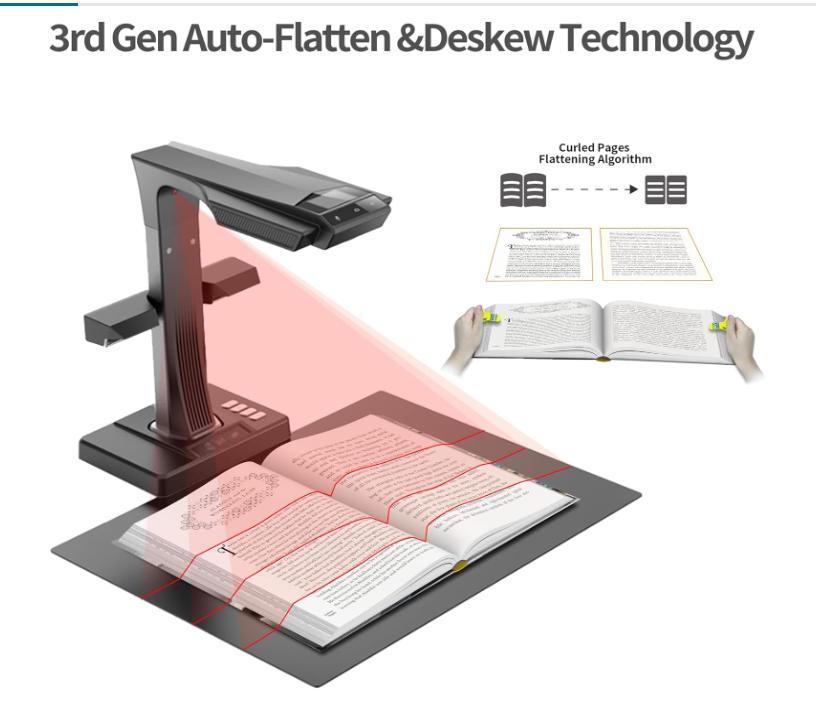
A3 24MP Book Scanner Auto Flatten Deskew CMOS Document Digitizer 4000x6000 USB Visualizer OCR Searchable PDF
Best first choice for Fukuoka library reading rooms, university archives and accounting firms that scan bound ledgers without pressing the spine. Auto-flatten and deskew routines reduce post-processing before searchable PDF export.
- 4000 × 6000 px CMOS capture
- Auto flatten and deskew
- OCR searchable PDF
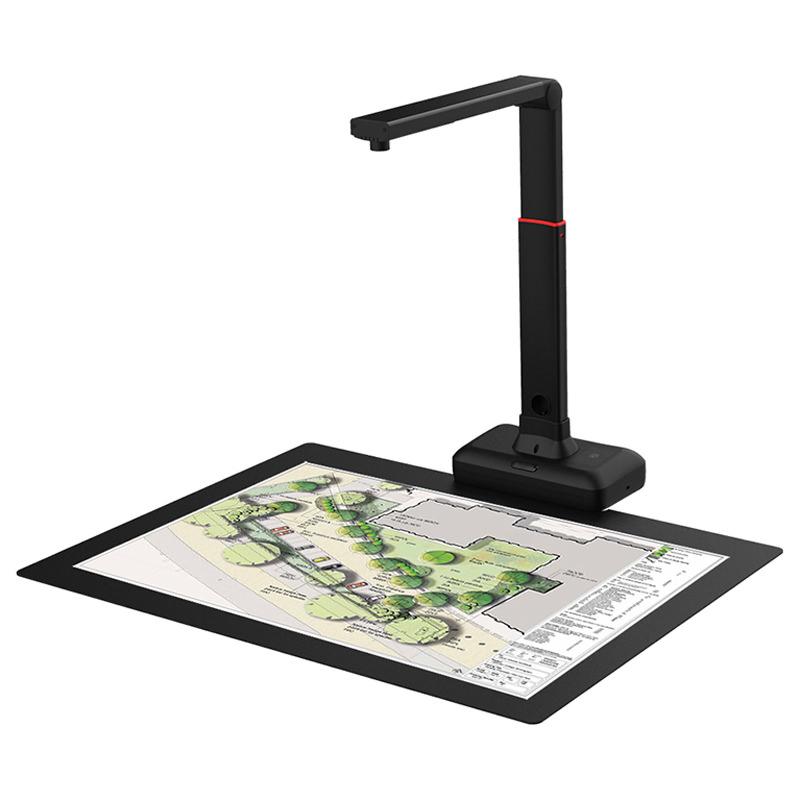
A2 Large Format Overhead Document Scanner 21MP USB Aluminum Text-to-Speech 1-Year Warranty in Stock
For newspapers, maps, posters and large planning drawings. A single overhead pass avoids contact with fragile paper, while the aluminum frame suits frequent municipal, museum and planning-office use.
- A2 large-format overhead capture
- 21MP USB camera
- Text-to-speech and 1-year warranty
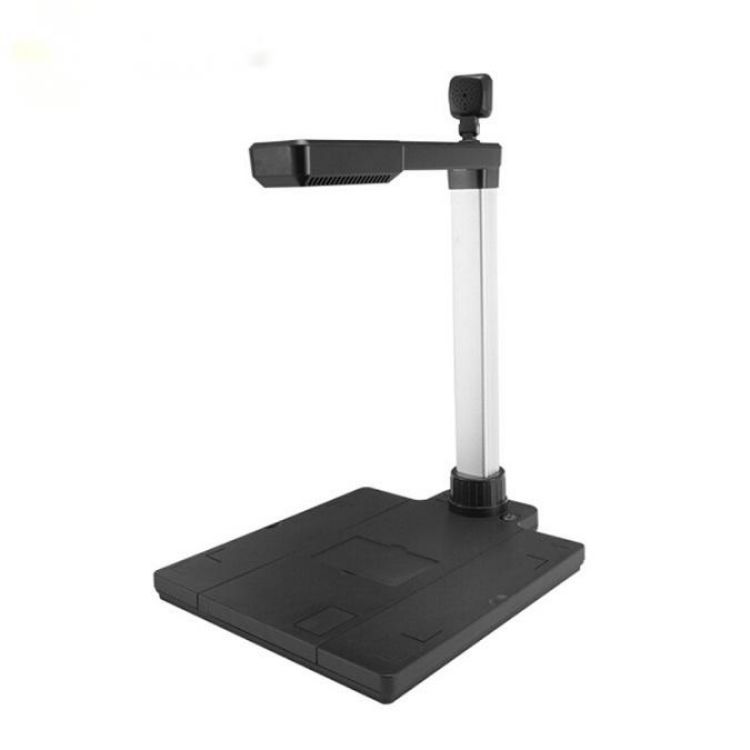
10MP Education Visualizer Scanner Document Management Book Camera USB in Stock
A practical visualizer for Fukuoka classrooms, cram schools and corporate training rooms. Show textbook pages, science demonstrations or handwritten notes on a projector while capturing a clean USB image for records.
- 10MP USB document camera
- Book and document management
- In stock for education projects
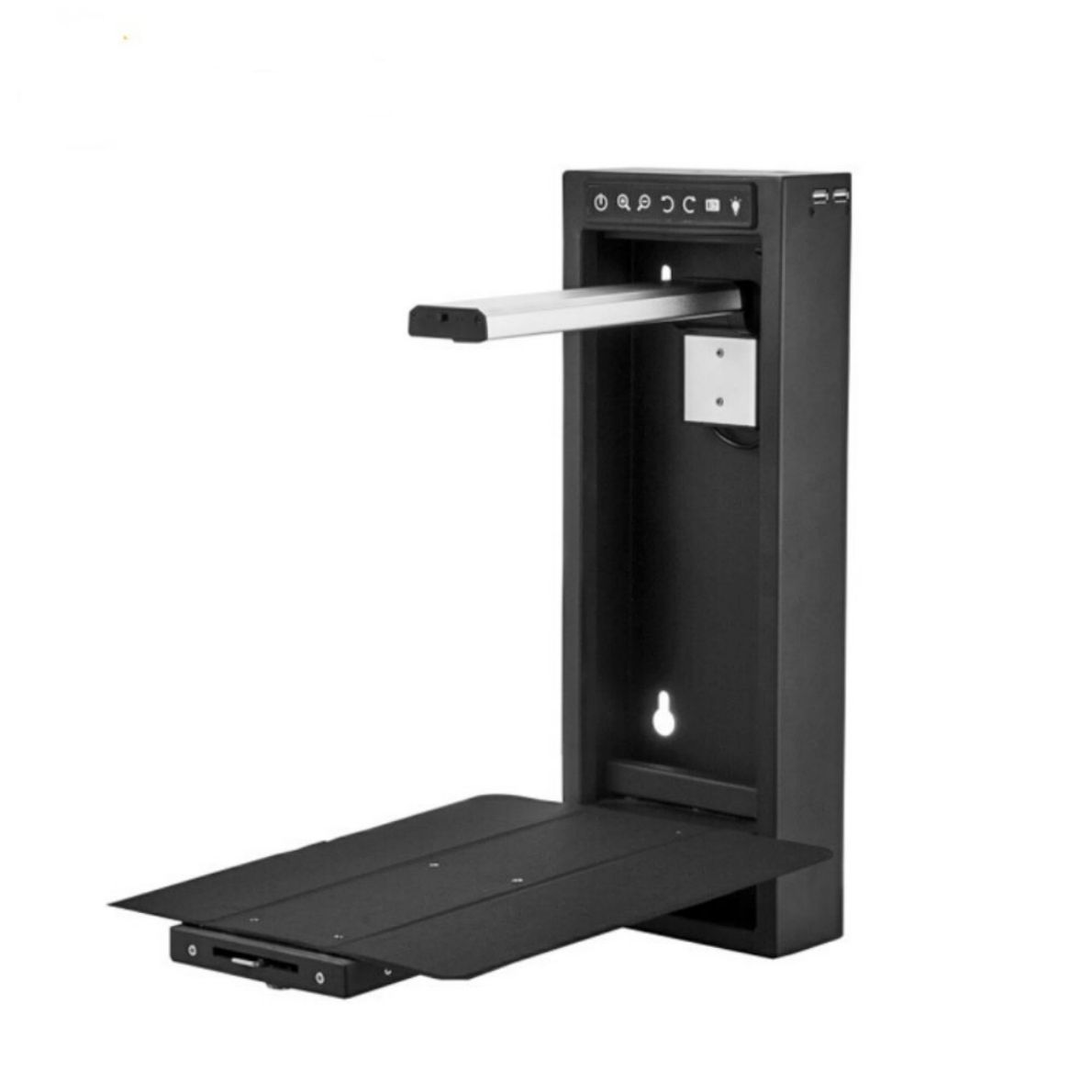
Document Camera A4 Visualizer Wall Version USB CMOS Sensor 10MP 1-Second Scan Document Scanner Stock for Classroom Smart
Wall-mounted format saves desk space in compact Japanese classrooms, clinic receptions and branch offices. Capture lesson materials, resident forms or product labels in about one second with a CMOS sensor.
- A4 CMOS visualizer
- Wall version
- 1-second scan for smart classrooms
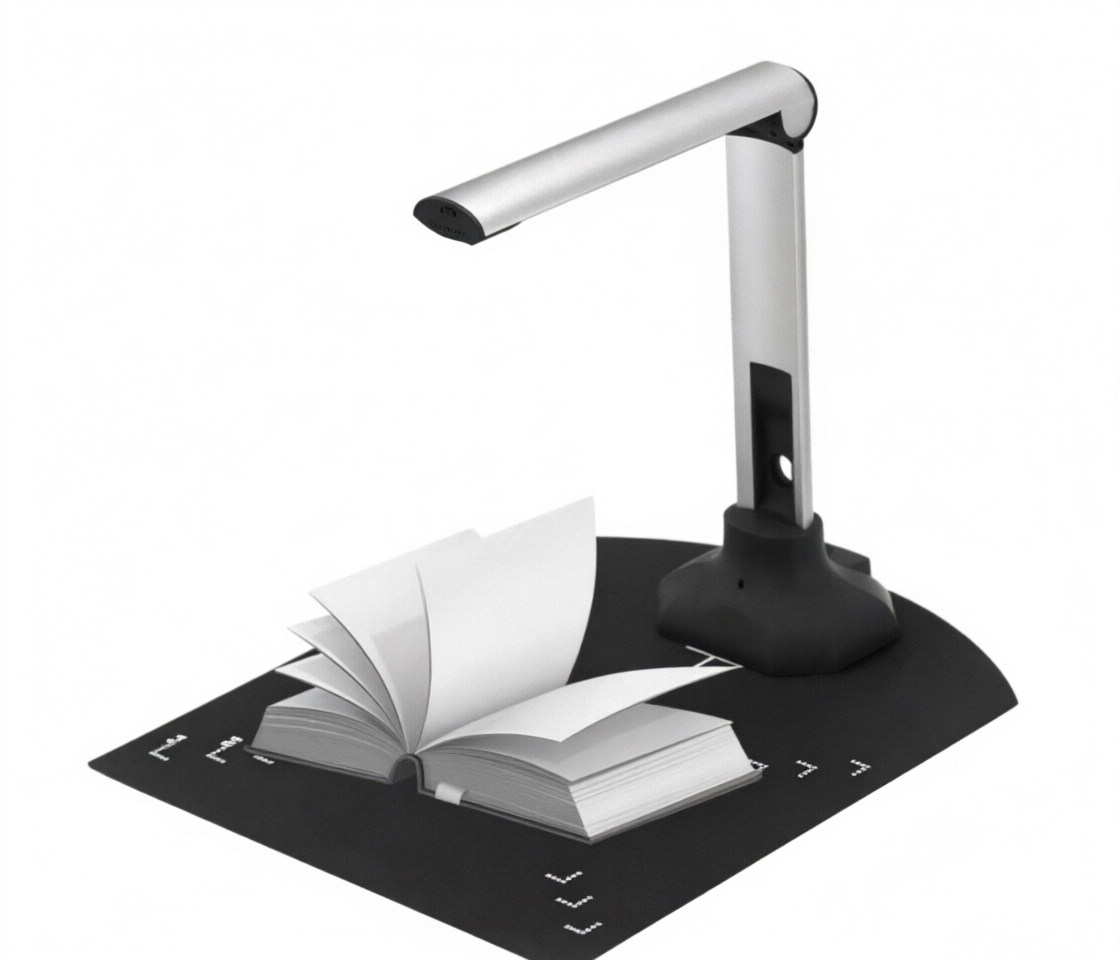
USB Document Camera Scanner 10MP CMOS Visualizer A4 Scanner for Office Education
An everyday USB document camera for paper-light offices, hot desks and online meetings. The A4 field handles invoices, contracts and teaching materials without requiring a dedicated scanning room.
- 10MP CMOS sensor
- A4 office and education field
- USB plug-and-play workflow
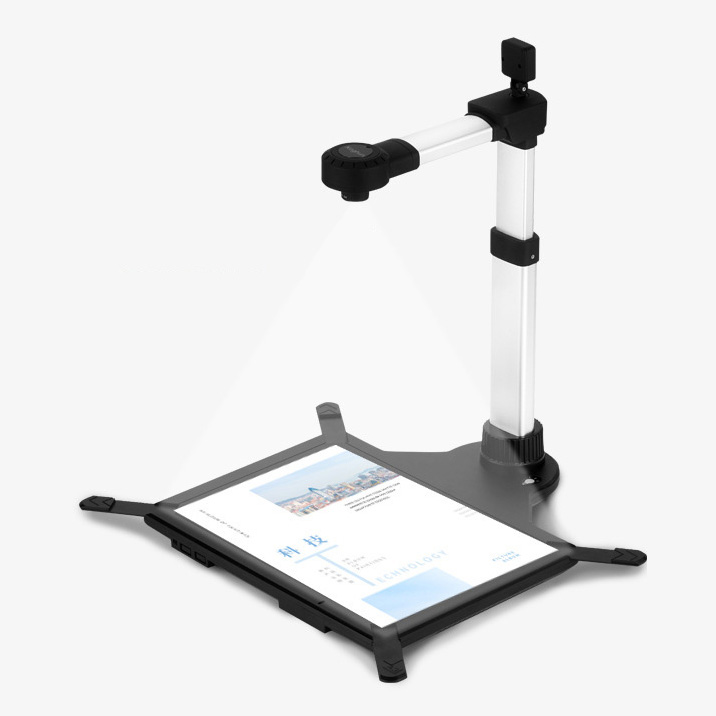
HD Dual Camera 16MP + 2MP Pixels Multifunction Stretchable Smart USB 60 Pages/Min A3/A4 Document Scanner 360 Rotation 180
Useful at busy counter services and back-office intake desks where both documents and ID photos must be captured. The dual-camera format, 360° rotation and stretchable arm support A3/A4 workflows up to 60 pages per minute.
- 16MP main + 2MP second camera
- A3/A4 capture at 60 pages/min
- 360° rotation and 180° flexibility
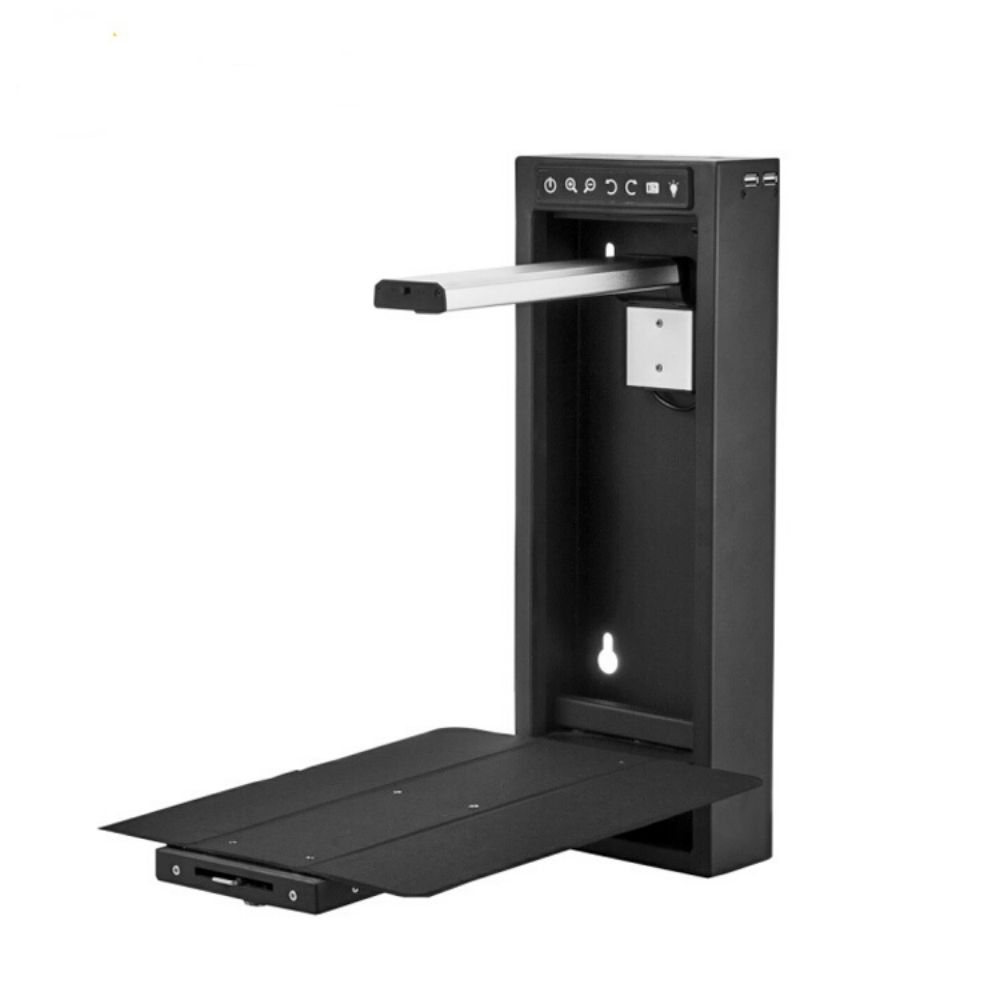
Online Training Portable 10MP A4 Document Scanner USB Interface Visualizer-in-Stock for Wall Version Black+Silver 1-Year
A portable 10MP A4 scanner for consultants, remote trainers and field teams moving between Fukuoka offices or client sites. The USB interface keeps setup simple for online training and quick document sharing.
- 10MP A4 portable visualizer
- USB interface
- Black + silver wall version option
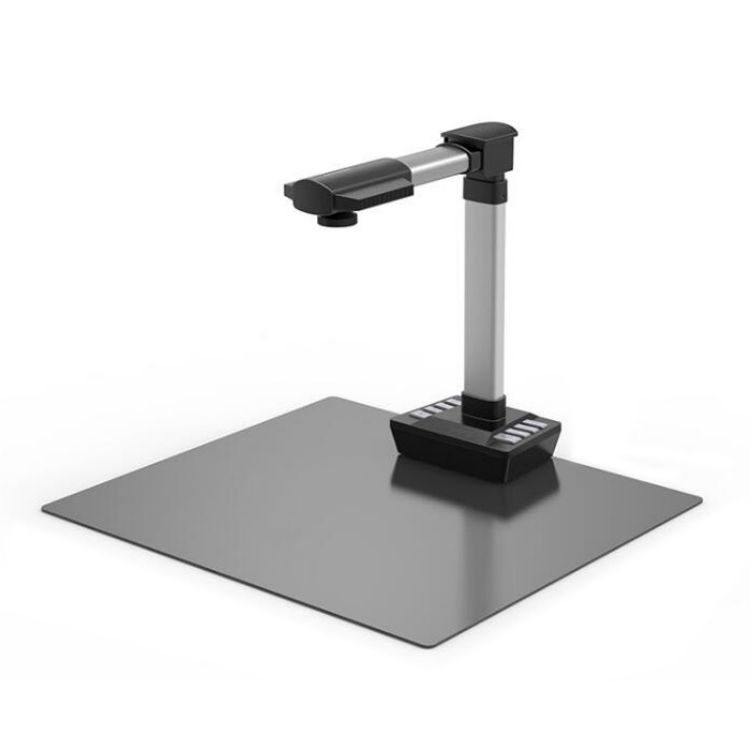
20MP OCR Aluminum Digital Visualizer Camera Classroom Office Training A3 Document Scanner USB Interface SDK Stock Black 1-Year
For system integrators and training departments that need OCR-ready A3 capture and SDK access. The aluminum body and 20MP camera support classroom, office and archive projects where local software integration matters.
- 20MP A3 OCR visualizer
- USB interface with SDK
- Aluminum body and 1-year warranty
What Fukuoka Buyers Actually Need from a Document Scanning Machine Supplier
Fukuoka is not a generic scanning market. Offices are often compact, service teams expect fast and quiet operation, and procurement frequently mixes Japanese-language paperwork with English, Chinese or Korean documents from trade, tourism and international education. A supplier that only lists megapixels is not enough. Buyers need a model matched to the document, software environment, counter space, OCR target and import plan.
Quibow approaches Fukuoka as a B2B supply project rather than a one-off retail sale. We are Guangzhou Quibow Electronic Co., Ltd., a technology-driven supplier focused on image data acquisition and conversion. Our range covers book scanners, overhead A2/A3 document scanners, flatbed scanners and document cameras built on CIS, CMOS and CCD imaging platforms. For Fukuoka distributors, system integrators and end users, that means one supplier can support multiple departments: library digitization, school visualizers, municipal form capture, clinic records and factory work instructions.
The search intent behind “Document Scanning Machine Supplier & Wholesaler in Fukuoka” usually comes from four buying groups: a procurement officer comparing local and direct channels; a library or archive planning a digitization project; an IT integrator seeking OEM/ODM hardware; and a school or company replacing a discontinued visualizer. Each group needs different proof. That is why this page separates product fit, local application, trend context, company verification and pre-order questions.
For a first quote, send the document size, binding type, daily page volume, target resolution, operating system, OCR language, delivery address in Fukuoka and whether you need OEM branding or SDK access. A clear brief reduces back-and-forth and helps confirm whether a stock model is sufficient or a customized configuration is more economical.
Local intent snapshot
- Small-batch testing before a departmental rollout
- Evidence of export experience and verifiable supplier records
- Compatibility with Japanese Windows/macOS office environments
- Advice on A3 versus A2 scanning before tender submission
How Many Megapixels Do Fukuoka Projects Really Need?
Megapixels only matter in relation to page size. A sensor’s pixel count must be divided across the document’s width and height to estimate true scanning resolution. This is the point where many A2 tenders fail: a 21MP overhead camera covering a full A2 sheet does not deliver the same 300 dpi result as a 48MP A2 configuration.
| Document size | Pixels at 300 dpi | Recommended sensor | Fukuoka project fit |
|---|---|---|---|
| A4 210 × 297 mm |
2480 × 3508 ≈ 8.7 MP |
10MP or higher | Reception forms, invoices, teaching handouts, clinic records |
| A3 297 × 420 mm |
3508 × 4961 ≈ 17.4 MP |
18MP to 24MP | Bound books, magazines, contract bundles, school materials |
| A2 420 × 594 mm |
4961 × 7016 ≈ 34.8 MP |
48MP for true 300 dpi A2 archival masters | Newspapers, maps, posters, engineering drawings, museum panels |
| Photos & artwork | 600–2400 dpi optical | Flatbed with 48-bit color | Print shops, museums, design studios and heritage collections |
CIS, CMOS or CCD: Matching the Sensor to the Fukuoka Workflow
Quibow works across all three imaging platforms. The correct choice depends on whether the original is a loose sheet, a bound book, a newspaper, a 3D object or a live classroom demonstration.
CIS Contact Image Sensor
A slim linear sensor that reads at close range. Compact, power-efficient and well suited to sheet-fed paths where speed and repeatability matter more than three-dimensional capture.
- Best fit
- High-volume office batches, invoices, contracts and administrative forms
- Buyer benefit
- Efficient throughput for paper-heavy departments
CMOS Area Sensor
Captures the whole page in one overhead shot, so bound books do not need to be pressed flat. Software can flatten curves, deskew pages and prepare OCR output.
- Best fit
- Books, newspapers, classroom demonstrations, counter services and live training
- Buyer benefit
- Non-contact capture that protects fragile bindings and saves preparation time
CCD Linear Sensor
A moving optical carriage with strong depth of field and stable color reproduction. It is tolerant of slightly raised originals and useful for bookedge or artwork scanning.
- Best fit
- Photos, artwork, heritage materials and zero-margin bookedge projects
- Buyer benefit
- Controlled lighting and optical detail for high-value originals
Where Document Scanning Machines Work Every Day in Fukuoka
The same hardware can serve very different departments. These six scenarios reflect the practical questions buyers in Fukuoka and Kyushu ask during selection.
Public libraries & archives
Digitize rare books, local periodicals, city records and newspaper back issues without stressing bindings. A3 24MP book scanners handle bound volumes; A2 overhead models capture full broadsheets and maps.
Schools, universities & training
Visualizers show textbooks, experiments and 3D objects on projectors or displays. Portable and wall-mounted cameras support remote classes, teacher preparation and corporate onboarding.
Municipal counters & banking
Dual-camera capture and OCR-ready models help staff record ID cards, application forms and supporting documents at service counters while keeping queues moving.
Clinics, legal & professional offices
Scan patient forms, referral letters, contracts and case files into searchable PDFs. Compact A4 and wall-version cameras reduce desk clutter in small Fukuoka offices.
Manufacturing & logistics
Capture inspection sheets, work instructions, delivery notes and large drawings. A2 overhead scanning supports plant layouts and engineering revisions; OCR makes SOPs easier to search.
Distributors & system integrators
OEM/ODM branding, packaging options and SDK access let Fukuoka resellers build local digitization bundles on proven imaging hardware rather than developing cameras from scratch.
Four Shifts Reshaping Document Capture in Fukuoka
These trends are not abstract. They change what procurement teams ask for in a scanner quote and how resellers position imaging hardware.
Archive resilience
Fukuoka and Kyushu businesses take business continuity seriously. Digital copies of property records, legal files and heritage materials protect operations when paper is damaged or access is restricted.
Paperless administration
Municipal and corporate teams still receive paper forms, signatures and supporting documents. Scanners bridge the paper front desk and the digital back office instead of forcing an abrupt workflow change.
Classroom ICT depth
Classroom displays and one-device-per-student programmes increase the value of visualizers. Teachers need quick capture of textbooks, handwritten work and experiments without complex setup.
Cross-border service
Fukuoka’s position as a Kyushu and Asia gateway brings multilingual paperwork. OCR, SDK integration and multiple output formats become practical requirements, not extras.
Why Quibow Can Support Fukuoka Buyers Beyond the Product Photo
Quibow’s profile is deliberately focused. We work on image acquisition and conversion rather than general electronics. That focus appears in how a project is scoped: page size, binding, daily volume, OCR language, operating system and delivery terms are confirmed before a model is recommended.
Focused imaging portfolio
Book scanners, overhead A3/A2 scanners, flatbeds and document cameras built on CIS, CMOS and CCD platforms.
OEM / ODM support
Logo printing, packaging, housing color, capture-software branding and SDK integration on selected models.
Small MOQ and stock
Most stock book scanners, A2 large-format scanners and flatbeds start from one piece or one set; several document cameras start from two pieces.
Fast technical response
Average response time is ≤1h, with a 100% message response rate and direct engineering follow-up for model questions.
Sample scans and matching
Share a sample page or test target and your target resolution; the team can recommend a sensor, lens and output plan before purchase.
Quality inspection before export
Units are checked for focus, lighting uniformity, driver installation and capture speed, with export packing prepared for international delivery.
Export terms and payments
T/T, L/C, PayPal and Western Union; USD, EUR, HKD or CNY; FOB, EXW and DDU terms can be discussed for Fukuoka-bound shipments.
Warranty and after-sales
Listed models carry a one-year warranty backed by remote technical support, spare-parts discussion and setup guidance.
From Inquiry to Fukuoka Delivery in Four Clear Steps
A transparent process helps procurement, IT and department users agree on the same specification before an order is placed.
Scope the document
Confirm size, binding, daily volume, colour needs and whether the original can be placed under an overhead camera.
Match the model
Select sensor platform, megapixels and output options. Sample scans can be arranged before a tender or internal approval.
Validate integration
Check Windows/macOS compatibility, OCR language needs, SDK requirements, counter space and wall-mount options.
Confirm logistics
Agree Incoterm, payment currency, packing, warranty and remote support arrangements for the delivery address in Fukuoka.
Questions Local Buyers Ask Before Ordering
These answers reflect the practical points raised by libraries, schools, offices, resellers and system integrators preparing a scanning purchase.
Can Quibow supply document scanners to Fukuoka and other Kyushu cities?
Yes. Quibow can quote for delivery to Fukuoka and other Kyushu destinations. The practical route may be air freight or sea freight through a Fukuoka or Kyushu entry point, depending on quantity, packing and urgency. For stock models, confirm availability before payment; for project quantities, allow time for inspection and export packing.
What is the minimum order quantity for Fukuoka buyers?
Most stock book scanners, A2 large-format scanners and flatbed scanners start from one piece or one set. Several document camera models start from two pieces. OEM/ODM quantities are confirmed per project, especially for custom housing colour, packaging or software branding.
Do quoted prices include Japanese consumption tax or import duties?
Unless a DDU quotation explicitly states otherwise, export quotations should be treated as excluding Japanese consumption tax, customs duties, broker fees and local delivery charges. Confirm the Incoterm and the tax responsibility in writing before issuing a purchase order. Commercial invoice and packing list are prepared for customs clearance.
Will the scanners work with Japanese Windows or macOS office environments?
Many models, including A2 large-format scanners and selected flatbed scanners, support Windows and macOS, and some are verified on Apple M1 Macs. Compatibility should be confirmed for the exact model, operating-system version and capture software before shipment. If your team uses a specific document-management system, include that detail in the inquiry.
Can the scanners OCR Japanese documents?
OCR capability depends on the model, bundled software and language pack. Several models can export searchable PDF or editable text, and OCR languages can be discussed during project scoping. For system integrators that already use a Japanese OCR engine, SDK access on selected models can be the more flexible route.
Should we choose the A3 24MP book scanner or the A2 21MP overhead scanner?
Choose the A3 24MP book scanner for bound books, magazines, contracts and school materials up to A3. Choose the A2 21MP overhead scanner for newspapers, maps, posters and large drawings where a full A2 field is needed. If an A2 tender requires true 300 dpi archival masters, specify a 48MP A2 configuration instead of 21MP.
What warranty and technical support is available?
Listed models such as A3 book scanners, A2 overhead scanners and document cameras commonly carry a one-year warranty, backed by remote technical support. Support can cover driver installation, capture settings, lighting adjustment and basic troubleshooting. Spare-parts and local service arrangements can be discussed with distributors.
Can we request sample scans before placing an order?
Yes. Send two or three representative pages or a PDF, the physical document size, binding type, target resolution and OCR requirement. For bound books, indicate the spine thickness and whether the page can be opened beyond 90 degrees. Sample scans help confirm lens choice and expected output quality.
What payment methods and delivery terms do you accept?
Quibow accepts T/T, L/C, PayPal and Western Union in USD, EUR, HKD or CNY. Delivery terms include FOB, EXW and DDU. For Fukuoka shipments, confirm the preferred Incoterm, consignee details, delivery address and any forwarder nomination before finalising the proforma invoice.
Do you support OEM/ODM and SDK projects for Fukuoka resellers?
Yes. OEM/ODM projects can include logo printing, packaging, housing colour, capture-software branding and SDK integration on selected models. Resellers and system integrators should provide target volume, software environment, branding requirements and a preferred launch schedule so the project can be scoped accurately.
Request a Scanner Recommendation and Current Catalog
Share your document sizes, daily volume, target DPI, OCR language, operating system and delivery city in Fukuoka. Quibow will match the most suitable book scanner, overhead scanner or document camera and confirm MOQ, export terms and warranty details.