Digital Visualizer Manufacturer & Suppliers for Kobe
Quibow supplies high-resolution document cameras, visual presenters, overhead book scanners and A3/A2 document scanners for Kobe schools, libraries, municipal offices, archives, integrators and distributors. OEM/ODM support, export-ready packing and one-year warranty on listed models.
8 Digital Visualizers, Document Cameras & Overhead Scanners
For procurement teams in Kobe, the first questions are usually sensor resolution, document format, connection type, MOQ, warranty and OCR support. The eight products below cover classroom visualizers, A2 overhead scanners, A3 book scanners, wall-mounted document cameras and high-speed dual-camera capture, with the original product URLs preserved.
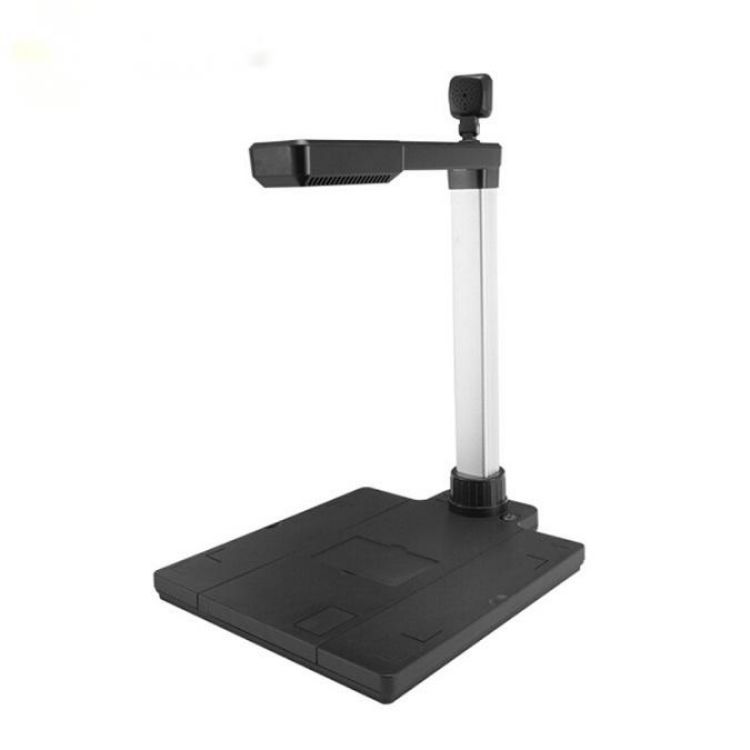
10MP Education Visualizer Scanner Document Management Book Camera USB in Stock
A practical 10MP USB visualizer for Kobe classrooms, school libraries, language labs and document management desks. Plug-and-play capture supports live demonstration and quick digitization.
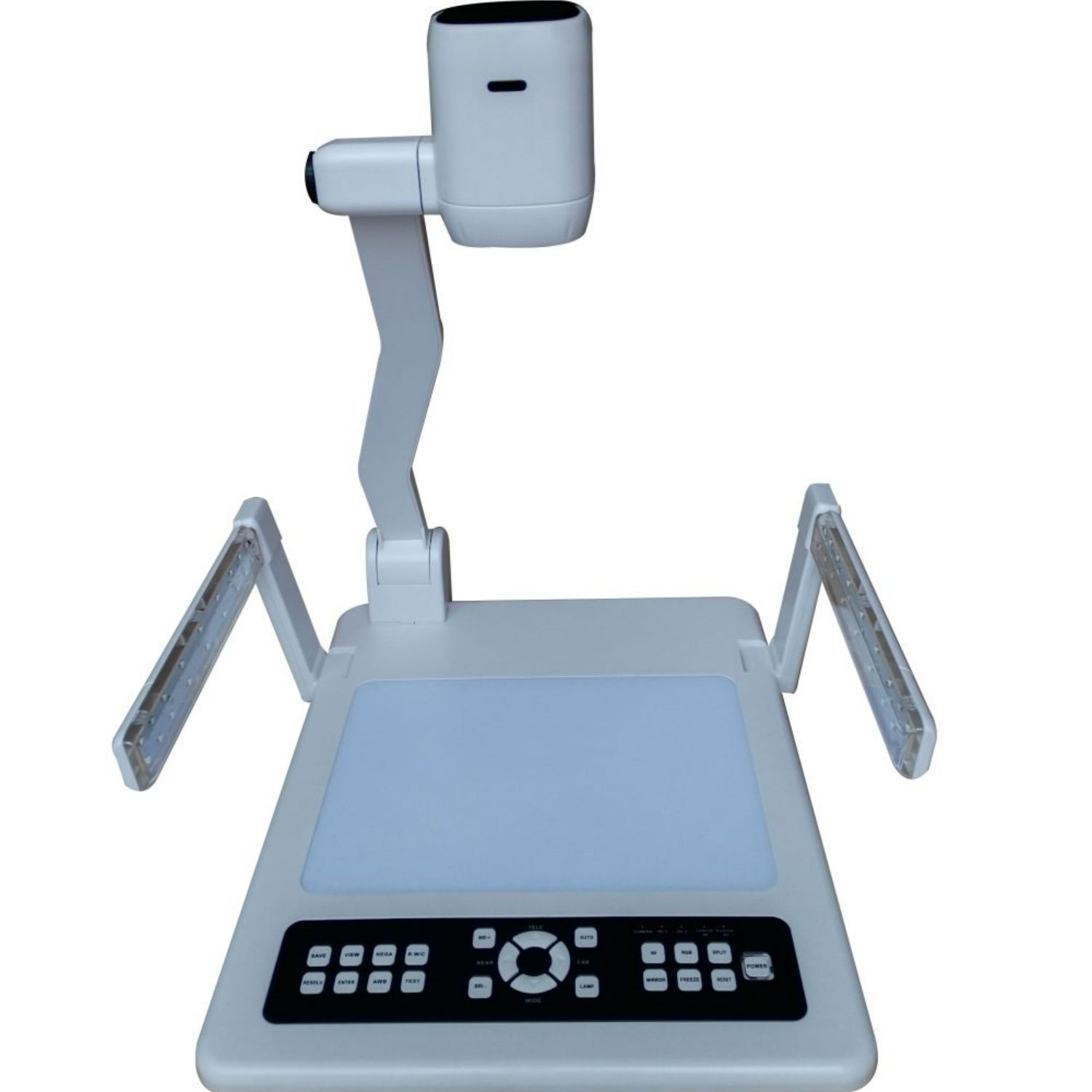
22x Optical Zoom 10x Digital Zoom VGA/USB Interface 2MP CMOS Sensor Resolution A4 Document Camera Foldable Digital Presenter
A4 visual presenter with 22x optical and 10x digital zoom, VGA/USB output and a foldable body. Suitable for lecture capture, science demonstration and training rooms in Kobe.
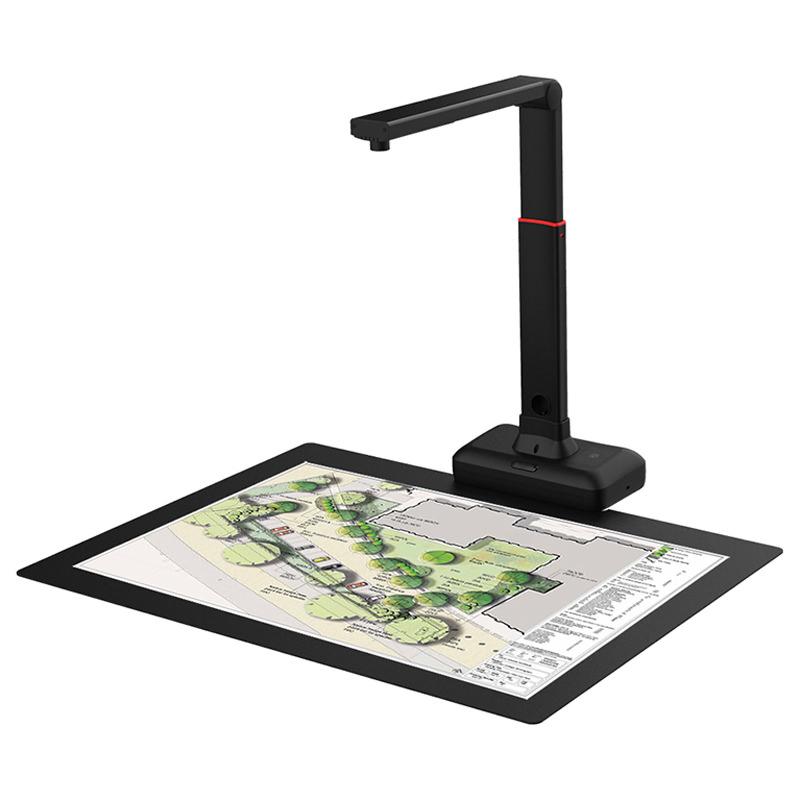
A2 Large Format Overhead Document Scanner 21MP USB Aluminum Text-to-Speech 1-Year Warranty in Stock
A2 overhead scanner with 21MP capture, aluminum body, text-to-speech and USB interface. Recommended for newspapers, maps, engineering drawings and archival records.
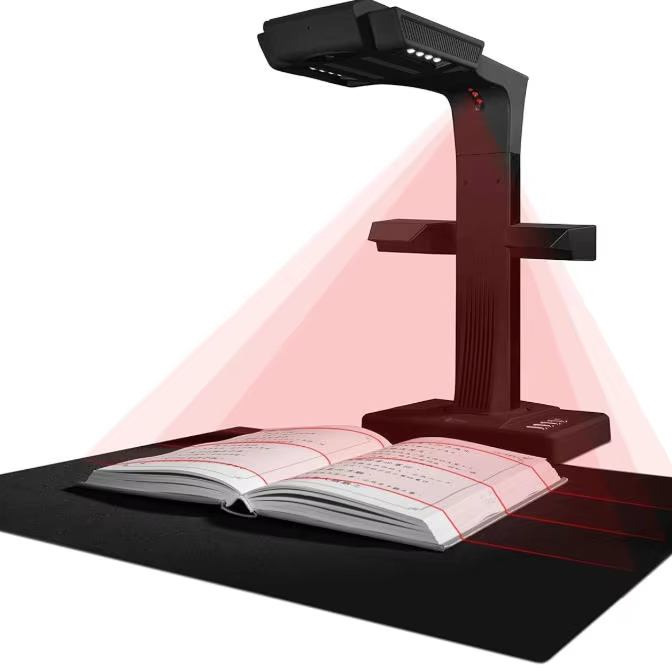
18MP A3 Book Scanner Overhead Document Camera Auto Curve Flattening OCR 180+ HDMI Visual Presenter for Office Library
18MP A3 book scanner with auto curve flattening, OCR and HDMI visual presentation. A strong fit for bound books, reading rooms and library digitization teams.
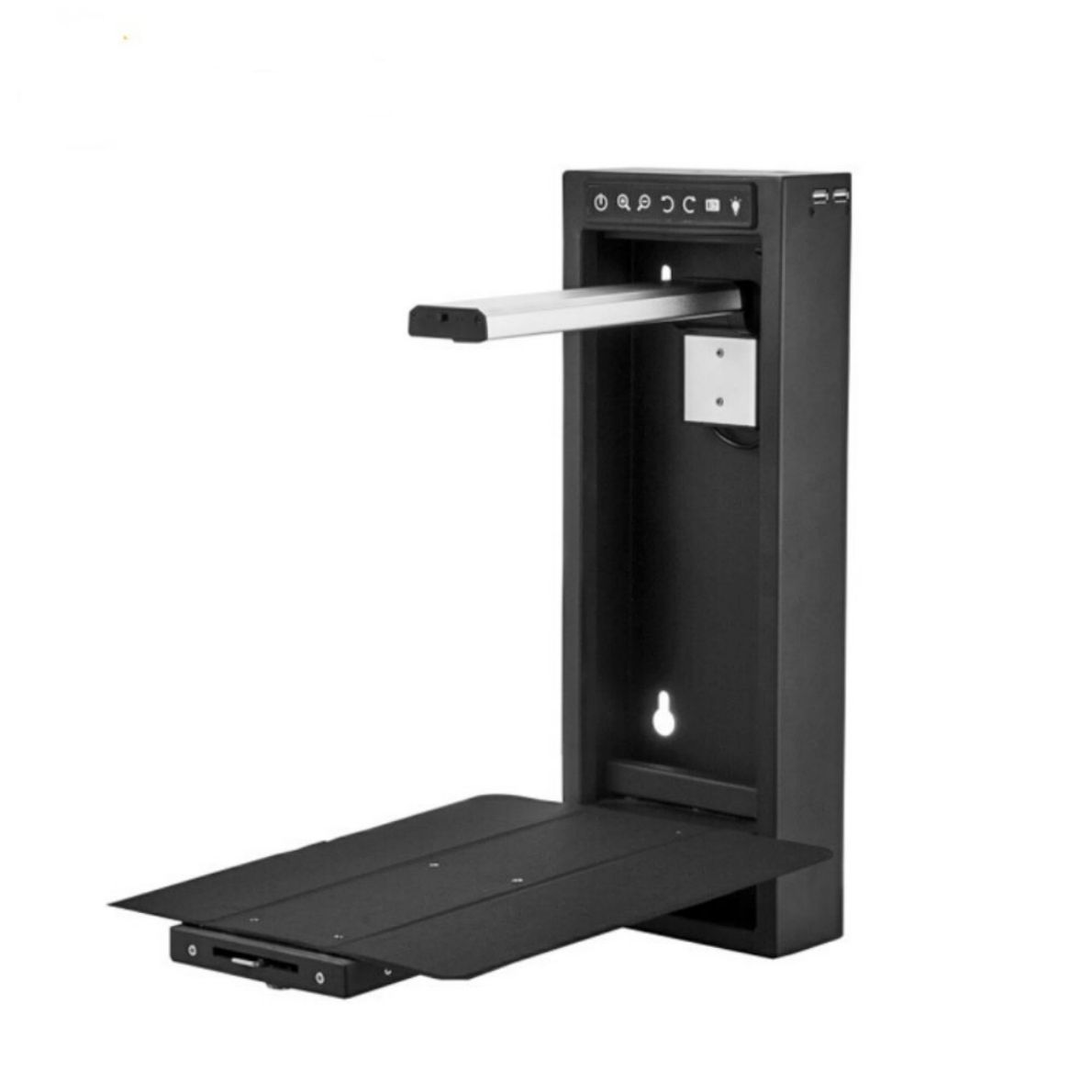
Document Camera A4 Visualizer Wall Version USB CMOS Sensor 10MP 1-Second Scan Document Scanner Stock for Classroom Smart
A wall-mounted A4 document camera with 10MP CMOS capture and one-second scan workflow. Useful for fixed classroom stations, smart meeting rooms and service counters.
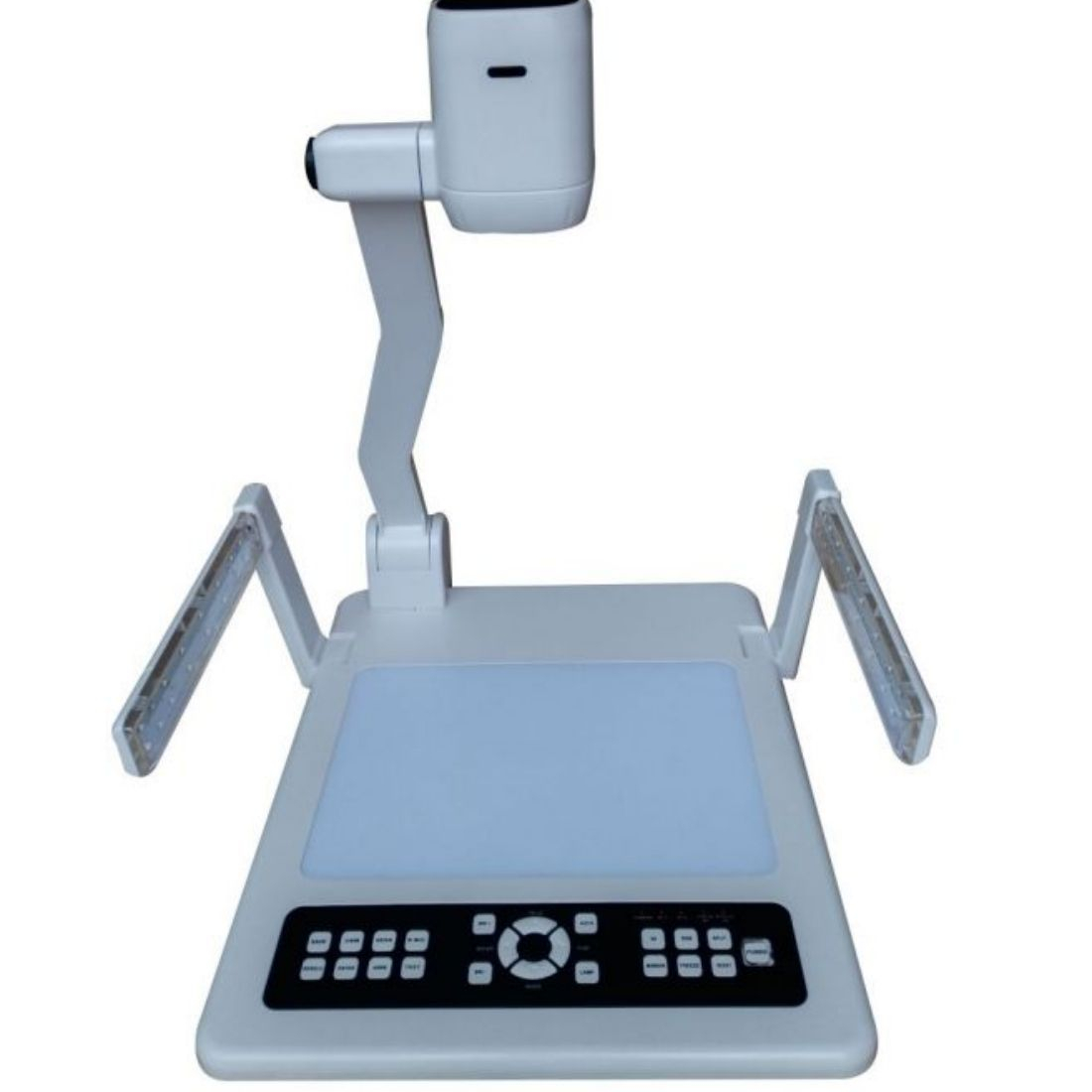
Factory 22X Optical Zoom Desktop VGA HD MI Audio Interface High Resolution Document Camera Visualizer
Desktop visualizer with 22x optical zoom and VGA/HDMI audio interface. Suitable for Kobe training centers, conference rooms and product demonstration.
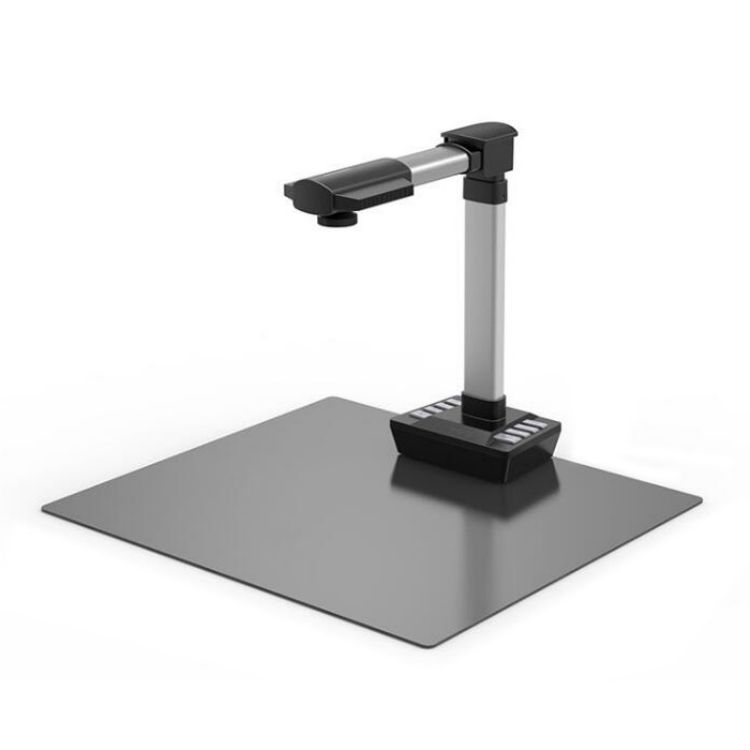
High Resolution Portable A3 Library Book Scanner with Foot Controller USB Interface Automatic Document Scanner Stock Product
Portable A3 library book scanner with foot controller and USB interface. Well suited to on-site digitization, mobile archive projects and space-limited reading rooms.
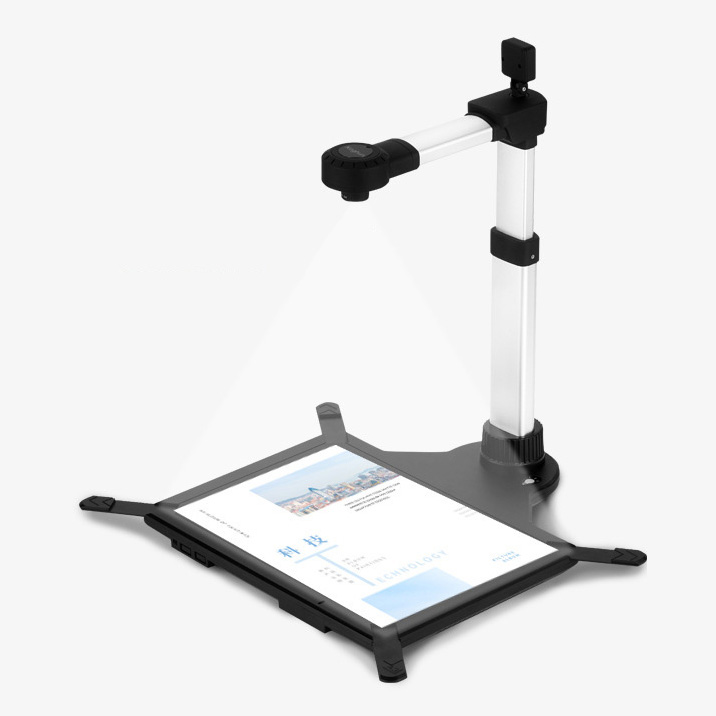
HD Dual Camera 16MP + 2MP Pixels Multifunction Stretchable Smart USB 60 Pages/Min A3/A4 Document Scanner 360 Rotation 180
16MP + 2MP dual-camera scanner with flexible positioning and 60 pages/min capture. Designed for high-volume office, counter and ID/document workflows.
Which Digital Visualizer Fits a Kobe Organization?
A digital visualizer is not only a classroom tool. In Kobe, the same imaging platform can support archive preservation, municipal counter service, port logistics documentation, university teaching and B2B reseller projects. Match the device to the document size, handling method and daily capture volume.
Classroom, Lecture & Training
For Kobe schools, universities and training centers, choose live-presentation models with optical zoom and clear HDMI/VGA output. The 10MP Education Visualizer is cost-effective for everyday document display, while the 22x optical zoom A4 document camera and desktop visual presenter show fine texture, small parts and textbook pages on projectors or large displays.
- Show books, worksheets, experiments and 3D objects live
- Record demonstrations for hybrid or distance learning
- Keep setup simple with USB, VGA or HDMI connection
Library, Museum & Archive
Bound books and fragile records should be captured without pressing the spine flat. The 18MP A3 book scanner adds curve flattening and OCR, the portable A3 library book scanner with foot pedal supports hands-free page turns, and the A2 21MP overhead scanner captures newspapers, maps and large plans in one frame. These workflows are relevant to Kobe libraries, local history collections and corporate archives.
- Non-contact overhead capture helps protect bindings
- OCR supports searchable PDFs and text extraction
- A3 and A2 formats reduce stitching and retakes
Office, Counter & High-Volume Capture
For Kobe municipal offices, banks, clinics, hotels and logistics teams, speed and repeatability matter. The dual-camera A3/A4 scanner supports high-throughput capture and flexible document positioning, the wall-mounted 10MP A4 visualizer fits fixed service stations, and flatbed/ADF scanners can complete the workflow for loose sheets and ID documents.
- Capture forms, contracts, ID cards and delivery documents
- Standardize image output for records management
- Discuss SDK or software integration for system builders
Digital Visualizers in Kobe Workflows
Kobe combines a major port economy, a dense education network, municipal services and a strong culture of preserving local heritage. These scenarios show where document cameras and overhead scanners deliver practical value without overstating local claims.
Kobe Libraries & Archives
Digitize local history materials, newspapers, research reports and bound books. Overhead scanners avoid spine pressure, while OCR creates searchable text for catalogues and digital repositories.
Kobe Schools & Universities
Visual presenters help teachers show textbook pages, handwritten notes, lab equipment and small components on classroom displays. Lecture capture can also support hybrid learning and teacher training.
Municipal & Public Services
Capture application forms, certificates and supporting documents at service counters. A wall-mounted document camera can create a fixed capture point, while dual-camera systems support higher volume.
Kobe Port & Logistics Documentation
Scan bills of lading, customs paperwork, delivery notes, maps and operational forms. A2 overhead scanners are useful for large drawings, while dual-camera models handle routine office documents.
Publishers, Design & Content Teams
Capture drafts, proof sheets, sketches and reference material for digital production. High-resolution overhead scanners preserve details, and visual presenters support live review sessions with remote teams.
Kansai Distributors & Integrators
Resellers can combine Quibow hardware with local software, installation and support. OEM/ODM options include logo, packaging, housing color, software branding and SDK integration on selected models.
What Is Changing in Digital Capture for Kobe Buyers?
These trends are shaping procurement conversations with schools, libraries, municipal offices and B2B distributors in Kobe and the wider Kansai region. The goal is not to buy more hardware, but to choose devices that fit long-term digitization, hybrid communication and paperless administration.
Paperless Administration & Digital Archives
Organizations increasingly need searchable PDFs, OCR text and consistent image quality for records management. A scanner that captures A3 books and large records without cutting or flattening originals can reduce handling risk and staff time. For procurement, ask for sample scans at the target resolution and confirm OCR language support before ordering.
Hybrid Teaching & Visual Communication
Classrooms and training rooms are becoming more connected. Visual presenters with HDMI/VGA output, optical zoom and simple controls help teachers move between physical materials and digital displays. In Kobe, schools and universities may also value models that can record demonstrations for review, remote learners or internal training libraries.
Heritage Preservation & Multilingual Documents
A port city with international history requires careful handling of maps, newspapers, multilingual records and fragile publications. Non-contact overhead scanning supports preservation, while A2 capture reduces the need for stitching. Ask suppliers about lighting control, curve flattening, OCR languages and export formats to match cataloguing workflows.
How to Specify Resolution for A4, A3 and A2 in Kobe Projects
Megapixels only make sense when compared with the physical document size. A sensor that looks impressive in a product title may deliver lower effective dpi when it covers a large A2 sheet. For archive masters, library policy often calls for 300 dpi or higher; for OCR and on-screen reading, 200–250 dpi is often sufficient.
Use this simple formula when preparing a tender or internal approval: image width in pixels ÷ document width in inches = effective dpi. For an A2 sheet at 300 dpi, you need about 4961 × 7016 pixels, or roughly 34.8MP. That is why a 21MP A2 scanner may be suitable for reference work, while a 48MP A2 model is better for archival masters.
| Document Size | Pixels at 300 dpi | Recommended Sensor | Typical Use |
|---|---|---|---|
| A4 | ≈8.7MP | 10MP or higher | Classroom materials, forms, ID documents |
| A3 | ≈17.4MP | 18–24MP | Books, catalogues, office records, design proofs |
| A2 | ≈34.8MP | 48MP for archival masters | Newspapers, maps, plans, large archive sheets |
| Photos & Art | 600–2400 dpi optical | Flatbed with 48-bit colour | Fine art, product samples, colour-critical records |
Inquiry Checklist
Share document size, daily volume, binding type, OCR languages, connection requirements and target dpi. These details let our team recommend the right model instead of guessing from a product title.
- Sample page or scan target
- Windows/macOS or SDK needs
- Estimated monthly volume
Kobe Deployment Check
Confirm 100V power compatibility, plug type, adapter arrangement, Japanese-language operation needs and staff training requirements before shipment. Quibow confirms model-specific details during the inquiry.
- Voltage and plug configuration
- Manual and software language
- Warranty and return process
Logistics & Payment
Quibow accepts T/T, L/C, PayPal and Western Union in USD, EUR, HKD or CNY, with FOB, EXW and DDU terms. DDU shipping to Kobe can be quoted when buyers want a simpler delivered arrangement.
- MOQ from 1 piece on many scanners
- OEM/ODM quantities confirmed by project
- Export packing discussed before order
Quality & Support
Listed models such as A3 flatbed scanners, A2 overhead scanners and the S2060W ADF scanner carry a one-year warranty. Remote technical support can help with driver setup, capture settings and OCR workflow questions.
- Pre-shipment functional checks
- Remote setup guidance
- Spare parts and accessory planning




Guangzhou Quibow Electronic Co., Ltd.
Quibow is a technology-driven company focused on image data acquisition and conversion. The company develops and supplies photoelectric information equipment, including high-speed document cameras, book scanners, flatbed scanners and ID card recognition cameras. For Kobe buyers, this means a supplier that understands both imaging hardware and the practical workflow behind digitization.
Working across CIS, CMOS and CCD imaging platforms, Quibow covers product design, development coordination, production follow-up, export sales and after-sales support. OEM/ODM projects can include logo printing, packaging, housing colour, capture software branding and SDK integration on selected models. This makes the company suitable for Kobe distributors, system integrators, schools, libraries and office buyers that need a practical B2B partner.
Independent Records and Supplier Evidence
For B2B buyers in Kobe, trust should be verifiable. These records are maintained on the supplier profile and support due diligence before requesting a quotation, sample scan or OEM/ODM discussion.
Supplier Assessment
Onsite check information confirming business premises and legal status.
View assessment →Credit Overview
Platform credit profile and trading reliability indicators for procurement review.
View credit →Trade Capacity
Export markets, trade terms and logistics capability for international buyers.
View capacity →Video Introduction
See products and workspace on camera before moving to technical discussion.
Watch video →Questions Local Buyers Ask Before Ordering
These answers reflect the product data and company terms available on the Quibow website. For model-specific compatibility, confirm details with the sales team before placing an order.
What is the minimum order quantity for Kobe buyers?
Most stock book scanners, A2 large-format scanners and flatbed scanners start from 1 piece or 1 set. Several document camera models start from 2 pieces. OEM/ODM quantities are confirmed per project, so Kobe distributors should share forecast volume and customization requirements early.
Do you support OEM and ODM projects for Japanese resellers?
Yes. Quibow supports OEM/ODM projects including logo printing, packaging, housing colour, capture software branding and SDK integration on selected models. Branding artwork, language requirements and software expectations should be discussed before sample approval.
Are the scanners compatible with Windows and macOS?
Many models, including the A2 large-format scanners and the 1200 DPI A3 flatbed scanner, support Windows and macOS, and selected models are verified on Apple M1 Macs. Kobe buyers should confirm operating system, PC hardware and software version for the exact model before purchase.
Can the products be used with 100V power in Kobe, Japan?
Kobe operates on a 100V power environment, so voltage, adapter and plug requirements must be confirmed for each model before shipment. Quibow will review the configuration during the inquiry. Please specify 100V operation, plug type and any need for Japanese-language manuals or labels.
Which resolution do I need to scan A3 or A2 documents at 300 dpi?
An A3 page at 300 dpi needs about 3508 × 4961 pixels, approximately 17.4MP, so an 18MP or 24MP scanner is suitable. An A2 sheet at 300 dpi needs about 4961 × 7016 pixels, approximately 34.8MP, so a 48MP A2 scanner is recommended for archival masters. Higher resolution increases file size and storage requirements, so confirm the archive policy first.
Can you ship to Kobe, and what delivery terms are available?
Quibow accepts T/T, L/C, PayPal and Western Union in USD, EUR, HKD or CNY, with FOB, EXW and DDU delivery terms. DDU shipping to Kobe can be discussed when the buyer wants a delivered quotation. Import duties, local taxes and customs procedures should be confirmed with the freight forwarder or customs broker.
What warranty and after-sales support is provided?
Listed models such as the A3 flatbed scanners, A2 overhead scanners and the S2060W ADF scanner come with a one-year warranty, backed by remote technical support. For Kobe deployment, agree the warranty process, return method and spare-parts plan before ordering to avoid ambiguity.
Can I request sample scans or a model recommendation for my Kobe project?
Yes. Share the document size, binding type, daily volume, target dpi, OCR language and connection requirements. The team can recommend a model, send sample scans where available and explain the difference between CIS, CMOS and CCD imaging for your application. Use the contact button to start the review.
Planning a Digital Visualizer, Book Scanner or Classroom Rollout?
Send your document sizes, daily capture volume, target dpi, OCR needs and delivery requirements for Kobe. Quibow will recommend the most suitable visualizer or overhead scanner, confirm voltage and accessory details, and discuss OEM/ODM options for distributors and system integrators.