8 Digital Teaching Equipment Products for Palembang Classrooms, Libraries and Offices
These eight products cover the most common buying intentions we see from Palembang-facing schools, universities, archives, government counters and distributors: live visual presentation, A3/A4 document capture, bound-book scanning and space-saving service points.
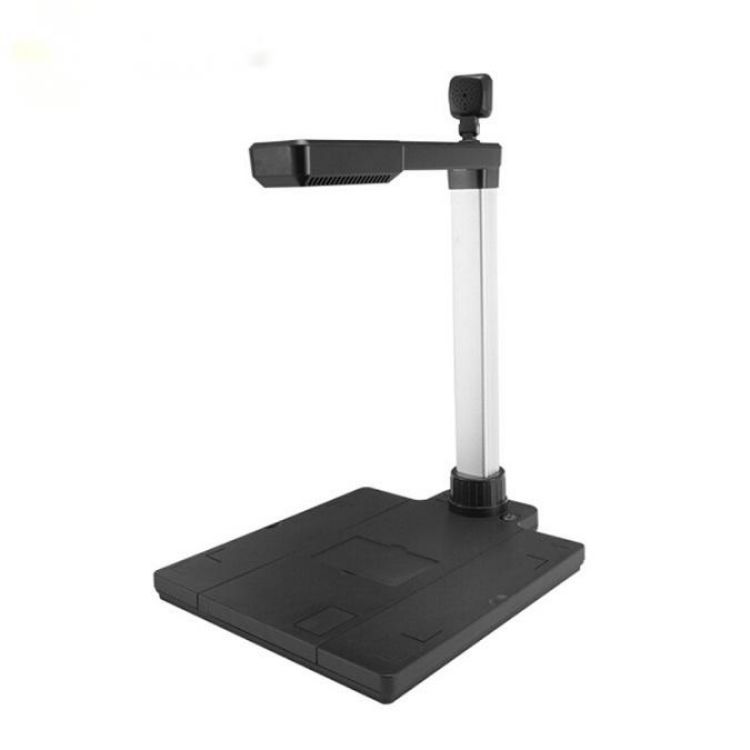
10MP Education Visualizer Scanner for Document Management and Book Capture
A practical classroom and office visualizer for displaying workbooks, documents, objects and teaching notes through a simple USB workflow.
- 10MP document capture
- Education and office presentations
- Useful for workbook and book display
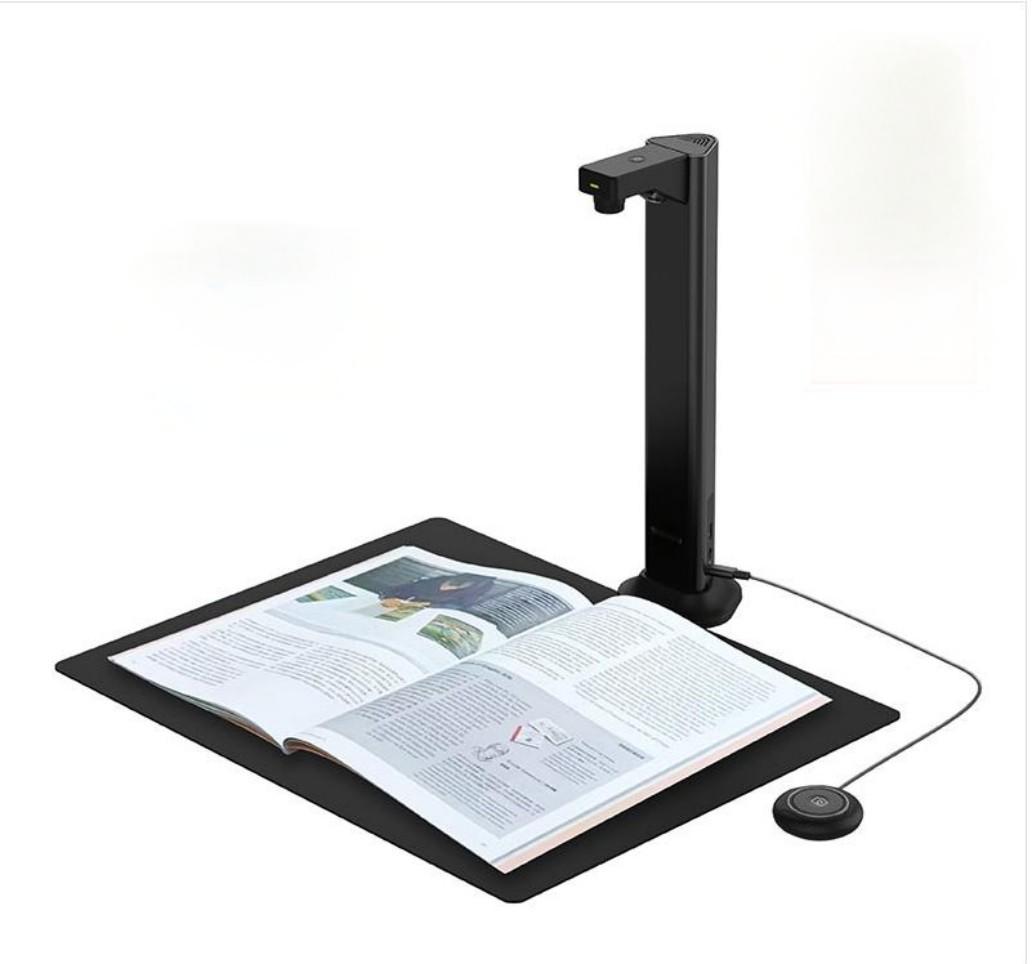
Real 24MP UVC A3 Document Scanner with USB Interface and Text to Speech Feature
A higher-resolution A3 scanner for schools and public-service teams that need clear document output, text-to-speech support and USB-based deployment.
- 24MP A3 document capture
- UVC USB interface
- Text-to-speech feature
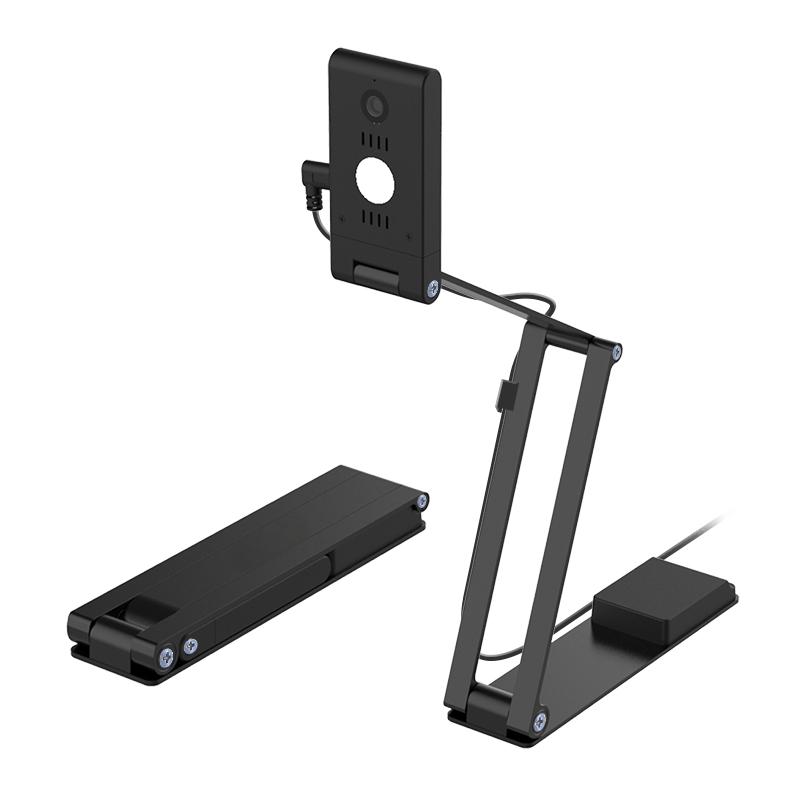
Value Priced 2-in-1 USB Digital Document Camera Visualizer A3 with 5MP CMOS Sensor
A cost-controlled A3 document camera for primary classrooms, branch offices and training rooms where simple live capture matters more than high magnification.
- 5MP CMOS sensor
- A3 capture area
- 10x zoom and 1-year warranty
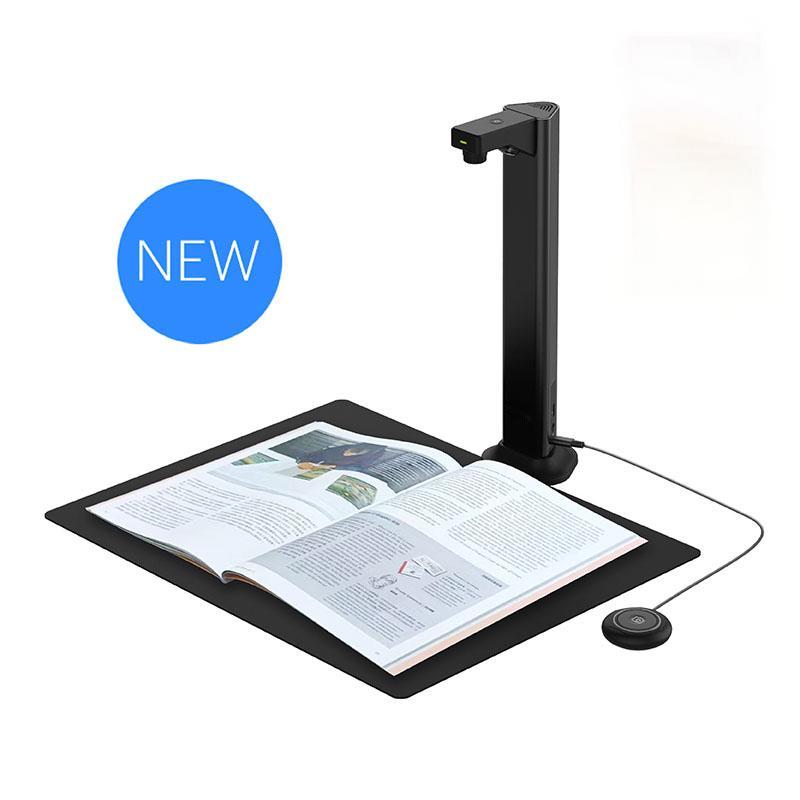
18MP USB A3 Aluminum Document Scanner with UVC Camera, OCR and Text-to-Speech
A durable A3 scanner for administrative archives, library desks and university document workflows that require searchable text and faster capture.
- 18MP UVC camera
- 1-second scan speed claim
- OCR and text-to-speech features
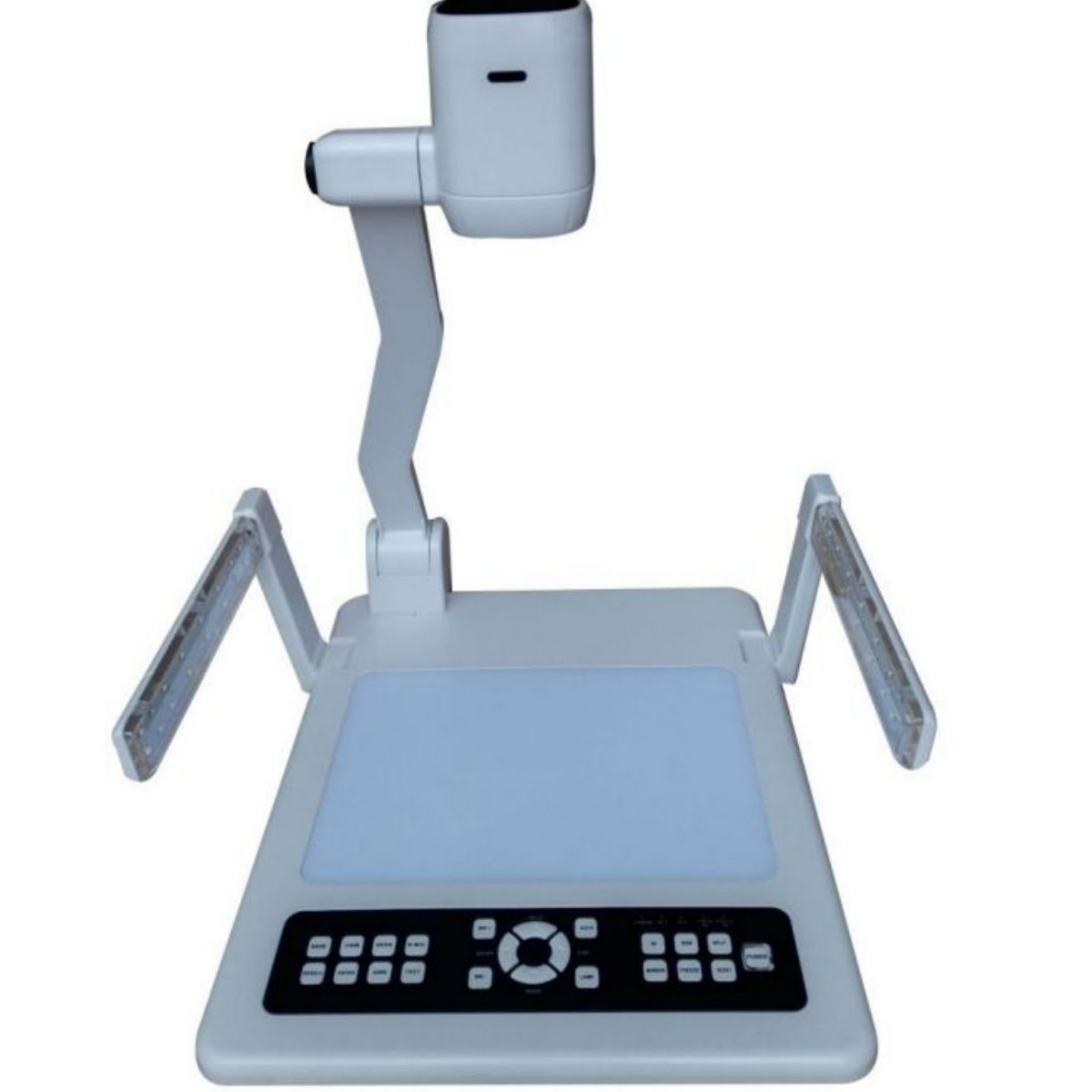
Multi-functional Document Camera Professional Visual Presenter for Education
A presentation-focused document camera for teacher-led lessons, seminar rooms and training centres that need both live display and document capture.
- Professional visual presenter
- Education and training use
- Document camera and visualizer functions
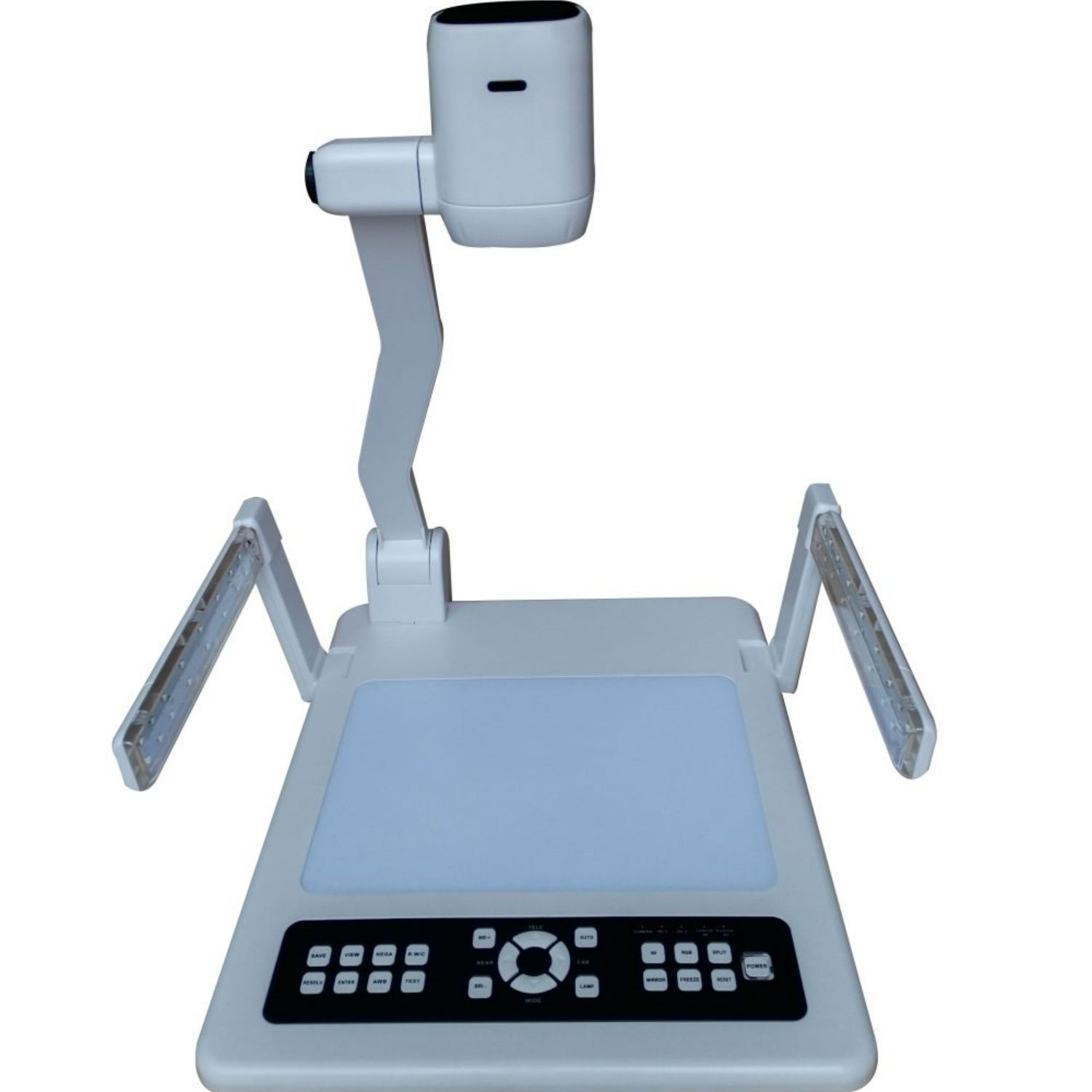
22x Optical Zoom 10x Digital Zoom A4 Document Camera with VGA/USB Interface
A foldable A4 presenter with strong optical zoom for larger classrooms and lecture spaces where fine detail must remain visible from the back of the room.
- 22x optical and 10x digital zoom
- 2MP CMOS sensor
- VGA and USB interfaces
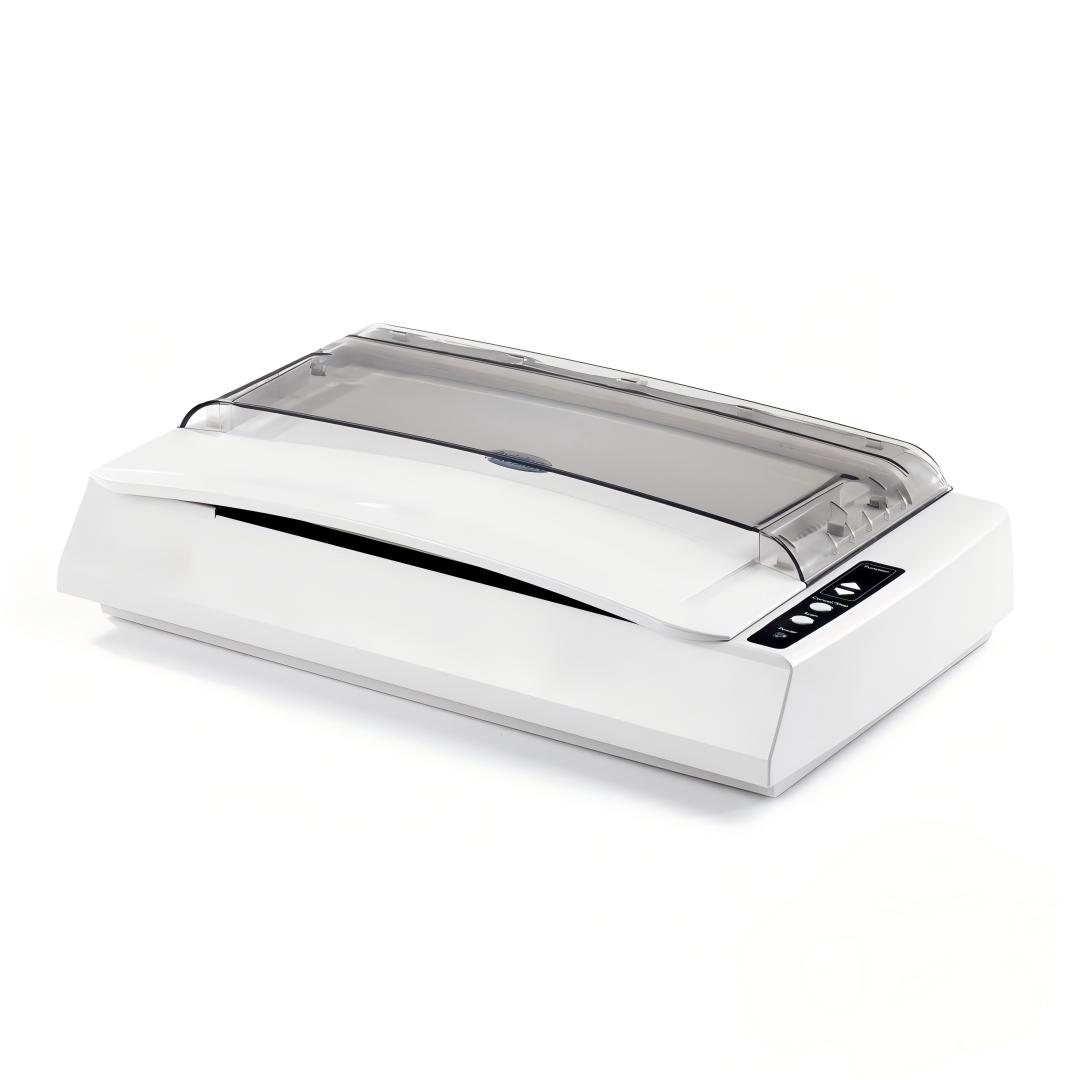
CCD Zero-Margin Bookedge Flatbed Scanner A4 600dpi for Bound Book Digitization
A library and archive-oriented flatbed scanner designed to scan bound volumes with less spine shadow and without placing stress on the book binding.
- 600dpi A4 scanning
- Zero-margin bookedge design
- Library and archive digitization
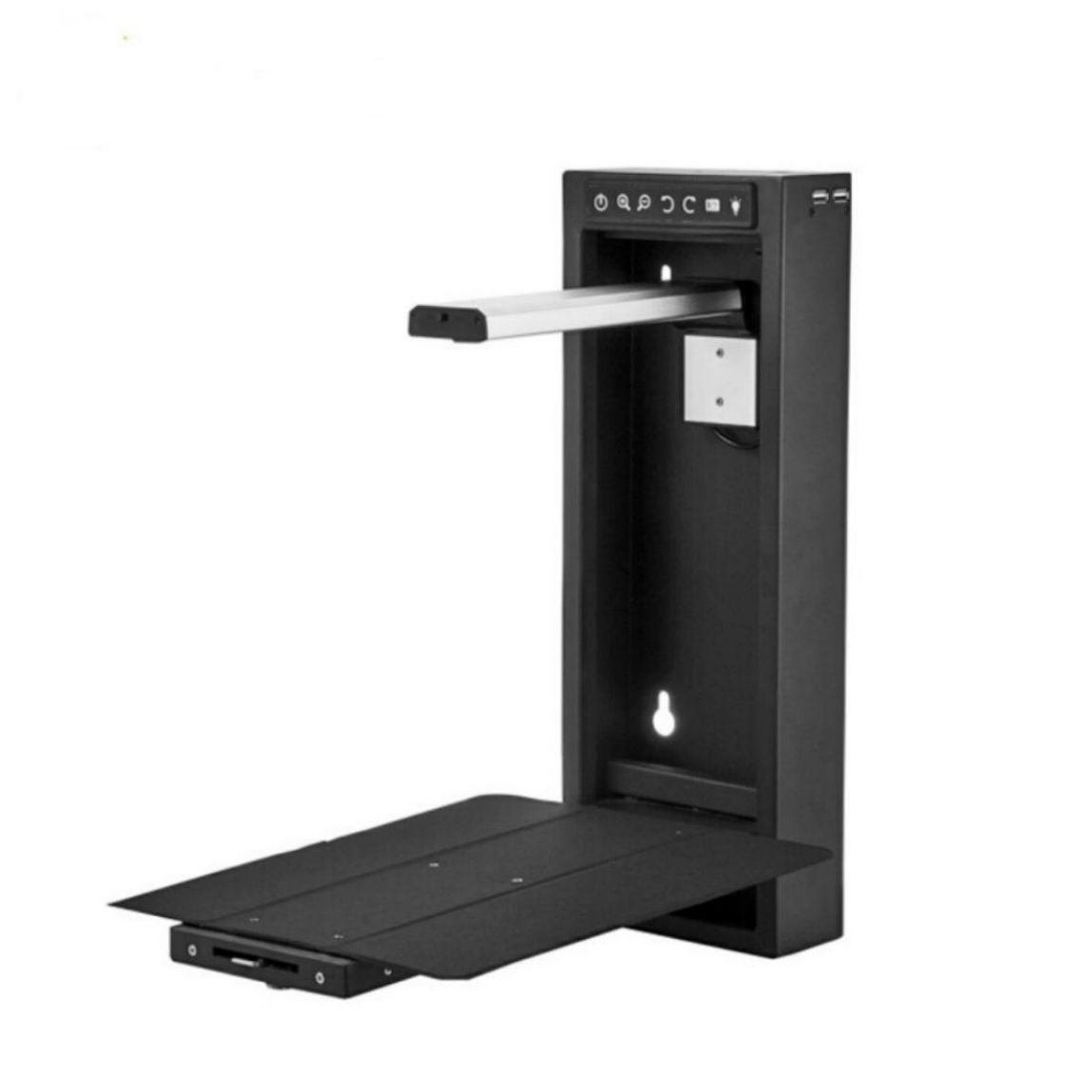
USB Interface Wall-Mounted A4 Visualizer OCR Document Scanner with 10MP Resolution
A space-saving overhead scanner for service counters, small offices and classrooms where a fixed capture point is more practical than a portable document camera.
- 10MP A4 resolution
- Wall-mounted USB design
- OCR and SDK included claim
Most stock book scanners, A3/A2 scanners and flatbed scanners start from one piece or one set; several document camera models start from two pieces. OEM/ODM quantities, software scope and specifications are confirmed per project. Exact product URLs and image paths are retained from the supplied catalogue.
A Buyer’s Brief for Digital Teaching Equipment in Palembang
Palembang is a major education, public-service and commercial hub in South Sumatra. Schools, universities, vocational colleges, training centres, libraries, archives and government offices are steadily converting paper-heavy processes into visual, searchable and shareable digital content. The purchase decision, however, is rarely just about buying a camera or scanner. It is about fitting the equipment into real rooms, real documents and real support arrangements.
For Palembang buyers, the most useful equipment is the model that works with existing projectors or TVs, captures A3 or A4 material at the required resolution, handles Bahasa Indonesia documents with the right OCR and output settings, and remains serviceable through a local partner or a responsive export supplier. Connectivity, power, humidity, dust and after-sales access matter as much as megapixels.
Quibow is a Guangzhou-based supplier, not a Palembang storefront. We support Palembang-facing distributors, integrators, schools, universities and project owners with product selection, sample scans, OEM/ODM coordination, export documents and remote technical support. This white-paper-style guide combines our current catalogue information, common questions from Southeast Asian education buyers and the technical checks that prevent costly mismatches.
Use this guide to compare visual presenters, document cameras, A3/A4 overhead scanners and bookedge scanners; calculate the resolution you really need; and prepare a more accurate request for quotation before you approach distributors or issue a tender.
Where Digital Teaching Equipment Creates Value in Palembang
Palembang’s buying intent is not one single use case. A school may need live teaching display; a university may need lecture capture; an archive may need non-contact book scanning; a government counter may need a fixed overhead capture point.
Classroom teaching and live demonstration
In schools where projectors or TVs are already installed, a document camera turns a textbook, handwriting exercise, map or science experiment into a live visual. HDMI or VGA output is especially useful where room connectivity is limited.
University lectures and teacher training
Universities and training colleges in and around Palembang can use a 22x optical zoom presenter to show fine text, diagrams and small objects without moving the material around the room.
Library and archive digitization
Bound books, newspapers, reports and fragile records should not be pressed flat on an ordinary copier. A bookedge flatbed or overhead book scanner protects the binding and produces cleaner archival files.
Government and public-service counters
A wall-mounted 10MP visualizer or an A3 scanner can capture ID cards, forms, letters and supporting documents at service desks without taking up valuable counter space.
Vocational, STEM and healthcare training
Technical schools and training centres can demonstrate tools, components, wiring, samples and anatomical models on screen. The same camera can capture images for handouts or internal records.
Hybrid, inclusive and self-paced learning
Text-to-speech models, OCR output and captured images help teachers create accessible materials. Where streaming is unreliable, offline capture and later sharing can be more practical than a fully cloud-dependent workflow.
Palembang Market Trends Shaping Digital Teaching Equipment Demand
Buyers in South Sumatra are becoming more specific about total cost, interoperability and support. The following trends explain why a cheaper device can still become an expensive mistake if it does not fit the room or the workflow.
Visual-first classrooms, not projector-only rooms
Schools increasingly want a live visual layer on top of existing displays. A document camera lets teachers show books, exercises and objects immediately, with less preparation than scanning and uploading before each lesson.
Searchable archives and Bahasa Indonesia document workflows
Libraries, universities and offices are moving from simple image capture to OCR, searchable PDF and editable text. Language settings, output formats and text-to-speech options should be confirmed before purchase, because software scope varies by model.
Infrastructure-aware procurement
Palembang projects often need equipment that works with HDMI, VGA, USB and local power conditions before cloud features. Buyers should confirm 220–240V/50Hz compatibility, plug type, surge protection and offline capture behaviour.
Serviceability, OEM/ODM and integrator support
Distributors and integrators want more than a box. They ask about SDK access, software branding, packaging, spare parts, warranty escalation and remote diagnostics so they can support schools and government clients after delivery.
Resolution, Sensor and Interoperability for Palembang Projects
Megapixels only matter in relation to the page size you need to scan. A camera that is excellent for A4 may be insufficient for A2; a high-resolution scanner may be unnecessary for on-screen teaching.
Calculate the real scanning resolution
At 300 dpi, an A4 page needs about 2480 × 3508 pixels, or roughly 8.7MP. An A3 page needs about 3508 × 4961 pixels, or roughly 17.4MP, so an 18MP or 24MP A3 scanner is a sensible match for searchable archives. An A2 sheet at 300 dpi needs about 4961 × 7016 pixels, or roughly 34.8MP, which is why a 48MP A2 scanner is normally specified for archival masters.
For classroom display, the priority is different. A 5MP or 10MP document camera can be enough for everyday teaching if the display size and zoom range fit the room. For large lecture halls, 22x optical zoom is more useful than a high megapixel count alone because it keeps fine detail visible without digital blur.
Match the sensor platform to the document
CIS sensors are efficient for sheet-fed office batches; CMOS area sensors are strong for overhead book capture and live presentation; CCD linear sensors offer useful depth of field and stable colour for bookedge flatbed scanning. The right choice depends on the binding, page size, daily volume and output format.
Check interoperability before the tender
Confirm the video output, USB behaviour, driver support and software workflow. Many models support Windows and macOS, and some are verified on Apple M1 Macs, but compatibility should be confirmed model by model before shipment. If the project requires an SDK, custom software, Bahasa Indonesia OCR settings or text-to-speech output, state this in the request for quotation so the correct configuration can be proposed.
- Room display interface: HDMI, VGA or USB?
- Document size and binding type: A4, A3, A2 or bound book?
- Output requirement: image, searchable PDF, editable text or TTS?
- Support requirement: local partner, remote diagnostics or spare-parts plan?
Resolution match at 300 dpi
A 48MP A2 scanner provides headroom for cropping, archival masters and higher-resolution project requirements.
| Document size | Pixels at 300 dpi | Recommended sensor | Typical Palembang fit |
|---|---|---|---|
| A4 210 × 297 mm | 2480 × 3508 ≈ 8.7 MP | 10MP or higher | Forms, letters, ID support, classroom documents |
| A3 297 × 420 mm | 3508 × 4961 ≈ 17.4 MP | 18–24MP | School archives, university records, bound reports |
| A2 420 × 594 mm | 4961 × 7016 ≈ 34.8 MP | 48MP for about 340 dpi | Newspapers, maps, large drawings and archival masters |
| Bound books | Depends on page and binding | Bookedge CCD or overhead CMOS | Libraries, rare books, public records and fragile volumes |
CIS, CMOS or CCD: Match the Sensor to the Workflow
Quibow develops and supplies equipment across CIS, CMOS and CCD imaging platforms. Choosing the correct platform early reduces rework and helps distributors quote the right model to Palembang clients.
CIS contact image sensor
Best for slim scanners and high-volume sheet-fed office batches such as invoices, contracts and administrative files. It is efficient and compact, but not the first choice for fragile bound books that must remain flat and unpressured.
Office batches · ADF workflowsCMOS area sensor
Captures the whole page in one shot from above, so books and newspapers do not need to be pressed flat. Software can flatten curves, remove fingers and deskew pages. This is the core platform for visual presenters, document cameras and overhead book scanners.
Teaching display · book captureCCD linear sensor
A moving optical carriage offers useful depth of field and stable colour for photos, artwork and bookedge scanning. It is well suited to library and archive desks where originals may sit slightly above the glass near the spine.
Bookedge · photos · archivesA Palembang Procurement Checklist That Prevents Rework
Local procurement works best when the technical requirement is written around the room, the document and the support plan—not only around the product name.
Define the teaching or archive scenario
State whether the device is for live classroom display, book scanning, A3 administrative archives, ID capture or wall-mounted counter work. This determines camera resolution, zoom and mounting.
Test with real Palembang documents
Use the actual paper, binding, print quality, Bahasa Indonesia text and lighting conditions. A sample scan is more useful than comparing specifications on paper alone.
Confirm power, plug and environment
Check 220–240V/50Hz compatibility, plug type, surge protection, ventilation and cleaning routines. Humid, dusty or air-conditioned rooms need a practical preventive maintenance plan.
Specify software, OCR and output
Write down the required output: JPG, PDF, searchable PDF, editable text or text-to-speech. Confirm OCR language support, driver compatibility and whether an SDK is needed for integration.
Agree warranty and escalation
Listed models carry a 1-year warranty with remote technical support. Clarify who handles first-line service in Palembang, how spare parts are requested and how quickly escalation can occur.
Compare landed cost and tender documents
Review unit price, packing, freight, insurance, payment terms, training and after-sales access together. For tenders, confirm which specification sheets, images and compliance documents can be supplied.

Supplier Advantages for Palembang-Facing Projects
Guangzhou Quibow Electronic Co., Ltd. is a technology-driven company focused on image data acquisition and conversion. Founded in 2020 and based in Guangzhou, Guangdong, China, we develop and supply photoelectric information equipment including high-speed document cameras, book scanners, flatbed scanners, visual presenters and ID card recognition cameras.
Our work spans CIS, CMOS and CCD imaging platforms, covering product design, development coordination, production follow-up, export sales and after-sales support. For Palembang distributors and project owners, this means you can discuss the use case first, then choose a platform and model that fit the local room, document and support conditions.
We welcome OEM/ODM projects, including logo printing, packaging, housing colour, capture software branding and SDK integration on selected models. Many stock book scanners, A2/A3 scanners and flatbed scanners start from one piece or one set, while several document camera models start from two pieces. OEM/ODM quantities are confirmed per project.
Commercial terms include T/T, L/C, PayPal and Western Union in USD, EUR, HKD or CNY, with FOB, EXW and DDU delivery terms. Listed models carry a 1-year warranty with remote technical support. Platform records show a ≤1h average response time, 100% message response rate, 27% buyer reorder rate and an onsite-checked supplier profile.
- Business type
- Trading company, onsite checked
- Location
- Guangzhou, Guangdong, China
- Established
- 2020
- Main markets
- Eastern Europe, North & South America
- Annual revenue
- US$1M – US$2.5M
- Team
- 5–10 dedicated specialists
Verify the Supplier Before You Commit
Trust should be checkable. These platform records are maintained by the marketplace, not by Quibow, and can help Palembang buyers review supplier assessment, credit, feedback and trade capacity before ordering.
Supplier assessment
Onsite check confirming business premises and legal status.
View report →Credit overview
Platform credit profile and trading reliability indicators.
View credit →Ratings & reviews
Feedback left by verified buyers after completed orders.
Read reviews →Trade capacity
Export markets, trade terms and logistics capability.
View capacity →Palembang Buyer FAQ: Common Procurement Questions Answered
These are the questions that most often affect model choice, quotation accuracy and after-sales planning for Palembang-facing projects.
Is Quibow a digital teaching equipment supplier for Palembang buyers, or only a Guangzhou company?
Quibow is a Guangzhou-based supplier, not a Palembang storefront. We serve Palembang-facing distributors, integrators, schools, universities, government projects and offices through export sales. We can support product selection, sample scans, OEM/ODM coordination, export documents and remote technical support. Local installation or first-line service can be arranged through the buyer’s chosen partner and agreed per project.
Which product is the fastest start for a Palembang classroom?
A document camera or visual presenter is usually the fastest start when the room already has a projector or TV. Choose a 5MP or 10MP model for normal classroom use, or a 22x optical zoom model for larger lecture spaces. Confirm whether the room needs HDMI, VGA or USB before selecting the model.
What if the classroom has a projector but unreliable Wi-Fi?
Many document cameras can work through direct HDMI, VGA or USB connection without depending on cloud services or continuous Wi-Fi. This is often more reliable for daily teaching. If recorded or searchable files are required, confirm the local capture software workflow and storage plan.
Can the scanners handle Bahasa Indonesia documents, OCR and text-to-speech?
Selected models include OCR and text-to-speech features, but language packs, output quality and file formats must be confirmed model by model and software version by software version. For tender purposes, specify the required OCR language, searchable PDF requirement and whether editable text or TTS output is needed before quotation.
What resolution do I need for A4, A3 and A2 documents?
At 300 dpi, A4 needs about 8.7MP, A3 about 17.4MP and A2 about 34.8MP. An 18MP or 24MP scanner is generally suitable for A3 archives; a 48MP A2 scanner is recommended when the project requires high-resolution A2 masters. For live classroom display, 5MP to 10MP may be sufficient when the optics and room size are appropriate.
How should Palembang buyers plan for power, humidity and dust?
Confirm 220–240V/50Hz compatibility and plug type for the installation. Use appropriate surge protection, keep ventilation openings clear and include a cleaning routine for dusty or air-conditioned rooms. For archive desks and classrooms, a protective cover and scheduled preventive maintenance can extend service life.
What are the MOQ, sample and payment terms?
Most stock book scanners, A2/A3 scanners and flatbed scanners start from one piece or one set. Several document camera models start from two pieces. OEM/ODM quantities are confirmed per project. We accept T/T, L/C, PayPal and Western Union in USD, EUR, HKD or CNY, with FOB, EXW and DDU delivery terms. Sample scans and model comparisons can be prepared before order confirmation.
Do you support OEM/ODM, tender specifications and SDK integration?
Yes. We support OEM/ODM projects on selected models, including logo printing, packaging, housing colour, capture software branding and SDK integration. For tenders, we can help clarify model specifications, output formats and compatibility. Available documents and customisation scope are confirmed for each project before commitment.
What warranty and technical support are available?
Listed models such as the A3 flatbed scanners, A2 overhead scanners, document cameras and selected ADF models carry a 1-year warranty with remote technical support. Spare-parts planning and local first-line service can be discussed with the distributor or project partner so that responsibilities are clear before shipment.
Need a Palembang-Ready Digital Teaching Equipment Proposal?
Send your document sizes, classroom or archive scenario, target resolution, output formats and preferred interface. Our team will recommend a suitable model, confirm OEM/ODM or sample options and provide export terms for Palembang-facing procurement.
Guangzhou Quibow Electronic Co., Ltd. · info@quibowtech.com · Book scanners, document cameras, A3/A2 scanners and visual presenters.