Buying Digital Paper Scanners for Hamburg: What Matters Beyond the Factory Price
For Hamburg buyers, a scanner is rarely just a peripheral. One device may serve a university seminar room, a shipping office at the port, a law practice handling bound files, an archive preserving newspapers, or a public counter digitizing identity documents. A serious supplier conversation should therefore begin with paper size, daily volume, image quality, software compatibility, data handling and after-sales support — not with a generic “wholesale price” claim.
Guangzhou Quibow Electronic Co., Ltd. supplies image acquisition and conversion equipment built around CIS, CMOS and CCD imaging platforms. For Hamburg wholesalers, integrators and end users, the commercial value is not simply access to hardware; it is the ability to match a model to the document format, the capture environment and the intended output before shipment.
A library digitizing fragile bound books needs non-contact overhead capture and curve correction. A logistics office processing packing lists and customs paperwork may prefer a compact A4 visualizer or ADF scanner. A publisher or newspaper archive working with broadsheets will usually move directly to A2 overhead scanning. An access or service counter may need live display, OCR, SDK integration or dual-lens ID capture. These are different workflows, even though all are often described as “document scanners.”
For Hamburg, also plan for the commercial side: CE documentation where applicable, RoHS information, model-specific software, German-language quotations, shipment through the Port of Hamburg, and clarity on import VAT and duties. Under DDU terms, the buyer normally remains responsible for import taxes and customs clearance, so landed-cost calculations should include freight, duty, VAT and local delivery rather than the product price alone.
Hamburg procurement snapshot
- Confirm A4, A3 or A2 format before comparing megapixels.
- State whether books, newspapers, maps or loose sheets dominate.
- Check Windows, macOS, Apple M1 and SDK requirements early.
- Ask for sample scans using your own challenging documents.
- Clarify CE/RoHS documents, WEEE and EU responsible-person duties.
- Agree FOB, EXW or DDU, warranty process and spare-parts plan.
Eight Digital Paper Scanner Models for Hamburg Buyers
The eight models below reflect the practical range a Hamburg wholesaler, system integrator or institutional buyer is likely to request: foldable document cameras, wall-mounted visualizers, A2 overhead book scanners, A3 OCR scanners and a zero-margin bookedge flatbed. Product links and original catalogue images are preserved below.
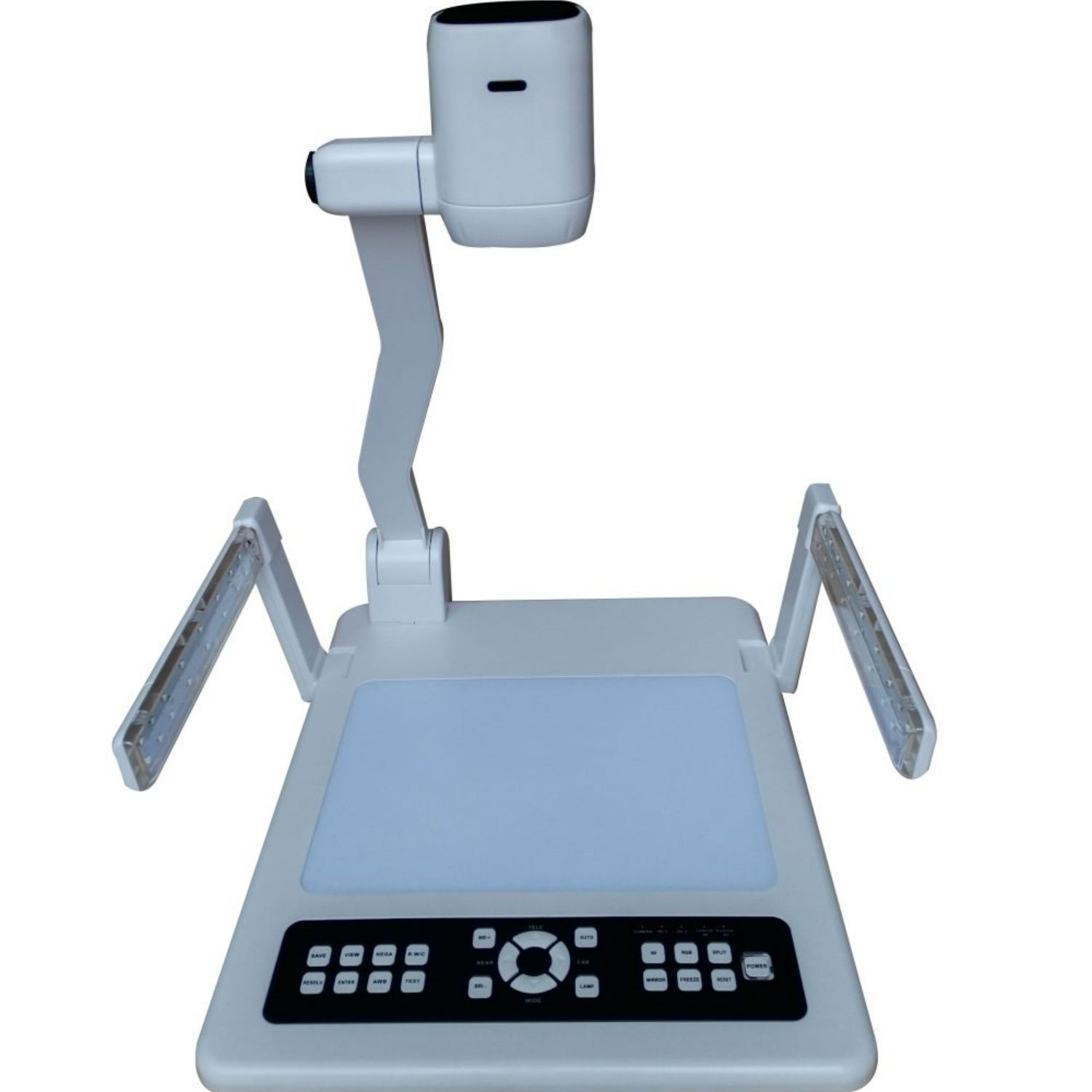
22x Optical Zoom A4 Document Camera with 10x Digital Zoom
A foldable presenter for seminar rooms, training desks and service counters. The 2MP CMOS sensor, 22x optical zoom and VGA/USB output make it practical for live demonstration where a fixed scanner is inconvenient.
- 2MP CMOS · A4 · VGA/USB
- 22x optical + 10x digital zoom
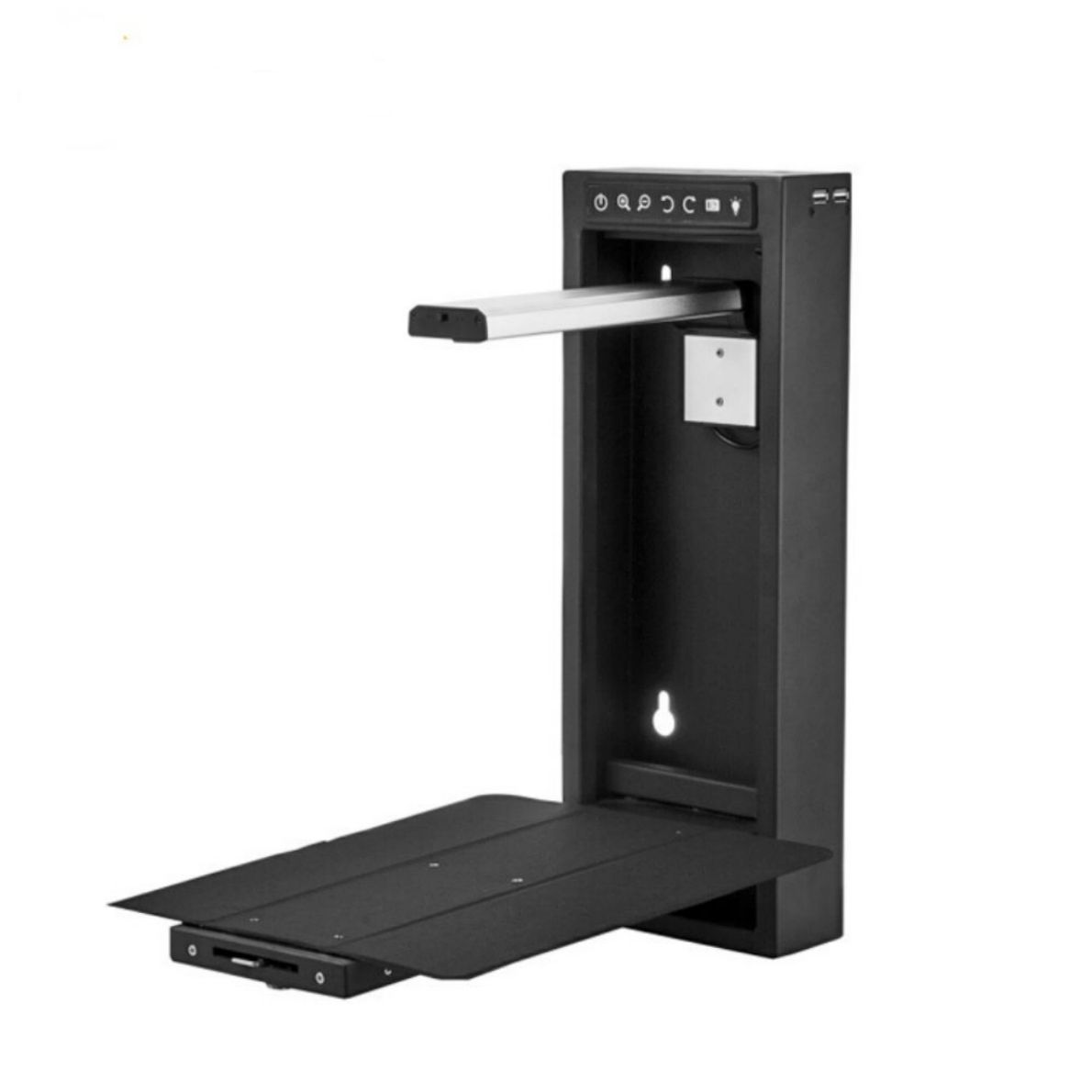
High-Definition Wall-Mount Document Scanner
A factory-new wall-mounted visualizer for space-limited classrooms, meeting rooms and capture stations. CE certification, USB interface, SDK access and a 1-year warranty support integration projects.
- A4 · USB · CE certified
- High-speed capture · SDK
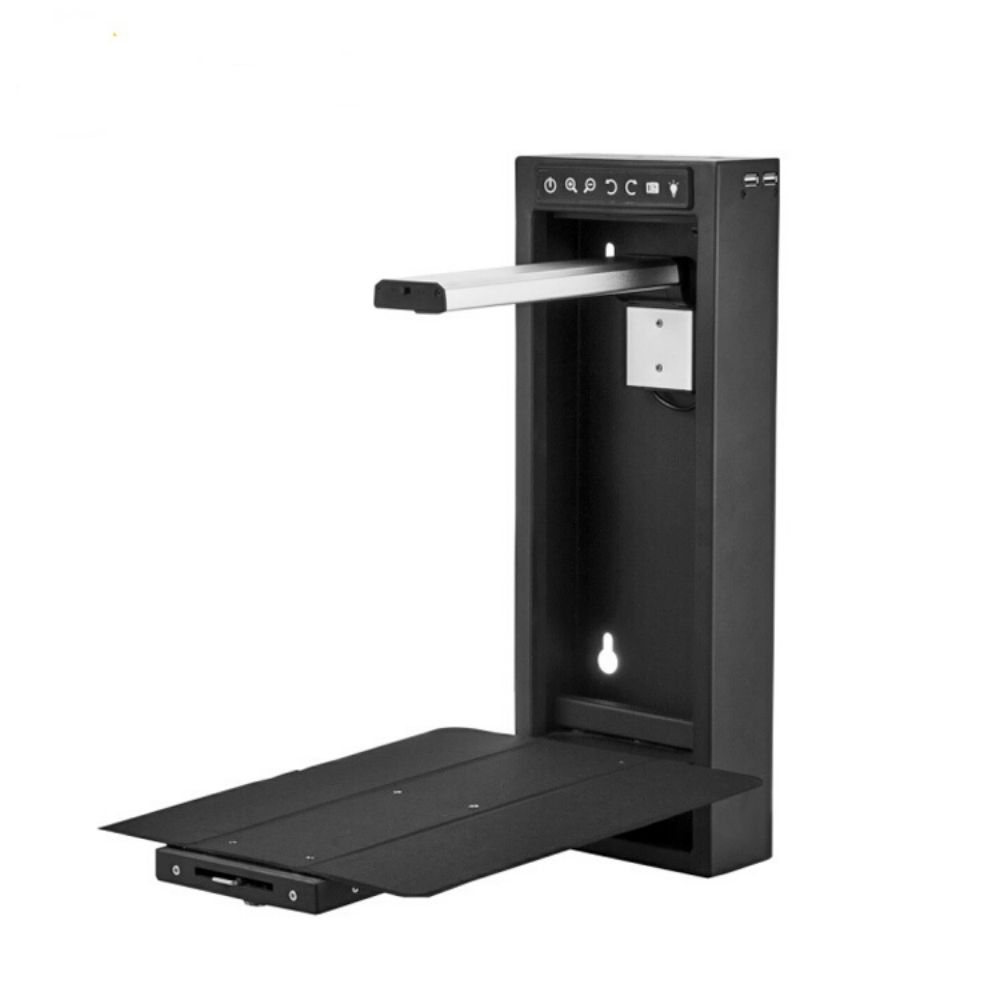
Portable 10MP A4 Document Scanner Visualizer
A black-and-silver wall-version visualizer designed for online training and in-stock education deployments. 10MP resolution and USB connectivity keep setup simple across temporary classrooms and hybrid training rooms.
- 10MP · A4 · USB
- Wall version · 1-year warranty
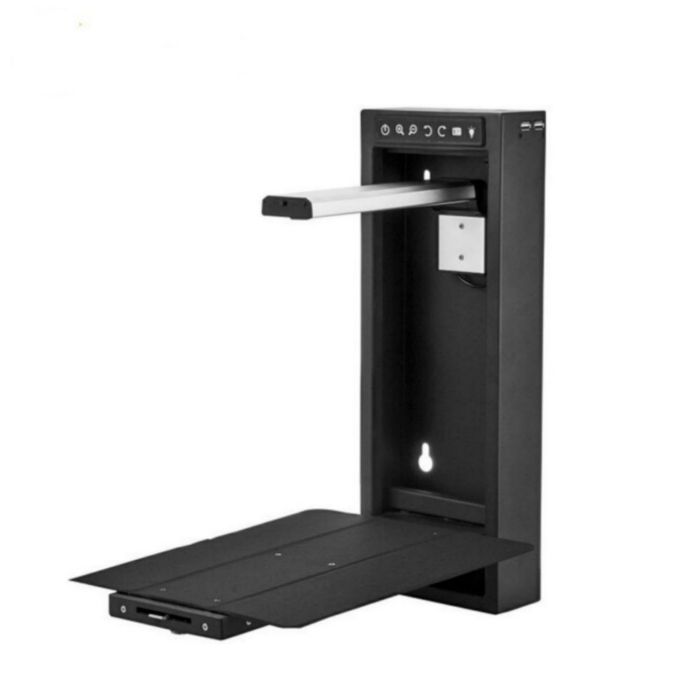
10MP High-Resolution A4 Document Scanner
A wall-mountable A4 scanner with USB 5V power, 24-bit output, OEM options and SDK support. Useful for education stock and volume rollouts where a compact capture head and straightforward integration are required.
- 10MP · A4 · USB 5V
- 24-bit · OEM · SDK
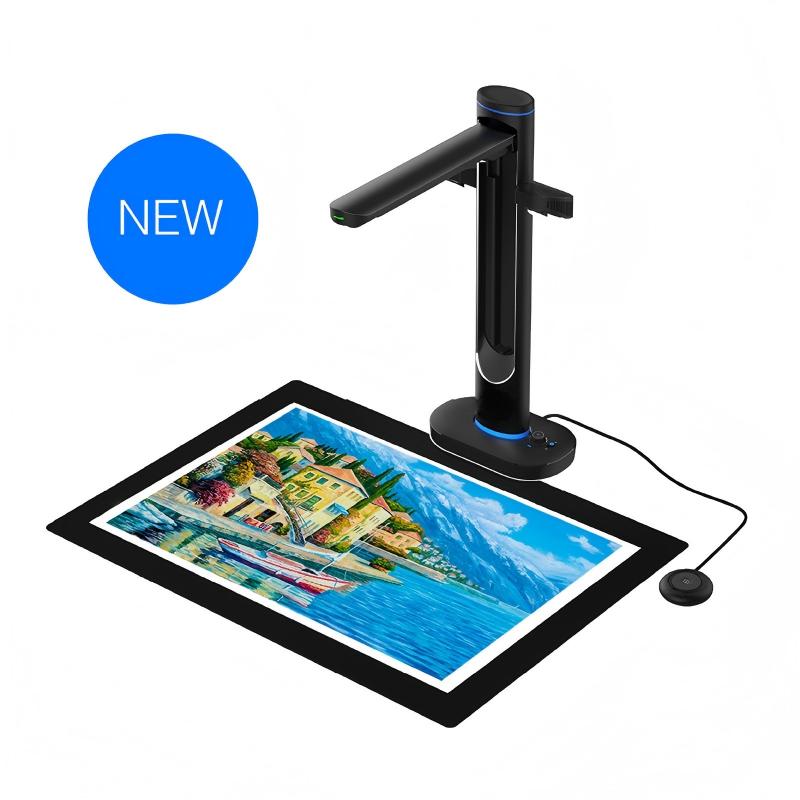
A2 Large Format Book Scanner with Dual 48MP CMOS
A desktop overhead book scanner with two 48MP CMOS sensors for large-format bound books, newspapers and archive materials. Windows and macOS support helps fit it into mixed IT environments.
- A2 · dual 48MP CMOS
- Windows & macOS · high speed
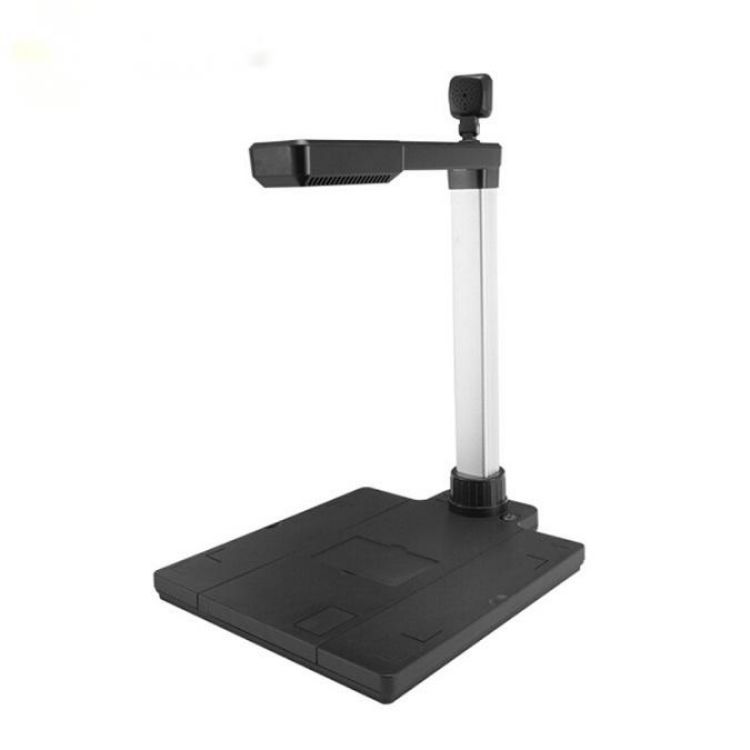
10MP Education Visualizer Scanner
A document camera and visualizer for training, collaborative classrooms and paper-to-screen workflows. USB connectivity and 10MP resolution cover everyday teaching, document management and book camera tasks.
- 10MP · USB · in stock
- Education · document management
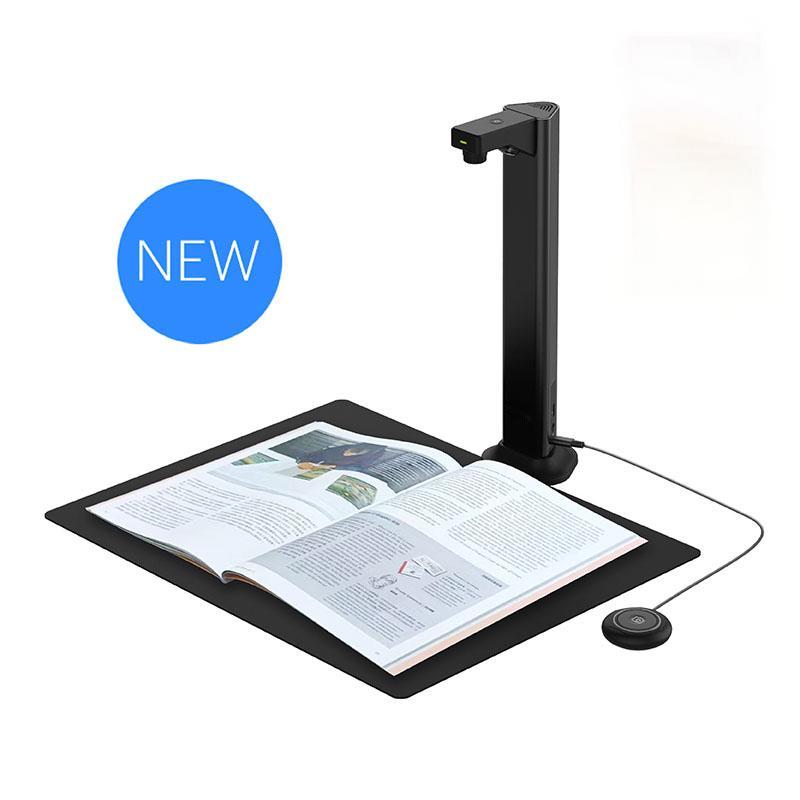
A3 18MP USB Aluminum Document Scanner with OCR
An aluminum A3 document scanner with UVC camera, sub-1-second capture, OCR and text-to-speech. A practical choice for libraries, accessibility programs, paper-light offices and digital inclusion projects.
- A3 · 18MP · USB · UVC
- 1-second scan · OCR/TTS
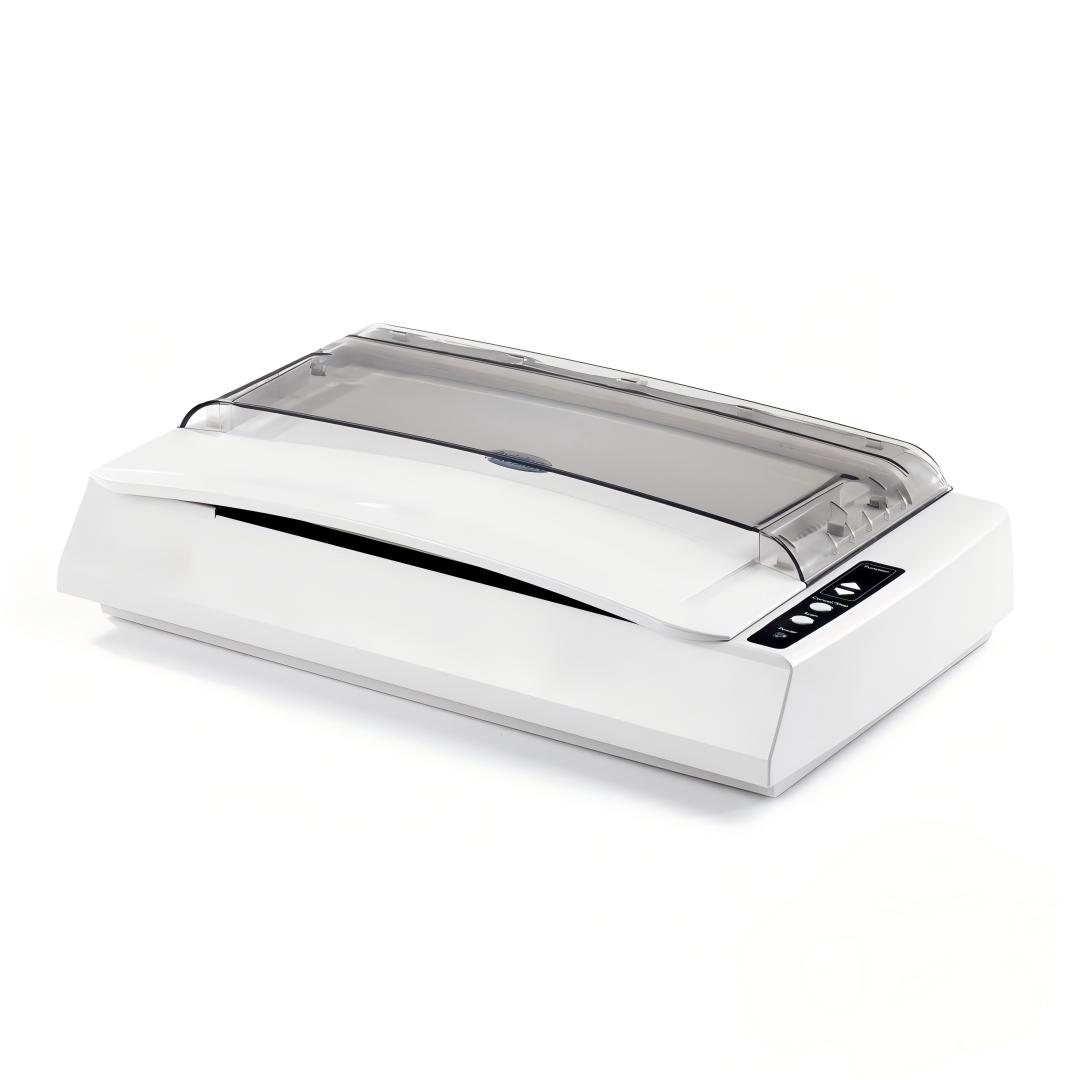
CCD Zero-Margin Bookedge Flatbed Scanner
An A4 bookedge flatbed with CCD imaging and zero-margin design for bound books, helping avoid spine shadow in library and archive digitization. USB interface and 600 dpi resolution support routine preservation workflows.
- A4 · CCD · 600 dpi · USB
- Zero margin · no spine shadow
Where Digital Paper Scanners Earn Their Budget in Hamburg
Hamburg’s economy spans port logistics, media and publishing, public administration, universities, life sciences, insurance and professional services. Those environments create very different scanning requirements — and very different procurement questions.
Libraries, archives and heritage collections
Non-contact overhead scanners and CCD bookedge flatbeds reduce stress on fragile bindings. For Hamburg institutions, specify 300 dpi master files, OCR, colour accuracy and a workflow that can handle irregular page curvature.
Universities, schools and training rooms
Visual presenters with optical zoom display textbooks, experiments, maps and 3D objects live on projectors or displays. Wall-mount models are useful where desk space is limited and multiple rooms need a consistent, low-training solution.
Hamburg port, freight and customs operations
Port-related offices handle packing lists, bills of lading, delivery notes and customs documents. A compact A4 scanner or visualizer with fast capture and USB connectivity can speed up document exchange without requiring a full production scanning room.
Law firms, insurance and public administration
Bound files, contracts and case records often need OCR and searchable PDFs. For GDPR-sensitive work, specify local USB capture, offline storage options and a clear data-flow description instead of assuming that every “cloud-ready” feature is appropriate.
Publishing, media and creative studios
Newspaper archives, layouts, proofs and large maps benefit from A2 overhead scanning in one shot. A3 flatbed scanning remains useful for artwork, photographs and loose originals where controlled lighting and optical resolution matter more than speed.
Retail, healthcare and service counters
Document cameras can display or capture passports, forms, invoices and product labels at a counter. Dual-lens and SDK options support identity-document workflows, while live HDMI/VGA output helps staff show information clearly to customers.
What Hamburg Digitization Teams Are Asking for in 2025–2026
The direction of travel is clear: fewer stand-alone “scan-to-PDF” devices, more workflow-enabled capture systems that combine document format, OCR, local data control and integration support.
OCR becomes a workflow requirement
Hamburg buyers increasingly ask for searchable PDFs, editable text, page detection and text-to-speech. OCR is no longer a premium extra; it is part of the business case for accessibility, archives and paper-light administration.
A2 and A3 archive specifications tighten
Public tenders and archive projects often specify 300 dpi master files. That directly changes the megapixel requirement: A3 needs about 17.4MP, while A2 needs about 34.8MP for true 300 dpi capture.
Data residency and supplier responsibility
For law firms, insurers and public bodies, the question is where scans are stored and which software touches them. Local USB capture, offline operation and transparent SDK integration are easier to assess than vague “secure cloud” claims.
Wholesale teams want mixed-model flexibility
Distributors serving Hamburg and northern Germany prefer a single supplier that can combine A2 overhead scanners, A3 OCR models, document cameras and spare parts in one shipment, with OEM packaging and future reorder consistency.
A4, A3 and A2 at 300 dpi: Calculate Before You Compare Prices
Megapixels only matter in relation to the document size. Divide the sensor’s pixel count across the page width and height to estimate true scanning resolution. This is the fastest way to avoid buying an “A2 scanner” that cannot satisfy a 300 dpi tender.
Quick matching guide
- A4: 10MP or higher for routine document capture and visualizers.
- A3: 18MP or 24MP for 300 dpi masters, OCR and book scanning.
- A2: 48MP recommended for newspapers, maps and archival masters.
- Bound books: prioritise overhead capture, curve correction and bookedge design.
- Photos and artwork: check flatbed optical dpi, bit depth and colour handling.
CIS, CMOS or CCD: Which Sensor Fits the Hamburg Workflow?
Quibow works across three image-sensor platforms. Each has a clear strength, and the correct choice depends on the document type, capture distance and integration environment.
CIS contact image sensor
A slim linear sensor that reads the page at close range. Compact, low power and efficient on sheet-fed paths, making it suitable for high-volume office batches, invoices and contracts.
CMOS area sensor
Captures the whole page in one shot from above, so books never need to be pressed flat. Software can flatten curves, remove fingers and detect page edges. CMOS visualizers also support live teaching and counter display.
CCD linear sensor
A moving optical carriage with greater depth of field and stable colour, tolerant of slightly raised originals such as book gutters. A zero-margin bookedge flatbed is particularly useful for bound volumes.
Why Guangzhou Quibow Electronic Is a Practical Wholesale Partner for Hamburg
Quibow is a technology-driven supplier focused on image data acquisition and conversion. The company develops and supplies photoelectric information equipment, including high-speed document cameras, overhead book scanners, flatbed scanners and ID card recognition cameras.

Working across CIS, CMOS and CCD imaging platforms, Quibow covers product selection, production coordination, export sales and after-sales support. OEM/ODM projects can include logo printing, packaging, housing colour, capture-software branding and SDK integration on selected models.
Because the team is compact and repeat business matters, response quality is part of the commercial offer. Supplier records show an average response time of 1 hour or less, a 100% message response rate and a 27% buyer reorder rate. Many stock scanners start at 1 piece or 1 set; several document camera models start at 2 pieces. Payment can be arranged in USD, EUR, HKD or CNY with T/T, L/C, PayPal or Western Union, and delivery terms include FOB, EXW and DDU. Listed models carry a 1-year warranty backed by remote technical support.
- Business type
- Trading company, onsite checked
- Location
- Guangzhou, Guangdong, China
- Established
- 2020
- Main markets
- Eastern Europe, North & South America
- Annual revenue
- US$1M – US$2.5M
- Team
- 5–10 specialists
Independent Records Hamburg Buyers Can Check
Trust should be verifiable. These supplier-platform records help procurement teams review premises, credit, feedback, trade capacity and past activity before requesting a quotation.
Supplier Assessment
Onsite check confirming business premises and legal status.
View reportCredit Overview
Platform credit profile and trading reliability indicators.
View creditRatings & Reviews
Feedback left by verified buyers after completed orders.
Read reviewsTrade Capacity
Export markets, trade terms and logistics capability.
View capacityQuestions Hamburg Buyers Ask Most
These answers combine product-selection guidance with practical import, compliance and workflow questions common to German B2B buyers.
Can you deliver digital paper scanners to Hamburg and which Incoterms apply?
Shipments can be arranged to Hamburg by sea or air. Supported terms include FOB, EXW and DDU. Under DDU, the buyer normally remains responsible for import VAT and duties, so confirm the named place, port or airport, packaging, pallet dimensions and whether the order includes demo units or spare parts before booking freight.
What documentation should a German importer request?
Ask for the commercial invoice, packing list, model datasheet, user manual, software and driver information, HS code proposal, warranty statement and applicable CE/RoHS documentation for the exact model. For electrical products placed on the German market, the importer should also confirm EU responsible-person, WEEE and packaging obligations. Quibow can supply available product documentation; local compliance advice should be verified by the importer.
What is the minimum order quantity for Quibow scanners and document cameras?
Most stock book scanners, A2 large-format scanners and flatbed scanners start from 1 piece or 1 set. Several document camera models start from 2 pieces. For OEM/ODM projects, MOQ depends on logo printing, packaging, housing colour, software branding and SDK scope, so it is confirmed per project in the quotation.
Do you support OEM and ODM orders for Hamburg distributors?
Yes. We support OEM/ODM projects including logo printing, packaging, housing colour, capture-software branding and SDK integration on selected models. For tender or distributor projects, discuss sample scans, model naming, manual localisation, packaging artwork and batch-consistency requirements before the deposit.
Which scanner should I choose for A3 or A2 documents at 300 dpi?
At 300 dpi, A3 needs roughly 17.4MP and A2 roughly 34.8MP. An 18MP or 24MP model is usually suitable for A3, while a 48MP A2 scanner is recommended for archival masters. If the requirement is 200–250 dpi, a 21MP A2 model may still fit certain OCR, reading or internal-reference workflows.
Are the scanners compatible with Windows, macOS and Apple M1?
Many A2 large-format scanners and the 1200 DPI A3 flatbed scanner support Windows and macOS, and some models have been verified on Apple M1 Macs. Compatibility is model-specific, so specify your operating system, software stack and whether you need TWAIN, UVC or SDK support before ordering.
What warranty and technical support do you provide?
Listed models such as A3 flatbed scanners, A2 overhead scanners and the S2060W ADF scanner carry a 1-year warranty, backed by remote technical support. For Hamburg projects, agree the RMA process, spare-parts plan, firmware and software version, and the contact route before the first shipment.
Can we test a sample before placing a bulk wholesale order?
Yes. Request sample scans using your own documents, preferably including a challenging bound book, a large map or a low-contrast form. For a pilot, specify one or two units, test the software in your local environment, and confirm export packaging before scaling to a wholesale order.
Planning a Digital Paper Scanner Rollout?
Send your document sizes, daily volume, target resolution, operating system and delivery city — Hamburg or elsewhere in northern Germany. Our team will recommend one or two suitable models and confirm MOQ, lead time, warranty, packaging and FOB/EXW/DDU terms. Average first response is typically within one hour during business hours.