A Practical Buying Guide for Cebu City's Desktop Scanner Market
Cebu City is a major education, BPO, government, logistics, tourism and services hub in Central Visayas. Scanner demand here is rarely about one generic office device; it is a mix of archive preservation, frontline document capture, classroom presentation, legal records, shipping paperwork and reseller project bundles.
Why supplier selection should start with the workflow, not the price list
When procurement teams search for desktop scanner suppliers and exporters in the Cebu City market, they are usually comparing three different buying models at once: a local IT reseller that can bundle installation, an online marketplace listing with limited technical depth, and an export-oriented manufacturer or supplier that can support OEM/ODM projects, SDK integration and volume pricing. Each model has a role. The practical question is which supplier can document the scanner's real performance on the documents Cebu offices, schools and institutions actually handle.
For Cebu City buyers, the most common document set includes A4 office papers, A3 handouts and bound manuals, legal-size records, student theses, newspapers, land maps, shipping documents, invoices and identification cards. A desktop overhead book scanner using a CMOS area sensor is often the right match for bound materials because it captures the page from above without pressing the spine. A flatbed scanner with CCD or CIS imaging is better for loose sheets, photographs and artwork where controlled lighting and optical resolution matter. A document camera or visual presenter is the better choice when the job involves live teaching, training, counter service or hybrid meetings.
This guide is written from the perspective of an export supplier working with international B2B buyers. It does not pretend that a Guangzhou-based supplier is a Cebu City storefront. Instead, it explains how a Cebu buyer can evaluate specification fit, warranty terms, OEM flexibility, sample scans, payment terms and after-sales communication before placing an order. For projects involving libraries, public records, universities, BPO compliance teams or IT distributors, that transparency is more useful than a generic price comparison.
The most important information gain is this: megapixels alone do not tell you whether a scanner is suitable for A3 or A2 documents. Resolution must be calculated against page size. A 21MP camera covering a full A2 sheet produces a very different effective dpi from a 48MP A2 scanner. Cebu buyers who understand this calculation can avoid under-specifying an archival project or over-paying for resolution they do not need.
Eight Desktop Scanner Recommendations for Cebu City Buyers
These models are drawn from Quibow's current export catalogue and cover A4 document cameras, A3 book scanners, A2 dual-sensor overhead scanners, wall-mount visualizers and high-zoom presentation cameras. Product links preserve the original catalogue URLs for specification review.

USB Document Camera Scanner 10MP CMOS Visualizer A4 Scanner for Office Education
- 10MP CMOS desktop visualizer
- A4 capture for offices and classrooms
- USB plug-and-play workflow
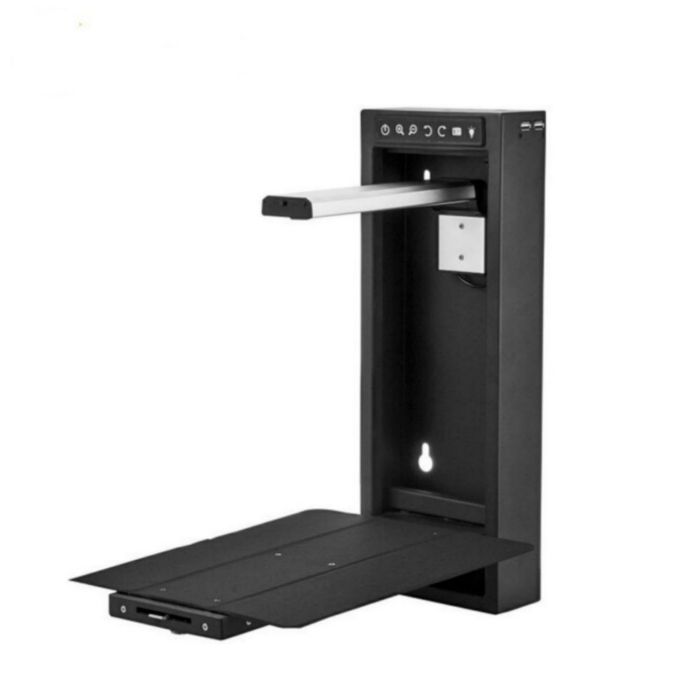
A4 Black USB 5V High-Speed 10MP High-Resolution Document Scanner Wall-Mountable OEM 24 Bit SDK 1-Year Warranty Education Stock
- USB 5V power and data interface
- Wall-mountable, space-saving design
- OEM and SDK support for integrators
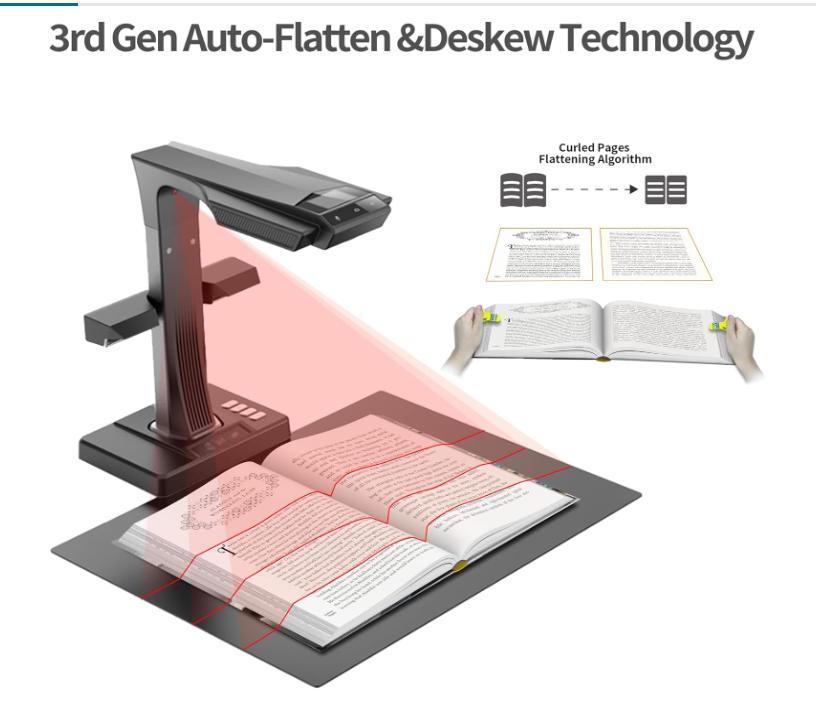
A3 24MP Book Scanner Auto Flatten Deskew CMOS Document Digitizer 4000x6000 USB Visualizer OCR Searchable PDF
- 4000 × 6000 pixel CMOS capture
- Auto flatten, deskew and OCR workflow
- Searchable PDF export for archives
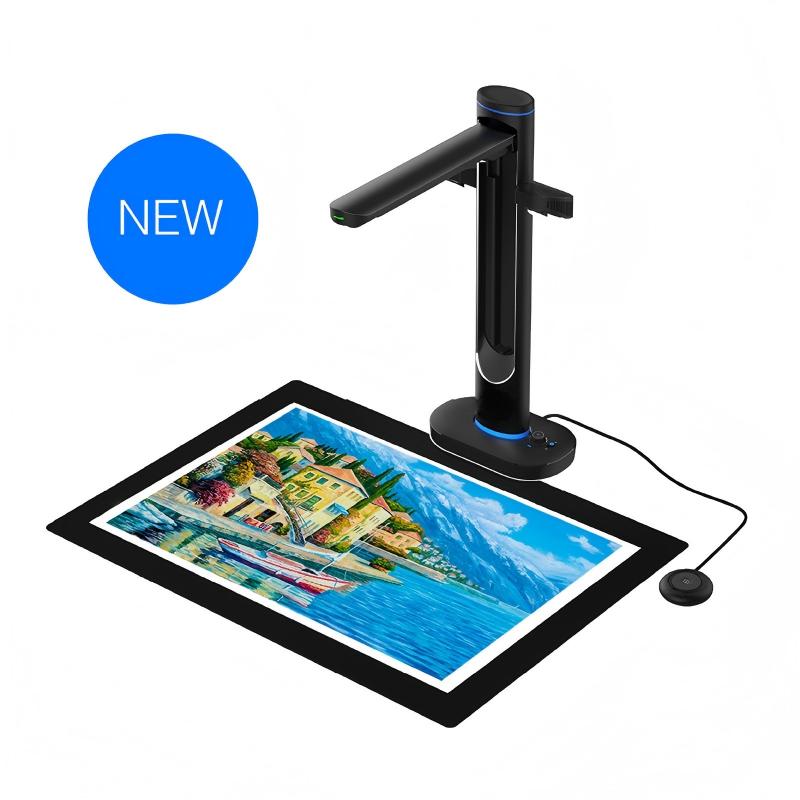
A2 Large Format Book Scanner Dual 48MP CMOS Sensors High-Speed Desktop Overhead Scanner for Windows & MacOS
- Dual 48MP CMOS sensors
- A2 overhead capture with Windows/macOS support
- High-resolution archival master files
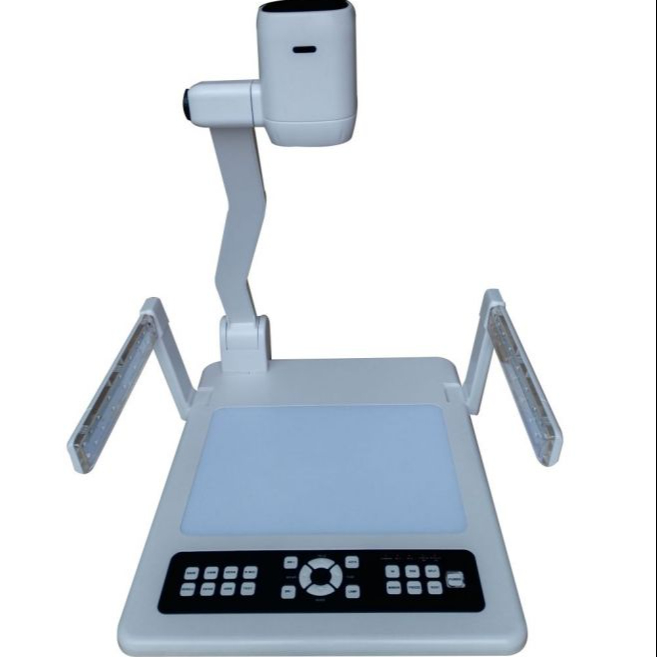
Factory Desktop Document Camera Visualizer 22X Optical Zoom with Interface HD MI RS232 Audio Mic Video
- 22x optical zoom for detailed demonstration
- HDMI, RS232, audio and video interfaces
- Desktop visual presenter for training rooms
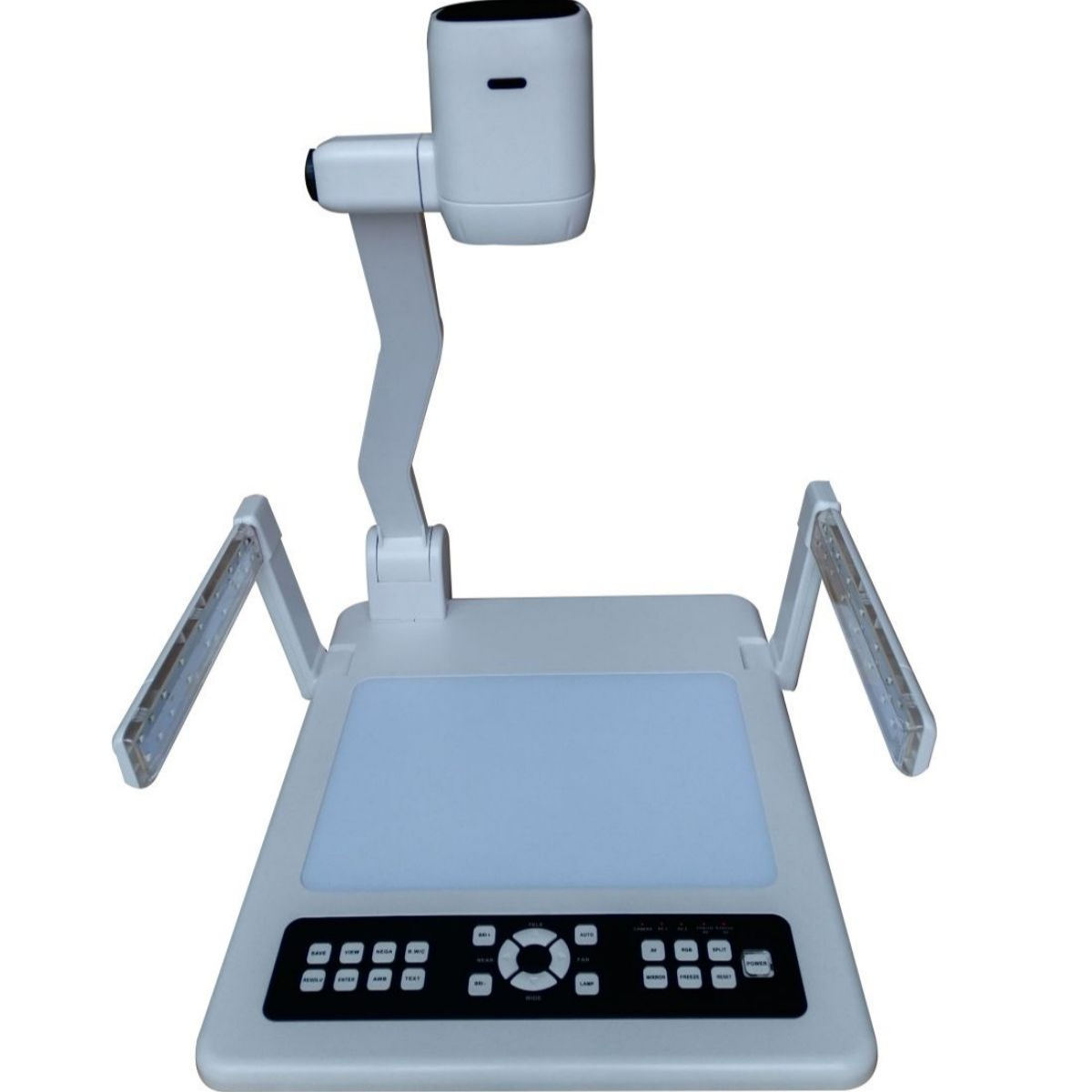
HD Optical Zoom Visual Presenter 1/3" CMOS Sensor 1-Year Warranty OEM Brand GUA Origin Professional Document Camera VGA RS232
- 1/3" CMOS sensor for live presentation
- VGA and RS232 control compatibility
- OEM branding and 1-year warranty
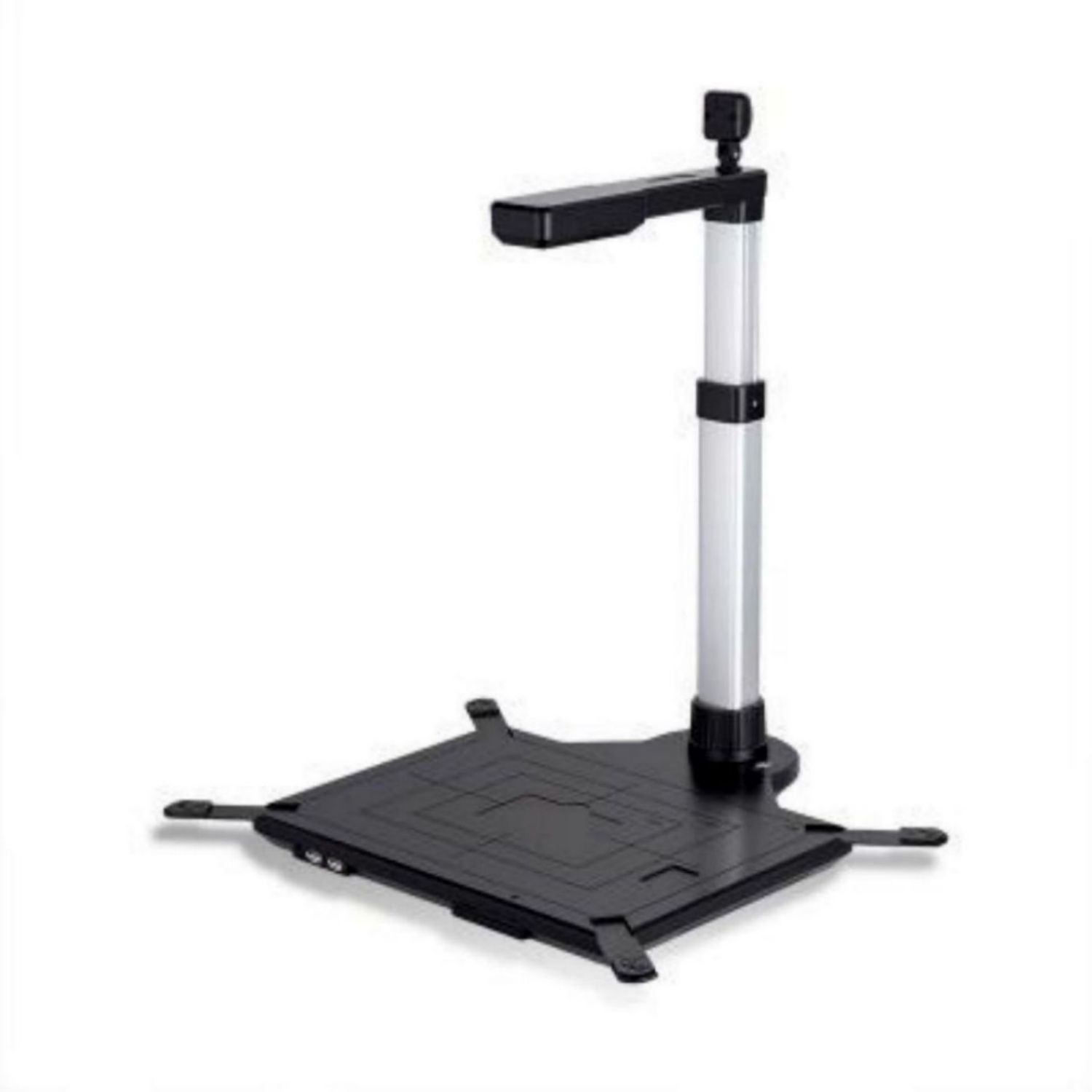
Professional USB Dual Camera Scanner for A3 Documents Supports OCR PDF Multi-Languages High-Speed 1-Second Scan 360-Degree
- Dual-camera A3 document capture
- 1-second scan and 360-degree workflow
- OCR PDF with multi-language support
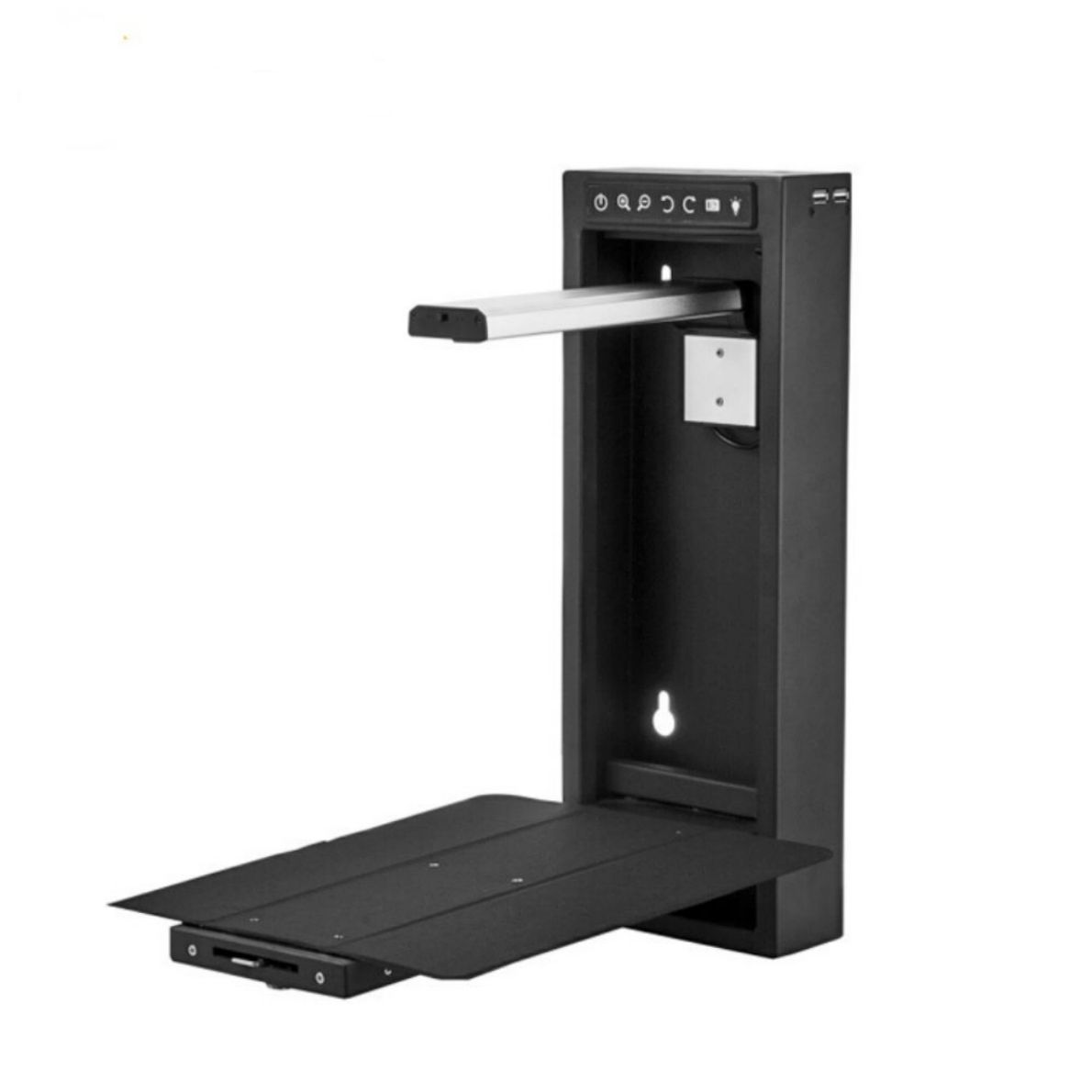
Factory New High Definition Wall Mount Document Scanner USB Interface Visualizer CE Certified 1-Year Warranty High-Speed A4 SDK
- Wall-mount HD document scanner
- USB interface and A4 high-speed capture
- CE certified with SDK integration option
Matching the Desktop Scanner to the Cebu City Workflow
Local procurement succeeds when the scanner is matched to the document, the operator, the software and the available desk space. The table below translates common Cebu City use cases into practical scanner choices.
| Cebu City workflow | Recommended desktop scanner | Why it fits | Procurement note |
|---|---|---|---|
| University and school handouts A4/A3 teaching materials | 10MP USB document camera or A4 visualizer | Live demonstration, quick capture, USB connection and simple operation for teachers. | Confirm projector or display input; HDMI/VGA adapters may be needed. |
| Library and thesis digitization Bound books, periodicals | A3 24MP book scanner with auto flatten and deskew | Overhead CMOS capture avoids pressing the spine; OCR creates searchable PDF files. | Check daily page volume and whether a foot pedal or batch workflow is required. |
| Newspaper, map and ledger archives A2 or oversized records | A2 dual 48MP CMOS overhead book scanner | Large-format capture in one shot; dual sensors support archival master resolution. | For 300 dpi at A2, specify 48MP rather than a lower-resolution A2 model. |
| BPO, legal and accounting records Contracts, claims, IDs | Dual-camera A3 scanner or wall-mount A4 scanner | Fast capture, OCR PDF and multi-language support for paper-heavy compliance workflows. | Confirm SDK/API needs if the scanner must connect to an existing document system. |
| Government and LGU frontline services Permits, forms, civil records | Wall-mount A4 document scanner or desktop visualizer | Saves counter space and supports fast capture of IDs, forms and supporting papers. | Include staff training, cable management and a spare power adapter in the plan. |
| Shipping, logistics and tourism Bills, invoices, guest documents | USB 5V high-speed A4 scanner or 10MP visualizer | Simple USB operation, compact footprint and quick digital handoff at service points. | Check Philippines 220V/60Hz power compatibility and plug type with the order. |
Where Desktop Scanners Fit in Cebu City's Local Economy
Cebu City's scanner demand is shaped by its concentration of education, BPO, government, logistics, tourism, retail and professional-service organizations. These are the application scenarios buyers most often ask us to support.
Universities, colleges and review centers
Visual presenters support hybrid teaching, while A3 book scanners digitize handouts, theses and library references without damaging bindings.
Libraries, parishes and heritage archives
Overhead scanning protects fragile pages and old newspapers. A2 models handle broadsheets and maps; A3 models suit books, manuscripts and periodicals.
BPO, shared services and compliance teams
Contracts, claims, KYC documents and client files are captured to searchable PDF. Dual-camera and wall-mount models reduce desk clutter at busy counters.
Government and LGU records units
Permits, tax documents, civil records and frontline forms require consistent capture. Wall-mount scanners save counter space and create a repeatable capture station.
Shipping, logistics, retail and tourism
Bills of lading, supplier invoices, guest documents and delivery receipts can be digitized at the point of service using USB-powered desktop scanners.
IT resellers and system integrators
Cebu IT distributors can bundle scanners with software, installation and support. OEM branding, SDK access and packaging options support local project differentiation.
Localized Trends Shaping Desktop Scanner Demand in Cebu City
Buyer conversations in the Cebu City market point to a shift from simple document capture toward workflow-ready digitization. The strongest demand is not always for the cheapest scanner; it is for the model that can be documented, integrated and supported.
Paper-lite, not paperless
Cebu organizations still receive signed forms, IDs and invoices on paper. The priority is converting them into searchable, shareable and audit-ready PDF files rather than eliminating paper entirely.
Hybrid classrooms and training rooms
Schools and training centers need visual presenters that output to projectors, displays and video-conference systems. Optical zoom and HDMI/VGA output remain practical requirements.
Right-sized A2/A3 archival projects
Newspapers, maps, land records and large ledgers require A2-class capture. Buyers increasingly ask for the effective dpi at the document size, not just the sensor's megapixel count.
OEM/ODM demand from local integrators
Resellers want logo printing, packaging, software branding, SDK integration and clear warranty terms so they can bid confidently on school, government and enterprise projects.
Illustrative scoring model for a Cebu City scanner tender
This is an example evaluation weighting, not a statistical survey. It shows how procurement teams can compare bidders beyond unit price.
Megapixels Are Meaningless Without Page Size
For A3 and A2 scanning, the correct question is not “how many megapixels does this camera have?” but “what effective dpi does it deliver across the document I need to scan?” This calculation is the fastest way to avoid an under-specified archive project.
| Document size | Pixels at 300 dpi | Minimum sensor guidance | Quibow model match |
|---|---|---|---|
| A4 210 × 297 mm | 2480 × 3508 ≈ 8.7 MP | 10 MP or higher | 10MP USB document camera, 10MP A4 wall-mount scanner |
| A3 297 × 420 mm | 3508 × 4961 ≈ 17.4 MP | 18–24 MP | 24MP A3 auto-flatten book scanner; dual-camera A3 scanner |
| A2 420 × 594 mm | 4961 × 7016 ≈ 34.8 MP | 48 MP for archival masters | Dual 48MP A2 overhead book scanner |
| Photos and artwork | 600–2400 dpi optical | Flatbed with 48-bit color | Compatible flatbed scanner models in the full catalogue |
Engineering rule of thumb: a 21MP camera covering a full A2 sheet delivers roughly 225–240 dpi. If a tender requires 300 dpi at A2, specify a 48MP A2 scanner. For A3, an 18MP or 24MP model is usually the practical starting point.
Why Quibow Is a Practical Exporter for Cebu City Buyers
Guangzhou Quibow Electronic Co., Ltd. is an export-oriented supplier of image acquisition and conversion equipment. The company's published profile is transparent about its structure: a trading company, onsite checked, based in Guangzhou, Guangdong, China, established in 2020, with 5–10 dedicated specialists and annual revenue in the US$1M–US$2.5M range.
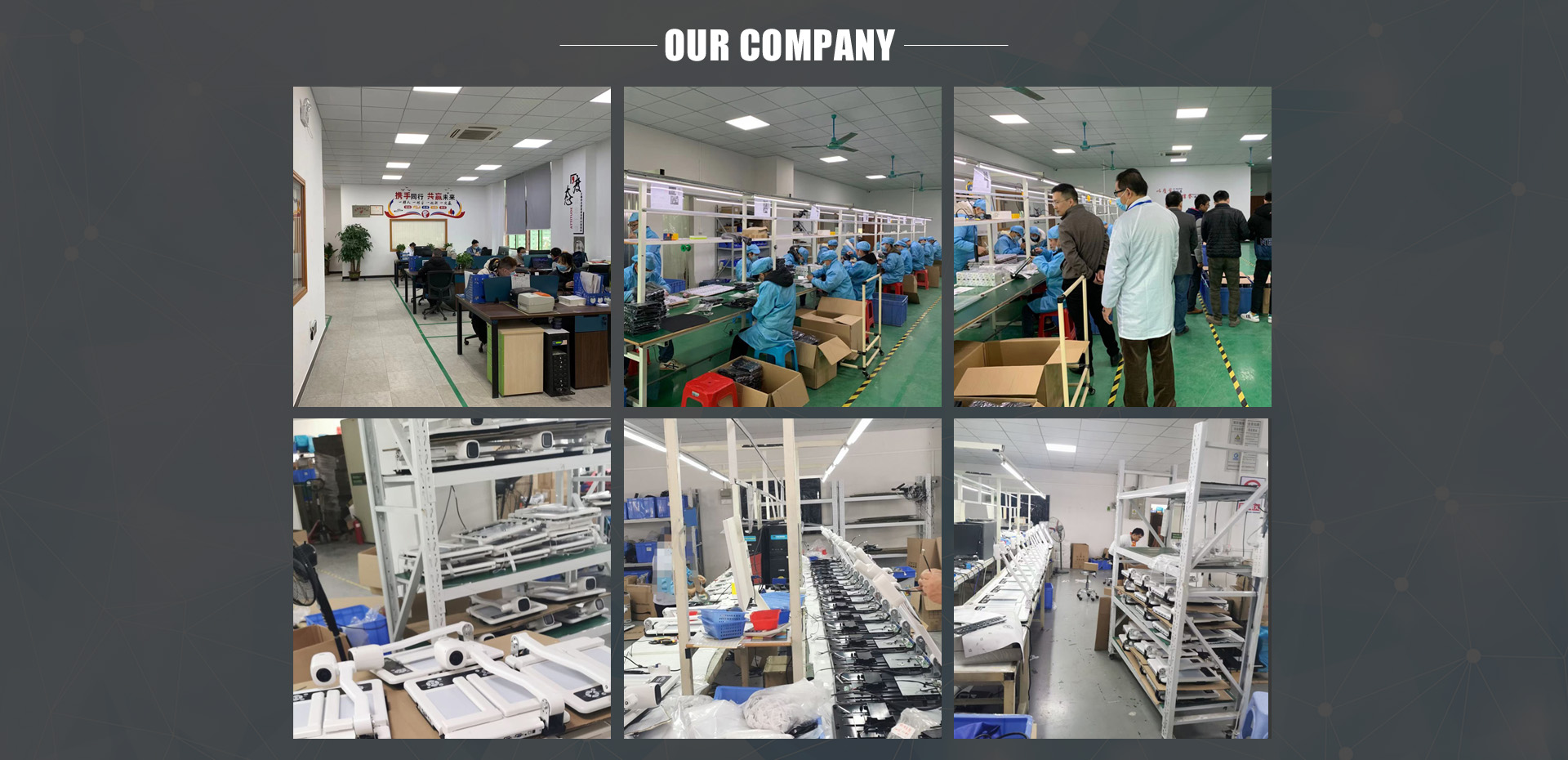

Developed around CIS, CMOS and CCD imaging platforms
Quibow develops and supplies photoelectric information equipment, including high-speed document cameras, book scanners, flatbed scanners and ID card recognition cameras. The product portfolio spans CIS, CMOS and CCD imaging, which matters for Cebu buyers because each platform solves a different problem: CIS for compact sheet-fed efficiency, CMOS area sensors for overhead book and classroom capture, and CCD linear sensors for controlled flatbed resolution.
The company covers the full cycle from product design and development to production coordination, export sales and after-sales support. OEM/ODM projects can include logo printing, packaging, housing color, capture software branding and SDK integration on selected models. For Cebu IT resellers and system integrators, this is often more valuable than a generic retail listing because it allows a locally branded bundle, tender-ready documentation and a clearer technical contact path.
- Business type
- Trading company, onsite checked
- Year established
- 2020
- Location
- Guangzhou, Guangdong, China
- Main markets
- Eastern Europe, North America, South America, worldwide
- Annual revenue
- US$1M – US$2.5M
- Team
- 5–10 dedicated specialists
- Payment
- T/T, L/C, PayPal, Western Union; USD, EUR, HKD, CNY
- Delivery terms
- FOB, EXW, DDU
Review the Quibow company profile and published supplier records before committing to a Cebu City project. Buyers can also request the supplier assessment, credit overview, transaction level and trade history pages through the company site.
Fast commercial response
Published performance indicators include an average response time of ≤1 hour and a 100% message response rate. For Cebu buyers working to tender deadlines, response speed is a practical evaluation criterion.
OEM/ODM and SDK flexibility
Logo, packaging, housing color, software branding and SDK integration can be discussed on selected models. This helps Cebu distributors build differentiated offers for schools and offices.
Multi-platform imaging depth
CIS, CMOS and CCD options allow the recommendation to follow the document type rather than forcing one sensor technology into every project.
Export-ready payment and delivery terms
The published terms include T/T, L/C, PayPal and Western Union in USD, EUR, HKD or CNY, with FOB, EXW and DDU delivery options. Confirm the final terms for each Cebu shipment.
Quality inspection and warranty
Listed models can carry a 1-year warranty with remote technical support. Inspection points include focus, lighting uniformity, driver installation and capture speed.
Verifiable supplier records
Buyers can review the supplier assessment, credit overview, ratings and reviews, trade capacity and transaction history published on the company's platform pages. Trust should be verifiable, not assumed.
Cebu City Procurement FAQ: What Local Buyers Ask Before Ordering
These questions reflect the practical concerns raised by schools, libraries, BPOs, government units, resellers and integrators comparing desktop scanners from an overseas exporter.
Are you a Cebu City-based supplier or an overseas exporter?
Quibow is a Guangzhou-based export supplier, not a Cebu City storefront. The advantage is direct access to the product range, OEM/ODM discussion, SDK options and export pricing. The trade-off is that local installation and physical repair must be planned separately with the buyer's IT team or a Cebu service partner.
Which scanner do I need for A3 or A2 documents at 300 dpi?
An A3 page at 300 dpi requires about 3508 × 4961 pixels, or roughly 17.4MP. A 24MP A3 book scanner is a practical choice. An A2 page at 300 dpi requires about 4961 × 7016 pixels, or roughly 34.8MP, so a 48MP A2 scanner is recommended for archival masters. A 21MP A2 model may be sufficient for OCR or screen reading, but not for a 300 dpi A2 master.
Do you support OEM and ODM orders for Cebu resellers?
Yes. OEM/ODM discussions can include logo printing, packaging, housing color, capture software branding and SDK integration on selected models. Quantities and customization scope are confirmed per project. This is useful for Cebu IT distributors that want to bid with a locally branded bundle.
Are the scanners compatible with Windows and macOS?
Many models, including several A2 large-format scanners and A3 flatbed scanners, support Windows and macOS, and some are verified on Apple M1-powered Macs. Compatibility should be confirmed model by model before shipment, especially for educational institutions using mixed computer labs.
What are the MOQ, payment and delivery terms?
Most stock book scanners, A2 large-format scanners and flatbed scanners start from 1 piece or 1 set. Several document camera models start from 2 pieces. OEM/ODM quantities are confirmed per project. Payment terms include T/T, L/C, PayPal and Western Union in USD, EUR, HKD or CNY, with FOB, EXW and DDU delivery options.
How can Cebu buyers verify scan quality before shipment?
Request sample scans using representative documents: a bound page, an A3 handout, an A2 newspaper or a plastic ID card. Ask for the output format, resolution, OCR language and lighting conditions. For larger orders, request a pre-shipment inspection checklist covering focus, lighting uniformity, driver installation and capture speed.
What about power, interface and desk-space requirements in Cebu offices?
The Philippines uses 220V/60Hz power, so confirm the adapter, plug type and voltage labeling with the order. Many desktop models use USB 5V or external adapters, and wall-mount models can reduce counter clutter. Confirm whether the project needs USB, HDMI, VGA or RS232 before finalizing the model.
What warranty and after-sales support are available?
Listed models such as the A3 flatbed scanners, A2 overhead scanners and selected document cameras can carry a 1-year warranty, backed by remote technical support. Buyers should confirm the warranty terms for the exact model, the spare-parts process and the escalation contact before placing a Cebu City project order.
Request a Cebu City Desktop Scanner Recommendation
Share your largest document size, daily scanning volume, target output, operating system, available desk space and tender requirements. Quibow's export and imaging team can shortlist the right A4, A3 or A2 model, confirm OEM/SDK feasibility and prepare sample scans for your Cebu City project.