Eight Portable Book Scanner & Document Capture Products for San Jose Buyers
The eight products below are drawn from Quibow’s current document-capture range. They suit bound-book imaging, classroom presentation, office digitization, countertop ID capture, library bookedge scanning and OEM projects that need practical customization rather than a one-size-fits-all catalogue item.
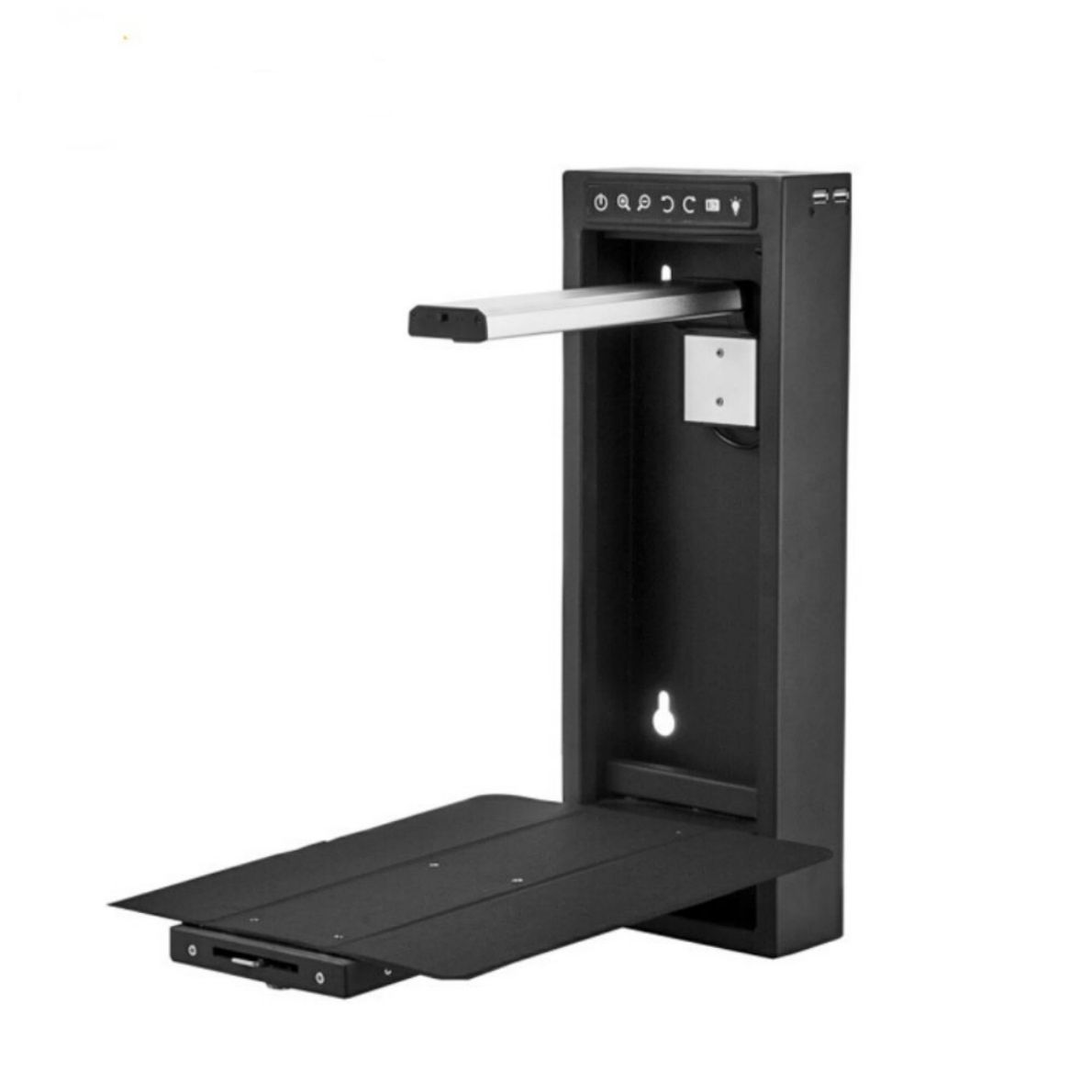
Document Camera A4 Visualizer Wall Version USB CMOS Sensor 10MP 1-Second Scan Document Scanner Stock for Classroom Smart
Space-saving wall installation for classrooms, training rooms and service counters that need fast A4 capture.
View product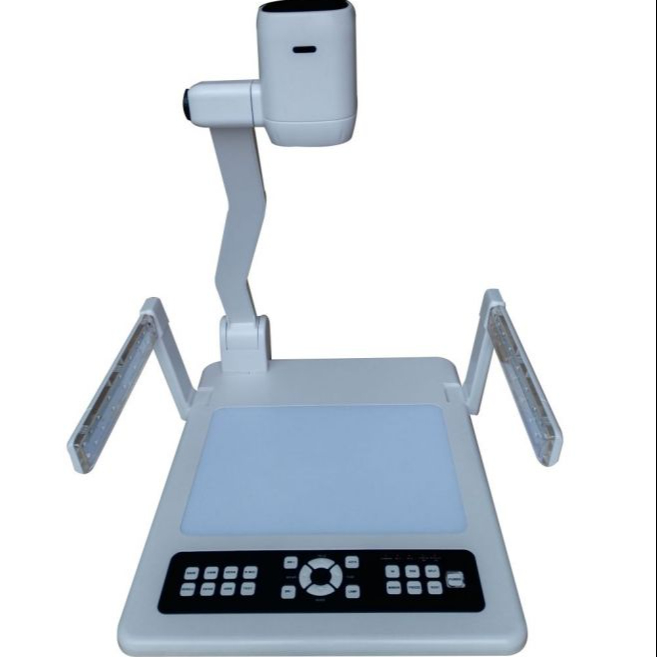
Factory Desktop Document Camera Visualizer 22X Optical Zoom with Interface HD MI RS232 Audio Mic Video
Ideal for detailed textbook, document and object presentation where optical zoom matters more than digital enlargement.
View product
USB Document Camera Scanner 10MP CMOS Visualizer A4 Scanner for Office Education
A practical desktop option for hybrid meetings, insurance files, classroom display and general office scanning.
View product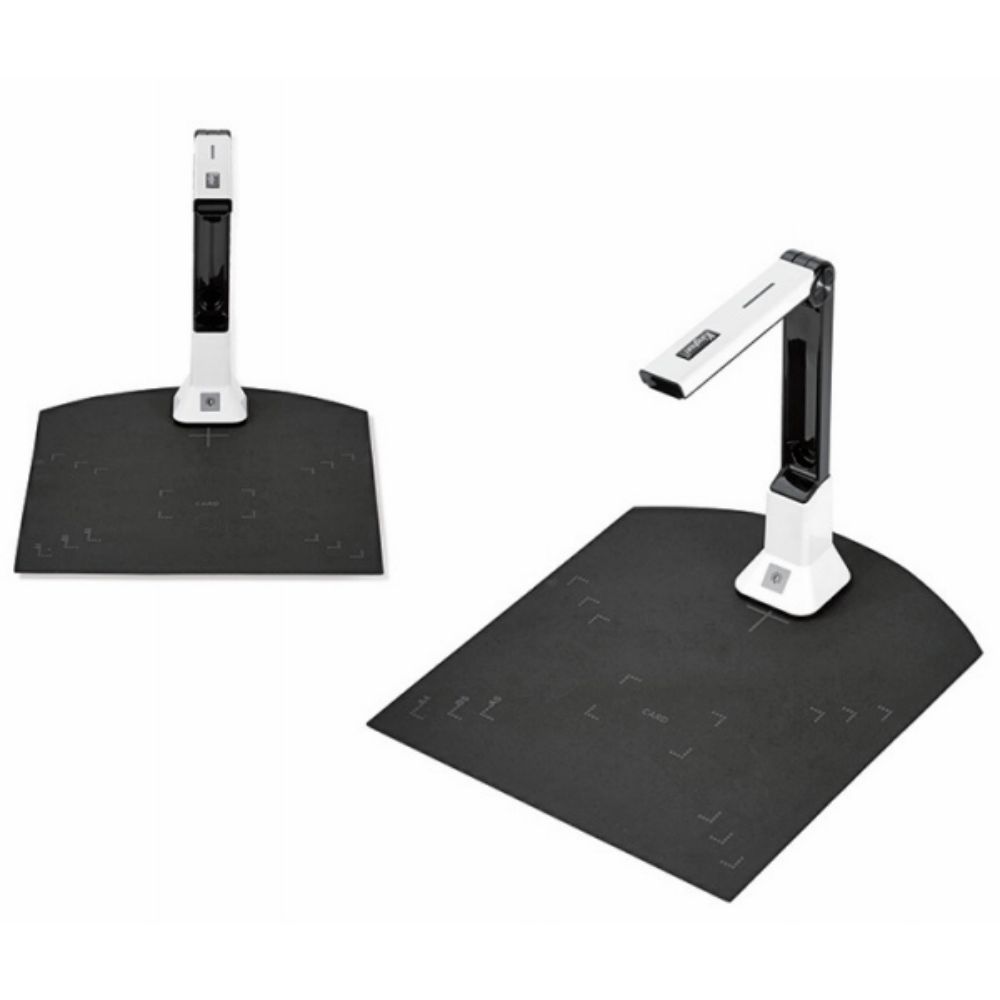
Wholesale 5MP USB Light CMOS A4 Document Scanner Portable Smart Handheld High Resolution 1-Second Scan CE Certified Stock Black
Compact, USB-powered capture for mobile teams, field offices and San Jose businesses with limited desk space.
View product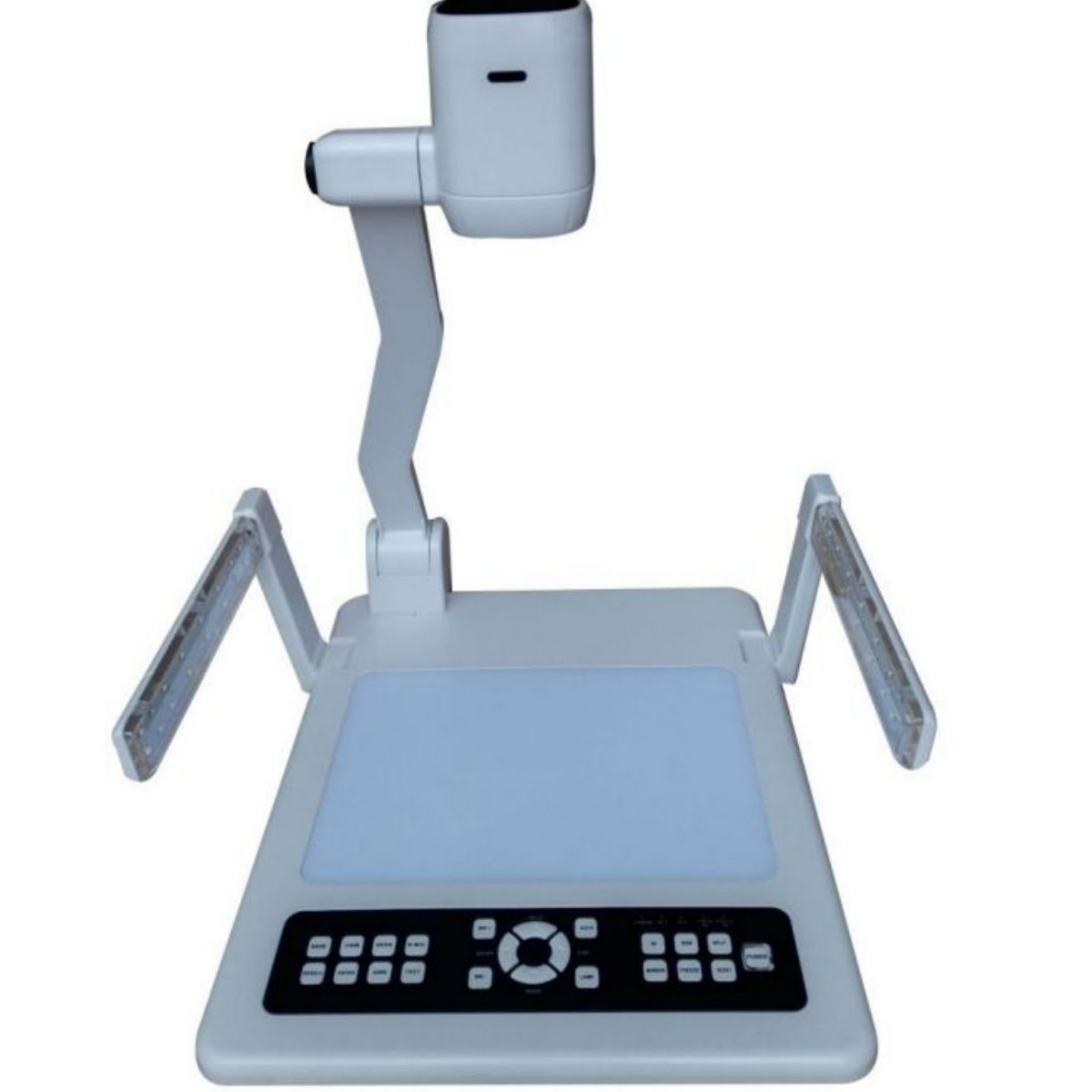
Multi-functional Document Camera Professional in Visual Presenter Also Visualizer in Educational Equipment
Suited to teaching, training and workshop use where a presenter needs live display plus document capture.
View product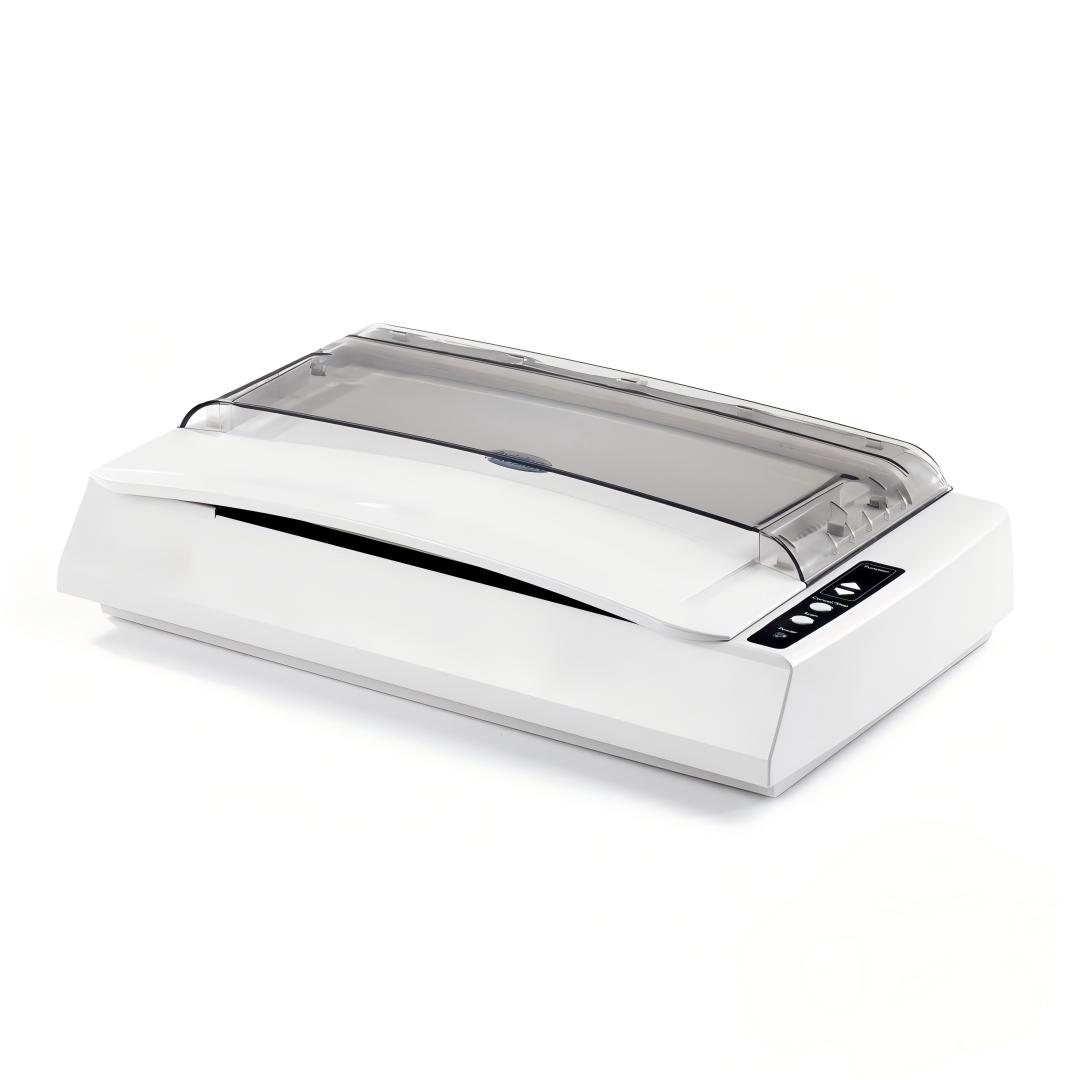
CCD Zero Margin Bookedge Flatbed Scanner A4 600dpi USB Bound Book Scanning No Spine Shadow Library Archive Digitization
Designed for bound books and archive volumes where spine shadow and page curvature are the main quality risks.
View product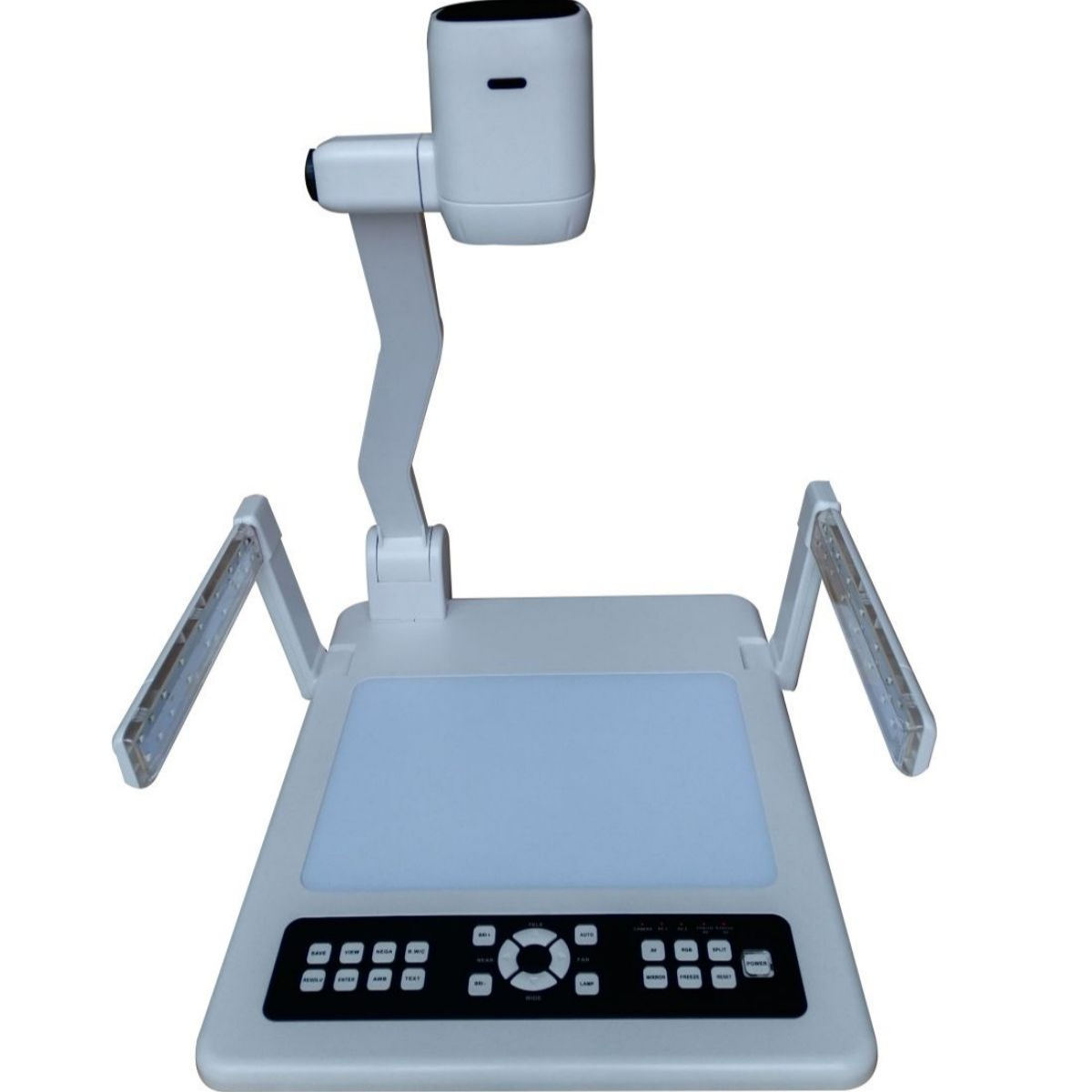
HD Optical Zoom Visual Presenter 1/3" CMOS Sensor 1-Year Warranty OEM Brand GUA Origin Professional Document Camera VGA RS232
An OEM-ready presenter for education and training suppliers that need dependable hardware and branding support.
View product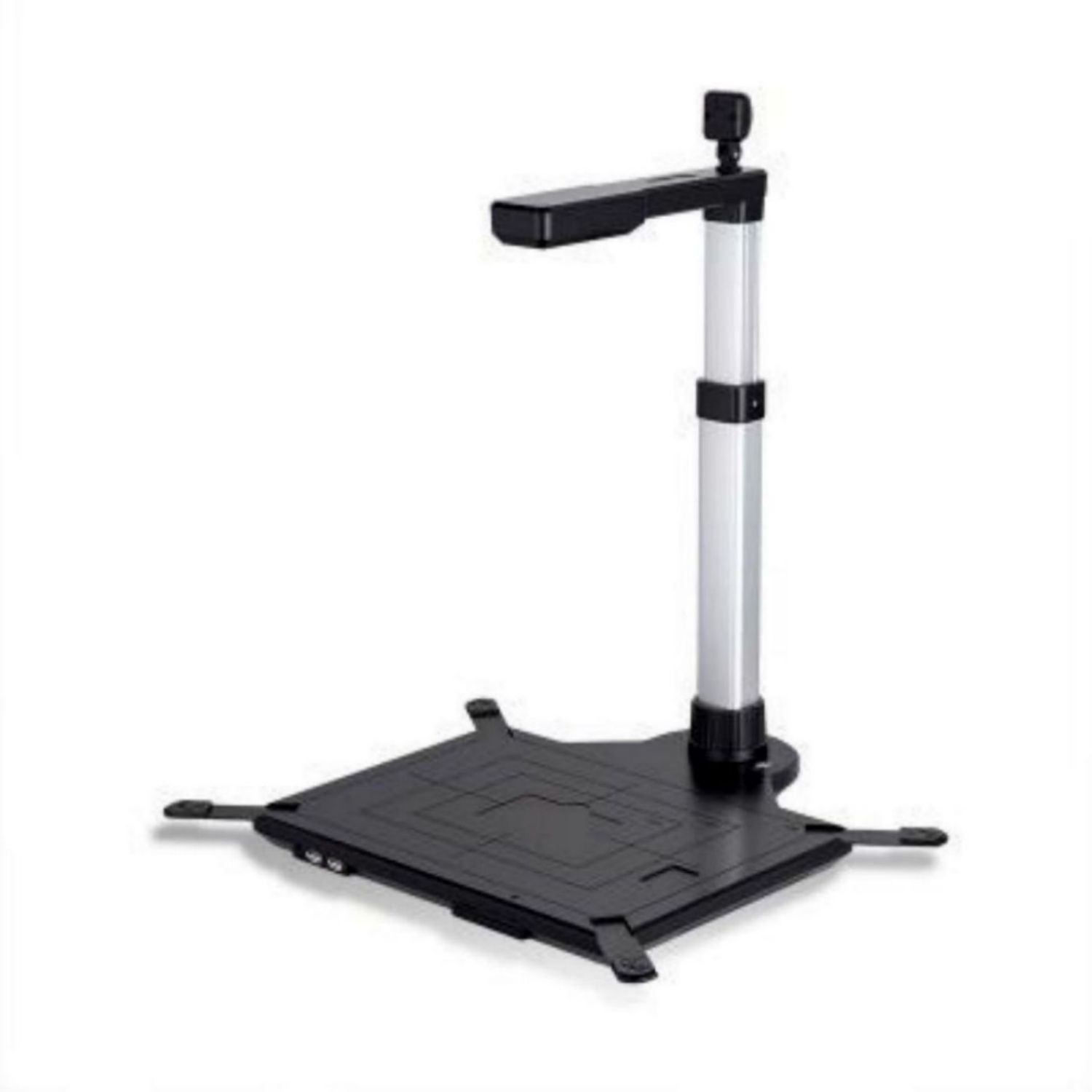
Professional USB Dual Camera Scanner for A3 Documents Supports OCR PDF Multi-Languages High-Speed 1-Second Scan 360-Degree
For mixed document and countertop workflows that need A3 capture, OCR export and fast one-second imaging.
View productNeed a model match for a San Jose pilot? Send your page sizes, daily volume, OCR target and branding requirements. We will narrow the range and confirm compatibility before quotation.
Inquire NowWhy San Jose Buyers Source Custom OEM Portable Book Scanners Through a Specialist Factory
San Jose procurement is rarely just about buying one scanner. It is about fitting document capture into an existing records, teaching or service workflow without adding unnecessary complexity.
San Jose sits inside a dense mix of public institutions, school districts, professional service firms, technology companies and fast-growing small businesses. Many of these organisations still hold paper records that matter: bound manuals, student files, property records, legal exhibits, engineering drawings, medical administration documents, product specifications and historical publications. A conventional flatbed scanner can handle loose sheets, but it is often slow for bound volumes, awkward for classroom demonstrations and inefficient for counters that need instant visual confirmation. That is where portable book scanners, overhead document cameras and bookedge flatbeds become practical tools rather than specialist equipment.
For buyers comparing custom OEM portable book scanner factories and suppliers for the San Jose market, the useful question is not “who lists the most models?” It is “who can match the sensor platform, resolution, software output, warranty and minimum order quantity to the real workflow?” Quibow works across CIS, CMOS and CCD imaging platforms. CMOS area sensors are generally suited to overhead capture because they can image a page in one shot without pressing a book flat; CIS sensors are compact and efficient in sheet-fed paths; CCD sensors are relevant to bookedge and high-quality flatbed work where depth of field and stable colour matter. That platform-level knowledge reduces the risk of choosing a device that looks correct on a specification sheet but fails after week two.
A second issue is information gain. San Jose buyers often receive quotations that repeat the same headline numbers: pixels, scan speed and price. A better supplier helps interpret those numbers. For example, an A3 page at 300 dpi requires roughly 3508 × 4961 pixels, or about 17.4 megapixels. An A2 sheet at 300 dpi requires roughly 4961 × 7016 pixels, or about 34.8 megapixels. A 21MP A2 device is therefore not a 300 dpi archival master at full A2 size; it is better suited to OCR, preview or lower-resolution access copies. That distinction matters for libraries, city clerks, publishers and technology companies preparing searchable archives.
Best-Fit San Jose Application Scenarios for Portable Book Scanners and Document Cameras
Different buildings, departments and budgets need different capture formats. The scenarios below map common San Jose workflows to the product families shown above.
Public Libraries, Special Collections and Archives
Bound local-history volumes, periodicals and fragile records need non-contact capture or a bookedge flatbed that reduces spine shadow. A CCD bookedge model is appropriate when optical quality and page-edge access are priorities; an overhead camera suits faster access copies and exhibition documentation.
School Districts, Universities and Training Rooms
Teachers and trainers use visual presenters to show textbooks, worksheets, components and demonstrations live on projectors or displays. A wall-mounted 10MP visualizer saves desk space; a 22x optical zoom presenter supports detailed close-up work without moving the sample.
City, County and Land-Record Teams
Permit files, maps, plans and historical ledgers often come in mixed sizes. A combination of A3-capable overhead capture and an OCR workflow can turn paper into searchable PDFs for internal reference. For larger maps and drawings, request Quibow’s broader A2 overhead book scanner catalogue rather than forcing an A3 device into an A2 job.
Law Firms, Title and Escrow, Insurance
Document-intensive professional offices need fast capture of exhibits, contracts, identification documents and claim files. A dual-camera A3 scanner with OCR support helps staff capture a full page and a close-up detail without swapping devices. Portable USB devices are useful for satellite offices and client-site reviews.
Technology Companies and Shared Services
San Jose technology teams often need to digitize product documentation, supplier forms, compliance files and whiteboard notes. A USB document camera can serve as a flexible visual capture station for engineering, support and quality teams, while OCR helps turn captured pages into searchable knowledge assets.
Medical Clinics and Administrative Back Offices
Clinics and administrative teams handle referral packets, paper forms and identity documents at reception. A compact USB scanner or dual-camera device can reduce queue time, while clear export options and Windows/macOS compatibility must be confirmed with the practice’s IT support before rollout.
San Jose Document Capture Trends Shaping 2025–2026 Procurement
Buyer expectations are moving from “a scanner that saves an image” to “a capture station that produces usable, searchable, service-ready data.”
Searchable OCR Is the Default
San Jose teams increasingly ask for OCR and searchable PDF output at the quotation stage. That is sensible: a scanned image without text layers is difficult to search, index or feed into downstream systems.
A3 and Oversized Mixed Formats
Bound books, file folders, plans and classroom materials do not always fit A4. Buyers want one capture station that can handle A3 while still working comfortably on a desk or counter.
Portable, Desk-Side Deployment
Hybrid work has made flexibility important. A USB-powered device that can move between departments or be used at a client site is often more valuable than a shared high-volume scanner locked in one room.
Verified Supplier Discipline
Procurement teams are checking response rates, trade records and warranty terms before requesting samples. Clear supplier information is part of product quality, especially for OEM branding projects.
How to Match Megapixels to A4, A3 and A2 Documents
Resolution is the fastest way to avoid an underpowered purchase. Use the page size and required output quality first, then compare sensor options.
| Document size | Pixels at 300 dpi | Practical sensor guidance | San Jose product path |
|---|---|---|---|
| A4 210 × 297 mm | 2480 × 3508 px ≈8.7 MP | 10MP or higher is a practical starting point for OCR and office reference copies. | 10MP USB document camera scanner; 5MP portable scanner for lighter mobile use. |
| A3 297 × 420 mm | 3508 × 4961 px ≈17.4 MP | 18MP–24MP class is preferred when the whole A3 page must remain readable. | Professional USB dual-camera A3 scanner with OCR support; 22X optical zoom presenter for detail display. |
| A2 420 × 594 mm | 4961 × 7016 px ≈34.8 MP | 48MP class for archival masters; lower resolution may be acceptable for OCR or access copies. | Request Quibow’s A2 overhead book scanner and newspaper archive series from the broader catalogue. |
| Bound books | Depends on page size and dpi | Use a bookedge flatbed for controlled flatbed optics, or overhead capture for non-contact speed. | CCD zero-margin bookedge flatbed scanner for A4 bound material and archive work. |
Which Portable Book Scanner or Document Camera Fits Your San Jose Workflow?
Use this comparison to move from general enquiries to a shortlist. It is intentionally practical: the right model is the one that fits your desk, page size, software environment and volume.
| Workflow | Priority | Recommended product direction | Why it fits |
|---|---|---|---|
| Classroom or training-room presentation | Live display, zoom, simple operation | 22X optical zoom visual presenter; wall-mounted 10MP visualizer | Optical zoom keeps detail visible; wall version frees desk space and supports fixed installation. |
| Bound books and archive volumes | No spine shadow, gentle handling | CCD zero-margin bookedge flatbed; overhead capture for non-contact work | Bookedge design improves access to the gutter; overhead capture avoids pressing the binding. |
| Office and back-file digitization | USB simplicity, OCR output | 10MP USB document camera; dual-camera A3 scanner | Multiple page sizes, quick capture and export to searchable files for paperless routines. |
| Mobile field capture and satellite offices | Portability, low setup time | 5MP USB portable A4 document scanner | Lightweight USB deployment for staff who move between sites, desks or client meetings. |
| OEM education or reseller programme | Branding, packaging, SDK, stable supply | HD optical zoom presenter or selected document cameras | OEM/ODM support can cover logo, packaging, housing colour, software branding and SDK integration. |
Custom OEM Portable Book Scanner Factory Advantages for San Jose Projects
The value of an OEM factory is not just a logo on the housing. It is the ability to align hardware, software, packaging and after-sales expectations before the first shipment.
Sensor Platform Choice
Quibow develops products on CIS, CMOS and CCD imaging platforms. That range allows the discussion to start from the document type and workflow rather than from a fixed product list.
Branding and Packaging
OEM/ODM projects can include logo printing, packaging, housing colour, capture software branding and SDK integration on selected models. Final scope is confirmed per project.
Inspection Before Export
Quality checks cover focus, lighting uniformity, driver installation and capture speed. For repeat San Jose orders, packing and labelling requirements can be documented in advance.
B2B Trade Terms
Quibow accepts T/T, L/C, PayPal and Western Union in USD, EUR, HKD or CNY, with FOB, EXW and DDU delivery terms. Stock quantities and project-specific MOQ are confirmed before order.
Guangzhou Quibow Electronic Co., Ltd. is a technology-driven supplier focused on image data acquisition and conversion. The company develops and supplies photoelectric information equipment, including high-speed document cameras, book scanners, flatbed scanners and ID card recognition cameras. Its stated business profile includes a 2020 founding year, a Guangzhou, Guangdong location, onsite-checked supplier status, main markets in Eastern Europe, North America and South America, annual revenue of US$1M–US$2.5M and a team of 5–10 specialists. For San Jose buyers, those details matter because they indicate whether a supplier has the operational structure to support a serious B2B project rather than a single retail transaction.
A Transparent Five-Step Process for Custom Scanner Projects
Procurement teams need to know what happens after the first message. This is the practical path from requirement review to shipment.
Requirement Review
Confirm document sizes, daily volume, operating system, output format and OCR languages. Many enquiries can be reviewed within the stated average response time of ≤1 hour.
Model Matching
Match sensor platform, page format, resolution and software needs. Sample scans can be requested for difficult originals such as dense text, handwriting or bound books.
Customization
Define OEM/ODM scope: logo, packaging, housing colour, software branding, SDK integration or language requirements on selected models.
Quality Inspection
Inspect focus, lighting uniformity, driver installation and capture speed. Confirm the packing method and labelling before export dispatch.
Shipping & Support
Arrange export packing and shipment terms. Listed models carry a 1-year warranty, with remote technical support for setup and troubleshooting.
Payment methods
T/T, L/C, PayPal, Western Union
Payment currency
USD, EUR, HKD, CNY
Delivery terms
FOB, EXW, DDU
Warranty
1 year on listed models, with remote support
Questions San Jose Buyers Ask Before Requesting a Quotation
These answers reflect Quibow’s stated product, trade and support information. Confirm the exact configuration for your order before purchase.
Can Quibow supply a portable book scanner suitable for a San Jose office or library pilot?
Yes. For a pilot, start with the page size and daily volume. A4 office files may fit a 10MP USB document camera or 5MP portable scanner. Bound books are better matched to the CCD bookedge flatbed or an overhead capture model. A3 mixed documents call for the dual-camera A3 scanner or a presenter with sufficient optical zoom. Quibow can review the workflow and recommend a shortlist.
Do you support OEM and ODM orders with custom branding?
Yes. Quibow supports OEM/ODM projects including logo printing, packaging, housing colour, capture software branding and SDK integration on selected models. The exact scope, minimum quantity and lead time are confirmed for each project rather than assumed from a generic catalogue.
Which product should I choose for bound books without spine shadow?
The CCD zero-margin bookedge flatbed scanner is designed for bound-book scanning where access to the gutter matters. For fragile books where non-contact capture is preferred, an overhead document camera or book scanner from the wider Quibow range is more appropriate. The right choice depends on binding condition, page size and whether OCR or archival image quality is the main goal.
What resolution do I need for A3 or A2 at 300 dpi?
An A3 page at 300 dpi needs about 3508 × 4961 pixels, or around 17.4MP. An A2 sheet at 300 dpi needs about 4961 × 7016 pixels, or around 34.8MP. For archival A2 masters, a 48MP-class overhead scanner is the better benchmark. For OCR or screen reference, a lower-resolution access copy may be acceptable if the project specification allows it.
Are the scanners compatible with Windows and macOS?
Many models, including selected A2 large-format scanners and the 1200 DPI A3 flatbed range, support Windows and macOS, and some are verified on Apple M1 Macs. Compatibility should be confirmed for the exact model and software version before shipment, especially if your San Jose IT team uses managed devices or restricted drivers.
What is the minimum order quantity?
Most stock book scanners, A2 large-format scanners and flatbed scanners start from 1 piece or 1 set. Several document camera models start from 2 pieces. OEM/ODM quantities are confirmed per project because customization, packaging and software requirements vary.
Can the devices produce OCR PDFs for searchable archives?
Selected models support OCR and searchable PDF workflows. The practical result depends on source quality, language, layout complexity and the software package chosen. For San Jose projects involving legal files, archives or technical documentation, request a sample scan and OCR test using a representative page before approving the configuration.
How are orders shipped to San Jose?
Quibow works with FOB, EXW and DDU delivery terms. The best shipping method depends on order volume, packing requirements and the importer’s preferred logistics arrangement. Export packing and product configuration are confirmed before dispatch, and remote technical support is available after delivery.
What payment methods and currencies do you accept?
Payment methods include T/T, L/C, PayPal and Western Union. Quoted currencies can include USD, EUR, HKD or CNY. Final payment terms are confirmed with the quotation and purchase order.
What warranty and technical support are provided?
Listed models such as the A3 flatbed scanners, A2 overhead scanners and the S2060W ADF scanner come with a 1-year warranty, backed by remote technical support. For OEM projects, warranty handling and spare-parts arrangements should be written into the order confirmation.
Need a Custom OEM Portable Book Scanner Supplier for the San Jose Market?
Share your page sizes, daily scanning volume, preferred OCR output, operating system, branding requirements and target delivery window. Quibow will help shortlist the right book scanner, document camera or bookedge flatbed and confirm the OEM/ODM options available for your project.