Custom OEM Planetary Scanner Factories & Exporters serving the Denver market
Non-contact overhead book scanners, A2/A3 large-format scanners, flatbed scanners and 4K visual presenters for Denver archives, universities, government records teams, law firms, school districts and systems integrators.
What Denver buyers should know before specifying a planetary scanner
A practical buyer’s guide for archives, education, public records and OEM channels—written around document size, workflow and total landed cost.
Denver’s digitization market does not fit a single template. A university archive may need an A2 overhead planetary scanner for bound newspapers and oversized maps. A school district may need 4K visual presenters for classroom demonstration and staff training. A title company may need A3 capture for plats, deeds and legal descriptions. A city or county records team may need searchable PDFs to respond to Colorado Open Records Act requests. The common requirement is not simply a camera with a high megapixel number—it is a repeatable capture workflow that protects originals, produces usable files and keeps staff productive.
A planetary scanner is an overhead, non-contact imaging system. It captures books, documents, maps or objects from above, so a fragile binding does not have to be pressed onto flatbed glass. For lower-volume Denver offices, desktop overhead scanners and document cameras are often the practical entry point. For archival masters, true scanning resolution, OCR quality, lighting control and software correction matter more than headline specifications alone.
As a Guangzhou-based OEM/ODM supplier and exporter, Quibow supports Denver buyers with model matching, sample scans, branding, packaging and SDK integration on selected models. This page is written as an industry briefing, not a catalogue dump: it explains where each model fits, how to calculate resolution for A2 and A3 documents, which questions to ask before importing, and what remote support can realistically cover from China.
Use page size × target dpi to calculate required pixels before comparing quotations. A 48MP sensor on A2 is not automatically better than a 24MP sensor on A3. The match between sensor, page size, binding type, OCR needs and operator workflow is what reduces rework and hidden labour costs.
Eight planetary scanner and document camera configurations for Denver programs
These eight models cover overhead book capture, A3/A4 document scanning, large-format A2 work and live visual presentation. Product links are preserved from the current Quibow range; for custom logo, housing colour, packaging or SDK requirements, use the live-chat inquiry button.
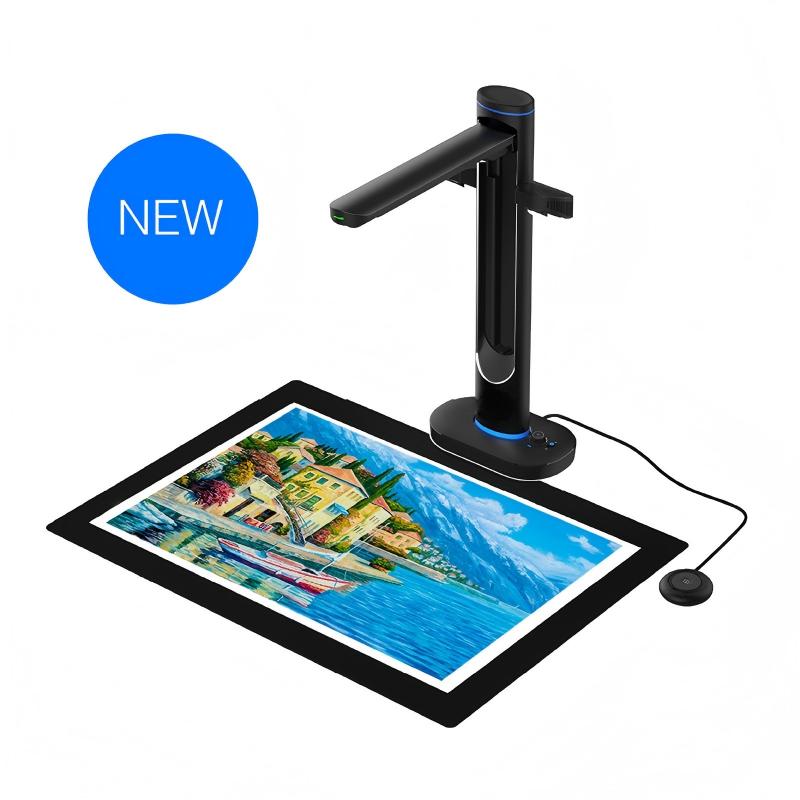
A2 Large Format Book Scanner Dual 48MP CMOS Sensors High-Speed Desktop Overhead Scanner for Windows & MacOS
- Dual 48MP CMOS overhead capture
- A2 desktop planetary format
- Non-contact handling for bound volumes
- Suitable for high-resolution archive masters
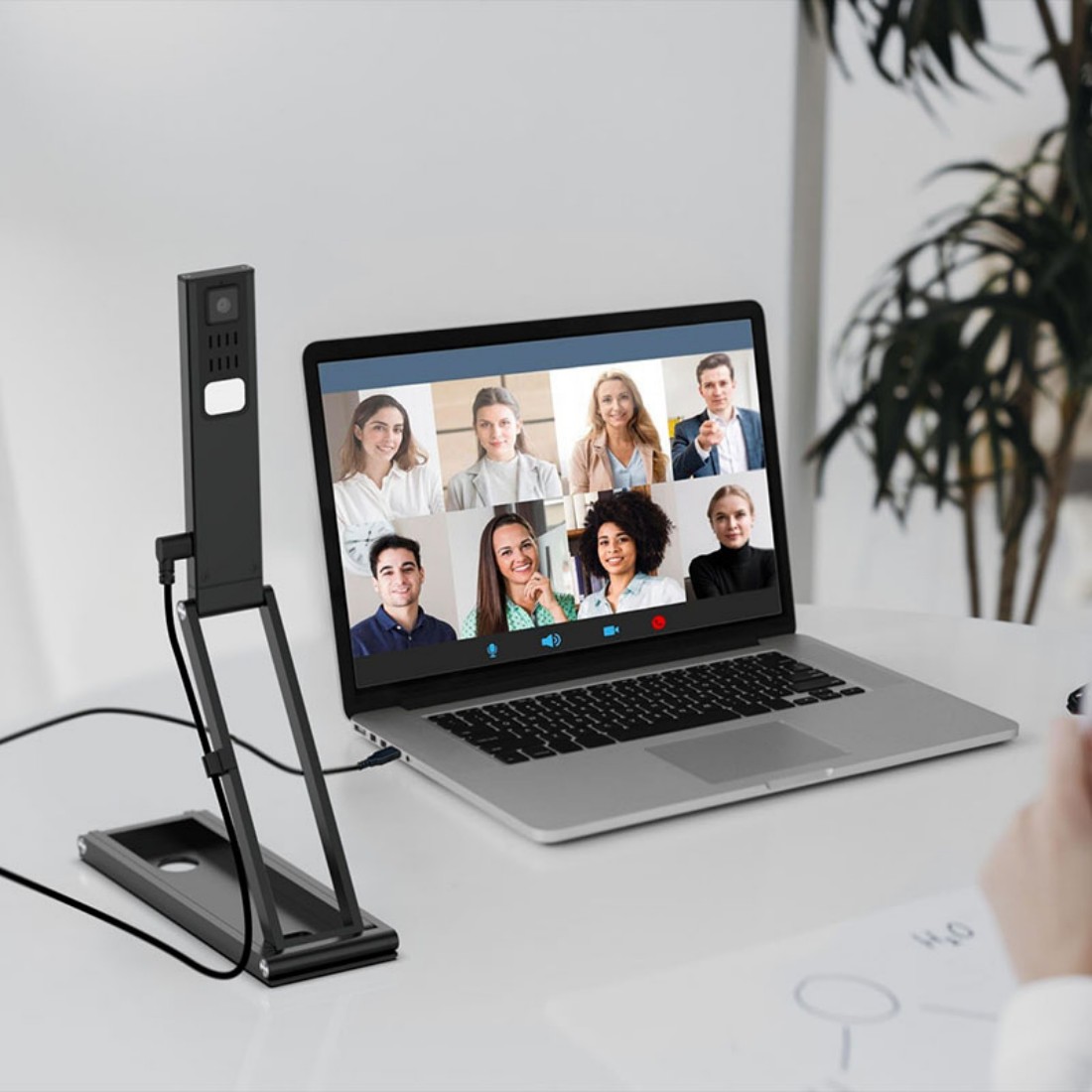
A3 4K Visual Presenter Document Camera with USB Interface for School Training Teaching Meetings Featuring Webcam Function
- 4K visual presentation
- USB interface with webcam function
- A3 capture area for teaching and meetings
- Useful for hybrid classroom and training rooms
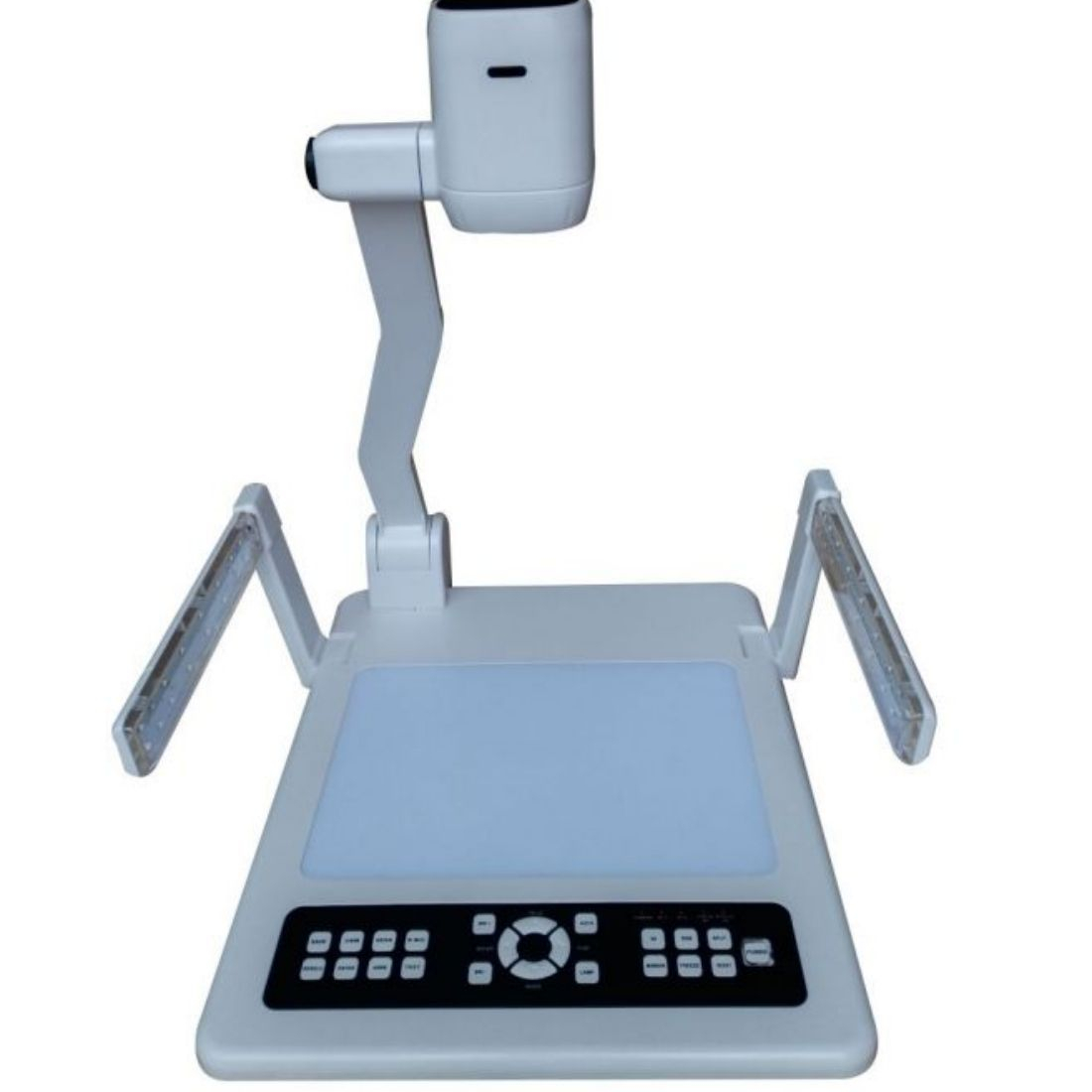
Factory 22X Optical Zoom Desktop VGA HD MI Audio Interface High Resolution Document Camera Visualizer
- 22X optical zoom for close detail
- VGA and HDMI output
- Audio interface for meeting rooms
- Desktop visualizer for live presentation
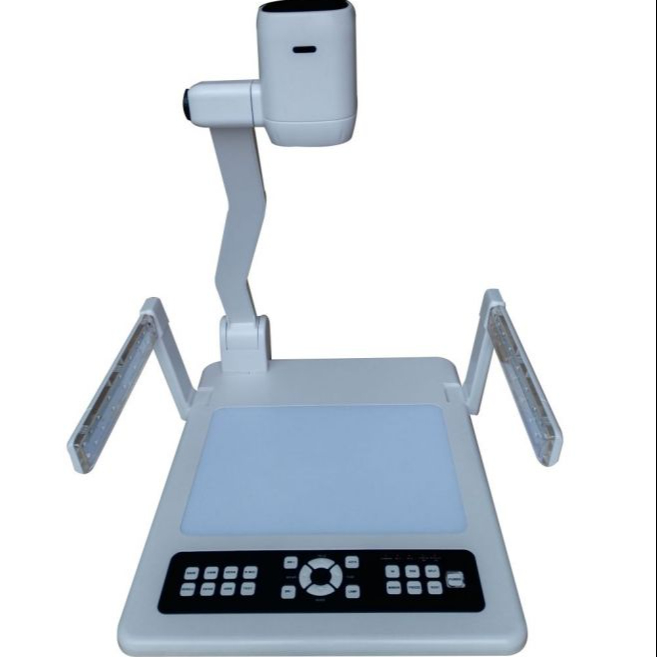
Factory Desktop Document Camera Visualizer 22X Optical Zoom with Interface HD MI RS232 Audio Mic Video
- 22X optical zoom with multiple interfaces
- HDMI, RS232, audio and video output
- Desktop form factor for fixed installations
- Suitable for OEM and systems integration
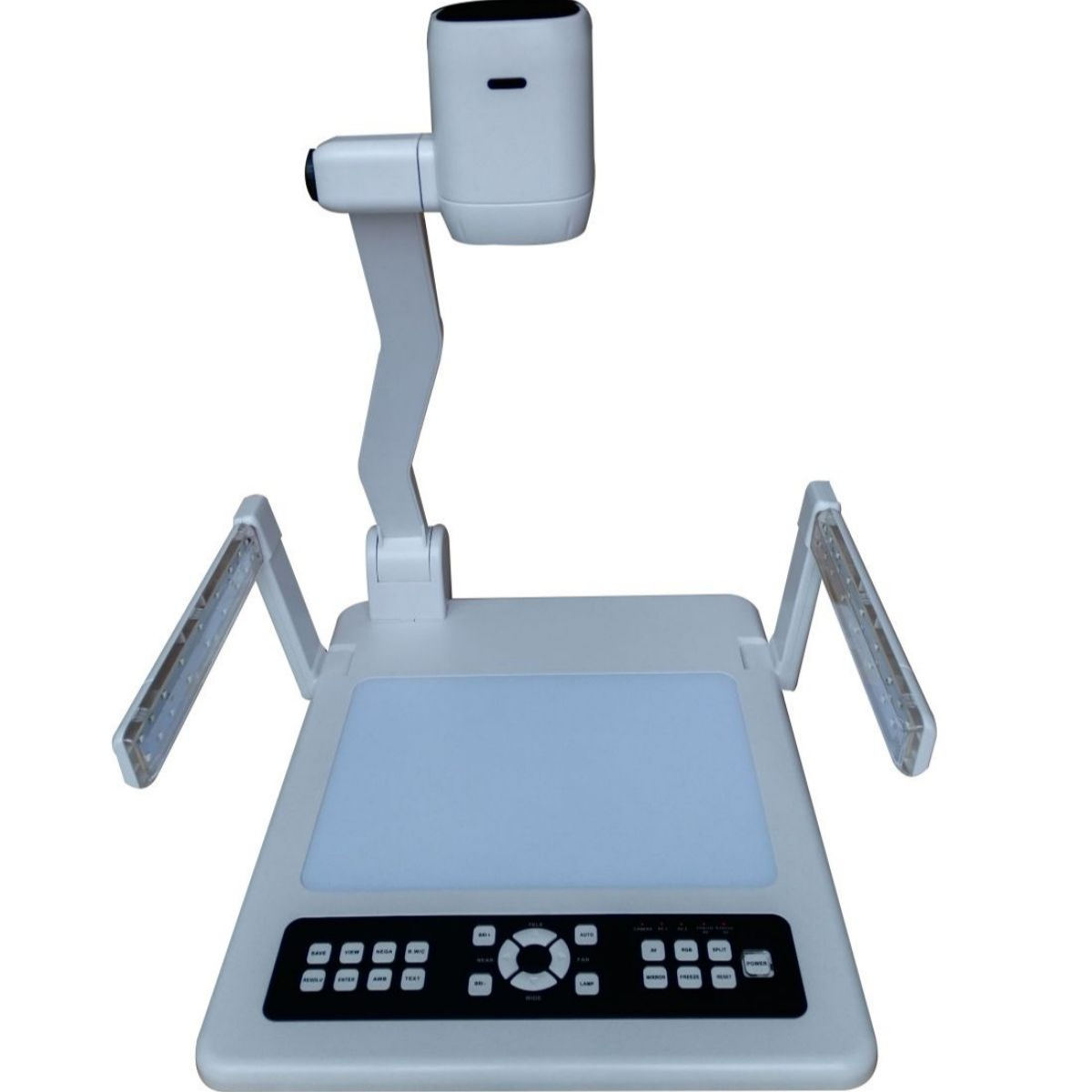
HD Optical Zoom Visual Presenter 1/3" CMOS Sensor 1-Year Warranty OEM Brand GUA Origin Professional Document Camera VGA RS232
- 1/3" CMOS imaging sensor
- Optical zoom visual presenter
- VGA and RS232 interfaces
- OEM brand and 1-year warranty
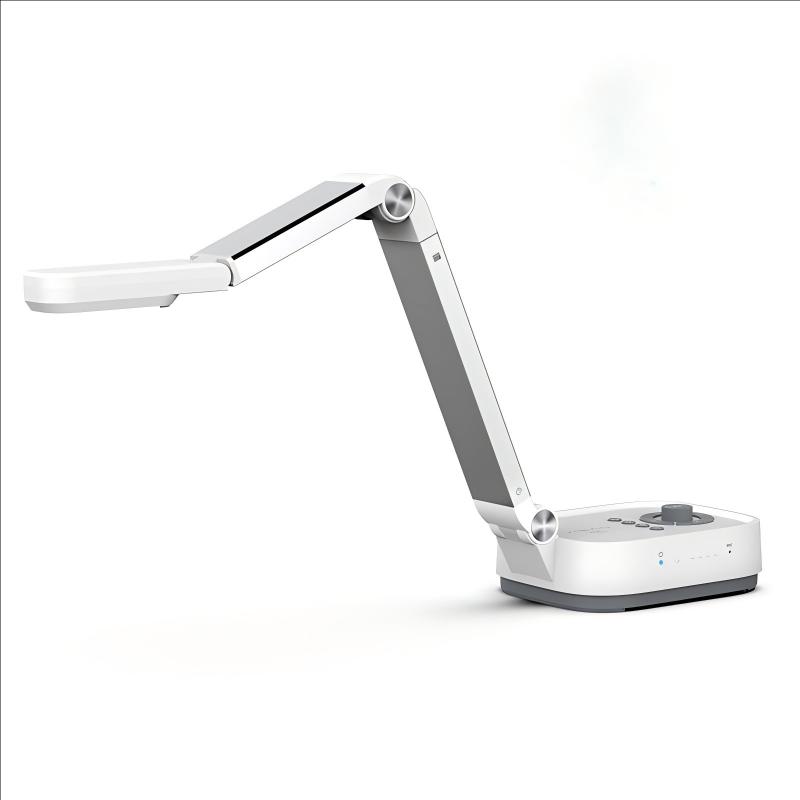
16MP 3D Desktop Visualizer Document Camera with Microphone 120X Zoom /VGA A3 Scan Size LED Light & Foldable for Education
- 16MP capture and 120X zoom range
- A3 scan size with LED lighting
- Built-in microphone
- Foldable design for classroom storage
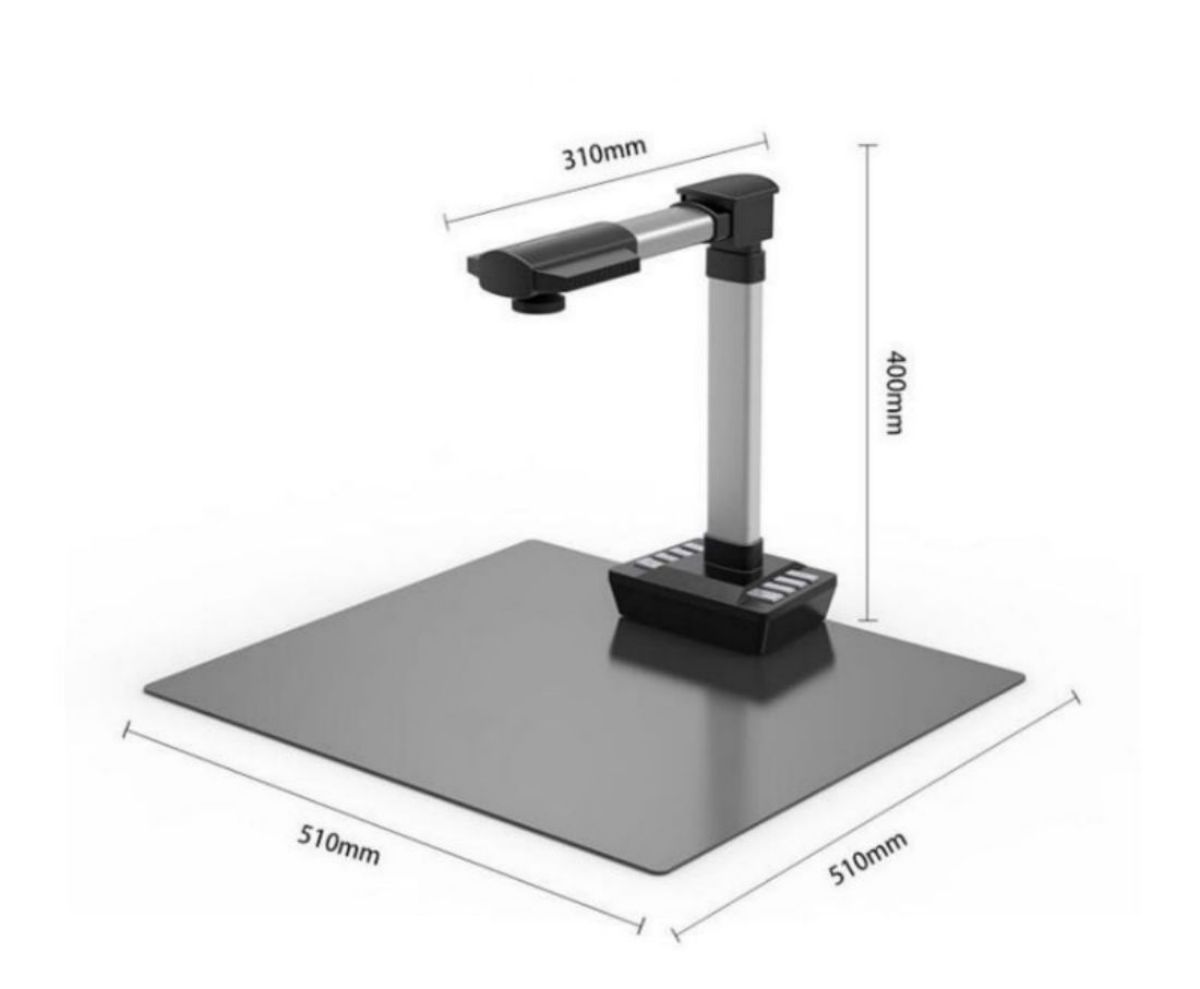
Portable 20MP High-Speed Wireless A3 Document Scanner Professional Book Scanner Foot Pedal USB Interface 24-Bit Color Stock
- 20MP high-speed A3 scanning
- Wireless and USB interface
- Foot pedal for hands-free page capture
- 24-bit colour output
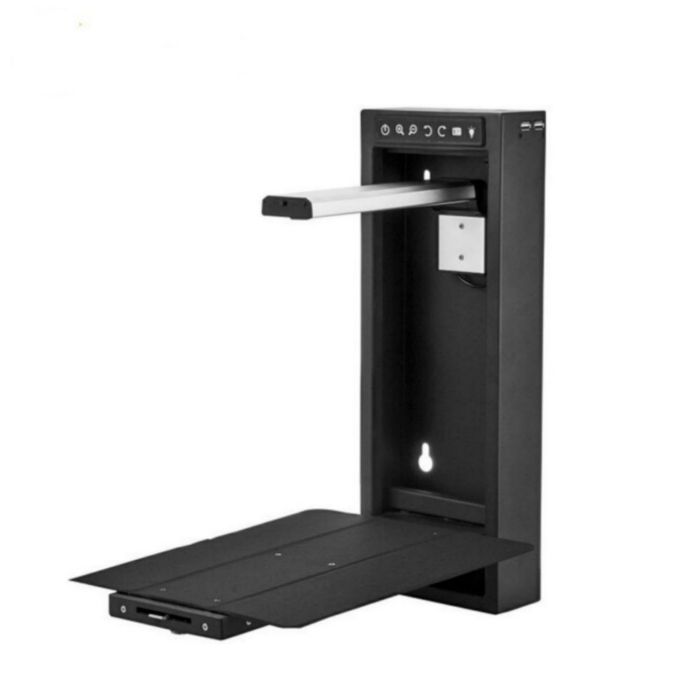
A4 Black USB 5V High-Speed 10MP High-Resolution Document Scanner Wall-Mountable OEM 24 Bit SDK 1-Year Warranty Education Stock
- 10MP high-resolution A4 capture
- USB 5V power and wall-mountable design
- 24-bit colour and SDK availability
- OEM support with 1-year warranty
Product images are displayed in full with contain-fit presentation. Final specifications, MOQ, power adapter and accessory scope are confirmed in the quotation.
Where planetary scanning and visual presentation earn their place in Denver
These scenarios reflect the document types, facilities and compliance conversations that appear repeatedly in Denver-area procurement and integration projects.
Libraries, archives and special collections
Denver Public Library branches, university special collections, historical societies and museum archives handle bound volumes, newspapers, photographs and maps. A2 and A3 overhead capture reduces stress on bindings while producing searchable PDFs and preservation-quality image files.
City, county and state records teams
Denver, Aurora, Lakewood, Golden, Centennial and surrounding counties manage permits, minutes, case files and correspondence. Reviewable image quality, OCR accuracy, consistent file naming and audit-friendly workflows matter for Colorado Open Records Act responses and internal records policies.
Higher education and K-12 classrooms
CU Denver, University of Denver, MSU Denver, Denver Public Schools and corporate training teams use visual presenters for live demonstration. 4K and 22X optical zoom models support textbook close-ups, science demonstrations and hybrid lessons without a dedicated camera operator.
Legal, title and real estate documents
Law firms, title companies and land professionals work with plats, deeds, discovery binders and site photographs. A3/A2 capture and OCR help create searchable case files while keeping original documents away from flatbed glass and high-contact handling.
Energy, engineering and aerospace supply chains
Technical manuals, engineering drawings, safety records and inspection packets can exceed A3. A2 overhead scanners handle folded plans and large-format documents, while document cameras support supplier training, remote quality reviews and engineering change communication.
Healthcare, clinics and administrative offices
Patient intake forms, insurance packets and administrative records require controlled handling. Overhead scanners and A4 wall-mountable units can digitize loose paperwork; buyers should validate HIPAA processes, data retention and IT security requirements with their own compliance team.
Denver market trends shaping custom OEM scanner demand
Local demand is moving toward workflow-specific imaging, not one-size-fits-all hardware. These four trends are especially relevant to importers, resellers and end users in the Denver metro.
Faster public-response workflows
Colorado public records expectations continue to pressure agencies to retrieve, redact and release information faster. OCR-ready scanning helps create searchable archives, but buyers must also plan indexing, retention and review procedures.
Visual presenters remain a classroom staple
Denver school districts and universities need simple live demonstration tools that work with projectors, displays and video-conferencing platforms. 4K resolution and optical zoom are more useful than software-only magnification.
Compact digitization for offices and clinics
Downtown offices, suburban clinics and satellite records rooms often lack space for large flatbed systems. Desktop overhead scanners and wall-mountable A4 units let teams digitize close to where documents are handled.
Integrators need brandable hardware
Denver-area AV integrators, archival service bureaus and software vendors want hardware that can carry their brand, packaging and SDK workflow. Custom OEM supply helps them avoid competing only on commodity price.
How to calculate the right resolution for Denver A2 and A3 projects
Start with the page size and the required output quality. Then compare sensor resolution, optical resolution and software interpolation.
Resolution is not a marketing badge. It is a relationship between the page, the pixel count and the intended use. For a rough calculation, multiply the page width and height in inches by the target dots per inch. A 300 dpi archival master requires far more pixels than a 200 dpi OCR copy for on-screen reading.
For an A3 page at 300 dpi, you need about 3508 × 4961 pixels, or 17.4MP. An 18MP or 24MP scanner is a sensible starting point. An A2 sheet at 300 dpi needs about 4961 × 7016 pixels, or 34.8MP. A 48MP A2 model is therefore the more appropriate choice for preservation masters, while a 21MP A2 model may still be acceptable for OCR, access copies or lower-resolution workflows.
Send a sample page from your own collection—not a perfect studio test chart alone. Ask for native optical resolution, lighting uniformity, edge sharpness, OCR examples and file output samples. Confirm whether the quoted resolution is native sensor resolution or software-upscaled output.
| Document size | Pixels at 300 dpi | Recommended sensor | Typical Quibow match |
|---|---|---|---|
| A4 210 × 297 mm | 2480 × 3508 ≈ 8.7 MP | 10 MP or higher | 10MP A4 USB scanner; dual-lens capture options |
| A3 297 × 420 mm | 3508 × 4961 ≈ 17.4 MP | 18–24 MP | 18MP portable OCR scanner; 24MP overhead book scanner |
| A2 420 × 594 mm | 4961 × 7016 ≈ 34.8 MP | 48 MP for ≈300 dpi masters | Dual 48MP A2 overhead scanner; 48MP A2 archive scanner |
| Photos & art | 600–2400 dpi optical | Flatbed, 48-bit colour | 1200 / 2400 DPI A3 flatbed scanners |
CIS, CMOS or CCD: matching the imaging platform to the Denver workflow
Quibow works across three imaging platforms. Each has a clear strength, and the right choice depends on the document, volume and output requirement.
CIS contact image sensor
A slim linear sensor that reads the page at close range. It is compact, low power and efficient on sheet-fed paths, making it suitable for high-volume office batches.
- Best for
- Invoices, contracts, administrative batches and ADF scanning
- Typical model
- S2060W ADF scanner, 60 ppm duplex
CMOS area sensor
Captures the whole page in one shot from above, so books do not need to be pressed flat. Software can flatten curves, deskew pages and support OCR to searchable PDF.
- Best for
- Bound books, newspapers, live teaching, counter capture and planetary scanning
- Typical models
- 18MP–48MP overhead book scanners and 4K visual presenters
CCD linear sensor
A moving optical carriage with greater depth of field and stable colour reproduction. It tolerates slightly raised originals and is well suited to bookedge and art-focused flatbed work.
- Best for
- Photos, artwork and bookedge scanning without spine shadow
- Typical model
- Zero-margin bookedge flatbed scanner, 600 dpi
From Denver requirement to delivered OEM scanner program
A transparent five-step process helps procurement, IT and operations teams understand what happens after the first inquiry.
Requirement review
Document size, binding type, daily volume, operating system, OCR needs and output formats are confirmed, usually within one hour during business hours.
Model matching
We recommend the imaging platform and resolution class, then provide sample scans or video demonstrations where available.
Customization
Logo, packaging, housing colour, capture-software branding, OCR language and SDK integration are scoped on selected models.
Quality inspection
Each unit is checked for focus, lighting uniformity, driver installation and capture speed before export packing.
Shipping & support
Export packing, documentation and remote setup support are coordinated. Listed models carry a 1-year warranty with remote technical support.

Why Quibow is a practical OEM/ODM partner for Denver importers
Guangzhou Quibow Electronic Co., Ltd. is a Guangzhou-based imaging equipment supplier established in 2020. The company develops and supplies photoelectric information equipment—book scanners, A2/A3 document scanners, flatbed scanners, document cameras and ID card recognition cameras—on CIS, CMOS and CCD imaging platforms.
The business covers product design and development, production coordination, export sales and after-sales support. For Denver buyers, the advantage is not a local warehouse claim; it is a focused export workflow, English communication, model-matching support and the ability to customize hardware and software for a defined channel or project. We are transparent about being a Guangzhou-based supplier and exporter, not a Denver factory. Buyers should confirm lead times, certifications, power adapters and service scope in the quotation.
- Business type
- Trading company, onsite checked
- Location
- Guangzhou, Guangdong, China
- Year established
- 2020
- Main markets
- Eastern Europe, North & South America
- Annual revenue
- US$1M – US$2.5M
- Team
- 5–10 dedicated specialists
- Response performance
- ≤1h average, 100% response rate
- Buyer reorder rate
- 27% platform-reported
- Warranty
- 1-year on listed models, remote support
Most stock book scanners, A2 large-format scanners and flatbed scanners start from 1 piece or 1 set. Several document camera models start from 2 pieces. OEM/ODM quantities are confirmed per project. Payment terms include T/T, L/C, PayPal and Western Union; delivery terms include FOB, EXW and DDU.
Records Denver procurement teams can check independently
Trust should be verifiable. These records are maintained by Alibaba.com, not by Quibow alone, and can support initial vendor screening.
Supplier Assessment
Onsite check confirming business premises and legal status.
View assessment recordVerification records support initial due diligence. For Denver public-sector or regulated deployments, request current certificates, power adapter specifications, test reports and contract terms before purchase.
Common questions from Denver importers and end users
Practical answers on shipping, MOQ, compatibility, resolution, warranty and OEM customization.
Can you ship a custom OEM planetary scanner to Denver, Colorado?
Yes. We export to North America and other regions. Shipping is typically quoted FOB, EXW or DDU. Denver buyers should confirm Incoterms, customs clearance, duties, power adapter, plug type and delivery address before ordering. Because the supplier is based in Guangzhou, freight and import clearance form part of the landed cost.
What is the minimum order quantity for OEM branding?
Most stock book scanners, A2 large-format scanners and flatbed scanners start from 1 piece or 1 set. Several document camera models start from 2 pieces. OEM/ODM quantities vary by logo, packaging, housing colour, software branding and SDK scope, so confirm each project in writing.
Are the scanners compatible with Windows and macOS?
Many models, including A2 large-format scanners and the 1200 DPI A3 flatbed, support Windows and macOS; some are verified on Apple M1 Macs. Ask for the current compatibility list and a driver/software test before shipment. For school district or government IT, validate security and deployment requirements separately.
Which model should a Denver archive choose for bound newspapers or large maps?
For A2 newspapers, maps and broadsheets, start with a 48MP A2 overhead model. For fragile books up to A3, an 18–24MP overhead scanner may be enough for OCR and on-screen reading, while a 48MP A2 model is better for 300 dpi archival masters. Request sample scans using your own document before finalizing.
How do we verify A3 or A2 resolution at 300 dpi?
An A3 page at 300 dpi needs about 3508 × 4961 pixels, or roughly 17.4MP. An A2 page needs about 4961 × 7016 pixels, or roughly 34.8MP. Choose an 18–24MP device for A3 and a 48MP class device for A2 archival masters. Ask for native optical or sensor resolution and test-target scans, not only interpolated output.
What warranty and after-sales support are available from Colorado?
Listed models such as the A3 flatbed scanners, A2 overhead scanners and the S2060W ADF scanner carry a 1-year warranty, backed by remote technical support. Confirm spare-parts availability, RMA process, return address and response-time expectations before ordering. Onsite service in Denver should not be assumed unless it is specified in the contract.
Can you provide sample scans, SDK documentation and Denver-compatible power adapters?
Sample scans can be requested for selected models, and SDK integration is available on selected products. For Denver deployment, specify 110–120V/60Hz power adapters and plug type, plus any UL/ETL or other compliance documentation required by your organization. Certification scope is confirmed per product and order.
What payment methods and delivery terms are accepted?
We accept T/T, L/C, PayPal and Western Union in USD, EUR, HKD or CNY, with FOB, EXW and DDU delivery terms. For first orders, request a proforma invoice that separates product cost, packaging, freight, insurance, duties and customization charges.
Send your Denver document profile—get a model shortlist and sample-scan plan
Share document sizes, daily volume, binding type, OCR languages, Windows/macOS environment, warranty expectations and target delivery date. Our team will return a recommended planetary scanner or document camera configuration, MOQ, lead time, shipping options and next-step questions.
Guangzhou Quibow Electronic Co., Ltd. · Room 504, No. 5 Zitan Second Street, Guangzhou, Guangdong, China · OEM/ODM imaging equipment exporter serving the Denver market.