Custom OEM HD Visual Presenter Supplier & Wholesaler in Tijuana
Document cameras, visualizers and overhead scanners for bilingual classrooms, maquiladora training rooms, clinics, government counters and archive projects across Baja California.
8 HD Visual Presenter & Document Camera Models for OEM Programs
These eight models cover classroom visualizers, 4K document cameras, wall-mounted scanners, optical-zoom presenters and A3/A2 overhead capture. Product links and image URLs are preserved for direct specification review.
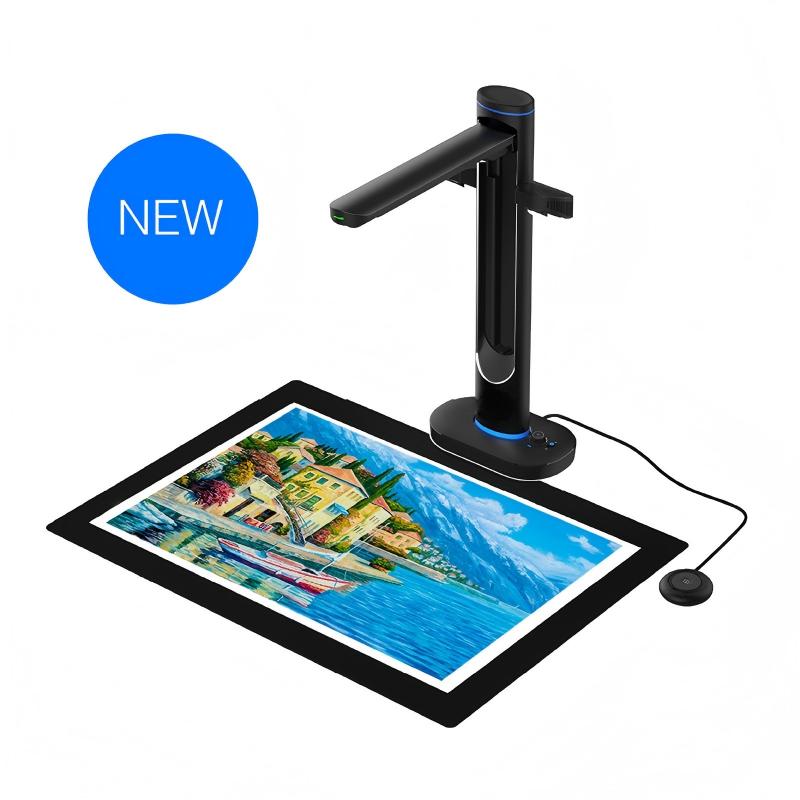
A2 Large Format Book Scanner Dual 48MP CMOS Sensors High-Speed Desktop Overhead Scanner for Windows & MacOS
- Two 48MP CMOS sensors
- A2 desktop overhead capture
- Windows and macOS workflow
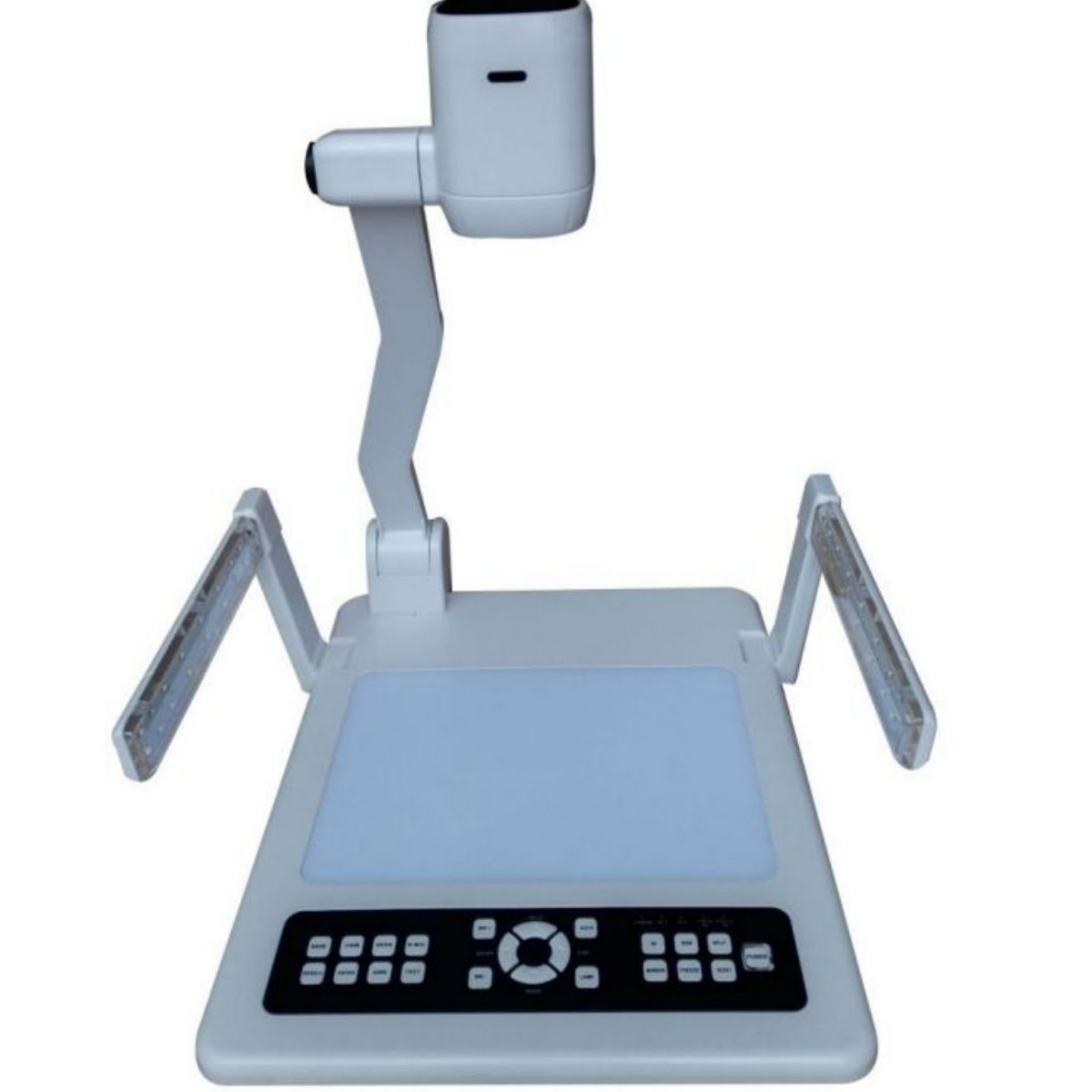
Multi-functional Document Camera Professional in Visual Presenter Also Visualizer in Educational Equipment
- Visual presenter and visualizer use
- Classroom projection workflow
- Flexible document display
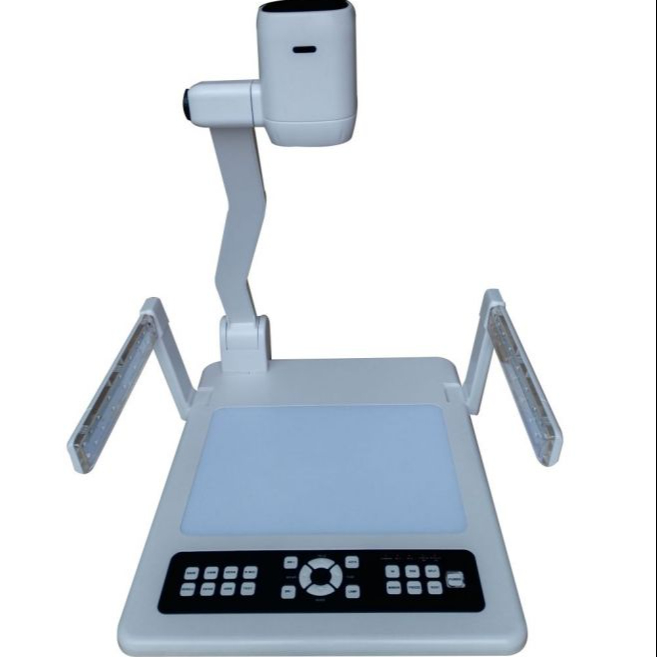
Factory Desktop Document Camera Visualizer 22X Optical Zoom with Interface HD MI RS232 Audio Mic Video
- 22x optical zoom lens
- HDMI, RS232 and audio interfaces
- Desktop presenter format
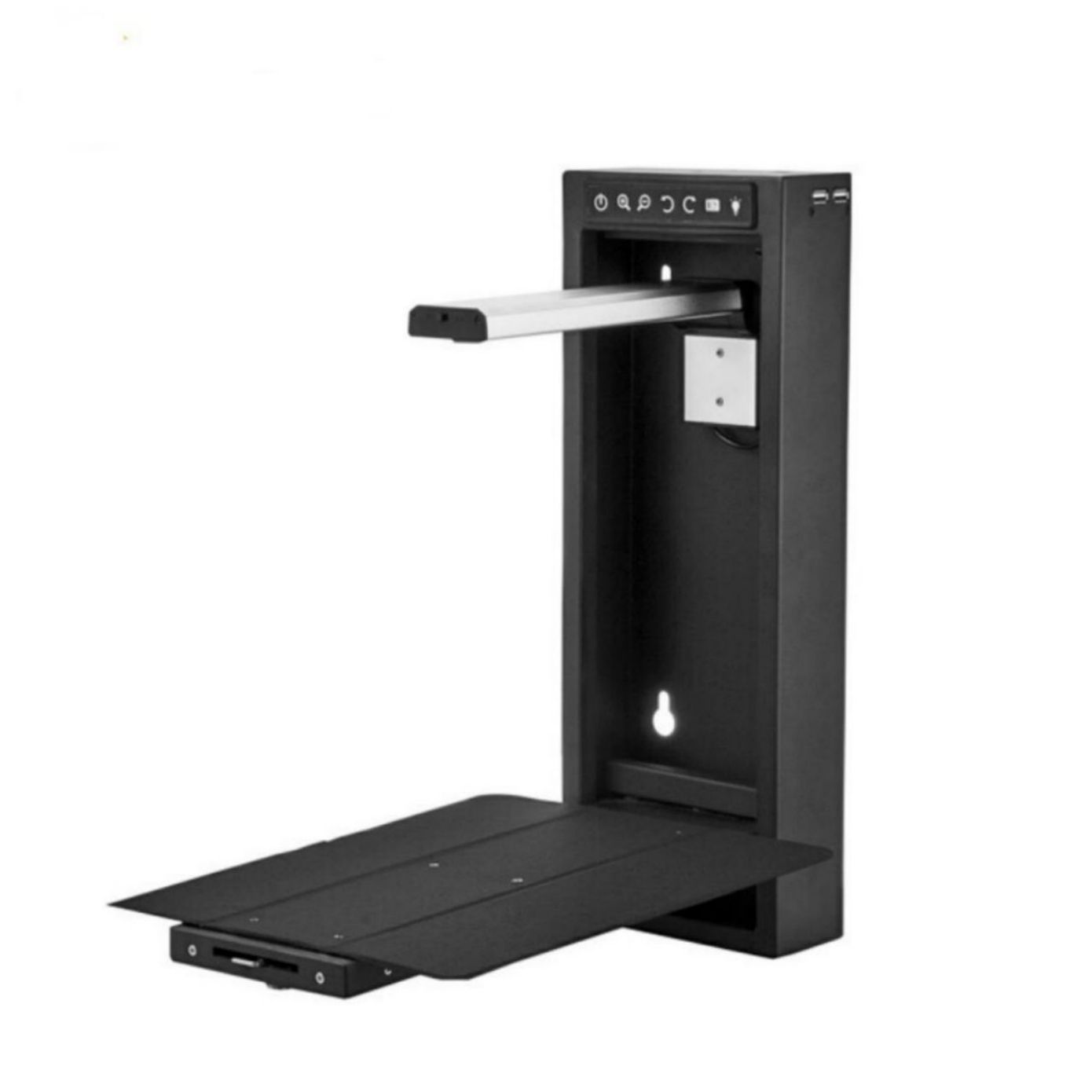
10MP USB CMOS Document Camera Wall Mount Scanner with 1-Second Scan Speed 1-Year Warranty in Stock Classroom Education A4 SDK
- 10MP USB CMOS sensor
- 1-second scan speed
- A4 capture and SDK support
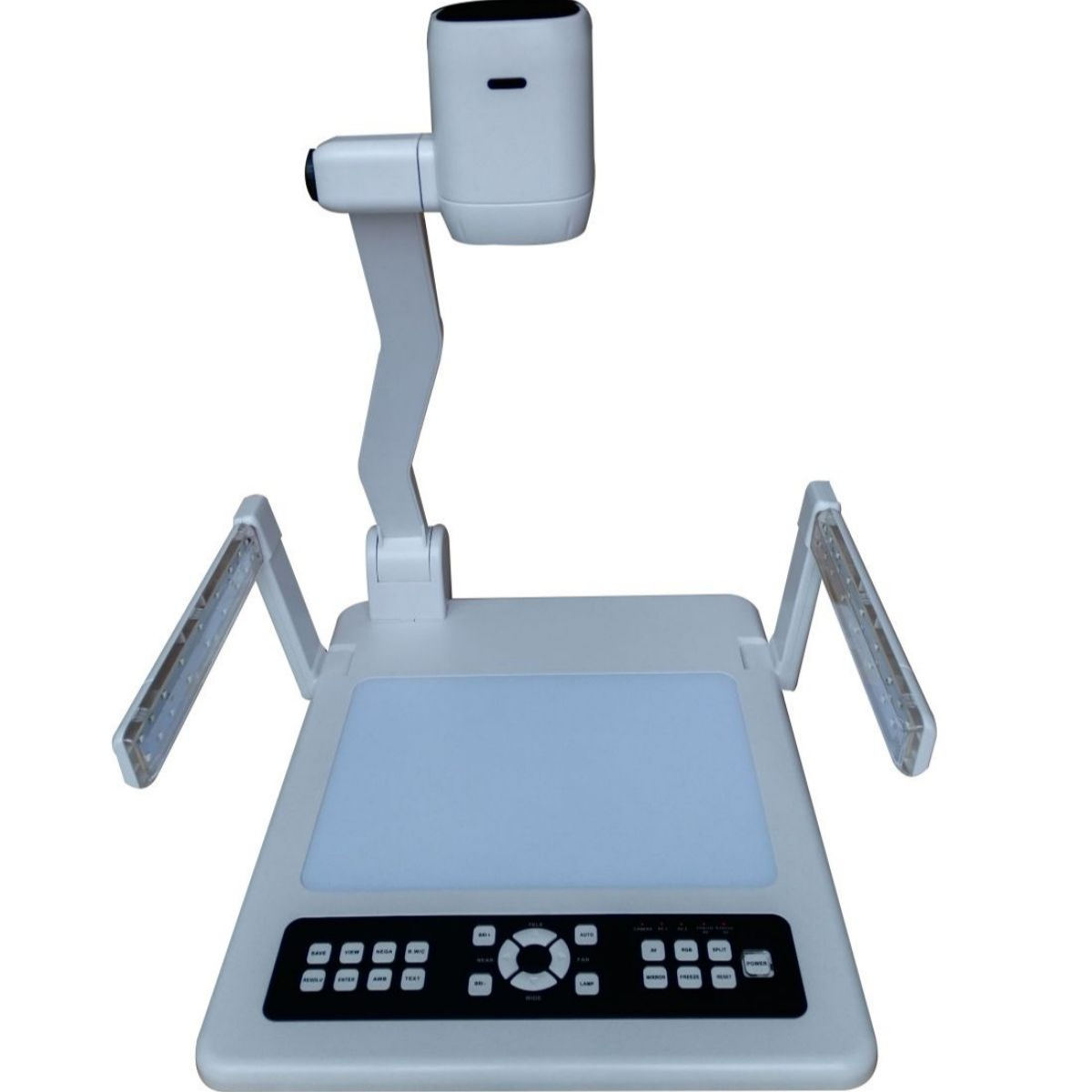
HD Optical Zoom Visual Presenter 1/3" CMOS Sensor 1-Year Warranty OEM Brand GUA Origin Professional Document Camera VGA RS232
- HD optical zoom
- VGA and RS232 output
- OEM brand support
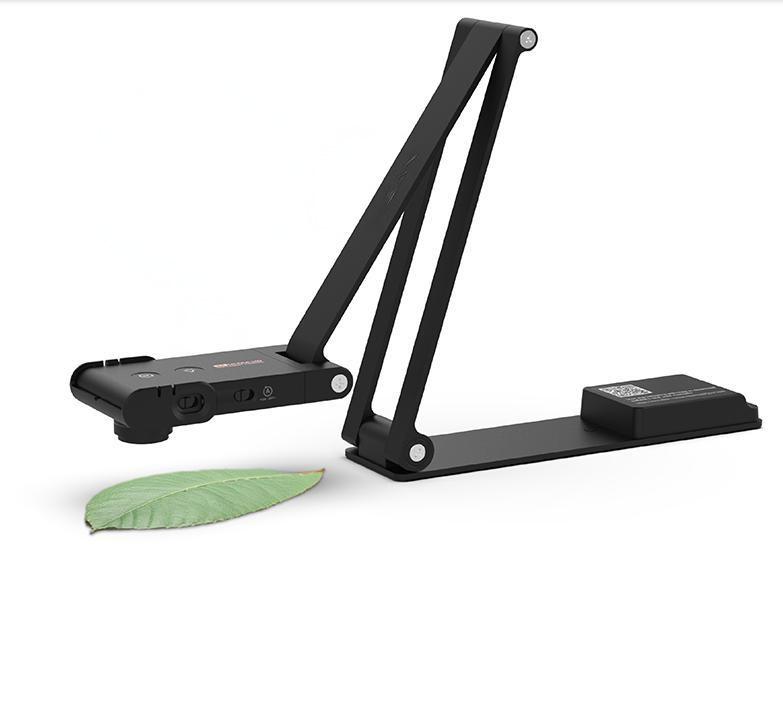
4K 2-in-1 USB 13MP Document Camera Visualizer AI Noise Cancellation 20X Macro Lens Foldable Design Microphone A3 Max 1-Year
- 4K 13MP capture
- AI noise cancellation
- 20x macro and foldable A3 design
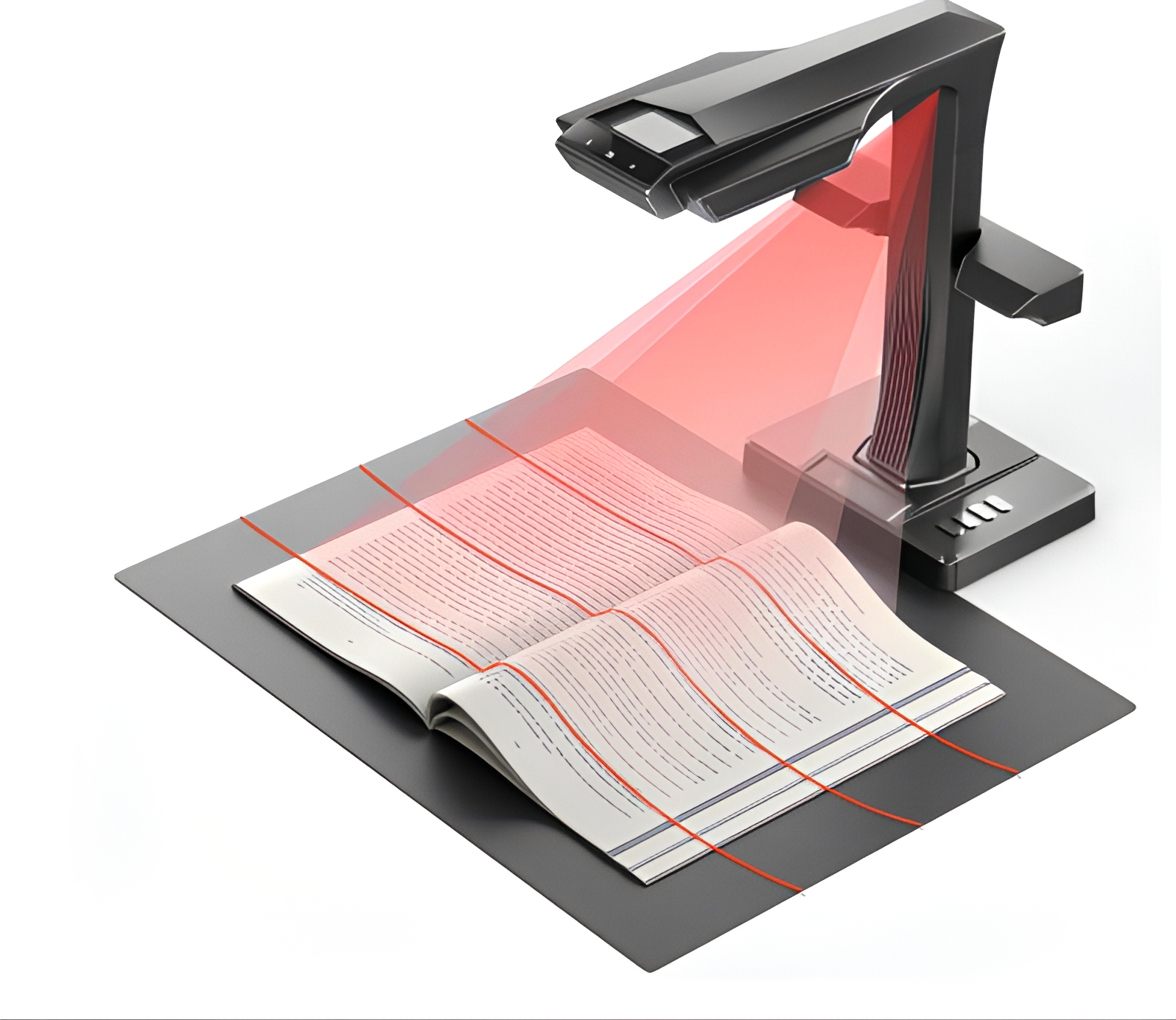
Book Scanner 38MP A3 Document Camera Auto Curve Flattening High Speed Overhead Scanner for Library Office
- 38MP A3 overhead capture
- Auto curve flattening
- Library and office digitization
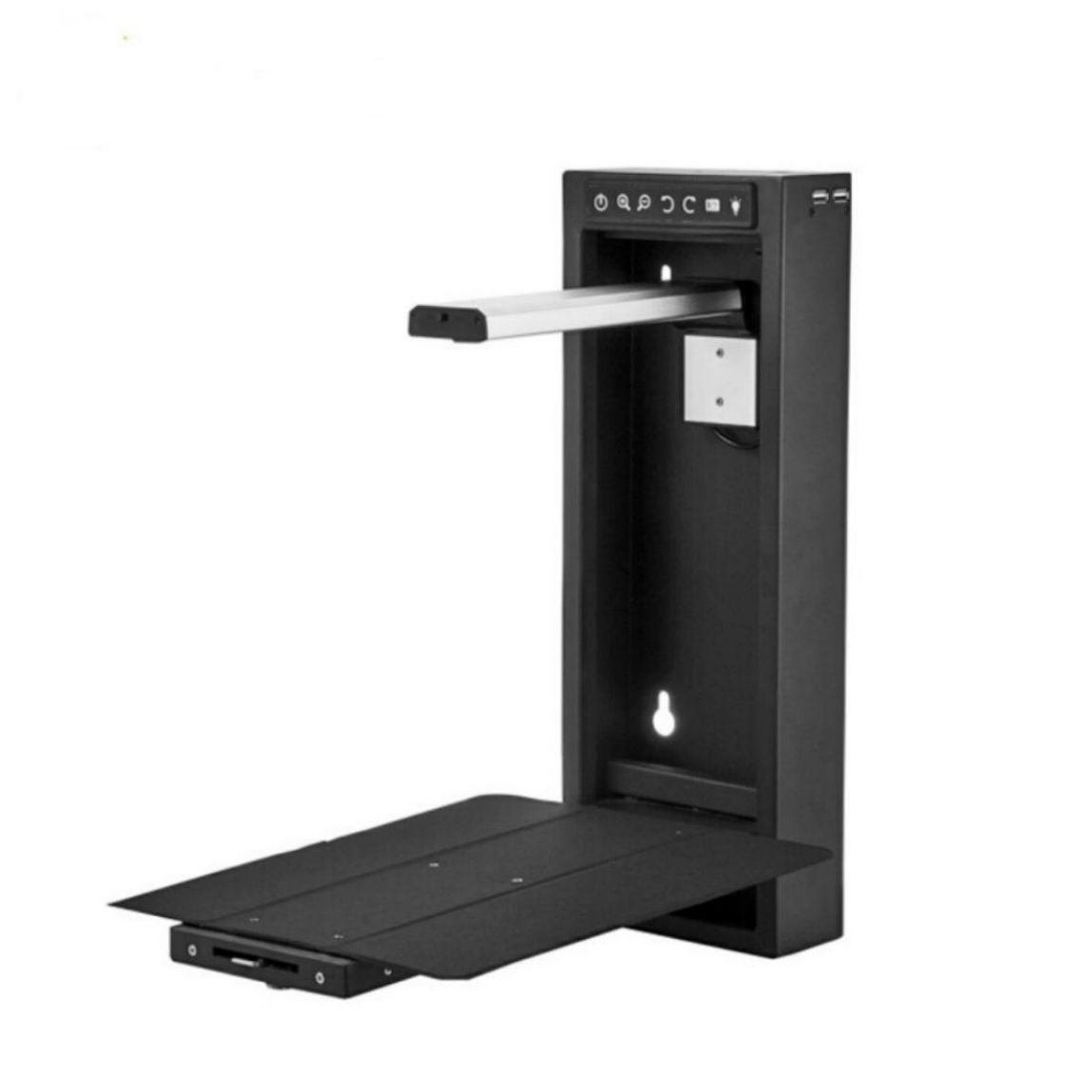
USB Interface Wall-Mounted A4 Visualizer OCR Document Scanner CMOS Sensor 10MP Resolution SDK Included Black 1-Year Stock
- 10MP CMOS resolution
- USB interface and SDK
- OCR support and 1-year warranty
Why Tijuana Buyers Use a Specialist HD Visual Presenter Wholesaler
Tijuana is not only a retail market. It is a cross-border operations hub for education, medical-device manufacturing, electronics, automotive suppliers, customs brokerage, public services and logistics. In these environments, an HD visual presenter is often specified where a flatbed scanner is too small, too slow or too invasive for the object being shown. A teacher needs to magnify a textbook page during a bilingual lesson. A trainer needs to show a connector, label or controlled work instruction to a shift without passing a single sample around the room. A government counter needs to capture an ID, form or permit in one second. A library needs to digitize a bound volume without pressing the spine flat.
For B2B buyers in Tijuana, the real procurement question is not “which camera has the highest number?” It is which sensor, lens, output, software, voltage, language support, packaging and warranty configuration fits the workflow that the buyer must support after import. Quibow supports distributors, system integrators, school groups and corporate procurement teams with OEM/ODM visual presenters and overhead scanners built on CMOS, CIS and CCD imaging platforms. From Guangzhou, we coordinate product selection, sample validation, branding, export packing and after-sales communication for buyers serving North America, Eastern Europe and South America.
This guide is prepared by the Quibow OEM imaging team for Tijuana-focused procurement. It is written to help buyers compare models with fewer assumptions, ask better questions before a purchase order, and separate live-presentation performance from archival still-image resolution. Where a figure depends on the final model, we identify it as something to confirm in the quotation rather than treating it as universal.
Information gain: five variables that decide the right visual presenter
First, capture area: A4, A3, A2 or a custom bench area. Second, optical versus digital zoom: optical zoom preserves detail; digital zoom enlarges an existing image. Third, output and control: HDMI, VGA, USB, RS232, microphone input, remote control or SDK. Fourth, lighting and focus: LED illumination, macro focus and low-light behavior matter more than a headline resolution in many training rooms. Fifth, cross-border support: Spanish/English operator materials, adapter rating, packing method, warranty terms and spare-parts communication. A visual presenter that looks impressive in a catalogue but cannot be integrated into the room, counter or line-side station creates rework after import.
Match the HD Visual Presenter to the Tijuana Workflow
Start with the use case, not the model number. The same buyer may need a 4K classroom visualizer, a wall-mounted A4 scanner for a service counter, and a 38MP overhead scanner for an archive.
Classroom and hybrid teaching
Choose a 22x optical zoom visual presenter or 4K 13MP foldable document camera with HDMI/VGA output, microphone support and remote control. Optical zoom is valuable for reading small text, showing math derivations, displaying lab objects and switching between a full page and a close-up without moving the camera.
Factory, quality and counter stations
Use a wall-mounted 10MP A4 scanner or a USB/HDMI desktop visualizer for line-side work instructions, ID checks, serial-number capture and customs paperwork. Confirm mounting height, focus range, SDK/RS232 availability and whether the station needs a foot pedal, mouse control or one-second capture.
Library, archive and large-format work
Specify a 38MP A3 overhead book scanner or dual 48MP A2 book scanner when curvature, page size and OCR matter. Auto curve flattening, frame detection, finger removal and searchable PDF export reduce manual post-processing. For A2 newspapers, maps and drawings, 48MP is the safer archival master than a 21MP model.
| Document size / use case | Pixels needed at 300 dpi | Recommended capture class | Buyer note |
|---|---|---|---|
| A4 210 × 297 mm |
2480 × 3508 ≈ 8.7 MP |
10MP or higher | A4 wall-mounted or counter camera is usually sufficient; confirm focus height and lighting. |
| A3 297 × 420 mm |
3508 × 4961 ≈ 17.4 MP |
18–24MP for archival stills | 4K video output is 3840 × 2160 and is ideal for projection, but it is not the same as 300 dpi A3 still capture. |
| A2 420 × 594 mm |
4961 × 7016 ≈ 34.8 MP |
48MP A2 recommended | For newspapers, maps and engineering drawings, request a sample scan at the required output size. |
| Bound books curved pages |
Depends on page size | 38MP A3 or dual 48MP A2 | Auto curve flattening, page splitting and OCR are often more important than megapixels alone. |
Engineer’s note: a 21MP camera covering a full A2 sheet delivers roughly 225–240 dpi, which may be acceptable for OCR and on-screen reading. If the tender, archive policy or compliance team requires 300 dpi at A2, specify a 48MP model or confirm the exact crop area before ordering.
HD Visual Presenters in Tijuana and Baja California Workflows
The best configuration changes by room, desk, bench and archive. These are the patterns Quibow sees in cross-border OEM discussions with distributors, integrators and end users.
Bilingual K-12 and university classrooms
Teachers can display textbooks, worksheets, lab samples and Spanish-English materials on a projector or interactive display. A 22x optical zoom presenter or 4K 13MP foldable camera helps when students need to see small print, formulas or component labels without crowding the desk.
Maquiladora training and line-side instructions
Medical-device, electronics and automotive suppliers need repeatable visual training for operators, auditors and visitors. A wall-mounted 10MP camera or foldable 4K visualizer can show controlled documents, connectors and inspection points in real time. SDK and RS232 options matter when the camera must work with room control or custom software.
Government, notary and customs counters
Service counters can capture IDs, permits, forms and shipping paperwork quickly. Wall-mounted A4 scanners save desk space, while desktop visual presenters provide flexible viewing angles. For high-volume counter projects, confirm one-second capture, OCR support, image export format and privacy procedures before deployment.
Clinic administration and healthcare training
Clinics and training centers can use document cameras to display forms, vaccination cards, equipment labels and administrative procedures. They are not a substitute for diagnostic imaging. For healthcare settings, buyers should review disinfection routines, cable management, privacy rules and whether the camera is used for non-clinical training only.
Libraries, archives and local history
Bound books, newspapers, maps and fragile records need non-contact capture. Overhead A3/A2 scanners with auto curve flattening reduce stress on bindings and speed up digital collection projects. For Spanish-language OCR, confirm the recognition language pack and test a representative page before the full order.
3PL, e-commerce and repair benches
Cross-border logistics teams and repair shops can show product labels, serial numbers, warranty cards and step-by-step repairs to remote colleagues. A 4K camera with macro lens, LED lighting and microphone support is useful when a still image is not enough and a live demonstration is required.
Tijuana Procurement Trends Affecting Visual Presenter Demand
Nearshoring, hybrid education, audit-ready documentation and OEM differentiation are changing how Tijuana buyers specify document cameras and overhead scanners.
1. Nearshoring increases technical training
As North American supply chains expand in Baja California, plants need fast, repeatable visual documentation for onboarding, standard work, quality alerts and audits. A camera that can show a component or controlled document clearly can reduce travel and language friction.
2. Hybrid classrooms need simple live capture
Schools are updating classrooms with projectors, displays and video conferencing. Buyers increasingly ask for HDMI, VGA, USB, remote control and microphone support in one device. Spanish/English operating materials are a practical evaluation point, not an afterthought.
3. Paper-to-digital compliance continues
Customs, HR, quality and public-service teams still handle paper. OCR, searchable PDF, consistent lighting and one-second capture help convert documents into usable records. Resolution must be matched to document size and archive policy.
4. Distributors want OEM differentiation
Local distributors and integrators ask for logo printing, packaging, housing color, software branding and SDK access. They want a supplier that can discuss MOQ, sample scans, warranty terms and export documents in the same conversation instead of transferring the buyer between departments.
These bars are directional planning weights from typical cross-border visual-presenter RFQs, not third-party market research. They are useful for starting a requirements conversation; final specifications should be confirmed against your own tender, room survey or archive policy.
Why Quibow Is a Practical OEM Partner for Tijuana Buyers
Guangzhou Quibow Electronic Co., Ltd. is a technology-driven supplier focused on image data acquisition and conversion. Our team develops and supplies photoelectric information equipment including high-speed document cameras, book scanners, flatbed scanners and ID card recognition cameras. We work across CIS, CMOS and CCD imaging platforms, covering product design, development coordination, production follow-up, export sales and after-sales support.
For Tijuana buyers, that breadth matters because a single supplier can discuss a classroom visualizer, a wall-mounted A4 scanner and an A2 overhead book scanner without forcing every requirement into one model. We support OEM/ODM projects with logo printing, packaging, housing color, capture-software branding and SDK integration on selected models. We are a Guangzhou-based OEM and wholesale partner, not a local Tijuana storefront; that means clear cross-border communication, sample validation and export documentation are part of the process.
We quote payment methods including T/T, L/C, PayPal and Western Union in USD, EUR, HKD or CNY, with FOB, EXW and DDU delivery terms available where applicable. MOQ depends on the model and customization: many stock book scanners, A2 scanners and flatbed scanners start from one piece or one set, while some document camera models start from two pieces. OEM/ODM quantities are confirmed per project. Listed models carry a 1-year warranty with remote technical support, and final warranty terms are stated on the quotation.
Before a purchase order, buyers should verify the exact configuration: adapter rating, plug type, OSD language, output ports, software compatibility, mounting method, packing dimensions and whether the model is in stock or built to order. That verification step protects both the Tijuana importer and the end user.



From RFQ to Tijuana Delivery: A Six-Step OEM Workflow
The goal is to reduce uncertainty before production starts. Each step creates a document, sample or confirmation that the buyer can review.
Requirement review
Confirm document size, daily volume, viewing distance, room lighting, output ports, software environment and whether the camera is for live display, still capture or both.
Model matching
Match the workflow to sensor, lens and resolution. A classroom may need 22x optical zoom; an archive may need 38MP A3 with auto curve flattening; a counter may need a wall-mounted A4 scanner.
Sample and scan validation
Use sample images, video or a sample order to check text clarity, focus range, lighting uniformity, color, frame rate and export format against the actual document or object.
OEM branding and software
Confirm logo, packaging, housing color, quick-start materials, language support and SDK/RS232 integration on selected models. Changes are quoted and scheduled before production.
Quality inspection and export packing
Check focus, drivers, capture speed, accessories, labels and packing. The commercial invoice, packing list and model information are prepared for the buyer’s broker.
Shipping and after-sales
Ship via air, express or buyer-selected forwarder under the agreed Incoterm. Remote support, warranty communication and spare-parts planning continue after delivery.
Tijuana Buyer Questions Before Ordering an HD Visual Presenter
These are the practical questions that affect samples, customs, classroom fit, OEM timing and after-sales planning.
Can you ship HD visual presenters directly to Tijuana?
Yes. We can quote express, air freight or door-to-door delivery where available, and we also support FOB, EXW or DDU arrangements through the buyer’s forwarder. The buyer or importer remains responsible for Mexican import duties, taxes, customs classification and any product compliance requirements. Before shipment, confirm the broker’s document requirements and whether the selected model needs additional labeling or certification for the intended use.
What is the minimum order quantity for an OEM visual presenter?
Many stock book scanners, A2 scanners and flatbed scanners start from one piece or one set. Several document camera and visual presenter models start from two pieces. OEM/ODM orders with custom logo, packaging, housing color or software branding are confirmed per project because setup work depends on the model and change request. Ask for the MOQ in writing on the quotation.
Can we receive sample scans or a demo unit before ordering?
Yes. For evaluation, we can provide sample images or video and, for qualified projects, discuss a sample order or demo unit. A useful sample should include the exact document type, text size, lighting condition and output format the buyer will use in Tijuana. Sample product cost and freight are quoted separately. For archive projects, test a representative page with small print and a curved binding before committing to a full order.
Do you support Spanish menus, manuals or packaging labels?
Selected models can support Spanish/English operator materials, quick-start guides and packaging labels for OEM programs. On-screen display language depends on the firmware and model, so it must be confirmed before the purchase order. If Spanish-language training is important, provide the exact terms and workflow you want reviewed so the software and documentation scope can be quoted correctly.
What should we confirm about power and voltage in Mexico?
Mexico commonly uses 127V/60Hz power, but the adapter and plug type must be confirmed for the exact model. Some products use external adapters, and input ratings vary. Buyers should not assume universal voltage or a standard plug without checking the label and quotation. For larger rollouts, confirm adapter quantity, spare adapters, plug type and any importer-specific compliance or NOM requirements with your customs broker.
Which model is better for classrooms versus industrial training?
For classrooms, start with a 22x optical zoom visual presenter or 4K 13MP foldable document camera with HDMI/VGA, remote control and microphone support. For industrial training, consider a wall-mounted 10MP A4 camera or a 4K foldable model with stable mounting, macro focus, SDK/RS232 options and clear low-light performance. For archives, compare the 38MP A3 overhead scanner and dual 48MP A2 model based on document size and required dpi.
What warranty and technical support do you provide?
Listed models generally carry a 1-year warranty, backed by remote technical support. Final warranty terms, exclusions and spare-parts availability are stated on the quotation or order confirmation. For Tijuana buyers, it helps to identify a local technical contact, a test procedure for incoming inspection and a process for reporting photo or video evidence if an issue appears after delivery.
What payment terms and lead times are available?
We accept T/T, L/C, PayPal and Western Union in USD, EUR, HKD or CNY, with FOB, EXW and DDU delivery terms where applicable. Stock lead time is confirmed at order. OEM/ODM lead time depends on branding, packaging, software changes and inspection requirements. Provide the target install date, destination and whether the order needs consolidated packing so the schedule can be planned realistically.
Request an OEM Quote for Tijuana Delivery
Share your document sizes, viewing distance, daily volume, target resolution, output ports, Spanish/English requirements and OEM branding needs. Our OEM imaging team will recommend a visual presenter configuration, confirm MOQ and lead time, and discuss sample scans before you commit to a purchase order.
Custom OEM HD visual presenter supplier and wholesaler for Tijuana distributors, integrators, schools, clinics, factories and archive projects.