Custom OEM Document Scanning Machine Suppliers & Wholesalers in the San Antonio Market
A procurement-grade guide for San Antonio school districts, libraries, county offices, healthcare teams, AV integrators, and wholesale resellers comparing book scanners, document cameras, visual presenters, and A3/A4 scanning hardware.
Eight OEM-Ready Document Scanning Machines for San Antonio Buyers
The configurations below reflect common San Antonio deployment patterns: A4 classroom capture, A3 book and map scanning, portable training cameras, ID and portrait capture, and wall-mounted scanning for compact service counters. Every listing keeps its original product URL. For wholesale programs, confirm OEM branding, packaging, SDK requirements, accessory lists, and target landed cost before the proforma invoice is issued. Product images use contain mode so the full device remains visible without cropping or distortion.
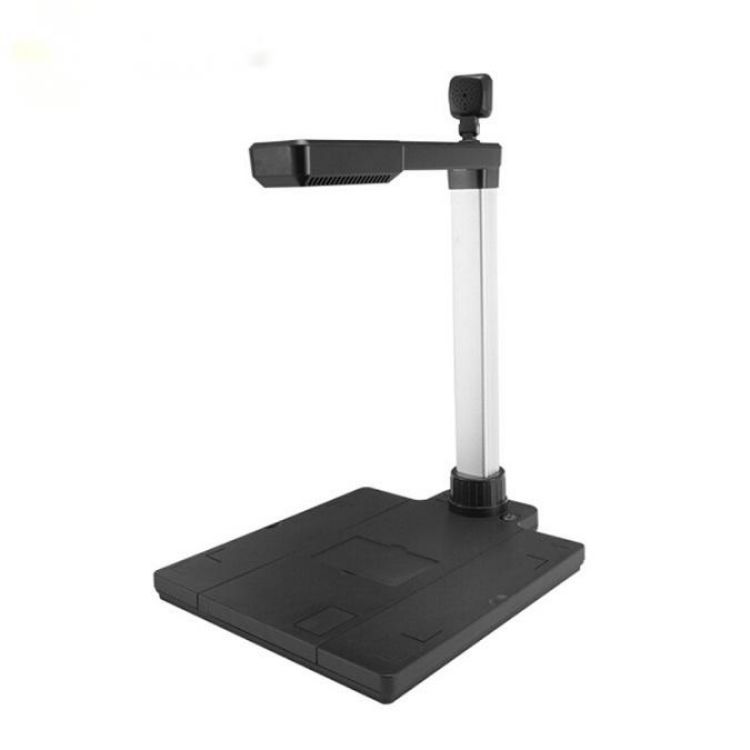
10MP Education Visualizer Scanner Document Management Book Camera USB in Stock
- A4 book and document capture
- USB plug-and-play workflow
- Education and office management

USB Document Camera Scanner 10MP CMOS Visualizer A4 Scanner for Office Education
- A4 live capture and still scans
- Office, training, and classroom use
- Compact USB document camera format
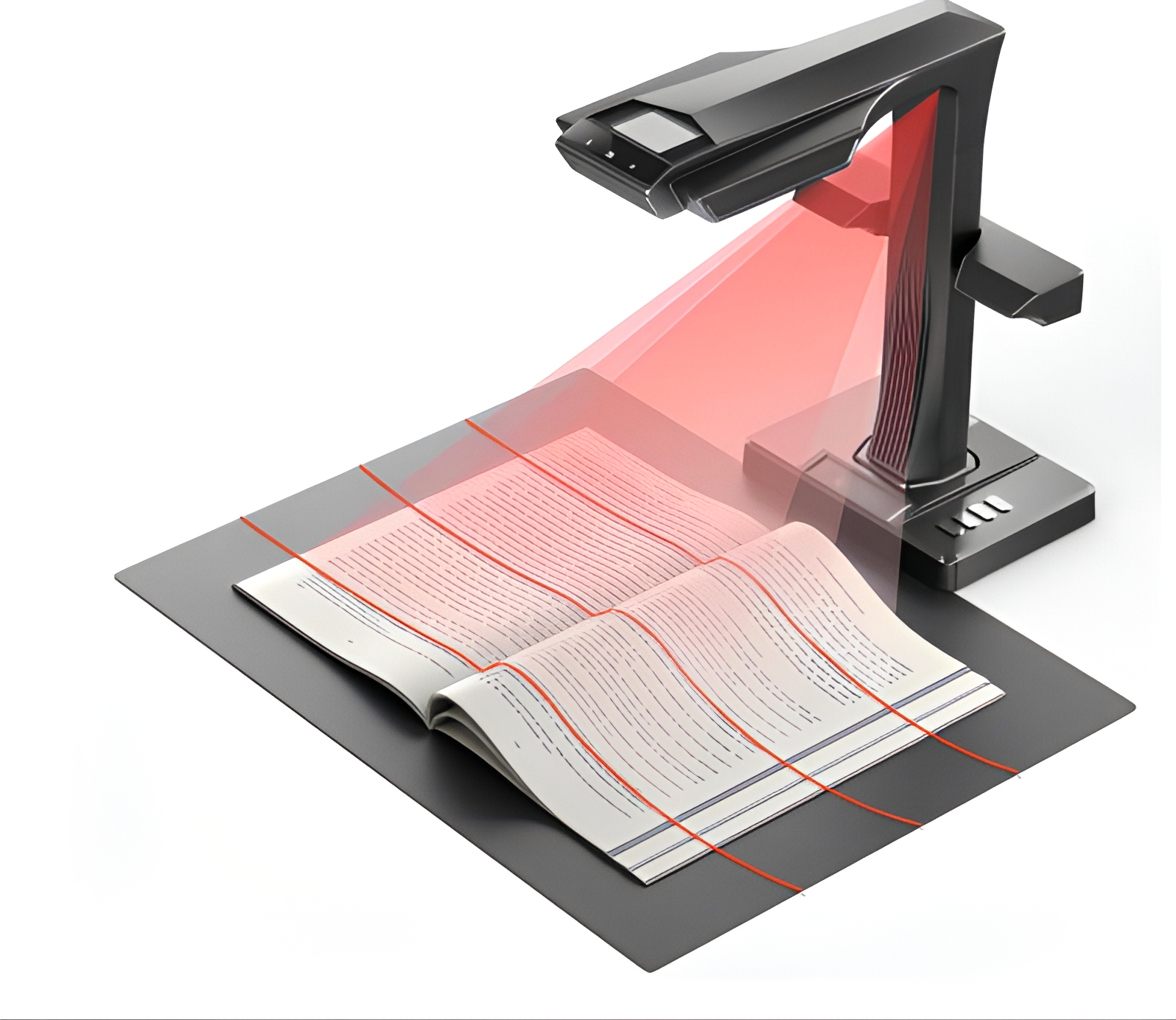
Book Scanner 38MP A3 Document Camera Auto Curve Flattening High Speed Overhead Scanner for Library Office
- Auto curve flattening for bound books
- A3 overhead capture for library and office
- High-speed page workflow
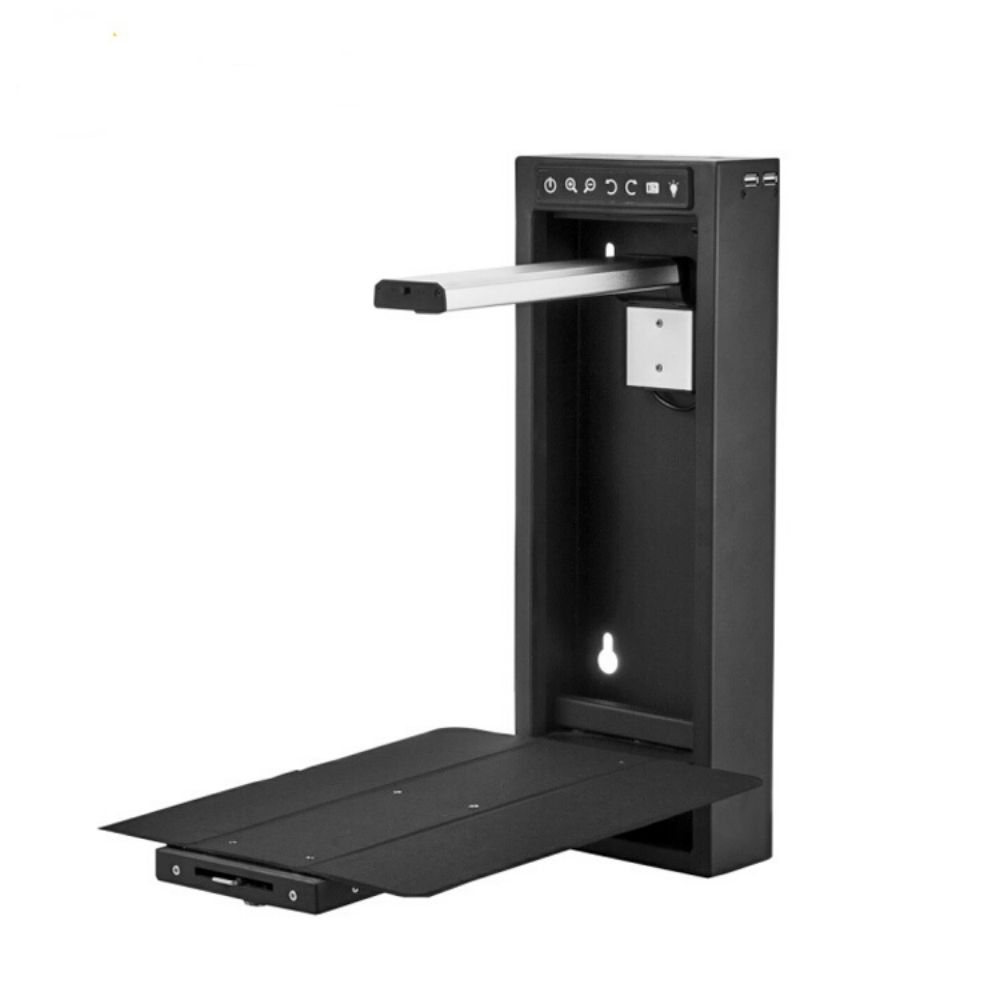
Online Training Portable 10MP A4 Document Scanner USB Interface Visualizer-in-Stock for Wall Version Black+Silver 1-Year
- Online training and mobile presentation
- Wall-version visualizer format
- Black and silver finish, 1-year warranty
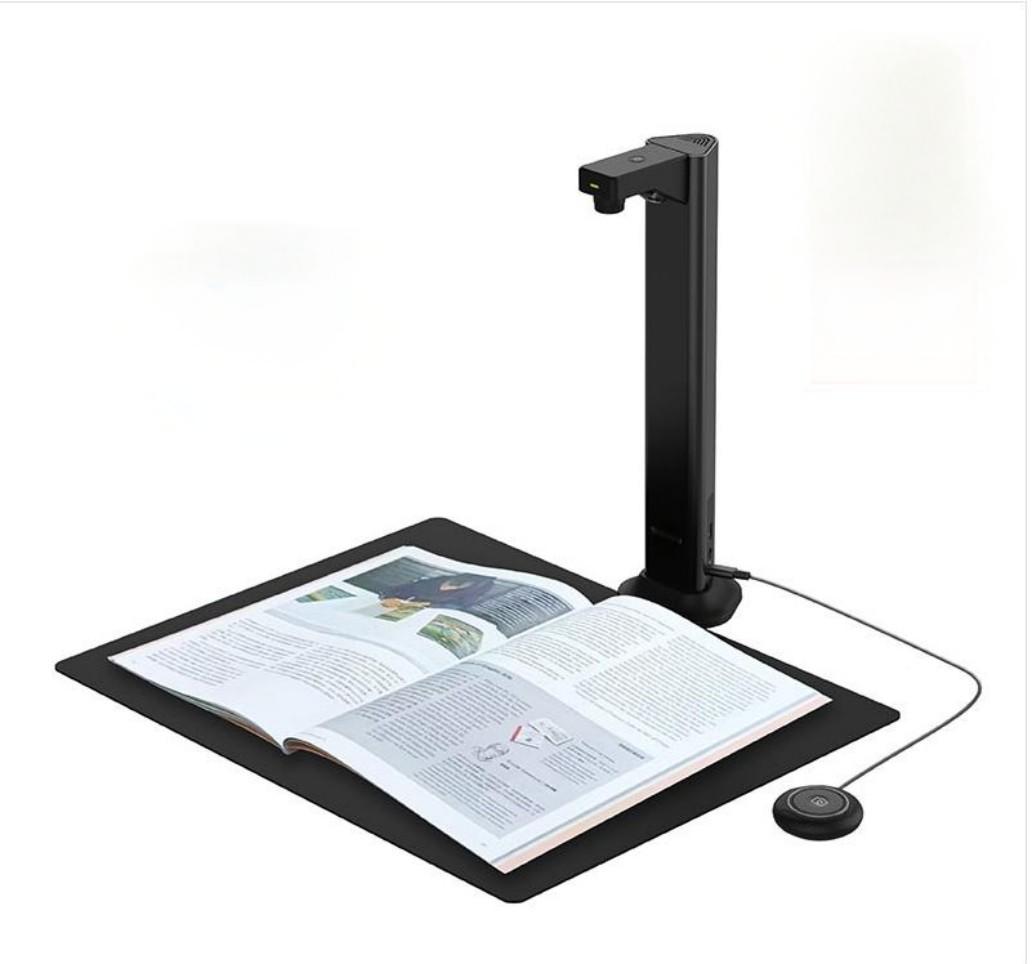
Real 24MP UVC A3 Document Scanner with USB Interface and Text to Speech Feature In-Stock Product
- 24MP A3 capture with USB interface
- Text-to-speech feature for accessibility
- In-stock configuration for fast quoting
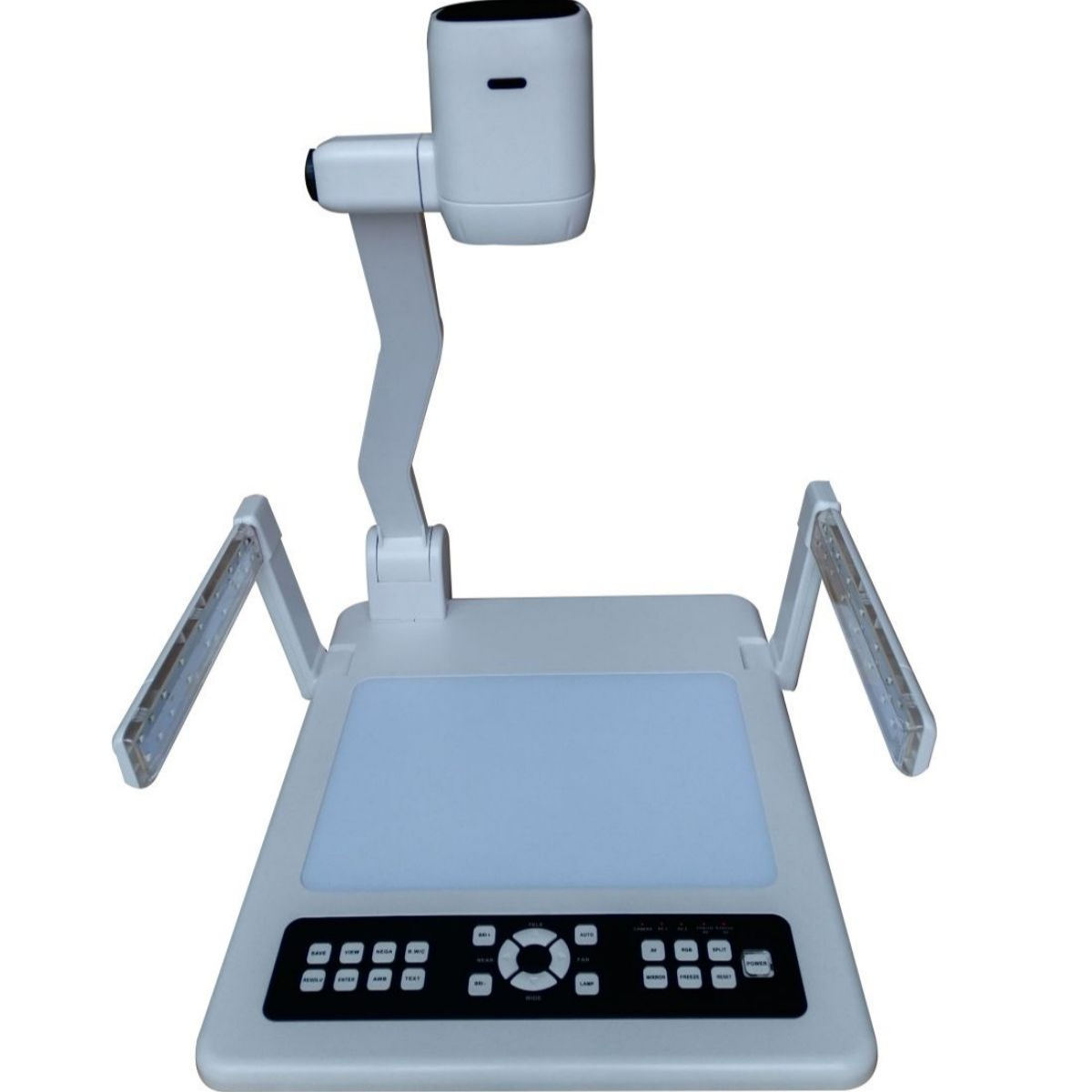
HD Optical Zoom Visual Presenter 1/3" CMOS Sensor 1-Year Warranty OEM Brand GUA Origin Professional Document Camera VGA RS232
- 1/3" CMOS sensor and optical zoom
- VGA and RS232 professional control
- OEM brand support and 1-year warranty
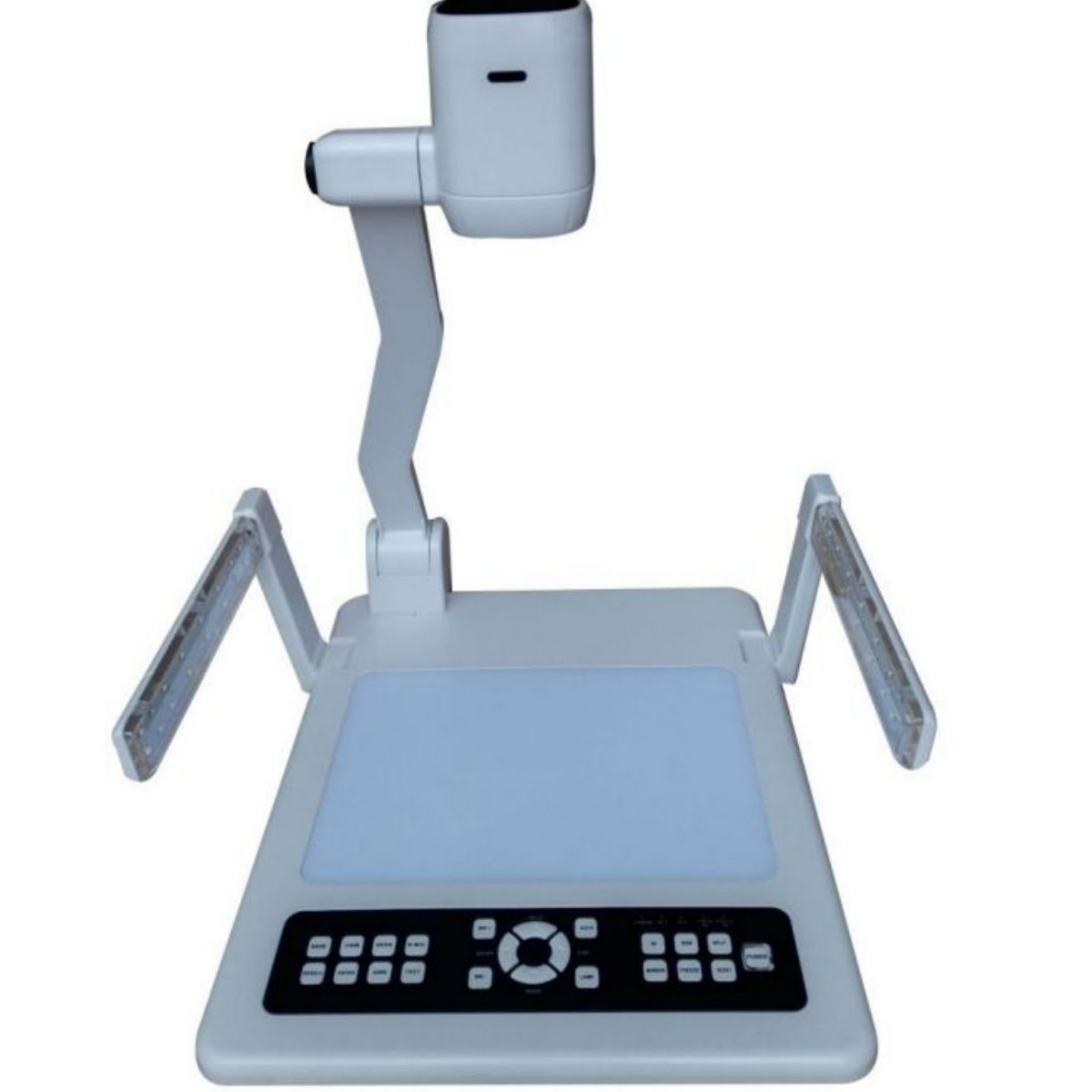
Multi-functional Document Camera Professional in Visual Presenter Also Visualizer in Educational Equipment
- Document camera and visual presenter in one
- Educational equipment positioning
- Professional classroom capture
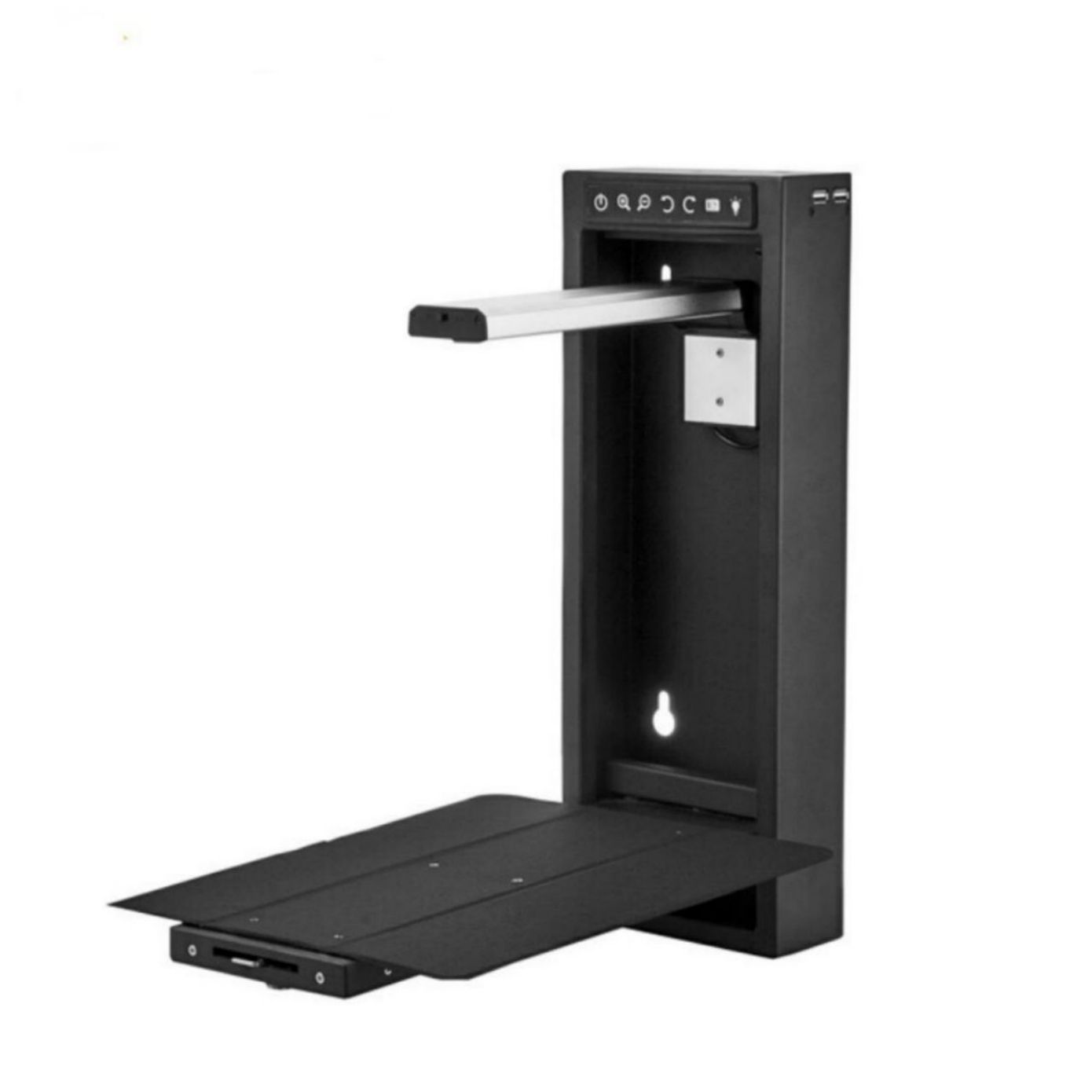
10MP USB CMOS Document Camera Wall Mount Scanner with 1-Second Scan Speed 1-Year Warranty in Stock Classroom Education A4 SDK
- 1-second scan speed for fast counters
- Wall-mount A4 classroom configuration
- SDK support for custom software integration
Where San Antonio Organizations Use Document Scanning Machines
San Antonio is not a one-size-fits-all imaging market. Education, public records, healthcare, defense and cybersecurity, hospitality, logistics, and professional services each impose different document sizes, workflows, and acceptance criteria. The six scenarios below show how the same core hardware can be configured for local procurement needs.
K-12 and Higher Education
San Antonio school districts, charter networks, colleges, and training centers use visual presenters and portable A4 scanners to show textbooks, lab steps, handwritten work, and 3D objects on projectors, interactive panels, and learning-management systems. Prioritize quick focus, HDMI/VGA/UVC output, simple driver packages, and a spare unit for campus-level rollout. For recorded lessons, confirm frame rate and microphone support rather than resolution alone.
Public Libraries and Special Collections
Book-friendly overhead capture protects bindings, foldouts, and fragile paper. A 38MP A3 overhead scanner can capture two-page spreads, curve-corrected pages, and OCR-ready images for digital catalogs, local-history collections, and research archives. Schedule a sample scan with a tightly bound volume before purchase because gutter shadow, page curvature, and operator cycle time usually decide the project more than headline megapixels.
County, Municipal, and Records Offices
Permits, property records, meeting packets, case files, and public-information requests need traceable capture and searchable PDFs. Bexar County and San Antonio-area records teams should ask for consistent lighting, deskew, blank-page removal, OCR language packs, and repeatable file naming. Include retention metadata and folder structures in the acceptance test, especially when scanning will be handled by temporary staff or shared service bureaus.
Healthcare, Insurance, and Front Desk
Clinics, insurance offices, and service counters scan ID cards, insurance cards, intake forms, and supporting documents. Wall-mounted or compact document cameras reduce counter footprint; dual-lens or 10–24MP models can capture a portrait or ID and a full A4 page in the same workflow. Verify HIPAA-related handling in your own software stack; the scanner is only the capture layer, not the compliance program.
Defense, Aerospace, and Cybersecurity Ecosystem
San Antonio’s defense, aerospace, and cybersecurity employers often need controlled capture of training materials, badges, technical documents, and vendor records. Favor fixed-focus cameras, locked-down driver packages, offline capture options, and a documented firmware and software validation path. Ask the supplier for model-level change notices and supported operating-system versions before deployment across secure or restricted environments.
Hospitality, Logistics, and Retail Training
Hotels, distribution centers, and multi-site retailers use visualizers for SOP training, damage documentation, vendor paperwork, and customer-facing demonstrations. Portable USB cameras and 10MP A4 scanners travel well between sites. Choose models with simple USB power, sturdy hinges, one-touch capture, and documentation that non-technical staff can follow during shift changes or seasonal hiring peaks.
Four Trends Reshaping San Antonio Scanner Procurement
These trends are changing how San Antonio wholesalers, AV integrators, and end users specify document scanning hardware. Each creates a different reason to choose a custom OEM configuration rather than a generic catalog SKU.
Public-Sector Digitization and Records Modernization
Texas agencies and local offices continue to move paper-heavy processes into searchable digital workflows. The practical effect is stronger demand for OCR, text-to-speech, audit-friendly file naming, and scanners that can handle bound books, maps, and loose forms in one department. Wholesalers should stock models that can be demonstrated with real San Antonio record types, not only brochure specifications.
Classroom AV Refresh and Hybrid Instruction
School and university buyers increasingly expect 4K or high-frame-rate visualizers, HDMI and USB output, and compatibility with interactive panels. A document camera is no longer only a projector accessory; it is a capture device for recorded lessons, remote tutoring, and learning-management content. Integrators that bundle mounting, training, and a spare unit reduce downtime during the school year.
Nearshoring and I-35 Logistics
San Antonio’s position on the I-35 corridor makes it a natural distribution and service point for South Texas and cross-border supply chains. Wholesalers want suppliers that can support mixed containers, repeatable packaging, English documentation, and quick answers on lead time. OEM branding and stable model revisions matter more when the buyer is holding inventory for resale and cannot afford specification drift between shipments.
Cyber, Defense, and Compliance Pressure
Procurement teams are asking harder questions about firmware provenance, software updates, drivers, and data handling. Even a USB document camera can become a compliance issue if it introduces unmanaged software. Suppliers should provide model-level specifications, supported OS versions, SDK terms, and warranty terms in writing so San Antonio buyers can complete their risk review before a pilot begins.
Match Sensor Resolution to the San Antonio Document Mix
A common sourcing mistake is comparing megapixels without reference to page size. The useful metric is pixels across the actual document area after lens distortion, crop, page margin, and operator technique are considered. Use the planning math below as a starting point, then validate with a sample scan of the exact document your San Antonio team will handle.
Procurement test points that matter more than brochure resolution
For public-sector and wholesale buyers, the successful acceptance test is usually a workflow test, not a camera test. Ask for a 100% crop of small text, a photo or ID card, and a page from a tightly bound book. Review noise, color shift, focus falloff, keystone distortion, and capture time under the lighting conditions your staff actually uses.
- Confirm the output path: UVC for video meetings, HDMI/VGA for classrooms, USB capture software for scans, or SDK for a custom application.
- Clarify OCR and text-to-speech support only where the product page lists those features; do not assume every model includes the same software bundle.
- For books, test curve flattening, finger removal, page-turn cycle time, and operator fatigue with a 300-page volume.
- For wholesale programs, lock packaging dimensions, accessory lists, warranty language, spare-part kits, and firmware revision notices before the first production run.
- For San Antonio delivery, distinguish supplier lead time from transit time, customs clearance, local delivery, and installation by your chosen integrator.
| Document type | Typical San Antonio use | Pixels at 300 dpi | Recommended capture | Sample fit |
|---|---|---|---|---|
| A4 210 × 297 mm | Classroom handouts, intake forms, insurance cards | 2480 × 3508 ≈ 8.7 MP | 10 MP or higher with good optics | 10MP USB document camera; portable A4 visualizer |
| A3 297 × 420 mm | Textbooks, plans, two-page spreads, office records | 3508 × 4961 ≈ 17.4 MP | 18–24 MP; 24 MP gives useful crop margin | 24MP UVC A3 scanner; 38MP A3 overhead book scanner |
| A2 420 × 594 mm | Maps, newspapers, archive masters, large drawings | 4961 × 7016 ≈ 34.8 MP | 48 MP for approximately 340 dpi | Quibow A2 overhead and dual 48MP scanner range |
| ID / portrait | Service counters, badges, patient intake, visitor management | Crop-specific; verify OCR requirements | Dual-lens or 10–24 MP with controlled lighting | 10MP + 2MP dual-lens scanner; 24MP UVC A3 |
Why San Antonio Wholesalers and Integrators Shortlist Quibow for Custom OEM Programs
Guangzhou Quibow Electronic Co., Ltd. is a technology-driven supplier of image acquisition and conversion equipment, including high-speed document cameras, book scanners, flatbed scanners, A2/A3 overhead scanners, and ID card recognition cameras. The company works across CIS, CMOS, and CCD imaging platforms and supports OEM/ODM projects from product design and development through production coordination, export sales, and after-sales support. For San Antonio buyers, the value is not simply a low unit price; it is a documented path from sample validation to repeatable wholesale supply.
Sensor Platform Choice
CIS, CMOS, and CCD options allow San Antonio buyers to match the capture method to the job. CIS suits compact sheet-fed office workflows, CMOS area sensors excel at overhead book and classroom capture, and CCD linear sensors support controlled flatbed scanning for photos, artwork, and bookedge work without spine shadow.
OEM/ODM Customization
Custom programs can include logo printing, packaging, housing color, capture-software branding, and SDK integration on selected models. For wholesalers serving San Antonio, this makes it possible to build a local brand, bundle accessories, and prepare documentation for school, library, healthcare, and government procurement requirements.
Fast Commercial Response
The published supplier profile shows an average response time of one hour or less and a 100% message response rate. For San Antonio buyers comparing multiple factories, fast replies matter when an integrator needs to confirm compatibility, MOQ, packaging, or a sample scan before a customer deadline.
Stock Availability and Practical MOQ
Most stock book scanners, A2 large-format scanners, and flatbed scanners start from one piece or one set. Several document camera models start from two pieces. OEM/ODM quantities are confirmed per project, which allows a San Antonio reseller to test demand with a small order before committing to a branded inventory program.
Quality Inspection and Warranty
Listed models such as A3 flatbed scanners, A2 overhead scanners, and the S2060W ADF scanner carry a one-year warranty backed by remote technical support. Quality checks should cover focus, lighting uniformity, driver installation, capture speed, and accessory completeness before export packing.
Export and Payment Coverage
The company serves markets including Eastern Europe, North America, and South America, with payment methods that include T/T, L/C, PayPal, and Western Union in USD, EUR, HKD, or CNY. Delivery terms include FOB, EXW, and DDU. San Antonio buyers should agree in writing on Incoterms, duties, local delivery, and installation responsibilities.
San Antonio Buyer FAQ: OEM Document Scanning Machines and Wholesale Orders
These are the questions most frequently raised by San Antonio distributors, school buyers, libraries, integrators, and service bureaus when evaluating a China-based OEM document scanner supplier.
Are you a local San Antonio document scanner supplier?
Quibow is based in Guangzhou, China, and serves San Antonio buyers through export and wholesale channels. The company can ship to a San Antonio address or to a freight forwarder in Texas or California. If your project requires onsite installation, pair the shipment with a San Antonio AV or IT integrator; the supplier can support configuration, sample validation, and remote technical onboarding. Customs duties, import taxes, and local delivery are the buyer’s responsibility unless a DDU term is agreed in the quotation.
What is the minimum order quantity for custom OEM document scanning machines?
Most stock book scanners, A2 large-format scanners, and flatbed scanners start from one piece or one set. Several document camera models start from two pieces. OEM/ODM quantities are confirmed per project because logo printing, packaging, housing color, software branding, and SDK integration can change tooling and production planning.
Can we receive sample scans before placing a wholesale order?
Yes. Provide the document type, page size, binding method, target dpi, OCR language, output format, and lighting conditions. For books, include a page with dense text, a photo or illustration, and a page near the gutter. A sample scan should be reviewed at 100% crop so your team can judge sharpness, color, distortion, and software workflow before committing to a pilot.
Which model should a San Antonio library choose for A3 bound books?
Start with the 38MP A3 overhead book scanner when the project requires generous crop margin, curve flattening, and high-resolution archive masters. The 24MP UVC A3 document scanner can be sufficient for lower-resolution reading copies, OCR, and day-to-day office capture. Always test with a tightly bound volume because page curvature and gutter shadow often determine whether a scanner is accepted by library staff.
Do the scanners work with Windows and macOS?
Many models, including A2 large-format scanners and the 1200 DPI A3 flatbed scanner, support Windows and macOS, and some are verified on Apple M1 Macs. Compatibility must be confirmed for each model before shipment. Document cameras may use UVC, HDMI, VGA, or SDK control rather than a traditional TWAIN-style scan driver, so match the interface to your software stack.
How do I calculate resolution for A3 or A2 documents at 300 dpi?
An A3 page at 300 dpi needs about 3508 × 4961 pixels, or roughly 17.4 MP, so an 18MP or 24MP scanner is suitable. An A2 sheet at 300 dpi needs about 4961 × 7016 pixels, or roughly 34.8 MP, so a 48MP A2 scanner is recommended for archival masters. For OCR-only workflows, 200–250 dpi may be enough, but confirm the requirement with your records or library program.
What warranty and technical support is included?
Listed models such as A3 flatbed scanners, A2 overhead scanners, and the S2060W ADF scanner generally carry a one-year warranty, backed by remote technical support. Confirm the warranty period, covered components, shipping responsibility for returns, and spare-part availability in the final quotation, especially for wholesale orders that will be resold to San Antonio end users.
Can we customize the logo, packaging, and software interface?
Yes, OEM/ODM projects can include logo printing, packaging, housing color, capture-software branding, and SDK integration on selected models. Approve a physical or digital sample before mass production. For public-sector and education buyers, also prepare English quick-start guides, safety statements, driver notes, and warranty language that match the brand and model being delivered.
What payment and delivery terms do you accept?
The published terms include T/T, L/C, PayPal, and Western Union in USD, EUR, HKD, or CNY, with FOB, EXW, and DDU delivery terms. For San Antonio orders, calculate the landed cost carefully: product price, export packing, freight, insurance, customs duties, brokerage, local delivery, and any integration labor are separate line items unless your quotation states otherwise.
How should San Antonio wholesalers plan inventory for document cameras and book scanners?
Stock fast-moving A4 classroom cameras and at least one A3 book scanner for demonstrations. Keep spare power adapters, USB cables, HDMI cables where applicable, quick-start guides, and one demo unit that sales staff can use for sample scans. Forecast around school budget cycles, Q4 procurement, and public-sector purchasing windows. A small initial order can validate demand before a branded OEM inventory program is launched.
Request a San Antonio-Ready OEM Configuration
Send us the documents you need to capture, daily volume, target resolution, output format, and whether you need neutral or branded packaging. Include your organization type—school district, library, county office, healthcare team, integrator, or wholesaler—so the recommendation matches your buying process. We can outline sample scan criteria, MOQ, lead time, warranty terms, and shipping options for San Antonio.