Eight Document Imaging Cameras for Baguio Wholesale Buyers
The models below are matched to the most common Baguio procurement briefs: classroom visualizers, library book scanning, LGU record digitization, bank-counter ID capture, and flexible A4 wall-mounted scanning.
Every product link below is preserved from the source catalogue. For projects that need OEM branding, SDK integration, sample scans or mixed-model wholesale orders, use the Contact Us button and share your Baguio delivery requirements.
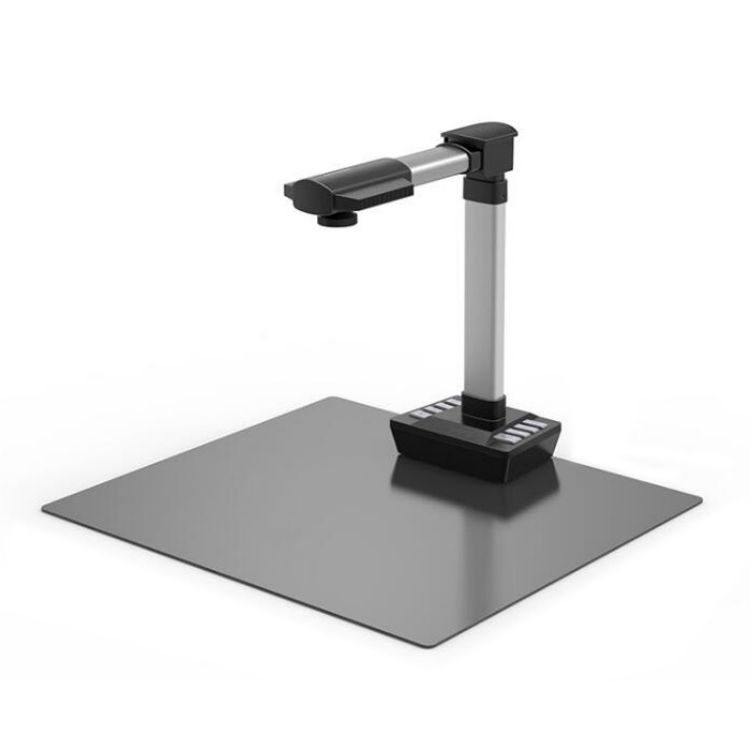
20MP OCR Aluminum Digital Visualizer Camera Classroom Office Training A3 Document Scanner USB Interface SDK Stock Black 1-Year
- Aluminum-body A3 capture for teaching and office use.
- USB interface, SDK and OCR support for integration.
- Suited to Baguio classrooms, training rooms and service counters.
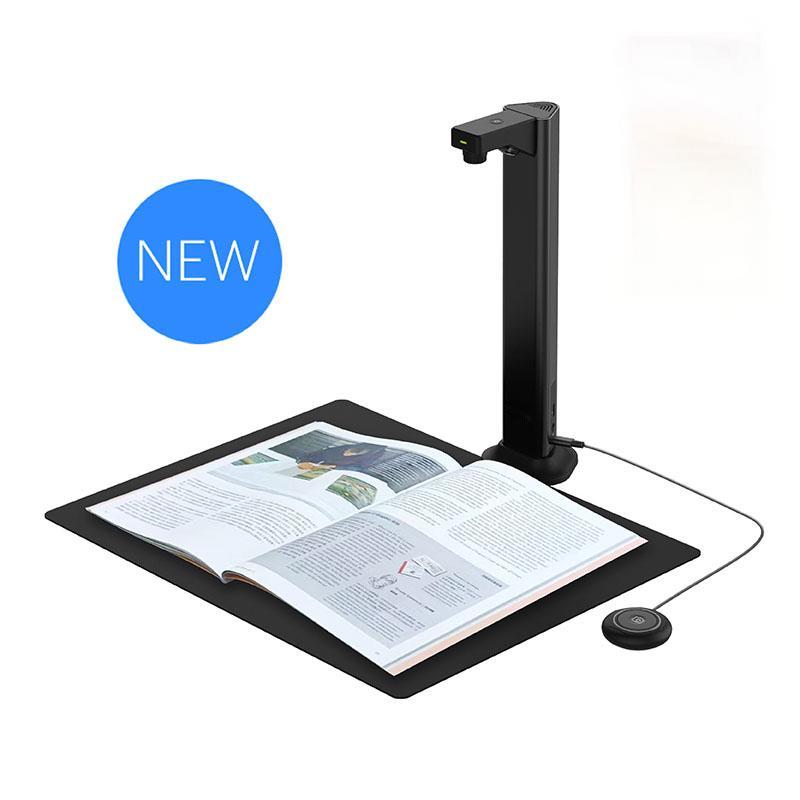
A3 18MP USB Aluminum Document Scanner with UVC Camera 1s Scan Speed OCR & Text to Speech Features-in Stock
- One-second capture speed for high-volume page work.
- Text-to-speech and OCR features support accessibility.
- Useful for inclusive classrooms and records conversion.
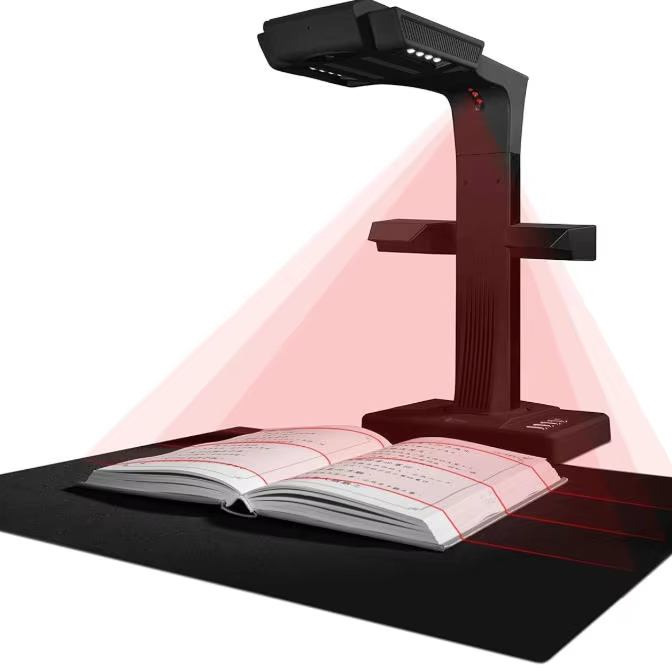
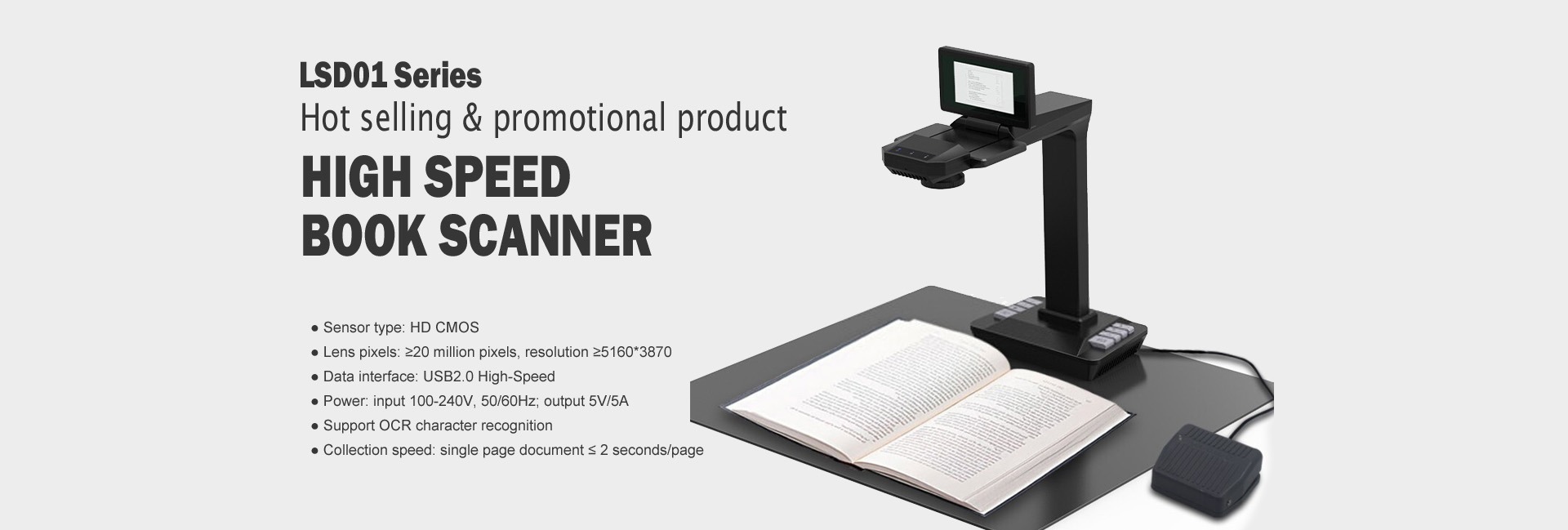
18MP A3 Book Scanner Overhead Document Camera Auto Curve Flattening OCR 180+ HDMI Visual Presenter for Office Library
- Non-contact overhead capture protects book bindings.
- Curve flattening and OCR help create readable digital files.
- Good fit for Baguio university libraries and archives.
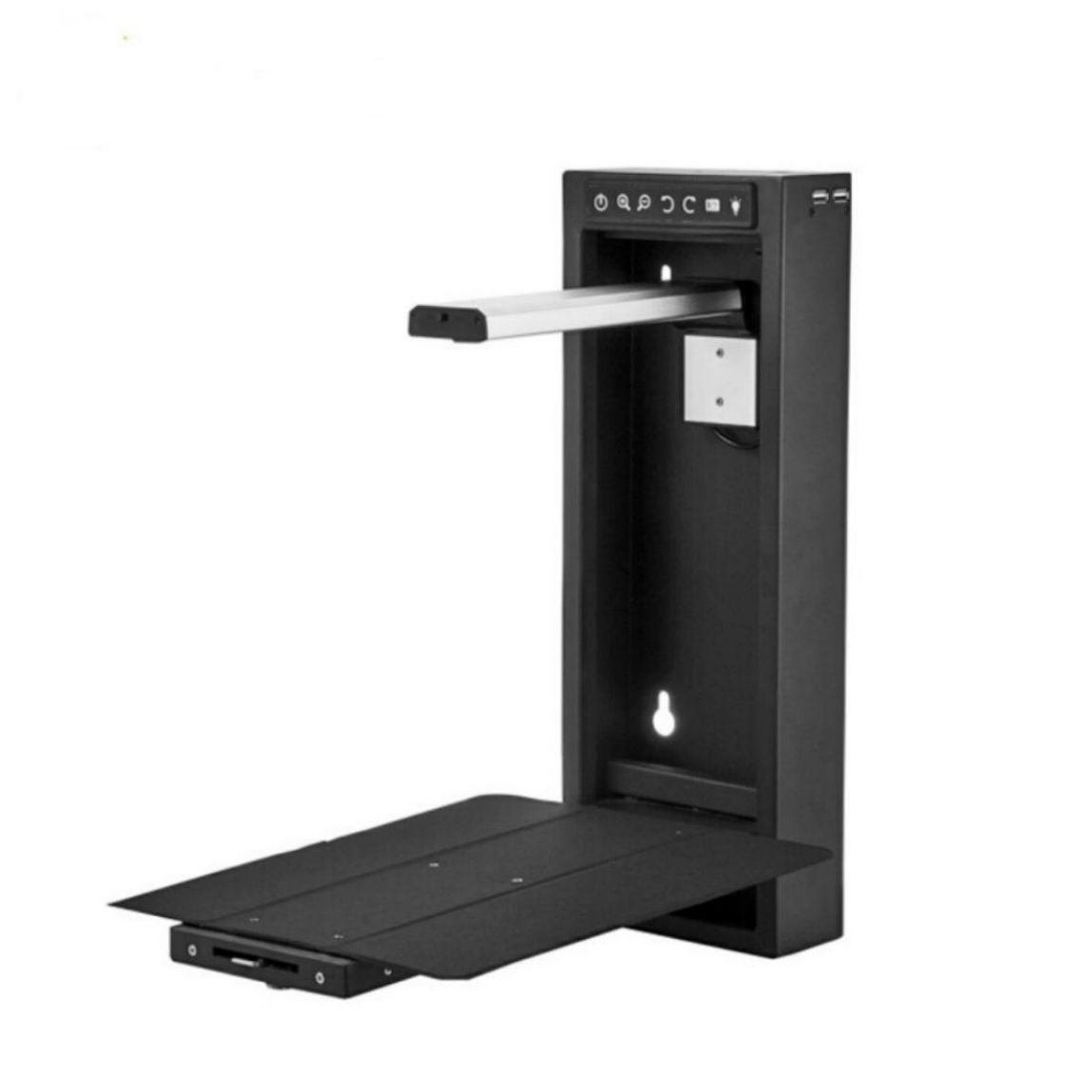
USB Interface Wall-Mounted A4 Visualizer OCR Document Scanner CMOS Sensor 10MP Resolution SDK Included Black 1-Year Stock
- Space-saving wall installation for counters and kiosks.
- OCR and SDK options for custom document workflows.
- Practical for Baguio banks, cooperatives and front desks.
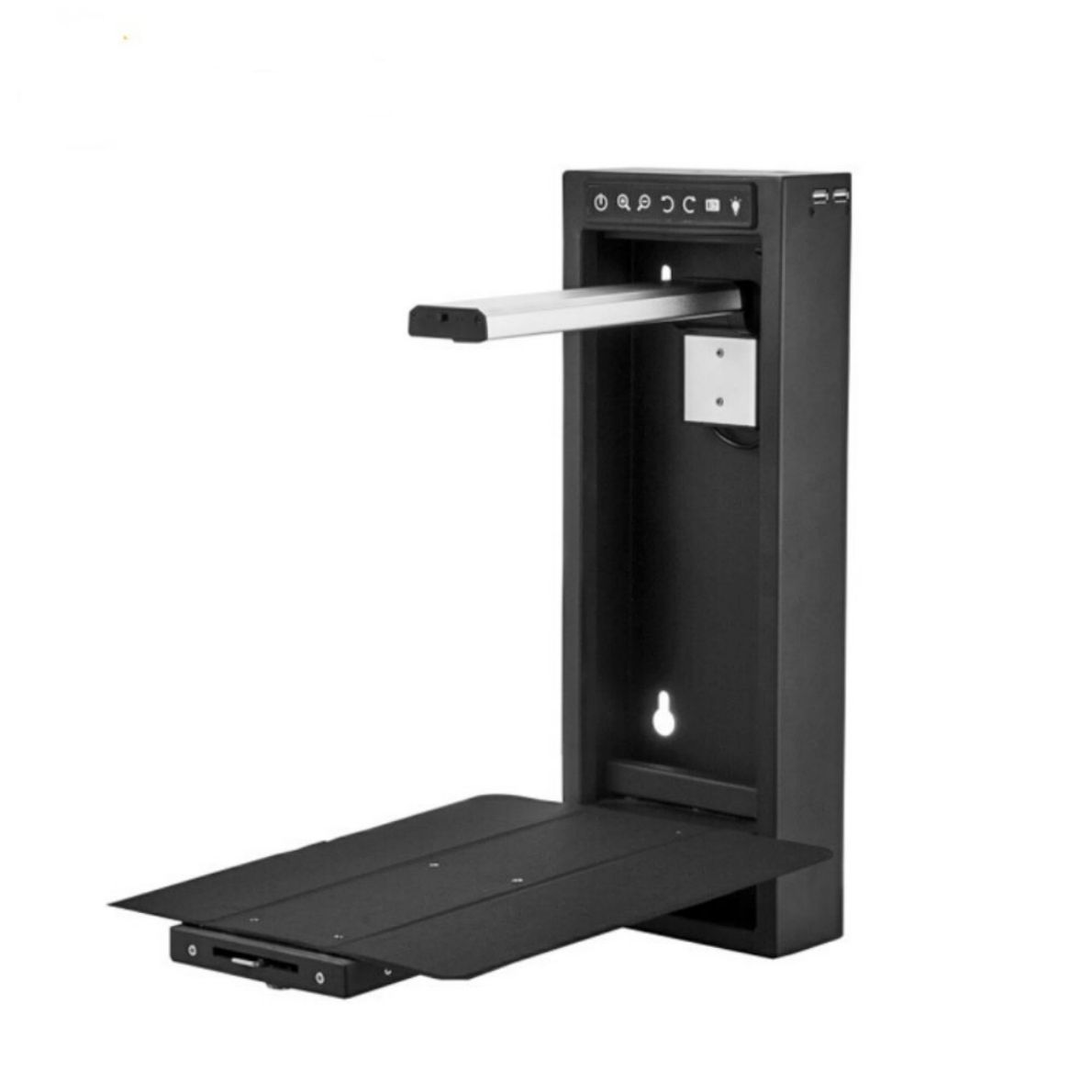
Document Camera A4 Visualizer Wall Version USB CMOS Sensor 10MP 1-Second Scan Document Scanner Stock for Classroom Smart
- Wall-version design keeps desks clear in compact rooms.
- Fast scanning supports live classroom demonstrations.
- Suitable for smart classrooms and training centres.
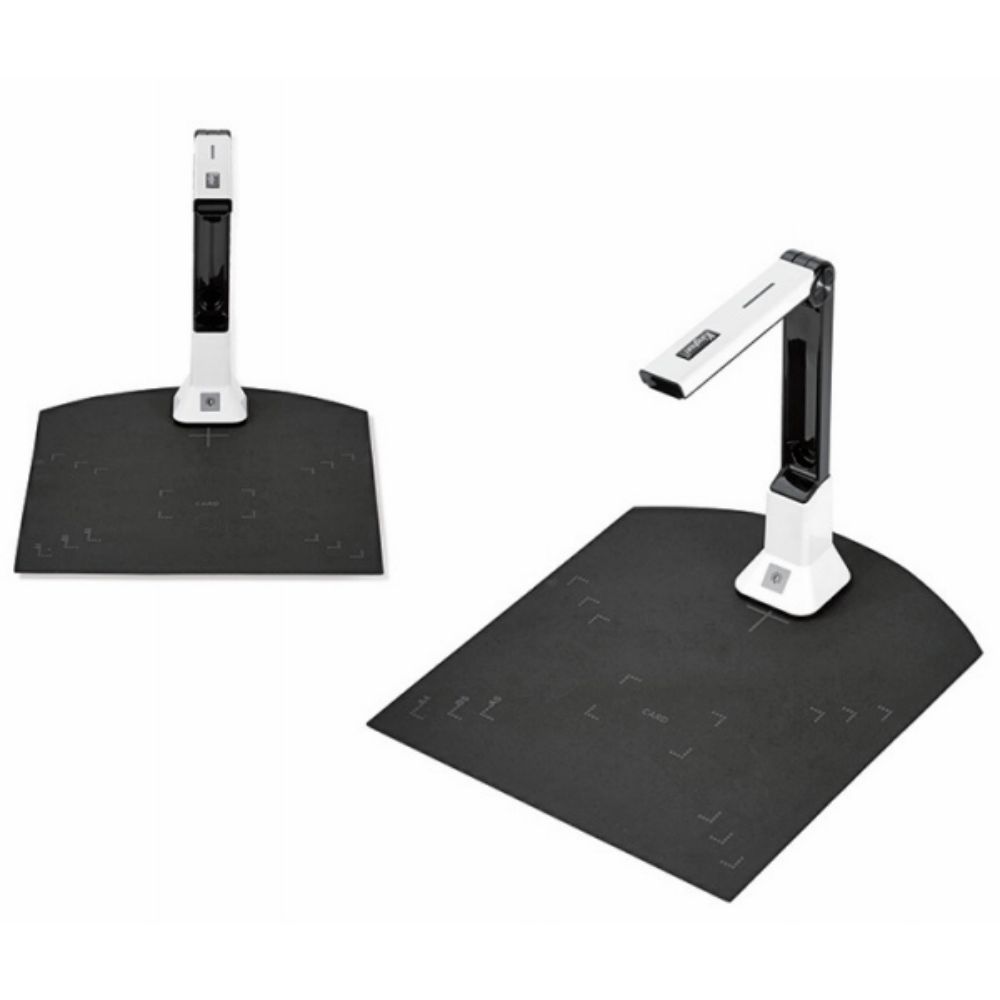
Wholesale 5MP USB Light CMOS A4 Document Scanner Portable Smart Handheld High Resolution 1-Second Scan CE Certified Stock Black
- Portable USB scanner for field collection and mobile desks.
- 1-second scan speed supports quick form and receipt capture.
- CE-certified model for distributor and reseller stock.
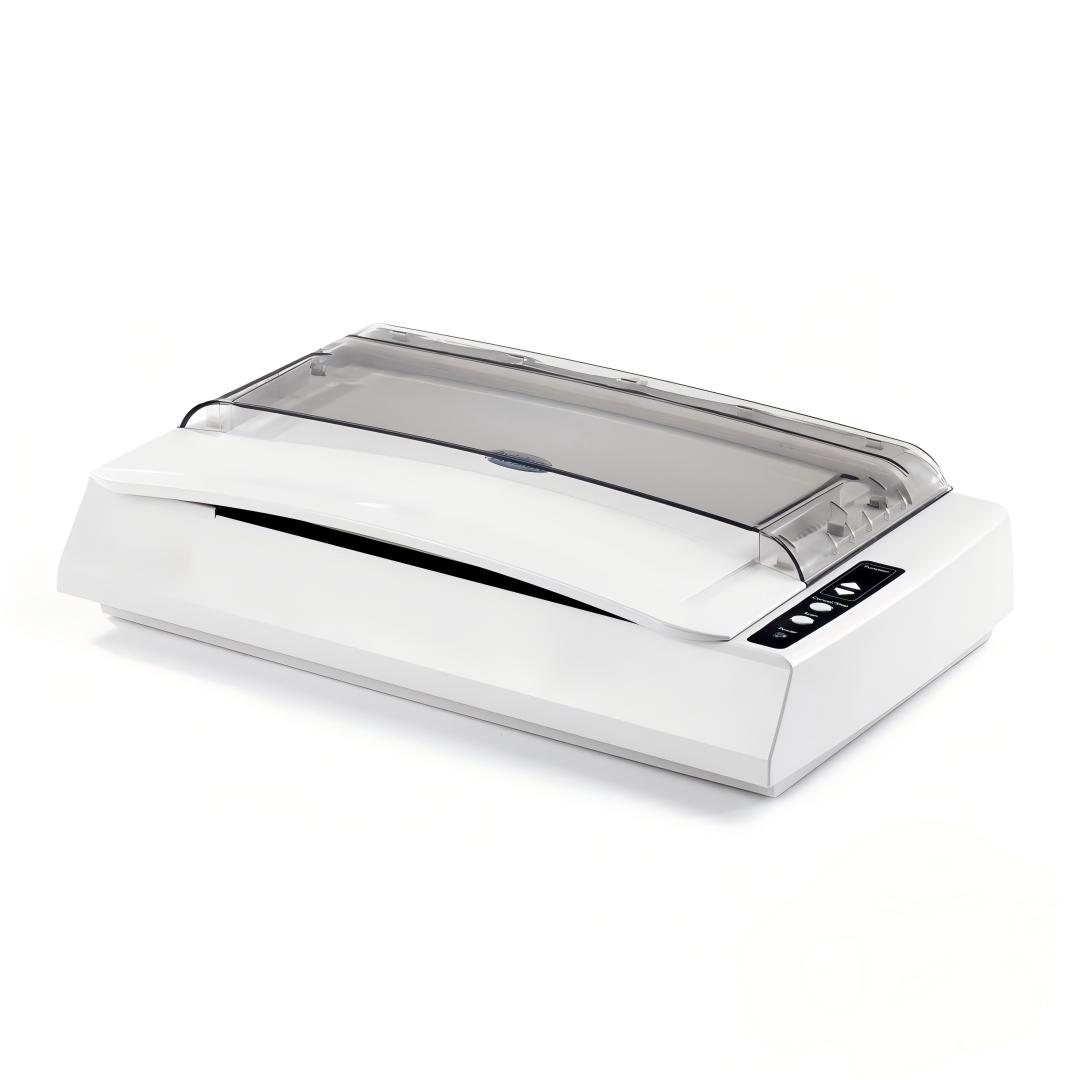
CCD Zero Margin Bookedge Flatbed Scanner A4 600dpi USB Bound Book Scanning No Spine Shadow Library Archive Digitization
- Bookedge design reduces spine shadow on bound volumes.
- CCD imaging supports stable color and detail reproduction.
- Strong match for Baguio archives and library digitization.
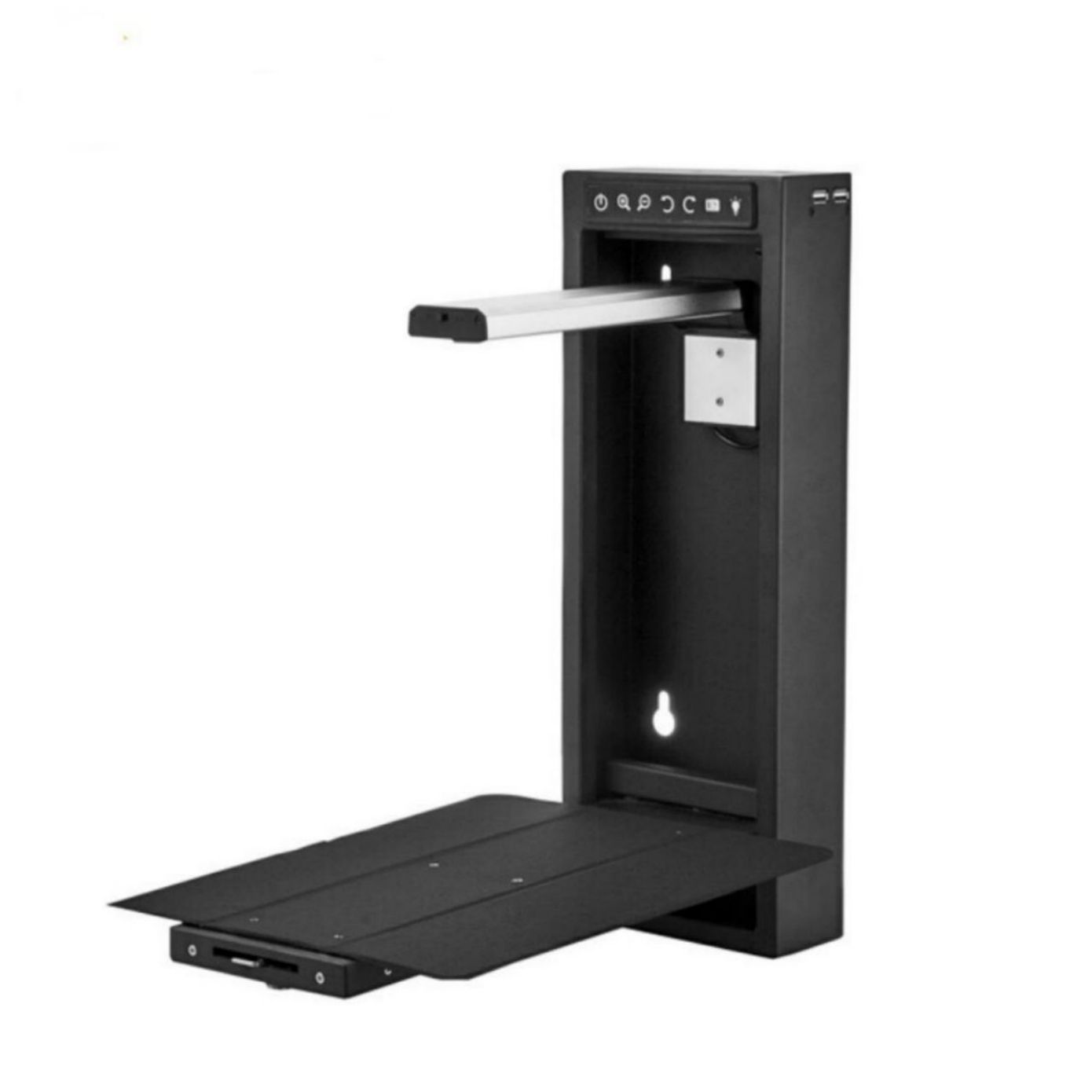
10MP USB CMOS Document Camera Wall Mount Scanner with 1-Second Scan Speed 1-Year Warranty in Stock Classroom Education A4 SDK
- A4 capture with 1-second speed for fast demonstrations.
- CMOS sensor, USB output and SDK for local integration.
- Useful where desk space is limited in Baguio classrooms.
Why Baguio Buyers Source Document Imaging Cameras from China Wholesale Factories
Baguio City combines university campuses, government offices, libraries, hospitals, banks, tourism businesses and a growing business-process management sector within one compact highland economy. That mix creates consistent demand for non-contact document cameras, overhead book scanners and OCR-ready visualizers that can digitize paper records without damaging originals or slowing down front-line services.
For procurement teams in Baguio, the practical question is not simply “which camera has the most megapixels?” It is which source can deliver the right combination of resolution, software compatibility, warranty, SDK support, packaging and after-sales response. China wholesale document imaging camera factories are attractive because they can combine factory-direct pricing with the flexibility that local distributors, school suppliers and system integrators need.
This guide is based on the product catalogue and supplier profile of Guangzhou Quibow Electronic Co., Ltd., a Guangzhou-based supplier focused on image data acquisition and conversion equipment. The company works across CIS, CMOS and CCD imaging platforms and supplies book scanners, A3/A2 flatbed and overhead scanners, document cameras and ID-card recognition cameras. Its location, onsite-checked supplier status, OEM/ODM capability and listed 1-year warranty are relevant signals for Baguio buyers who need a verifiable wholesale partner rather than an anonymous trading page.
Baguio’s cool climate and seasonal dampness make document preservation a real operational concern, especially for old land records, university theses, parish archives and newspaper collections. A non-contact overhead camera reduces handling; OCR converts page images into searchable text; and portable A4 scanners let field staff capture documents at satellite offices before files travel down to Manila or overseas.
Where Document Imaging Cameras Deliver Immediate Value in Baguio
Local buyers rarely purchase a scanner as a standalone gadget. They buy a faster way to serve students, preserve records, process applications or train staff. These six scenarios reflect the strongest purchase intent.
Universities & Schools
Visualizers with HDMI and USB output let teachers project textbooks, handwritten solutions and science demonstrations. OCR cameras also help produce accessible text-to-speech materials for inclusive learning.
LGU Records & Permits
Barangay, city hall and administrative teams can digitize permits, certificates and supporting documents at the counter. Non-contact capture reduces the risk of staples, folds or fragile edges jamming a feeder scanner.
Libraries & Archives
Overhead book scanners and zero-margin bookedge flatbeds reduce spine shadow and page handling. Baguio institutions with theses, periodicals, manuscripts and old photographs can build searchable digital collections.
Banks & Cooperatives
Wall-mounted A4 document cameras are useful where desk space is limited. Staff can capture IDs, forms and signatures in about one second, then send images into KYC or loan-processing software through an SDK.
BPO & Shared Services
Baguio’s service economy depends on accurate document workflows. Portable A4 scanners and OCR visualizers support quick capture of invoices, claims, forms and verification documents for remote teams.
Distributors & Integrators
Local resellers can combine Quibow hardware with their own software, bundle classroom visualizers for tender packages, or private-label models for Baguio and Northern Luzon customers.
Baguio’s Shift Toward Searchable, Non-Destructive Image Capture
Demand in Baguio is moving from simple “scan a page” devices toward modular capture systems that support OCR, live presentation, SDK integration and distributed records workflows.
OCR Becomes a Default
Baguio offices increasingly expect searchable PDFs and editable text, not flat image files. OCR-ready cameras reduce manual encoding and make records easier to retrieve.
Hybrid Classrooms
Schools need visualizers that work with projectors, displays and video-conferencing setups. HDMI, VGA and USB outputs make document cameras a practical teaching tool.
Preservation First
Fragile books, newsprint and old records benefit from non-contact overhead scanning. Auto curve flattening and bookedge designs reduce physical stress on originals.
Distributor Differentiation
Resellers want OEM/ODM options, SDK access and mixed-product wholesale orders so they can serve Baguio schools, offices and integrators without managing many suppliers.
CIS, CMOS or CCD: Matching the Imaging Platform to Baguio Workflows
Quibow works across three sensor platforms. Choosing the right one prevents over-specification and protects the project budget.
CIS Contact Image Sensor
Compact, low-power and efficient on sheet-fed paths. It is a strong choice for high-volume office batches such as invoices, contracts and forms.
CMOS Area Sensor
Captures the whole page from above in one shot. Software can flatten book curves, remove fingers and export searchable PDFs without pressing the book flat.
CCD Linear Sensor
Uses a moving optical carriage with good depth of field and stable color. It is tolerant of slightly raised originals and supports zero-margin bookedge scanning.
Resolution Planning for A4, A3 and A2 Documents
| Document Size | Pixels at 300 dpi | Recommended Sensor | Typical Baguio Use Case |
|---|---|---|---|
| A4 210 × 297 mm | 2480 × 3508 ≈ 8.7 MP | 10 MP or higher | Permits, IDs, forms, portable field capture |
| A3 297 × 420 mm | 3508 × 4961 ≈ 17.4 MP | 18–24 MP | Classroom materials, theses, office records, newspapers |
| A2 420 × 594 mm | 4961 × 7016 ≈ 34.8 MP | 48 MP for ≈340 dpi | Large maps, broadsheets, engineering drawings, archive masters |
| Photos & art | 600–2400 dpi optical | Flatbed, 48-bit color | Heritage photos, artwork, fragile visual records |




Guangzhou Quibow Electronic Co., Ltd.: A Practical Wholesale Partner for Baguio Projects
Quibow is a technology-driven company focused on image data acquisition and conversion. Its product scope covers high-speed document cameras, book scanners, flatbed scanners and ID-card recognition cameras. For Baguio buyers, that means one supplier can support a mixed order covering classroom visualizers, library scanners, counter cameras and portable scanning devices.
The company is based in Guangzhou, Guangdong, China, and its supplier profile records an onsite check. It is established in 2020, operates with 5–10 dedicated specialists, reports annual revenue in the US$1M–US$2.5M range, and serves Eastern Europe, North America and South America alongside other global markets. These details give procurement teams concrete verification points before an order is placed.
OEM/ODM support includes logo printing, packaging, housing color, capture-software branding and SDK integration on selected models. For Baguio distributors, this is useful when a school or LGU requires a branded kit, a custom manual, or software connected to an existing document-management system. Product testing, export packing and remote technical support can be arranged around the project scope.
Multi-Platform Expertise
CIS, CMOS and CCD imaging options let the recommendation follow the document, not the other way around.
Fast Response
Average response time of one hour or less helps Baguio buyers move from inquiry to sample scan quickly.
OEM / ODM Support
Branding, packaging, software naming and SDK integration can support local distributors and system integrators.
Verified Records
Supplier assessment, credit overview, ratings, trade capacity and transaction history are available for review.
From Baguio Inquiry to Delivered Document Imaging Equipment
A transparent six-step process helps procurement teams compare models, confirm compatibility and plan delivery without unnecessary back-and-forth.
Requirement Review
Confirm document size, daily volume, operating system, output format and whether the project needs OCR, SDK or live HDMI presentation.
Model Matching
Select the right sensor platform and resolution. For A3 archives, compare 18MP and 24MP; for A2 masters, evaluate 48MP models.
Sample Scans & Proof
Request sample scans for Baguio library pages, forms, IDs or newspapers so stakeholders can judge text clarity and color before ordering.
Customization
Plan OEM logo, packaging, housing color, software branding, OCR languages and SDK integration where required.
Quality Inspection
Check focus, lighting uniformity, driver installation, capture speed and accessories before export packing.
Shipping & Support
Arrange FOB, EXW or DDU terms. Baguio buyers typically confirm air or sea freight to Manila followed by local delivery, with remote setup support.
Common Purchase Questions from Baguio Schools, Offices and Distributors
These are the questions that most often arise when a Baguio buyer compares China wholesale document imaging camera factories and suppliers.
What is the minimum order quantity for Baguio buyers?
How is equipment shipped to Baguio City?
Do you support OEM, ODM and SDK integration?
Which model suits a Baguio classroom or training room?
Are the scanners compatible with Windows and macOS?
What warranty and payment terms are available?
Planning a Classroom, Library or Records Digitization Rollout?
Share your document sizes, daily scanning volume, target resolution, software environment and delivery preference for Baguio. Quibow can recommend the right document camera or book scanner, confirm MOQ and lead time, and discuss OEM/ODM or SDK requirements for your local project.