China Wholesale Digital Book Scanner Manufacturer & Factory in the San Diego Market
Factory-direct A3/A2 overhead book scanners, CCD bookedge flatbeds, portable document scanners and visual presenters from Guangzhou Quibow Electronic Co., Ltd. — engineered for San Diego libraries, universities, school districts, law firms, life-science teams and public agencies.
Inquire Now8 Digital Book Scanners & Document Cameras for San Diego Buyers
These eight catalogue models cover the buying intents we see most often from San Diego procurement teams: non-contact book capture, OCR-to-searchable-PDF, live classroom presentation, no-spine-shadow archive scanning and fast counter-top ID capture. Product links and images are preserved from the source catalogue so buyers can verify specifications directly.

USB Document Camera Scanner 10MP CMOS Visualizer A4 Scanner for Office Education
Best first quote for classroom demonstration, meeting-room capture, front-desk document intake and budget-sensitive A4 digitization.
View product →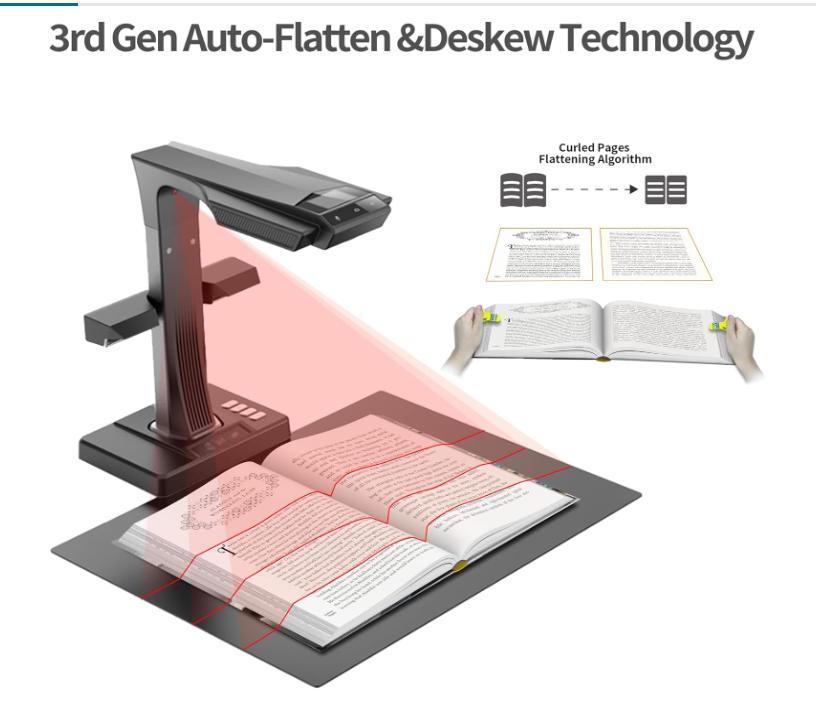
A3 24MP Book Scanner Auto Flatten Deskew CMOS Document Digitizer 4000x6000 USB Visualizer OCR Searchable PDF
Recommended for bound books, special collections and departments that need curve correction plus searchable PDF output.
View product →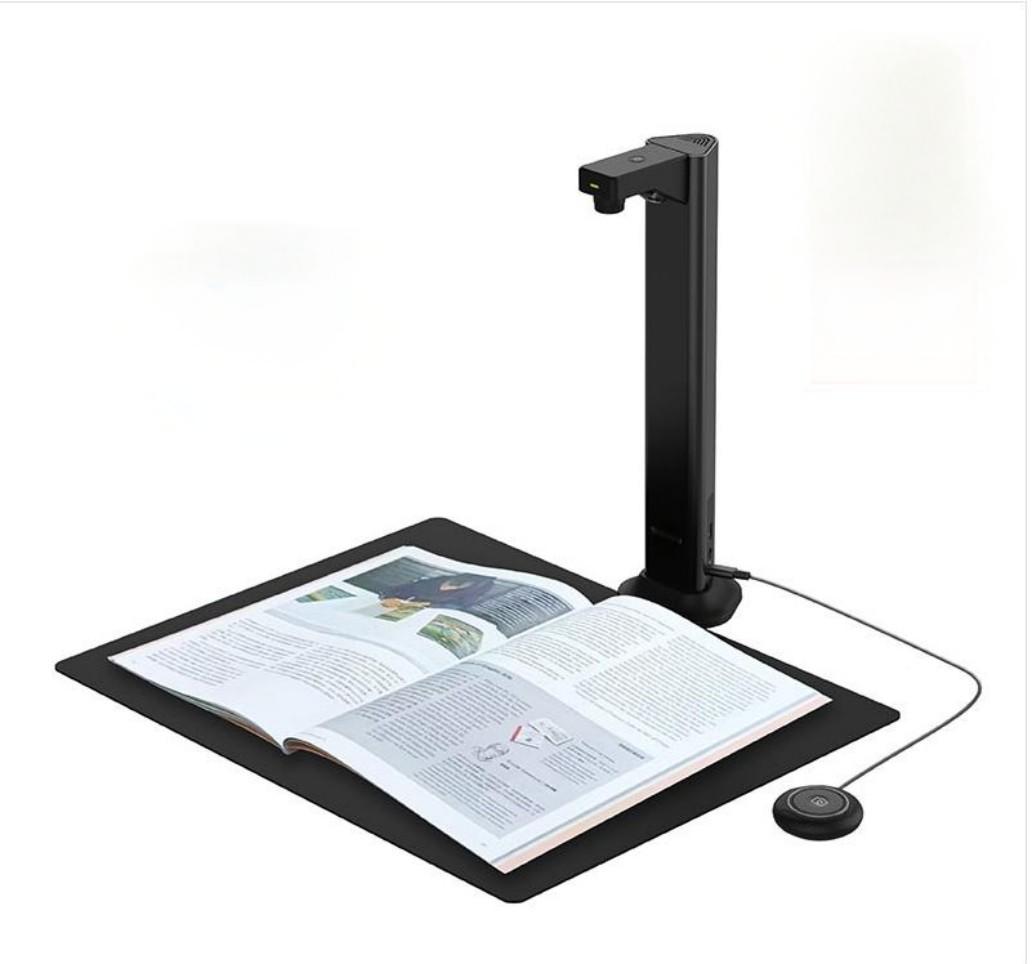
Real 24MP UVC A3 Document Scanner with USB Interface and Text to Speech Feature In-Stock Product
Useful for accessibility programs, assisted reading stations, public-service counters and UVC-based software integration.
View product →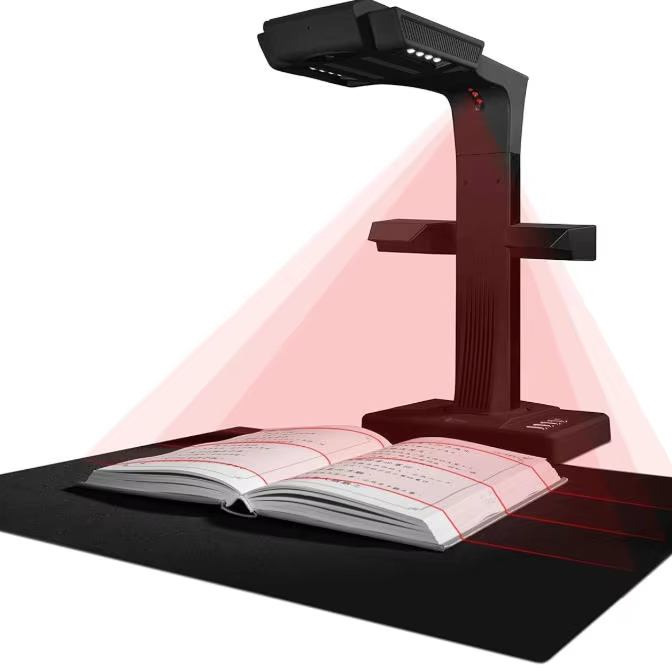
18MP A3 Book Scanner Overhead Document Camera Auto Curve Flattening OCR 180+ HDMI Visual Presenter for Office Library
A practical bridge between archive scanning and live presentation for library reader services and classroom display.
View product →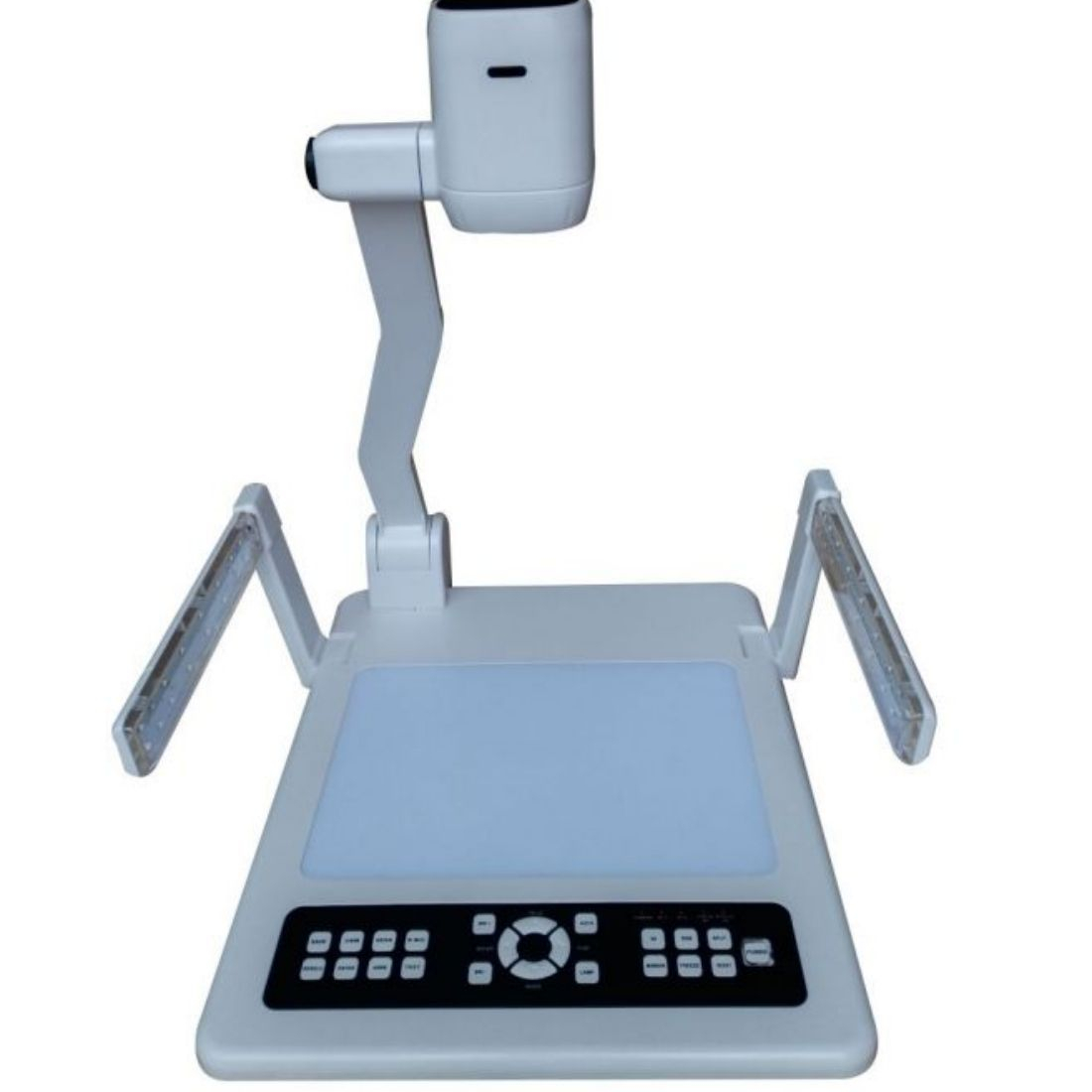
Factory 22X Optical Zoom Desktop VGA HD MI Audio Interface High Resolution Document Camera Visualizer
Recommended for training rooms, engineering review, lecture capture and San Diego teams that present physical objects live.
View product →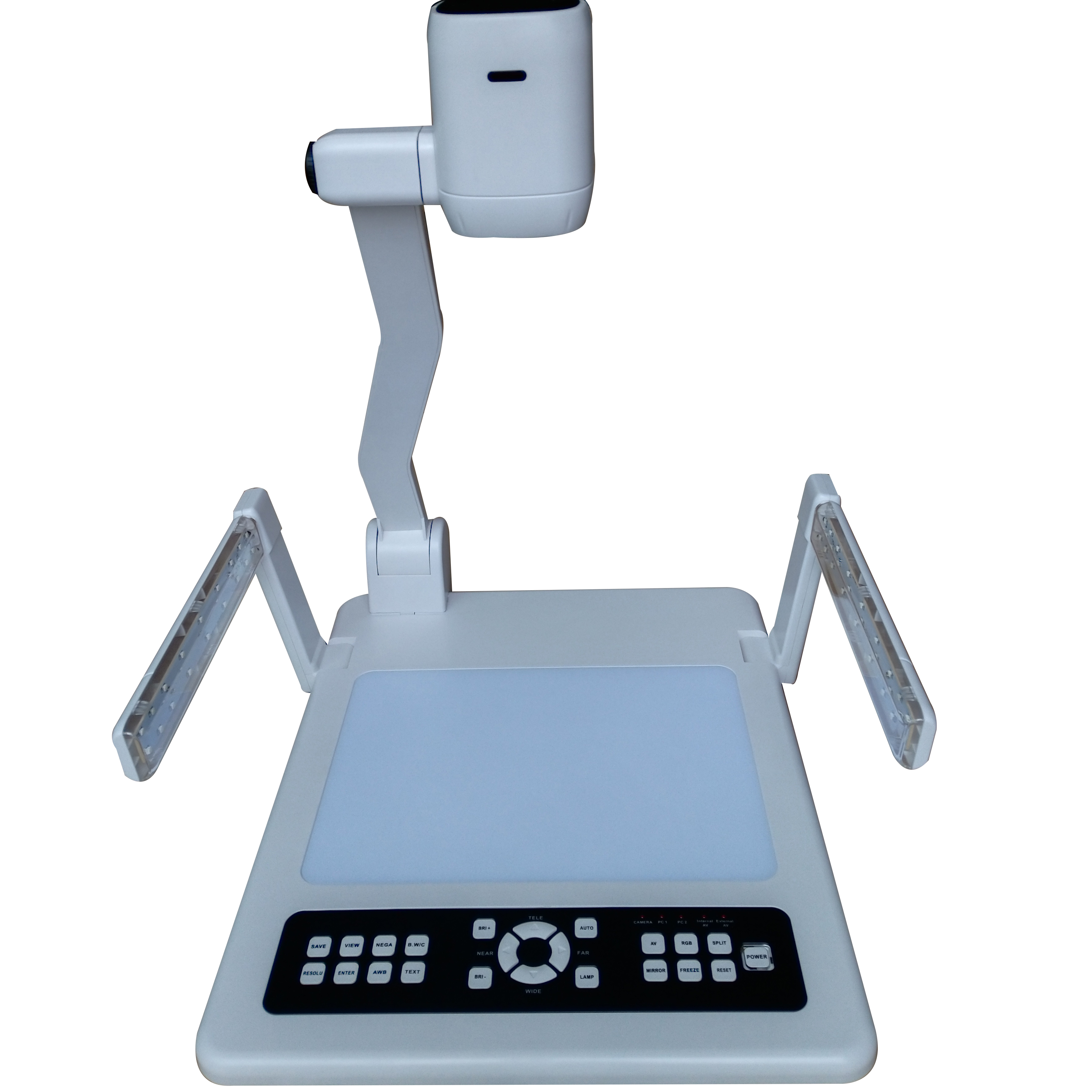
Modern Foldable Flexible Ultra HD Desktop Document Camera for School Video Output HD MI VGA Visualizer
Best fit for mobile teaching kits, hybrid classrooms, field training and multi-room deployments with limited storage.
View product →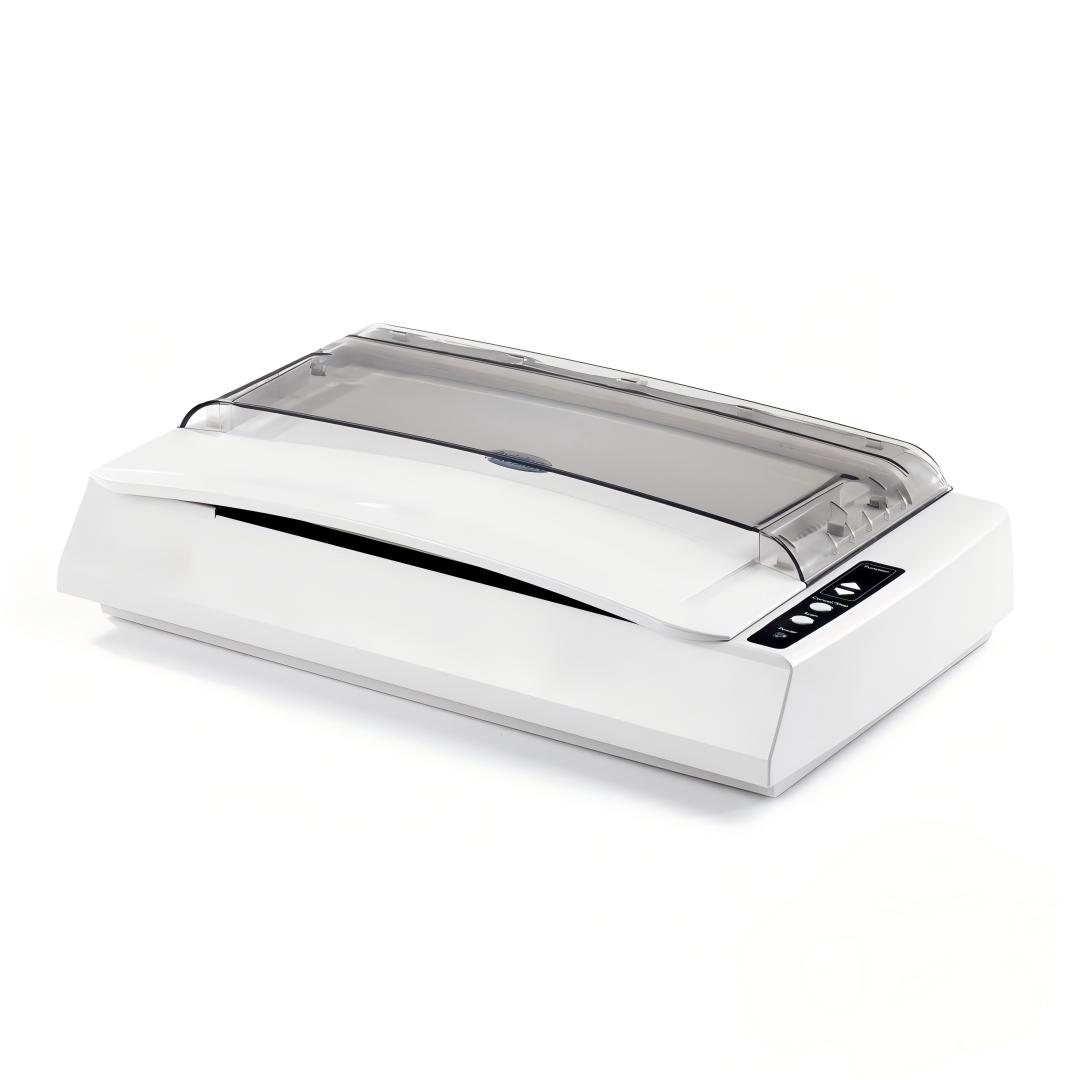
CCD Zero Margin Bookedge Flatbed Scanner A4 600dpi USB Bound Book Scanning No Spine Shadow Library Archive Digitization
Use when spine shadow is unacceptable: rare books, scrapbooks, archival volumes and bound records.
View product →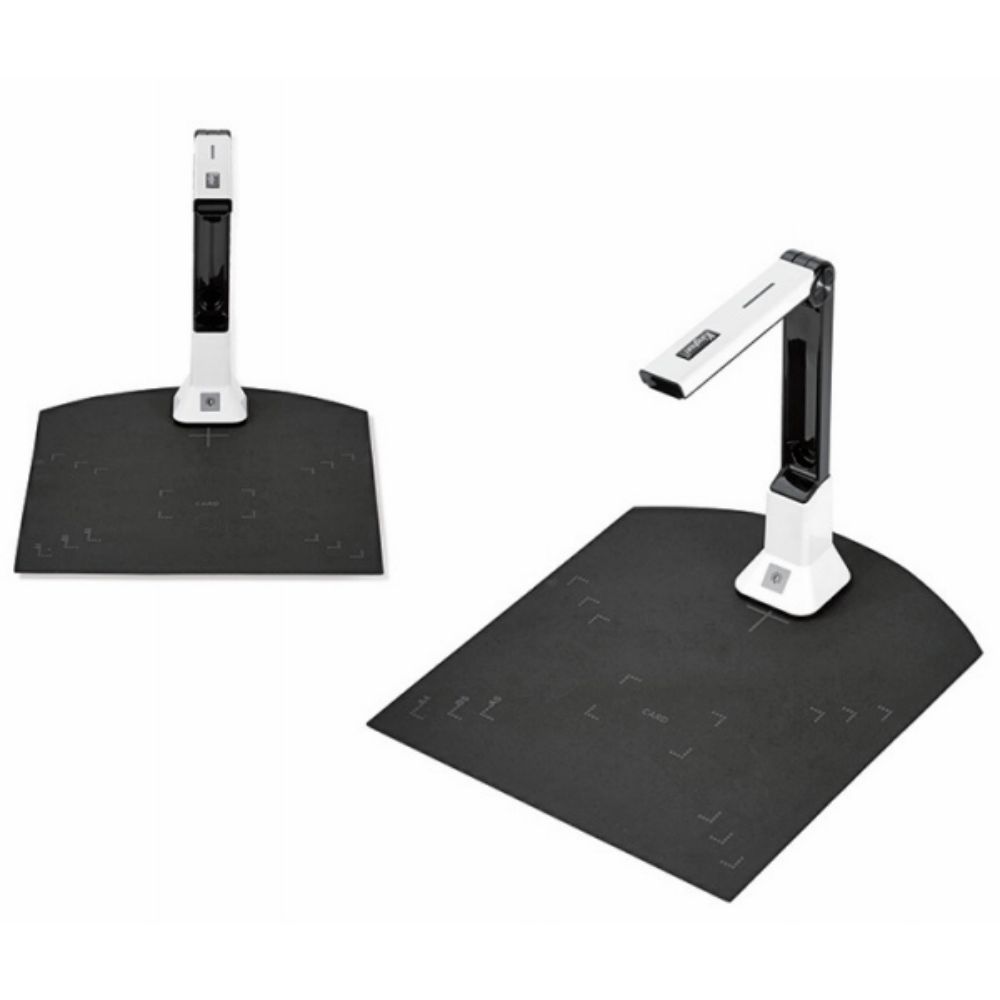
Wholesale 5MP USB Light CMOS A4 Document Scanner Portable Smart Handheld High Resolution 1-Second Scan CE Certified Stock Black
Suited to field audits, mobile intake, site inspections and quick office capture where speed matters more than archival dpi.
View product →Why San Diego Institutions Source Digital Book Scanners from a China Wholesale Manufacturer
San Diego is not a single buying market. It combines university libraries, community-college systems, K-12 districts, municipal record offices, court-support teams, life-science campuses, legal and title companies, museums, historical societies, military-adjacent contractors, tourism businesses and cross-border trade operations. Each has a different document mix, but the purchasing question is often the same: how do we convert paper into searchable, shareable, retention-ready digital files without damaging the original?
For these buyers, a China-based wholesale manufacturer is valuable only when it behaves like an engineering supplier rather than an anonymous marketplace listing. Quibow is a Guangzhou-based electronic supplier, not a San Diego storefront. The advantage is factory-direct access to CIS, CMOS and CCD imaging platforms, practical model matching, OEM/ODM flexibility and export documentation experience for North American buyers. That model works when specifications, sample scans, packaging, warranty and delivery terms are confirmed before purchase.
San Diego procurement teams also compare total cost of ownership, not just unit price. A scanner that creates a clean 300 dpi A3 master file, reduces book-curve distortion and exports searchable PDF can save hours of manual correction. A visual presenter that works immediately over HDMI or VGA can reduce setup time in classrooms and public counters. A CCD bookedge flatbed that avoids spine shadow can protect irreplaceable volumes. Those are the practical reasons this category continues to attract local interest.
San Diego Application Scenarios: From Campus Archives to Cross-Border Legal Work
The same book scanner can serve very different local workflows. These deployment scenarios help San Diego buyers match hardware to the task instead of buying by megapixels alone.
Campus Libraries & Special Collections
UC San Diego, San Diego State University and local college libraries manage fragile monographs, theses, maps and donor collections. Overhead A3/A2 scanners capture without pressing bindings; OCR turns page images into searchable research files.
K-12 Districts & Teacher Resource Centers
Districts such as San Diego Unified and neighboring systems need visual presenters for classrooms, document cameras for hybrid instruction and scanners for student records. Foldable models simplify storage across multiple school sites.
Municipal Clerks, Courts & Public Records
City clerks, county offices and court-support teams handle agendas, permits, case files and public-record requests. Reliable USB capture with consistent PDF output helps teams respond faster while keeping original records intact.
Life Sciences & Regulated Documentation
San Diego’s life-science cluster works with lab notebooks, batch records, training logs and quality documentation. A non-contact scanner can reduce manual handling, while OCR supports search and retrieval in controlled document workflows.
Legal, Title & Cross-Border Trade
Law firms, title companies, customs brokers and import-export teams near the border need fast capture of contracts, identification, shipping documents and signatures. Dual-lens document cameras add a second view for ID and portrait capture.
Museums, Newspapers & Maritime Archives
Historical societies, newspaper archives and maritime collections often hold oversized or bound material. A2 overhead scanning supports broadsheets and maps, while CCD bookedge scanning helps with delicate bound volumes.
San Diego Trends Reshaping Digital Book Scanning Procurement
Search behavior around “book scanner supplier,” “A3 overhead scanner,” “OCR document camera” and “library digitization scanner” reflects broader changes in how San Diego organizations buy document capture hardware.
Searchable OCR Is Baseline
Digital files that cannot be searched feel unfinished. Buyers increasingly ask for OCR to editable text, searchable PDF, multi-language output and predictable folder naming before they request a quote.
Hybrid Service Counters
Public agencies and service businesses now run in-person and remote workflows at the same time. A visual presenter can show a document to a room or a video call, then capture it in one operation.
Accessibility & Records Requests
California public-facing organizations face ongoing accessibility and records-response expectations. Text-to-speech features, clean OCR and readable PDFs help teams serve users who rely on assistive technology.
Verifiable Suppliers Over Listings
Procurement teams want proof: onsite-checked supplier records, trade history, credit overview, sample scans, model compatibility and clear warranty terms. Price alone is no longer a credible shortlist criterion.
Resolution, Throughput and Procurement Math for A4, A3 and A2 Projects
Megapixels are meaningful only when compared with document size and target dpi. Use the table below to avoid under-specifying an A2 archive scanner or over-buying for simple A4 OCR.
| Document size | Pixels needed at 300 dpi | Recommended sensor | Best fit in this catalogue |
|---|---|---|---|
| A4 210 × 297 mm | 2480 × 3508 ≈ 8.7 MP | 10 MP or higher for masters; 5 MP for fast intake | 10MP USB visualizer; 5MP portable scanner |
| A3 297 × 420 mm | 3508 × 4961 ≈ 17.4 MP | 18–24 MP for 300 dpi-class capture | 18MP overhead scanner; 24MP auto-flatten scanner; 24MP UVC scanner |
| A2 420 × 594 mm | 4961 × 7016 ≈ 34.8 MP | 48 MP for archival masters near 300 dpi | A2 large-format models when broadsheets or maps are in scope |
| Bound books | Depends on page size and gutter depth | Overhead CMOS with curve flattening, or CCD bookedge | 24MP auto-flatten scanner; CCD zero-margin bookedge scanner |
Capture Both Pages? Check Per-Page dpi
If a two-page spread is captured in one A3 frame, each page receives roughly half the sensor width. A 24MP A3 scanner may be excellent for one A3 page but marginal for two A4 pages at archival dpi. Ask for a per-page calculation.
OCR Does Not Need Maximum dpi
For many printed documents, 200–250 dpi is sufficient for OCR and on-screen reading. Reserve 300 dpi or higher for master files, preservation copies and text that may be re-published or referenced long-term.
Throughput = Capture + Correction + Naming
Daily volume is not only scanning speed. Estimate time for page turning, curve correction, deskew, OCR, quality review, file naming and import into your document system. A clean workflow often saves more time than a higher frames-per-second claim.
Quibow Manufacturing and Export Advantages for San Diego Procurement Teams
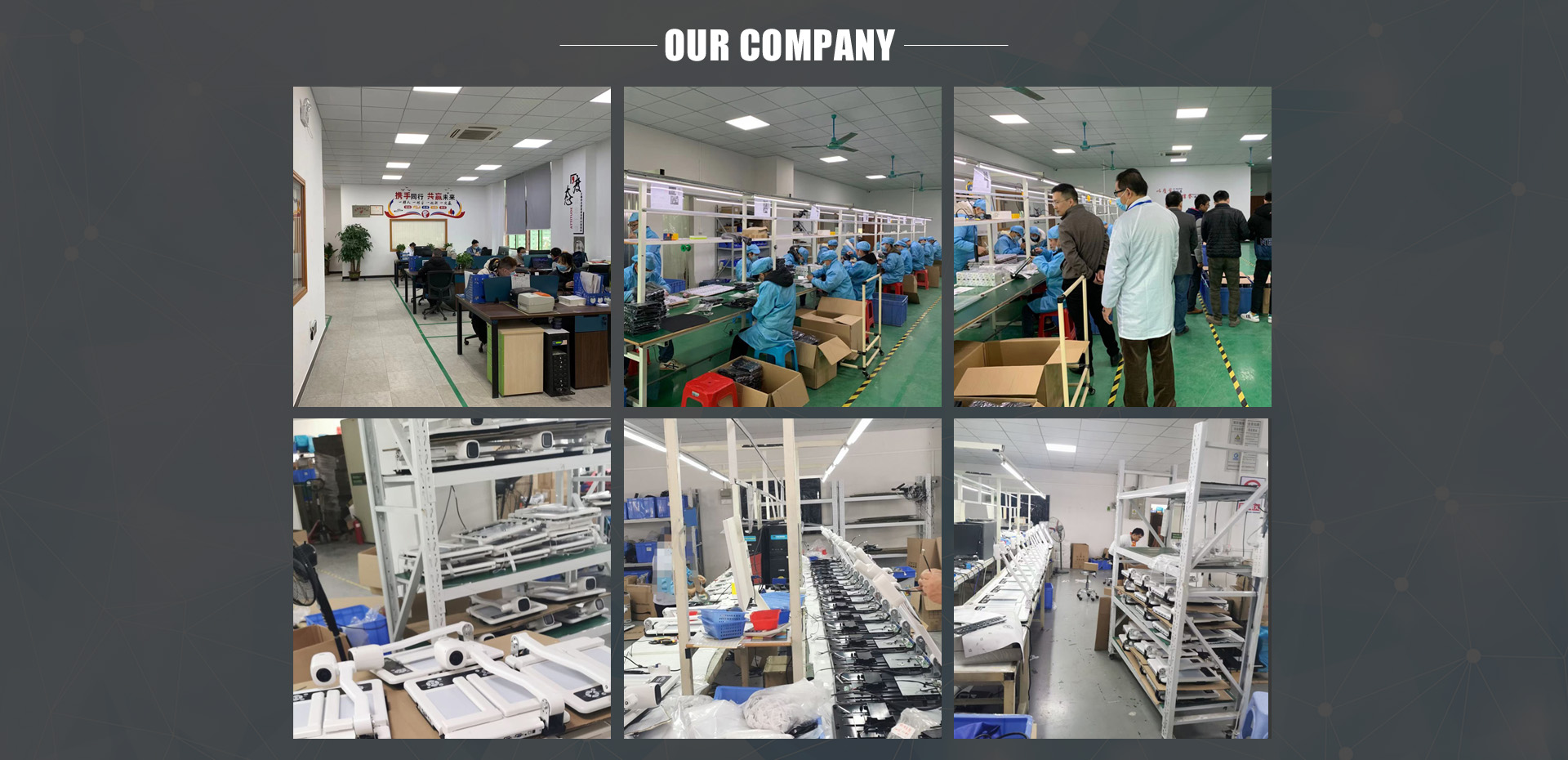
Guangzhou Quibow Electronic Co., Ltd. develops and supplies image acquisition and conversion equipment, including high-speed document cameras, overhead book scanners, A3/A2 document scanners, flatbed scanners and ID-card recognition cameras. The company was established in 2020 and is based in Guangzhou, Guangdong, China.
CIS, CMOS and CCD Engineering Coverage
Quibow works across all three imaging platforms. That matters when a San Diego buyer needs a compact ADF scanner for office batches, a CMOS overhead scanner for bound books or a CCD bookedge flatbed for spine-shadow-sensitive archives.
OEM/ODM Support
Logo printing, packaging, housing color, capture-software branding and SDK integration are available on selected models. This is useful for San Diego distributors, system integrators and education suppliers that need a differentiated product line.
Fast Response and Reorder Signals
Public supplier-performance indicators show a typical first response within one hour, a 100% message response rate and a 27% buyer reorder rate. For procurement teams, these signals reduce the risk of unanswered technical questions.
Verifiable Third-Party Records
Supplier assessment, credit overview, ratings and reviews, trade capacity, transaction level, trade history and transaction history are maintained through the platform profile. Buyers can check records independently before shortlisting.
Warranty and Remote Support
Listed models such as A3 flatbed scanners, A2 overhead scanners and the S2060W ADF scanner carry a 1-year warranty with remote technical support. Compatibility should be confirmed model by model before shipment.
Export Terms and Payment Flexibility
Quibow accepts T/T, L/C, PayPal and Western Union in USD, EUR, HKD or CNY, with FOB, EXW and DDU delivery terms. San Diego buyers can align these terms with their freight forwarder, customs broker or internal purchasing policy.



From San Diego Requirement Review to Export Delivery
A transparent six-step process helps procurement teams understand what happens after the first inquiry and where model decisions should be confirmed.
Requirement Review
Confirm document sizes, daily volume, binding type, operating system, output format, target dpi and whether live presentation is required.
Model Matching
Match CIS, CMOS or CCD hardware to the task. For San Diego archive projects, ask for sample scans of your own books or records before shortlisting.
Customization Review
Discuss logo, packaging, housing color, software branding, OCR languages, SDK integration and any distributor-specific requirements.
Quality Inspection
Check focus, lighting uniformity, driver installation, capture speed and shipment configuration. Confirm compatibility model by model.
Export Packing
Prepare export cartons and documentation according to the agreed FOB, EXW or DDU terms, with the buyer’s forwarder or broker where applicable.
After-Sales Support
Remote setup guidance and a 1-year warranty on listed models are supported by response-time performance and reorder signals.
Questions San Diego Buyers Ask Before Ordering a Wholesale Book Scanner
These answers reflect common local buying concerns: shipping from China, sample approval, import coordination, compatibility, MOQ, OEM/ODM and warranty support.
Can you ship wholesale book scanners directly to San Diego?
Yes. Quibow can support export delivery to San Diego through the buyer’s freight forwarder or an agreed shipping arrangement. Export terms include FOB, EXW and DDU. Buyers should confirm the final delivery method, customs broker and local import responsibilities before ordering.
What is the typical lead time from Guangzhou to San Diego?
Lead time depends on stock status, order quantity, customization, transport mode and customs clearance. Stock models can move faster, while OEM/ODM packaging or software branding adds production time. Ask for a written schedule with the quotation.
Do you offer DDP, or only DDU/FOB/EXW?
The stated terms are FOB, EXW and DDU. If a San Diego buyer needs a broader logistics arrangement, discuss it with the sales team and freight forwarder. Import duties, taxes and local delivery should be clarified before the order is confirmed.
Can we receive sample scans before buying?
Yes, sample scans are the most practical way to evaluate real performance. Send a representative page, a thick bound book sample, a newspaper page or an ID document. Review OCR quality, curve correction, color accuracy and file output before finalizing the model.
What is the minimum order quantity?
Most stock book scanners, A2 large-format scanners and flatbed scanners start from 1 piece or 1 set. Several document camera models start from 2 pieces. OEM/ODM minimum quantities are confirmed per project, depending on branding, packaging and software requirements.
Are the scanners compatible with Windows and macOS?
Many models, including A2 large-format scanners and the 1200 DPI A3 flatbed scanner, support Windows and macOS, with some verified on Apple M1 Macs. Compatibility differs by model, so confirm the exact operating system, driver and software version before shipment.
Which scanner should a San Diego library choose for bound books?
For fragile bound books, start with an overhead CMOS book scanner with curve flattening and OCR. If spine shadow is a critical concern, consider a CCD zero-margin bookedge flatbed. For oversized newspapers or maps, compare A2 overhead capture with a 48MP model.
What warranty and after-sales support is included?
Listed models such as A3 flatbed scanners, A2 overhead scanners and the S2060W ADF scanner carry a 1-year warranty with remote technical support. Keep the model number, operating system and sample files on record so support can diagnose issues faster.
Do you support OEM/ODM for San Diego distributors?
Yes. OEM/ODM projects can include logo printing, packaging, housing color, capture-software branding and SDK integration on selected models. Distributors and system integrators should share target volumes, use cases and branding requirements early.
What payment methods and currencies do you accept?
Quibow accepts T/T, L/C, PayPal and Western Union in USD, EUR, HKD or CNY. Payment terms should be aligned with the final quotation, order value, customization scope and delivery schedule.
Request a San Diego-Specific Scanner Recommendation
Share your document sizes, binding type, daily volume, target dpi, operating system and delivery preference. Quibow can recommend a CIS, CMOS or CCD model, confirm MOQ and OEM/ODM options, and arrange sample scans for a more reliable procurement decision.
Technical review: Quibow Imaging Solutions Team. For best results, include one sample page type, your preferred output format and whether you need searchable PDF, OCR, text-to-speech, HDMI/VGA presentation or SDK integration.