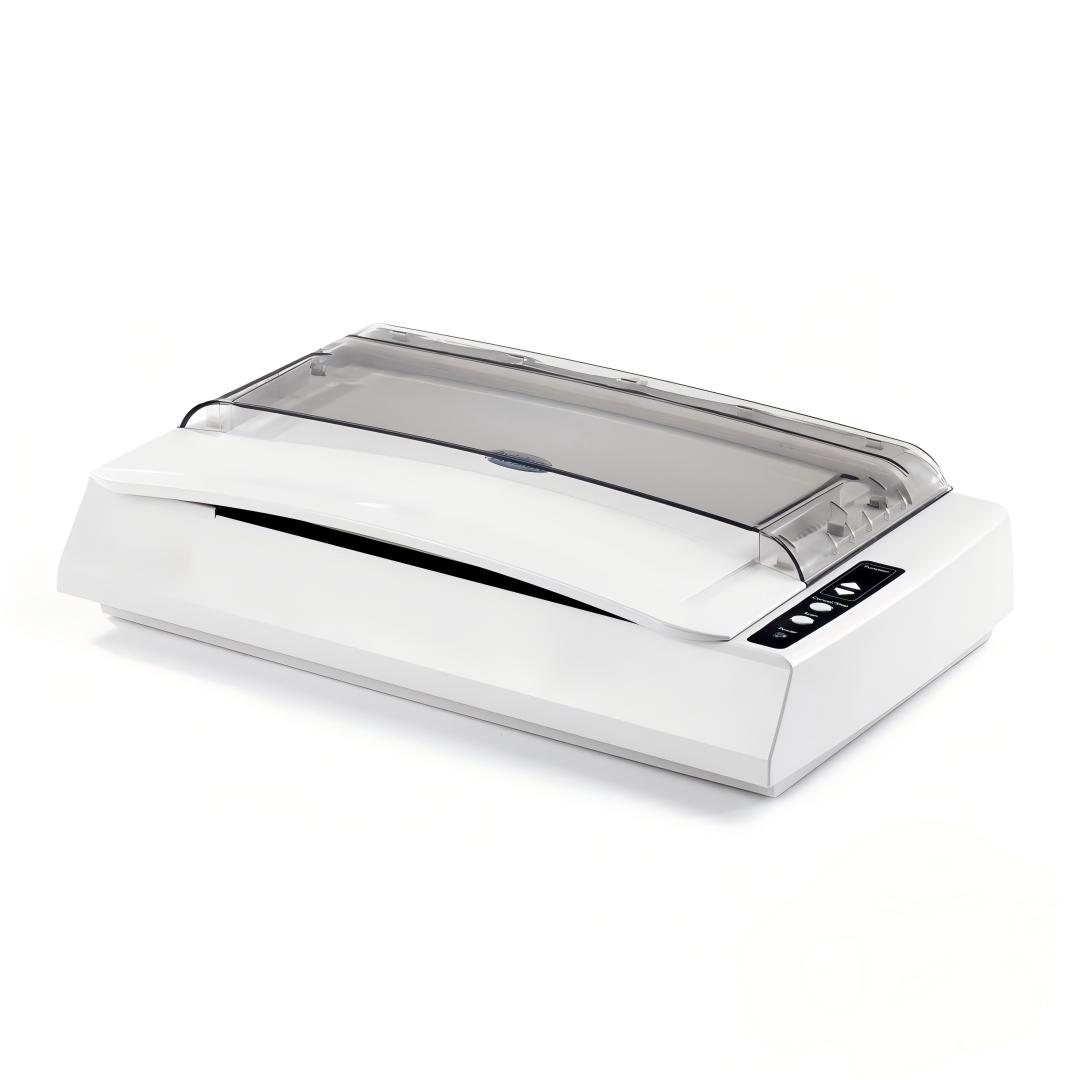
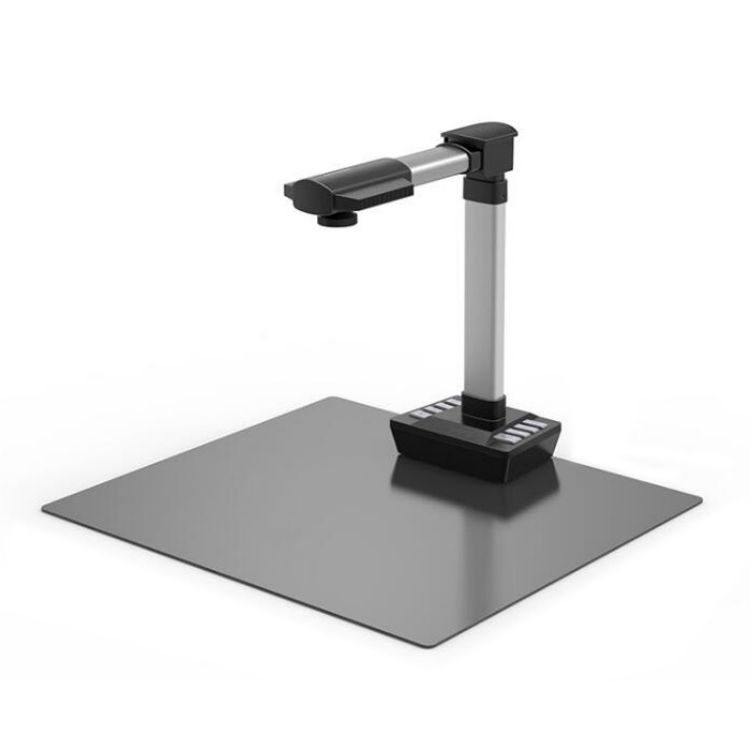
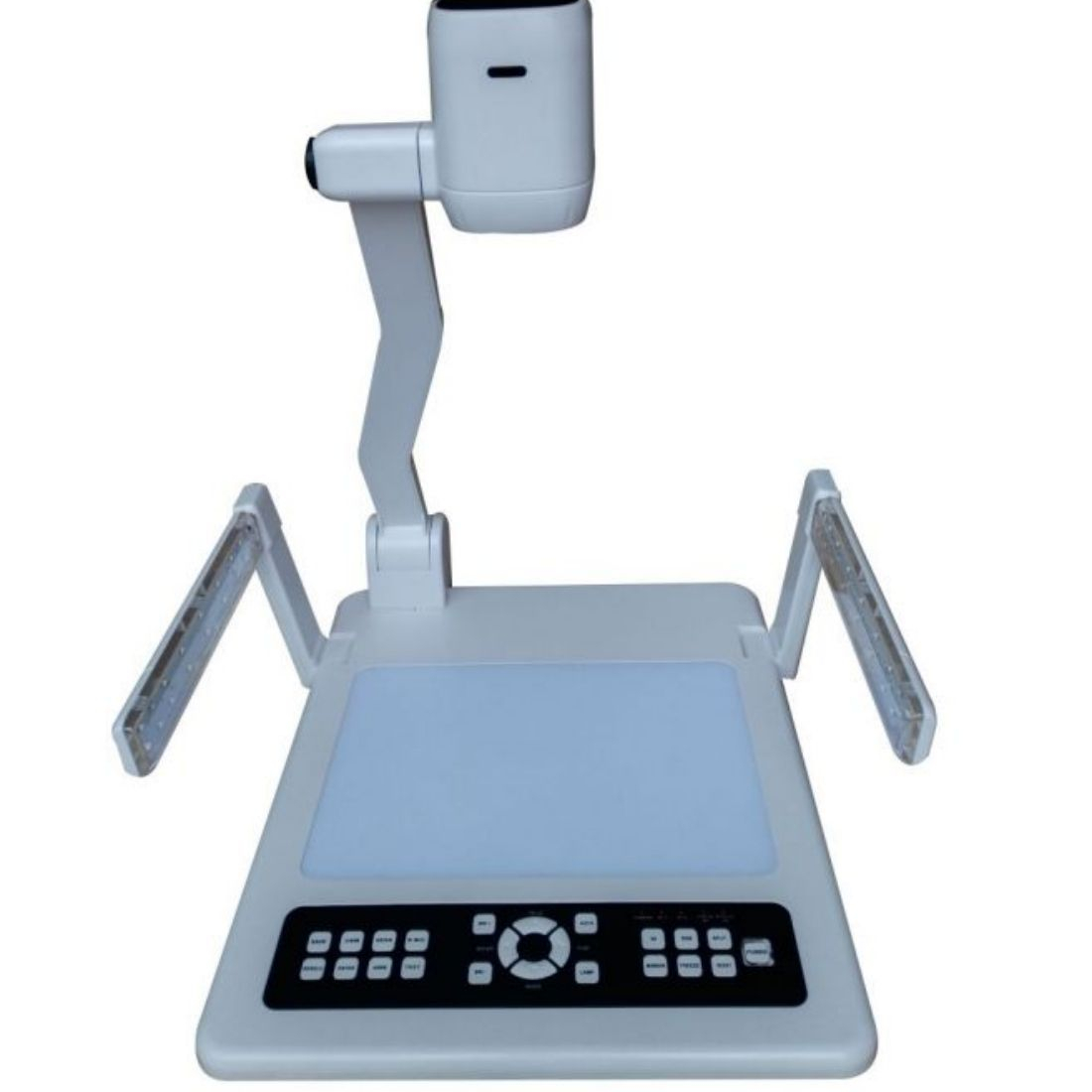
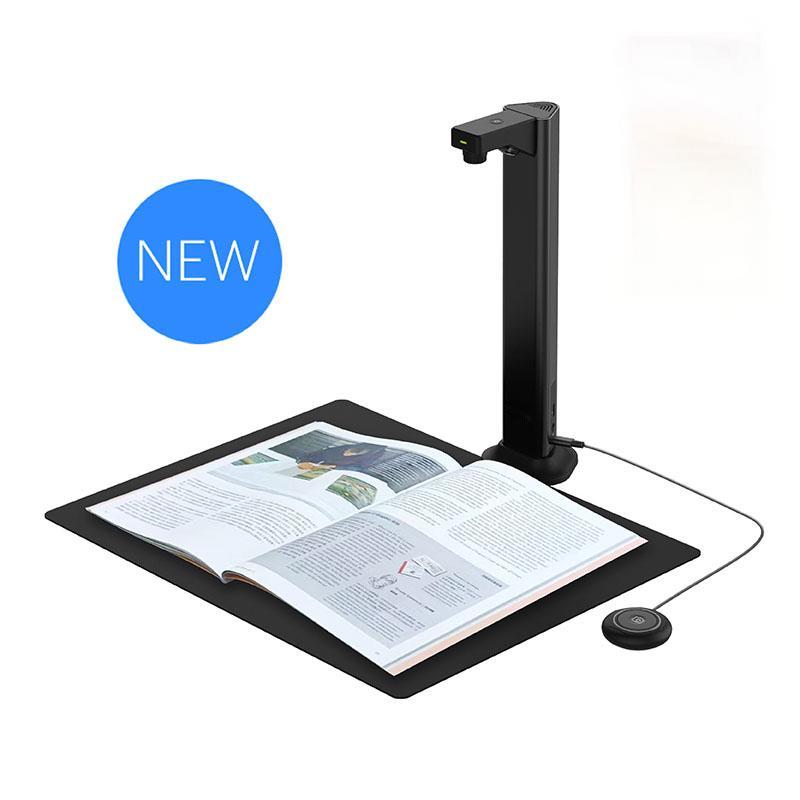
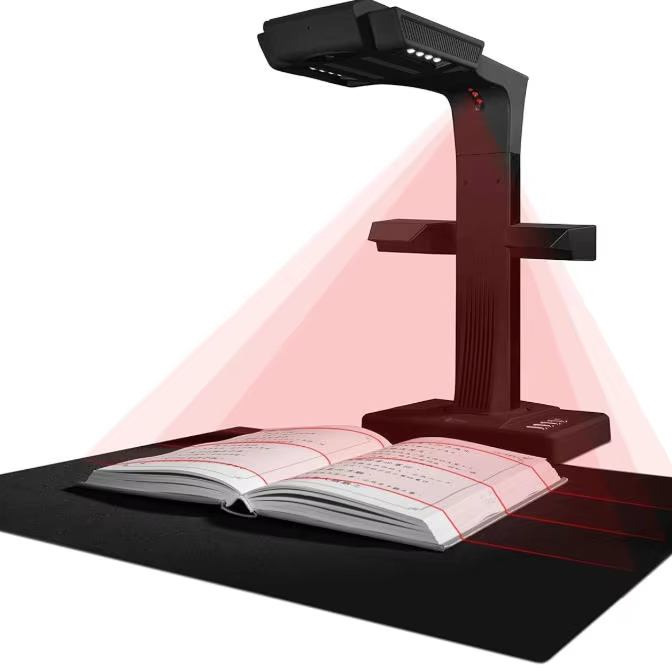
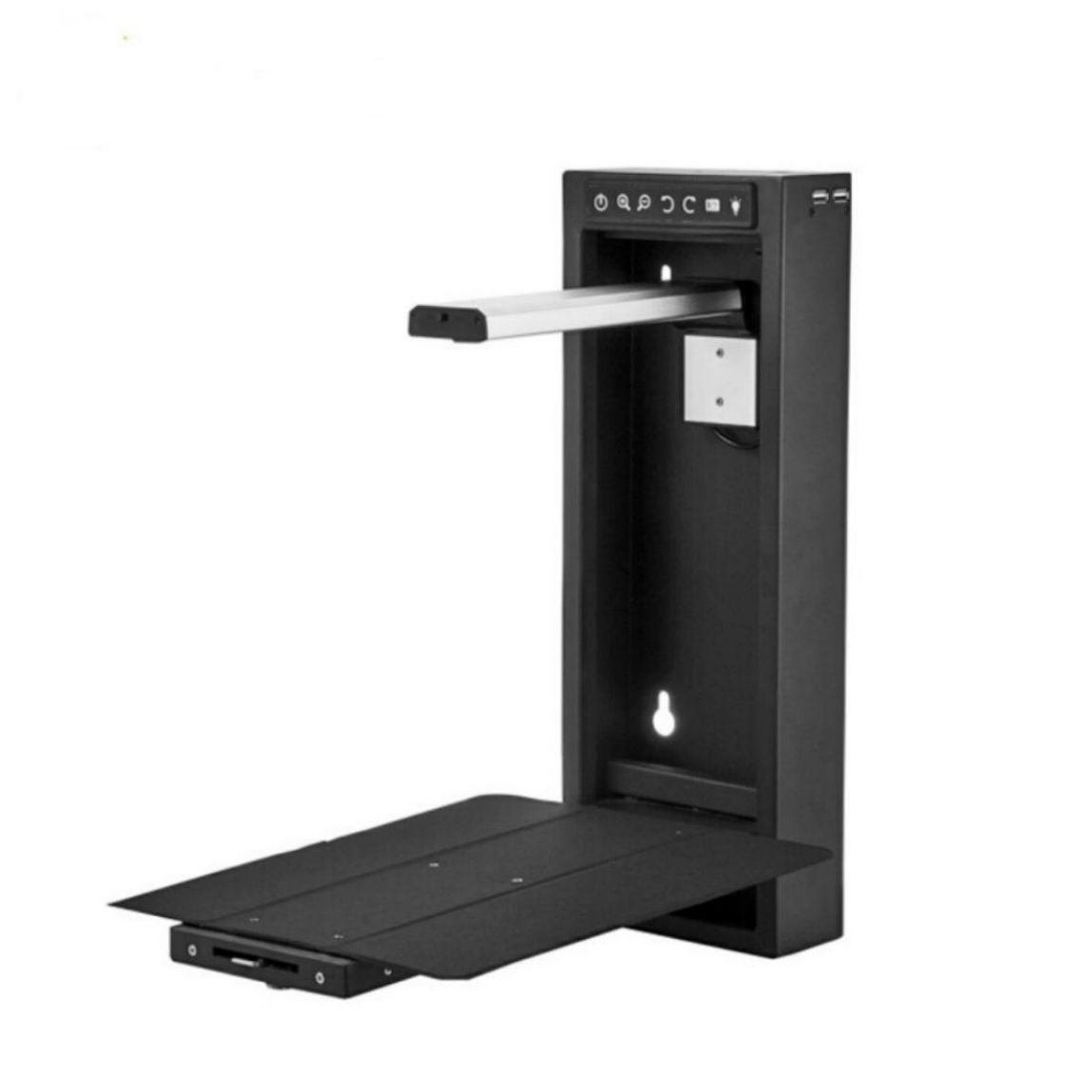
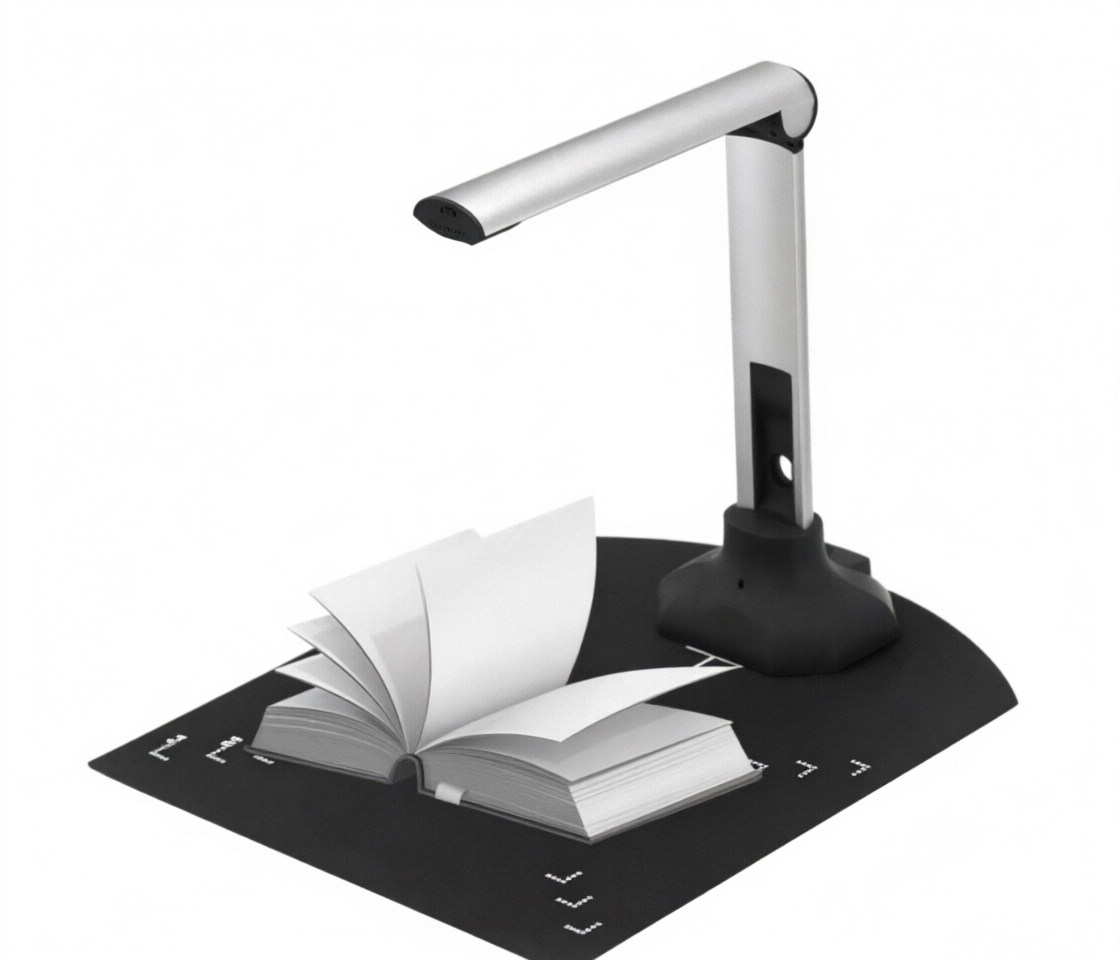
USB Document Camera Scanner 10MP CMOS Visualizer A4 Scanner for Office Education
- 10MP CMOS visualizer
- A4 document and object view
- USB output for Dallas classrooms and offices
Dallas–Fort Worth buyers are not searching for a generic scanner catalogue. They are solving non-contact capture problems for bound books, newspapers, maps, public records, classroom demonstrations and service-counter documents.
A library archive digitization overhead scanner must protect the original while producing searchable, preservation-ready files. In Dallas, that requirement appears across public libraries, university special collections, county clerk offices, law firms, title and real-estate records teams, school districts, community colleges, museums, historical societies, newspaper publishers, healthcare systems and corporate archives. These organizations often need A3 or A2 capture without pressing a book flat, OCR output for discovery, and an equipment choice that fits a Texas procurement process.
This is why the search phrase “China top library archive digitization overhead scanner manufacturers & supplier for the Dallas market” reflects a serious B2B purchase journey. The buyer is comparing sensor platforms, resolution at the document edge, software workflow, warranty support, OEM/ODM flexibility and shipping terms. Quibow’s advantage is not a single box; it is the ability to match CIS, CMOS and CCD imaging platforms to the exact Dallas use case, then support the project with SDK integration, English-language documentation, stock availability and one-year warranty coverage on listed models.
For Dallas projects, the most useful information gain is practical pixel math. An A3 page scanned at 300 dpi requires roughly 3508 × 4961 pixels — about 17.4 megapixels. An A2 newspaper or map at 300 dpi requires about 4961 × 7016 pixels — about 34.8 megapixels. A 21MP overhead camera covering a full A2 area may be acceptable for OCR and screen reading, but a 48MP-class device is safer when the tender specifies 300 dpi archival masters. This single distinction prevents many Dallas procurement cycles from selecting an underpowered camera and then discovering the quality gap after delivery.
These eight models cover library archive capture, classroom visualisation, public-counter scanning, wall-mounted visualizer workflows and high-resolution book scanning. Product links are preserved for direct specification review.


Dallas organizations need different capture formats. A public library may prioritize book-edge safety, a county records team may need OCR and audit-ready files, and a university classroom may need live HDMI demonstration.
Digitize local history, directories, bound periodicals and family research materials without flattening fragile books. A3 overhead and A4 bookedge models are especially relevant.
SMU, UT Dallas and other Dallas-area campuses can use visual presenters and overhead scanners for special collections, lab demonstrations and remote teaching.
Capture deeds, minutes, permits and case files with consistent lighting. OCR and searchable PDF workflows support public records requests and retention planning.
Dallas legal and property teams need fast capture of bound exhibits, title records and signatures. Wall-mounted visualizers help keep counter space clear.
Document cameras with HDMI, VGA and USB support live annotation of textbooks, science experiments and training materials across Dallas-area classrooms.
Non-contact overhead capture reduces handling risk for scrapbooks, photographs and ephemera. High-resolution 38MP-class capture suits conservation documentation.
Broad sheets, maps and clippings can be captured in one overhead pass. A2-capable planning matters for Dallas media archives and historical back issues.
Dallas AV and IT integrators can bundle Quibow cameras and scanners with SDK integration, OEM branding and project-specific documentation.
Quibow develops product solutions across all three imaging platforms. The right sensor depends on whether the priority is batch speed, live visualisation, book curvature correction or optical depth of field.
Compact and efficient for sheet-fed paths. Use CIS when Dallas office teams need high-volume batch scanning and duplex throughput.
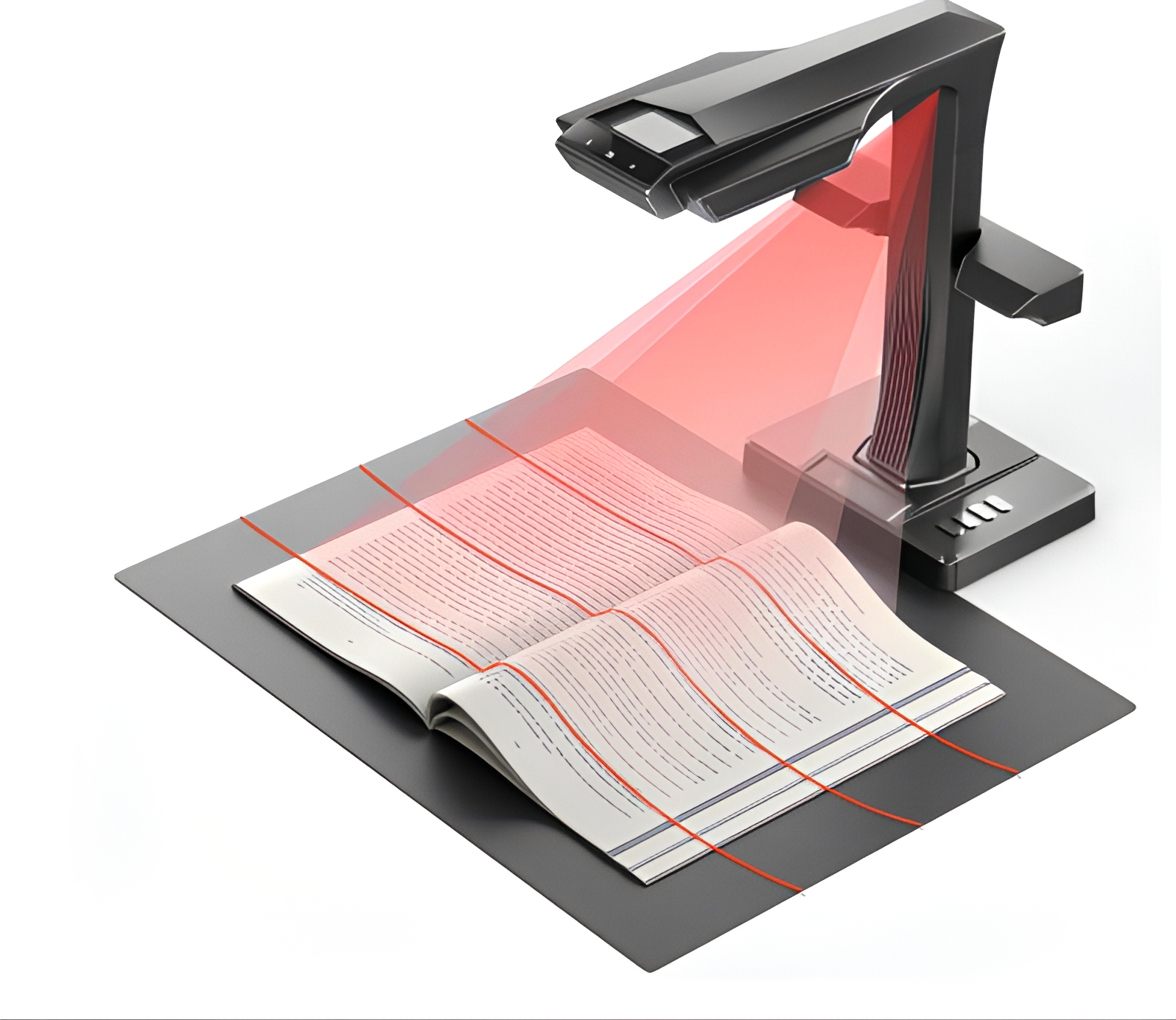
Captures the full page from above in one shot. Software can flatten curves, detect page boundaries and support live HDMI/VGA presentation.
Moving optical carriage with strong depth of field and stable color. Well suited to bookedge flatbeds that must scan close to the binding without spine shadow.
Resolution requirements should be calculated from the physical document size, not from marketing labels. This table gives procurement teams a simple specification benchmark.
| Document size | Pixels at 300 dpi | Approx. megapixels | Recommended Quibow direction |
|---|---|---|---|
| A4 — 210 × 297 mm | 2480 × 3508 | ≈ 8.7 MP | 10MP USB visualizer or dual-lens A4/A3 scanner |
| A3 — 297 × 420 mm | 3508 × 4961 | ≈ 17.4 MP | 18MP or 20MP A3 overhead scanner; 24MP/38MP for extra margin |
| A2 — 420 × 594 mm | 4961 × 7016 | ≈ 34.8 MP | 48MP-class A2 scanner for archival masters; 21MP only for OCR/screen use |
| Photos / artwork | 600–2400 dpi optical | Optical resolution | CCD or high-resolution flatbed platform |
Buying behavior in Dallas is shaped by public-sector procurement, population growth, hybrid learning, records modernization and a strong AV/IT integrator channel.
Dallas County and municipal agencies continue to move paper-intensive processes toward searchable digital records. Overhead scanners reduce handling risk for bound minutes, registers and oversized maps.
Libraries and historical societies often combine local funds with state or federal preservation grants. Quibow supports specification packages, sample scans and English documentation to reduce grant procurement risk.
Searchable PDF and text-to-speech workflows matter for accessibility. Dallas collections may include English, Spanish and other languages, so OCR configuration and output checks should be confirmed before shipment.
Universities, community colleges and K–12 districts need live document cameras with HDMI/VGA and USB output. Visual presenters support remote teaching, training and lab demonstrations without complex setup.
North Texas storm seasons and summer heat make backup planning important. Non-contact scanners help digitize priority records before an incident, while equipment should be placed away from dust, direct sunlight and unstable power.
Dallas systems integrators serve libraries, schools and public agencies. SDK availability, OEM/ODM branding and responsive technical answers make Quibow easier to include in local AV and records-management proposals.
International purchase does not need to be unclear. Use this four-step checklist to align technical specifications, power requirements, shipping terms and after-sales support.
Confirm whether the target is A4, A3 or A2, whether originals are bound, and whether the deliverable is a preservation master, OCR derivative or live HDMI presentation.
Ask for 110–120V/60Hz compatibility or an approved external adapter, U.S. plug, English software, Windows/macOS confirmation and SDK availability where required.
Most stock book scanners, A2 large-format scanners and flatbeds can start from 1 piece or 1 set; several document cameras start from 2 pieces. OEM/ODM quantities are confirmed per project. Listed models carry a 1-year warranty.
Quibow accepts T/T, L/C, PayPal and Western Union in USD, EUR, HKD or CNY, with FOB, EXW and DDU terms. Dallas buyers should confirm import duties and Texas tax treatment with their customs broker.

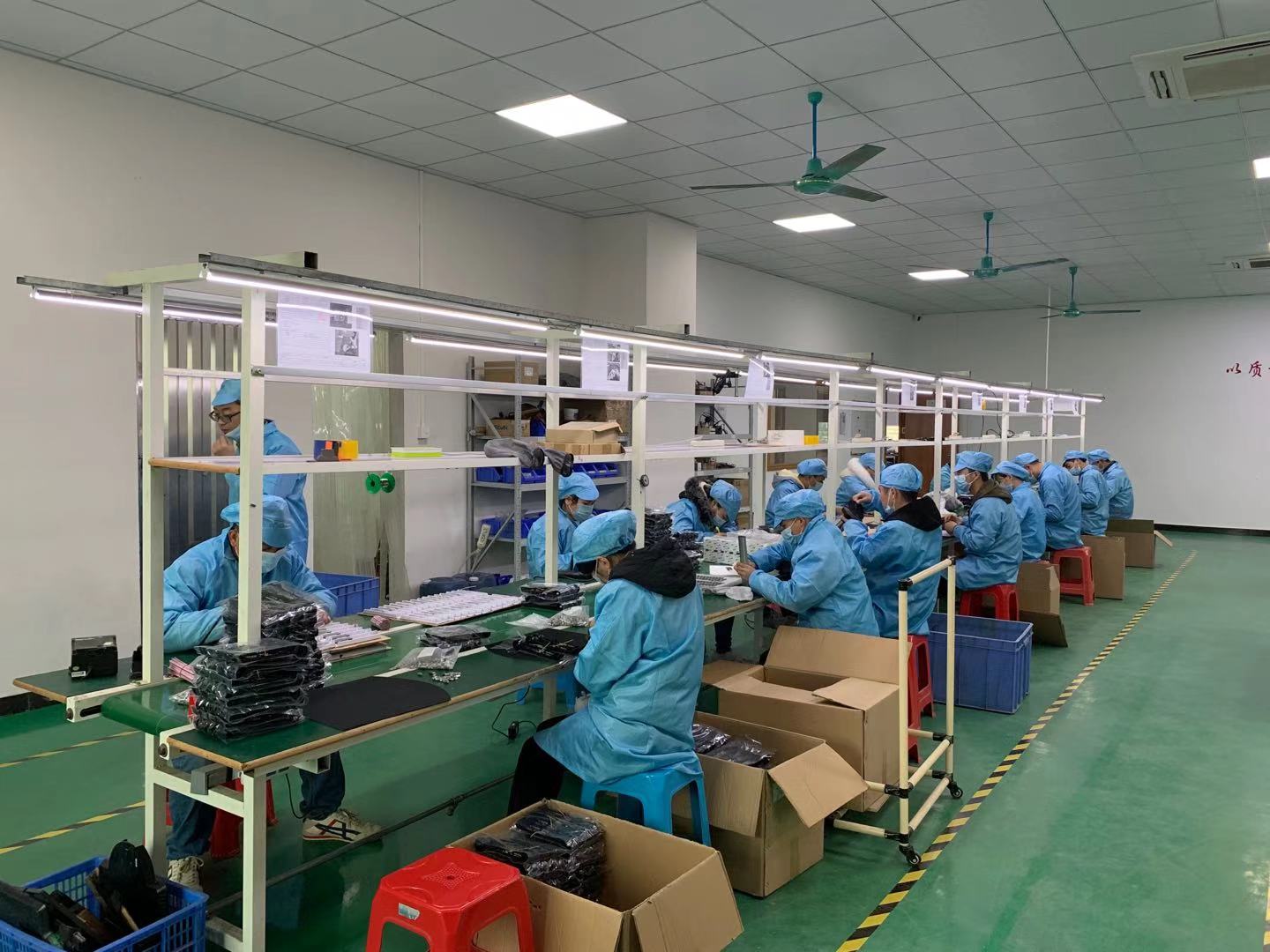
Quibow is a technology-driven supplier focused on image data acquisition and conversion. Founded in 2020 and based in Guangzhou, Guangdong, China, the company develops and supplies photoelectric information equipment including high-speed document cameras, book scanners, flatbed scanners and ID card recognition cameras.
For Dallas buyers, the advantage is a practical combination: CIS, CMOS and CCD imaging options, A3/A2 overhead scanner development, document camera visualisers, OEM/ODM coordination, SDK support and export sales follow-through. The company welcomes logo printing, packaging, housing colour, capture-software branding and SDK integration on selected models.
Operational signals matter in Dallas procurement: average first response within one hour, 100% message response rate, a 27% buyer reorder rate, one-year warranty on listed models and remote technical support. Payment can be arranged by T/T, L/C, PayPal or Western Union in USD, EUR, HKD or CNY, with FOB, EXW and DDU delivery terms.
Review the Quibow company profileTrust should be verifiable. These records are maintained on the Quibow site and reference platform checks, credit overview, buyer feedback and trade capacity.
Onsite check confirming business premises and legal status.
View reportPlatform credit profile and trading reliability indicators.
View creditFeedback left by verified buyers after completed orders.
Read reviewsExport markets, trade terms and logistics capability.
View capacityThese answers reflect the questions most often raised by North American buyers evaluating overhead book scanners, visual presenters and archive digitization equipment.
Guangzhou Quibow Electronic Co., Ltd. is a China-based supplier and technology-driven company focused on image acquisition and conversion equipment. The business profile is listed as a trading company with onsite verification, while the product programme includes manufacturer-style development coordination, OEM/ODM support, SDK integration and export sales follow-through. Dallas buyers should confirm the exact production model, branding plan and quality-inspection checklist for each project.
Yes. Quibow supports export delivery and can quote FOB, EXW or DDU terms. For Dallas delivery, share the final address, whether you need a liftgate, whether the equipment will go to a library loading dock or an office suite, and whether you want air express for samples or consolidated freight for a multi-unit project. Import duties and Texas sales-tax treatment should be confirmed with your customs broker.
North Texas uses 110–120V/60Hz power. Some scanner and camera models use external adapters that may support a wider voltage range, while others are region-specific. Before ordering, confirm the exact model’s input voltage, plug type, adapter certification and English user manual. Quibow can verify compatibility for the selected model as part of the quotation process.
Most stock book scanners, A2 large-format scanners and flatbed scanners start from 1 piece or 1 set. Several document camera models start from 2 pieces. OEM/ODM quantities are confirmed per project. For pilot programs, academic departments and small historical societies, ask for a single-unit or sample evaluation where stock allows.
Use a non-contact overhead book scanner with auto curve flattening, or a CCD zero-margin bookedge flatbed. The overhead format avoids pressing the spine flat, while software can correct page curvature. For Dallas genealogy collections, scrapbooks and historical registers, a 18MP A3 overhead scanner or 38MP A3 overhead scanner is more appropriate than a conventional flatbed that requires heavy pressure.
An A3 page at 300 dpi needs about 17.4 megapixels, so an 18MP or 20MP scanner is suitable, with 24MP or 38MP for extra margin. An A2 sheet at 300 dpi needs about 34.8 megapixels, so a 48MP-class A2 scanner is recommended for archival masters. A 21MP A2 overhead camera may be acceptable for OCR or on-screen access, but it should not be assumed to meet a 300 dpi A2 archival specification.
Yes, selected models support OCR, searchable output and SDK integration. The 20MP OCR visualizer, A3 18MP scanner with OCR and text-to-speech, 18MP A3 overhead book scanner and wall-mounted A4 visualizer are relevant options. Dallas integrators should confirm the target software, output format, language set and SDK environment before ordering.
Quibow accepts T/T, L/C, PayPal and Western Union in USD, EUR, HKD or CNY, with FOB, EXW and DDU delivery terms. Listed models such as A3 flatbed scanners, A2 overhead scanners and the ADF scanner include a one-year warranty with remote technical support. For Dallas deployments, request a written warranty statement, spare-parts guidance and an escalation contact before the purchase order is issued.
Share your document sizes, daily capture volume, binding condition, OCR requirements and target delivery date. Quibow will recommend the right CIS, CMOS or CCD platform, confirm MOQ and terms, and provide sample-scan guidance for your Dallas library, archive, campus or enterprise project.
Contact Us