Eight Imaging Systems Shortlisted for Guadalajara Buyers
These eight configurations are not a random catalogue. They map to the document-capture jobs buyers in Guadalajara most often describe: non-contact book scanning, A2 newspaper and plan capture, wall-mounted service counters, live classroom presentation, OCR document conversion and compact portable training setups.
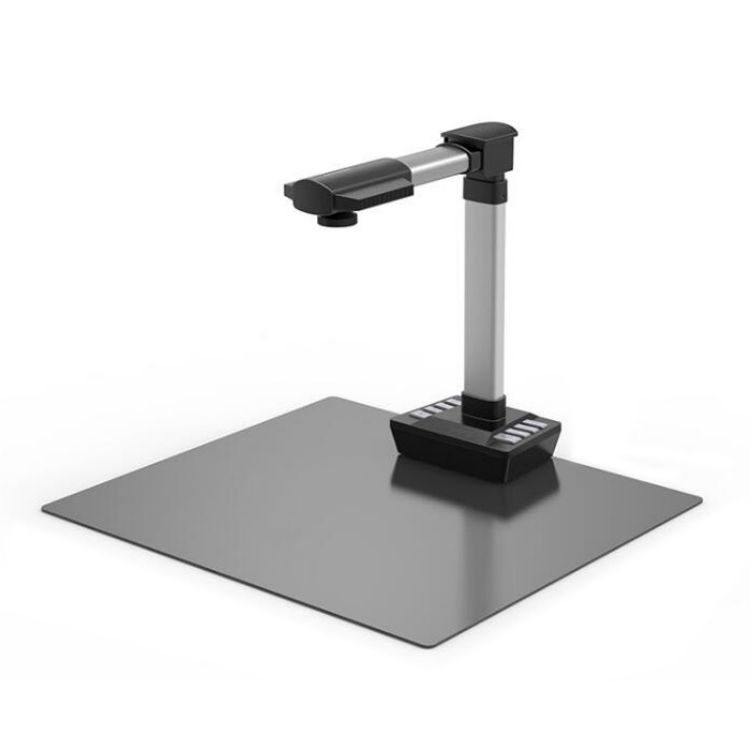
20MP OCR Aluminum Digital Visualizer Camera Classroom Office Training A3 Document Scanner USB Interface SDK Stock Black 1-Year
A practical A3 visualizer for training rooms, notary counters and service desks that need live magnification, OCR and SDK-based integration without a complex setup.
View product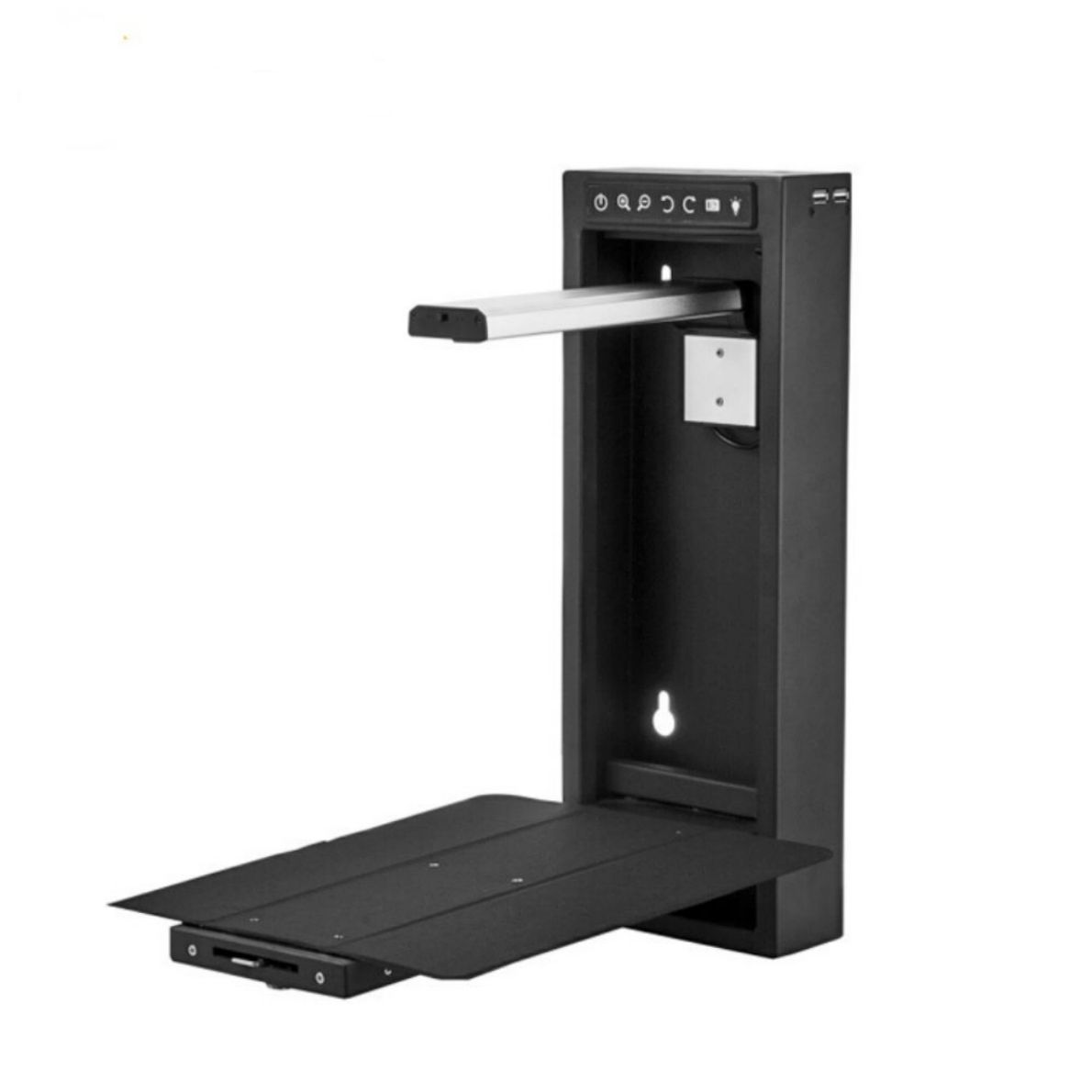
Factory New High Definition Wall Mount Document Scanner USB Interface Visualizer CE Certified 1-Year Warranty High-Speed A4 SDK
A space-saving wall-mounted unit for municipal windows, clinics and banking desks where operators need fast A4 capture with the camera arm kept clear of the counter.
View product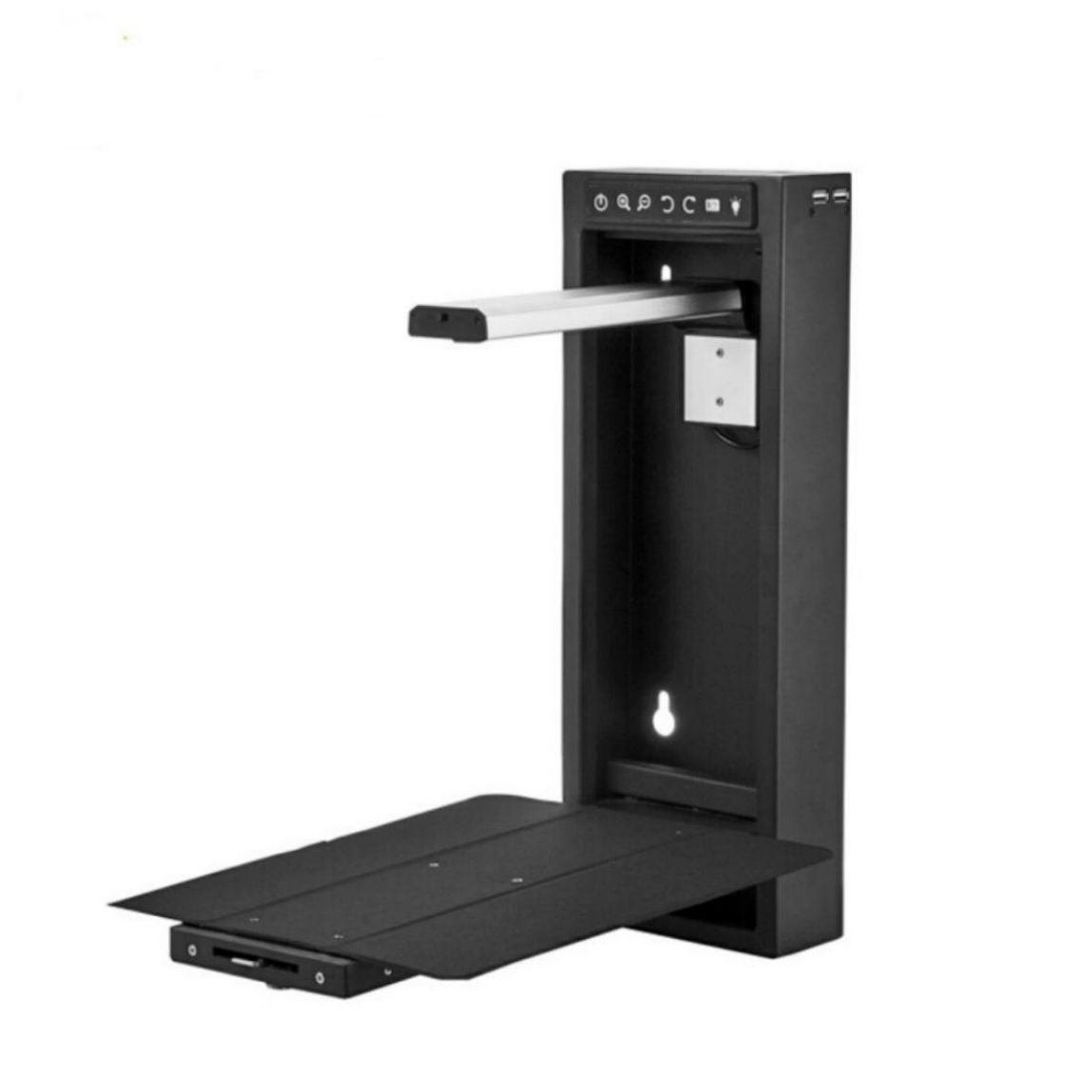
USB Interface Wall-Mounted A4 Visualizer OCR Document Scanner CMOS Sensor 10MP Resolution SDK Included Black 1-Year Stock
An OCR-ready CMOS document scanner for ID forms, permits, signatures and service records. The wall-mounted format keeps high-traffic desks organised and consistent.
View product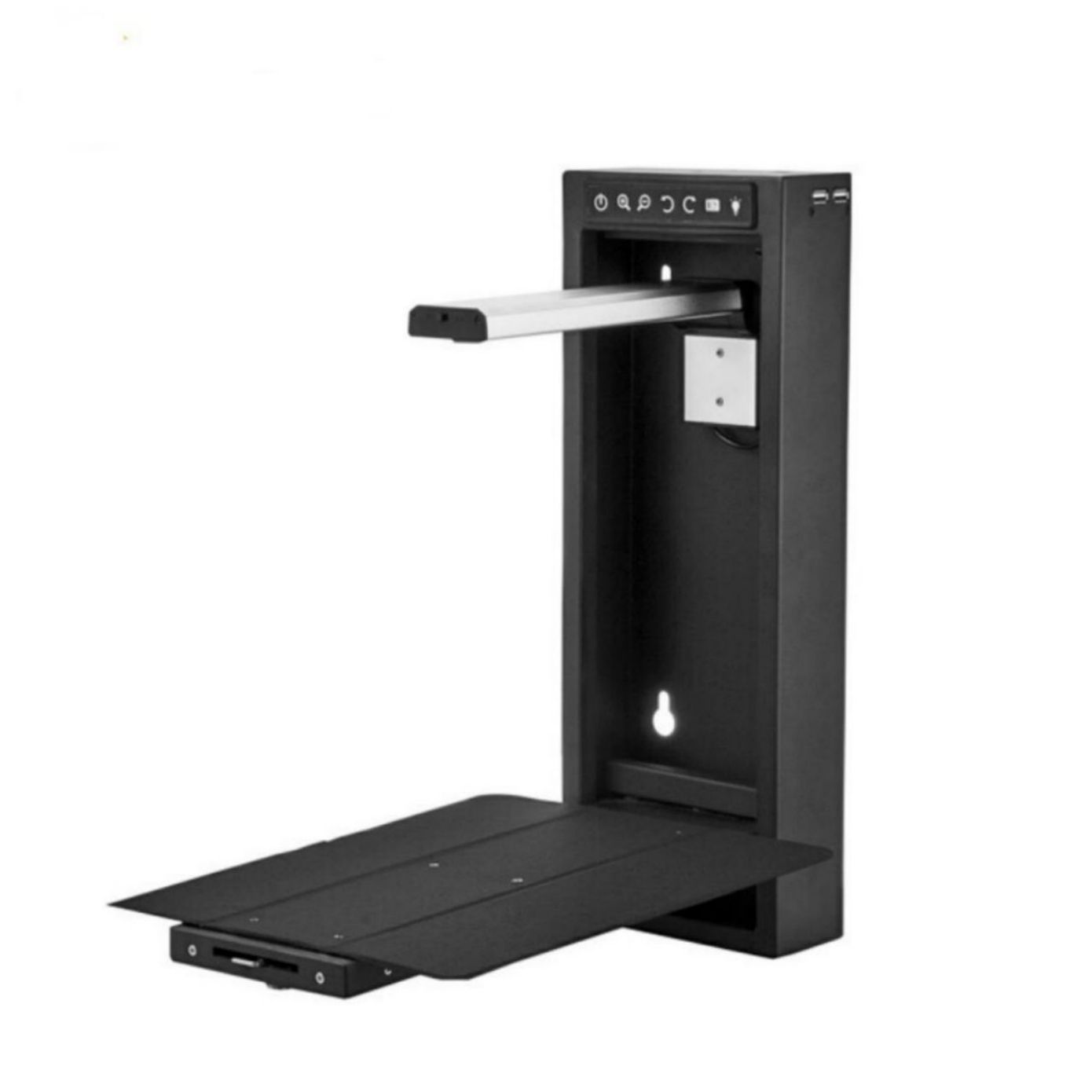
10MP USB CMOS Document Camera Wall Mount Scanner with 1-Second Scan Speed 1-Year Warranty in Stock Classroom Education A4 SDK
A very practical entry point for schools and training centres that need one-second A4 capture, USB simplicity and SDK access for local software partners.
View product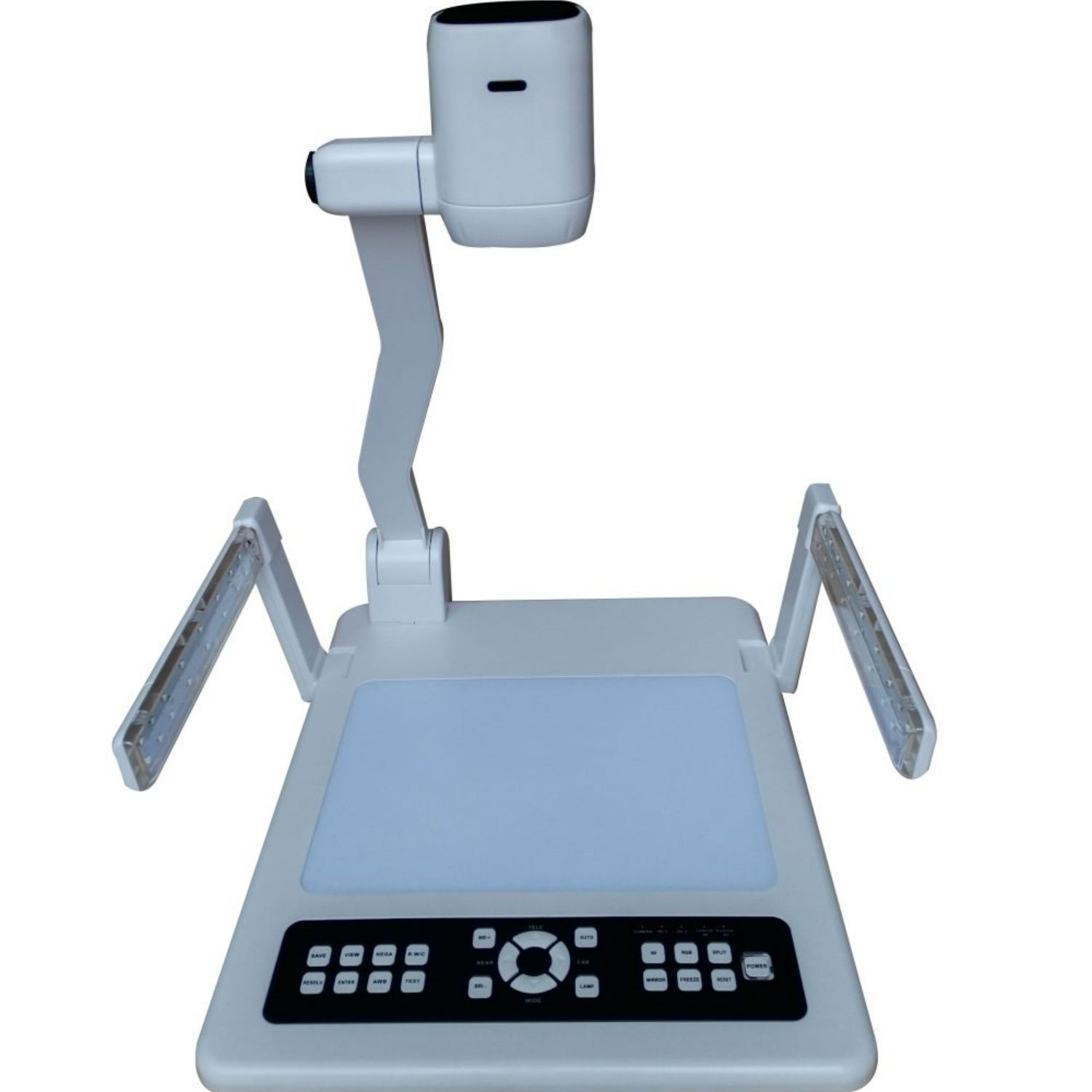
22x Optical Zoom 10x Digital Zoom VGA/USB Interface 2MP CMOS Sensor Resolution A4 Document Camera Foldable Digital Presenter
A foldable presenter for classrooms, laboratories and remote demonstrations where optical zoom and VGA/USB output matter more than portability alone.
View product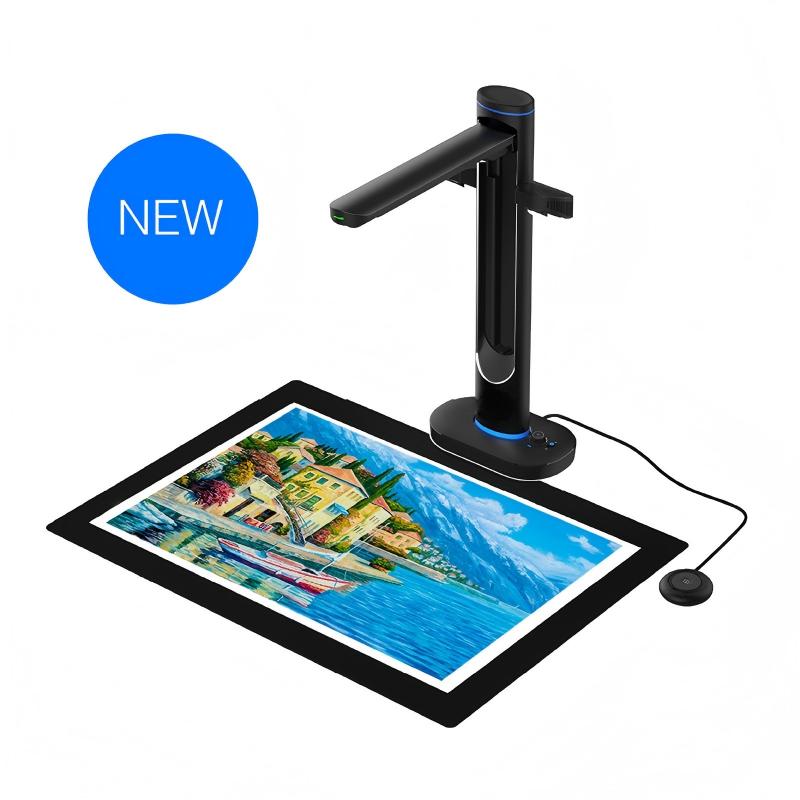
A2 Large Format Book Scanner Dual 48MP CMOS Sensors High-Speed Desktop Overhead Scanner for Windows & MacOS
The strongest recommendation for A2 newspapers, maps, bound atlases and archive masters that must reach approximately 300 dpi across the full sheet.
View product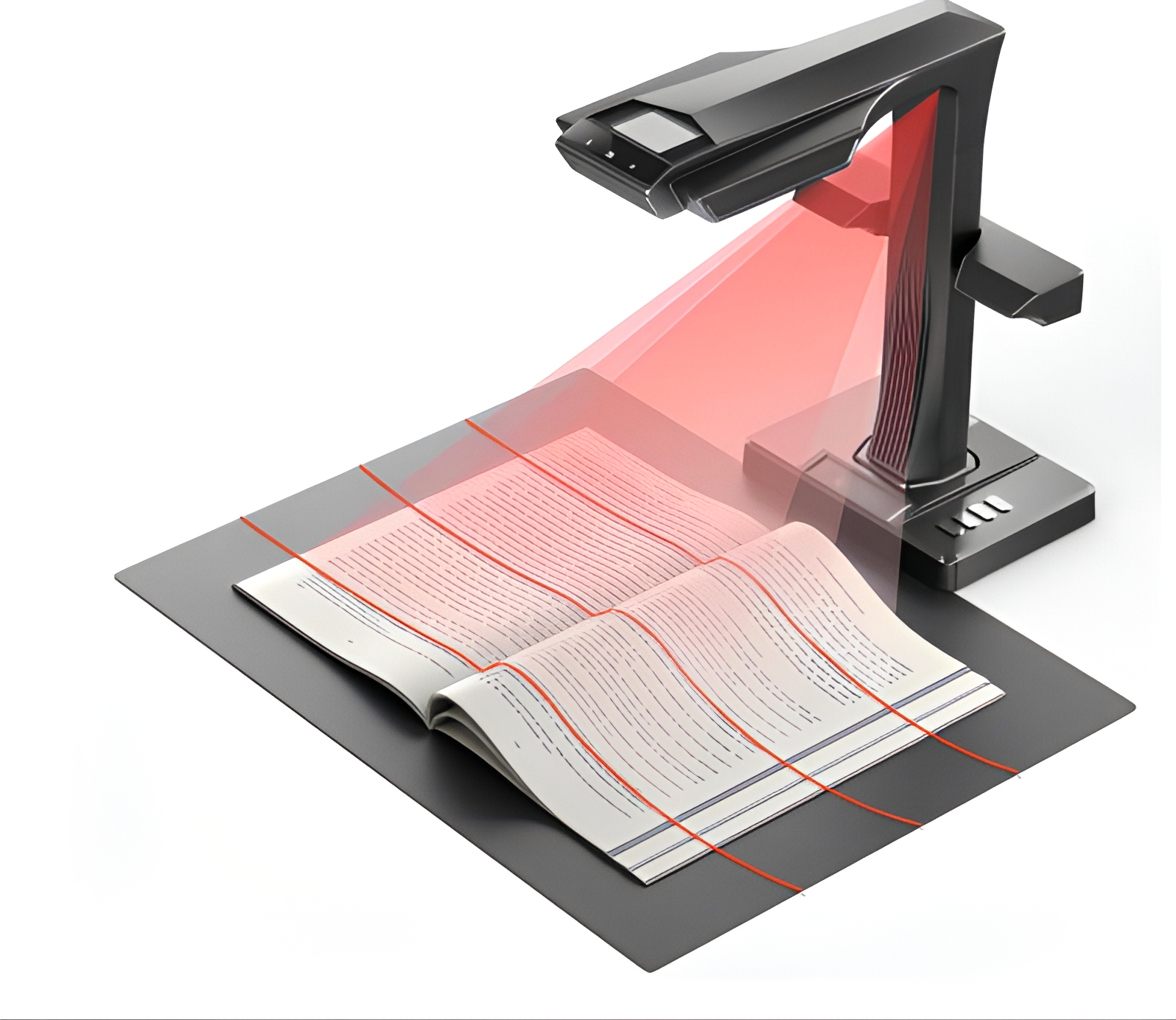
Book Scanner 38MP A3 Document Camera Auto Curve Flattening High Speed Overhead Scanner for Library Office
For libraries and offices that need higher pixel density on A3 bound pages, automatic curve flattening reduces operator intervention and improves OCR consistency.
View product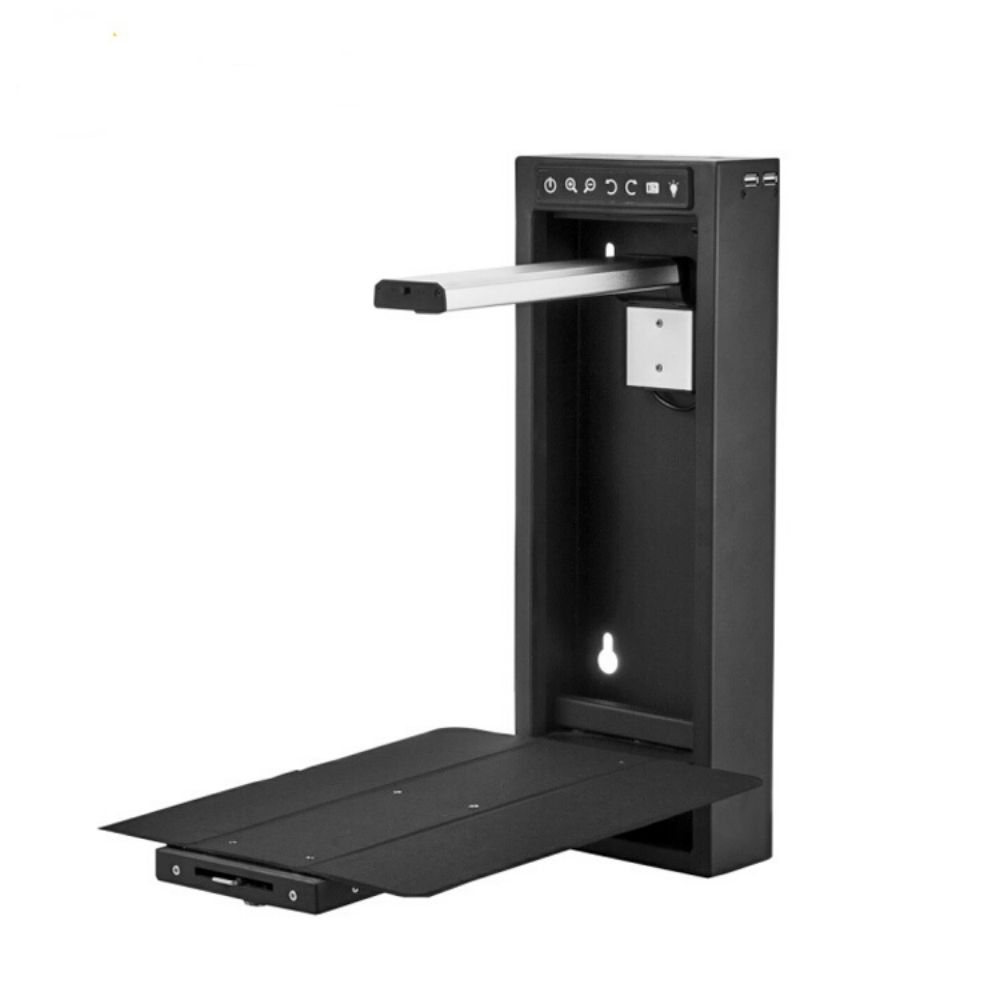
Online Training Portable 10MP A4 Document Scanner USB Interface Visualizer-in-Stock for Wall Version Black+Silver 1-Year
A compact A4 scanner for online training, remote tutoring and field teams that need a light USB visualizer rather than a fixed archive workstation.
View productWhy Guadalajara Deserves a Different Scanner Shortlist
Guadalajara is one of Mexico’s largest urban economies. Procurement demand is shaped by public administration, universities, private hospitals, banking back offices, architectural practices, electronics manufacturing and creative agencies.
That mix creates four distinct scanning jobs: bound book and newspaper digitisation, live document presentation, high-volume office conversion and compact counter capture. A single product category cannot serve all four well. A library in central Guadalajara may reject a flatbed scanner because it presses fragile bindings, while a school in Zapopan may reject an A2 overhead scanner because teachers need live projection, not archival masters.
For buyers in Zapopan, Tlaquepaque, Tlajomulco and El Salto, space is also a real constraint. Wall-mounted document cameras and foldable visualizers reduce counter footprint. For archive teams, non-contact overhead scanning protects original materials. For A2 proofing, engineering plans and newspaper back issues, dual 48MP sensors matter because the pixel budget has to cover the whole sheet, not just a cropped A4 area.
In our export work, the most efficient buyers send a short brief: page size, daily volume, OCR language, operating system, required output format and deadline. That allows a supplier to recommend a realistic model rather than over-specifying on megapixels. The goal is not the biggest camera. The goal is repeatable, reviewable capture that operators can use every day.
Resolution First: The A3 and A2 Math Behind Every Recommendation
Large-format scanning is often sold on camera resolution. The more useful metric is dpi at the document size. That is the number a tender, archive policy or OCR workflow will actually test.
At 300 dpi, an A4 page needs about 8.7 MP, an A3 page needs about 17.4 MP and an A2 sheet needs about 34.8 MP. This is why a 21MP A2 overhead scanner is often acceptable for reading and OCR but may not satisfy a 300 dpi archival master requirement for full A2 media.
For OCR-only work, 200–250 dpi is often enough, especially for printed text. For preservation masters, newspapers, maps and fine line drawings, 300 dpi or higher is safer. The table and bars below translate sensor choices into practical procurement language.
| Document size | Pixels at 300 dpi | Recommended sensor | Typical fit |
|---|---|---|---|
| A4 210 × 297 mm | 2480 × 3508 ≈8.7 MP | 10 MP or higher | Wall-mounted counter scanners, portable visualizers, ID and form capture |
| A3 297 × 420 mm | 3508 × 4961 ≈17.4 MP | 18–24 MP, with 38MP for higher density | Bound books, office records, classroom visualizers and OCR conversion |
| A2 420 × 594 mm | 4961 × 7016 ≈34.8 MP | 48 MP for archival masters | Newspapers, maps, atlases, engineering drawings and large-format archives |
| Photos and artwork | 600–2400 dpi optical | Flatbed, 48-bit colour | Fine art, photo archives, print proofing and image libraries |
Application Scenarios Across Guadalajara and Jalisco
The same scanner can succeed or fail depending on the operator, the document condition and the output required. These are the most common scenarios we see from buyers serving Guadalajara and the wider Jalisco market.
Libraries and historical archives
A2 dual 48MP and 38MP A3 overhead scanners digitise bound books, periodicals, municipal records and newspaper collections without cutting or pressing the originals. Searchable PDF and OCR are usually part of the brief.
Universities and hybrid classrooms
Document cameras with optical zoom let instructors show textbooks, lab demonstrations, diagrams and 3D objects on projectors or video platforms. A3 visualizers are useful when full pages or two-page spreads must remain readable.
Government and municipal service windows
Wall-mounted A4 scanners keep permits, applications, proof of address, signatures and identity documents moving without consuming counter space. One-second capture and OCR reduce queue friction.
Banking, notaries and healthcare
Compact wall-mounted document cameras are common at service desks where records must be captured quickly but securely. Buyers should confirm the required resolution for signatures, seals and small-print clauses before choosing.
Architecture, engineering and creative studios
A2 capture is valuable for plans, renderings, large proofs and site drawings. For fine lines and annotations, buyers should ask for a sample scan at the intended output size and review the edges, not only the centre of the page.
Manufacturing and compliance teams
In Jalisco’s industrial and agave-related supply chains, teams capture labels, batch records, quality certificates and supplier documents. Portable USB scanners are useful for field audits; wall-mounted units suit permanent stations.
Six Procurement Trends Shaping Guadalajara Digitisation Plans
Buyer intent in Guadalajara is shifting from “buy a scanner” to “build a document workflow that survives daily use.” These trends affect model choice, supplier evaluation and total cost of ownership.
Nearshoring increases documentation load
As manufacturers and logistics teams expand in Jalisco, supplier records, quality files and customs documents move faster. Scan stations must be simple enough for non-specialist staff to operate during busy shifts.
Spanish OCR and searchable PDF are expected
Buyers increasingly ask for Spanish OCR, searchable PDF, editable Office formats and batch export. It is essential to request sample scans in Spanish, including accents, tables and small-print text, before approving a model.
Space-saving scanners gain ground
Wall-mounted and foldable visualizers are popular where counter space is limited. They also reduce accidental movement and help standardise capture height, which improves consistency across different operators.
A2 is no longer only for print rooms
Newspaper archives, architectural practices and cultural institutions now treat A2 capture as a core requirement. The deciding factor is whether the scan must meet a 300 dpi master specification or simply support OCR and on-screen reading.
Hybrid education lifts visualizer demand
Universities and private schools need equipment that works for in-room projection and remote sessions. Buyers should check video output, frame rate, zoom quality and software compatibility rather than relying only on resolution.
Total cost of ownership is audited
Public-sector and distributor buyers increasingly compare warranty response, spare-part availability, software stability and reorder history. A low unit price can be expensive if operators need frequent retraining or scans fail review.
Why Quibow Fits Wholesalers and Institutional Buyers
Guangzhou Quibow Electronic Co., Ltd. supplies image acquisition and conversion equipment, including overhead book scanners, A3/A2 large-format scanners, flatbed scanners, document cameras and visual presenters built on CIS, CMOS and CCD imaging platforms.

Export-focused supply from Guangzhou to Guadalajara
Quibow works with distributors, system integrators and end users across Eastern Europe, North America and South America. The company combines product development coordination, export sales and after-sales support, and welcomes OEM/ODM projects for buyers who need local branding or software integration.
CIS, CMOS and CCD expertise
Different imaging platforms serve different jobs. CIS supports compact sheet-feed paths, CMOS area sensors enable one-shot overhead capture, and CCD linear sensors support flatbed and bookedge workflows with controlled lighting.
OEM/ODM flexibility
Selected models support logo printing, packaging design, housing colour, capture-software branding, OCR language configuration and SDK integration. This is useful for Guadalajara distributors building a local brand or software bundle.
Practical MOQ and stock support
Most stock book scanners, A2 large-format scanners and flatbed scanners start from 1 piece or 1 set. Several document camera models start from 2 pieces. OEM/ODM quantities are confirmed per project.
Fast export communication
Quibow reports an average response time of one hour or less and a 100% message response rate. For buyers comparing multiple Chinese suppliers, fast, specific answers reduce procurement risk.
Quality inspection and warranty
Listed models such as the A3 flatbed scanners, A2 overhead scanners and document cameras generally carry a 1-year warranty, backed by remote technical support and configuration checks before shipment.
Flexible commercial terms
Payment methods include T/T, L/C, PayPal and Western Union in USD, EUR, HKD or CNY. Delivery terms include FOB, EXW and DDU, allowing Guadalajara buyers to match the quotation to their logistics model.
From Inquiry to Guadalajara Delivery in Six Steps
A transparent workflow protects both the distributor and the end user. Each step should leave a written record: model, sensor, resolution, software, accessories, warranty and delivery terms.
Requirement review
Confirm page sizes, daily volume, operator skill, OCR language, operating system, output formats and whether the scanner will be used for live presentation or archival capture.
Model matching
Match the document size and resolution target to the correct sensor and format. Request sample scans for A2 newspaper, A3 bound book or Spanish OCR if those are critical.
Commercial proposal
Confirm MOQ, price, currency, payment method and delivery term. Guadalajara importers should also agree on invoice documentation, packing marks and shipping destination.
Customization
For OEM/ODM projects, finalise logo, packaging, housing colour, software branding, SDK scope and any language or workflow requirements before production.
Quality inspection
Check focus, lighting uniformity, driver installation, capture speed, OCR output and accessories. For institutional buyers, request photo or video evidence of the tested unit.
Shipping and after-sales
Coordinate export packing and shipping documents, then keep a remote support path for installation, configuration and warranty claims after delivery in Jalisco.
Check Supplier Records and Product Specifications
Trust is easier when it is verifiable. Before placing a Guadalajara order, confirm the legal company name, business address, model configuration, warranty terms and third-party supplier records.
Supplier Assessment
Review onsite-check records confirming business premises and legal status.
View reportCredit Overview
Check platform credit indicators and trading reliability information.
View creditRatings & Reviews
Read feedback left by verified buyers after completed transactions.
Read reviewsTrade Capacity
Review export markets, trade terms and logistics capability.
View capacityGuadalajara Buyer FAQ: Book Scanners and Document Cameras
These are the questions most frequently raised by buyers sourcing from China for Guadalajara, Jalisco and the wider Mexican market.
What is the difference between an A2 book scanner and an A3 overhead scanner for a Guadalajara library?
An A3 overhead scanner is usually the practical choice for bound books, office records and classroom documents because it matches standard book and file sizes while keeping the camera at a manageable height. An A2 scanner is better for newspapers, maps, atlases, engineering drawings and large archival sheets. If the collection includes both A3 books and A2 newspapers, buyers often choose one A3 model and one A2 dual 48MP model rather than forcing a single device to cover both jobs.
How many megapixels do I need for 300 dpi at A3 or A2?
At 300 dpi, A3 requires approximately 17.4 MP, so an 18MP or 24MP model is suitable, while a 38MP A3 scanner provides more pixel headroom. A2 at 300 dpi requires approximately 34.8 MP, so a 48MP A2 scanner is the safer recommendation for archival masters. A 21MP A2 model may be sufficient for OCR and on-screen reading, but it should not be presented as a 300 dpi A2 archival solution without verifying the exact capture area and output.
Do your scanners support Spanish OCR and searchable PDF output?
Spanish OCR and searchable PDF are common requirements for Mexican institutional buyers, and Quibow can confirm supported OCR language packs and export formats for the selected model. Before ordering, request sample scans containing Spanish accents, tables, seals and small-print text. The output should be reviewed for character accuracy, table structure and file size. If an integrator needs its own OCR engine, ask whether SDK access or a specific file format is available.
Are the scanners compatible with Windows and macOS?
Many models, including several A2 large-format scanners and A3 flatbed scanners, support Windows and macOS, and selected units may be verified on Apple silicon Macs. Compatibility varies by model and software version, so it should be written into the quotation. If your Guadalajara team uses Windows 11, macOS, a mix of both, or a custom application, provide the exact systems and output requirements before the order is confirmed.
What MOQ, payment methods and delivery terms apply?
Most stock book scanners, A2 large-format scanners and flatbed scanners start from 1 piece or 1 set. Several document camera models start from 2 pieces. OEM/ODM quantities are confirmed per project. Payment methods include T/T, L/C, PayPal and Western Union in USD, EUR, HKD or CNY. Delivery terms include FOB, EXW and DDU. For Guadalajara, the buyer and supplier should also agree on packing, shipping destination, invoice documentation and whether a customs broker will handle final clearance.
How are units shipped to Guadalajara, and who handles customs?
Small orders are often shipped by air; larger institutional orders may move by sea through Mexican ports such as Manzanillo or Lázaro Cárdenas before final delivery to Jalisco. Import duties, taxes and customs clearance are handled by the importer or its broker. For a smoother process, confirm the HS classification, invoice value, brand authorisation and product labelling requirements with your broker before shipment. The supplier should provide consistent export documents that match the order.
What about voltage, plugs and Spanish documentation for Mexico?
Confirm the adapter input range and plug type before ordering. Many imaging products use USB power or external adapters rated for multiple input voltages, but the quotation should state the exact configuration. For schools, government offices and banks, a Spanish quick-start guide, driver instructions or setup video can reduce deployment time. If a distributor needs Spanish packaging or software labels, include that in the OEM/ODM brief.
What warranty and after-sales support are provided?
Listed models such as the A3 flatbed scanners, A2 overhead scanners and document cameras generally carry a 1-year warranty, backed by remote technical support. The exact warranty scope should be confirmed per order and should cover the unit, accessories and software configuration. For Guadalajara distributors, it is useful to agree on troubleshooting language, response channels, spare-part identification and the process for returning a defective unit if local repair is not available.
Can I request sample scans or OEM branding before placing a bulk order?
Yes. Buyers should request sample scans at the intended document size and resolution before approving a model. For OEM/ODM projects, Quibow supports logo printing, packaging, housing colour, capture-software branding, OCR language configuration and SDK integration on selected models. Provide the target brand name, packaging requirements, software workflow and expected quantity so the supplier can confirm feasibility, MOQ and lead time.
How do I compare a low-cost scanner with a reliable model for long-term use?
Compare the delivered system, not only the unit price. Review sensor platform, actual dpi at the target page size, OCR quality, driver stability, software language support, warranty response, spare-part availability and supplier reorder history. For high-traffic service counters, wall-mounted build quality and one-second capture can matter more than an extra megapixel. For archival work, sample scan quality at the edges, curve correction and searchable PDF output are decisive.
Need a Scanner That Fits A2 Archives, A3 Books or A4 Service Counters?
Share your document sizes, daily volume, OCR language, operating system, delivery destination in Jalisco and target delivery date. Quibow can recommend a suitable model, confirm MOQ and provide sample-scan or OEM/ODM details for your review.