China Top Digital Scanner Factory & Wholesalers for Washington DC
A procurement-grade guide for government, legal, education, library and healthcare teams comparing A3/A4 document scanners, overhead book scanners and HD/4K visualizers from Guangzhou-based supply channels.
Eight Scanner and Visualizer Models for DC Workflows
Washington DC buyers rarely purchase a scanner as a stand-alone device. They purchase a defensible capture workflow: a bound report that must become a searchable PDF, a student record that must remain legible, a newspaper page that must be archived at 300 dpi, or a live classroom demonstration that must work through HDMI. The eight products below are current catalogue models with preserved product URLs for specification review.
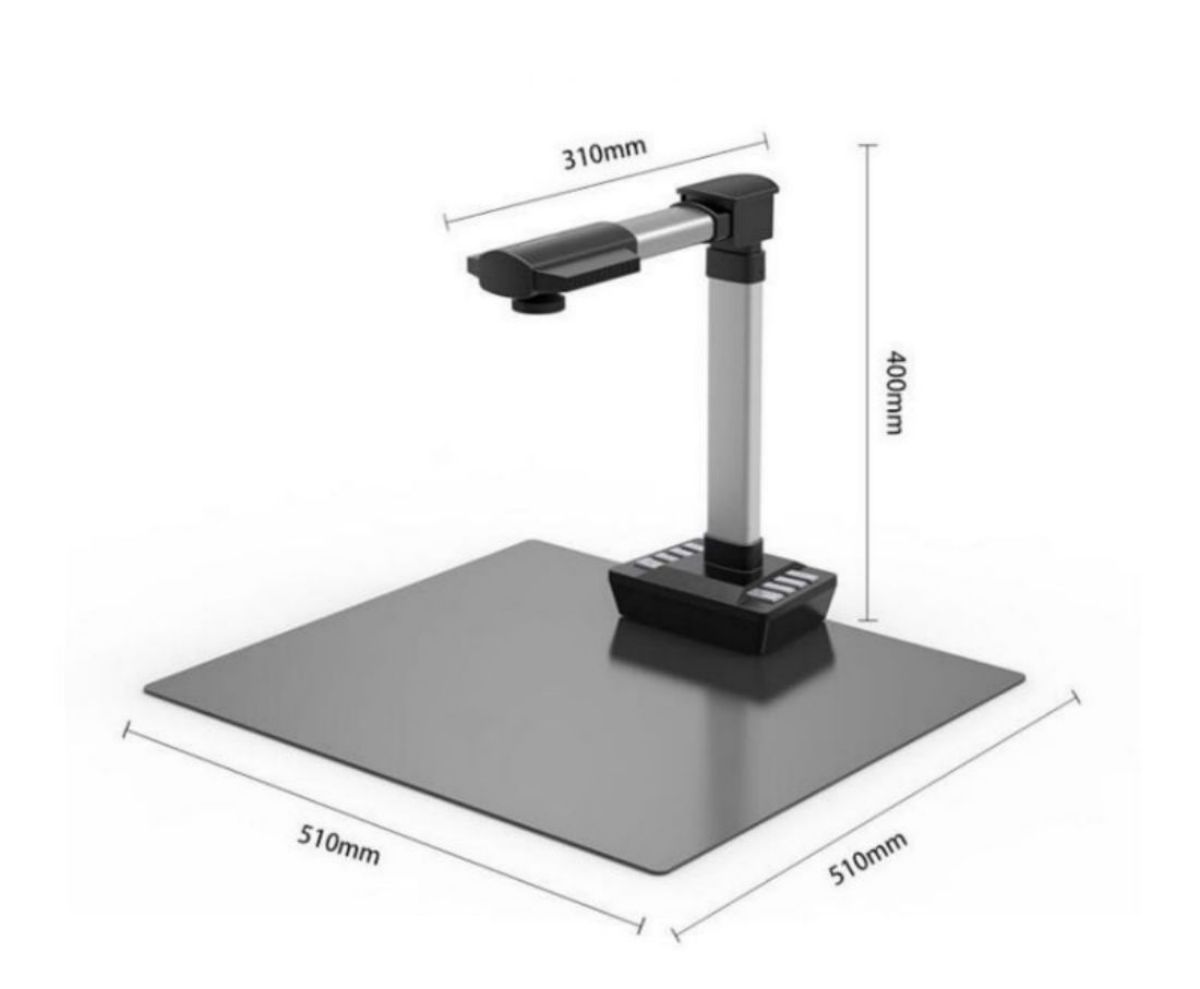
Portable 20MP High-Speed Wireless A3 Document Scanner Professional Book Scanner Foot Pedal USB Interface 24-Bit Color Stock
For field archivists, mobile FOIA teams and reading rooms that need A3 book capture without a fixed studio. Wireless flexibility and foot-pedal operation reduce page-turn friction.
- 20MP A3 overhead capture
- Wireless + USB; foot pedal
- 24-bit color for maps and stamps
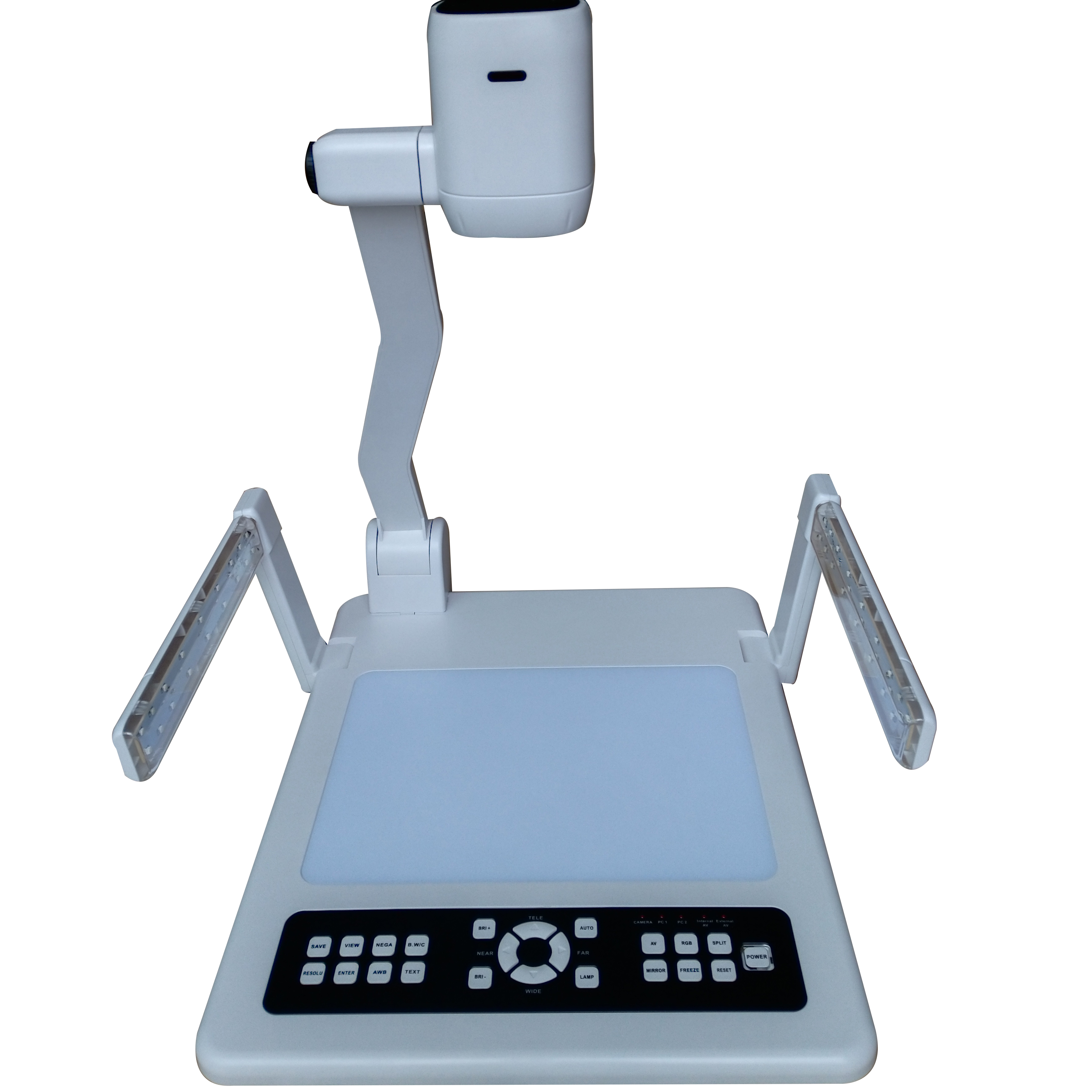
Modern Foldable Flexible Ultra HD Desktop Document Camera for School Video Output HD MI VGA Visualizer
A packable visualizer for hybrid classrooms, training rooms and library instruction. Ultra HD output through HDMI/VGA keeps text and objects sharp on shared displays.
- Foldable arm for shared spaces
- Ultra HD live output
- HDMI / VGA school integration
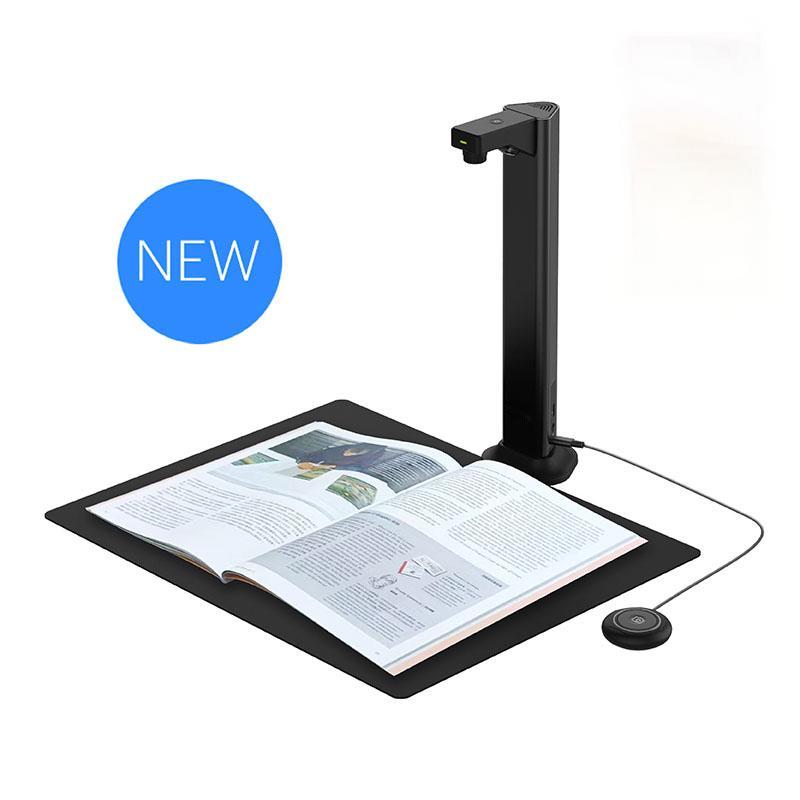
A3 18MP USB Aluminum Document Scanner with UVC Camera 1s Scan Speed OCR & Text to Speech Features-in Stock
A practical desk scanner for legal intake, university records and agency service counters. The aluminum body, UVC camera and 1-second capture support high-turnover work.
- 18MP A3; 1-second capture
- OCR and text-to-speech
- UVC camera; aluminum housing
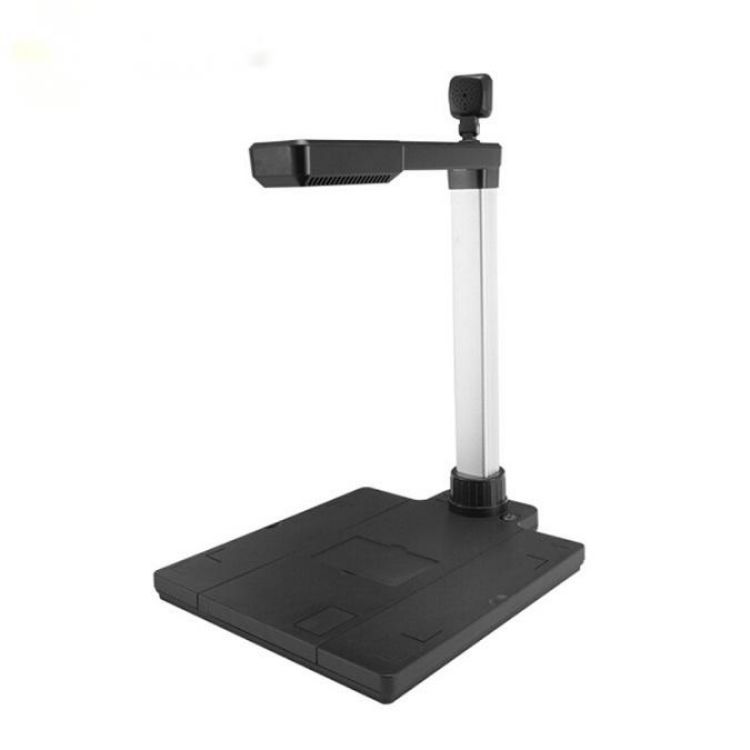
10MP Education Visualizer Scanner Document Management Book Camera USB in Stock
A budget-conscious education visualizer for K-12, tutoring and public-library programs. The book-camera format displays worksheets, textbooks and physical objects over USB.
- 10MP education camera
- Book and document display
- USB deployment
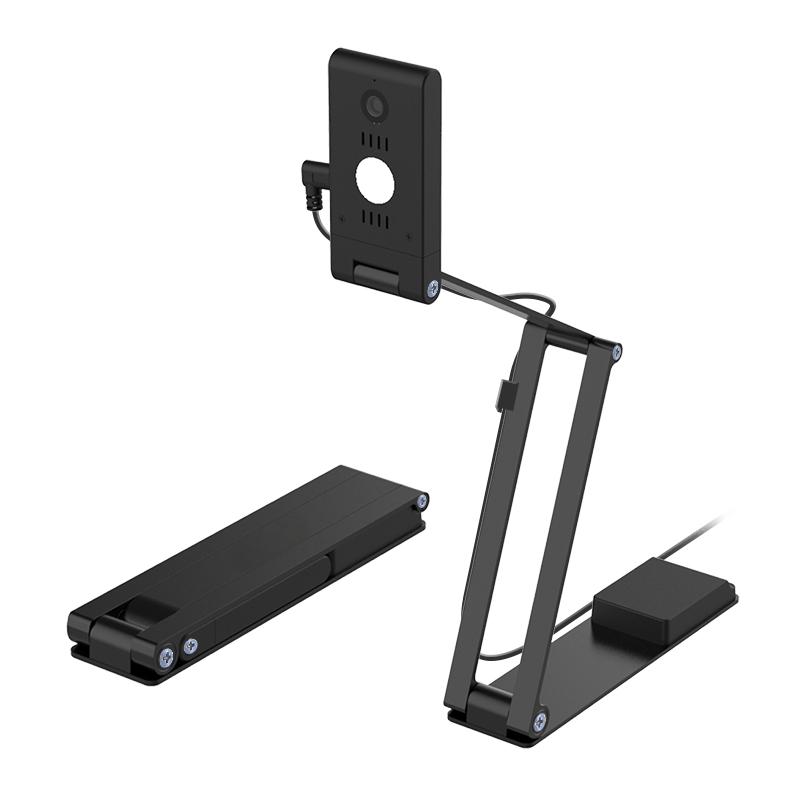
Value Priced 2-in-1 USB Digital Document Camera Visualizer A3 with 5MP 1/4" CMOS Sensor 10x Zoom 1-Year Warranty
A value-priced A3 option for wholesalers, small offices and pilot programs. The 2-in-1 format and 10x zoom cover presentations, object display and basic document capture.
- 5MP 1/4" CMOS sensor
- 10x zoom; A3 viewing area
- 1-year warranty
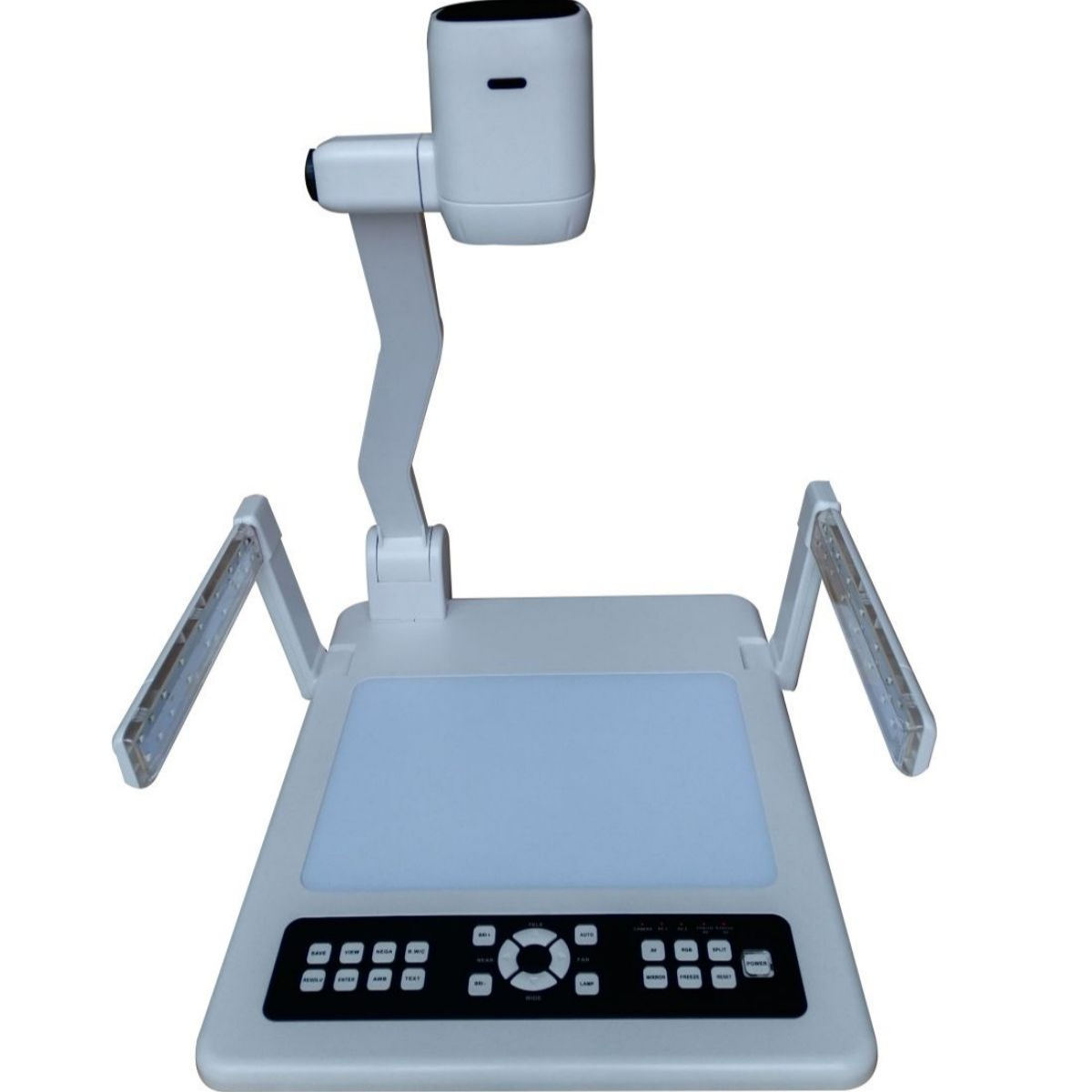
HD Optical Zoom Visual Presenter 1/3" CMOS Sensor 1-Year Warranty OEM Brand GUA Origin Professional Document Camera VGA RS232
A presentation-focused visual presenter with optical zoom, VGA and RS232. Suitable for lecture halls, training rooms and controlled presentation environments.
- 1/3" CMOS sensor
- Optical zoom; VGA / RS232
- OEM brand support; 1-year warranty
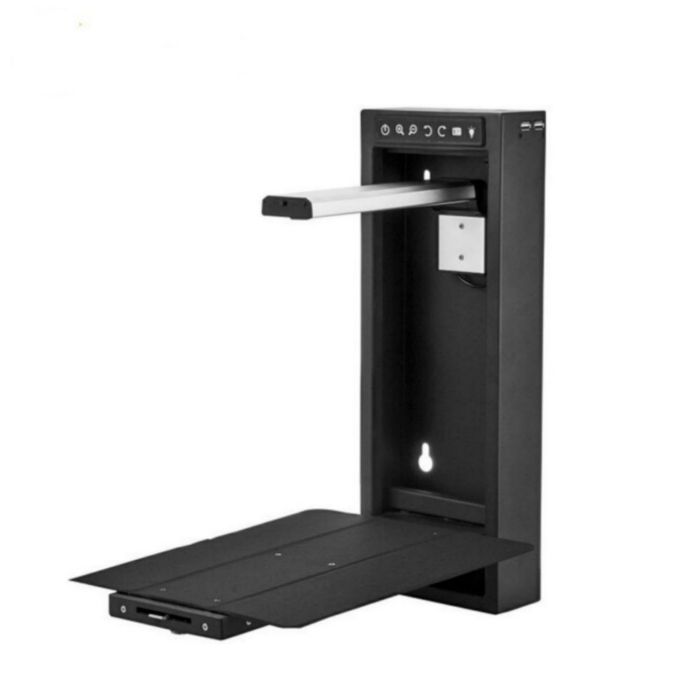
A4 Black USB 5V High-Speed 10MP High-Resolution Document Scanner Wall-Mountable OEM 24 Bit SDK 1-Year Warranty Education Stock
A space-saving A4 wall-mountable scanner for reception desks, clinics and compact offices. SDK access helps integrators embed capture into an existing workflow.
- 10MP A4 capture
- Wall-mountable USB 5V design
- 24-bit, SDK, 1-year warranty

USB Document Camera Scanner 10MP CMOS Visualizer A4 Scanner for Office Education
A straightforward USB document camera for offices and classrooms that need A4 live display, quick capture and simple deployment without a steep learning curve.
- 10MP CMOS; A4 format
- USB live display and capture
- Office and education use
What “Top Factory & Wholesale” Should Mean to a Washington DC Buyer
The phrase is not a specification. The real test is whether a Guangzhou-based scanner supplier can document a repeatable capture workflow that survives procurement review, installation, staff turnover and records-retention rules.
Washington DC is a compact but demanding market. Federal agencies and contractors, congressional and legal offices, universities, museums, public libraries, healthcare clinics and nonprofits all digitize different paper under different rules. They do not all need the same sensor, the same software stack or the same warranty response model.
Quibow’s product range sits at the practical intersection of these requirements: A3 and A4 document scanners, overhead book scanners, flatbed models, education visualizers and HD/4K document cameras built around CIS, CMOS and CCD imaging. A sensible shortlist begins with document size, daily volume, binding condition, OCR language, software integration and the contracting rules that apply to the end user—not with a single price per carton.
Procurement insight: a 21MP camera covering a full A2 sheet delivers roughly 225–240 dpi. If a tender requires 300 dpi at A2 for master files, specify a 48MP A2 class scanner or accept a lower-resolution derivative. This calculation prevents a common and expensive specification error.
Three questions most product listings omit
- What exact pixel dimensions does the sensor deliver over my real page size after cropping and skew correction?
- Does the software run locally, where is OCR performed, and can the SDK support an air-gapped or restricted network?
- Which model-level origin, warranty and spare-parts documents can be supplied before purchase order approval?
Start with dpi, not megapixels
A4 at 300 dpi needs about 8.7MP; A3 needs about 17.4MP; A2 needs about 34.8MP. A 24MP A3 scanner can exceed 300 dpi, while a 21MP A2 model is a viewing or OCR compromise rather than an archival master.
Match sensor to binding and speed
CIS suits ADF batches. CMOS area sensors suit overhead books, newspapers and live teaching. CCD linear sensors suit photos, artwork and bookedge work. Do not ask one sensor class to do every job.
Treat OCR as a system
OCR accuracy depends on contrast, skew correction, language packs and post-processing. Request sample scans using your own worst-case documents, not a clean demo page.
Ask for documents, not adjectives
Model-level origin statements, warranty terms, SDK availability, packing details and spare-parts plans matter. “Top” without documentation is marketing; a signed specification sheet is procurement evidence.
Where These Scanners and Visualizers Work in Washington DC
DC workflows are unusually mixed: bound federal reports, loose legal exhibits, fragile library volumes, classroom objects, patient forms and oversize public records can coexist in one organization.
Federal agencies & contractors
FOIA reading rooms, grant files, acquisition records and correspondence often combine bound reports, loose sheets and oversize maps. Non-contact overhead capture protects bindings; OCR creates searchable PDFs for review. Redaction and records schedules remain the agency’s responsibility.
Universities & K-12 schools
Course reserves, registrar files, research posters and STEM demonstrations. Visualizers with HDMI/VGA support live teaching, while A3 scanners handle theses, news clippings and departmental archives.
Law firms, courts & advocacy
Depositions, exhibits, case binders and filing records need fast, consistent capture. Foot-pedal scanning, 1-second capture and OCR reduce manual indexing. Confidentiality controls should be agreed before any cloud OCR step.
Libraries, museums & archives
Fragile books, periodicals, photographs and museum catalogs. A2 48MP overhead scanning preserves broadsheet detail; CCD flatbeds support bookedge and photographic work. Budget for color targets, naming rules and storage.
Healthcare & clinics
Insurance cards, intake forms, referral packets and ID verification. A4 wall-mount or dual-lens cameras speed front-desk capture. HIPAA safeguards, access control and network segmentation must be designed by the provider.
Associations, media & nonprofits
Press clippings, membership files, event programs and policy publications. Document cameras support hybrid meetings; flatbeds and ADF scanners handle mixed paper. One wholesale source can simplify multi-office rollouts.
Washington DC Procurement Trends Shaping Scanner Selection
The District’s buying environment rewards suppliers who can answer compliance, security and lifecycle questions in writing—not only quote a low unit price.
TAA and origin documentation
Federal and prime-contractor purchases may require Trade Agreements Act review. Chinese-origin hardware is not automatically excluded from every purchase, but it can be restricted. Ask for model-level origin and classification data, then route the final decision through your contracting officer or authorized reseller.
Security and data residency
Scanners are often treated as endpoints. Buyers ask whether capture software can run offline, where OCR occurs, how firmware updates are controlled and whether SDK access exists for air-gapped workflows. Put these answers in the statement of work.
Accessibility and Section 508
OCR and text-to-speech help, but accessibility is a system property. Validate keyboard navigation, screen-reader compatibility, contrast and document output before a pilot. Select models with text-to-speech where public-facing access matters.
Space, hybrid work and lifecycle cost
DC real estate is expensive. A wall-mountable A4 scanner, foldable document camera or compact overhead scanner can replace a dedicated imaging room. Include warranty, remote support and spare-parts lead time in total cost, not only unit price.
How Much Resolution Does Your Washington DC Project Really Need?
Megapixels only matter in relation to page size. The calculation below gives procurement teams a defensible starting point before requesting quotations or writing a statement of work.
| Document size | Pixels at 300 dpi | Practical sensor target | What to evaluate in this shortlist | Typical DC use |
|---|---|---|---|---|
| A4 210 × 297 mm |
2480 × 3508 ≈ 8.7MP |
10MP or higher | 10MP A4 wall-mount scanner; 10MP USB visualizer | Front-desk forms, patient intake, transcripts |
| A3 297 × 420 mm |
3508 × 4961 ≈ 17.4MP |
18–24MP | 18MP A3 UVC scanner; 20MP portable wireless A3 | Bound reports, legal exhibits, course reserves |
| A2 420 × 594 mm |
4961 × 7016 ≈ 34.8MP |
48MP for archival master | Quote the wider Quibow A2 48MP overhead class | Newspapers, maps, public notices, engineering drawings |
| Photos & artwork | 600–2400 dpi optical | Flatbed with true optical resolution | Request flatbed recommendations separately | Museum catalogs, press photos, archival collections |
CIS, CMOS or CCD: Which Sensor Fits the Project?
Quibow works across all three image-sensor platforms. Each has a clear strength; choosing correctly saves budget and reduces rework after deployment.
CIS contact image sensor
A slim linear sensor that reads the page at close range. Compact, low power and efficient on sheet-fed paths.
- Best for
- High-volume office batches, invoices, contracts and ADF scanning.
- DC implication
- Useful where loose-paper throughput matters more than bound-book capture.
CMOS area sensor
Captures the whole page from above, so books do not need to be pressed flat. Software flattens curves and removes fingers.
- Best for
- Bound books, newspapers, live teaching, counter services and visualizers.
- DC implication
- Strong fit for libraries, law offices, universities and public-facing service desks.
CCD linear sensor
A moving optical carriage with greater depth of field and stable color, tolerant of slightly raised originals such as book gutters.
- Best for
- Photos, artwork and bookedge scanning without spine shadow.
- DC implication
- Relevant to museums, archives and communications offices with mixed visual collections.
Guangzhou Quibow Electronic: Factory-Backed Sourcing for DC Buyers
For a Washington DC buyer, the practical meaning of “China top digital scanner factory” is a Guangzhou-based, factory-backed supply channel with documented models, clear escalation and verifiable third-party records.



Evidence-led supply, from Guangzhou to the District
Guangzhou Quibow Electronic Co., Ltd. is a technology-driven supplier of image acquisition and conversion equipment. The company develops and supplies high-speed document cameras, book scanners, flatbed scanners and ID-card recognition cameras, and works across CIS, CMOS and CCD imaging platforms. Its stated scope covers product design and development, production coordination, export sales and after-sales support, with OEM/ODM projects welcome.
The company is based at Room 504, No. 5 Zitan Second Street, Guangzhou, Guangdong, China. It was established in 2020, reports annual revenue of US$1M–US$2.5M, operates with a 5–10 specialist team and serves Eastern Europe, North America and South America. Public platform records describe it as an onsite-checked trading company. That matters for E-E-A-T: buyers can review third-party records, product URLs, warranty terms and a video introduction instead of relying on anonymous claims.
- Business type
- Onsite-checked trading and supply partner
- Location
- Guangzhou, Guangdong, China
- Established
- 2020
- Main markets
- Eastern Europe, North & South America
- Annual revenue
- US$1M–US$2.5M
- Team
- 5–10 specialists
Wholesale and OEM terms: stock book scanners, A2/A3 scanners and flatbed models generally start from 1 piece or 1 set; several document camera models start from 2 pieces. OEM/ODM quantities are confirmed after logo, packaging, housing color, software branding and SDK requirements are defined. Payment methods include T/T, L/C, PayPal and Western Union in USD, EUR, HKD or CNY; delivery terms include FOB, EXW and DDU. Listed models typically carry a 1-year warranty with remote technical support.
From Requirement to Delivery in Four Controlled Steps
A transparent workflow helps procurement teams know exactly what happens after the first inquiry and where approvals are required.
Requirement review
Share document size, daily volume, binding type, OCR language, operating system, network constraints and compliance requirements. The team confirms technical fit, usually within one business hour during operations.
Model matching
Quibow shortlists CIS, CMOS or CCD models and can provide specification review or sample-scan discussion before quotation. This avoids buying excess megapixels or insufficient resolution.
Customization and QA
OEM/ODM options include logo, packaging, housing color, software branding and SDK integration. Units are checked for focus, lighting uniformity, driver installation and capture speed.
Shipping and support
Quotes can be structured as FOB, EXW or DDU. Payment may be made by T/T, L/C, PayPal or Western Union in USD, EUR, HKD or CNY. Listed models include a 1-year warranty with remote support.
Independent Records Washington DC Buyers Can Check
Trust should be verifiable. These third-party records are maintained on the supplier’s public platform profile and can be reviewed before requesting quotations.
Supplier assessment
Onsite check confirming business premises and legal status.
View reportCredit overview
Platform credit profile and trading reliability indicators.
View creditRatings & reviews
Feedback left by verified buyers after completed orders.
Read reviewsTrade capacity
Export markets, trade terms and logistics capability.
View capacityQuestions Local Buyers Ask Most
Practical answers for procurement officers, resellers, integrators and end users comparing a China scanner factory or wholesale channel.
Can Quibow ship scanners to Washington DC, Maryland and Virginia?
Yes. Quibow can quote FOB, EXW or DDU terms for delivery to DC, Maryland and Virginia addresses through the buyer’s freight forwarder or coordinated logistics. Provide a commercial address, delivery constraints and whether a loading dock or liftgate is available. For government deliveries, include appointment, screening and access requirements in the quotation request.
Are these scanners TAA compliant for federal procurement?
Do not assume blanket compliance. TAA applicability depends on the SKU, country of origin, contract vehicle and end use. Ask for a model-level origin and classification statement, then have your contracting officer or authorized reseller confirm. Quibow can provide product documentation; it cannot make the legal determination for your agency.
What is the minimum order quantity for DC wholesalers and resellers?
Most stock book scanners, A2/A3 scanners and flatbed models start from 1 piece or 1 set. Several document camera models start from 2 pieces. OEM/ODM quantities are confirmed per project after logo, packaging, housing color, software branding and SDK requirements are defined.
Which model should I choose for A3 books at 300 dpi?
A3 at 300 dpi requires approximately 3508 × 4961 pixels, or about 17.4MP. An 18MP or 20MP A3 model is a practical starting point; a 24MP model adds headroom for cropping and skew correction. For A2 newspapers, do not extrapolate from A3—move to the 48MP A2 class in the wider catalogue and confirm the optical resolution over the full sheet.
Do you support OCR, searchable PDF and text-to-speech?
Selected models include OCR and text-to-speech features, including the 18MP A3 UVC scanner in this shortlist. Confirm the languages, output formats and whether OCR runs locally or in bundled software. For public-sector accessibility, validate the entire workflow with IT, records and compliance teams before a pilot.
What warranty and technical support is included?
Listed models such as A3 flatbeds, A2 overhead scanners and the S2060W ADF scanner are described with a 1-year warranty and remote technical support. Confirm the warranty card for the exact SKU and keep spare-parts lead time and DOA process in the purchase order.
Can you provide sample scans or SDK information?
Yes. Share representative documents—including the worst-case paper, lighting and binding—and specify the target output. The team can discuss sample scans, SDK availability and integration questions for selected models. This is more useful than comparing megapixels alone because it tests the actual workflow.
How fast can a Washington DC buyer receive a quote?
Average response time is one hour or less during business operations, and the platform message response rate is 100%. A complete request includes document size, daily volume, target dpi, output format, operating system, delivery city and any TAA, security or accessibility requirements. Include a sample page if OCR quality is critical.
Planning a Digitization, Classroom or Records Rollout in Washington DC?
Send document sizes, daily volume, target resolution, OCR languages, software stack and compliance requirements. The team will recommend the right scanner or visualizer, discuss sample scans and prepare a wholesale or OEM quotation.