Desktop Scanners & Visualizers for Philadelphia Procurement Teams
This shortlist is drawn from Quibow's current desktop imaging catalogue. Each product link and image asset is preserved for direct comparison, while the notes below translate specifications into Philadelphia-specific use cases for libraries, classrooms, legal records, public counters, and archive digitization.
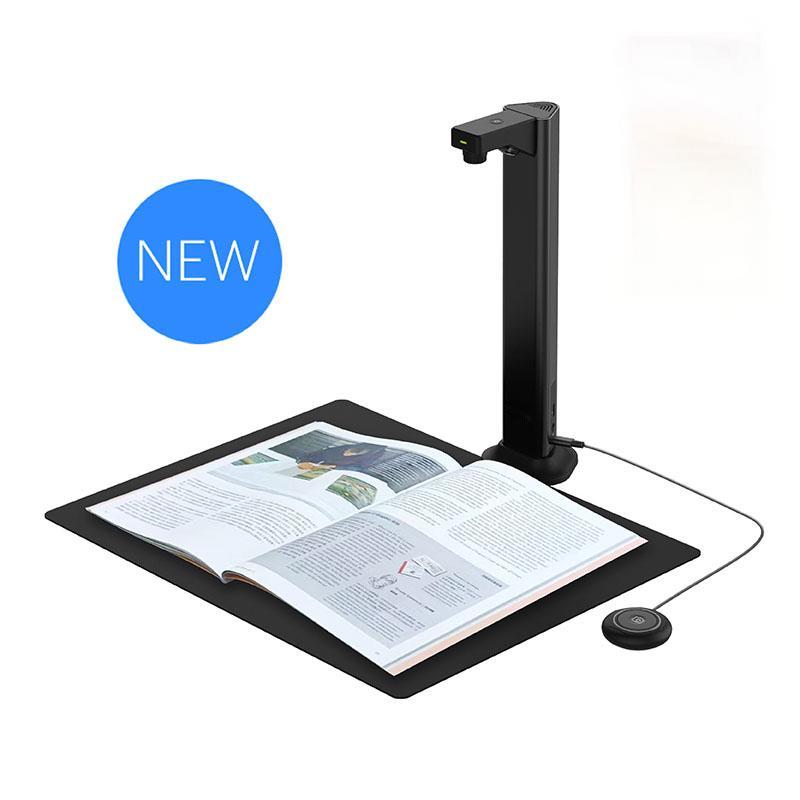
A3 18MP USB Aluminum Document Scanner with UVC Camera 1s Scan Speed OCR & Text to Speech Features-in Stock
Built for high-clarity A3 capture at service counters, accessibility labs, and records rooms. UVC simplifies connection to existing PCs, while OCR and text-to-speech support inclusive reading. The aluminum body suits frequent daily use.
- A3 format, 18MP imaging
- 1s scan speed, UVC camera
- OCR and text-to-speech workflow
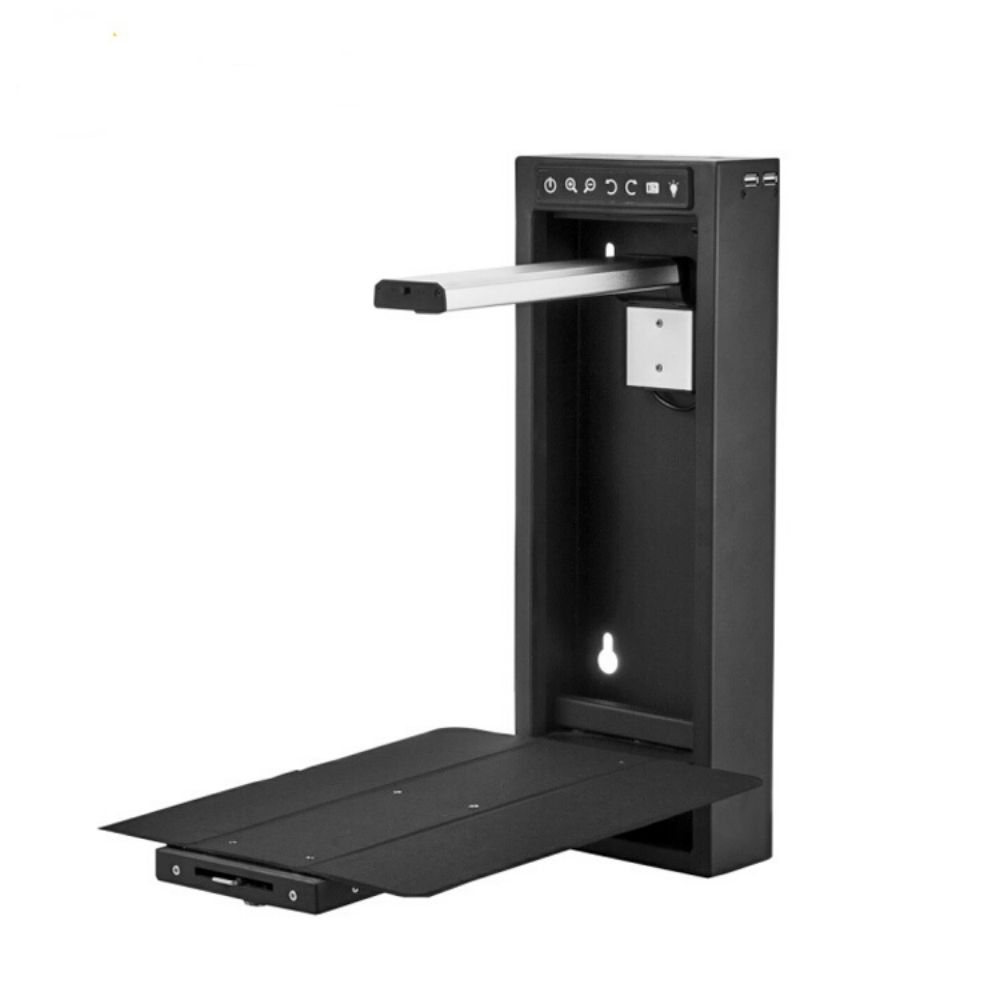
Online Training Portable 10MP A4 Document Scanner USB Interface Visualizer-in-Stock for Wall Version Black+Silver 1-Year
A portable A4 visualizer for hybrid training, admissions events, remote onboarding, and satellite offices across Greater Philadelphia. The black and silver wall version supports compact installations where a full presentation cart is impractical.
- 10MP A4 visualizer
- USB interface, wall version
- Black + silver finish, 1-year warranty
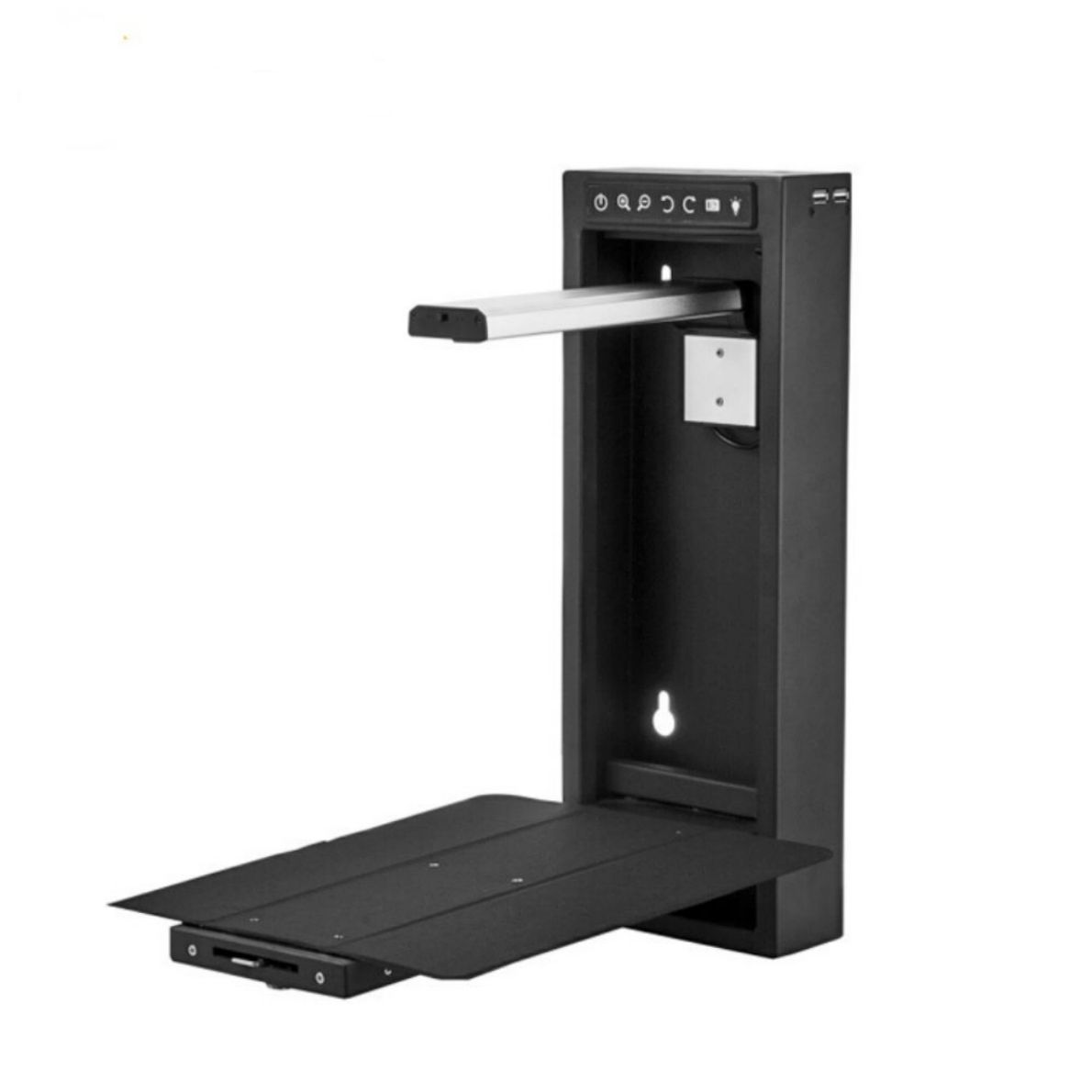
Factory New High Definition Wall Mount Document Scanner USB Interface Visualizer CE Certified 1-Year Warranty High-Speed A4 SDK
Designed for clinic check-in desks, notary stations, lab benches, and government service windows. CE certification, high-speed A4 capture, and SDK access make it easier to place fixed-position imaging inside existing document workflows.
- Wall-mount A4 visualizer
- USB interface and SDK
- CE certified, 1-year warranty
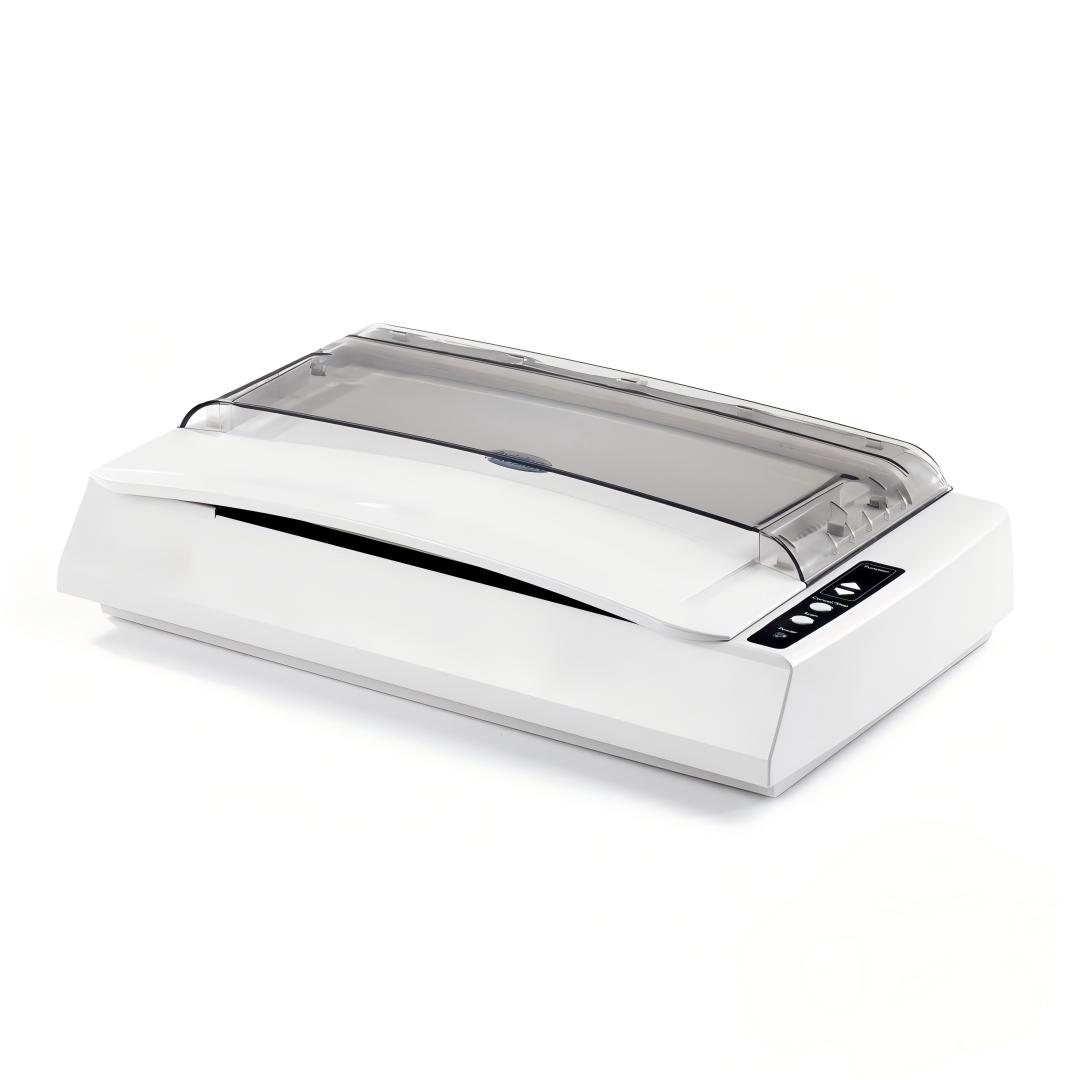
CCD Zero Margin Bookedge Flatbed Scanner A4 600dpi USB Bound Book Scanning No Spine Shadow Library Archive Digitization
A bookedge flatbed for bound volumes where spine shadow and page curvature matter. It is a natural fit for law libraries, historical societies, university special collections, and title-record teams that need controlled contact scanning without flattening fragile bindings.
- CCD bookedge design, 600dpi
- Zero-margin scanning, no spine shadow
- USB, archive digitization
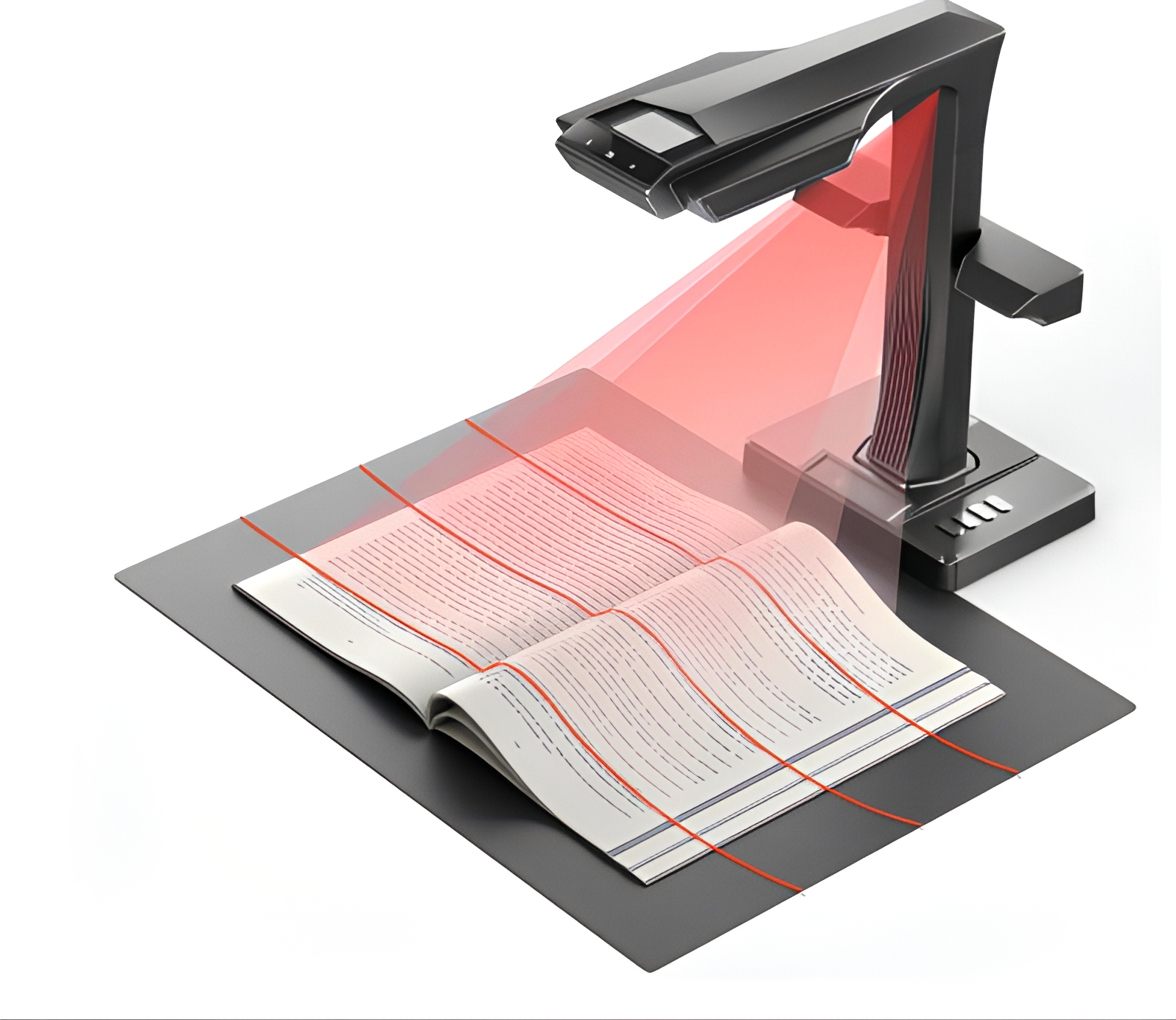
Book Scanner 38MP A3 Document Camera Auto Curve Flattening High Speed Overhead Scanner for Library Office
This 38MP A3 overhead model is intended for high-resolution, non-contact capture of fragile periodicals, course reserves, and office records. Auto curve flattening reduces post-processing time when books cannot be pressed flat.
- 38MP A3 overhead capture
- Auto curve flattening
- High-speed library and office use

USB Document Camera Scanner 10MP CMOS Visualizer A4 Scanner for Office Education
A practical everyday document camera for classroom demonstration, training rooms, teleconference capture, and office collaboration. The USB connection keeps deployment simple across shared PCs and mobile presentation carts.
- 10MP CMOS A4 visualizer
- USB plug-and-play
- Office and education presentation
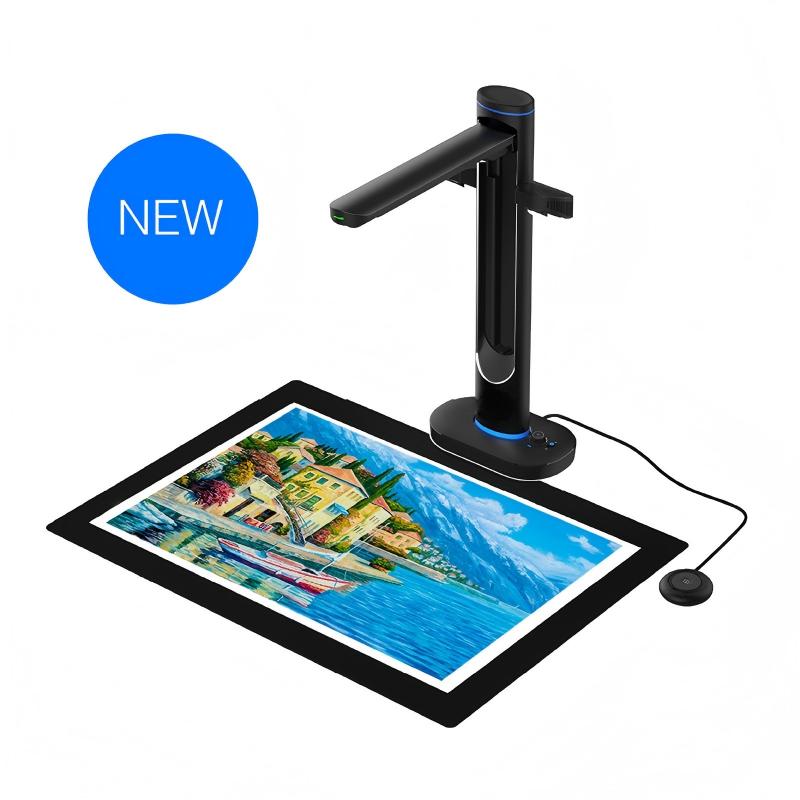
A2 Large Format Book Scanner Dual 48MP CMOS Sensors High-Speed Desktop Overhead Scanner for Windows & MacOS
The A2 dual 48MP configuration targets newspapers, plat maps, architectural drawings, large artworks, and heritage records that require 300dpi-class capture. Windows and macOS compatibility supports mixed IT environments across Philadelphia institutions.
- A2 desktop overhead, dual 48MP CMOS
- High-speed capture
- Windows and macOS software
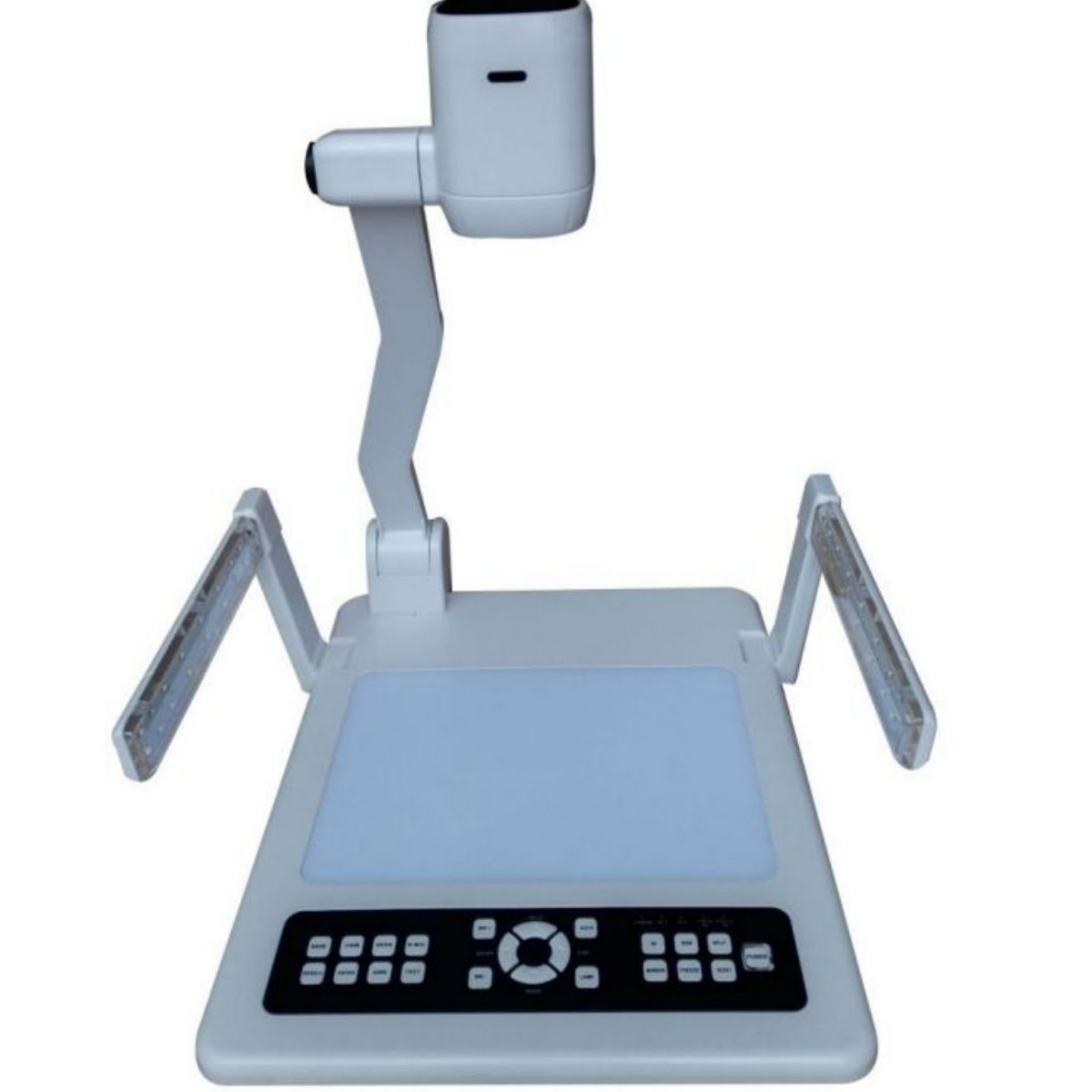
Multi-functional Document Camera Professional in Visual Presenter Also Visualizer in Educational Equipment
A multifunctional visual presenter for K-12 classrooms, university labs, nursing simulation, and workforce training. It supports live demonstration, document capture, and projection so instructors can move between physical materials and digital displays without friction.
- Professional visual presenter
- Document camera and visualizer functions
- Education and training equipment
Need a configuration that is not shown? Share your document size, daily page volume, OCR language, operating system, and target delivery window. We can map the requirement to an overhead scanner, bookedge flatbed, wall-mount visualizer, or A2 large-format model.
Get a QuoteWhy Philadelphia Buyers Need More Than a Generic Office Scanner
Philadelphia is not a single purchasing market. It is a dense network of universities, hospitals, museums, libraries, law firms, life-science companies, government offices, notaries, title companies, and neighborhood institutions. The region also holds a deep layer of historic records: bound periodicals, deed books, maps, newspapers, course reserves, and fragile documents that cannot be fed through a conventional A4 sheet-fed device.
That is why the search intent behind “China desktop scanner factory”, “A3 book scanner wholesaler”, or “document camera supplier for Philadelphia schools” is more technical than a typical office-equipment query. Buyers are not only comparing price. They are checking whether a supplier can match sensor technology to page size, support OCR and searchable PDF output, integrate with Windows or macOS, provide SDK access, and stand behind a warranty after the unit arrives.
The strongest information gain comes from translating specifications into acquisition logic. An 18MP A3 scanner is sufficient for many 300dpi A3 projects, while a full A2 newspaper or plat map at archival quality generally needs a 48MP-class sensor. A CMOS overhead scanner protects a book binding; a CCD bookedge flatbed controls lighting and spine shadow; a CIS ADF scanner handles high-volume loose sheets. Philadelphia buyers benefit when those differences are clear before a purchase order is raised.
Search intent map for this market
Typical high-intent queries include “A3 OCR book scanner for university library,” “A2 large-format scanner for newspapers,” “zero-margin bookedge scanner for law library,” “wall-mount document camera for clinic,” “OEM document camera supplier for AV integrator,” and “desktop scanner wholesaler shipping to Philadelphia.” Each query implies a different evaluation path: archival quality, classroom presentation, counter capture, or reseller customization.
Philadelphia Application Scenarios for Desktop Scanners
From University City to Center City, from the Navy Yard to Greater Philadelphia’s suburban campuses, the same hardware platform can serve very different workflows. The right choice depends on whether the priority is fragile-book handling, archival resolution, live teaching, counter speed, or software integration.
University City & Higher Education
Course reserves, special collections, accessibility services, and research reproduction benefit from overhead A3 scanners, OCR, and text-to-speech. Non-contact capture lets staff digitize without damaging bindings.
Center City Law Firms & Title Records
Bound legal volumes, deed books, and notarized records need clean edges and controlled lighting. A CCD bookedge scanner or high-resolution A3 overhead model can reduce spine shadow and post-scan cleanup.
Libraries, Museums & Historical Societies
Newspapers, maps, broadsides, and fragile archives call for A2 overhead capture and 300dpi-class planning. Desktop overhead scanners keep rare materials flat on the table without a traditional platen.
Healthcare & Life Sciences
Clinic check-in, consent forms, lab notebooks, and ID capture require repeatable, fast imaging. Wall-mount visualizers and dual-lens high-speed cameras support fixed-position service counters and controlled workflows.
K-12, Workforce Training & Simulation
Visual presenters help instructors show textbooks, lab equipment, wiring diagrams, and 3D objects on projectors or displays. HDMI/VGA models fit existing classroom AV infrastructure.
Government Counters & Regional Resellers
Permits, notary records, ID cards, and public forms can be captured at the counter with wall-mount or portable visualizers. AV/IT integrators serving Greater Philadelphia can request OEM branding and SDK support.
What Philadelphia Scanner Buyers Are Asking for Now
The market is moving away from “a scanner is just a scanner” thinking. Procurement teams now evaluate the capture method, software path, accessibility output, and long-term supportability of each desktop device.
Non-contact capture for fragile materials
Overhead CMOS cameras are being preferred for bound books, periodicals, and archival materials where a flatbed platen would stress the spine or risk surface damage.
OCR, searchable PDF, and accessibility
Libraries, universities, and public agencies increasingly need searchable text and text-to-speech support. OCR quality and language coverage are now part of the scanner decision, not an afterthought.
A2 heritage and plan digitization
Newspapers, maps, architectural drawings, and large-format records require A2 capture. Buyers are asking for pixel math at 300dpi rather than accepting generic megapixel claims.
Hybrid classrooms and live visualizers
Document cameras with HDMI, VGA, USB, optical zoom, and 4K output are being specified for classrooms, training rooms, nursing simulation, and remote collaboration.
On-premise capture and integration control
Legal, healthcare, and government buyers continue to favor local USB capture workflows that fit existing security policies, with SDK access for internal software integration.
OEM/ODM demand from regional resellers
AV/IT integrators and office-equipment resellers around Philadelphia are looking for private-label document cameras, branded packaging, and software customization to differentiate their offers.
Qualitative buyer-intent map for desktop scanner inquiries; not a statistical forecast.
Resolution Math: A3 and A2 at Philadelphia Archive Standards
Megapixels only matter in relation to page size. A useful procurement shortcut is to calculate the pixel dimensions required at the target dpi, then match that requirement to a sensor class rather than a marketing label.
≈8.7MP at 300dpi
A4 at 300dpi is about 2480 × 3508 pixels. A 10MP visualizer or dual-lens scanner is generally adequate for forms, office documents, and presentation capture.
≈17.4MP at 300dpi
A3 at 300dpi is about 3508 × 4961 pixels. An 18MP or 24MP model is the practical range for course reserves, legal files, and bound books.
≈34.8MP at 300dpi
A2 at 300dpi is about 4961 × 7016 pixels. For archival masters, a 48MP A2 scanner is the safer specification; a 21MP A2 model is closer to 225–240dpi.
600–2400dpi optical
For artwork, photography, and fine-detail reproduction, a flatbed with high optical resolution and 48-bit color is more appropriate than an overhead document camera.
CIS: Sheet-Fed Efficiency
A compact contact image sensor suits ADF paths and high-volume loose-paper batches. It is efficient for invoices, contracts, and office digitization where pages can be separated.
Best for: high-volume ADF scanning, routine office batches.
CMOS: Overhead Flexibility
An area CMOS sensor captures the whole page in one shot, making it ideal for bound books, newspapers, classroom demonstration, and counter capture. Software can flatten curves and remove fingers.
Best for: book scanners, visualizers, document cameras.
CCD: Controlled Flatbed Quality
A CCD linear sensor with a moving carriage offers stable color and depth-of-field tolerance. It is useful for bookedge scanning, photos, artwork, and records where the spine must not cast a shadow.
Best for: zero-margin bookedge flatbeds, archival flatbed work.
Inside Quibow: What Philadelphia Buyers Can Verify
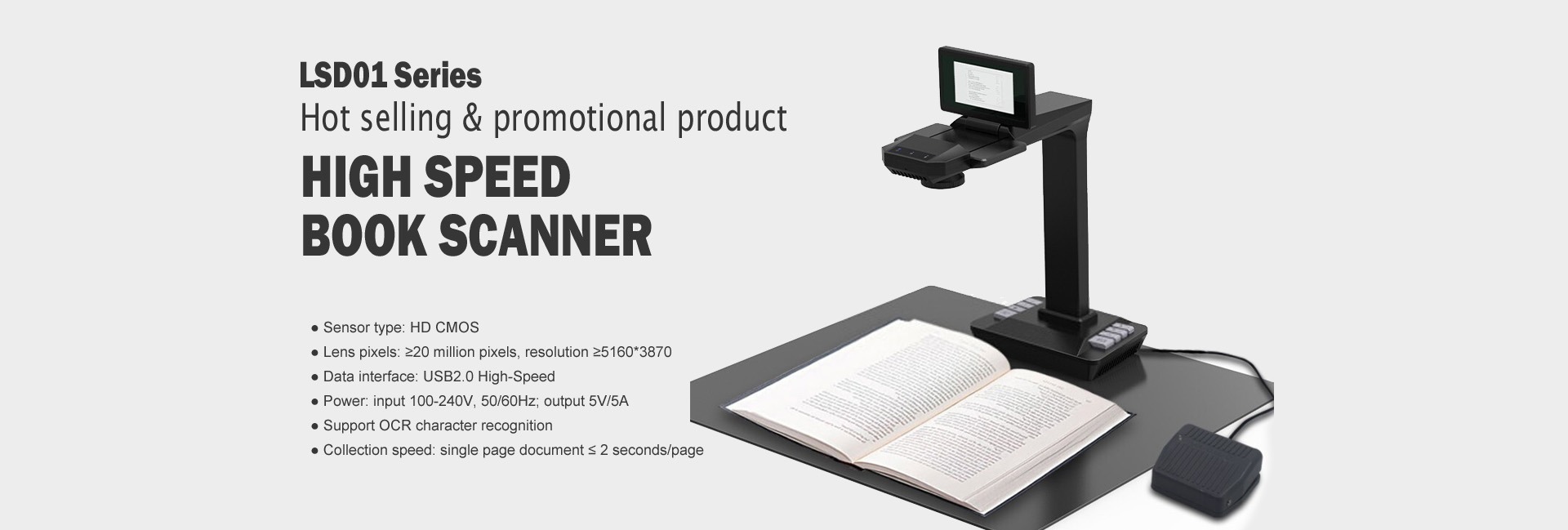
Guangzhou Quibow Electronic Co., Ltd. develops and supplies image acquisition and conversion equipment, including high-speed document cameras, book scanners, flatbed scanners, A3/A2 large-format scanners, and ID card recognition high-speed cameras. The company works across CIS, CMOS, and CCD imaging platforms, covering product design and development, production coordination, export sales, and after-sales support.
For Philadelphia procurement teams, the advantage is not simply a product list. It is the ability to match a sensor platform to a real workflow, support OEM/ODM projects, provide SDK integration on selected models, and answer technical questions quickly. Quibow is an onsite-checked trading company based in Guangzhou, established in 2020, with a 5–10 person specialist team and main markets in Eastern Europe, North America, and South America.
Fast response
Average response time of ≤1 hour and a 100% message response rate help Philadelphia buyers keep procurement timelines moving.
Repeat-buyer confidence
A 27% buyer reorder rate reflects repeat purchasing behavior and supports a lower-risk path for sample-to-rollout procurement.
OEM/ODM and SDK
Logo, packaging, housing color, capture software branding, and SDK integration can be discussed for selected models and project volumes.
Warranty support
Listed models such as A3 flatbeds, A2 overhead scanners, and the S2060W ADF scanner carry a 1-year warranty with remote technical support.
Export-ready terms
T/T, L/C, PayPal, and Western Union are accepted in USD, EUR, HKD, or CNY, with FOB, EXW, and DDU delivery terms for international buyers.
Image-platform depth
CIS, CMOS, and CCD expertise allows a recommendation based on document type, binding, resolution, and software environment rather than a one-size-fits-all catalogue answer.
Supplier Assessment
Onsite check confirming premises and legal status.
View report →Credit Overview
Platform credit profile and trading reliability indicators.
View credit →Ratings & Reviews
Feedback left by verified buyers after completed orders.
Read reviews →Video Introduction
See products and workspace on camera.
Watch video →Questions Local Procurement Teams Ask Most
These answers focus on the practical concerns that appear when a Philadelphia organization compares Chinese desktop scanner factories, wholesalers, and OEM suppliers.
Can Philadelphia buyers order one sample scanner before a larger rollout?
Yes, for many models. Most stock book scanners, A2 large-format scanners, and flatbed scanners start from 1 piece or 1 set, while several document camera models start from 2 pieces. OEM/ODM quantities are confirmed per project. A sample scan using your own document can be discussed before you commit to a larger order.
Which scanner should a Philadelphia law firm use for bound books and deed records?
A CCD zero-margin bookedge flatbed is often the best starting point when the priority is controlled flatbed lighting and no spine shadow. If the books are fragile, oversized, or need faster page throughput, an A3 overhead CMOS scanner with curve flattening is usually more suitable because it captures without pressing the binding.
Are the scanners compatible with Windows, macOS, and accessibility workflows?
Many models, including the A2 large-format scanners and the 1200dpi A3 flatbed scanner, support Windows and macOS, and some are verified on Apple M1 Macs. Accessibility workflows using OCR and text-to-speech should be reviewed model by model. Compatibility is confirmed before shipment.
What resolution do I need for A2 maps, newspapers, or architectural plans?
A2 at 300dpi requires about 4961 × 7016 pixels, or roughly 34.8MP. For archival masters, specify a 48MP A2 scanner. A 21MP A2 model is closer to 225–240dpi across the full sheet, which may be acceptable for OCR or internal reference but is not the same as a 300dpi archival file.
How are installation and warranty handled for Philadelphia customers?
Listed models such as A3 flatbed scanners, A2 overhead scanners, and the S2060W ADF scanner carry a 1-year warranty, backed by remote technical support. Export packing and remote setup guidance are part of the normal process. For multi-unit rollouts, we can help prepare a model-specific acceptance checklist before deployment.
What payment and delivery terms are available?
Payment methods include T/T, L/C, PayPal, and Western Union in USD, EUR, HKD, or CNY. Delivery terms include FOB, EXW, and DDU. The best combination depends on order volume, destination, and whether a Philadelphia buyer needs us to coordinate delivery to a specific institutional receiving address.
Do you support OEM/ODM branding for regional resellers and integrators?
Yes. OEM/ODM support can include logo printing, packaging, housing color, capture software branding, and SDK integration on selected models. This is useful for AV/IT resellers, document-management integrators, and education suppliers serving Philadelphia and the wider Mid-Atlantic market.
How can I verify a supplier before placing a first order?
Ask for verifiable records, not just a catalogue. Quibow’s supplier profile includes an onsite supplier assessment, credit overview, buyer ratings, and a video introduction. For a technical purchase, also request a sample scan, confirm the sensor platform and pixel count, check the warranty terms, and verify whether SDK or OCR language support is included.
Request a Model Shortlist, Sample Scan Plan, and Export Quote
Send your document sizes, daily page volume, target dpi, operating system, OCR language, deadline, and delivery location. We will respond with a focused shortlist of desktop scanners or visualizers, MOQ guidance, lead time, warranty terms, and a practical shipping path to Philadelphia or your regional reseller.