Eight Scanner Models for A4, A3 and A2 Capture in Boston
These models are selected from the current Quibow catalogue for buyers who need clear specifications, direct-from-factory pricing, OEM/ODM options and practical delivery planning to Massachusetts.
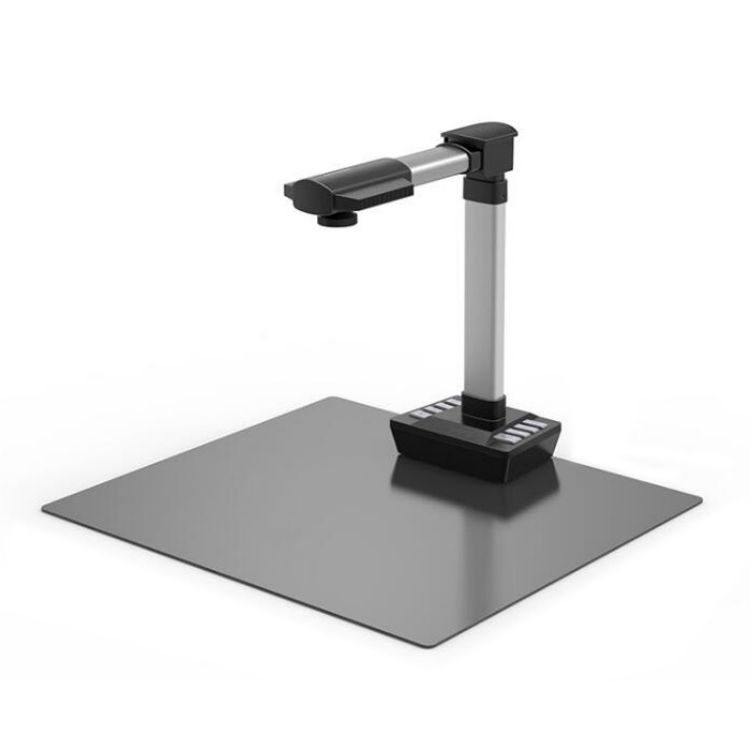
20MP OCR Aluminum Digital Visualizer Camera for A3 Documents
Built for classroom demonstration, office training and counter capture. The aluminum body, USB interface and SDK support make it suitable for Boston pilots that need stable local image capture.
- 20MP A3 visualizer
- OCR-ready and SDK stock
- 1-year warranty
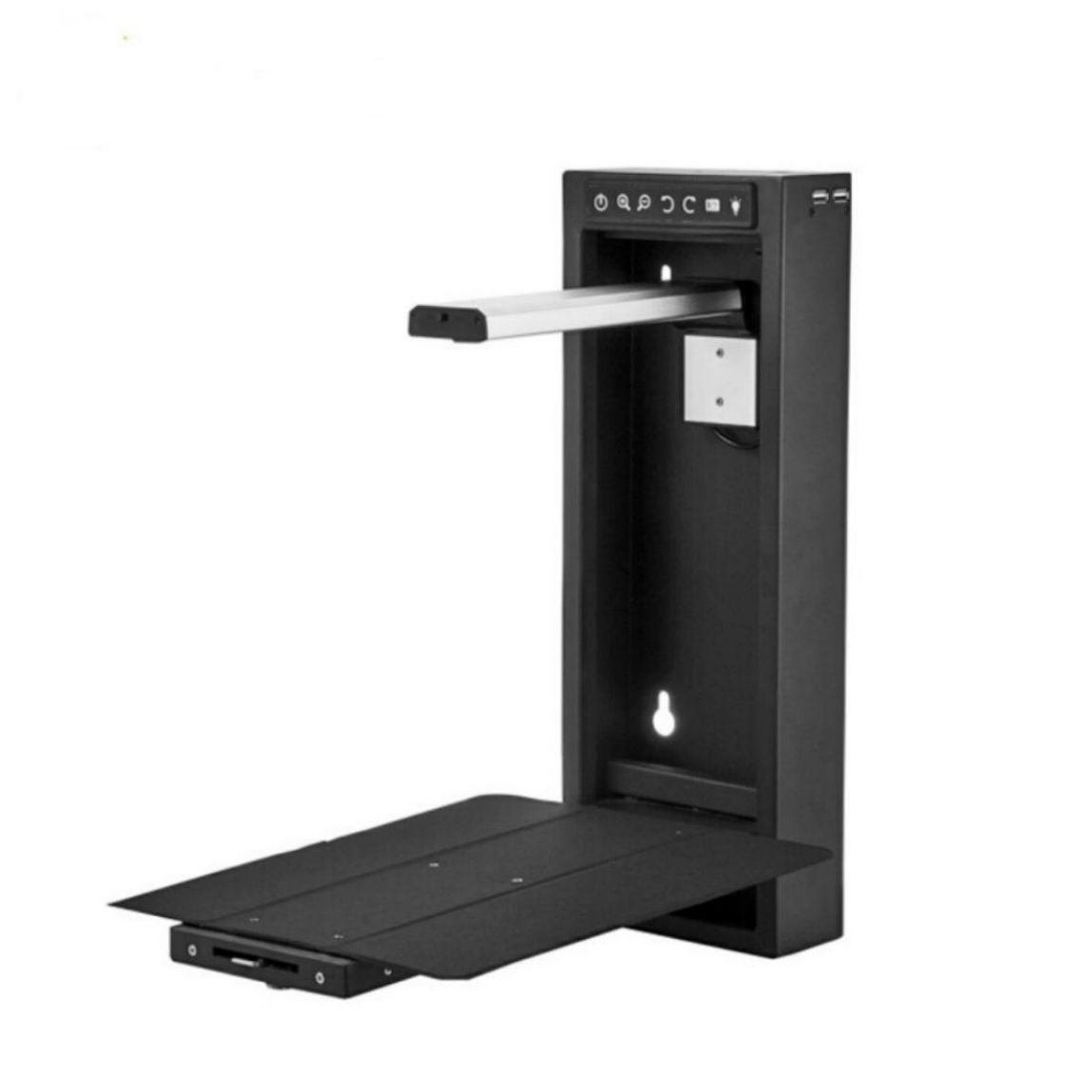
USB Wall-Mounted A4 Visualizer with OCR and 10MP CMOS
A space-saving A4-first option for service windows, reception desks, compact labs and public counters across Boston. The mounted form factor keeps the desk clear while supporting IDs, forms and records intake.
- A4 capture area
- 10MP CMOS, OCR/SDK
- Stock black finish
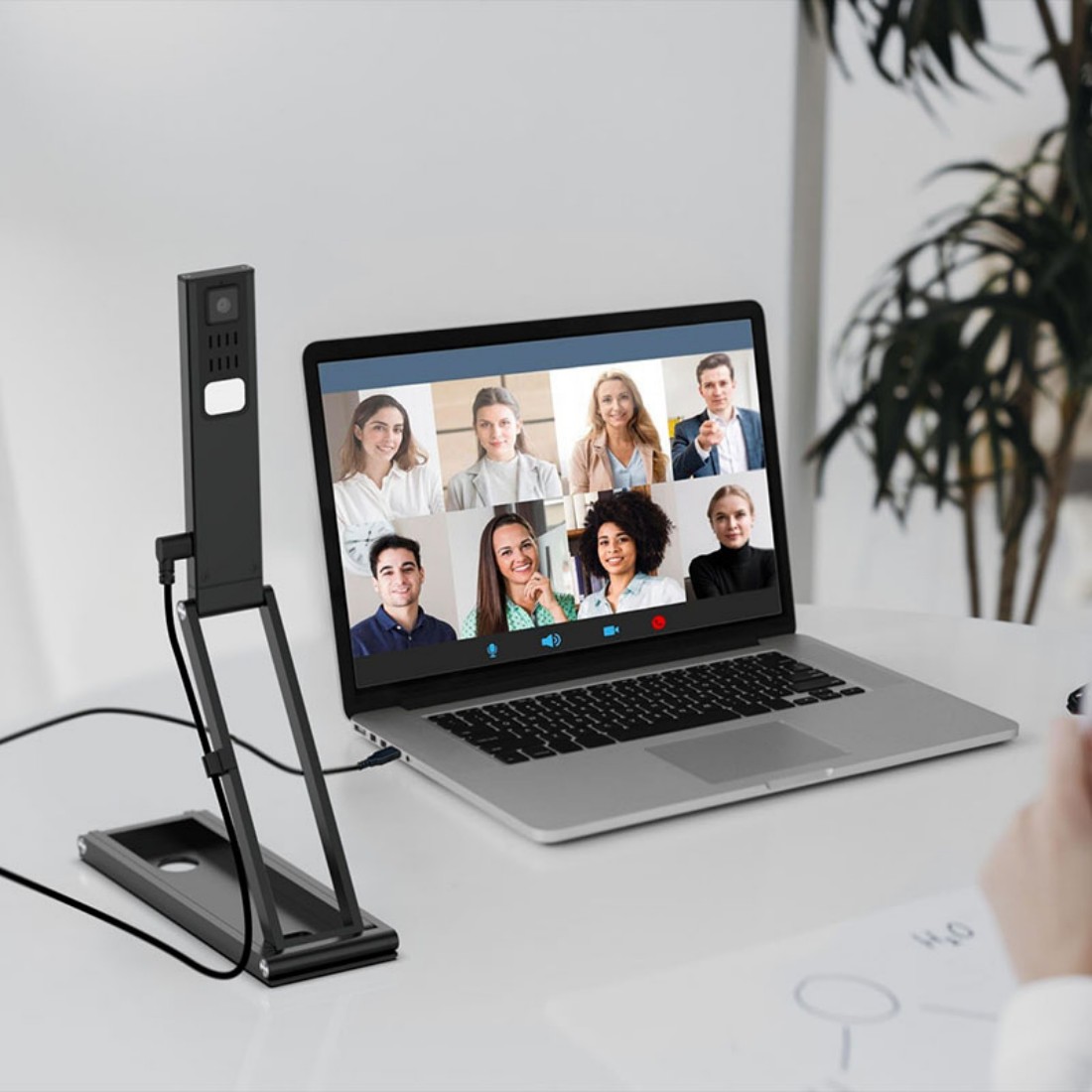
A3 4K Visual Presenter Document Camera with USB
Designed for hybrid teaching, training rooms and project reviews. The 4K visual presenter supports live demonstration, webcam use and USB connection for Boston universities, labs and meeting rooms.
- 4K visual presentation
- USB interface
- Webcam function
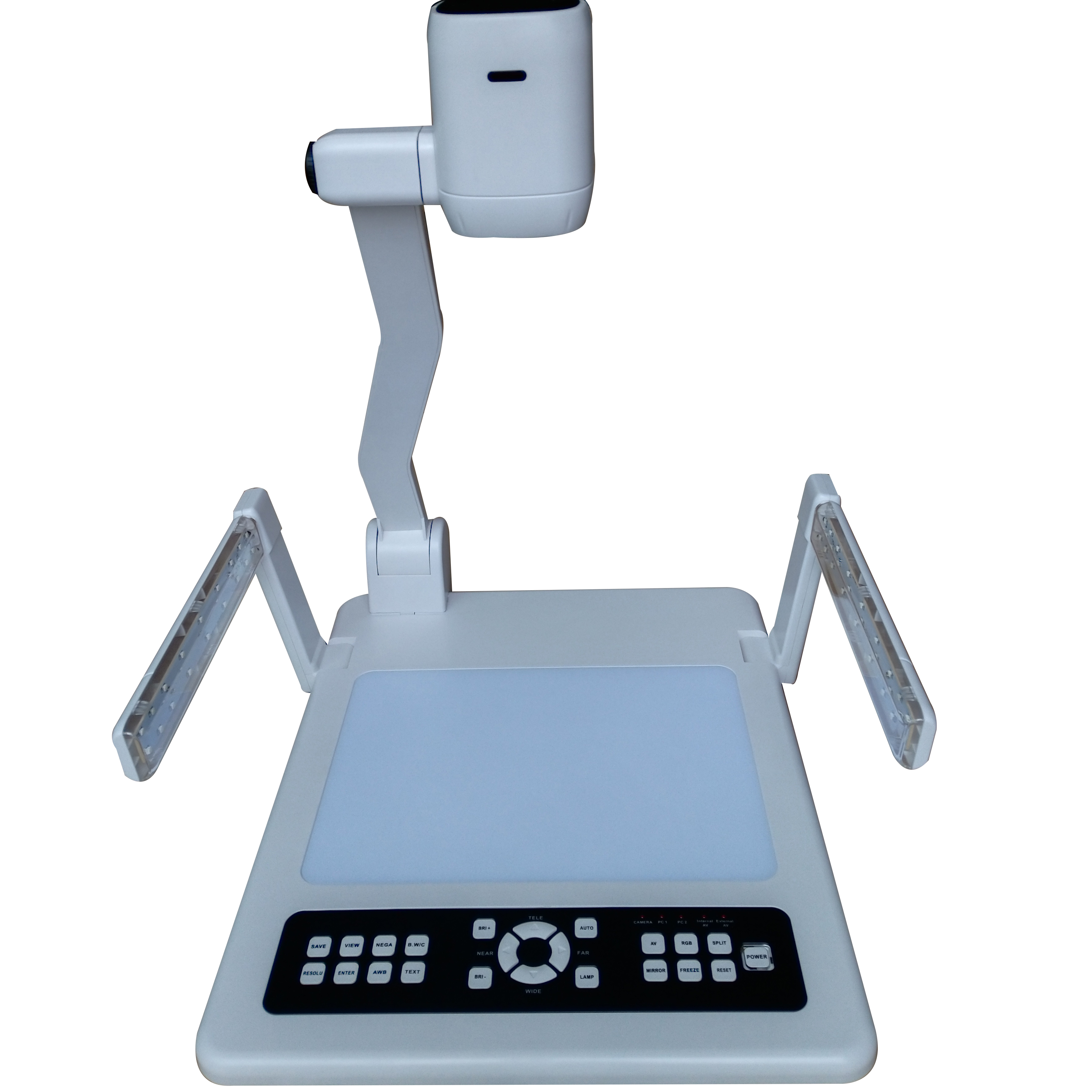
Modern Foldable Ultra HD Desktop Document Camera
A portable visualizer for shared classrooms, hot desks and training spaces. HDMI and VGA output support projectors and displays, while the foldable design helps Boston teams store and move equipment easily.
- Ultra HD desktop capture
- HDMI/VGA output
- Foldable, space-saving design
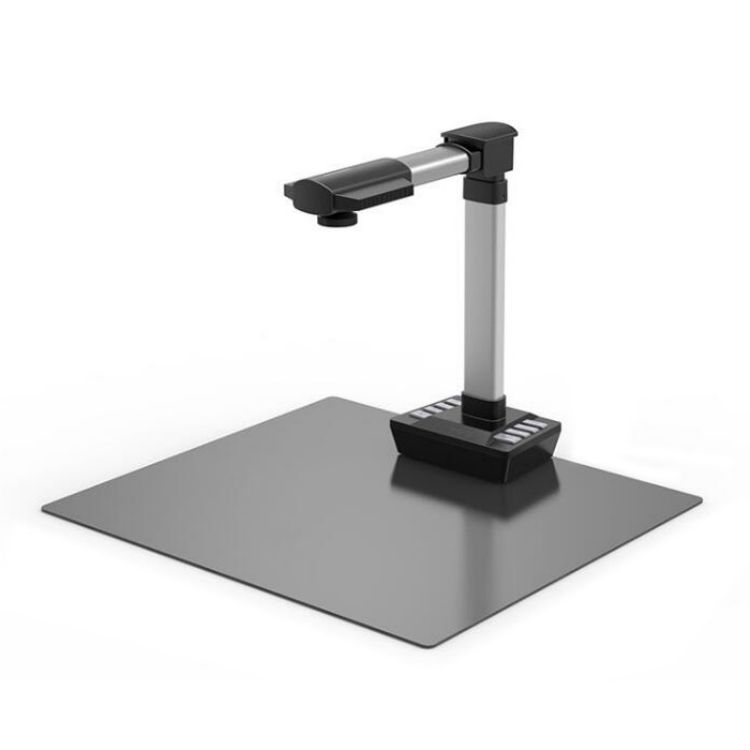
Portable A3 Library Book Scanner with Foot Controller
For libraries, historical societies and university special collections that need hands-free page capture. The foot controller supports efficient scanning of bound materials while the portable design fits temporary digitization projects.
- High-resolution A3 capture
- Foot controller included
- USB interface, stock product
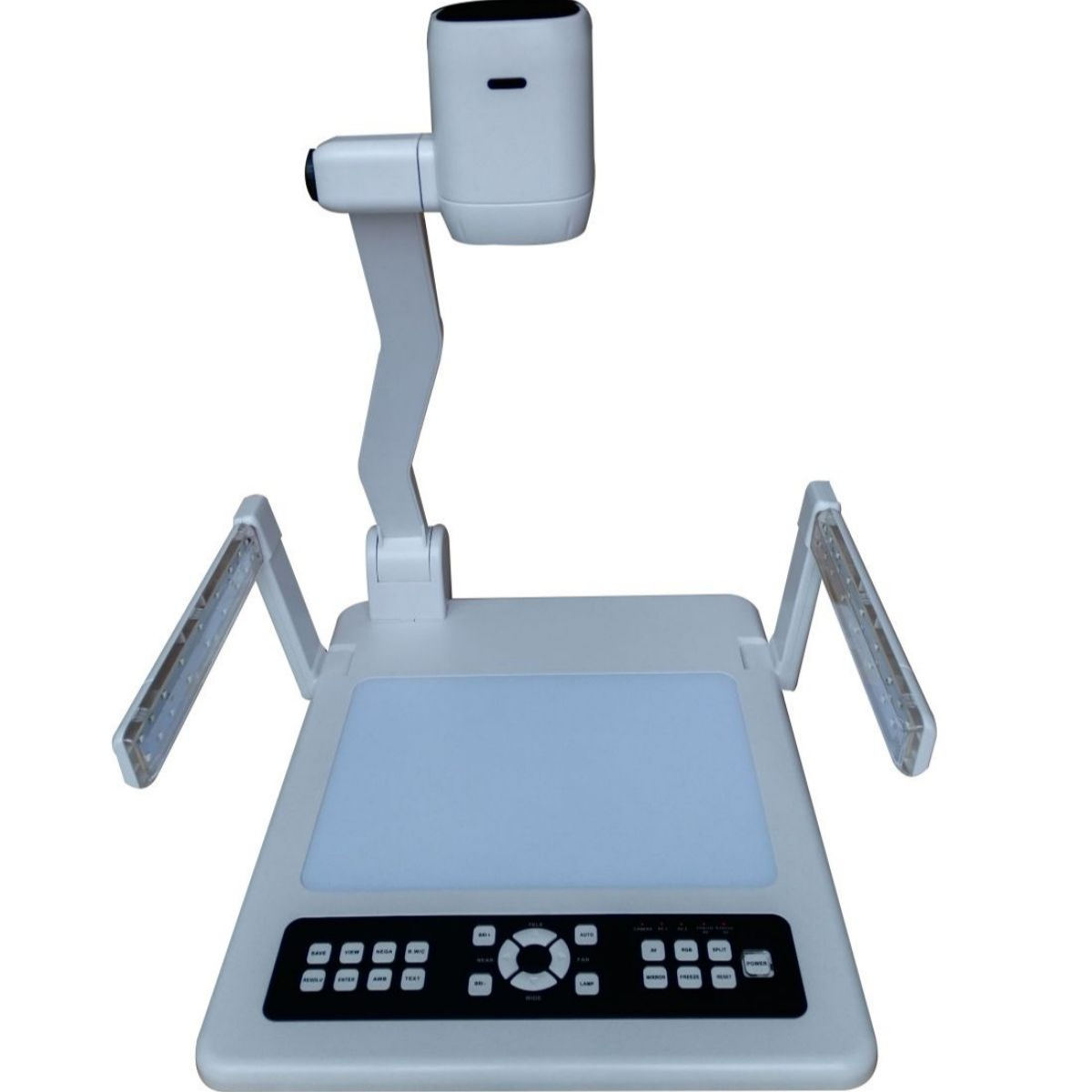
HD Optical Zoom Visual Presenter with 1/3" CMOS
A professional document camera for lecture theatres, corporate training and lab demonstration. VGA and RS232 control support integration into control systems, with OEM branding available for Boston distributors and integrators.
- 1/3" CMOS sensor
- Optical zoom, VGA/RS232
- 1-year warranty, OEM brand
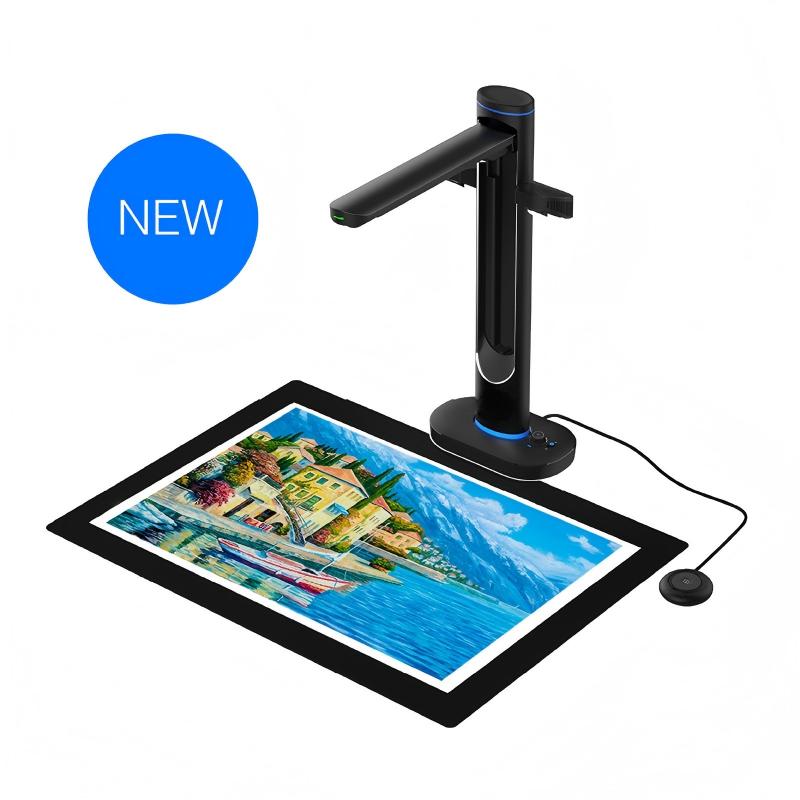
A2 Dual 48MP CMOS High-Speed Book Scanner
A large-format overhead scanner for newspapers, maps, broadsides and archival collections. Dual 48MP CMOS sensors support high-resolution A2 capture, with Windows and macOS compatibility for Boston archive and research workflows.
- Dual 48MP CMOS sensors
- A2 desktop overhead capture
- Windows & macOS software
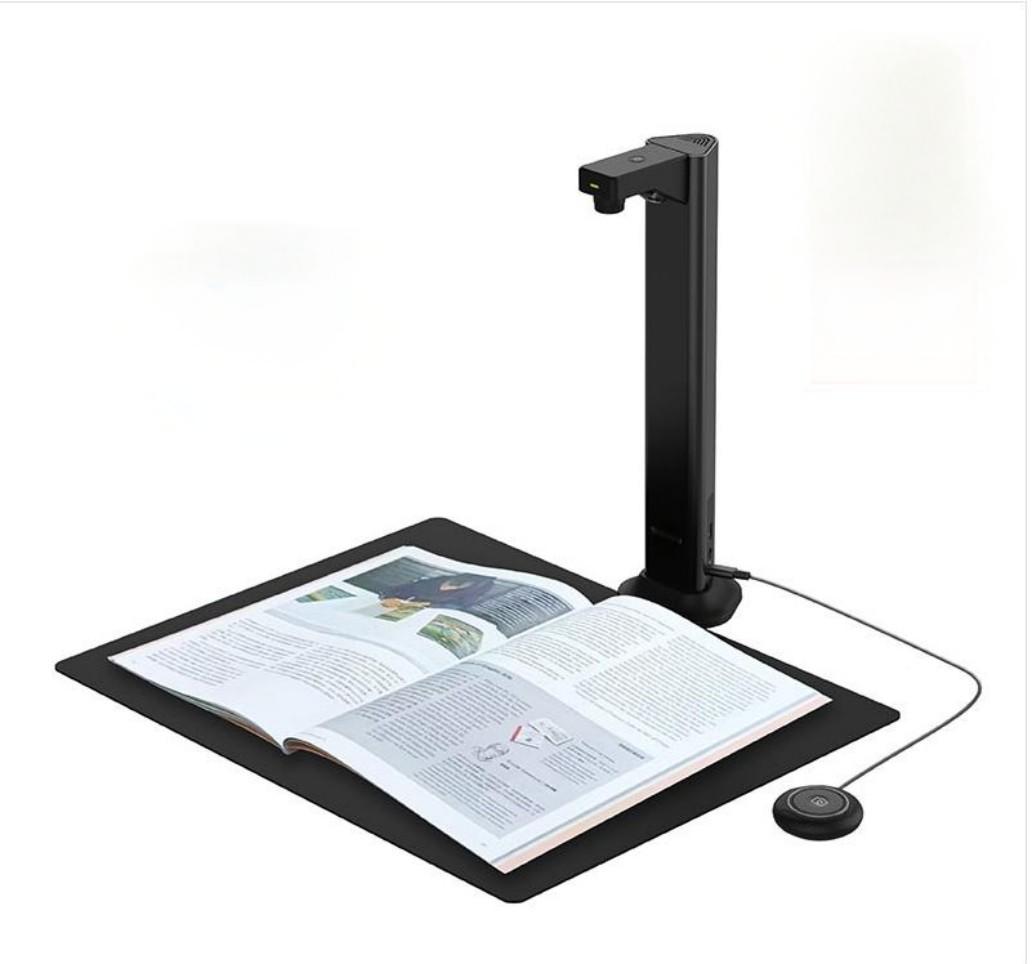
24MP UVC A3 Document Scanner with Text-to-Speech
Useful for accessibility-focused services, public-facing desks and OCR projects. The 24MP A3 scanner uses UVC USB connection and adds text-to-speech support, making it relevant for inclusive reading and document conversion pilots.
- Real 24MP A3 capture
- UVC USB interface
- Text-to-speech feature
Compare A4 wall-mounted, A3 OCR, portable book and A2 overhead options for your Boston project.
Get CatalogChina A4 Scanner Exporter for Boston: Due Diligence Beyond the Catalogue
Boston buyers rarely purchase an “A4 scanner” in isolation. They are solving a document-flow problem: preserving a fragile book, speeding up a public counter, converting paper records into searchable PDFs, supporting hybrid teaching, or adding OCR to a system that already has a case-management or learning-management platform.
What Boston Buyers Search For
Most procurement searches combine format, workflow and supplier proof: “A4 document camera Boston,” “A3 OCR scanner supplier,” “portable book scanner with foot pedal,” “A2 newspaper scanner,” and “OEM document camera China.” The winning supplier makes those specifications verifiable, not just visible.
What the Spec Sheet Must Prove
For A4 capture, the practical questions are not limited to megapixels. Buyers need to know whether the unit captures loose forms or bound pages, whether OCR runs on a local PC, what operating systems are supported, how the scanner connects, and what warranty and RMA path exists after installation in Massachusetts.
What Information Gain Looks Like
A useful supplier page explains pixel math, sensor differences, localization details and total cost of ownership. That is the information gain Google rewards and that procurement teams reward too: fewer assumptions, fewer change orders and a stronger business case before the first purchase order.
Guangzhou Quibow Electronic Co., Ltd. works across CIS, CMOS and CCD imaging platforms and supplies overhead book scanners, A3/A2 large-format document scanners, flatbed scanners, document cameras and visual presenters. For Boston buyers, that breadth matters because the same city can host a university lab that needs live 4K presentation, a library that needs non-contact book capture, and a municipal counter that needs a compact wall-mounted A4 visualizer.
A “top” search result is not automatically a top supplier. The safer approach is to verify the supplier’s company profile, onsite assessment, trade records, warranty terms, export terms, SDK documentation and sample scan quality. Quibow maintains an onsite-checked profile, reports an average response time of one hour or less, a 100% message response rate and a 27% buyer reorder rate. Those indicators do not replace due diligence, but they help Boston procurement teams decide where to begin a conversation.
Where A4 and A3 Scanners Earn Their Space in Greater Boston
Boston’s document profile is shaped by education, healthcare, finance, legal services, public records, libraries, biotech and professional services. Each environment needs different page handling and software integration.
Universities and Research Labs
Across Boston, Cambridge, Somerville and Brookline, labs and teaching teams need live capture of textbooks, lab notebooks, engineering drawings and 3D samples. A 4K visual presenter or A3 document camera can connect to a projector or meeting platform, while OCR and SDK options support research repositories and course-reserve workflows.
Public Libraries and Historical Collections
Libraries and historical societies often handle fragile books, periodicals, maps and photographs. A portable A3 book scanner with a foot controller improves operator rhythm, while an A2 overhead scanner is better for broadsheets and oversized records. Non-contact capture helps protect bindings and supports grant-funded digitization projects.
Legal, Insurance and Financial Services
Boston’s Financial District, Back Bay and Seaport teams process contracts, claims, IDs and case files. An A4 wall-mounted visualizer can speed up intake at a counter, while an A3 OCR scanner is better for multi-page files. Local capture may be preferred when records should not leave the office network.
Healthcare and Biotech Training
Hospitals, clinics and life-science teams use visualizers for training, documentation review and procedure demonstration. For administrative paper, an A4 or A3 scanner can convert forms into searchable PDFs. Text-to-speech and OCR features should be tested against real documents before a wider rollout in the Longwood Medical Area or surrounding innovation districts.
Municipal and Public Records
City and town departments need durable, easy-to-train equipment for permits, IDs, forms and public records. A wall-mounted A4 visualizer saves counter space, while a portable book scanner supports records that cannot be unbound. Accessibility features such as text-to-speech can help public-facing services broaden access.
Hybrid Offices and Professional Services
Consultancies, agencies and hybrid offices need simple scan-to-cloud workflows without a dedicated scanning room. A foldable desktop document camera or compact A4 visualizer can support client intake, presentations and record capture, then fold away when shared desks are reset for the next team.
Greater Boston Trends Driving Scanner and Visualizer Demand
Demand is shifting from a single “office scanner” purchase toward workflow-specific capture. The trends below explain why A4, A3 and overhead capture are often evaluated together.
Records Compliance and Audit Readiness
Boston organizations often need defensible digital records, not just compact PDFs. OCR quality, timestamping, file naming, local storage and integration with records-management systems become part of the scanner evaluation. Buyers should ask whether capture software can export searchable PDFs consistently and whether the supplier can provide SDK documentation for internal workflows.
Accessibility and Text-to-Speech
Public-facing institutions increasingly look for tools that improve access to printed information. A 24MP UVC A3 scanner with text-to-speech can support reading assistance and document conversion pilots. The practical test is accuracy across real forms, mixed fonts, tables and handwriting, plus a clear process for human review before content is published or shared.
HyFlex Classrooms and Live Demonstration
Boston’s education market continues to blend in-person and remote participants. A visual presenter must deliver stable live video, practical zoom and simple switching. For A3 documents, textbooks and lab demonstrations, a 4K or HD visualizer with USB, HDMI or VGA output can serve several rooms and reduce the need for multiple fixed systems.
Archive Digitization and Grant Projects
Libraries, museums and historical organizations often purchase under grant timelines. The supplier must support sample scans, specification sheets and delivery dates that match the grant calendar. A2 large-format overhead scanners with dual 48MP sensors are particularly relevant when the collection includes newspapers, maps, posters or bound volumes that cannot be pressed flat.
Direct Sourcing with Landed-Cost Discipline
Procurement teams compare direct China supplier quotes with US reseller pricing by total landed cost. Unit price matters, but so do freight, import clearance, warranty handling, spare parts, software support and internal training time. A clear EXW, FOB or DDU quote helps Boston buyers compare offers without hidden assumptions.
SDK and System Integration
Universities, integrators and enterprise IT teams increasingly ask for SDK access before buying. The scanner may need to feed images into a document-management system, learning platform or OCR pipeline. Request operating-system compatibility, sample code, driver behavior and support escalation paths before committing to a Boston-wide deployment.
A4, A3 or A2? Match the Scanner to the Boston Job
Paper size and required resolution determine the sensor class. A scanner that is oversized for the job adds cost, while an undersized sensor can force rescanning and fail archive specifications.
| Format | Typical Boston Use | Resolution Planning | Product Direction |
|---|---|---|---|
| A4 | Wall-mounted visualizers at public counters, reception desks, compact offices, ID and form capture, hybrid training. | 300 dpi A4 is about 8.7MP; specify 10MP or higher for comfortable margin. | Wall-mounted 10MP A4 visualizer with OCR and SDK, or foldable desktop document camera. |
| A3 | University teaching, lab notebooks, contracts, library books, case files, training rooms and OCR projects. | 300 dpi A3 is about 17.4MP; 18MP–24MP provides practical resolution and cropping room. | 20MP–24MP A3 visualizer, A3 portable book scanner, 24MP UVC A3 scanner with text-to-speech. |
| A2 | Newspapers, maps, broadsides, posters, oversized archival records and newspaper back-issue digitization. | 300 dpi A2 is about 34.8MP; a 48MP system supports archival masters with margin. | Dual 48MP A2 overhead book scanner for Windows and macOS. |
| Bound books | Rare books, periodicals, library special collections, historical society records, grant-funded digitization. | Use overhead or bookedge capture; consider OCR and curve correction. | Portable A3 book scanner with foot controller; A2 overhead scanner for large bound volumes. |
CIS: Compact and Efficient
Contact image sensors are compact, power-efficient and well suited to sheet-fed or space-constrained capture.
- Best for
- High-volume office batches, invoices, contracts and administrative records.
- Boston fit
- Professional-services offices and back-office processing teams.
CMOS: Area Capture for Live and Overhead Work
CMOS area sensors capture the full page from above. They work well for books, visualizers and public counters where speed matters.
- Best for
- Bound books, live teaching, counter capture, OCR and document cameras.
- Boston fit
- Universities, libraries and customer-service counters that need fast, non-contact capture.
CCD: Stable Optical Performance
CCD-based flatbed platforms can offer stable color and depth of field for photos, artwork and bookedge scanning.
- Best for
- Fine-art reproduction, bookedge scanning and originals that need controlled lighting.
- Boston fit
- Museums, archives, design studios and research collections.
Direct China Supplier vs Local US Reseller: The Boston TCO View
Direct sourcing can reduce unit cost and unlock OEM/ODM options, but it must be compared against the full cost of ownership, including freight, warranty logistics and internal integration.
Unit Cost and Freight
A factory-direct quote may look lower before shipping, duties and brokerage. Boston buyers should request a clear Incoterm, estimate import clearance and compare the delivered cost with a US reseller’s price. For multi-unit projects, consolidated air freight or coordinated delivery to a Massachusetts warehouse can reduce per-unit logistics cost.
Customization and Software
OEM/ODM projects can include logo printing, packaging, housing color, software branding and SDK access. That flexibility is valuable for Boston system integrators and distributors, but it also means the buyer must define integration requirements early: operating system, OCR language, file output, connector type and support escalation.
Service, Warranty and Risk
Ask how DOA units, replacement parts and technical support are handled. Quibow lists a one-year warranty on many models and provides remote technical support. For Boston deployments, record serial numbers, identify a local technical contact and keep spare power adapters or consumables for critical service counters. A pilot reduces risk before a district-wide or multi-site rollout.
Company Advantages: What Quibow Brings to a Boston Scanner Project
Guangzhou Quibow Electronic Co., Ltd. is a technology-driven supplier focused on image data acquisition and conversion, with product support spanning design, production coordination, export sales and after-sales service.
Onsite-Checked Supplier Profile
Quibow is based in Guangzhou, Guangdong, and its supplier profile is supported by an onsite check. Boston buyers can review business premises and legal status before requesting pricing, which is useful for public-sector and education procurement.
CIS, CMOS and CCD Imaging Platforms
The product range covers contact image sensors, CMOS area sensors and CCD linear sensors. That allows model matching by document type rather than forcing every Boston workflow into one scanner design, whether the requirement is A4 counter capture, A3 document visualization or A2 archival scanning.
OEM and ODM Support
OEM/ODM projects can cover logo printing, packaging, housing color, capture software branding and SDK integration on selected models. For Boston distributors, education suppliers and system integrators, this can shorten the path from a generic device to a branded solution with documentation and support.
SDK and Workflow Integration
Several models support SDK access for image capture, OCR and software integration. That matters when a Boston deployment must feed a document-management platform, research repository or custom intake application. Buyers should request technical documentation early and test against a representative sample set.
Fast Response and Reorder History
Supplier performance records show an average response time of one hour or less, a 100% message response rate and a 27% buyer reorder rate. For procurement teams, those signals indicate a responsive sales process and repeatable order handling, though they should always be paired with model-specific testing.
Export Experience and Flexible Terms
Quibow serves buyers in Eastern Europe, North America, South America and worldwide. Payment options include T/T, L/C, PayPal and Western Union in USD, EUR, HKD or CNY, with FOB, EXW and DDU delivery terms. Main markets and annual revenue are listed as part of the supplier profile.
From First Inquiry to Boston Delivery: A Five-Step Path
A clear sourcing sequence helps procurement, IT and end users stay aligned from the first sample scan to the final installation.
Requirement Review
Confirm page sizes, volume, bound versus loose documents, OCR needs, operating system and output format.
Model Matching
Select the sensor platform and resolution, then request sample scans using representative Boston documents.
Customization
Define logo, packaging, software branding, OCR languages, SDK integration and accessory requirements.
Quality Inspection
Check focus, lighting uniformity, driver installation, capture speed and physical condition before packing.
Shipping and Support
Confirm Incoterm, export packing, delivery documents, warranty process and remote technical support.
Payment Methods
T/T, L/C, PayPal and Western Union
Payment Currency
USD, EUR, HKD and CNY
Delivery Terms
FOB, EXW and DDU — confirm duties and brokerage with your imports team.
Questions to Ask Before Approving a Boston Scanner Pilot
The strongest supplier comparison happens before the purchase order, when specifications and assumptions can still be corrected.
- Confirm the largest and smallest document sizes, including A4, A3, A2 and bound pages.
- Calculate the required dpi at the actual page size, not by megapixel label alone.
- Request sample scans of mixed fonts, tables, glossy paper and handwriting.
- Verify Windows and macOS compatibility, including any Apple M1 or M2 requirements.
- Check whether OCR and text-to-speech run locally or depend on a cloud service.
- Confirm the US power adapter, plug type, voltage range and USB/HDMI/VGA cabling needs.
- Clarify EXW, FOB or DDU delivery, import duties, brokerage and Massachusetts tax treatment.
- Ask for the warranty period, DOA process, RMA address and spare-parts plan.
- Review SDK documentation before promising integration with an internal platform.
- Run a 30-day pilot with real operators and measure scan speed, OCR accuracy and retraining time.
Questions Boston Buyers Ask Most
These answers address the practical procurement, compatibility and delivery questions that appear most often in direct-from-China scanner projects.
What does “A4 scanner supplier” mean for a Boston buyer?
“A4 scanner” describes the paper format, not one product category. A supplier may offer an A4 wall-mounted visualizer, a portable A4 bookedge scanner, an A4 document camera or a flatbed scanner. Boston buyers should start with the workflow: loose forms at a public counter usually suit a wall-mounted A4 visualizer; bound books need overhead or bookedge capture; multi-page office files may need an ADF or A3 scanner with OCR. Matching the form factor to the document type reduces training time and rescanning.
What is the minimum order quantity and what lead time should we expect to Boston?
Most stock book scanners, A2 large-format scanners and flatbed scanners start from one piece or one set. Several document camera models start from two pieces. OEM/ODM quantities are confirmed per project. Lead time depends on model, quantity, customization and freight method; the final schedule should be written into the proforma invoice. For Boston delivery, ask whether the quote is EXW, FOB or DDU, and confirm who handles import clearance. A sample scan and pilot unit can usually be arranged before a larger order.
Are the scanners compatible with Windows, macOS and 120V power in Massachusetts?
Many models, including A2 large-format scanners and selected flatbed models, support Windows and macOS, and some have been verified on Apple M1-powered Macs. Quibow confirms compatibility for each model before shipment. Power adapters should be specified for US 110–120V, 60Hz operation with the appropriate plug. USB UVC models can be easier to test because they often appear as a standard video device, but OCR or capture software still needs a separate compatibility check. Always test with the actual Boston laptop or workstation image.
Can you support OEM/ODM projects and SDK integration for Boston integrators?
Yes. Quibow supports OEM/ODM projects that can include logo printing, packaging, housing color, capture software branding and SDK integration on selected models. For a successful Boston integration, define the operating system, capture trigger, image format, OCR language, file naming rules and output destination before development begins. System integrators should request SDK documentation and a test unit to validate behavior with their own application, rather than assuming that a generic SDK will match a custom workflow.
How do I choose between A4, A3, A2 and different megapixel ratings?
Use pixel math. A4 at 300 dpi requires about 2480 × 3508 pixels, or roughly 8.7MP. A3 at 300 dpi requires about 3508 × 4961 pixels, or roughly 17.4MP. A2 at 300 dpi requires about 4961 × 7016 pixels, or roughly 34.8MP. For OCR and on-screen reading, 200–250 dpi is often sufficient, but archival masters usually need more margin. A 10MP or higher A4 visualizer, an 18MP–24MP A3 scanner and a 48MP A2 scanner cover most Boston projects.
What warranty, spare parts and after-sales support are available?
Listed models such as the A3 flatbed scanners, A2 overhead scanners and selected document cameras commonly carry a one-year warranty, backed by remote technical support. Before ordering, ask for the DOA procedure, RMA process and expected response time. For Boston deployments, keep serial numbers in a central asset register and identify an internal technical contact. If the scanner supports a critical public counter or classroom, consider a spare adapter, cable or backup unit as part of the initial purchase rather than as an emergency order later.
How should we handle delivery terms, duties and import taxes?
Quibow accepts T/T, L/C, PayPal and Western Union in USD, EUR, HKD or CNY, with FOB, EXW and DDU delivery terms. The Incoterm determines where responsibility transfers. Under DDU, the seller delivers to the named place but the buyer generally remains responsible for import duties and taxes unless another arrangement is agreed. Boston buyers should confirm customs brokerage, Massachusetts tax treatment and any resale certificate requirements with their finance or import team before approving the order.
Can we test sample scans or run a pilot before a wider Boston rollout?
Yes. Sample scans are the most practical way to compare OCR quality, lighting, color and resolution. Provide representative documents such as a textbook page, a folded form, a glossy brochure, a handwritten note and a bound page. For a pilot, set measurable targets: pages per hour, OCR accuracy threshold, operator training time, compatibility with the target PC and network rules, and a clear pass/fail review after 30 days. This approach is especially useful for universities, libraries, municipal offices and multi-site professional-services firms.
Get a Boston-Ready A4, A3 or A2 Scanner Recommendation
Share your document sizes, daily volume, operating system, OCR requirements and delivery ZIP code. The Quibow team can recommend a model, provide specifications and discuss sample scans, OEM/ODM options and delivery terms for Boston and Greater Massachusetts.
Get CatalogPrefer email? Contact info@quibowtech.com with the subject “Boston A4 Scanner Project.”