China Best Desktop Visual Presenter Document Camera Factory & Exporters Serving the Chicago Market
Factory-direct A3/A2 visual presenters, overhead book scanners, and USB document cameras for Chicago classrooms, libraries, legal teams, design studios, and public agencies. OEM/ODM support, SDK integration, MOQ from 1 piece on many scanners, and 1-year warranty on listed models.
Get CatalogRecommended Desktop Visual Presenters & Document Cameras for Chicago Buyers
These are practical starting points for Chicago-area schools, libraries, offices, integrators, and resellers. Compare capture size, sensor, zoom, I/O, and workflow fit before shortlisting a supplier.
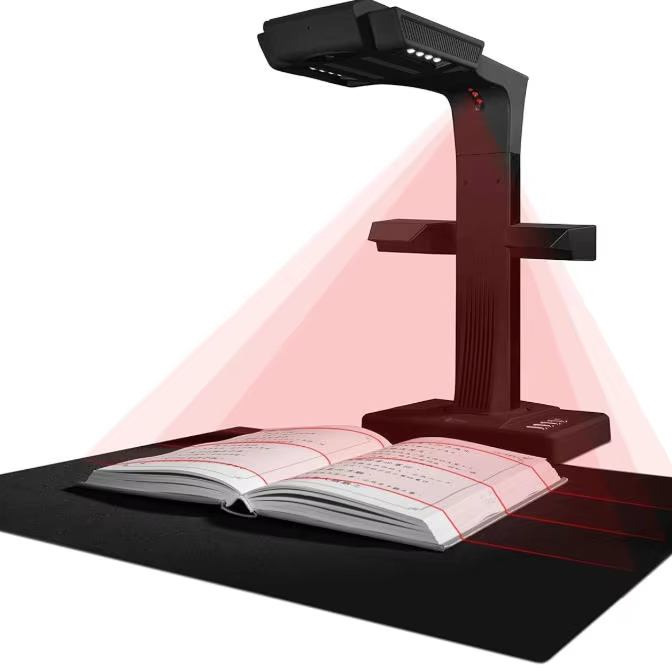
18MP A3 Book Scanner Overhead Document Camera Auto Curve Flattening OCR 180+ HDMI Visual Presenter for Office Library
- Overhead A3 capture for bound books and office records
- Auto curve flattening and OCR-oriented workflow
- HDMI visual presenter use for library and training rooms
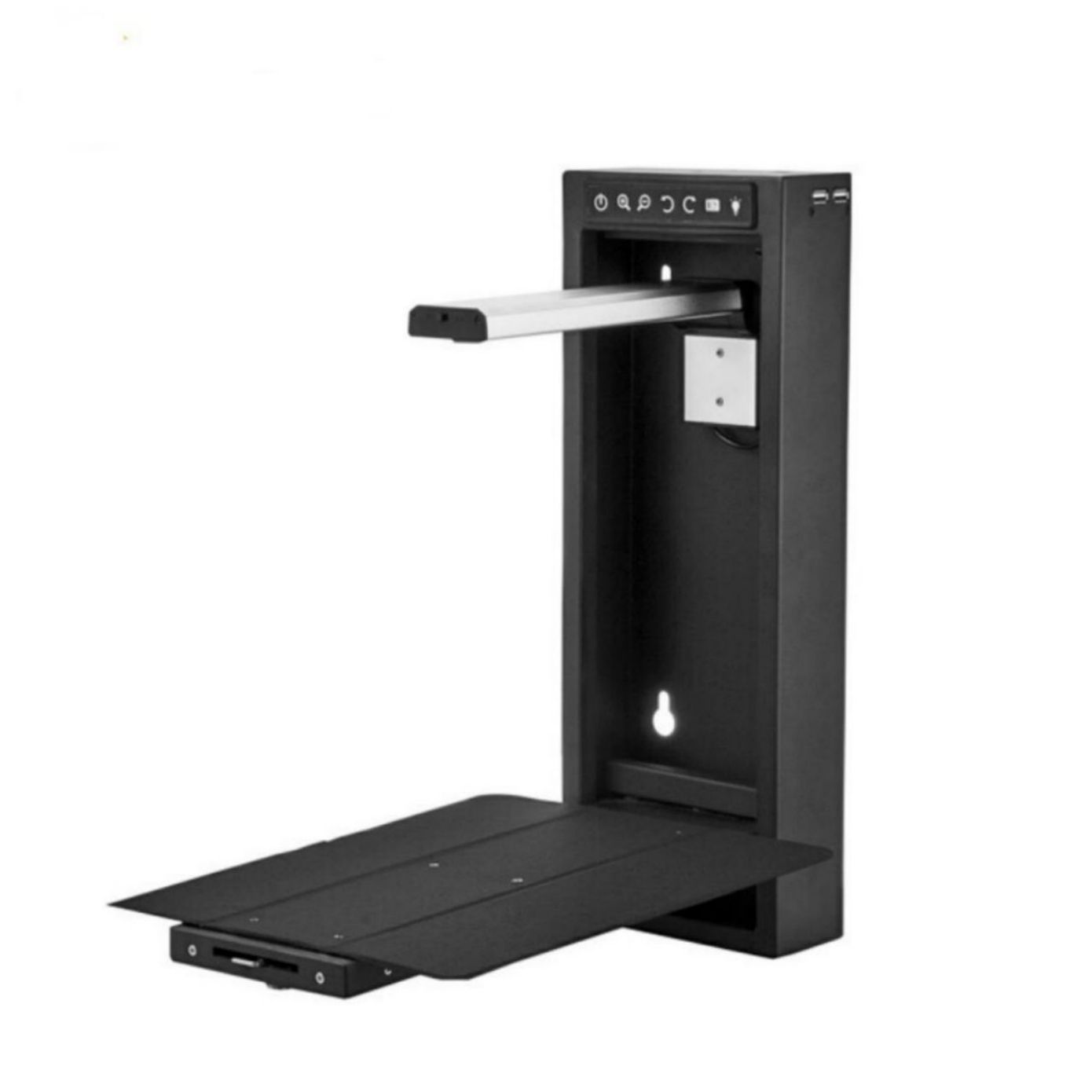
10MP USB CMOS Document Camera Wall Mount Scanner with 1-Second Scan Speed 1-Year Warranty in Stock Classroom Education A4 SDK
- Wall-mounted A4 capture for space-limited rooms
- 1-second scan speed and USB CMOS imaging
- SDK option for classroom and smart-recording software
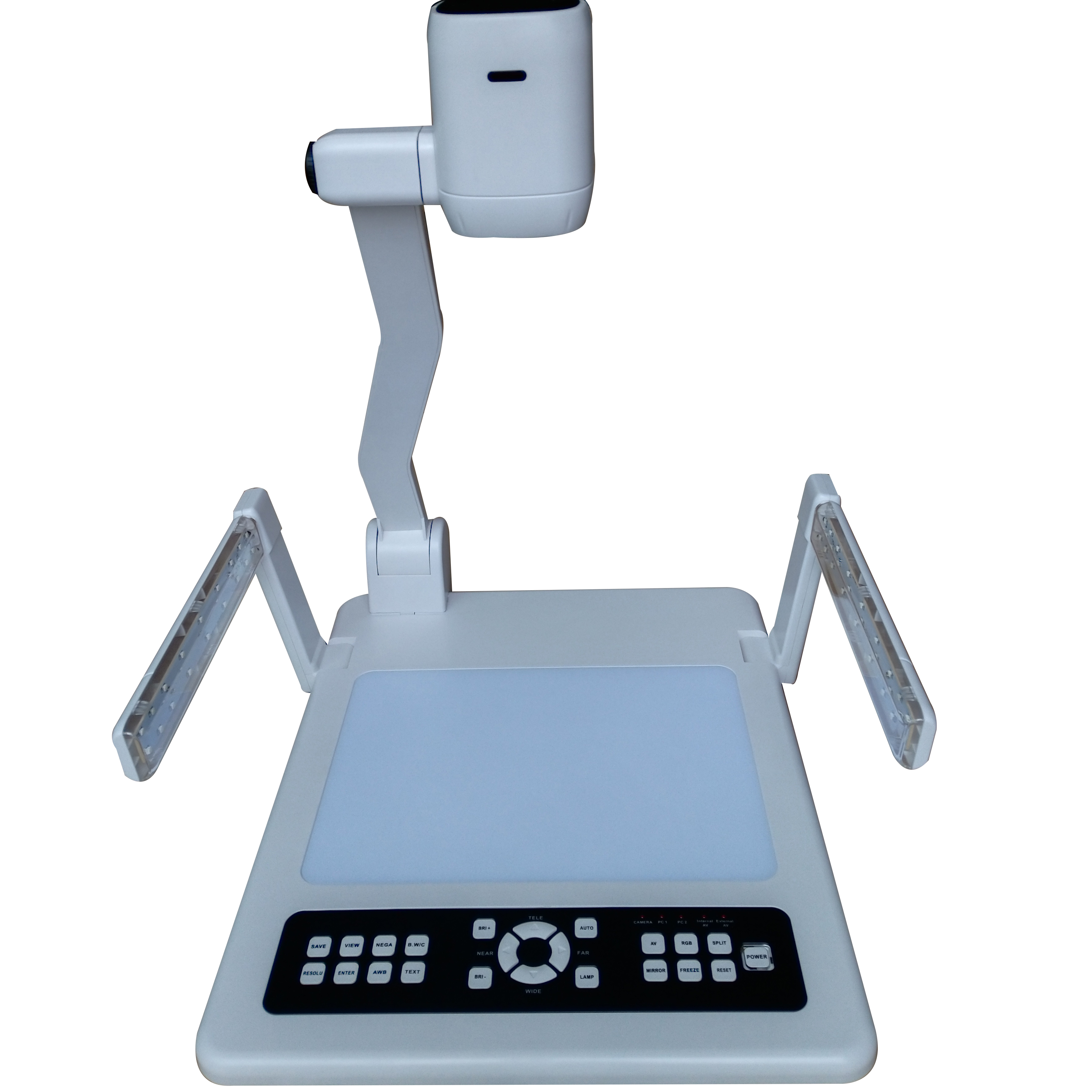
Modern Foldable Flexible Ultra HD Desktop Document Camera for School Video Output HD MI VGA Visualizer
- Flexible arm for textbooks, 3D objects, and demonstrations
- HDMI and VGA output for projectors and displays
- Compact desktop footprint for hybrid teaching
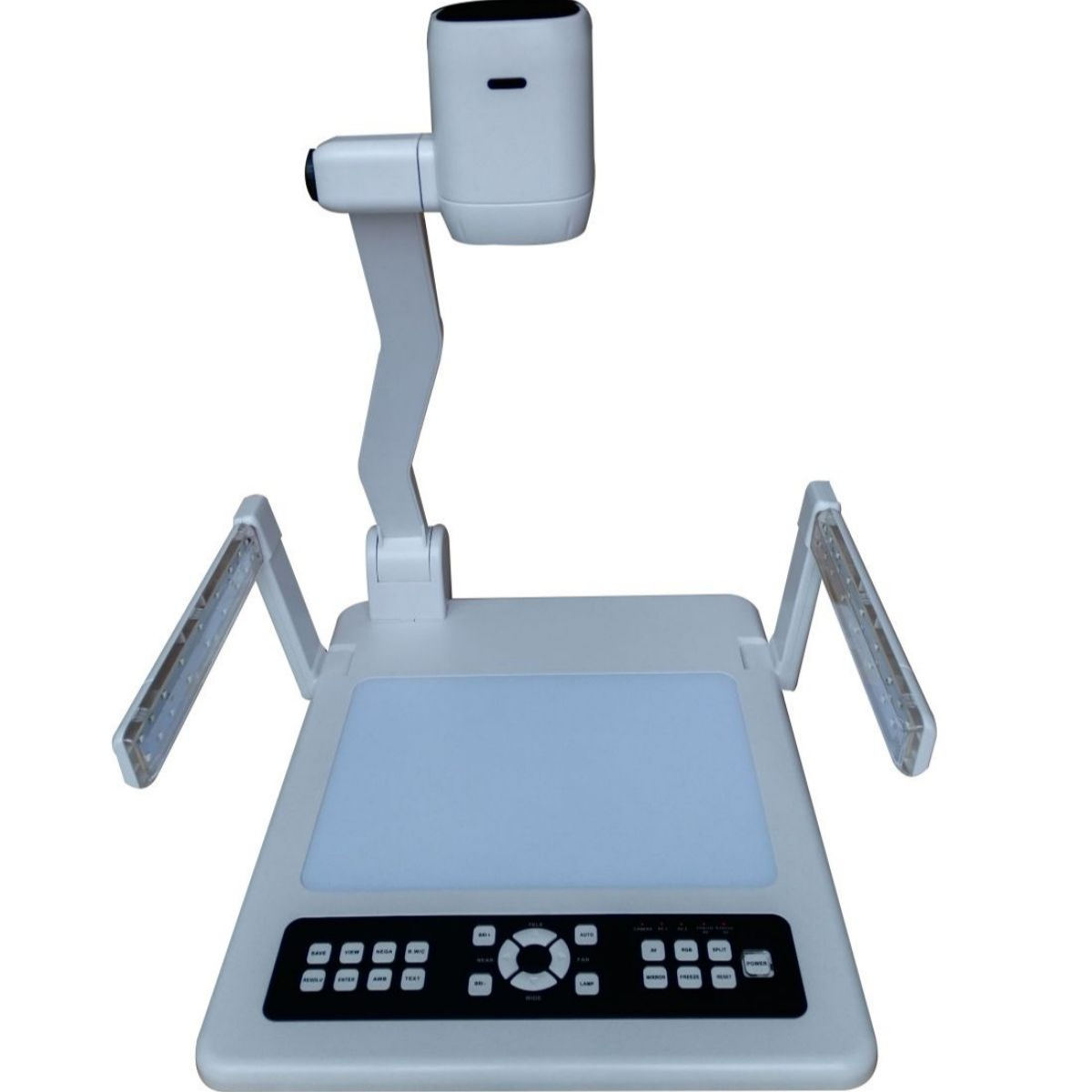
HD Optical Zoom Visual Presenter 1/3" CMOS Sensor 1-Year Warranty OEM Brand GUA Origin Professional Document Camera VGA RS232
- Optical zoom for detailed text and demonstration capture
- VGA and RS232 for control and AV integration
- OEM brand support for distributors and resellers
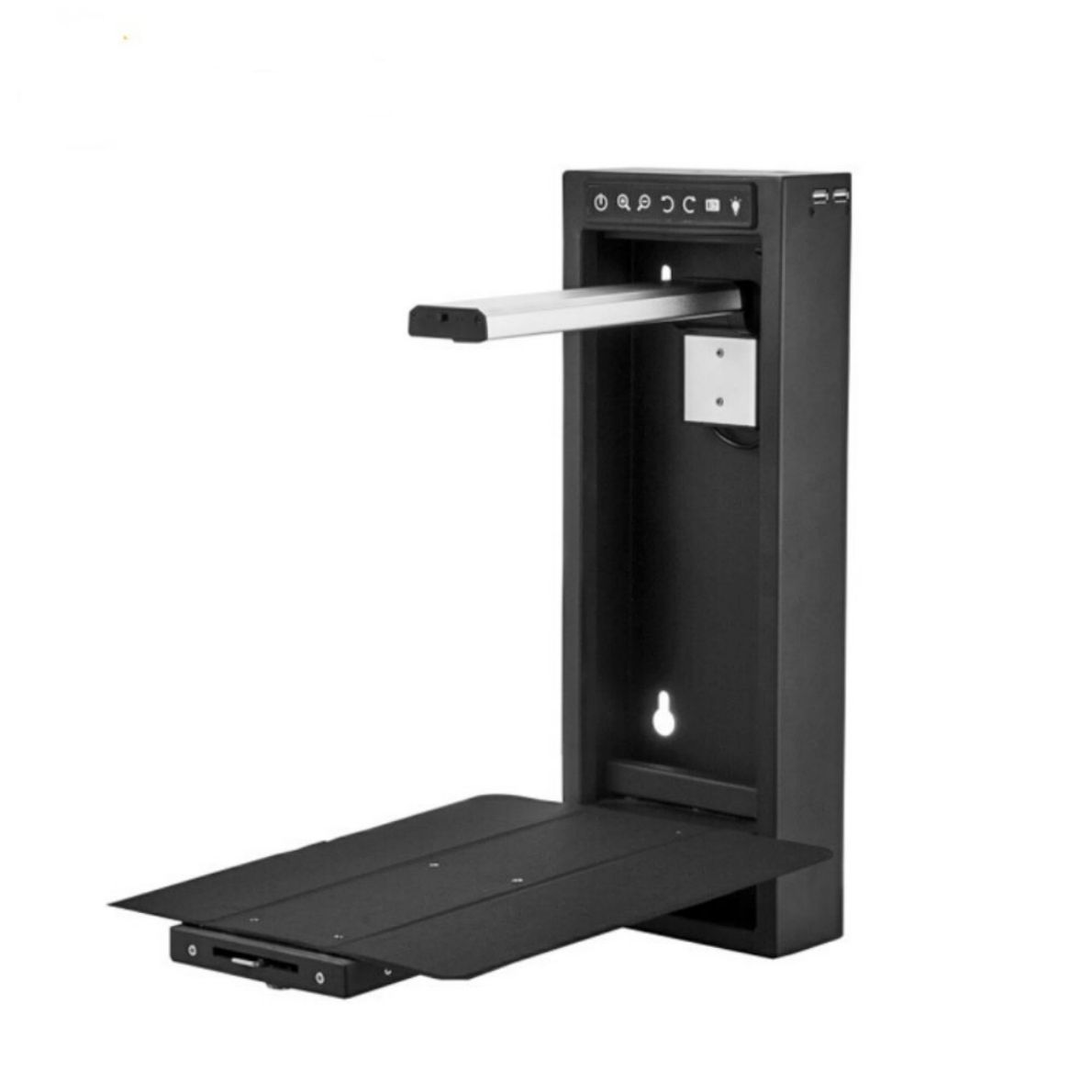
Document Camera A4 Visualizer Wall Version USB CMOS Sensor 10MP 1-Second Scan Document Scanner Stock for Classroom Smart
- 10MP USB CMOS scanner for A4 documents
- Wall version frees desk space in classrooms
- Smart-board and lecture-capture friendly
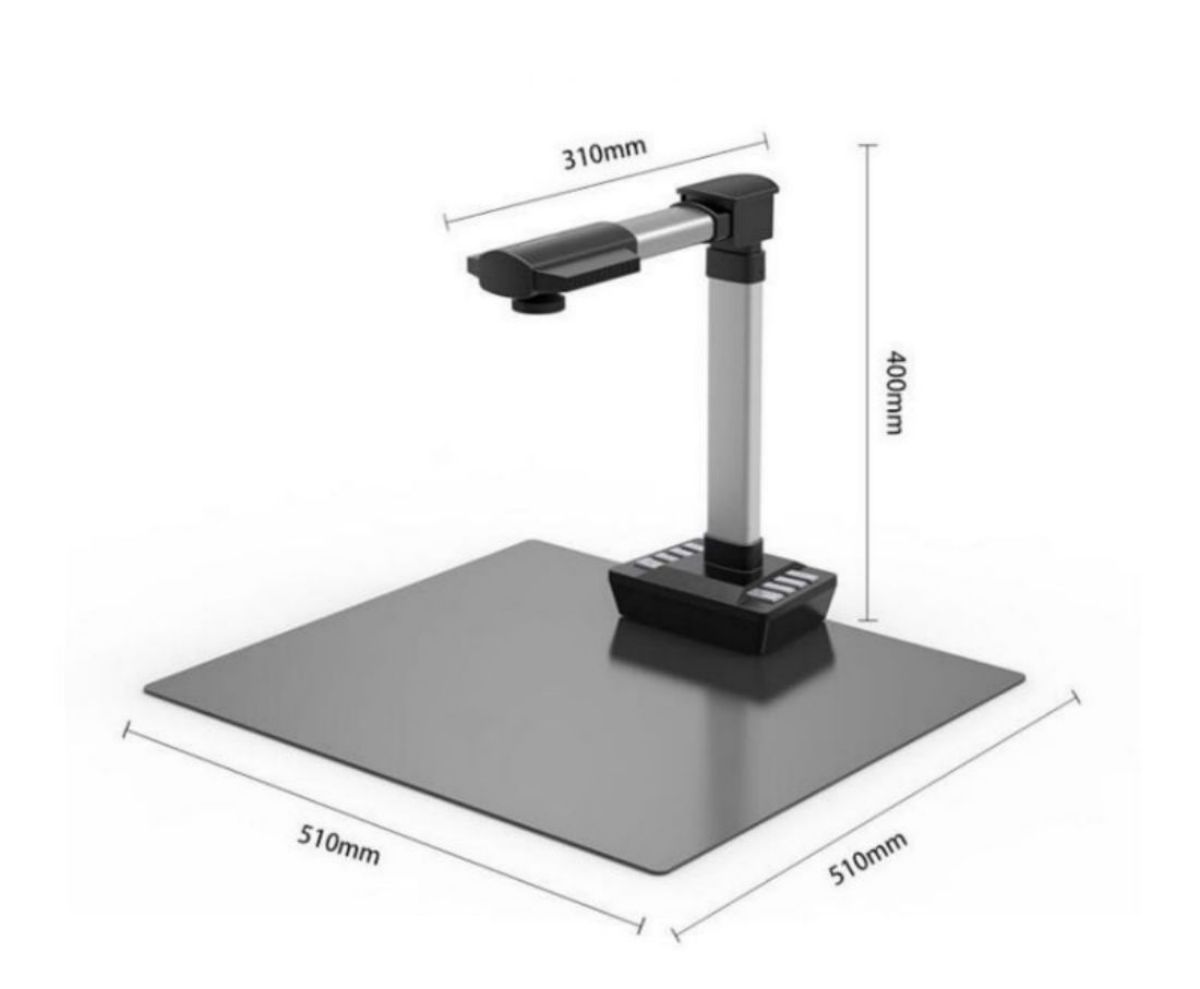
Portable 20MP High-Speed Wireless A3 Document Scanner Professional Book Scanner Foot Pedal USB Interface 24-Bit Color Stock
- Portable A3 book scanning with 20MP capture
- Foot pedal for hands-free page workflow
- USB and wireless options for mobile archive projects
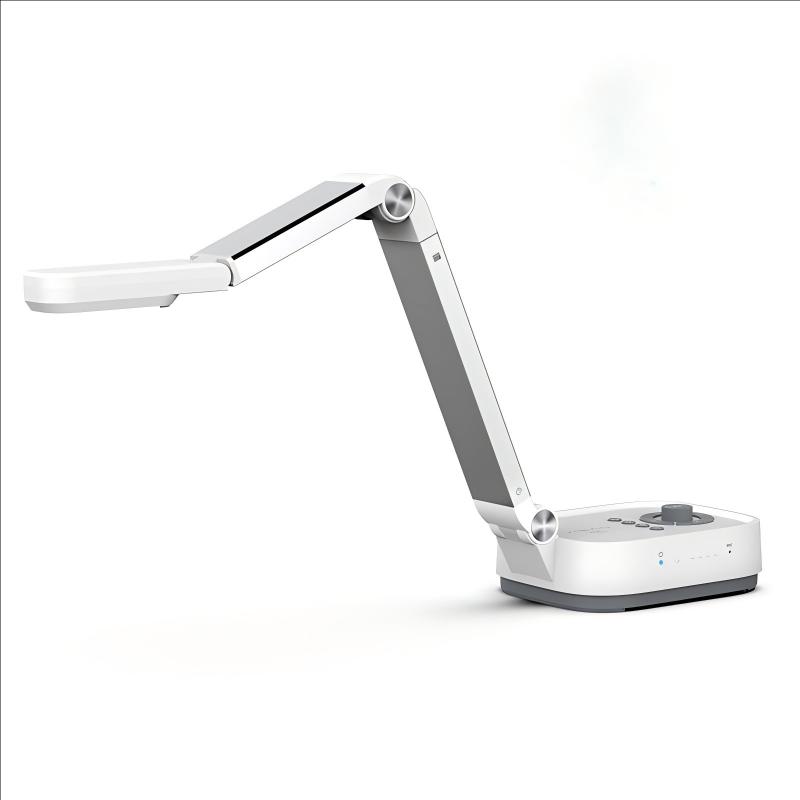
16MP 3D Desktop Visualizer Document Camera with Microphone 120X Zoom /VGA A3 Scan Size LED Light & Foldable for Education
- 16MP 3D visualizer for education and demonstrations
- 120X zoom, microphone, and LED lighting
- A3 scan size and foldable design for flexible rooms

USB Document Camera Scanner 10MP CMOS Visualizer A4 Scanner for Office Education
- Straightforward USB document camera for office use
- 10MP CMOS imaging for A4 documents
- Practical for education, meetings, and remote reviews
A China Factory and Exporter Tuned to Chicago’s Document Camera Workflows
Chicago is not a single-specification market. A visual presenter purchased for a university lecture hall may need HDMI, VGA, a long flexible arm, and simple remote operation. A document camera used by a law office or title company may need fast A4 capture, OCR-friendly output, and software compatibility with Windows or macOS. A library digitization team may need A3 or A2 overhead capture that protects book spines and handles fold-outs, newspapers, maps, and archival records. The right supplier should help you separate these workflows before you compare quotation sheets.
The phrase “China Best desktop visual presenter document camera Factory & Exporters” is a useful search starting point, but it should not replace verification. A responsible sourcing page should make evidence easy to check: the imaging platform, sensor resolution, scan area, output interface, software compatibility, minimum order, warranty, packaging, lead time, and third-party supplier records. Quibow presents product data and factory information in that spirit, so Chicago buyers can make a defensible recommendation to their procurement team rather than choosing from generic photos alone.
Guangzhou Quibow Electronic Co., Ltd. develops and supplies image acquisition and conversion equipment, including overhead book scanners, A3 and A2 large-format document scanners, flatbed scanners, document cameras, visual presenters, and ID card recognition high-speed cameras. Our work spans CIS, CMOS, and CCD imaging platforms. That matters for Chicago buyers because a visual presenter project may look simple on the surface, but the underlying sensor and software choice often determines whether the device fits a classroom, archive, counter, design studio, or mobile training kit.
We support OEM and ODM projects, including logo printing, packaging, housing color, capture software branding, and SDK integration on selected models. For distributors, system integrators, and school-supply partners serving Chicago and the wider Midwest, that means you can start with a proven hardware platform and adjust the commercial presentation for your market. For end users, it means the discussion can begin with document size, daily volume, target resolution, and workflow evidence instead of guesswork.
Chicago-Fit Snapshot
- A3 and A2 overhead capture for books, newspapers, plans, and local records
- HDMI, VGA, USB, and RS232 options for classrooms, meeting rooms, and AV integration
- OCR-oriented workflows for searchable PDF and office digitization
- SDK support on selected models for integrators and software vendors
- 120V/60Hz power, plug type, and certification requirements confirmed before PO
- Many stock scanners from 1 piece or set; several document cameras from 2 pieces
Where Desktop Visual Presenters and Document Cameras Deliver Local Value
Chicago’s mix of education, legal services, architecture, publishing, logistics, healthcare, and public-sector records creates many document-camera use cases. The recommendation should follow the workflow, not a single headline specification.
K-12 and University Classrooms
Show math derivations, textbook pages, lab specimens, and 3D objects live on projectors or displays. HDMI/VGA visual presenters and USB document cameras support lecture capture without passing fragile items around the room. For hybrid classes, confirm whether the camera appears as a standard USB video device and whether your learning-management or capture software accepts it.
Libraries and Local Archives
Overhead A3/A2 book scanners capture bound periodicals, maps, community-history collections, and fragile records. Auto-flattening, OCR, and foot-pedal capture can reduce rescanning while protecting bindings. Chicago buyers should test with the actual page sizes and paper conditions they manage, including tight gutters and folded inserts.
Law Firms, Title Companies, and Clerks
Capture contracts, IDs, seals, signatures, and supporting documents at counters or service desks. Dual-lens or high-speed models may help teams combine document and ID workflows, while OCR can make scanned files easier to search. Confirm data-retention rules, user permissions, and software integration before deployment.
Architecture, Engineering, and Print Production
A2 overhead capture is useful for drawings, finish samples, plan markups, and large-format reference materials. When archival masters must meet a 300 dpi specification, do the pixel math: a 48MP A2-class scanner is more appropriate than a lower-resolution camera covering the same sheet. For everyday visual review, a flexible A3 visual presenter may be enough.
Healthcare, Labs, and Professional Training
Use visual presenters to demonstrate devices, specimens, procedure steps, and printed protocols on a large display. Avoid capturing patient-identifiable data unless your compliance team approves the workflow, storage location, and access controls. For training rooms, microphone and LED-light features can improve the live demonstration experience.
Corporate Training, Logistics, and Quality Teams
Demonstrate small parts, labels, packaging, and inspection results to remote teams. A foldable visual presenter with zoom and LED lighting can turn a conference room into a quick quality-check station. If the workflow requires a documented image trail, discuss SDK integration or software capture options before purchasing.
Chicago-Area Trends Reshaping Visual Presenter and Document Camera Procurement
Buyers are moving from “one camera for every room” toward workflow-specific deployment. These trends are visible across education, public records, professional services, and distributed teams.
Hybrid Classrooms and Active Learning
Schools and campuses around Chicago continue to upgrade AV systems for simultaneous in-person and remote teaching. Visual presenters need to be easy for instructors to use, with stable HDMI/VGA output, clear USB video behavior, and flexible arms for showing books, samples, and hands-on demonstrations.
Searchable Records and OCR Readiness
Public agencies, legal teams, libraries, and associations are placing more value on searchable PDFs, OCR quality, and repeatable capture. A camera that only produces a clear image may not be enough if the downstream workflow requires text extraction, indexing, or document management integration.
Small-Batch Pilots and Faster Sourcing
Procurement teams increasingly request a sample scan, a pilot unit, or a small first order before committing to a full rollout. Low-friction MOQs, such as 1 piece on many stock scanners and 2 pieces on several document cameras, help Chicago buyers test fit without overcommitting inventory.
Midwest Logistics and Total Cost of Ownership
Chicago’s position as a Midwest logistics hub supports air movement through O’Hare and sea-rail routes into the region. Buyers compare FOB, EXW, and DDU terms, confirm 120V/60Hz power requirements, and plan spare accessories. Total cost includes support, warranty handling, and integration time, not just the unit price.
How to Specify the Right Desktop Visual Presenter Document Camera
Resolution claims are easy to compare and easy to misunderstand. Start with the original document size, the required output resolution, the viewing or OCR workflow, and the physical environment where the camera will be used.
Use pixel math before comparing megapixels
A3 at 300 dpi requires approximately 3508 × 4961 pixels, or about 17.4 megapixels. That is why an 18MP or 24MP scanner can be appropriate for A3 archival work. A2 at 300 dpi requires approximately 4961 × 7016 pixels, or about 34.8 megapixels; a 48MP A2-class scanner is the more suitable conversation for archival masters. A 21MP camera covering A2 may still be useful for preview, OCR, and on-screen reading, but it should not be specified as a 300 dpi A2 archival solution without agreement on the actual dpi delivered.
Chicago buyers should also consider the light conditions and physical handling. Bound books need non-contact overhead capture. Loose sheets may suit a wall-mounted or flatbed device. Artwork and detailed materials may require a controlled flatbed with higher optical resolution. Live teaching may prioritize zoom, LED lighting, microphone input, and simple camera switching over maximum still-image resolution.
Five-point specification checklist
- Define the largest and smallest originals, including A4, A3, A2, books, newspapers, IDs, and 3D objects.
- State the required dpi at the largest size, not only the sensor megapixels.
- Confirm output and software: HDMI, VGA, USB, RS232, Windows, macOS, OCR, SDK, and learning-platform compatibility.
- Check site requirements: 120V/60Hz power, plug type, mounting space, cabling distance, and any district or institutional documentation.
- Require sample scans using representative Chicago documents, plus warranty terms, spare-part plan, and remote support process.
| Document size | Pixels at 300 dpi | Practical sensor guidance | Typical Quibow fit |
|---|---|---|---|
| A4 210 × 297 mm | 2480 × 3508 ≈ 8.7MP | 10MP or higher | 10MP USB or wall-mounted document camera |
| A3 297 × 420 mm | 3508 × 4961 ≈ 17.4MP | 18–24MP for master files | 18MP OCR overhead scanner, 16MP–20MP visual presenters |
| A2 420 × 594 mm | 4961 × 7016 ≈ 34.8MP | 48MP for close to 300 dpi | 48MP A2 overhead book and newspaper scanners |
| Photos and art | 600–2400 dpi optical | Flatbed, 48-bit color | 1200 or 2400 DPI A3 flatbed scanners |
CIS Imaging
Compact contact image sensing suits sheet-fed paths and high-volume office batches. It can be a good match for invoices, contracts, and ADF workflows where documents are loose pages rather than bound books.
CMOS Area Capture
A CMOS area sensor captures the page in one shot from above, making it suitable for bound books, newspapers, live teaching, and counter services. Software can flatten curves, deskew pages, and support OCR.
CCD Linear Capture
CCD flatbed designs offer controlled lighting and stable color for photos, artwork, and bookedge scanning. A zero-margin bookedge model can help reduce spine shadow for bound originals.
Why Quibow Is a Practical China Factory and Export Partner for Chicago Buyers
Quibow combines product breadth, OEM/ODM flexibility, and export communication. The goal is not merely to quote a camera, but to help a buyer choose a model that can pass internal review and work in the field.
Onsite-Checked Supplier Profile
Guangzhou Quibow Electronic Co., Ltd. is presented with onsite-checked supplier information, trade records, and a response profile that includes ≤1 hour average response time and 100% message response rate.
CIS, CMOS, and CCD Coverage
We work across multiple imaging platforms, so recommendations can follow the document type and workflow. That is more useful than forcing every Chicago buyer into the same sensor category.
Broad Document Camera Range
Our range includes overhead book scanners, A2 large-format scanners, A3 flatbeds, wall-mounted document cameras, foldable visual presenters, portable A3 book scanners, and USB A4 document cameras.
OEM and ODM Flexibility
We support logo printing, packaging, housing color, capture software branding, and SDK integration on selected models. Resellers and integrators serving Chicago can build a local offer on proven hardware.
Low-Friction MOQ
Many stock book scanners, A2 large-format scanners, and flatbed scanners start from 1 piece or 1 set. Several document camera models start from 2 pieces. OEM/ODM quantities are confirmed per project.
Export Terms for North America
Payment methods include T/T, L/C, PayPal, and Western Union in USD, EUR, HKD, or CNY. Delivery terms include FOB, EXW, and DDU, subject to quotation and destination requirements.
Warranty and Remote Support
Listed models such as A3 flatbed scanners, A2 overhead scanners, and ADF scanners carry a 1-year warranty, backed by remote technical support. Final coverage should be confirmed on the order.
Sample-Led, Evidence-Based Sales
Instead of asking buyers to accept a slogan, we prefer to discuss sample scans, specifications, software compatibility, and delivery path. That approach fits procurement teams that need defensible documentation.
A Transparent Procurement Path for Chicago-Area Buyers
Every project begins with a requirement review. Send the document sizes, daily volume, target dpi, output interface, software environment, and delivery location. We will help match the model and confirm what needs to be verified before the order.
Requirement Review
Confirm originals, scan size, workflow, OS, software, volume, and site constraints. This is where many bad specifications are avoided.
Model Match and Sample Evidence
Compare sensors, dpi math, I/O, and accessories. Request sample scans using representative documents before finalizing a shortlist.
OEM, Packaging, and QC
If applicable, confirm logo, packaging, housing color, software branding, and SDK scope. Units are checked for focus, lighting, driver install, and capture speed.
Export and Remote Support
Confirm Incoterm, payment, destination, power requirements, documentation, and remote setup support. Keep the quotation and specification sheet aligned with the PO.
Company facts buyers can verify
For Chicago buyers, the working relationship is straightforward: define the document workflow, verify the model, confirm the commercial terms, and plan support before shipment. That is especially important when a school, library, or public agency needs a repeatable standard across multiple sites.
Inside the product and support environment

Company video introduction

Quibow workspace and supplier environment

Scanner and document camera product display

Document camera and book scanner showcase
Common Procurement Questions from Chicago-Area Buyers
These answers follow the supplier information and product data available for Quibow. Final specifications, certifications, lead times, and warranty coverage should be confirmed in the quotation and purchase order.
What does “China Best desktop visual presenter document camera Factory & Exporters” mean in practice?
It is a search phrase, not a substitute for evidence. A practical evaluation should check the supplier profile, product specifications, sample scans, software compatibility, warranty terms, and third-party trade records. Quibow can provide product information and sample-scan support, while Alibaba-maintained records can be reviewed independently for supplier assessment, credit, feedback, trade capacity, and transaction history.
What is the minimum order quantity for Quibow scanners and document cameras?
Many stock book scanners, A2 large-format scanners, and flatbed scanners start from 1 piece or 1 set. Several document camera models start from 2 pieces. OEM/ODM quantities are confirmed per project because branding, packaging, and software customization can change the production plan.
Can you ship to Chicago, and which delivery terms are available?
Quibow serves North American buyers and can discuss export shipment to Chicago. Common delivery terms include FOB, EXW, and DDU, subject to quotation. Under DDU, the buyer should clarify import duties, taxes, customs brokerage, and final-mile responsibilities before the order. Transit planning may involve air movement through O’Hare or sea-rail routes into the Midwest, depending on volume and urgency.
Will the document camera work on 120V/60Hz power in Chicago?
Power requirements should be confirmed per SKU before the purchase order. Chicago uses 120V/60Hz, so ask for input voltage, adapter rating, plug type, and any site-specific requirements. Do not assume compatibility from product photos alone. Quibow can confirm the configuration for the selected model before shipment.
Do you support OEM, ODM, software branding, and SDK integration?
Yes. OEM/ODM support can include logo printing, packaging, housing color, capture software branding, and SDK integration on selected models. The exact scope, MOQ, development fee, testing plan, and timeline should be written into the project quotation so that both sides have the same expectation.
Are Quibow scanners and cameras compatible with Windows and macOS?
Many models support Windows and macOS, and some models have been verified on Apple M1 Macs. Compatibility varies by model, so confirm the operating system, software version, and capture application before ordering. For district or enterprise deployment, test the exact hardware and software combination that will be used in the field.
Which resolution do I need for A3 or A2 documents at 300 dpi?
An A3 page at 300 dpi needs about 3508 × 4961 pixels, or roughly 17.4 megapixels, so an 18MP or 24MP model is a reasonable starting point. An A2 sheet at 300 dpi needs about 4961 × 7016 pixels, or roughly 34.8 megapixels; a 48MP A2 scanner is the better match for archival masters. A lower-resolution model can still work well for preview, OCR, and on-screen reading if the actual delivered dpi is acceptable.
What warranty and after-sales support is included?
Listed models such as the A3 flatbed scanners, A2 overhead scanners, and the S2060W ADF scanner come with a 1-year warranty, backed by remote technical support. Warranty coverage, consumables, shipping responsibility, and diagnosis process should be confirmed on the final quotation and order.
What payment methods, currencies, and delivery terms do you accept?
Quibow accepts T/T, L/C, PayPal, and Western Union in USD, EUR, HKD, or CNY. Delivery terms include FOB, EXW, and DDU. For Chicago buyers, confirm which currency, Incoterm, insurance arrangement, and export documents are required by your finance and import teams before issuing the PO.
What about UL/ETL, FCC, or school-district documentation requirements?
Institutional and district requirements vary. Send the exact documentation list, target model, and site requirements in writing. Quibow will confirm which documents are available for the selected SKU. Buyers should not assume that a product meets a specific certification or district requirement until it is confirmed in the quotation and supporting documentation.
Can we get sample scans instead of a physical sample first?
Yes. Sample scans can be discussed using representative documents such as dense legal text, small print, folded sheets, book gutters, photographs, or larger-format records. A physical sample may depend on stock, target model, and sample policy. For many Chicago procurement teams, a sample scan plus a clear specification sheet is a practical first step before a pilot order.
How do we handle installation and AV integration for a Chicago rollout?
For applicable models, we can provide product information, connection guidance, RS232/VGA details, SDK information, and remote support. For mounted cameras, cabling, display switching, and site commissioning, engage a local Chicago AV integrator or facilities team. A clear responsibility matrix before installation helps avoid delays.
Request a Chicago-Specific Catalog and Model Shortlist
Send your document sizes, daily volume, target resolution, required outputs, software environment, power and certification requirements, delivery location, and timeline. Our team will help match the right desktop visual presenter or document camera and clarify what should be tested before you place a Chicago order.
info@quibowtech.com
No extra jump script is attached to this button. It uses the existing third-party live-chat catalog trigger.