CE Certified Presentation Camera Factories & Suppliers serving Mérida
Compare visualizers, A3 document cameras, overhead book scanners and CCD bookedge flatbeds for Mérida classrooms, libraries, banks and systems integrators. CE-related documentation is confirmed model by model, with stock and OEM options from Guangzhou Quibow Electronic Co., Ltd.
Send an InquiryPresentation Cameras & Book Scanners for Mérida Projects
These eight models are practical starting points for buyers comparing A3 visualizers, OCR document cameras, portable book scanners and CCD bookedge flatbeds. Catalogue links are preserved below; final CE documentation, plug type, voltage, software language, packing and lead time should be confirmed against the exact SKU quoted for Mérida.
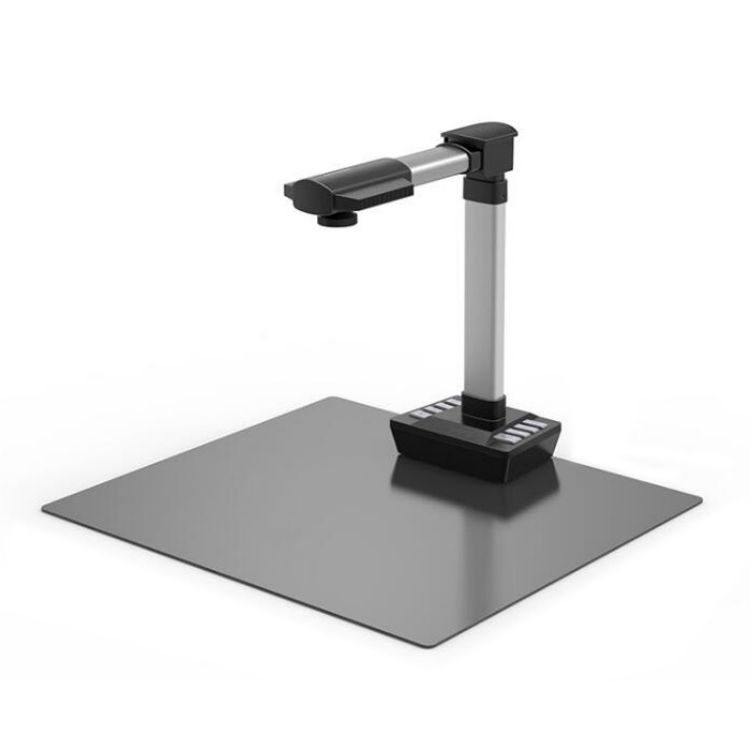
20MP OCR Aluminum Digital Visualizer Camera for Classroom, Office and A3 Document Scanning
A fixed presentation station for schools, training rooms and administrative desks that need scan-to-PDF, OCR and live display from one USB-connected unit.
- 20MP A3 overhead capture
- OCR and USB interface
- Aluminum body for daily use
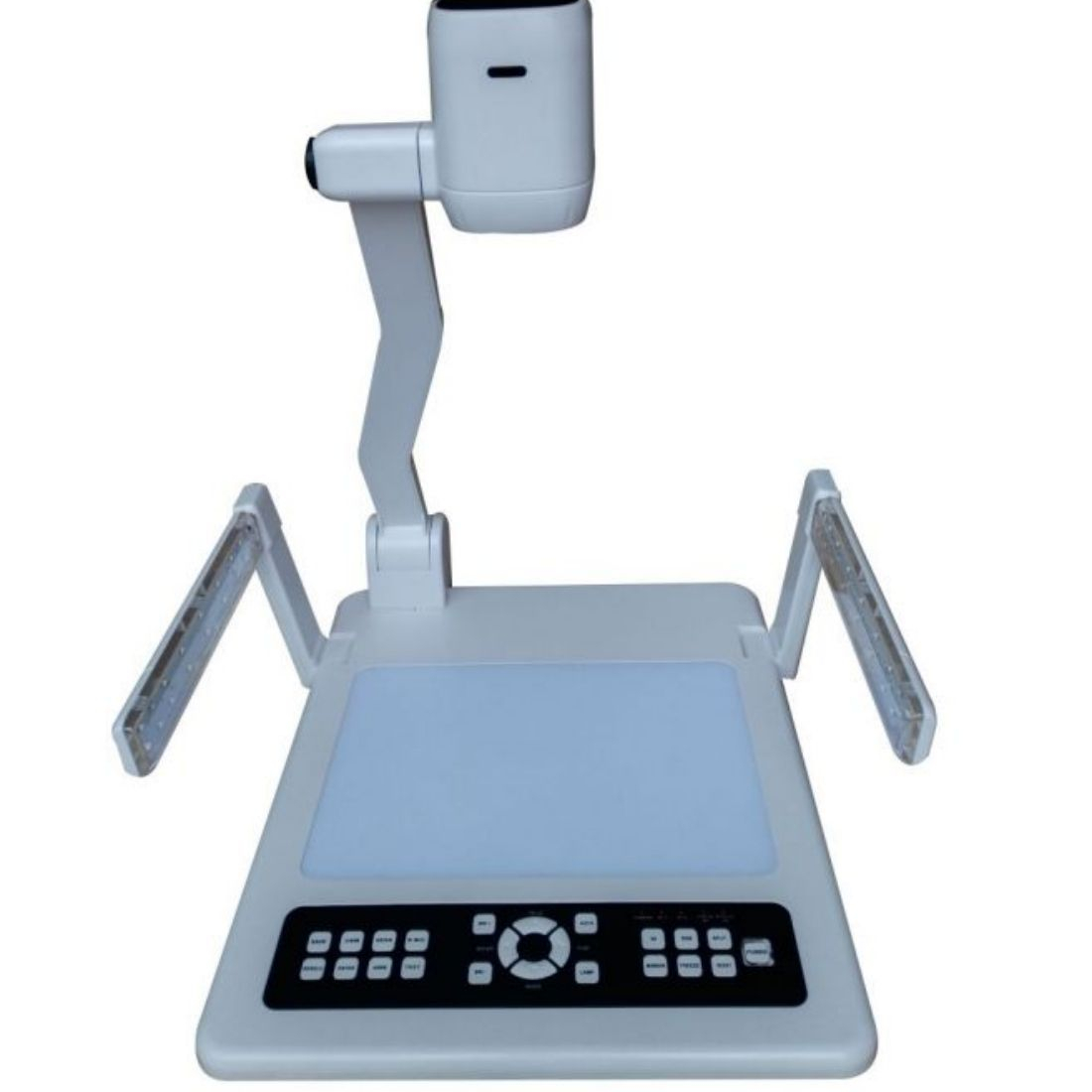
Factory 22X Optical Zoom Desktop VGA/HDMI Audio Document Camera Visualizer
Optical zoom visualizer for lecture theatres and corporate training rooms where a projector, interactive panel or capture card is already installed.
- 22X optical zoom range
- HDMI / VGA / audio interfaces
- Desktop presenter form factor
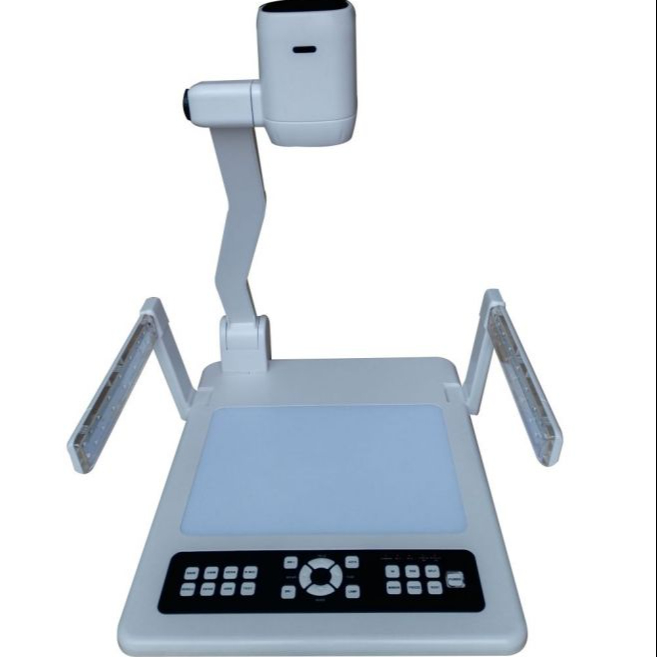
Factory Desktop Document Camera Visualizer 22X Optical Zoom with HDMI, RS232, Audio, Mic and Video
Useful for integrators and campus AV teams that need a document camera with practical control options rather than a simple USB webcam.
- HDMI / RS232 / audio / mic
- High-resolution desktop capture
- Suitable for fixed installations
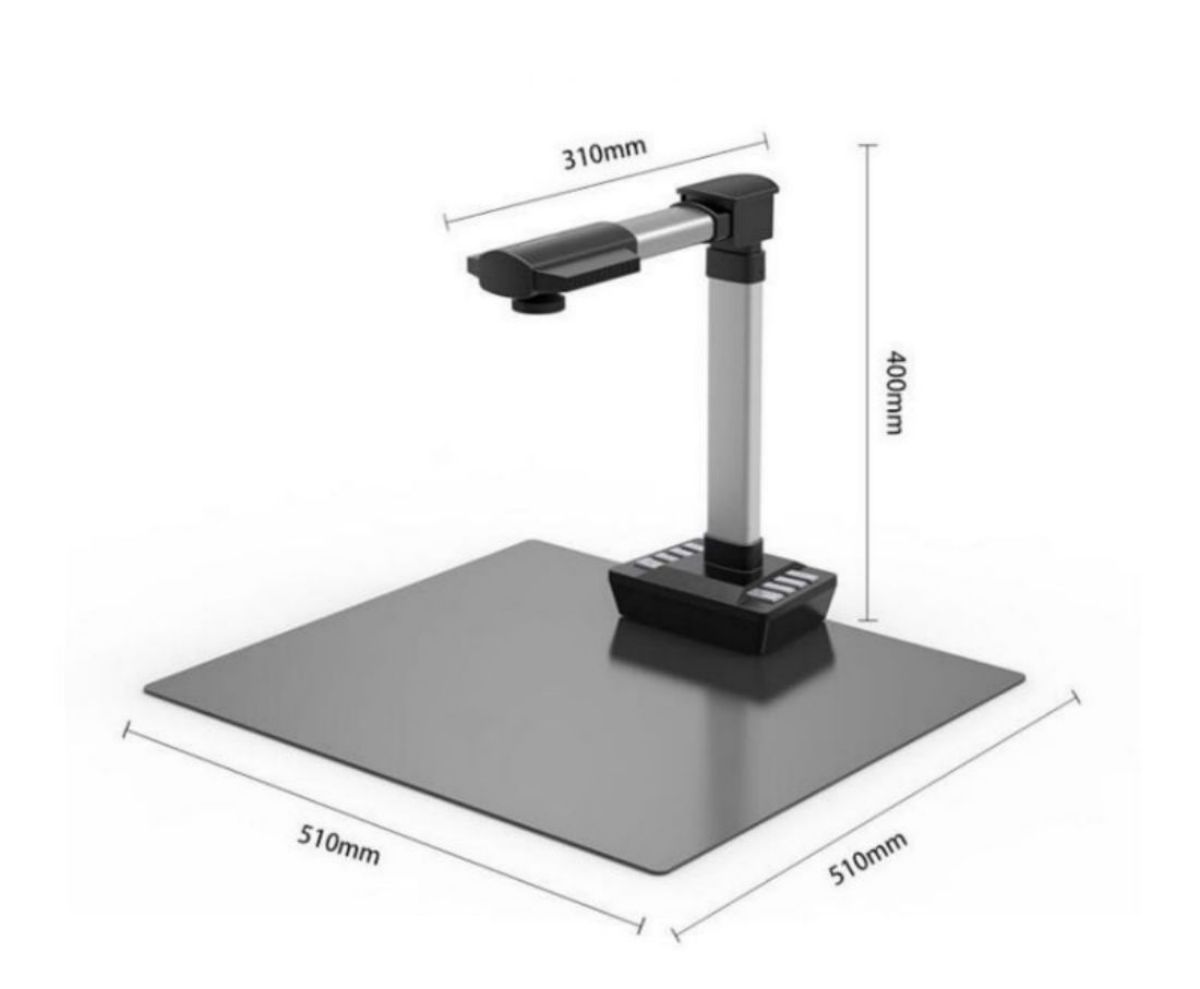
Portable 20MP High-Speed Wireless A3 Document Scanner / Professional Book Scanner
Portable capture for mobile archive teams, notaries and project-based digitization where a fixed overhead scanner would slow the workflow.
- 20MP A3 book and document capture
- Wireless workflow and foot pedal option
- USB interface for local transfer
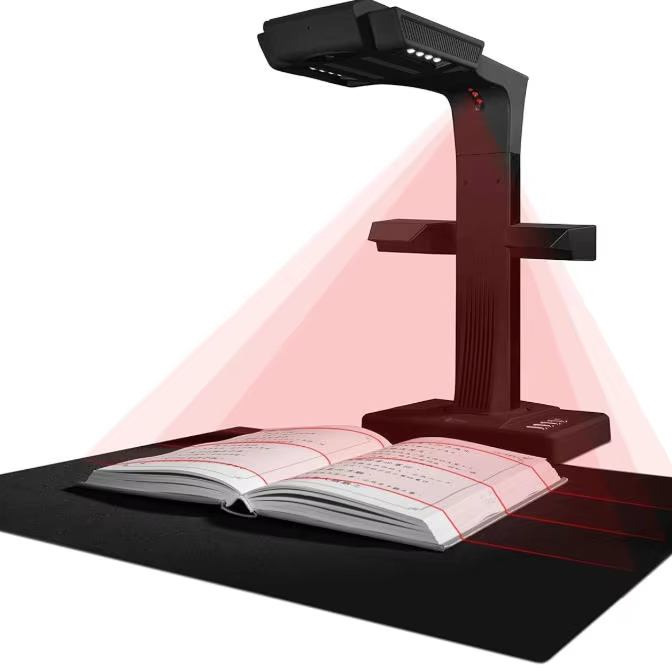
18MP A3 Overhead Book Scanner with Auto Curve Flattening and OCR
Built for bound books, registers, periodicals and office records where contact scanning would stress the binding or slow page turns.
- Auto curve flattening for book gutters
- OCR to searchable output
- HDMI visual presenter function
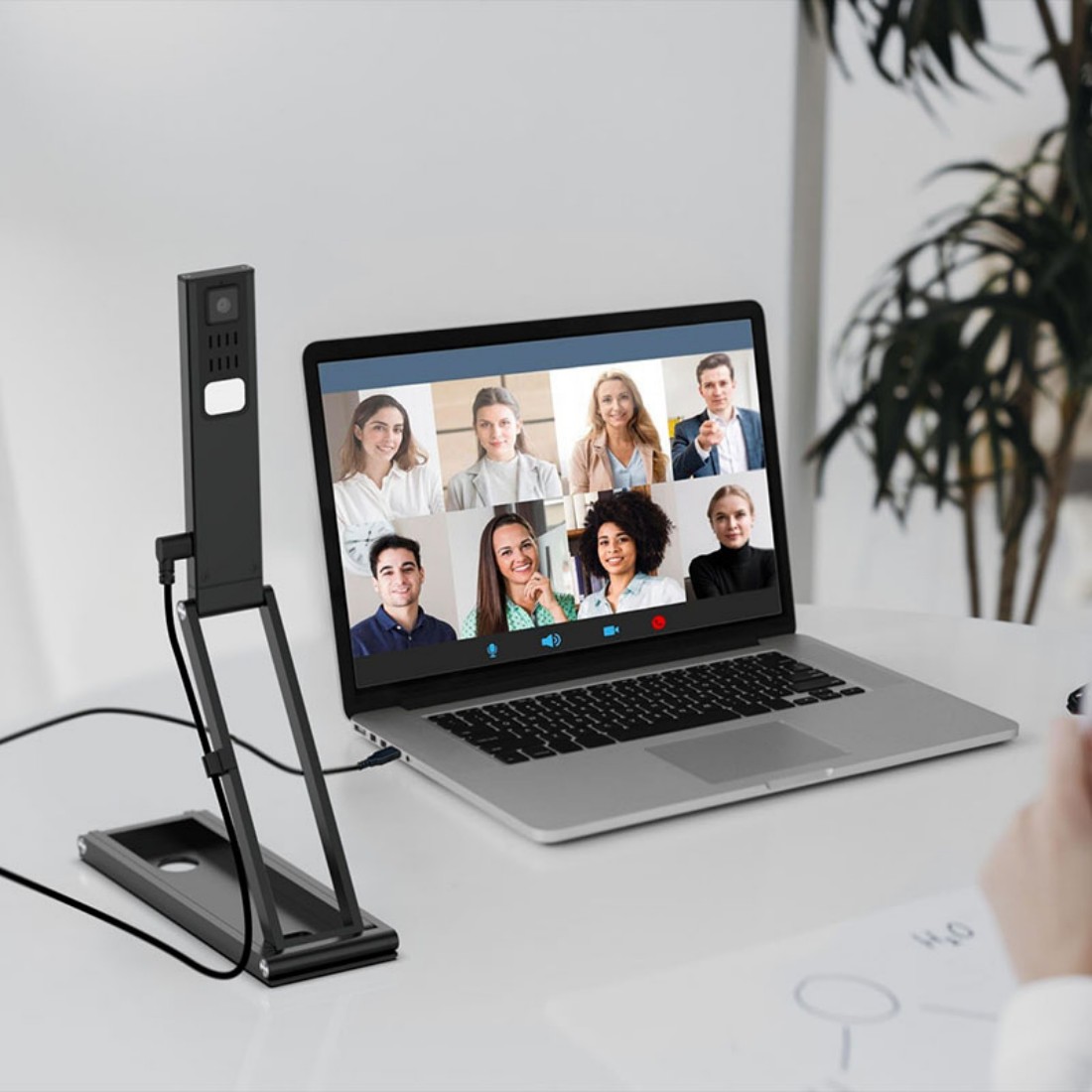
A3 4K Visual Presenter Document Camera with USB Interface and Webcam Function
Designed for hybrid teaching, training and meetings where the same camera must feed a room display and an online session.
- 4K visual presenter for A3 materials
- USB webcam-style connectivity
- School, training and meeting use
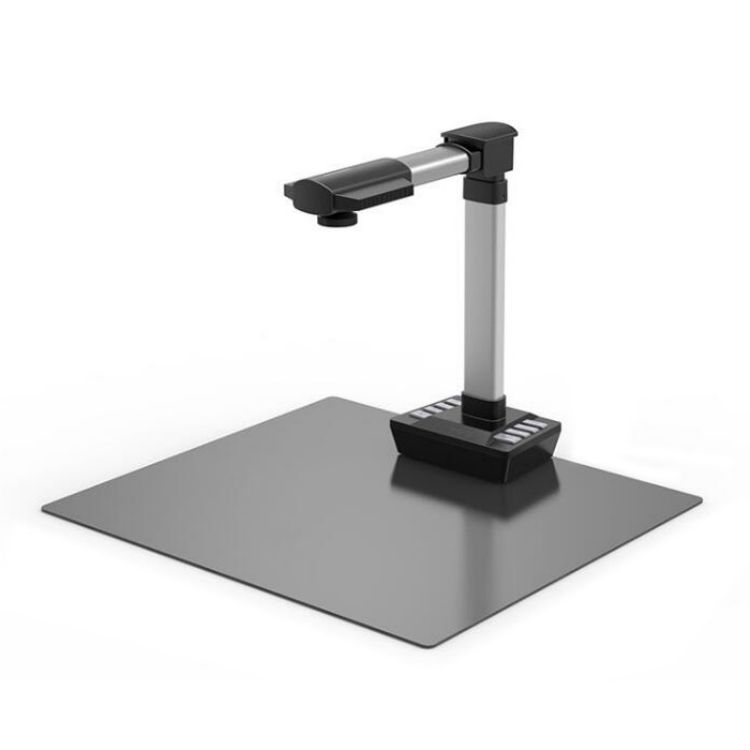
High Resolution Portable A3 Library Book Scanner with Foot Controller
A portable library and reading-room scanner for temporary digitization desks, grant-funded projects and branch archives.
- Hands-free foot controller
- Portable A3 book capture
- USB interface and stock availability
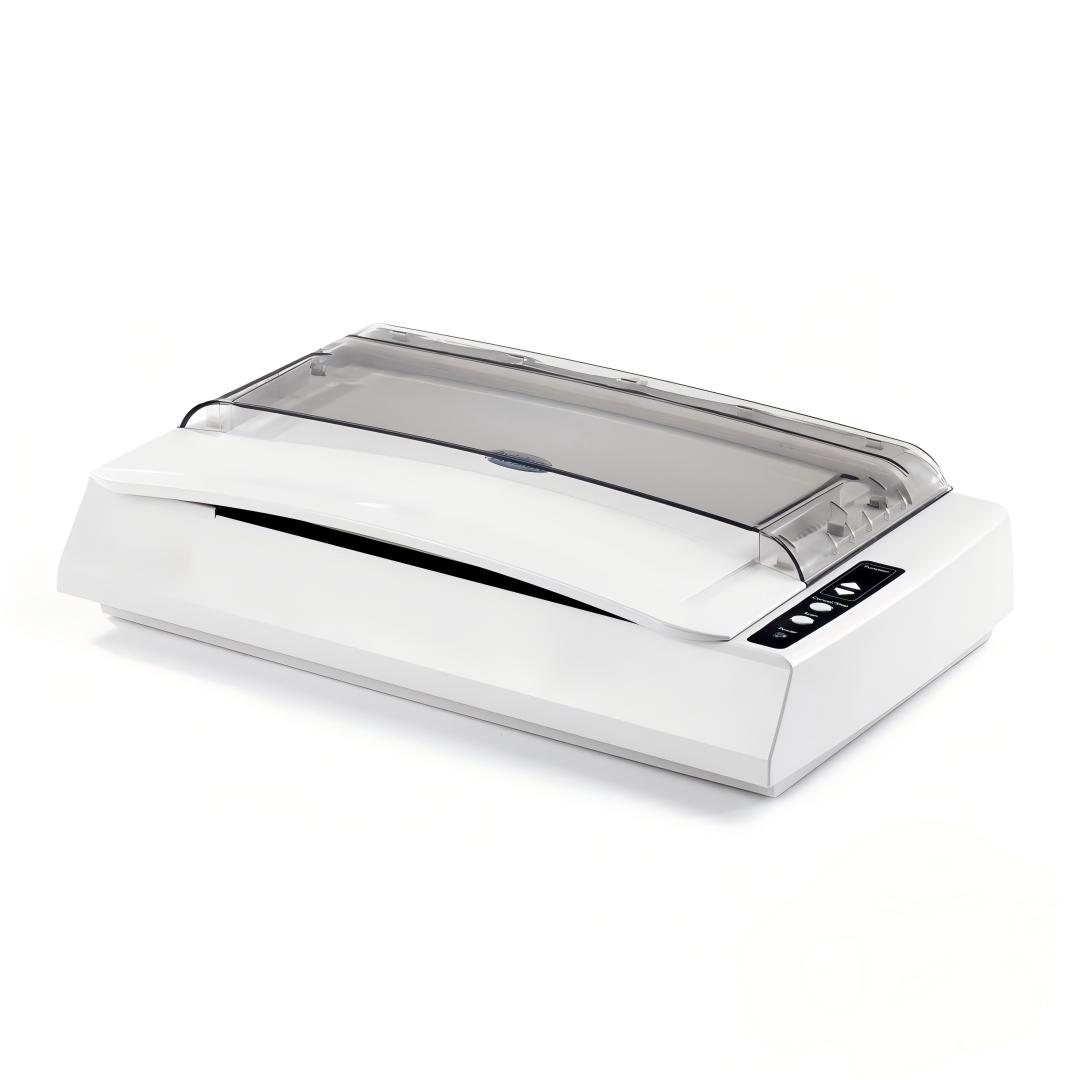
CCD Zero Margin Bookedge Flatbed Scanner A4 600dpi
For bound volumes where spine shadow is unacceptable, this CCD bookedge design helps capture close to the gutter without pressing the book flat.
- 600 dpi CCD bookedge scanning
- Zero-margin design for bound books
- Library and archive digitization
Commercial signals support supplier screening, but they do not replace model-level CE documents, sample scans or destination-specific import checks.
CE-Ready Presentation Camera Factories & Suppliers for Local Procurement
Mérida buyers rarely purchase a visualizer as a standalone gadget. It usually supports a teaching room, a public counter, a scanning station or a system-integration project with a defined output standard.
For procurement teams searching for CE Certified Presentation Camera Factories & Suppliers serving Mérida, the real task is not simply finding a product photo. It is finding a supplier that can match the camera to the room, provide Spanish-language software where required, confirm CE-related documentation for the exact SKU, and support the import process without hiding behind vague catalogue claims. A presentation camera may be called a document camera, visualizer, digital presenter or overhead scanner, but the buying risks are similar: optical clarity, focus speed, lighting stability, software compatibility, spare-part planning and after-sales response.
Guangzhou Quibow Electronic Co., Ltd. is a Guangzhou-based supplier focused on image acquisition and conversion equipment. For Mérida schools, libraries, banks, government offices and integrators, this means a practical route to compare CIS, CMOS and CCD imaging platforms without treating every product as identical. CE-related documentation should be checked against the exact product configuration, power adapter, cable set and packaging. Many electronics fall under self-declaration routes, so a responsible supplier will provide the available declaration or test report and explain what is covered rather than sending a generic badge image.
CE documentation discipline
Ask for the declaration or test report tied to the exact visualizer, voltage and accessory package. Model-level checking matters more than a generic catalogue badge.
Stock plus OEM/ODM support
Several stock scanners start from 1 piece or 1 set, while document cameras may start from 2 pieces. OEM/ODM quantities are confirmed per project, including logo, packaging and software branding.
Optics for real rooms
Optical zoom, manual exposure and stable LED lighting matter in rooms with mixed daylight, projector glare or high ceilings. The camera should fit the room, not just the specification sheet.
Spanish OCR and SDK integration
For counters, libraries and systems integrators, output format matters. Confirm Spanish OCR, searchable PDF, image export and SDK availability before rolling out multiple units.
Heat and humidity awareness
Mérida's climate and mixed air-conditioning make ventilation, LED heat control and stable power handling worth discussing. Request the operating range and recommend surge protection for sensitive rooms.
Fast technical response
Quibow reports an average response time of 1 hour or less and a 100% message response rate. For Mérida buyers, that is most useful when sample scans, driver questions and spare-part checks happen before the purchase order.
Where Presentation Cameras Fit in Mérida Workflows
Mérida and the wider Yucatán Peninsula combine education, public administration, tourism, professional services and growing digital operations. The camera should be chosen by workflow, not by megapixels alone.
Classrooms and hybrid teaching
Teachers can show textbooks, science experiments, maps and handwritten work on a projector or interactive panel. A 4K visual presenter with USB webcam function is useful where lessons are also streamed or recorded.
University libraries and archives
Overhead scanners with auto flattening and OCR protect bound volumes while creating searchable files. For rare or fragile material, zero-margin CCD flatbeds help avoid spine shadow and unnecessary pressure.
Government, notary and legal records
Presentation cameras capture stamps, seals, signatures, identification pages and supporting documents without removing them from the file. OCR and image export help keep case records searchable.
Banks, credit unions and KYC counters
Dual-lens or high-speed counter cameras can capture forms and identification documents quickly. SDK access is valuable when the bank needs the camera to work inside its own onboarding or verification software.
Hotels, tourism and service training
Training teams can display menus, maps, service scripts and product samples on a large screen. A visualizer is often more practical than passing materials around a room or photographing them on a phone.
Enterprise, BPO and remote support
Operations teams use document cameras for close-up inspections, live product demonstrations, quality checks and remote technical support. USB plug-and-play models reduce training time for staff.
Mérida Procurement Trends Shaping Presentation Camera Demand
Local projects increasingly ask for fewer suppliers, clearer documentation and equipment that works across classrooms, offices and public counters. These trends affect the questions buyers should ask before comparing quotes.
Hybrid classrooms and Spanish-first training
Schools and training centres want one camera that can present to the room and feed an online session. Spanish-language operating guidance and OCR output are practical requirements, not extras.
Paper-to-digital archive programmes
Libraries, notaries and public offices continue to digitize records, registers, newspapers and historical files. Projects often begin with a small scanner count and expand after the first workflow is proven.
Nearshoring and BPO quality checks
Service operations need clean document images for onboarding, claims, quality checks and customer records. Counter cameras with stable focus and repeatable lighting reduce retakes and manual corrections.
Procurement consolidation
Institutions prefer one supplier who can quote visualizers, overhead scanners, flatbeds and accessories. OEM/ODM support helps distributors build a branded catalogue without managing many small vendors.
Heat, humidity and power resilience
Equipment may operate in air-conditioned rooms, fan-cooled offices and temporary digitization spaces. Buyers increasingly ask about ventilation, LED life, adapter quality and surge protection.
Proof before purchase
Local buyers want sample scans, driver checks and real delivery terms. A supplier that answers technical questions quickly from Guangzhou is easier to shortlist than one that sends only generic brochures.
Resolution planning for Mérida document workflows
Approximate pixels required at 300 dpi. Use this as a screening tool, then ask for sample scans with your own documents.
How to Specify Presentation Cameras for Mérida Projects
The right camera depends on what is being captured, how often, by whom, and what the output must support. A classroom visualizer and a library book scanner may share a sensor category, but they solve different problems.
CIS for high-volume sheet workflows
CIS imaging is compact and efficient on document paths. It suits ADF batches, invoices, contracts and office digitization where pages are loose and volume is high.
- Best for ADF and batch scanning
- Less suitable for bound books
- Check daily duty cycle and feeder quality
CMOS area sensors for books and live presenting
CMOS area cameras capture a whole page in one shot. With auto flattening, deskew and finger removal, they can digitize bound books without flattening the spine.
- Best for overhead scanners and visualizers
- 18–24MP for A3; 48MP for A2 archival work
- Confirm lens zoom, focus speed and HDMI/USB output
CCD for bookedge and controlled flatbed capture
CCD flatbeds provide controlled lighting and stable depth of field for photos, art and bound volumes. A bookedge design brings the scan line close to the gutter.
- Best for zero-margin book scanning
- Slower than overhead capture for long books
- Look for 600–1200 dpi and USB compatibility
| Document size | Pixels at 300 dpi | Recommended sensor | Practical Mérida use |
|---|---|---|---|
| A4 | 2480 × 3508 · ≈8.7 MP | 10 MP or higher | Counter forms, IDs, contracts, classroom handouts |
| A3 | 3508 × 4961 · ≈17.4 MP | 18–24 MP | Textbooks, registers, maps, visualizer documents |
| A2 | 4961 × 7016 · ≈34.8 MP | 48 MP for archival masters | Newspapers, broadsheets, large maps and plans |
| Photos & art | 600–2400 dpi optical | CCD flatbed, 48-bit colour | Library special collections, design and heritage work |
Engineering note: a 21MP camera covering a full A2 sheet delivers roughly 225–240 dpi. If a tender requires 300 dpi at A2, specify a 48MP A2 model instead of relying on interpolation.
Inside Guangzhou Quibow Electronic Co., Ltd.
Quibow is a focused imaging supplier rather than a catalogue-only reseller. For Mérida buyers, the advantage is coordinated product selection, OEM/ODM support and practical communication across CIS, CMOS and CCD platforms.

Guangzhou Quibow Electronic Co., Ltd. develops and supplies image acquisition and conversion equipment, including high-speed document cameras, book scanners, A3/A2 large-format scanners, flatbed scanners and ID-card recognition cameras. The company works across CIS, CMOS and CCD imaging platforms, covering product selection, production coordination, export sales and after-sales support.
For procurement teams in Mérida, this range is useful because the same supplier can quote a classroom visualizer, a library overhead scanner and a CCD bookedge flatbed while keeping terminology, software expectations and warranty conversations consistent. OEM/ODM support includes logo printing, packaging, housing colour, software branding and SDK integration on selected models. The company is listed as an onsite-checked trading company in Guangzhou, with main markets including Eastern Europe, North America and South America.
The practical advantage is not size alone. It is the ability to answer a narrow question—such as whether a 22X optical zoom visualizer can output HDMI to an existing projector, or whether an 18MP A3 scanner is sufficient for a 300 dpi archival standard—without forcing the buyer into a generic bundle.
Requirement review
Document size, daily volume, OS, output format and destination are confirmed, usually within one hour on business days.
Model matching
The supplier recommends sensor platform and resolution, and can provide sample scans or interface details on request.
OEM / ODM planning
Logo, packaging, housing colour, software branding, OCR languages and SDK integration are confirmed per project.
Quality inspection
Focus, lighting uniformity, driver installation and capture speed should be checked before export packing.
Shipping and support
Export packing, remote setup guidance and 1-year warranty support on listed models help reduce deployment risk.
Terms, Compatibility and Risk Checks for Mérida Buyers
International procurement is easier when terms are clear before the order. Confirm the commercial details below against the final quotation and your customs broker's advice.
MOQ and stock
Most stock book scanners, A2 large-format scanners and flatbed scanners start from 1 piece or 1 set. Several document camera models start from 2 pieces. OEM/ODM quantities are confirmed per project.
Payment methods
T/T, L/C, PayPal and Western Union are accepted in USD, EUR, HKD or CNY. Payment structure should be aligned with production or stock status.
Delivery terms
FOB, EXW and DDU terms are listed. For Mérida, confirm who handles freight, insurance, import clearance, duties and last-mile delivery before issuing the purchase order.
Warranty
Listed models such as A3 flatbed scanners, A2 overhead scanners and the S2060W ADF scanner carry a 1-year warranty, backed by remote technical support.
OS and software
Many models support Windows and macOS, and some are verified on Apple M1 Macs. Confirm Spanish OCR, driver version, export formats and SDK availability for your exact operating environment.
Compliance file
Request the CE-related declaration or test report, product label, plug type, voltage and packing details for the exact configuration. Your Mexican customs broker may also request import-specific information.
Questions Mérida Buyers Ask Most
These are the practical questions that usually appear before a presentation camera, visualizer or book scanner project moves from comparison to quotation.
Are these CE certified presentation cameras, or only CE-ready?
CE status is model- and configuration-specific. When you search for CE Certified Presentation Camera Factories & Suppliers serving Mérida, ask for the current declaration or test report tied to the exact visualizer, power adapter, cable set and packaging. A responsible supplier should state what documentation is available for that SKU rather than treating CE as a generic catalogue badge.
Can you supply Mérida, Yucatán, and what shipping documents should we plan for?
Yes, export to Mexico can be quoted. Typical documents include commercial invoice, packing list, HS code confirmation, product documentation and freight details. Your customs broker may also require import-specific information such as NOM-related data or Spanish labelling depending on the product and channel. For Mérida, confirm whether the shipment will arrive by air or through a port such as Progreso, and clarify Incoterm responsibilities before ordering.
What is the minimum order quantity?
Most stock book scanners, A2 large-format scanners and flatbed scanners start from 1 piece or 1 set. Several document camera models start from 2 pieces. OEM/ODM quantities, branding and packaging requirements are confirmed per project.
Do you support OEM/ODM and Spanish software requirements?
Yes. OEM/ODM support can include logo printing, packaging, housing colour, capture software branding and SDK integration on selected models. Spanish OCR, interface language and export format should be confirmed before the order because they may depend on the software version and model.
Which model should I choose for A3 at 300 dpi or A2 newspapers?
An A3 page at 300 dpi needs about 3508 × 4961 pixels, or roughly 17.4 MP, so an 18MP or 24MP scanner is suitable. An A2 page at 300 dpi needs about 4961 × 7016 pixels, or roughly 34.8 MP, so a 48MP A2 scanner is recommended for archival masters. If your A2 specification is lower, a 21MP model may still be considered, but it will not deliver the same dpi at full A2.
Will the camera work with Windows, macOS, projectors and interactive panels?
Many models support Windows and macOS, and some are verified on Apple M1 Macs. For classroom or meeting-room deployment, check the output interfaces: HDMI, VGA, USB, audio, microphone and remote-control support vary by model. Confirm the exact projector, capture card or interactive panel input before purchase.
How should we manage heat, humidity and power quality in Mérida?
Use the supplied power adapter, allow ventilation around the camera and book scanner, and avoid enclosing units in closed cabinets. For rooms with unstable power, use appropriate surge protection. Ask for the operating temperature and humidity range for the exact model, especially if it will be used in non-air-conditioned spaces or temporary digitization areas.
What payment, delivery and after-sales terms are available?
Payment methods include T/T, L/C, PayPal and Western Union in USD, EUR, HKD or CNY. Delivery terms include FOB, EXW and DDU. Listed models such as the A3 flatbed scanners, A2 overhead scanners and the S2060W ADF scanner come with a 1-year warranty, backed by remote technical support. Final terms should be written into the quotation and order confirmation.
Request a Mérida-Specific Presentation Camera Recommendation
Share your document size, daily volume, target dpi, output format, room setup, destination city in Mérida, and whether you need CE-related documentation or OEM branding. The supplier can then match the right visualizer, book scanner or CCD bookedge flatbed instead of sending a generic price list.