Eight Archive-Ready Scanners and Document Cameras for Tokyo Buyers
This shortlist comes from the current Quibow export catalogue. Each model below has a live product URL, a clear capture role and a practical fit for preservation, OCR, teaching or counter-based document management. Most stock scanners start from 1 piece or 1 set; several document cameras start from 2 pieces, with final MOQ confirmed by model and project.
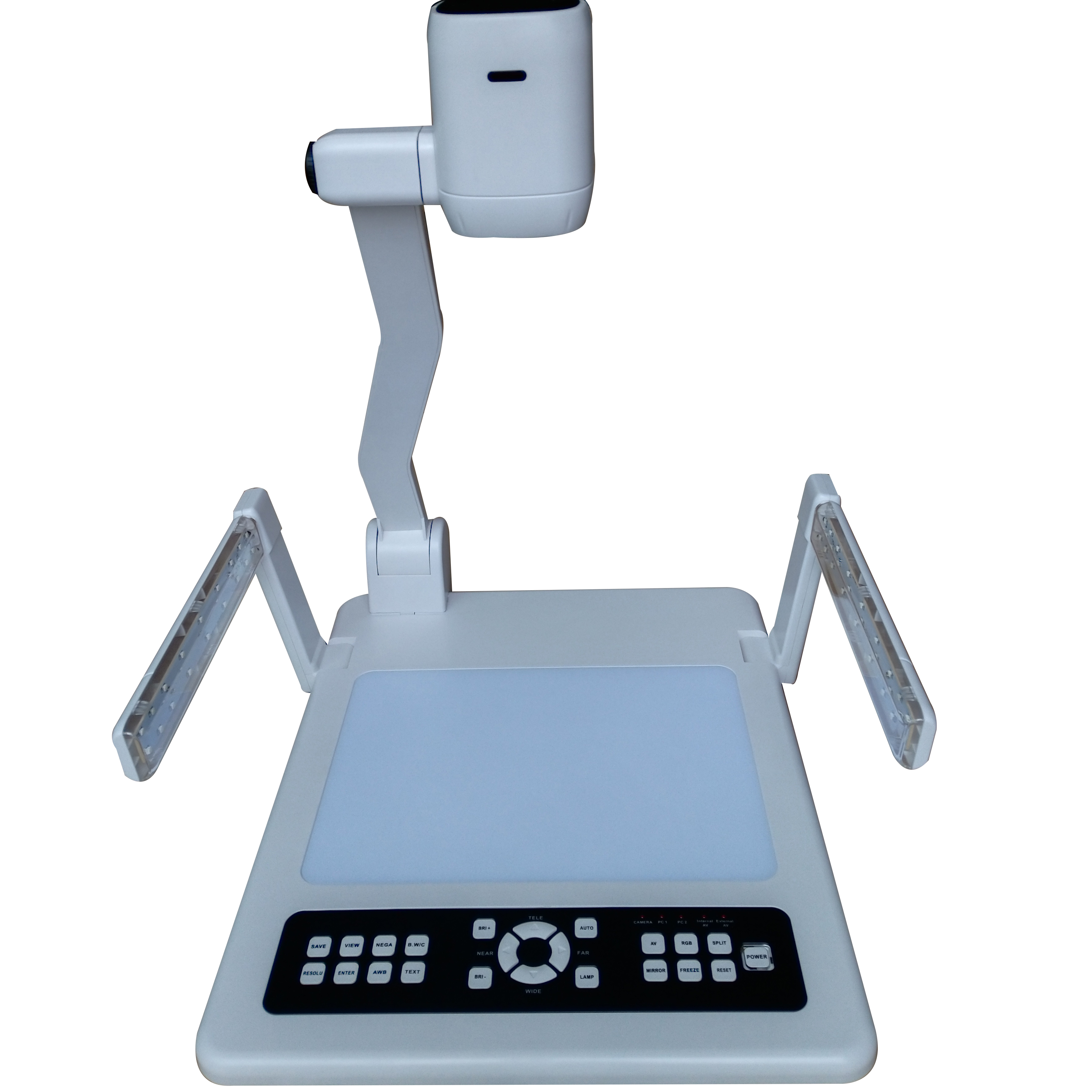
Modern Foldable Flexible Ultra HD Desktop Document Camera for School Video Output HDMI VGA Visualizer
- Flexible arm for books, objects and live demos
- HDMI and VGA output for classroom displays
- Strong fit for Tokyo training rooms and hybrid lessons
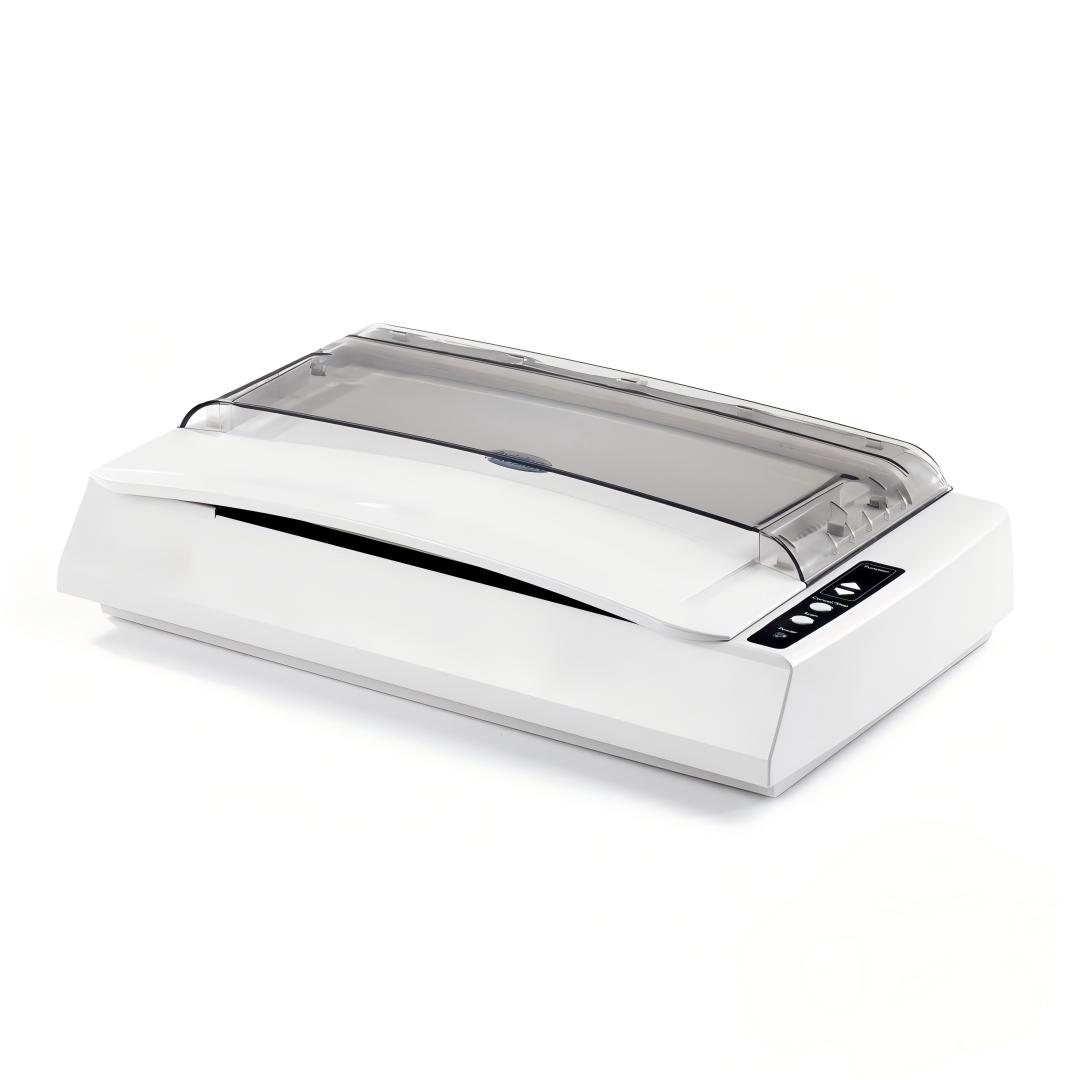
CCD Zero Margin Bookedge Flatbed Scanner A4 600dpi USB Bound Book Scanning No Spine Shadow Library Archive Digitization
- Bookedge design reduces spine shadow
- 600 dpi A4 capture for local-history materials
- Preservation-aware path for fragile bound volumes
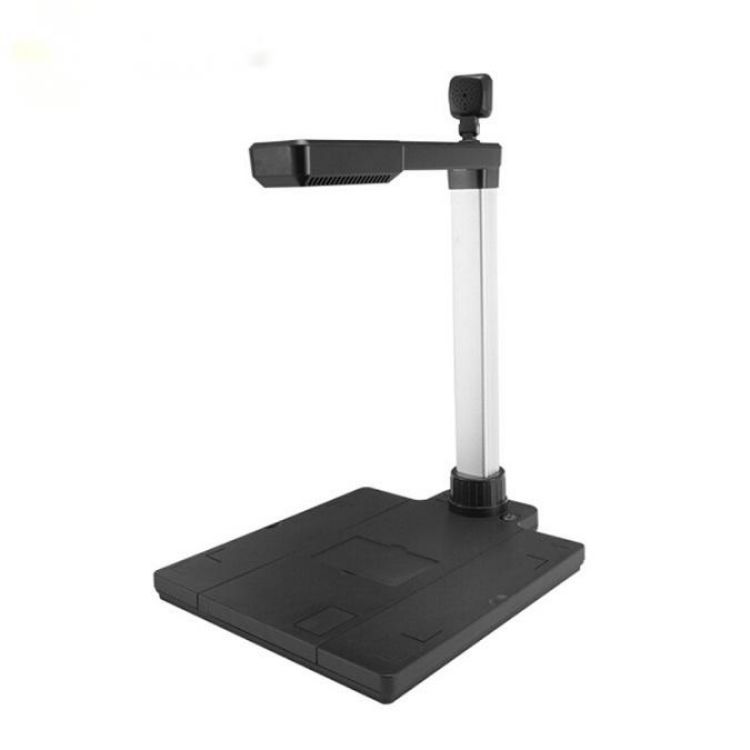
10MP Education Visualizer Scanner Document Management Book Camera USB in Stock
- 10MP capture for books, forms and training aids
- USB document camera for classroom and office use
- Useful for online lessons and recorded demonstrations
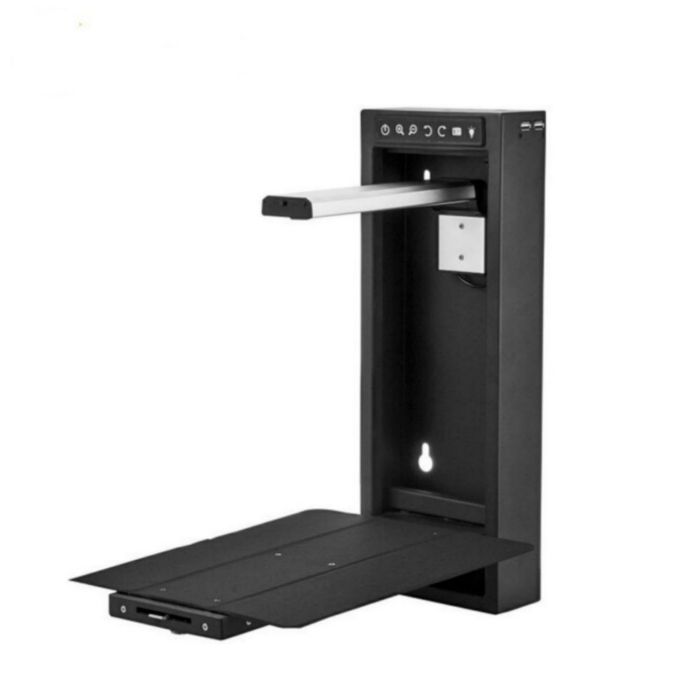
A4 Black USB 5V High-Speed 10MP High-Resolution Document Scanner Wall-Mountable OEM 24 Bit SDK 1-Year Warranty Education Stock
- Wall-mountable A4 capture for counters and reception
- OEM, SDK and 24-bit color workflow potential
- 1-year warranty and stock-ready education use
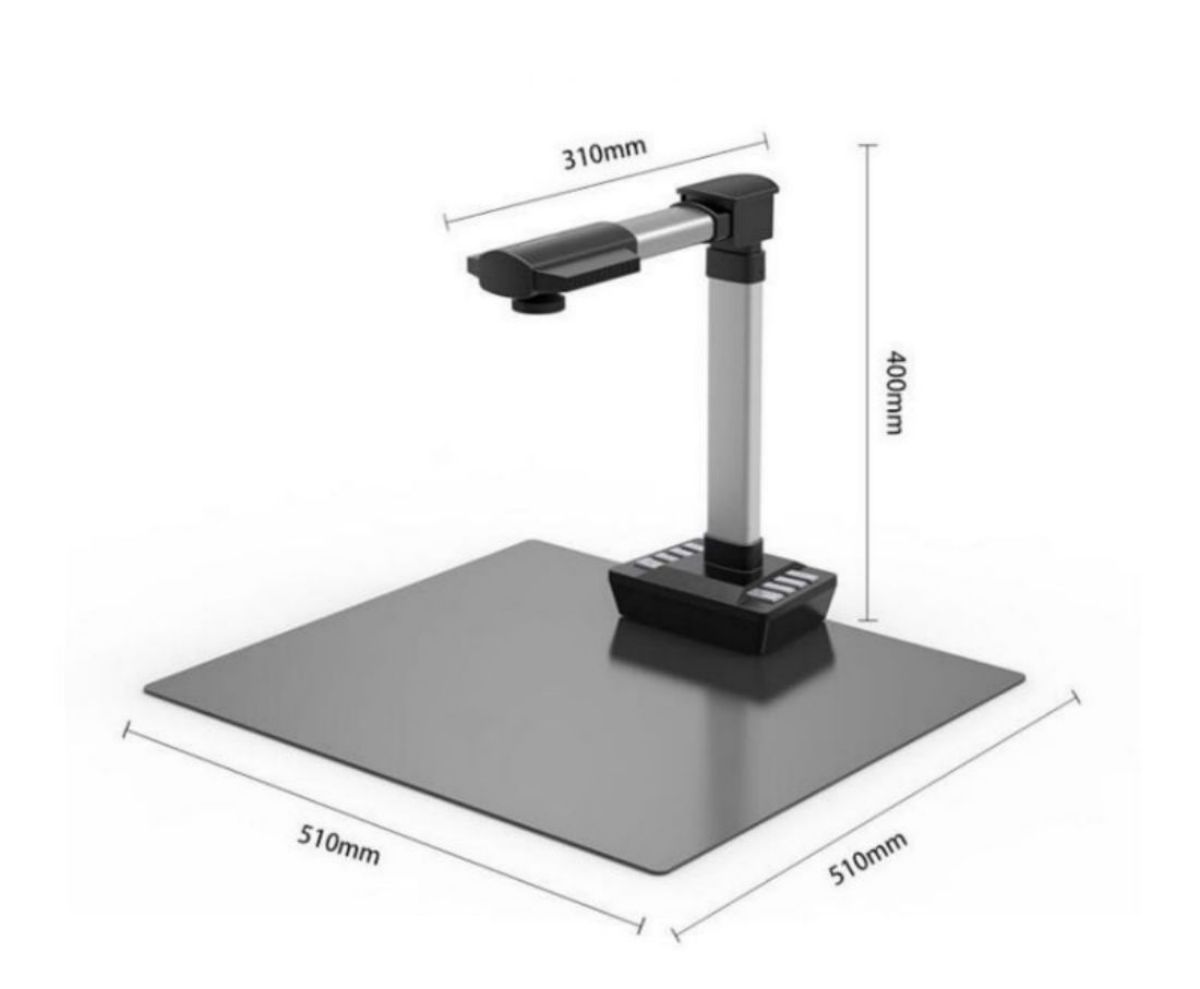
Portable 20MP High-Speed Wireless A3 Document Scanner Professional Book Scanner Foot Pedal USB Interface 24-Bit Color Stock
- Portable A3 capture for reading rooms and field work
- Foot pedal supports hands-free page sequencing
- Wireless and USB workflows for flexible deployment
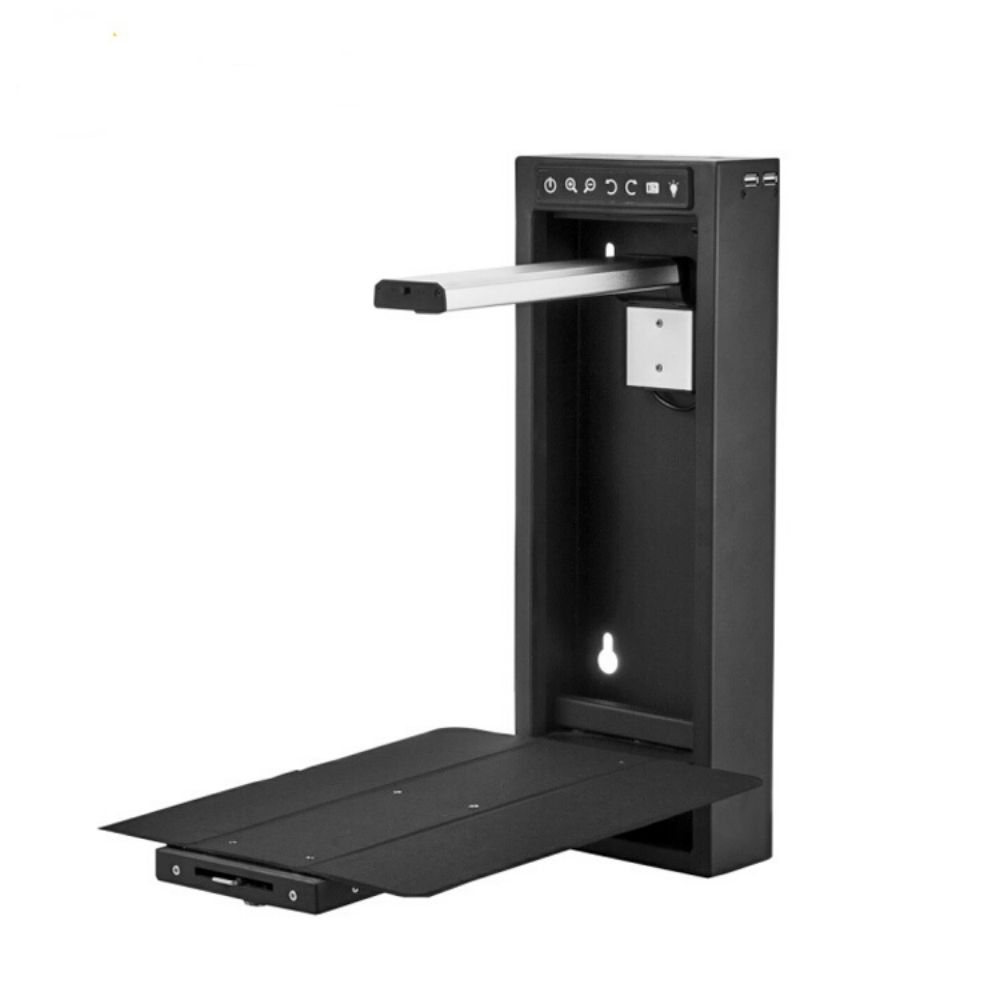
Online Training Portable 10MP A4 Document Scanner USB Interface Visualizer-in-Stock for Wall Version Black+Silver 1-Year
- Portable A4 visualizer for online training
- USB interface for simple PC-based capture
- Wall-version option for compact service points
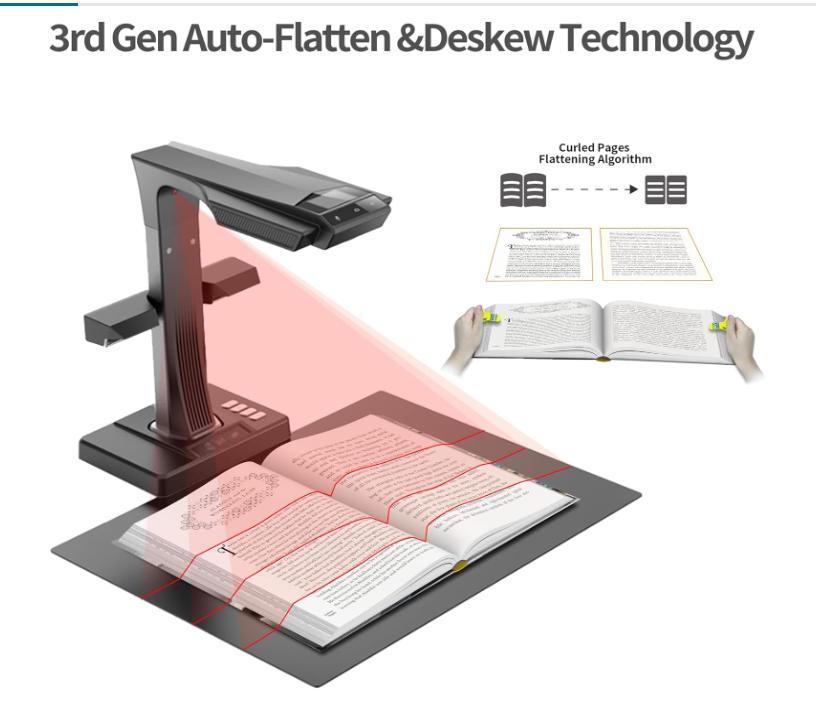
A3 24MP Book Scanner Auto Flatten Deskew CMOS Document Digitizer 4000x6000 USB Visualizer OCR Searchable PDF
- 4000 × 6000 pixel CMOS capture for A3 materials
- Auto-flatten and deskew for bound book pages
- OCR and searchable PDF workflow for archives
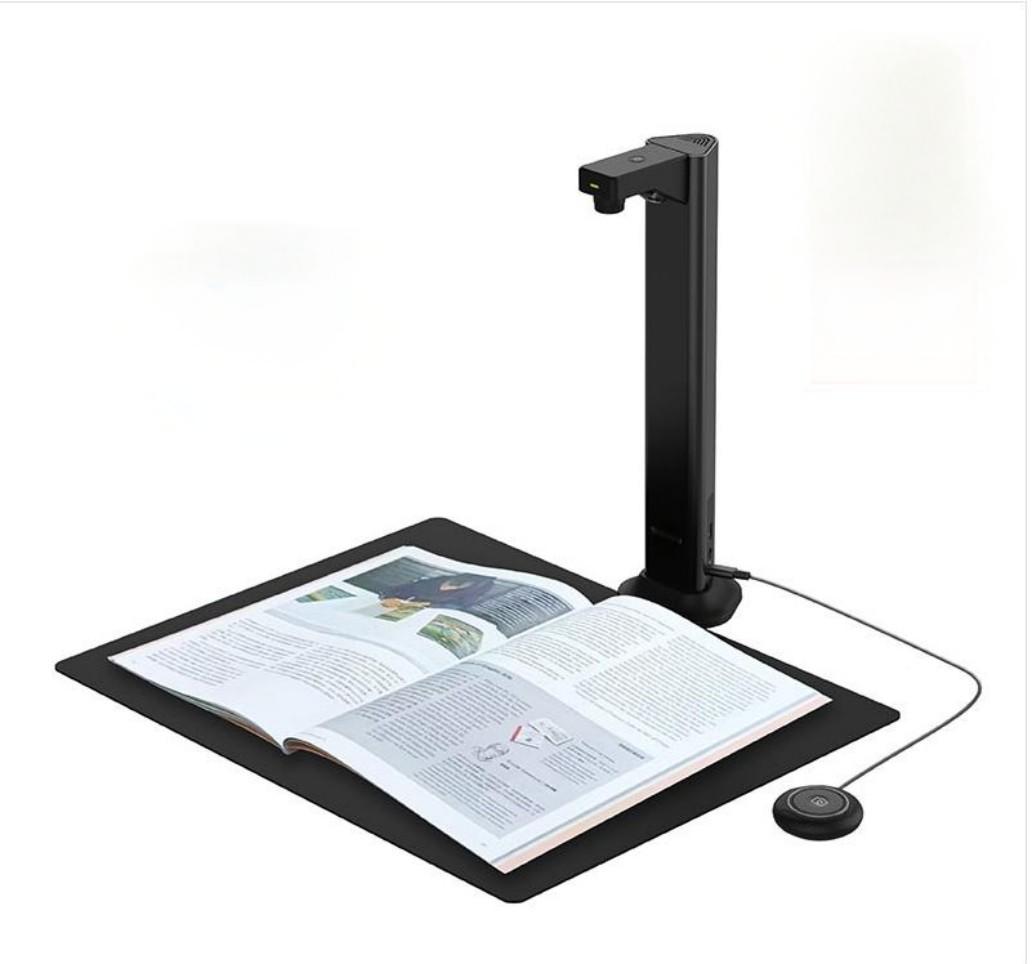
Real 24MP UVC A3 Document Scanner with USB Interface and Text to Speech Feature In-Stock Product
- UVC A3 capture for integration-friendly deployments
- Text-to-speech feature for accessibility scenarios
- 24MP detail for reports, records and study materials
Evidence Signals Tokyo Buyers Can Check Before a Purchase Order
Archive procurement is not a casual office purchase. It involves preservation policy, public accountability, OCR quality and after-sales risk. These operating signals help a Tokyo buyer compare a scanner supplier with the same discipline used to compare image quality.
Why Tokyo Archive Projects Need a Different Scanner Shortlist
Tokyo buyers rarely ask only “how many megapixels?” They ask whether the device can handle a fragile local-history volume, produce usable Japanese OCR, fit a narrow reading room and survive a formal procurement review. That is a specification-led conversation.
Preservation-first handling
A zero-margin bookedge flatbed or an overhead CMOS scanner changes the handling risk profile. Staff capture at an angle, then software auto-flattens and deskews the page, reducing pressure on the binding and creating a more repeatable workflow.
Japanese retrieval, not just images
An archive image that cannot be found is a liability. Procurements increasingly expect OCR, searchable PDF, metadata and quality checks. Japanese OCR must be tested on real samples because vertical text, mixed kanji and kana, stamps and dense layouts can affect output.
Compact, hybrid-ready capture
Tokyo floor space is expensive. Foldable visualizers, wall-mountable A4 scanners and portable A3 book cameras can serve multi-use rooms, remote lessons and small service counters without dedicating a full digitization studio.
Verifiable procurement evidence
Public and corporate buyers need traceable model specifications, MOQ, warranty terms, payment and delivery terms, sample output and supplier records. A credible archive scanner supplier makes those items checkable, not merely stated.
Applications Across Tokyo’s Knowledge, Records and Learning Economy
The same scanner can behave very differently in a rare-book room, a ward office counter and a classroom. These six application scenarios help buyers map product capability to real operating conditions.
Public libraries and ward archives
Bound local-history volumes, community records and reference materials need careful handling. Combine a CCD zero-margin bookedge flatbed with an A3 auto-flatten scanner for different binding conditions.
Explore the bookedge scannerUniversity and research libraries
Journals, theses and faculty papers often require searchable output. A 24MP A3 scanner with 4000 × 6000 capture, deskew and OCR gives headroom for cropping and 300 dpi master files.
Review the 24MP A3 OCR scannerMuseums, galleries and cultural heritage
Albums, prints, catalog cards and research objects benefit from non-contact visualizers and bookedge capture. Lighting control, color consistency and operator ergonomics matter as much as pixel count.
See the foldable UHD visualizerNewspapers, publishers and corporate libraries
Editorial clippings, back issues, maps and reference files can be captured with a portable 20MP A3 book scanner. For originals beyond A3, ask us to scope an A2 overhead configuration in the wider catalogue.
View the 20MP A3 book scannerTeaching, training and remote sessions
Tokyo schools, language centres and corporate academies use visualizers to show textbooks, experiments, documents and 3D objects live. HDMI/VGA output keeps the workflow simple for existing classroom displays.
Check the 10MP education visualizerGovernment counters, law firms and offices
Forms, ID documents and contracts demand repeatable A4 capture. A wall-mountable 10MP scanner with USB, OEM and SDK options can fit service counters and document-management applications.
Explore the A4 OEM scannerTokyo Procurement Signals Shaping Archive Scanner Decisions
In a mature imaging market, the buying question shifts from “who sells the cheapest megapixels?” to “who can deliver repeatable capture, usable OCR, operator comfort and accountable lifecycle support?”
Non-contact capture is becoming the default for bound materials
For Japanese-bound books, fragile local-history volumes and materials with tight gutters, overhead CMOS capture and bookedge flatbeds reduce the need to press pages flat. Auto-flatten, deskew and finger removal are now expected in serious archive workflows.
Searchable Japanese archives are expected, not optional
Digitization budgets increasingly depend on retrieval value. Buyers ask for OCR, searchable PDF, consistent file naming and metadata. Japanese OCR quality should be validated on sample pages because layout and character recognition can vary by model and software stack.
Space-efficient and hybrid-ready hardware wins
Tokyo institutions often reuse rooms for reading, teaching and public service. Foldable visualizers, portable A3 book scanners and wall-mountable A4 units support hybrid work without dedicating a permanent scanning studio.
OEM, SDK and lifecycle evidence matter to integrators
System integrators need more than a box. They compare SDK access, UVC compatibility, logo and packaging customisation, warranty route, spare-part planning and clear export terms before building a Tokyo deployment.
CIS, CMOS or CCD? A Practical Sensor Decision for Archive Work
Sensor choice should follow the material, the handling policy and the output requirement. A high-resolution sensor cannot compensate for an unsuitable capture method.
CIS contact image sensor
A slim linear sensor that reads at close range. CIS platforms are compact, power-efficient and well suited to sheet-fed paths and high-volume office batches.
CMOS area sensor
Captures a whole page in one shot from above, making it the natural choice for bound books and objects that should not be pressed flat. Software can flatten curves and deskew pages after capture.
CCD linear sensor
A moving optical carriage offers controlled lighting and strong colour consistency. Bookedge flatbeds use this approach to reduce spine shadow while keeping the original close to the glass.
The pixel budget behind a credible 300 dpi archive
Megapixels only matter in relation to page size. At 300 dpi, an A4 sheet requires about 2480 × 3508 pixels, or roughly 8.7MP. An A3 sheet requires about 3508 × 4961 pixels, or approximately 17.4MP. An A2 sheet requires about 4961 × 7016 pixels, or about 34.8MP.
A 24MP A3 scanner provides useful headroom for crop, skew correction and page-edge control. A 10MP A4 visualizer is generally appropriate for A4 documents and teaching, not for A3 archival masters. Resolution, focus, glare control, colour consistency and operator technique must be validated together.
Data visualization: pixels required at 300 dpi
For 300 dpi A3 projects, the 24MP A3 auto-flatten scanner in this shortlist has sufficient sensor headroom. For A2 masters, configure a larger-format model through a project review.
Map the Material to the Capture Path
Use this matrix as an initial shortlisting tool. The final configuration should be confirmed with sample scans, document dimensions, daily volume, OCR language and interface requirements.
| Material or use case | Recommended capture path | Why it fits | Check before PO |
|---|---|---|---|
| Rare or fragile bound booksLocal-history volumes, albums and materials with tight gutters | CCD zero-margin bookedge flatbed or 24MP A3 auto-flatten scanner | Reduces spine shadow and avoids forcing pages flat; deskew and OCR can be added to the workflow. | Page size, binding condition, handling policy, target dpi and sample output. |
| A3 journals, theses and reportsUniversity and research library materials | A3 24MP auto-flatten deskew book scanner | 4000 × 6000 capture supports A3 300 dpi projects with headroom for crop and correction. | OCR language, searchable PDF workflow, file naming and metadata rules. |
| Oversize newspapers, maps and plansEditorial archives and special collections | Portable 20MP A3 book scanner for A3 segments; request A2 overhead catalogue scope for full broadsheets | Supports distributed capture and foot-pedal sequencing where originals can be handled in segments. | Original dimensions, number of segments allowed and stitching policy. |
| Classroom, training and remote demonstrationsTextbooks, objects and live annotation | Foldable UHD document camera or 10MP education visualizer | Live HDMI/VGA output, flexible positioning and simple operation for teachers and trainers. | Projector resolution, cable distance, ceiling or desk mounting and software policy. |
| A4 forms, ID and counter documentsService desks and office workflows | Wall-mountable 10MP USB scanner with OEM/SDK | Compact A4 capture with integration potential for document-management and counter applications. | Mounting position, UVC compatibility, privacy rules and local data retention. |
| Portable reading-room projectsField research and temporary digitization | 20MP wireless A3 book scanner with foot pedal | Portable A3 capture and hands-free sequencing suit temporary or distributed archive work. | Network policy, power access, operator training and file transfer procedure. |

Quibow’s Export Advantages for Tokyo Integrators and End Users
Guangzhou Quibow Electronic Co., Ltd. is a technology-driven imaging supplier established in 2020 in Guangzhou, Guangdong. We develop and supply photoelectric information equipment including high-speed document cameras, book scanners, flatbed scanners and ID-card recognition cameras, working across CIS, CMOS and CCD imaging platforms.
Our work covers product design and development, production coordination, export sales and after-sales support. We welcome OEM/ODM projects and support buyers who need a documented, repeatable path from requirement review to shipment. We do not confuse export with local presence: Tokyo support is delivered through documented specifications, remote engineering, sample scans and a clear warranty route.
Platform depth across CIS, CMOS and CCD
We can match the sensor platform to the material instead of forcing every project into one hardware category. Bookedge flatbeds, overhead book scanners and visualizers serve different preservation and workflow needs.
OEM/ODM and SDK support
Selected models support logo printing, packaging, housing colour, capture-software branding and SDK integration. This is useful for Tokyo distributors and integrators building their own archive or education solution.
Stock-friendly MOQ and transparent trade terms
Most stock book scanners, large-format scanners and flatbed scanners start from 1 piece or 1 set; several document cameras start from 2 pieces. Payment terms include T/T, L/C, PayPal and Western Union in USD, EUR, HKD or CNY, with FOB, EXW and DDU delivery terms.
Quality inspection and remote technical support
Units are checked for focus, lighting uniformity, driver installation and capture behaviour before shipment. Listed models carry a 1-year warranty, backed by remote technical support and model-specific confirmation.
Sample-led validation, not catalogue-only claims
Archive buyers can request sample scans and a workflow review covering dpi, OCR language, output format, interface and operator steps. This reduces the risk of discovering a mismatch after a formal purchase order.
Verifiable supplier records
Company profile, supplier assessment, credit overview, ratings, trade capacity and transaction records are available for review. These records help procurement teams separate a documented exporter from an anonymous listing.
Archive, education and enterprise imaging systems from Quibow’s export range. Product selection should be confirmed against document size, handling policy, target dpi and OCR output requirements.
Frequently Asked Questions from Tokyo Buyers
These are the questions that most often arise when a Tokyo library, university, integrator or corporate records team evaluates an overseas archive scanner supplier.
What scanner should I choose for Japanese-bound books and fragile local-history materials?
Start with the handling policy. If the material can be placed near glass without pressure, a CCD zero-margin bookedge flatbed is a strong option because it reduces spine shadow while keeping the original supported. If the binding must remain open at an angle, an overhead CMOS book scanner such as the 24MP A3 auto-flatten model is generally more appropriate. Request a sample scan of a representative volume and check gutter shadow, page curvature, text sharpness and operator effort.
Can your archive scanners produce Japanese OCR and searchable PDF output?
Several models in this shortlist are positioned for OCR and searchable PDF workflows, including the A3 24MP auto-flatten scanner. Japanese language support must be scoped during project review because final OCR performance depends on the software stack, page layout, vertical text, stamps and scan quality. We recommend validating Japanese OCR on your own samples before purchase, rather than relying on a language list alone.
What resolution do I need for A3 or A2 archive master files at 300 dpi?
An A3 page at 300 dpi requires about 3508 × 4961 pixels, approximately 17.4MP. A 24MP A3 scanner provides headroom for crop, deskew and page-edge correction. An A2 sheet at 300 dpi requires about 4961 × 7016 pixels, approximately 34.8MP, so A2 archival masters should be configured with a larger-format model through a project review. Do not use a 10MP A4 visualizer as an A3 archival master device unless the actual output requirement is lower.
Can you ship to Tokyo and support export documentation and payment terms?
Yes. We export from Guangzhou and can discuss FOB, EXW and DDU delivery terms, with payment by T/T, L/C, PayPal or Western Union in USD, EUR, HKD or CNY. Before a purchase order, confirm the destination plug and power-adapter specification, shipping address, consignee details and any documentation requirements your freight forwarder needs. We document the agreed commercial terms in the quotation.
What is the minimum order quantity and warranty for Tokyo orders?
Most stock book scanners, flatbed scanners and large-format scanners start from 1 piece or 1 set. Several document camera models start from 2 pieces. OEM/ODM quantities are confirmed per project. Listed models carry a 1-year warranty with remote technical support; final warranty terms, spare-part arrangements and service route should be confirmed in the quotation for the exact model and order quantity.
Do you support OEM/ODM, SDK integration and local-data capture?
Yes. Selected models support logo printing, packaging, housing colour, capture-software branding and SDK integration. For Tokyo integrators, we can discuss USB/UVC interfaces, wall-mounting, text-to-speech and document-management workflows. Where institutional policy requires local data retention, the discussion should focus on capture and storage architecture, device interfaces and software configuration rather than assuming a cloud dependency.
Request a Tokyo-Ready Archive Scanner Configuration
Send your document sizes, daily page volume, target dpi, OCR language, preferred interface (USB, UVC, HDMI or VGA), floor-space constraints and delivery timeline. Our team will return a shortlist, sample-scan route, MOQ, warranty and export terms.
Get Catalog Include your project details and current workflow. Email: info@quibowtech.com