Recommended Archival Scanners & Document Cameras for Philippine Buyers
These eight in-stock models cover common Philippine workflows: long-bond records, A3 library pages, A2 newspapers, wall-mounted classroom capture, zero-margin bookedge scanning and front-desk ID capture. Product URLs are preserved for direct specification review.
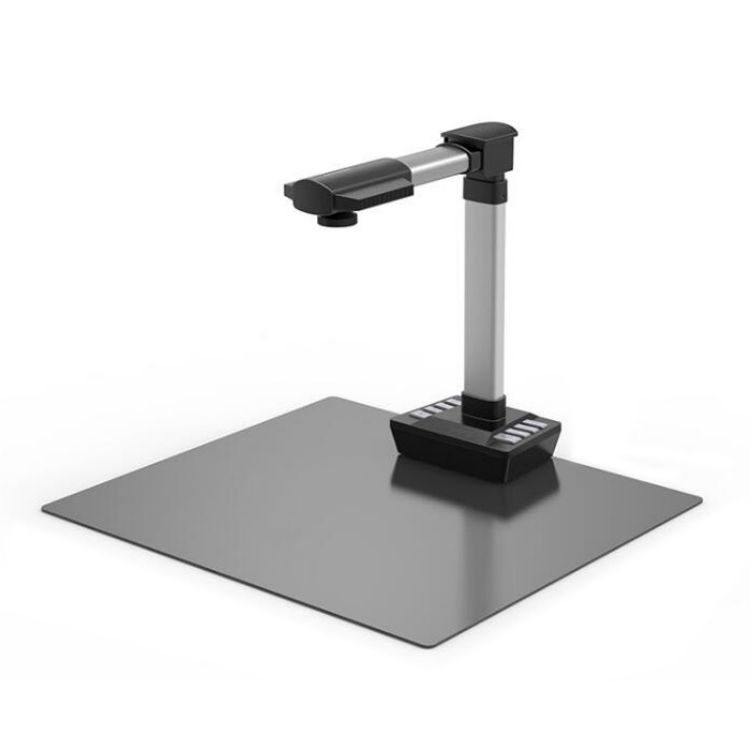
20MP OCR Aluminum Digital Visualizer Camera Classroom Office Training A3 Document Scanner USB Interface SDK Stock Black 1-Year
- 20MP A3 visualizer with USB
- SDK stock for integration
- Classroom, office and training use
Best for Philippine schools, training rooms and office document capture.
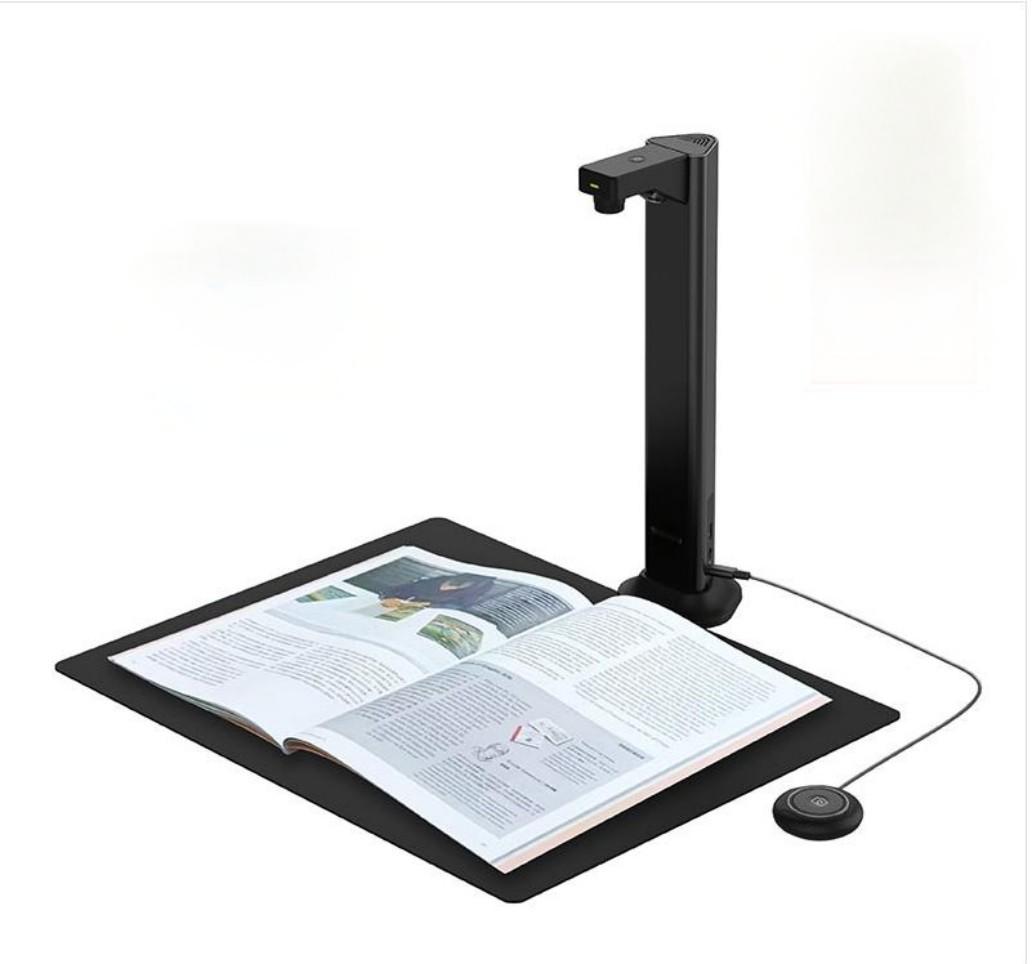
Real 24MP UVC A3 Document Scanner with USB Interface and Text to Speech Feature In-Stock Product
- Real 24MP UVC camera
- USB interface and text-to-speech
- A3 capture for long-bond records
Good for accessible libraries, legal teams and service counters.
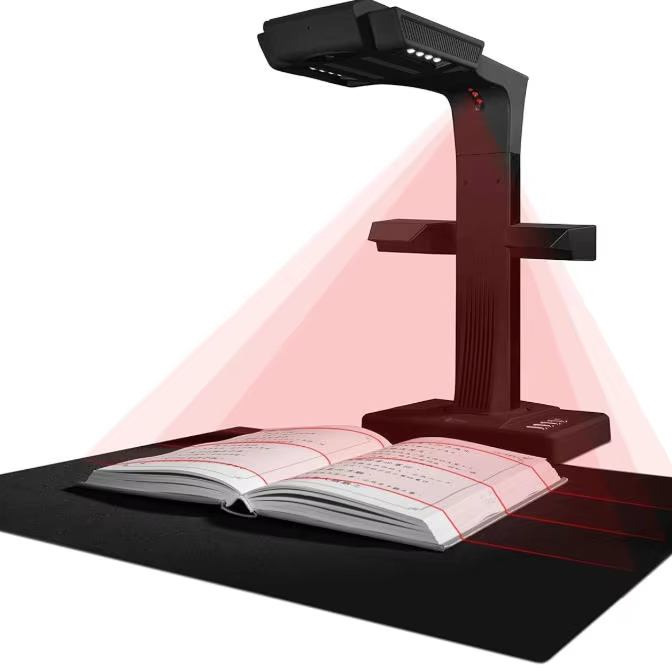
18MP A3 Book Scanner Overhead Document Camera Auto Curve Flattening OCR 180+ HDMI Visual Presenter for Office Library
- Auto curve flattening and OCR
- Overhead book scanner design
- 180+ HDMI visual presenter mode
Best for bound books, library materials and live classroom presentation.
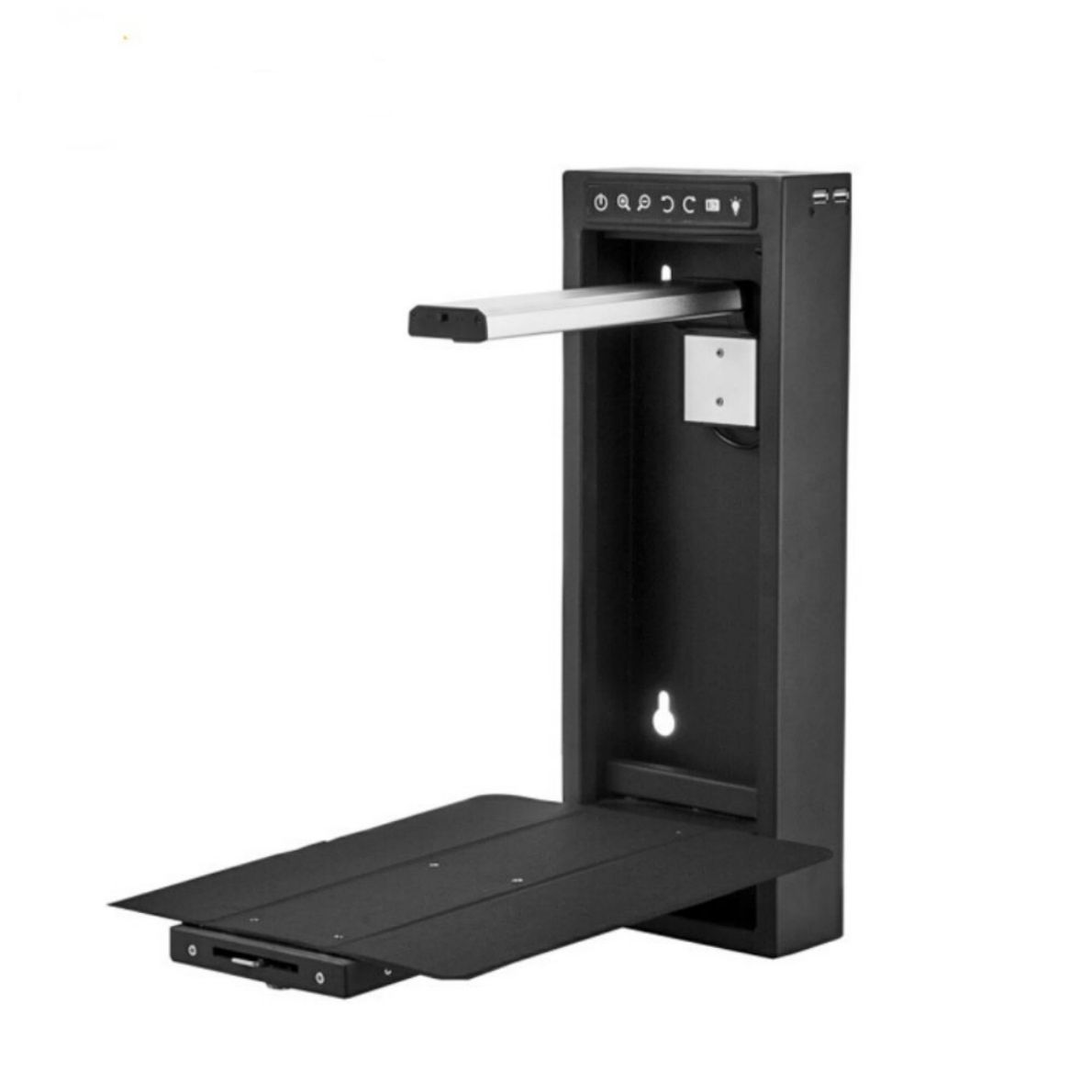
Document Camera A4 Visualizer Wall Version USB CMOS Sensor 10MP 1-Second Scan Document Scanner Stock for Classroom Smart
- Wall-mounted USB visualizer
- CMOS sensor and 1-second scan
- A4 capture for compact rooms
Best for space-limited classrooms, smart rooms and training walls.
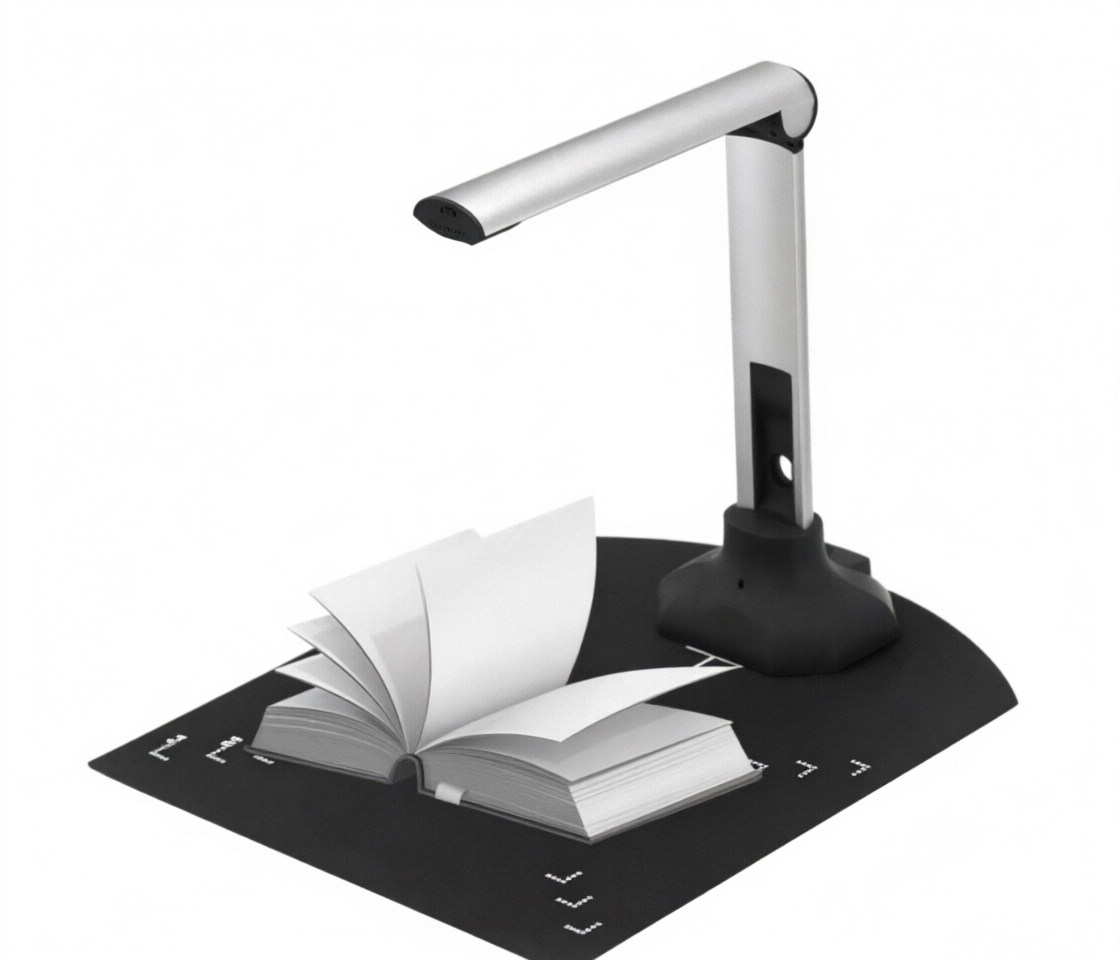
USB Document Camera Scanner 10MP CMOS Visualizer A4 Scanner for Office Education
- 10MP CMOS visualizer
- USB plug-and-play
- A4 office and education capture
Good entry-level choice for hybrid teaching and office capture.
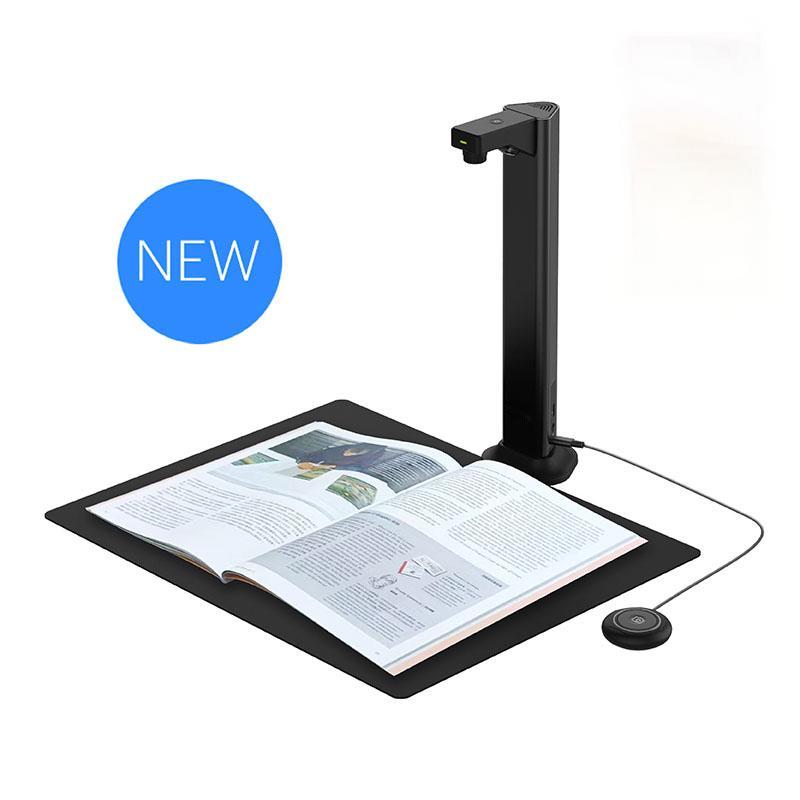
A3 18MP USB Aluminum Document Scanner with UVC Camera 1s Scan Speed OCR & Text to Speech Features-in Stock
- Aluminum A3 document scanner
- UVC camera and 1-second scan
- OCR and text-to-speech
Best for high-throughput A3 office scanning and accessible OCR workflows.
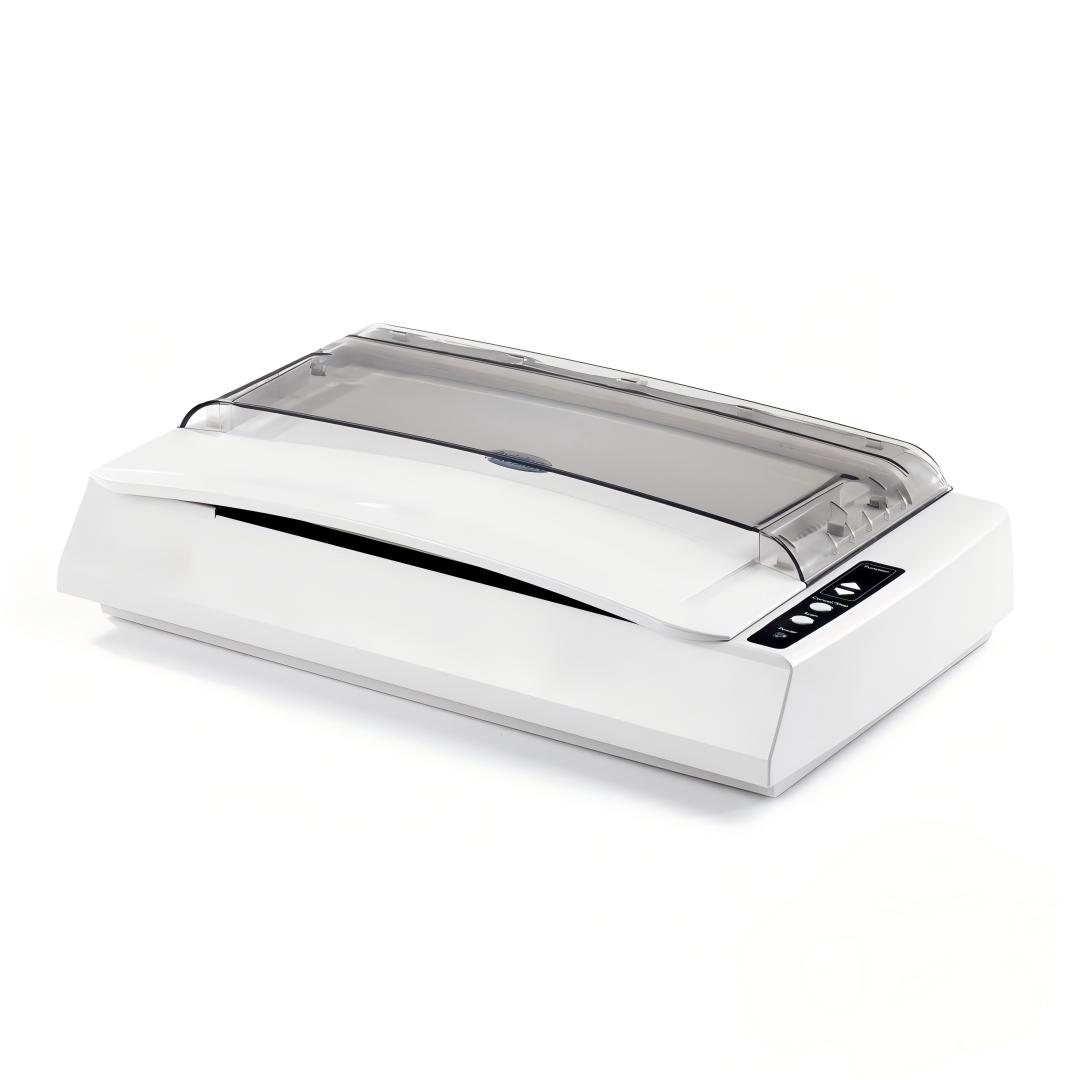
CCD Zero Margin Bookedge Flatbed Scanner A4 600dpi USB Bound Book Scanning No Spine Shadow Library Archive Digitization
- CCD bookedge flatbed, 600dpi
- No spine shadow on bound books
- USB for library archive workflows
Best for rare books, bound archives and library digitization.
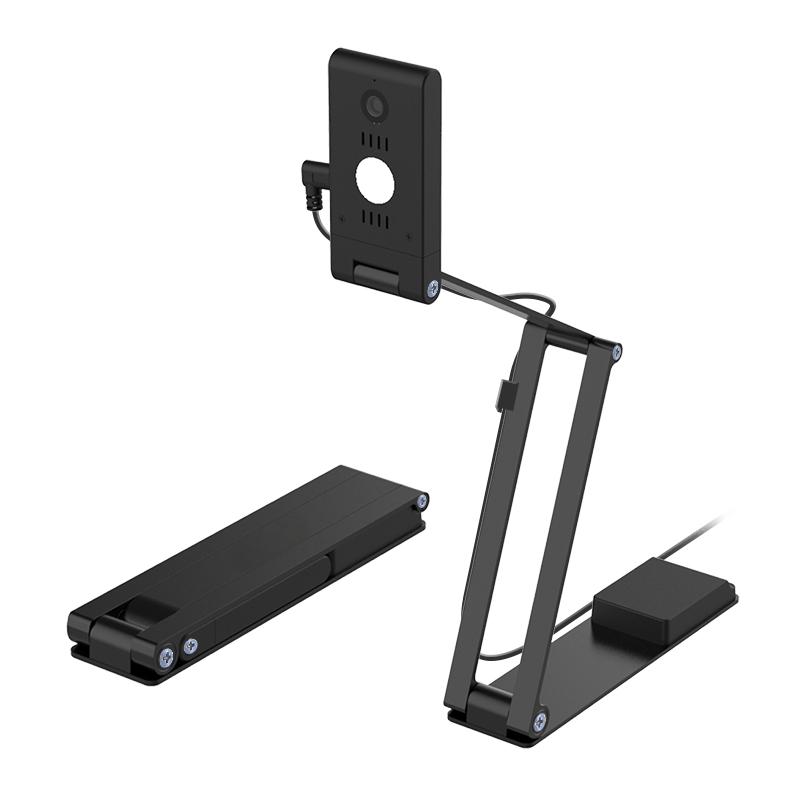
Value Priced 2-in-1 USB Digital Document Camera Visualizer A3 with 5MP 1/4" CMOS Sensor 10x Zoom 1-Year Warranty
- 2-in-1 USB document camera
- 5MP CMOS sensor, 10x zoom
- A3 visualizer with 1-year warranty
Best for budget-sensitive schools and small offices needing A3 visual capture.
Archival Scanner Manufacturers & Factories in the Philippines: What the Market Really Looks Like
Most procurement searches for archival scanner manufacturers and factories in the Philippines begin with a reasonable assumption: buy local, reduce lead time and secure service. The market is more layered. The Philippines has capable distributors, IT integrators, service engineers and resellers in Metro Manila, Cebu, Davao, Clark, Laguna and Batangas. These partners are essential for installation, staff training, consumables and first-line repair. However, high-volume original equipment manufacturing for overhead book scanners, A3/A2 document cameras, CCD bookedge flatbeds and OCR capture systems is concentrated in Guangdong, China, where CIS, CMOS and CCD imaging supply chains are mature.
Quibow is an onsite-checked Guangzhou supplier founded in 2020, with a 5–10 specialist team, annual revenue of US$1M–US$2.5M and main markets in Eastern Europe, North America and South America. For Philippine buyers, the practical sourcing model is therefore not a choice between “local” and “factory” — it is a pairing. Source the imaging hardware from a manufacturer-coordinated supplier such as Quibow, then use a Philippine integrator for local deployment, warranty logistics and user adoption. This guide gives procurement teams, librarians, records officers and IT managers the technical and commercial detail needed to compare offers with confidence.
Quibow supports CIS, CMOS and CCD platforms. That matters in the Philippines because scanning environments vary widely: air-conditioned BPO floors, humid university storage rooms, busy LGU records offices, museum back rooms and compact school classrooms. A single sensor type is not ideal for every job. The recommendations here are organized around real Philippine document sizes, including long bond paper (8.5 × 13 in), legal (8.5 × 14 in), A3, A2 and bound book formats.
Where Archival Scanners and Document Cameras Work Across the Philippines
Archival scanning in the Philippines is not one workflow. The same A3 overhead scanner may support a university library in Manila, an LGU records office in Cebu and a BPO quality team in Clark, but the accessories, software settings and service expectations differ.
Government records and LGU archives
City and municipal records offices digitize clearances, minutes, tax declarations, land records and legacy paper files. A3 overhead scanners handle long bond and legal documents without removing bindings; A2 models support maps, site plans and large registers. Non-contact capture reduces stress on brittle paper and keeps glass-free workflows practical in dusty storage rooms.
University libraries and rare collections
Academic libraries and religious archives often hold bound volumes, periodicals and Spanish-era manuscripts. A CCD zero-margin bookedge flatbed helps capture gutters without spine shadow, while overhead book scanners with auto curve flattening support day-to-day requests. For fragile materials, use 300–600 dpi master files and OCR only where the type is clean.
BPO, shared services and legal teams
English-language document processing is central to Philippine BPO and legal support work. OCR to searchable PDF, fast single-page capture and UVC/SDK integration help teams move invoices, claims, contracts and case files into document management systems. A3 capture is useful for long bond forms and two-page spreads.
Banking, insurance and healthcare counters
Front-desk teams capture IDs, forms, signatures and supporting documents. Dual-lens or high-speed document cameras reduce queue time, while USB visualizers provide a live view for customer verification. Choose models with stable drivers, remote support and clear warranty terms for branch rollouts.
Schools, universities and training rooms
Hybrid classrooms need live demonstration as well as capture. HDMI/VGA visual presenters with optical zoom show textbooks, experiments, documents and 3D objects on projectors or displays. Wall-mounted A4 document cameras are useful where desk space is limited; A3 visualizers suit science and engineering demonstrations.
Newspapers, museums and publishing
Broadsheet newspapers, maps, posters and artwork require A2 capture. A 48MP A2 overhead scanner gives archival teams enough pixel density for 300 dpi masters, while OCR creates searchable back issues. For color-critical art, pair overhead capture with a high-resolution flatbed and a controlled lighting setup.
Philippines-Specific Trends Shaping Archival Scanner Demand
Procurement expectations are changing as government digitization, BPO workflows, hybrid education and local integration mature. These six trends are visible in buyer questions and tender requirements.
Digital transformation in LGUs and national agencies
Records digitization, e-governance and disaster-preparedness programs are pushing local offices to create digital surrogates of vital records. Buyers increasingly ask for OCR, searchable PDF, audit-friendly file naming and compatibility with document management systems.
English-language OCR and BPO workflows
The Philippines’ strong English proficiency makes OCR more accurate for typed contracts, invoices, claims and legal files. This raises demand for 18–24MP A3 scanners and UVC models that integrate with capture software rather than standalone photo booths.
Hybrid education and classroom AV upgrades
Schools and universities continue to blend in-person and remote teaching. Visual presenters with HDMI/VGA, optical zoom and simple controls are being specified alongside projectors and interactive displays.
Climate-aware preservation
Humidity, dust and heat can accelerate paper deterioration. Non-contact overhead scanning, LED lighting and enclosed flatbed designs help reduce handling stress and operator fatigue. Devices should be installed away from direct sunlight and maintained with a cleaning schedule.
Local service and spare-parts expectations
Philippine buyers rightly expect local first-line support. The strongest tender responses pair an overseas manufacturer with a Manila or Cebu service partner, clear RMA steps, spare-parts lists and remote diagnostics.
OEM/ODM for local brands and integrators
Distributors and system integrators increasingly want private-label housings, custom packaging, branded capture software and SDK access. This lets them serve niche markets such as libraries, clinics, law firms and government records units without building hardware from scratch.
CIS, CMOS or CCD: Choosing the Right Imaging Platform for Philippine Records
The sensor platform determines how the scanner handles depth, movement, lighting and book curvature. Quibow works across all three, so the recommendation can follow the document, not the other way around.
CIS: compact contact imaging for sheet-fed volume
A compact contact sensor for sheet-fed paper paths. Best for high-volume loose paper, invoices and contracts where pages can be separated. In Philippine offices, CIS-based ADF scanners suit BPO batch processing and paperless initiatives. Clean rollers and disciplined document preparation remain essential.
- Typical fit
- Contracts, invoices, batch office files
- Related Quibow capability
- CIS imaging platforms and ADF scanner supply
CMOS: area capture for books, classrooms and counters
An area sensor captures a full page in one shot from above. Best for bound books, newspapers, maps, classroom demonstrations and counter capture. Software can flatten curves, detect page edges, remove fingers and run OCR. Models range from 5MP value cameras to 18–48MP archival scanners.
- Typical fit
- Books, A3/A2 documents, live visualizers
- Related Quibow capability
- CMOS book scanners and document cameras
CCD: depth of field and bookedge control
A linear sensor with a moving carriage, strong depth of field and stable color. Best for bookedge flatbeds, photographs, artwork and bound volumes where the gutter must stay visible. The Quibow CCD zero-margin bookedge flatbed is designed for library and archive digitization without spine shadow.
- Typical fit
- Rare books, photos, artwork, bound archives
- Related Quibow capability
- CCD bookedge flatbed scanners
Resolution Planning for Philippine Document Sizes
A common tender mistake is to compare megapixels without reference to page size. Use this table to translate Philippine paper formats into practical pixel requirements at 300 dpi — the usual threshold for archival masters and reliable OCR.
| Document format | Pixels at 300 dpi | Recommended sensor | Typical Philippine use case |
|---|---|---|---|
| A4 210 × 297 mm | 2480 × 3508 ≈ 8.7 MP | 10 MP or higher | Office forms, IDs, contracts and classroom handouts |
| Long bond 8.5 × 13 in 216 × 330 mm | 2551 × 3898 ≈ 9.9 MP | 10–18 MP with A3 capture | Government forms, billing statements, school records |
| Legal 8.5 × 14 in 216 × 356 mm | 2551 × 4200 ≈ 10.7 MP | 18 MP or higher | Legal files, affidavits, land and insurance records |
| A3 297 × 420 mm | 3508 × 4961 ≈ 17.4 MP | 18–24 MP | Library pages, two-page spreads, large forms |
| A2 420 × 594 mm | 4961 × 7016 ≈ 34.8 MP | 48 MP | Newspapers, maps, site plans, posters and art |
Note: 200–250 dpi is often enough for on-screen reading and routine OCR; 300 dpi is safer for preservation masters, legal discovery and small type. For Spanish-era manuscripts or faint carbon copies, use 400–600 dpi optical flatbed scanning and manual quality control.
Quibow Advantages for Philippine Distributors, Integrators and End Users
Quibow is not a Philippine factory. It is an onsite-checked Guangzhou supplier that coordinates design, development, production, export sales and after-sales support for image acquisition and conversion equipment. For buyers comparing archival scanner manufacturers and factories in the Philippines, that distinction is useful: you get factory-coordinated engineering and OEM/ODM flexibility without paying for a local factory overhead that does not exist for this product category.
Commercial flexibility matters in Philippine procurement. Many stock scanners start from one piece or one set, while some document cameras start from two pieces. OEM/ODM quantities are confirmed per project. Payment terms include T/T, L/C, PayPal and Western Union in USD, EUR, HKD or CNY; delivery terms include FOB, EXW and DDU. Listed models carry a one-year warranty backed by remote technical support.
 Company video introduction available for due diligence
The platform record shows ≤1 hour average response time, 100% message response rate and a 27% buyer reorder rate. These are not substitutes for a local service contract, but they are useful screening signals when comparing suppliers. Customization includes logo printing, packaging, housing color, capture software branding and SDK integration on selected models. This is especially relevant for Philippine distributors building a private-label education or archive line, or system integrators embedding capture into a document management workflow.
Supplier Assessment
Onsite check confirming business premises and legal status.
View reportCredit Overview
Platform credit profile and trading reliability indicators.
View creditRatings & Reviews
Feedback left by verified buyers after completed orders.
Read reviewsTrade Capacity
Export markets, trade terms and logistics capability.
View capacityTransaction Level
Platform-measured order volume and performance level.
View levelVideo Introduction
See products and workspace on camera.
Watch videoFrom Inquiry to Delivery: A Five-Step Sourcing Workflow
A transparent workflow helps Philippine procurement teams plan around bids, shipping, staff training and first-line service.
Requirement Review
Document sizes, daily volume, OCR language, OS, output formats and delivery city are confirmed, usually within one hour.
Sample Scan
Send representative pages or photos. Quibow can recommend model and capture settings and provide sample JPG or PDF outputs.
Model Matching
Choose CIS, CMOS or CCD, resolution, lighting, interface, software and warranty for the actual Philippine workflow.
OEM / ODM
Logo, packaging, housing color, software branding and SDK integration are confirmed with MOQ per project.
QC, Export & Support
Focus, lighting uniformity, driver install and capture speed are checked before export packing and remote setup support.
Archival Scanner Procurement FAQ for Philippine Buyers
These are the questions Philippine distributors, librarians, records officers and IT buyers ask most often before requesting a quotation.
Are there archival scanner manufacturers or factories in the Philippines?
Most Philippine listings are distributors, integrators or trading companies rather than high-volume original equipment manufacturers. High-volume production for book scanners, overhead document cameras and A3/A2 archival scanners is concentrated in Guangdong. Quibow is an onsite-checked Guangzhou supplier; for local installation and first-line service, pair the hardware with a Philippine integrator.
What document sizes are most important in the Philippines?
Long bond (8.5 × 13 in), legal (8.5 × 14 in), A4, A3 and A2. Long bond and legal fit inside A3 capture, while newspapers, maps and site plans need A2. Bound books need overhead or bookedge scanning rather than a sheet-fed ADF.
How many megapixels do I need for 300 dpi?
A4 needs about 8.7 MP, A3 about 17.4 MP and A2 about 34.8 MP at 300 dpi. Recommend 10 MP for A4, 18–24 MP for A3 and 48 MP for A2. If you only need OCR at 200–250 dpi, lower resolution can work, but test with real documents before committing.
Do Quibow scanners support OCR and searchable PDF?
Many models support OCR and text-to-speech; exact software bundles vary. Specify language, output format and whether you need searchable PDF, editable Word/Excel or batch OCR. Request a sample scan before tender submission.
What is the minimum order quantity?
Most stock book scanners, A2 large-format scanners and flatbed scanners start from one piece or one set. Several document camera models start from two pieces. OEM/ODM quantities are confirmed per project.
Can you support OEM/ODM for a Philippine distributor?
Yes. Logo printing, packaging, housing color, capture software branding and SDK integration are available on selected models. Provide target specifications, annual volume, branding assets and required certifications so the project can be quoted accurately.
What payment, delivery and warranty terms apply?
T/T, L/C, PayPal and Western Union in USD, EUR, HKD or CNY; FOB, EXW and DDU. Listed models carry a one-year warranty and remote technical support. Confirm the final terms for your order and destination.
How do we request a quote or sample scan?
Prepare document size, daily volume, OCR language, operating system, delivery city and target budget. Use the Get a Quote button to start the conversation. For sample scans, send a representative page or high-resolution photo and state the required output format.
Planning an Archival Scanner Rollout in the Philippines?
Send your document sizes, daily volume, target resolution, OCR language, delivery city and whether you need OEM/ODM. Quibow will recommend the right CIS, CMOS or CCD platform and provide a quotation for factory-coordinated supply. For local deployment, ask about pairing the unit with a Philippine integrator for installation, training and first-line service.
Include sample pages, preferred output format and tender deadline for a faster response.