Eight archival scanner models recommended for Stuttgart wholesale and project supply
Searching for an archival scanner manufacturer and wholesaler serving Stuttgart usually means balancing document format, binding condition, target resolution and service risk. The eight models below cover the most common Stuttgart buying intents — A3 book capture, A4 bookedge flatbed work, wall-mounted document-camera workflows and live visualizer use. Each card preserves the original product URL. For public tenders, request current CE/RoHS/WEEE status, German OCR availability and a sample scan of your own document before you lock the specification.
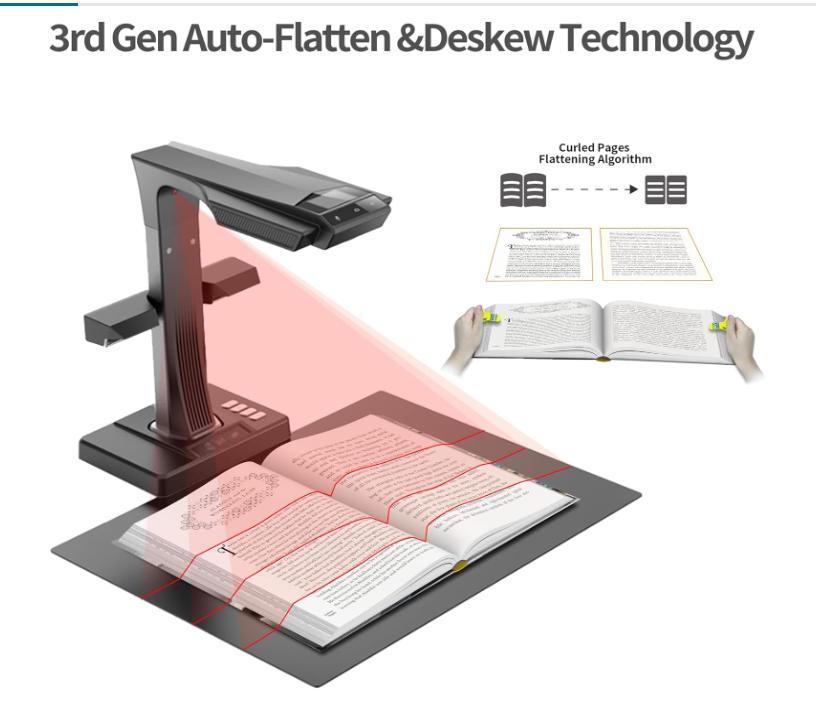
A3 24MP Book Scanner Auto-Flatten Deskew CMOS Document Digitizer
A 24MP CMOS overhead scanner for bound books, office files and reading-room digitization. Auto-flattening and deskew reduce manual correction, while OCR creates searchable PDFs for DMS, archive and records workflows.
- 4000 × 6000 px capture
- Auto flatten + deskew + OCR
- USB; searchable PDF output
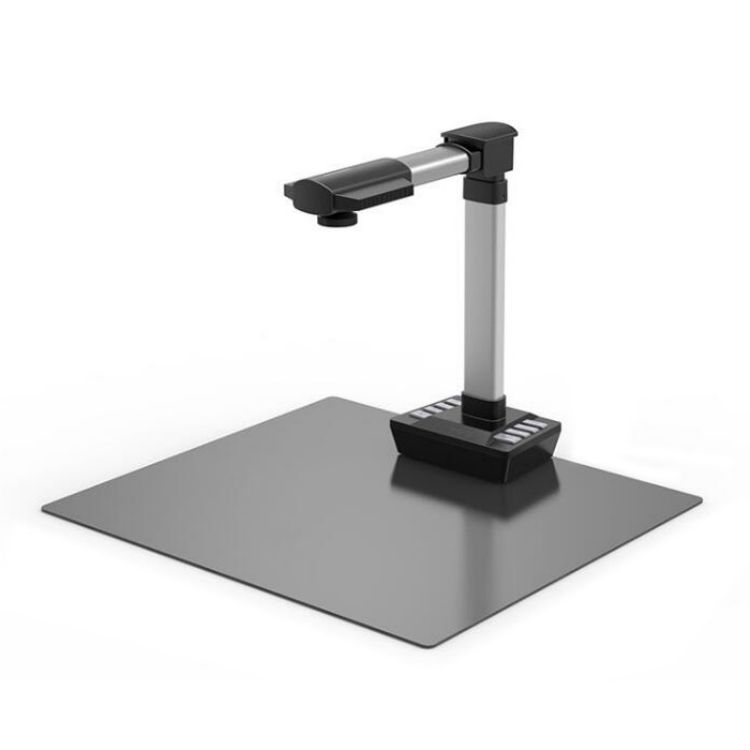
High Resolution Portable A3 Library Book Scanner with Foot Controller
A portable A3 library scanner with USB interface and foot controller for hands-free page capture. It suits mobile digitization, genealogy reading rooms and pilot projects where a fixed overhead unit is not practical.
- A3 high-resolution page capture
- Foot pedal for hands-free scanning
- USB; stock product for wholesale
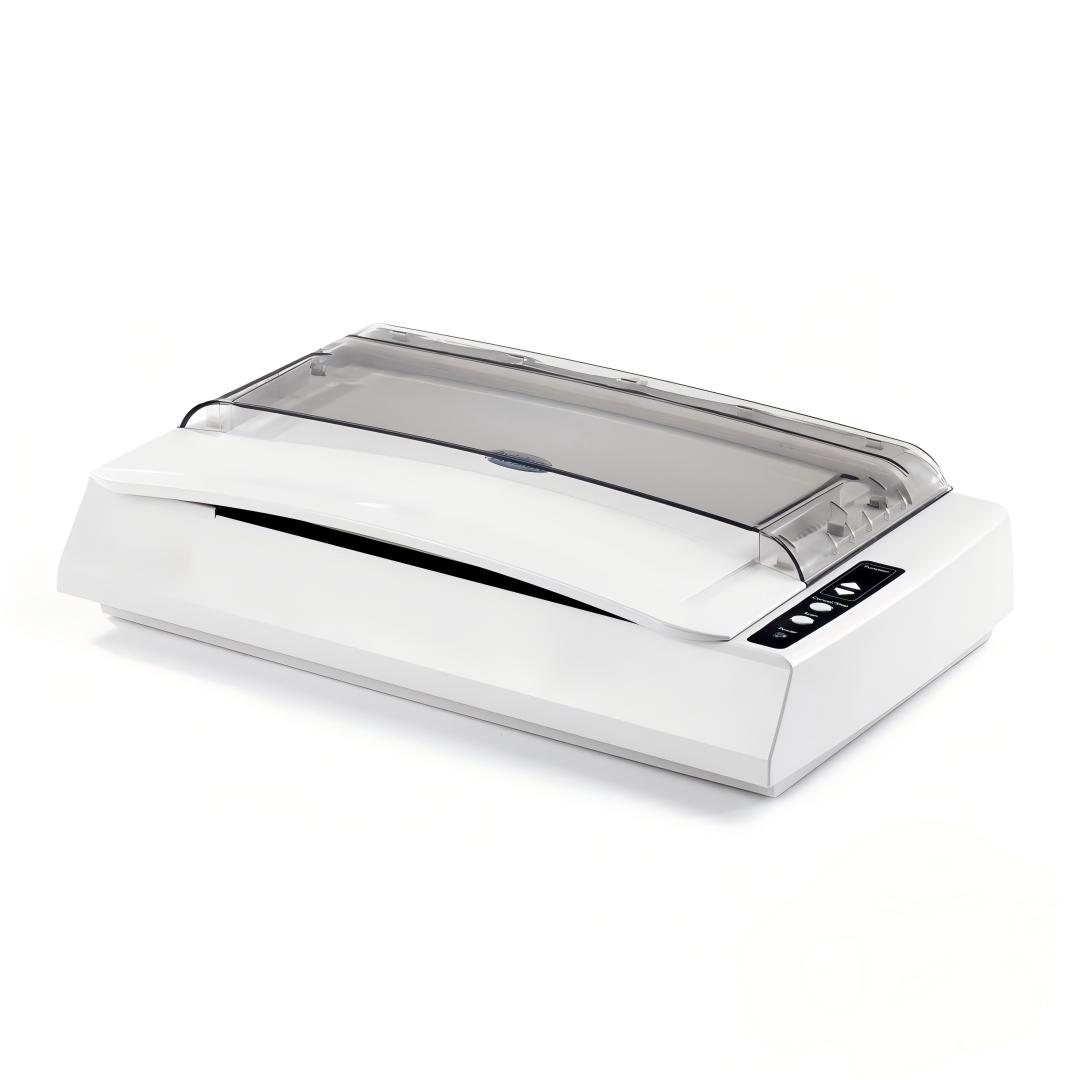
CCD Zero Margin Bookedge Flatbed Scanner A4 600dpi
A CCD bookedge flatbed for bound volumes where spine shadow and glass pressure are unacceptable. A4 600 dpi capture is relevant to special collections, registry books, notarial records and delicate office archives.
- CCD imaging platform
- Zero-margin bookedge design
- 600 dpi USB; library archive use
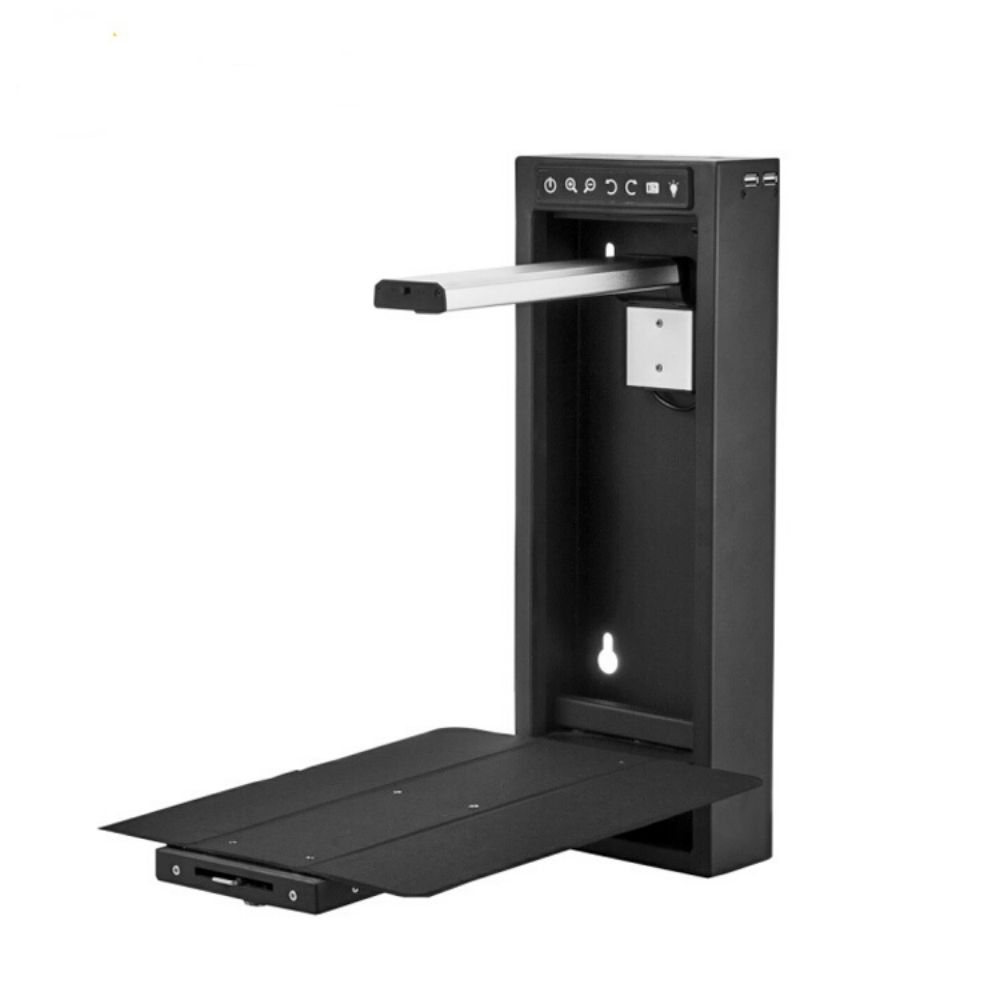
Online Training Portable 10MP A4 Document Scanner Visualizer
A portable 10MP A4 scanner and visualizer for online training, hybrid classrooms and ad-hoc counter capture. The wall-version configuration supports fixed installation in small teaching or service rooms.
- 10MP A4 document capture
- USB visualizer workflow
- 1-year warranty; stock product
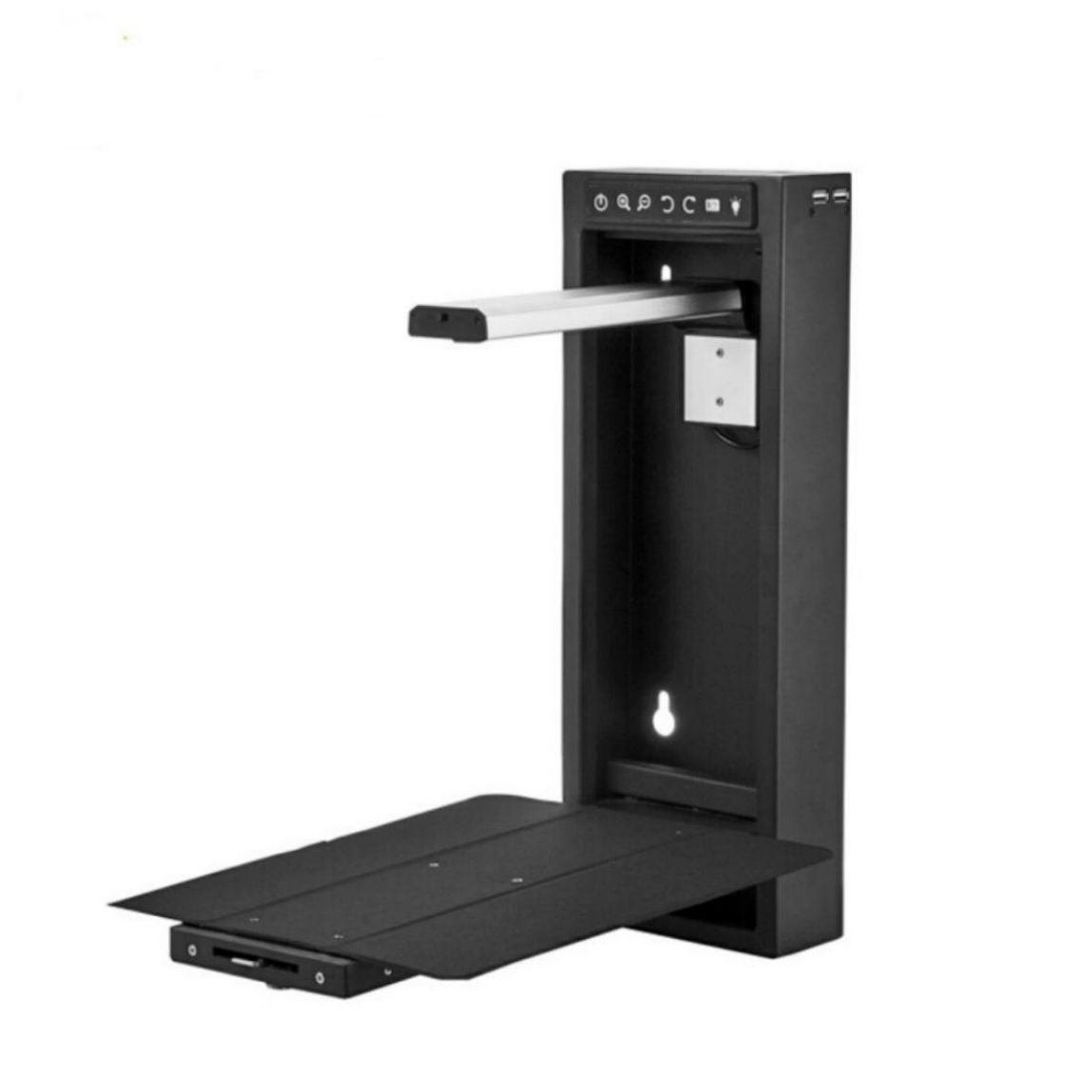
USB Wall-Mounted A4 Visualizer OCR Document Scanner, 10MP CMOS
A wall-mounted A4 visualizer with 10MP CMOS sensor, USB output and SDK option. It is useful for meeting rooms, public counters and smart-classroom deployments where a fixed camera reduces setup time.
- 10MP CMOS; wall-mounted form
- USB interface; SDK included option
- OCR document capture; black finish
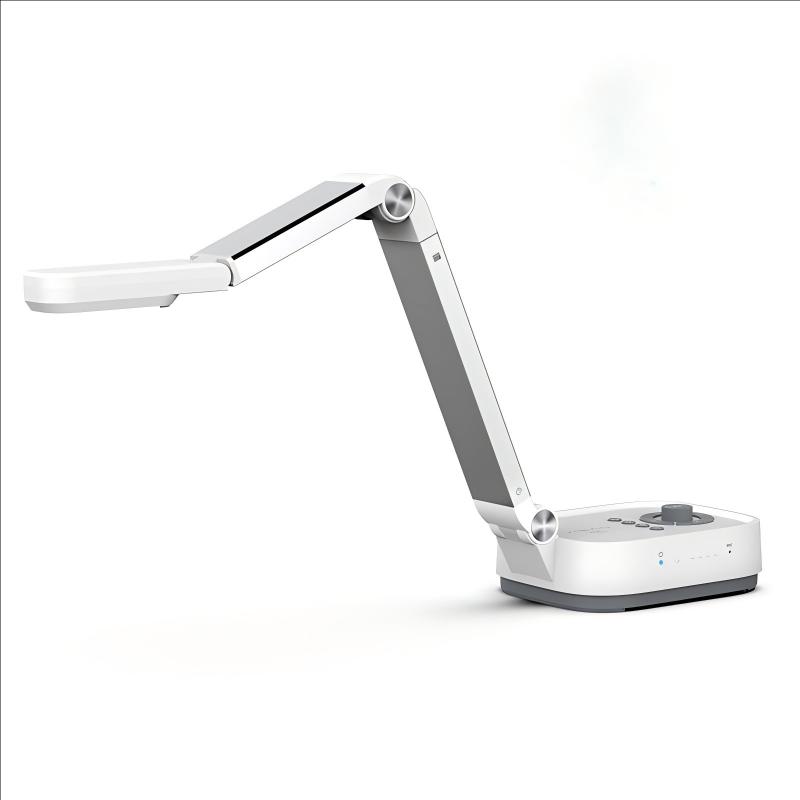
16MP 3D Desktop Visualizer Document Camera with Microphone
A 16MP desktop visualizer with microphone, 120× zoom and A3 scan area. It fits education, object demonstration, science teaching, hybrid training and visual presentation in meeting rooms.
- 16MP; 120× zoom
- A3 scan area; LED light
- Foldable design; microphone included
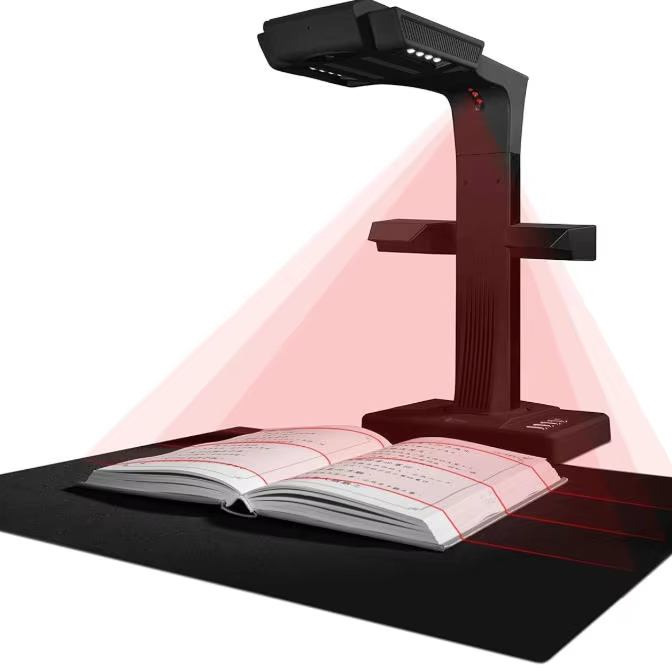
18MP A3 Book Scanner Overhead Document Camera Auto Curve Flattening
An 18MP A3 overhead book scanner and document camera with auto curve flattening, OCR and HDMI visual-presenter output. A practical fit for library reading rooms, office records and larger bound volumes.
- 18MP A3 overhead capture
- Auto curve flattening + OCR
- HDMI visual presenter; office/library
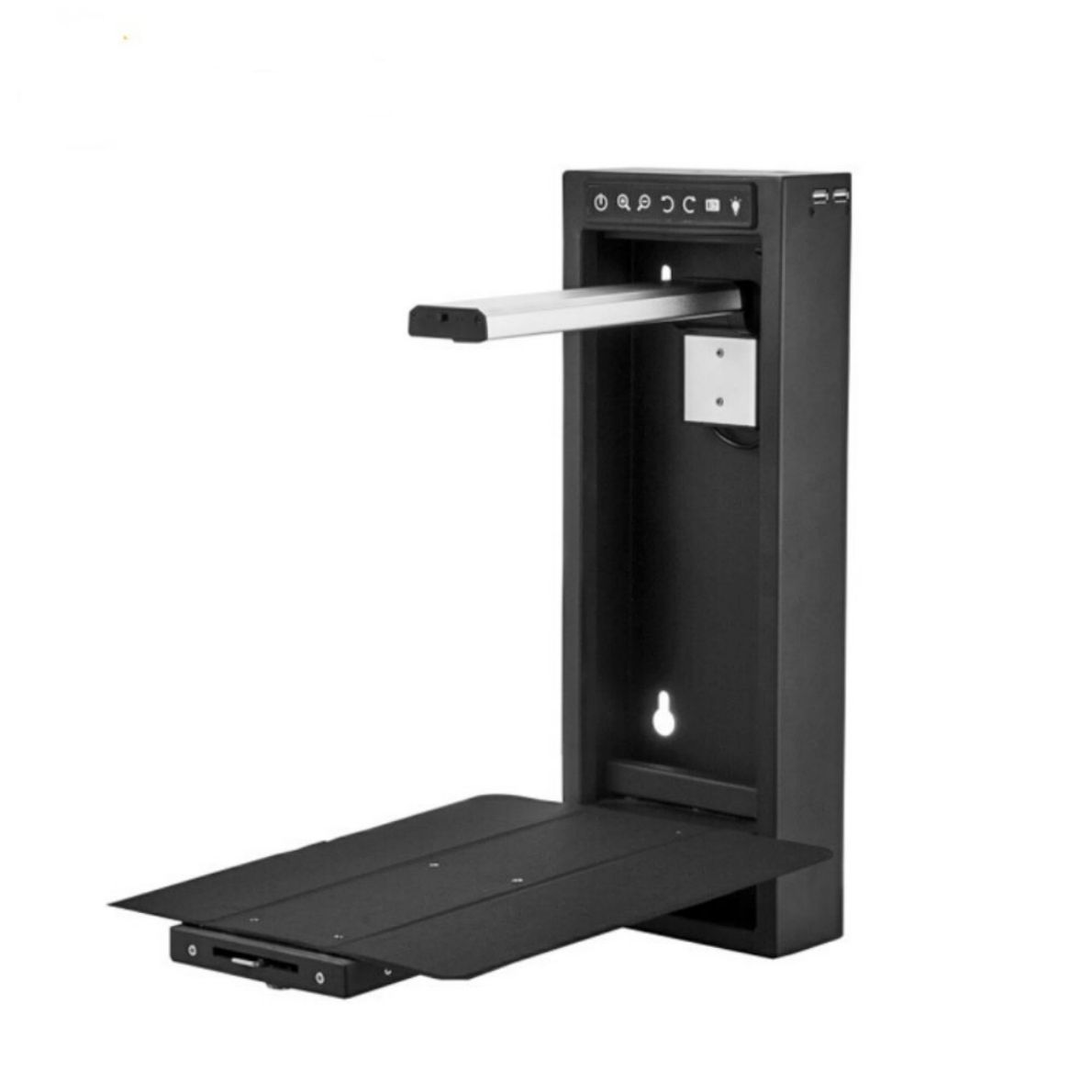
Document Camera A4 Visualizer Wall Version USB CMOS 10MP
An A4 wall-version document camera with 10MP CMOS sensor, USB connection and one-second scan capability. A compact smart-classroom and service-counter device for fast ad-hoc capture.
- 10MP CMOS; wall version
- 1-second scan workflow
- USB; classroom and smart office
Need a shortlist for a Stuttgart tender?
Send document size, page volume, target dpi and DMS requirements. We will route the enquiry to the right scanner configuration and confirm what must be checked locally.
Supply snapshot for Stuttgart buyers
Supplier-performance indicators from the original website profile. For a Stuttgart tender, request current model-specific certificates, warranty statements, packing data and sample scans rather than relying on a marketplace badge alone.
Why Stuttgart procurement teams shortlist Quibow
The strongest supplier is not the one with the longest catalogue; it is the one that can prove model fit, document the compliance position and support the device after handover. Quibow’s advantage is factory-side imaging knowledge across CIS, CMOS and CCD — plus wholesale-friendly terms for distributors, system integrators and project buyers.
Sensor depth, not one-size-fits-all
CIS suits high-volume sheet-fed office batches; CMOS area sensors suit non-contact book capture; CCD linear sensors suit bookedge flatbeds and controlled lighting. We help match the platform to the document, not the other way around.
OEM/ODM and SDK integration
Support includes logo printing, packaging, housing color, capture-software branding and SDK integration on selected models. This is useful for German system integrators and resellers building repeatable digitization packages.
Stock-friendly wholesale MOQ
Many stock book scanners, A2/A3 large-format scanners and flatbed scanners start from 1 piece or 1 set. Several document camera models start from 2 pieces. OEM/ODM quantities are confirmed per project.
Export terms that fit EU purchasing
T/T, L/C, PayPal and Western Union are supported, with USD, EUR, HKD and CNY currencies. Delivery terms include FOB, EXW and DDU. Confirm the Incoterm, VAT treatment and transport insurance in the quotation.
Sample scans and tender evidence
German OCR, DIN A4/A3/A2 page sizes, output formats and searchable PDF workflows should be tested on your own document. A sample scan can reveal more than a brochure specification sheet.
Warranty and remote support
Listed models often carry a 1-year warranty, backed by remote technical support. For Stuttgart projects, service scope, response route and local IT-partner responsibilities should be written into the order confirmation.
A transparent Guangzhou-based partner for Stuttgart archival imaging projects
 Onsite-checked supplier
Guangzhou Quibow Electronic Co., Ltd.
Guangzhou Quibow Electronic Co., Ltd. was established in 2020 and is an onsite-checked supplier. The original company profile describes a 5–10 person specialist team, annual revenue of US$1M–US$2.5M and main markets in Eastern Europe, North America and South America. For Stuttgart, the relevant value is not a fictional local factory: it is model selection across CIS, CMOS and CCD platforms, OEM/ODM support, export documentation and responsive technical answers.
Our experience covers photoelectric information equipment, high-speed document cameras, book scanners, flatbed scanners and ID-card recognition cameras. Expertise includes OCR workflows, USB/HDMI/VGA outputs and SDK integration. Authority is supported by independently maintained supplier records, trade capacity, transaction history and buyer feedback. Trust is handled by confirming warranty, compatibility, compliance status and service scope per model before order.
- Legal entity
- Guangzhou Quibow Electronic Co., Ltd.
- Established
- 2020
- Business type
- Trading company, onsite checked
- Team size
- 5–10 specialists
- Annual revenue
- US$1M–US$2.5M
- Main markets
- E. Europe, N. & S. America
- Location
- Guangzhou, Guangdong, China
- Contact
- info@quibowtech.com
Where archival scanners and document cameras fit in Stuttgart and Baden-Württemberg
Stuttgart buying intent is rarely generic. A city archive, a Mittelstand engineering firm, a university lecture hall and a law practice each need a different capture geometry. The following scenarios map common local requirements to the eight models above.
City and state archive reading rooms
Bound council registers, newspaper volumes, maps and administrative files are often too fragile for ADF feeding. A3/A2 overhead scanners capture without contact, and the 24MP or 18MP models are practical starting points for reading-room throughput.
Libraries and genealogy collections
Portable A3 scanners with foot pedals and zero-margin bookedge flatbeds support family-history users, church registers and special collections. OCR helps create searchable indexes while the book remains supported and unstrained.
Universities and research institutes
Stuttgart’s engineering, science and humanities departments use document cameras for live teaching, object demonstration and digitization of field notes. HDMI/USB visualizers fit lecture halls, seminars and hybrid teaching rooms.
Mittelstand and industrial archives
Automotive suppliers, machine builders and engineering firms hold drawings, supplier files and R&D records. A2 scanners handle large plans; if the tender requires 300 dpi A2 masters, specify a 48MP class scanner, not a 21MP access-copy device.
Municipal counters and public services
Wall-mounted A4 visualizers provide fast ad-hoc capture of forms, supporting documents and citizen files. Fixed mounting reduces cable clutter and setup time in public-facing service points.
Law firms, notaries and tax practices
Bound files, contracts and client records can be captured on bookedge flatbeds or overhead cameras. Keep capture local, export searchable PDFs to the DMS, and confirm the retention and access rules before the pilot begins.
Local development trends shaping archival scanner demand in Stuttgart
Procurement discussions in Stuttgart in 2025 are shaped by data protection, public-sector digitization, industrial heritage and hybrid teaching. These trends should be written into the requirement document, not left as an afterthought.
GDPR and data sovereignty
Stuttgart public and enterprise buyers increasingly ask whether capture is local. USB scanners that write to a workstation avoid mandatory cloud processing; confirm the software data path and default settings for GDPR reviews.
Digital public services and OZG
Online access legislation and e-government expectations push agencies toward PDF/A, searchable PDF and metadata-ready outputs. Scanner choice should follow the DMS target, not the reverse.
Industrial heritage and large-format records
Baden-Württemberg’s engineering base creates demand for A2 plan, drawing and newspaper capture. 21MP A2 cameras are useful for access copies; 48MP is safer for 300 dpi preservation masters.
Mixed-format collections
One reading room may handle bound books, loose maps, photographs and 3D teaching objects. A mixed fleet of overhead, bookedge and visualizer devices often beats a single compromise model.
Tender-ready transparency
Public buyers request CE/RoHS/WEEE documentation status, warranty terms, country of origin, packing data and sample scans. A supplier that answers these early reduces tender risk and shortens clarification rounds.
Hybrid classrooms and training rooms
Stuttgart universities and training providers need HDMI/USB visualizers with zoom, LED light and microphone options. Fixed wall versions and portable desktop cameras serve different room layouts.
How many megapixels does a Stuttgart archive master really need?
Megapixels are meaningless without page size. At 300 dpi, an A4 page needs about 2480 × 3508 px (8.7 MP); A3 needs 3508 × 4961 px (17.4 MP); A2 needs 4961 × 7016 px (34.8 MP). A 21MP A2 camera covers a full A2 sheet at roughly 225–240 dpi. For OCR and on-screen access, 200–250 dpi can be enough; for preservation masters and public tenders, specify 300 dpi or higher and verify with a sample scan.
Resolution, format and sensor choice
The 24MP A3 scanner in the product list provides about 340 dpi across a full A3 sheet, which is a strong fit for bound books and office archives. The 18MP A3 overhead model is close to the 300 dpi A3 threshold and is better suited to access copies, OCR and visual presentation. If your Stuttgart tender is A2-first, request the current A2 21MP/48MP options and a full-sheet sample scan.
Sensor choice matters as much as resolution. CIS is efficient for ADF office batches; CMOS area sensors capture bound books without pressing them flat; CCD linear sensors support bookedge flatbeds where controlled lighting and depth of field reduce spine shadow. A supplier who understands all three can explain trade-offs instead of forcing a single platform.
Pixels required at 300 dpi
DIN page sizes at 300 dpi. For preservation masters, add a margin for cropping, calibration targets and QA.
Procurement and integration checklist for Stuttgart buyers
Use this checklist before issuing a request for quotation or publishing a tender. It reduces the risk of buying a scanner that meets a headline specification but fails the actual workflow.
Specify output first
Define PDF/A, searchable PDF, JPEG or TIFF, OCR languages, file naming and DMS metadata before comparing cameras. Output format often determines software, not hardware.
Confirm interface and SDK
Check USB, HDMI, VGA, driver support, Windows/macOS compatibility and SDK availability for the exact model. Do not assume that a similar-looking product shares the same firmware.
Document compliance
Request CE/RoHS/WEEE/REACH status, power plug, packaging, country of origin and warranty statement per model. Treat compliance as a document to verify, not a marketing phrase.
Plan service and training
Agree remote support, local IT-partner responsibilities, spare parts, calibration, user training and acceptance testing. A successful Stuttgart rollout includes handover, not just delivery.
What Stuttgart buyers ask before ordering archival scanners
These are the practical questions that appear in wholesale, tender and integration discussions. Confirm model-specific details in the quotation.
Are you a Stuttgart-based manufacturer or a wholesaler?
Quibow is Guangzhou Quibow Electronic Co., Ltd., a China-based supplier with onsite-checked status and OEM/ODM support. We serve Stuttgart buyers through wholesale supply and project partners. We do not claim a Stuttgart factory or local spare-parts depot; if on-site installation is required, we coordinate with your chosen local IT or integration partner and define responsibilities before order.
Can you deliver to Stuttgart and invoice in EUR?
EUR is one of the supported payment currencies, alongside USD, HKD and CNY. Payment methods include T/T, L/C, PayPal and Western Union; delivery terms include FOB, EXW and DDU. For Stuttgart, confirm the Incoterm, EU VAT treatment, packing and transport insurance in the quotation. Where data protection matters, USB capture can keep scanning local to the workstation, but the software data path should still be reviewed for GDPR compliance.
Which scanner should we buy for bound books, newspapers and technical drawings?
For bound books, use non-contact CMOS overhead scanners or a CCD zero-margin bookedge flatbed if spine shadow is critical. For A3 books and files, the 24MP auto-flatten model or 18MP overhead model is a practical start. For A2 newspapers and drawings, request current A2 21MP/48MP options; 300 dpi A2 masters need about 34.8MP, so a 21MP camera is better for access copies than preservation masters.
What resolution do we need for A3 and A2 at 300 dpi?
A3 at 300 dpi requires about 3508 × 4961 pixels (17.4 MP), so 18MP or 24MP is suitable. A2 at 300 dpi requires about 4961 × 7016 pixels (34.8 MP), so a 48MP class A2 scanner is the safer archival specification. Always request a sample scan of your own document, because OCR quality, lighting and operator workflow also affect the final result.
Do your scanners support German OCR, searchable PDF and PDF/A?
OCR language support depends on the capture software and version, not only on the camera. German OCR, searchable PDF and PDF/A export should be confirmed for the exact model and software bundle. We can provide sample scans and workflow confirmation before order; do not assume that a generic OCR icon means German Fraktur or complex layouts are fully supported.
What are MOQ, warranty and service terms?
Many stock book scanners, flatbed scanners and document cameras start from 1 piece or 1 set; some camera models start from 2 pieces. Listed models often carry a 1-year warranty, backed by remote technical support. OEM/ODM quantities, warranty terms and service scope are confirmed per project. For Stuttgart tenders, ask for the current datasheet, compliance document status and acceptance-test procedure.
Specify a Stuttgart-ready archival scanning package
Send your document mix, daily page volume, target dpi and DMS requirements. We will return a shortlist from the eight models above, current lead times, sample-scan options, and a clear note on what must be verified locally before tender submission. For OEM/ODM, SDK integration or wholesale discussions, include the target quantity and software environment.