A4 Visualizer Manufacturers & Suppliers in Düsseldorf
Technical sourcing guide for A4 document visualizers, OCR document cameras, portable book scanners and overhead imaging systems for public offices, libraries, schools, professional firms and B2B distributors across Düsseldorf and the Rhine-Ruhr region.
Recommended A4 Visualizers and Document Cameras for Düsseldorf Buyers
These eight models cover the practical range requested by Düsseldorf-area public offices, libraries, universities, training centres, professional firms, trade-fair teams and distributors: A4 counter capture, A3 book digitization, A2 overhead scanning, wireless portability and classroom visual presentation.
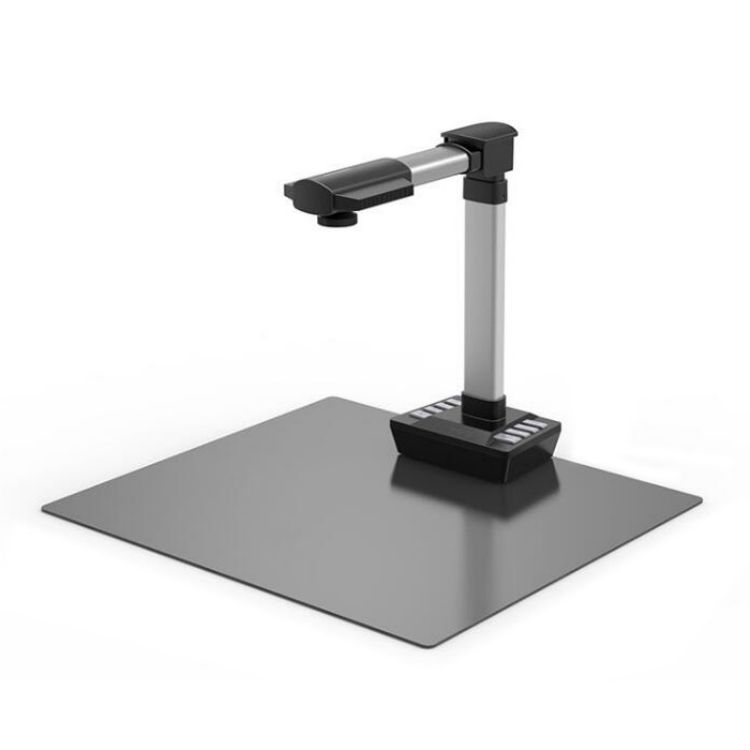
High Resolution Portable A3 Library Book Scanner with Foot Controller USB Interface Automatic Document Scanner Stock Product
Best fit for reading rooms, archive preparation and bound-book capture where hands-free page turning matters.
Düsseldorf use case: library and archive digitization
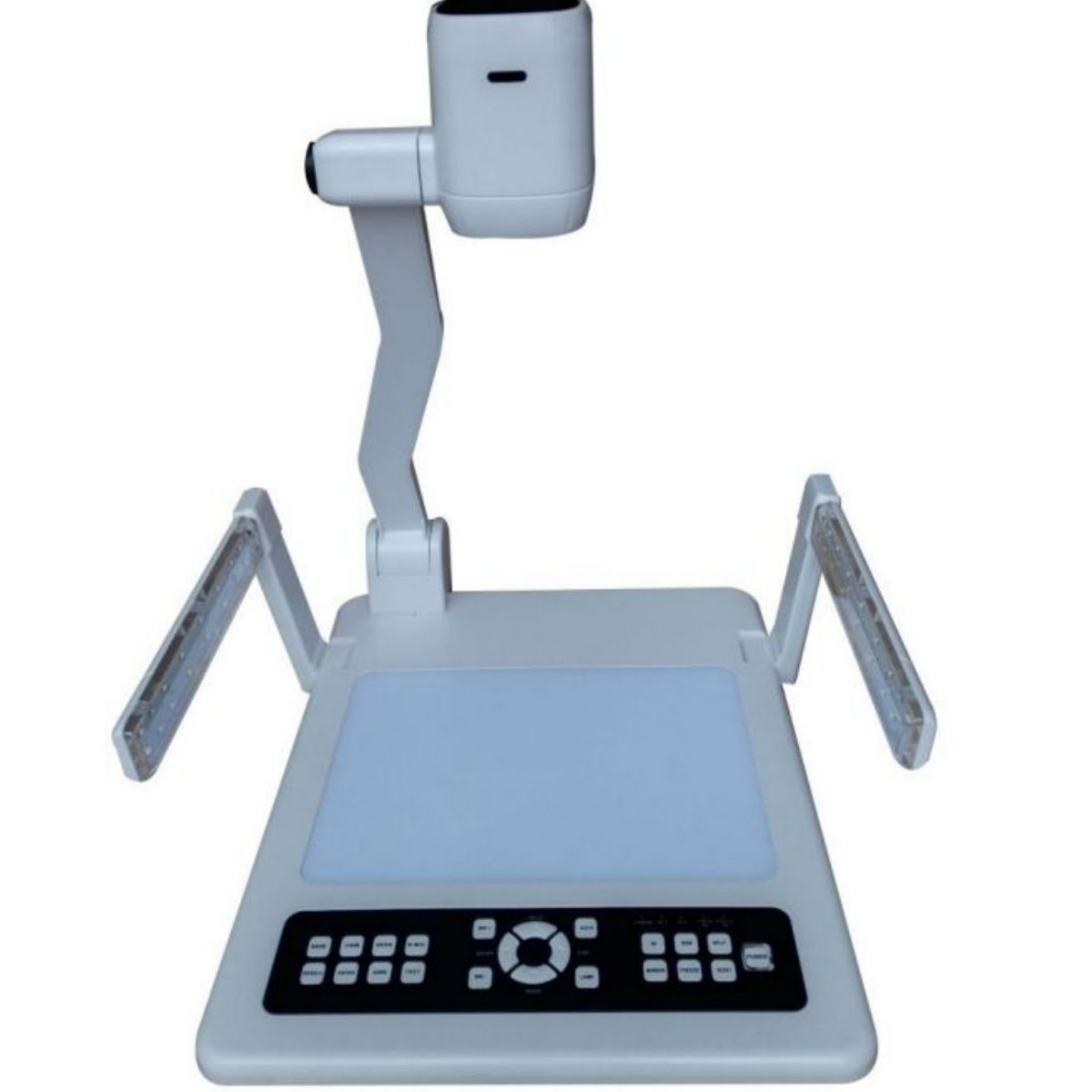
Multi-functional Document Camera Professional in Visual Presenter Also Visualizer in Educational Equipment
Suitable for schools, Volkshochschule classrooms, training rooms and hybrid teaching setups.
Düsseldorf use case: classroom and training presentation
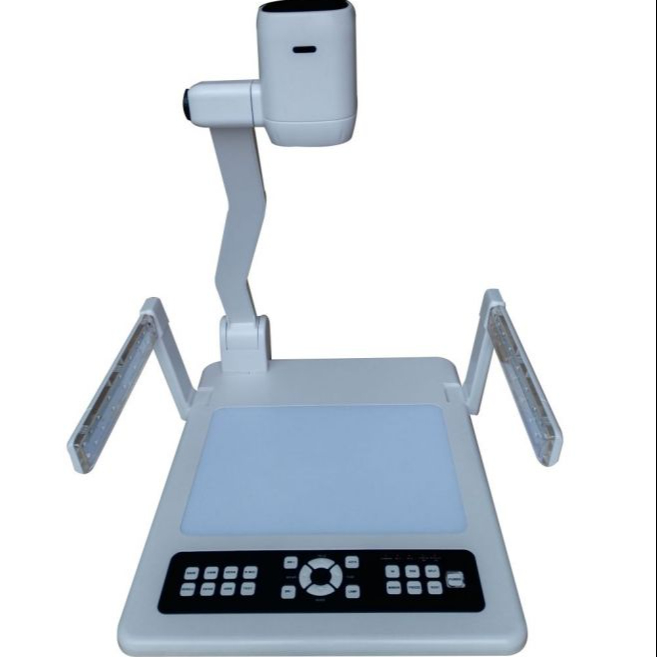
Factory Desktop Document Camera Visualizer 22X Optical Zoom with Interface HD MI RS232 Audio Mic Video
Useful for lecture halls, product demonstrations, conference rooms and detailed material inspection.
Düsseldorf use case: meetings, demos and training
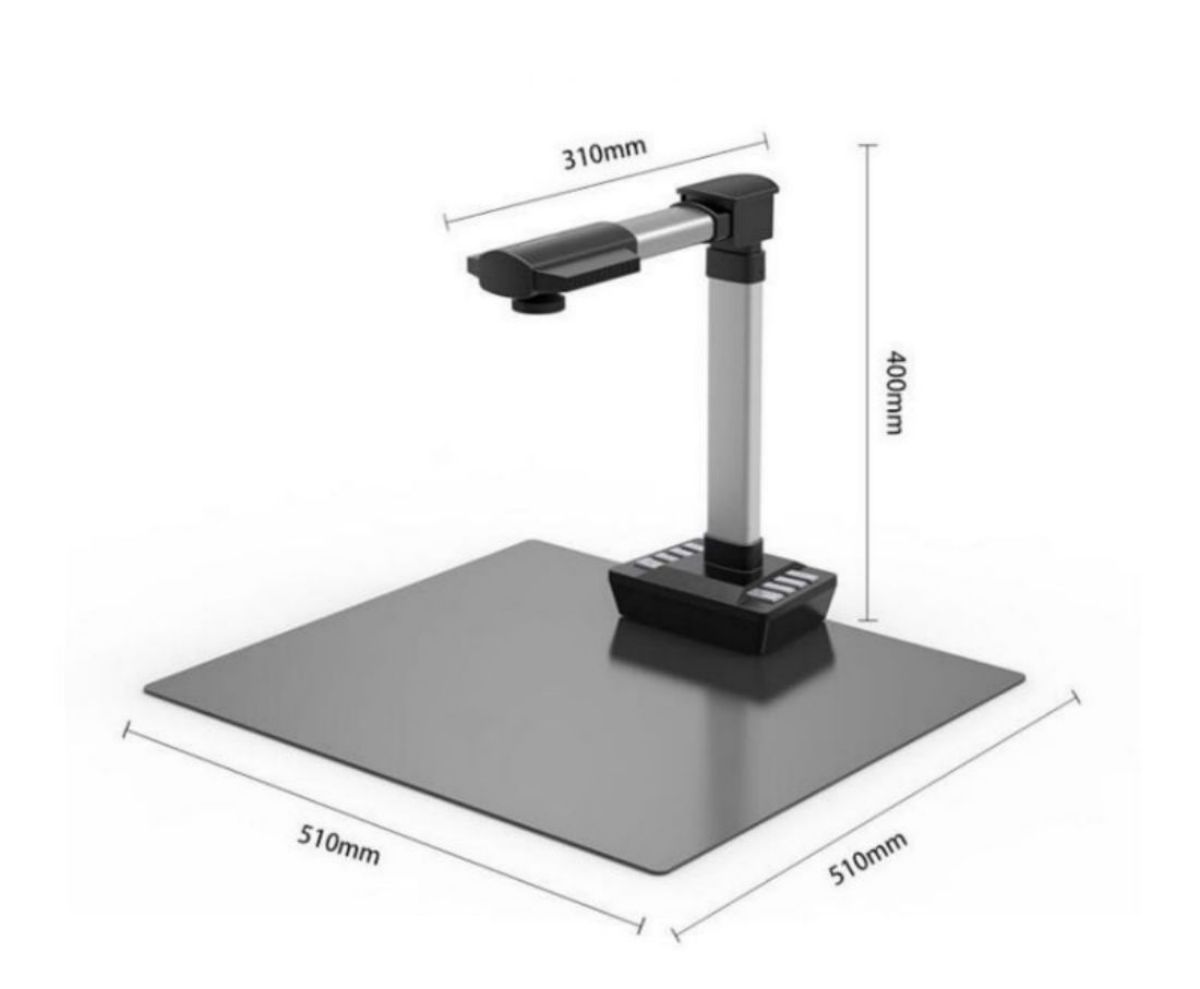
Portable 20MP High-Speed Wireless A3 Document Scanner Professional Book Scanner Foot Pedal USB Interface 24-Bit Color Stock
Designed for mobile projects, temporary archive teams and departments that share one scanner across rooms.
Düsseldorf use case: flexible departmental digitization
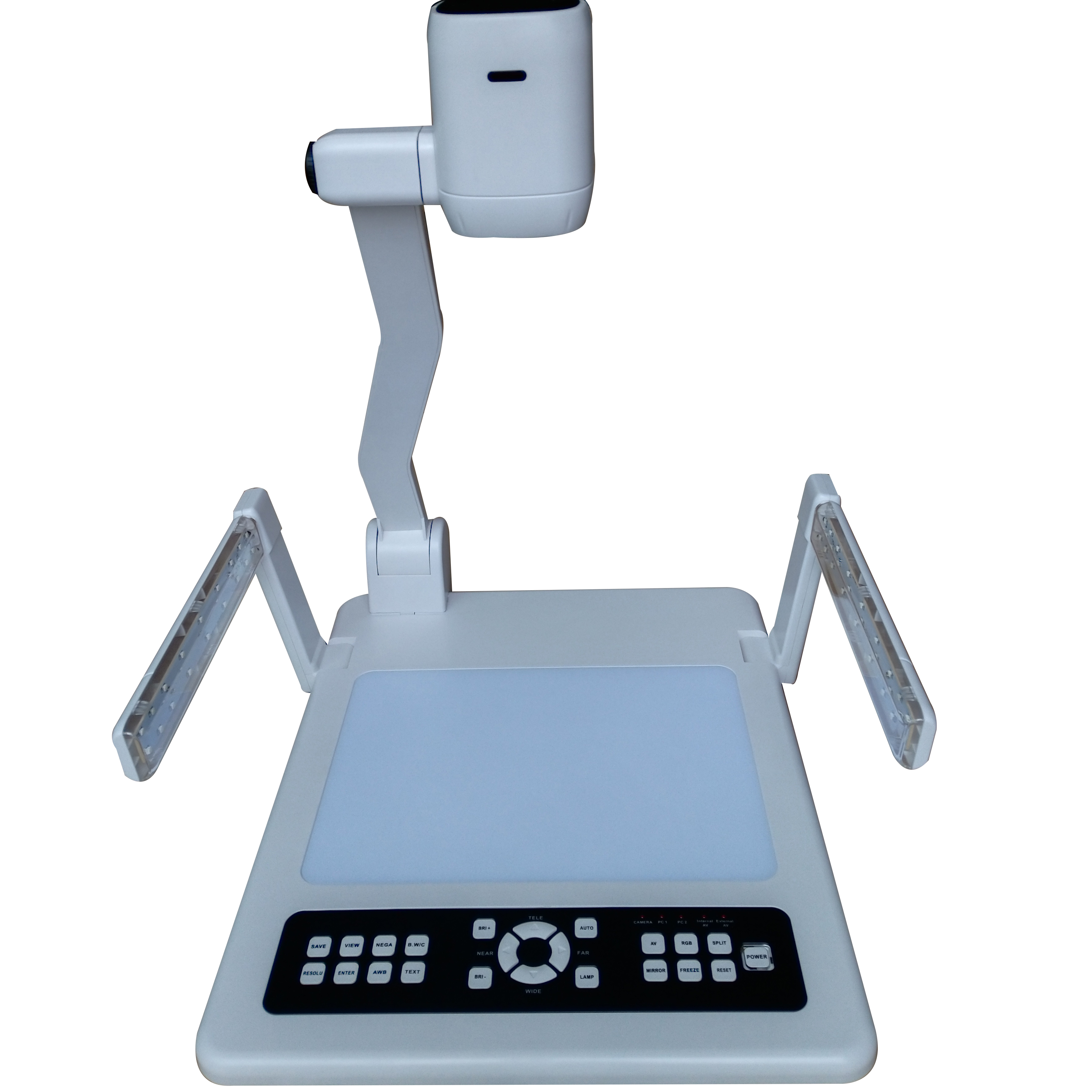
Modern Foldable Flexible Ultra HD Desktop Document Camera for School Video Output HD MI VGA Visualizer
A compact visualizer for classrooms, hot-desk offices and shared meeting rooms with limited storage space.
Düsseldorf use case: compact teaching and hybrid work
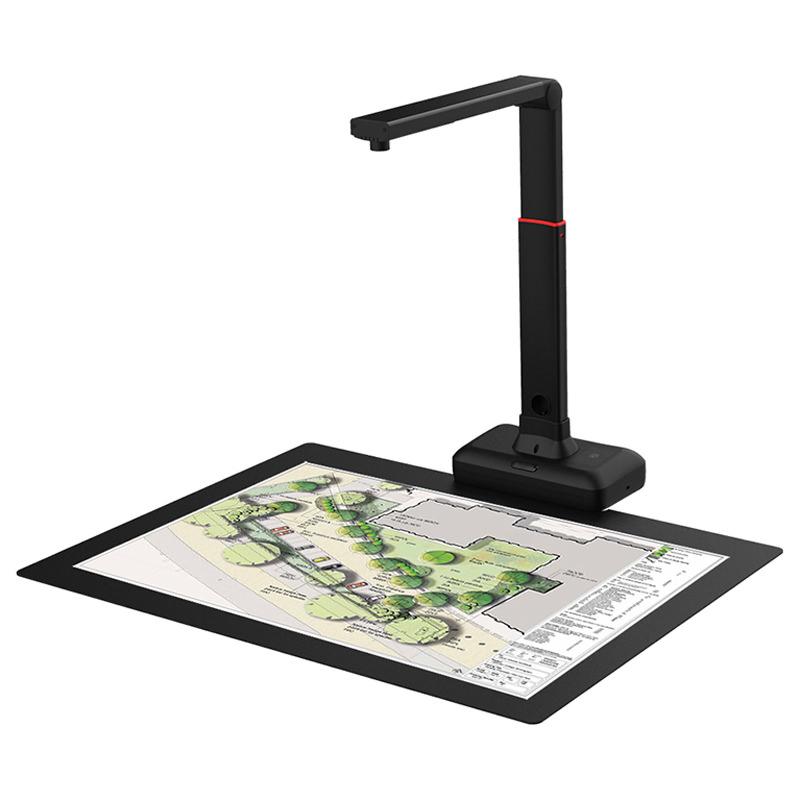
A2 Large Format Overhead Document Scanner 21MP USB Aluminum Text-to-Speech 1-Year Warranty in Stock
For newspapers, maps, engineering drawings, posters and archive masters that need one-shot A2 capture.
Düsseldorf use case: archive, map and large-format records
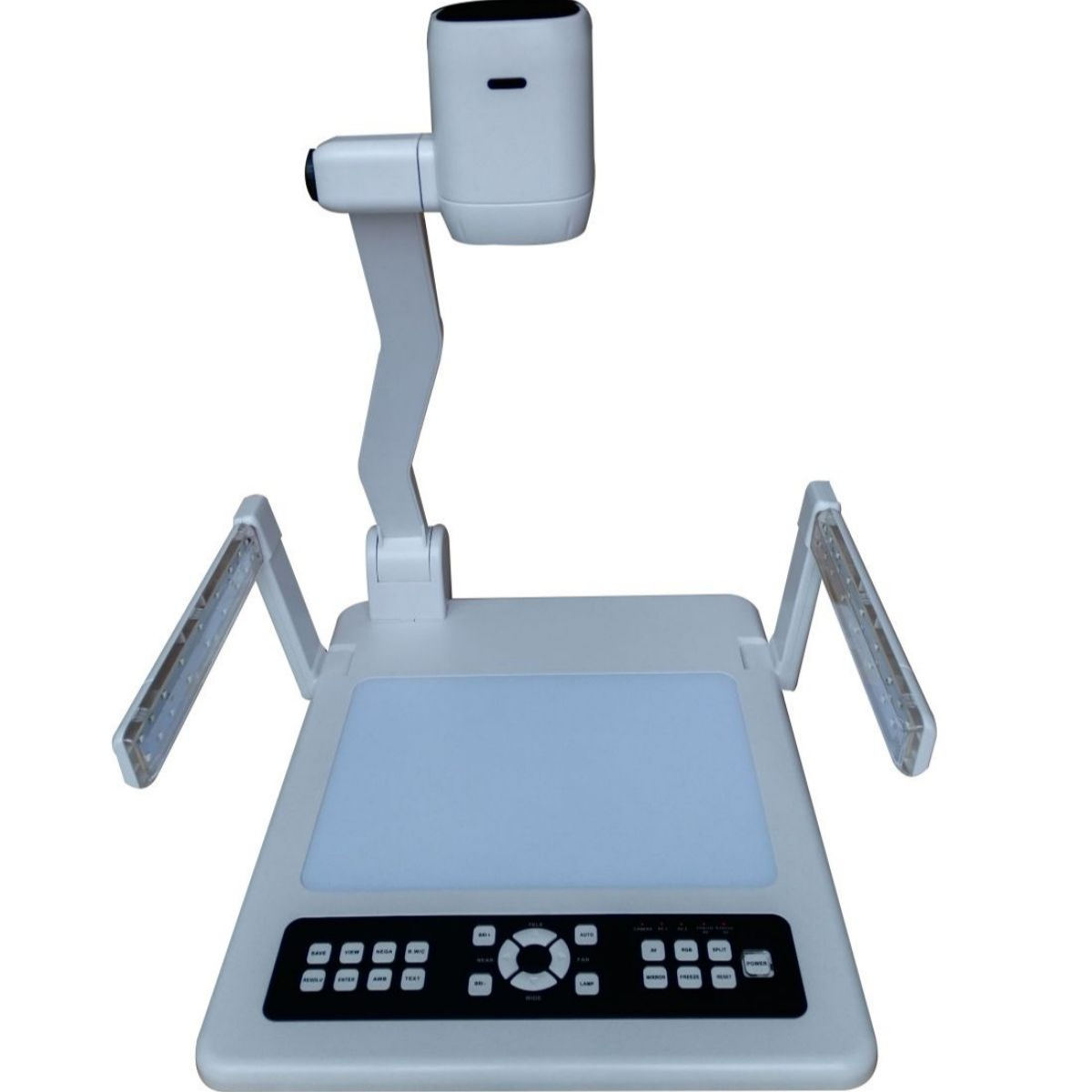
HD Optical Zoom Visual Presenter 1/3" CMOS Sensor 1-Year Warranty OEM Brand GUA Origin Professional Document Camera VGA RS232
A professional visual presenter for boardrooms, training centres, showrooms and integrator projects.
Düsseldorf use case: boardroom and showroom presentation
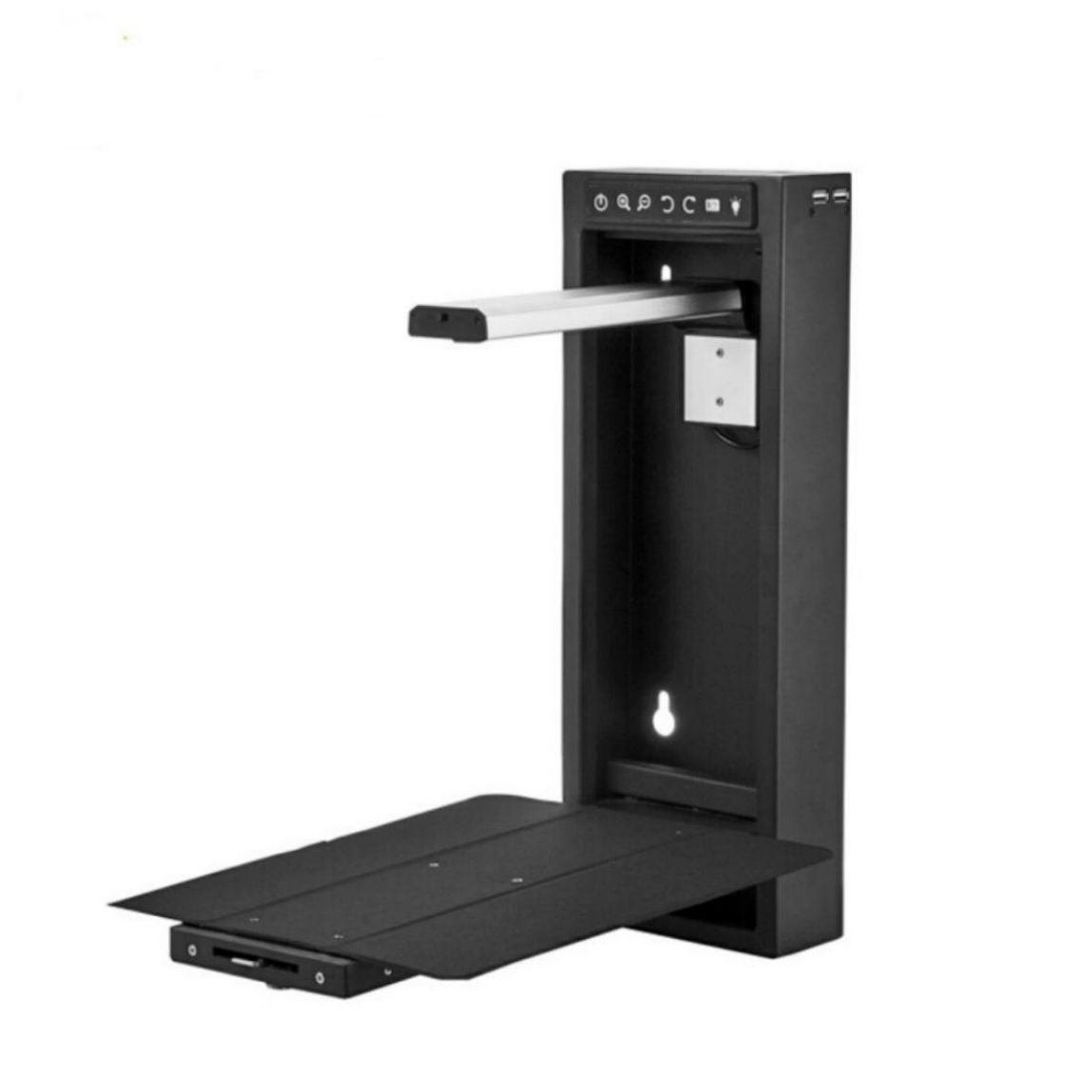
USB Interface Wall-Mounted A4 Visualizer OCR Document Scanner CMOS Sensor 10MP Resolution SDK Included Black 1-Year Stock
A strong A4 counter-capture option for forms, identity documents, signatures and OCR workflows.
Düsseldorf use case: Bürgerbüro, counter capture and OCR
Need the closest model for an A4 counter, library project or classroom rollout? Share your document sizes, daily volume, output requirements and delivery address in Düsseldorf or NRW.
What an A4 Visualizer Really Does in a Düsseldorf Workflow
In German-speaking procurement, “visualizer” usually means a document camera used for live projection, one-shot image capture and OCR-assisted documentation. This is not the same as a flatbed scanner, although the workflows often overlap.
Visualizer, document camera and overhead scanner: the practical difference
An A4 visualizer places a CMOS or CCD camera above the document rather than pulling paper through a slot. That makes it suitable for bound pages, fragile forms, identification documents, signatures, product samples and anything that should not be pressed flat. A live visualizer also provides HDMI, VGA or USB video output for classrooms, counters and hybrid meetings, while a scanner normally creates a file for storage. Many Düsseldorf buyers now ask for one device that can do both: show the page live, capture a still image, run OCR where required, and export a clean PDF or image file.
The buying decision should start with the source document, not the model name. For everyday A4 letters, invoices, application forms and extracts, a 10MP A4 wall-mounted visualizer with OCR and SDK support is often the most direct fit. For A3 handouts, open books and project folders, an 18MP to 24MP model provides more headroom. For A2 newspapers, plans and drawings, a 48MP class overhead scanner is the appropriate archive tool. In Düsseldorf, the same organisation may need all three at different locations: a counter device in the Bürgerbüro, a portable A3 book scanner in the library, and an A2 overhead scanner in the archive.
Why A4 remains the procurement baseline in NRW
Düsseldorf is the state capital of North Rhine-Westphalia and a dense centre for public administration, professional services, education, trade fairs and Rhine-based logistics. In that environment, A4 is the daily working format: application forms, contracts, tax documents, school handouts, service records, delivery notes and correspondence. An A4 visualizer can be deployed at the point where paper arrives instead of sending documents to a central scanning room. That matters for public-facing counters, legal and tax practices, insurance offices, HR departments and training centres. A4 capture also makes staff training simpler because the page area is familiar and the device can sit on a wall, desk or counter without consuming a large floor footprint.
For suppliers, this means the Düsseldorf conversation is rarely only about megapixels. Buyers ask about OCR accuracy, SDK availability, Windows and macOS compatibility, data flow, warranty, delivery terms and whether the unit can be tested with a sample document set. A manufacturer that can answer those questions with model-specific evidence is more useful than a catalogue that simply lists “high resolution”.
Megapixels mean little until they are divided by page size
At 300 dpi, an A4 page needs about 2,480 × 3,508 pixels, or roughly 8.7 MP. A 10MP A4 visualizer therefore has enough resolution for OCR and normal document records, provided the lens and lighting are well matched. An A3 page at 300 dpi needs about 17.4 MP, so an 18MP or 24MP scanner is a safer choice. An A2 sheet needs about 34.8 MP, which is why archival A2 work usually calls for a 48MP class device.
Practical rule: choose 10MP+ for A4 OCR, 18–24MP for A3 work and 48MP for A2 archival masters. Always ask for sample scans of your own documents, not only a sensor specification.
How to Specify A4, A3 and A2 Capture Without Overbuying
Use this quick reference when preparing a Düsseldorf procurement note, tender specification or internal business case.
| Document size | Pixels at 300 dpi | Recommended sensor class | Typical Düsseldorf workflow |
|---|---|---|---|
| A4 210 × 297 mm | 2,480 × 3,508 ≈ 8.7 MP | 10MP or higher | Counter capture, forms, OCR, identification records, signatures |
| A3 297 × 420 mm | 3,508 × 4,961 ≈ 17.4 MP | 18–24MP | Open books, project folders, school materials, library reading rooms |
| A2 420 × 594 mm | 4,961 × 7,016 ≈ 34.8 MP | 48MP for archive masters | Newspapers, maps, posters, plans and large-format records |
| Photos and artwork | 600–2,400 dpi optical | Flatbed with 48-bit colour | Design archives, museum documentation, print and creative review |
Where A4 Visualizers and Document Cameras Fit in Düsseldorf
Düsseldorf and the wider Rhine-Ruhr region combine public administration, education, professional services, trade fairs and logistics. Each environment has a different capture problem, even when the device looks similar.
Bürgerbüro and public administration
Düsseldorf service counters handle forms, proof of identity, signatures and supporting documents every day. A wall-mounted A4 visualizer with OCR and SDK support can be positioned at the counter to capture pages without taking them away from the customer. Before purchase, review data protection, local processing and how the software integrates with the existing document management system.
Libraries, archives and reading rooms
Institutions such as the Zentralbibliothek im KAP1, the Universitäts- und Landesbibliothek and the Stadtarchiv Düsseldorf work with bound volumes, loose records, photographs and local history material. A portable A3 book scanner with foot control reduces handling stress, while an A2 overhead scanner captures newspapers and maps in one shot.
Schools, universities and adult education
Heinrich Heine University, vocational schools and Volkshochschule courses need visualizers that can show textbooks, experiments, sketches and small objects on a projector or display. Foldable Ultra HD document cameras suit shared rooms, while 22x optical zoom models help lecturers focus on detail without moving the object.
Messe Düsseldorf, hotels and conference venues
Trade fairs, product launches, press events and training sessions often require a quick visual presenter setup. HDMI and VGA output matter here, as does a remote control and stable lighting. A compact document camera can support live demonstrations, printed schedules, product samples and annotated slides without a fixed installation.
Law, tax, insurance and banking practices
Professional firms in Düsseldorf handle contracts, client correspondence, signatures and case files. An A4 OCR visualizer supports fast digital capture at the point of receipt, while a document camera can be used in hybrid consultations to show a page or specimen to remote colleagues. German-language documentation and clear data-flow answers are often part of the evaluation.
Logistics, retail, fashion and manufacturing
Rhine-Ruhr supply chains rely on delivery notes, labels, quality records and design samples. An A4 wall-mounted unit can digitise paperwork at goods-in, while a visual presenter helps teams inspect components, compare colours and review packaging. For oversized plans or technical drawings, step up to A2 overhead capture rather than forcing an A4 device beyond its intended use.
Düsseldorf and NRW Digitalisation Trends Shaping Visualizer Demand
Public-sector digitalisation, hybrid collaboration and verifiable compliance are changing what buyers expect from document cameras and A4 visualizers.
Capture at the point of service
E-government programmes and local service improvement projects increasingly favour scanning where the citizen or customer is present. A4 counter visualizers reduce paper movement and speed up case creation.
Hybrid meetings and shared rooms
Düsseldorf offices and training centres continue to support remote participants. Visualizers with HDMI, VGA and USB output make printed material visible in hybrid meetings without extra cameras.
OCR and AI-ready capture
Buyers expect searchable PDFs, editable text and structured data. SDK availability and clear OCR language support are now practical procurement questions, not technical extras.
GDPR and data-flow review
When identity documents or personal records are captured, German organisations review where the image is processed and stored. Local USB capture and transparent software behaviour can simplify the assessment.
Supplier consolidation
Institutions prefer fewer suppliers who can cover A4 counters, A3 libraries, A2 archives, accessories and warranty support. A complete imaging portfolio reduces integration and procurement effort.
Sustainability and lifecycle
Repairability, spare parts, packaging and energy use are increasingly part of supplier evaluation. German buyers commonly request model-level declarations for CE, RoHS, WEEE and packaging responsibilities where applicable.
Model-to-Workflow Recommendations for Düsseldorf Buyers
Use this matrix to move from a local application to a shortlist, then request sample scans and a model-specific quotation.
| Workflow | Primary model | Why it fits |
|---|---|---|
| A4 counter OCR and forms | USB Wall-Mounted A4 Visualizer OCR 10MP | Wall-mounted A4 footprint, OCR and SDK included, practical for Bürgerbüro and professional counters. |
| Classroom and teacher-led presentation | Foldable Ultra HD Desktop Document Camera | Compact storage, HDMI/VGA output and a flexible arm for textbooks, sketches and demonstrations. |
| Lecture hall and detailed object display | 22X Optical Zoom Desktop Document Camera | Optical zoom helps show fine detail without moving the subject; suitable for training and product demos. |
| Bound books and reading-room projects | Portable A3 Library Book Scanner with Foot Controller | Hands-free capture, portable form factor and A3 coverage for open books and project folders. |
| Newspapers, maps and archive masters | A2 Large Format Overhead Document Scanner 21MP | One-shot A2 capture with overhead geometry, aluminium body and stock availability. |
| Shared departmental or mobile digitization | Portable 20MP Wireless A3 Document Scanner | Wireless portability and a foot pedal support temporary projects and departments with limited desk space. |
Why Quibow Is a Practical Imaging Partner for Düsseldorf Projects
Guangzhou Quibow Electronic Co., Ltd. works across CIS, CMOS and CCD imaging platforms and supports B2B buyers with product selection, OEM/ODM customization and export coordination.
Multi-platform imaging expertise
CIS, CMOS and CCD experience allows the supplier to match the sensor platform to the document type instead of forcing one technology into every project.
OEM/ODM and SDK support
Logo printing, packaging, housing colour, capture software branding and SDK integration are available on selected models, supporting distributors and system integrators.
Fast B2B communication
Listed performance includes ≤1h average response time, 100% message response rate and a 27% buyer reorder rate, which matters when a Düsseldorf project has a fixed tender timetable.
Verifiable supplier records
Onsite-checked supplier status in Guangzhou, trade records, credit overview, reviews and a company video can be reviewed before a purchase decision.
Company profile and export capabilities
Guangzhou Quibow Electronic Co., Ltd. was established in 2020 and focuses on image data acquisition and conversion equipment, including high-speed document cameras, book scanners, flatbed scanners and ID card recognition cameras. The company describes a full cycle from product design and development to production coordination, export sales and after-sales support. Its main markets include Eastern Europe, North America and South America, with annual revenue in the US$1M–US$2.5M range and a specialist team of 5–10 people.
For Düsseldorf and NRW buyers, the relevant commercial terms include MOQ from 1 piece or 1 set on many stock scanners, 2 pieces on several document camera models, and project-specific OEM/ODM quantities. Payment methods include T/T, L/C, PayPal and Western Union in USD, EUR, HKD or CNY. Delivery terms include FOB, EXW and DDU. Listed models such as the A3 flatbed scanners, A2 overhead scanners and ADF scanner carry a 1-year warranty with remote technical support. Many models support Windows and macOS, and selected units are verified on Apple M1 Macs; compatibility should be confirmed model by model before shipment.
- Business typeTrading company, onsite checked
- LocationGuangzhou, Guangdong, China
- Established2020
- Main marketsEastern Europe, North America, South America
- Annual revenueUS$1M – US$2.5M
- Team5–10 specialists
What German buyers should verify before placing an order
E-E-A-T is not a slogan; it is a procurement habit. Düsseldorf buyers should test the exact document set, confirm the model-specific declaration file, check the software data flow and align delivery terms with the import process.
- Sample scans of your own A4, A3 or A2 documents
- Model-specific CE, RoHS, WEEE or packaging documentation where applicable
- Windows and macOS driver confirmation, including Apple M1 if required
- OCR language list, SDK scope and DMS/ERP integration notes
- Warranty statement, DOA process, spare-parts list and remote support route
- Commercial invoice, packing list, EAN/GTIN and German/English manual sample
- Incoterm, EU import broker arrangements and delivery address in Düsseldorf or NRW
- GDPR/DSGVO data-flow explanation if personal documents will be captured
Questions Local Buyers Ask Most About A4 Visualizers, Delivery and Warranty
These answers reflect common procurement questions from German and NRW buyers. Confirm each point against the exact model and quotation.
Q1Can I buy only one A4 visualizer for a Düsseldorf office?
Most stock book scanners, A2 large-format scanners and flatbed scanners start from 1 piece or 1 set. Several document camera models start from 2 pieces. OEM/ODM quantities are confirmed per project, so a single evaluation unit may be possible depending on the model and stock status.
Q2Which model is best for A4 OCR at 300 dpi?
An A4 page at 300 dpi requires about 8.7 MP. The USB wall-mounted A4 visualizer with 10MP resolution, OCR and SDK support is the closest fit in this range. If you expect heavy cropping, mixed page sizes or future A3 work, choose an 18MP or 24MP model instead.
Q3Do you deliver to Düsseldorf and the wider NRW region?
Export delivery to Germany can be arranged under FOB, EXW or DDU terms. For a Düsseldorf address, confirm the Incoterm, import broker, packaging method and estimated transit time before the order. German buyers should also clarify VAT treatment and customs documentation with their import adviser.
Q4What payment methods and currencies are accepted?
Payment methods include T/T, L/C, PayPal and Western Union. Currencies include USD, EUR, HKD and CNY. The quotation should state the currency, payment schedule, bank charges and whether any platform or intermediary fees apply.
Q5Do you support OEM, ODM and SDK integration?
Yes. OEM/ODM support can include logo printing, packaging, housing colour, capture software branding and SDK integration on selected models. For integrators in Düsseldorf, define the required SDK functions, operating system, output format and support language before requesting a final quotation.
Q6Are the scanners compatible with Windows and macOS?
Many models, including several A2 large-format scanners and the 1200 DPI A3 flatbed scanner, support Windows and macOS, and selected units are verified on Apple M1 Macs. Compatibility must be confirmed for the exact model, driver version and software package before shipment.
Q7What warranty and after-sales support is included?
Listed models such as the A3 flatbed scanners, A2 overhead scanners and the S2060W ADF scanner carry a 1-year warranty with remote technical support. Ask for the warranty statement, DOA process, spare-parts list and escalation contact before purchase.
Q8Which documents should a German procurement team request?
Request model-specific datasheets, sample scans, software data-flow notes, CE/RoHS documentation where applicable, German or English manual samples, packing list, commercial invoice, warranty terms, SDK documentation and a clear quotation with Incoterm and lead time.
Request a Düsseldorf-ready A4 Visualizer Quotation
Share your document sizes, daily capture volume, preferred output (HDMI, VGA or USB), OCR and SDK needs, delivery address in Düsseldorf or NRW, and any public tender requirements. The reply should include a shortlist, sample scan options and commercial terms.