A4 Visualizer Manufacturers & Factories in San Francisco
A Bay Area sourcing guide to A4 document cameras, A3 visualizers and A2 overhead scanners — built for classrooms, libraries, public agencies, design studios and OEM/ODM integrators that need verifiable factory capability, not a generic marketplace listing.
8 Factory-Direct A4, A3 and A2 Visualizers Shortlisted for San Francisco Buyers
These eight models are practical starting points for Bay Area procurement. Every image and product URL comes from the live Quibow catalogue; configurations, lead time and OEM terms are confirmed per inquiry. For A4-only desks, start with the 10MP A4 model. For A3 classrooms or counters, compare the 4K, dual-camera and 38MP options. For A2 archive work, evaluate the 21MP overhead scanner against the resolution targets in the data section below.
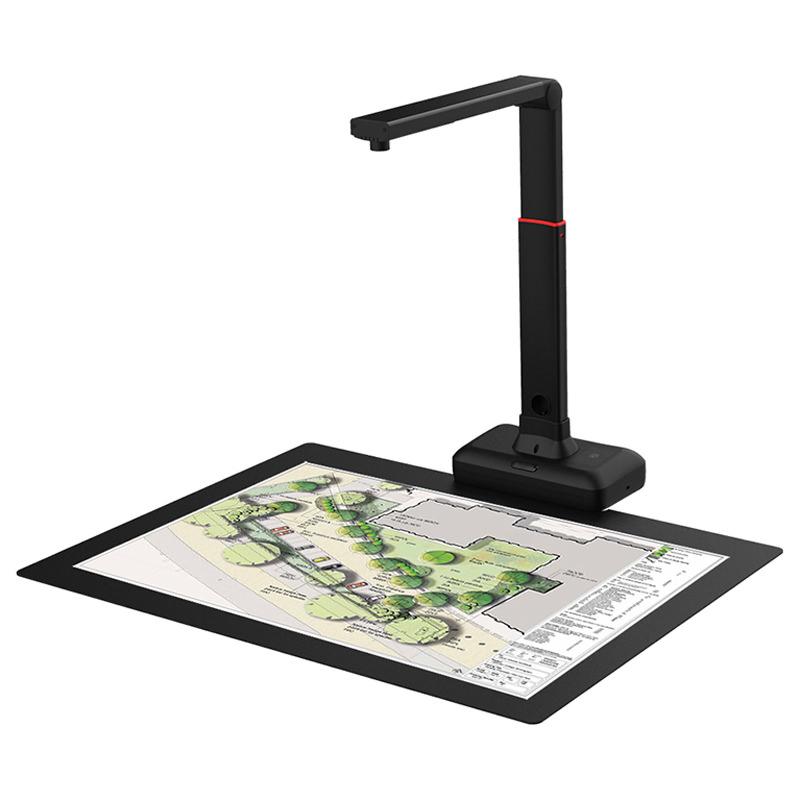
A2 Large Format Overhead Document Scanner 21MP USB Aluminum Text-to-Speech 1-Year Warranty in Stock
Large-format no-contact capture with aluminum body and text-to-speech support for accessible archival review.
View factory model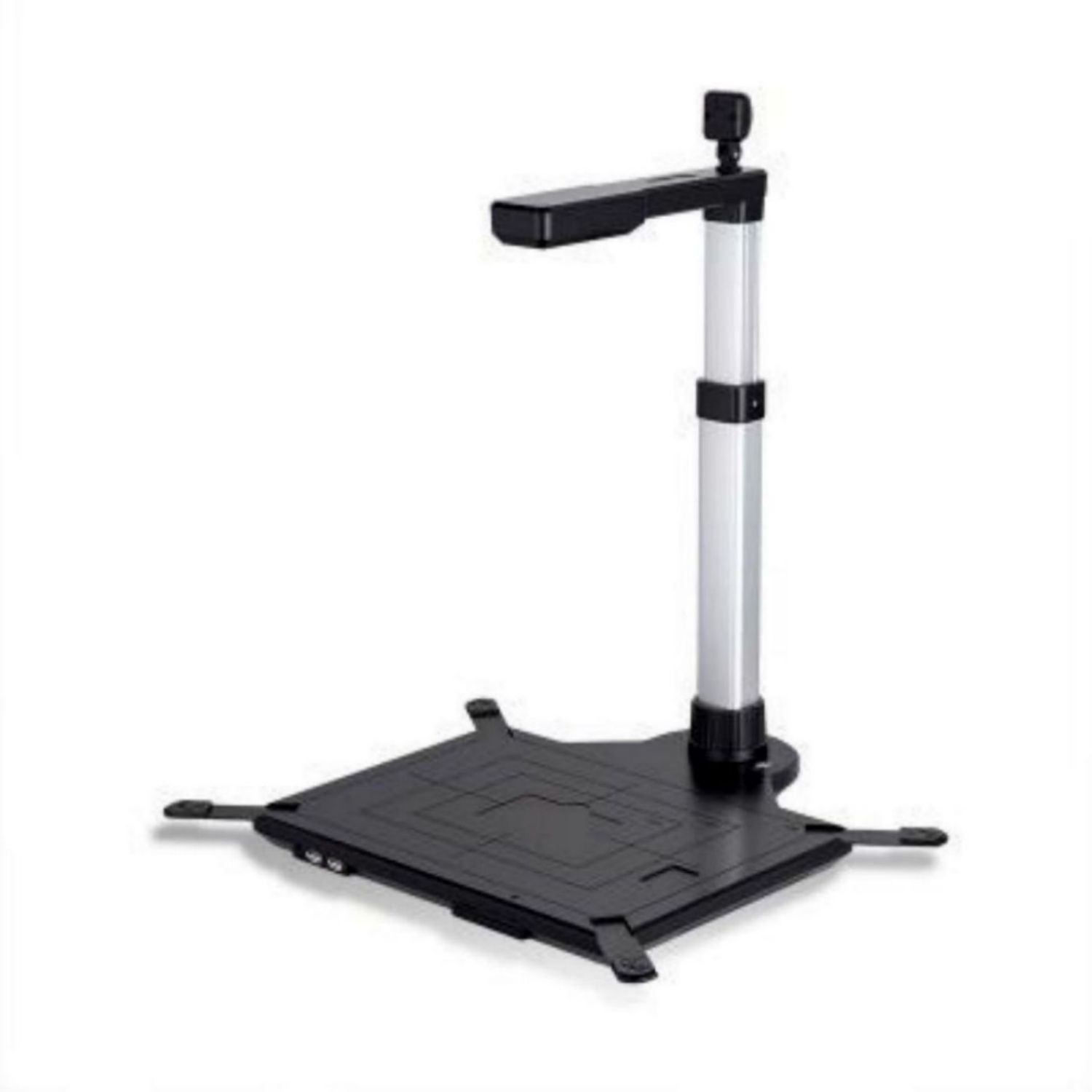
Professional USB Dual Camera Scanner for A3 Documents Supports OCR PDF Multi-Languages High-Speed 1-Second Scan 360-Degree
Fast 1-second scan, 360-degree presentation and multilingual OCR for counters, libraries and hybrid classrooms.
View factory model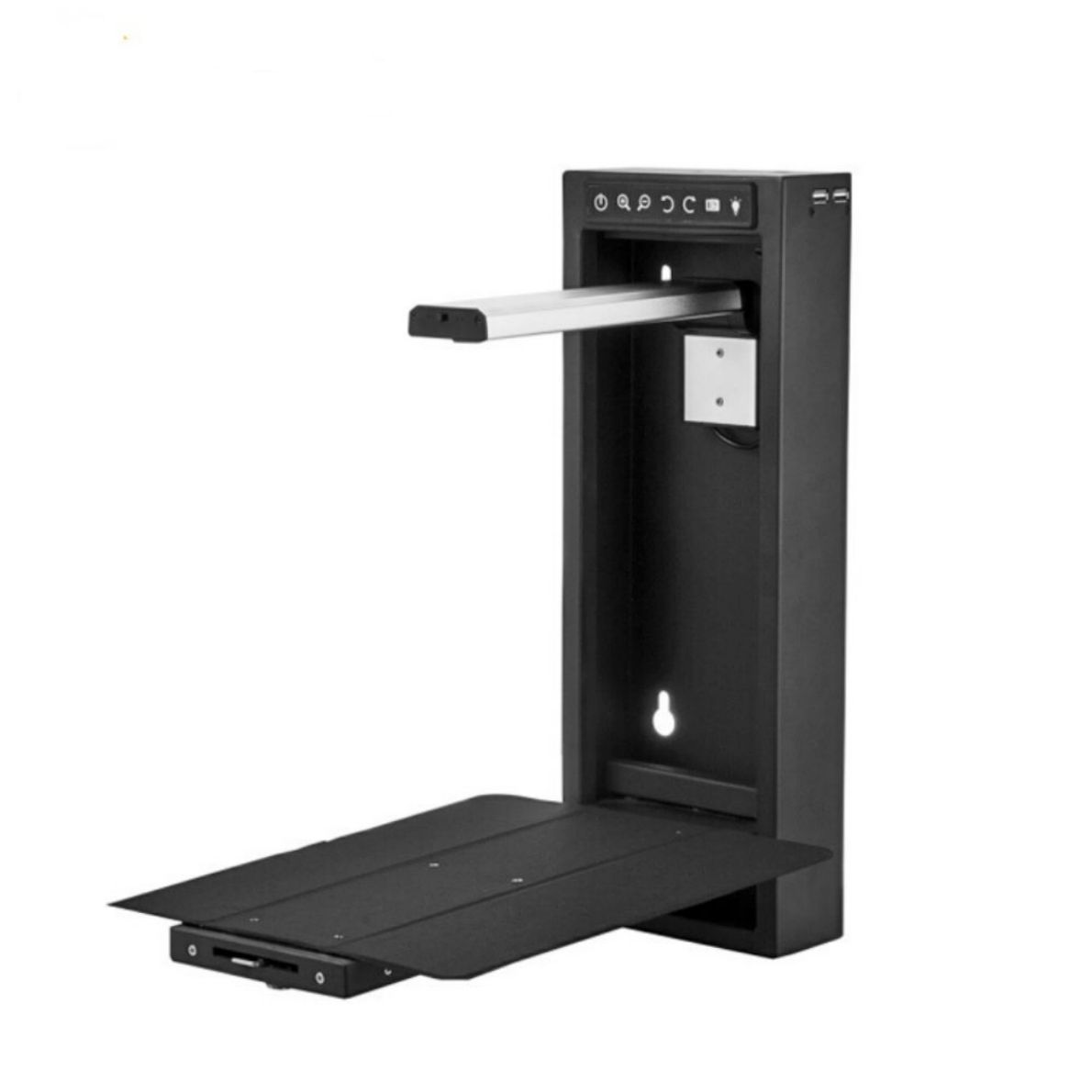
Factory New High Definition Wall Mount Document Scanner USB Interface Visualizer CE Certified 1-Year Warranty High-Speed A4 SDK
A wall-mounted HD visualizer with USB and SDK support for compact A4 capture points and kiosk-style service desks.
View factory model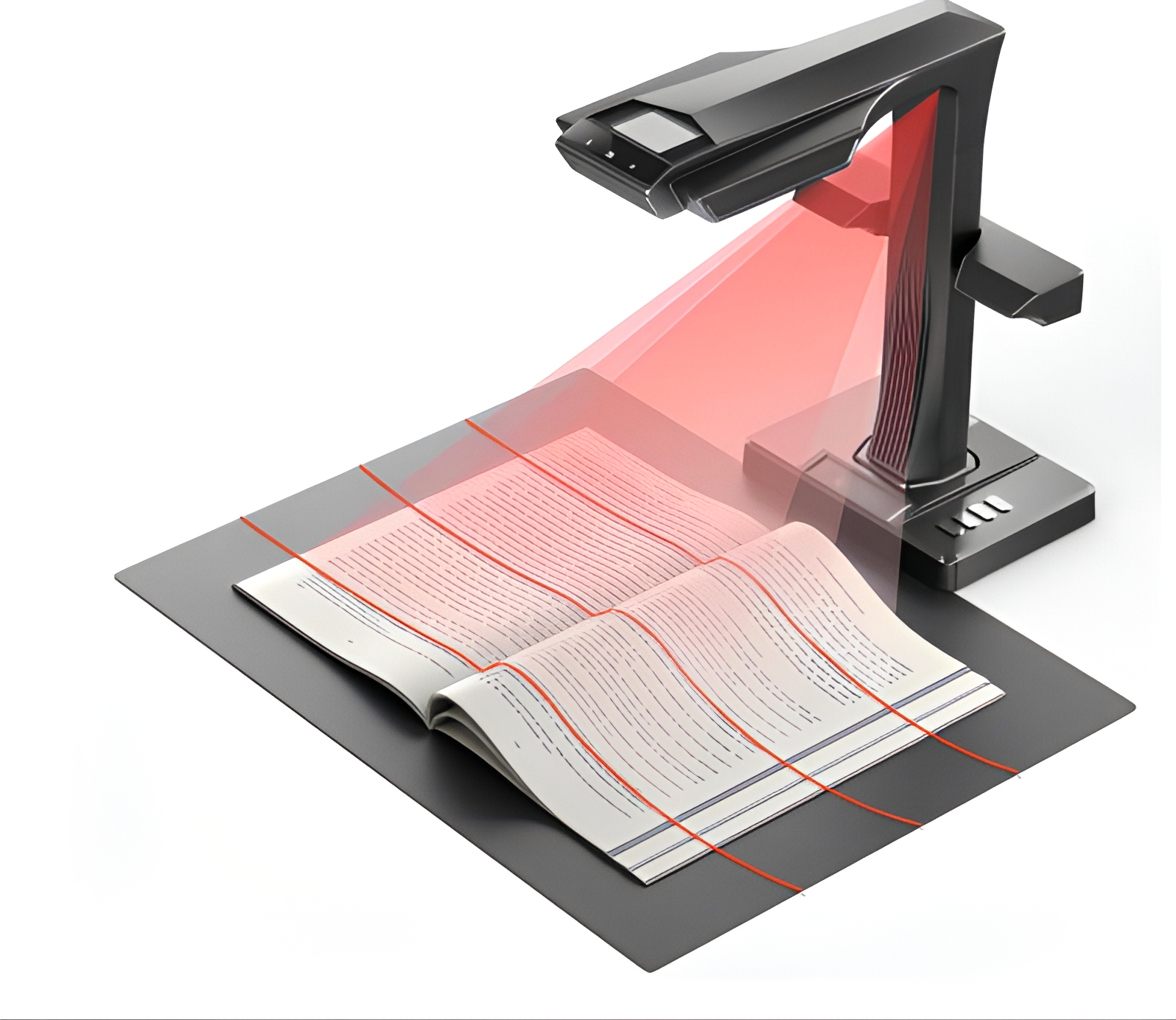
Book Scanner 38MP A3 Document Camera Auto Curve Flattening High Speed Overhead Scanner for Library Office
Overhead A3 book and document camera with auto curve flattening for library, office and heritage collections.
View factory model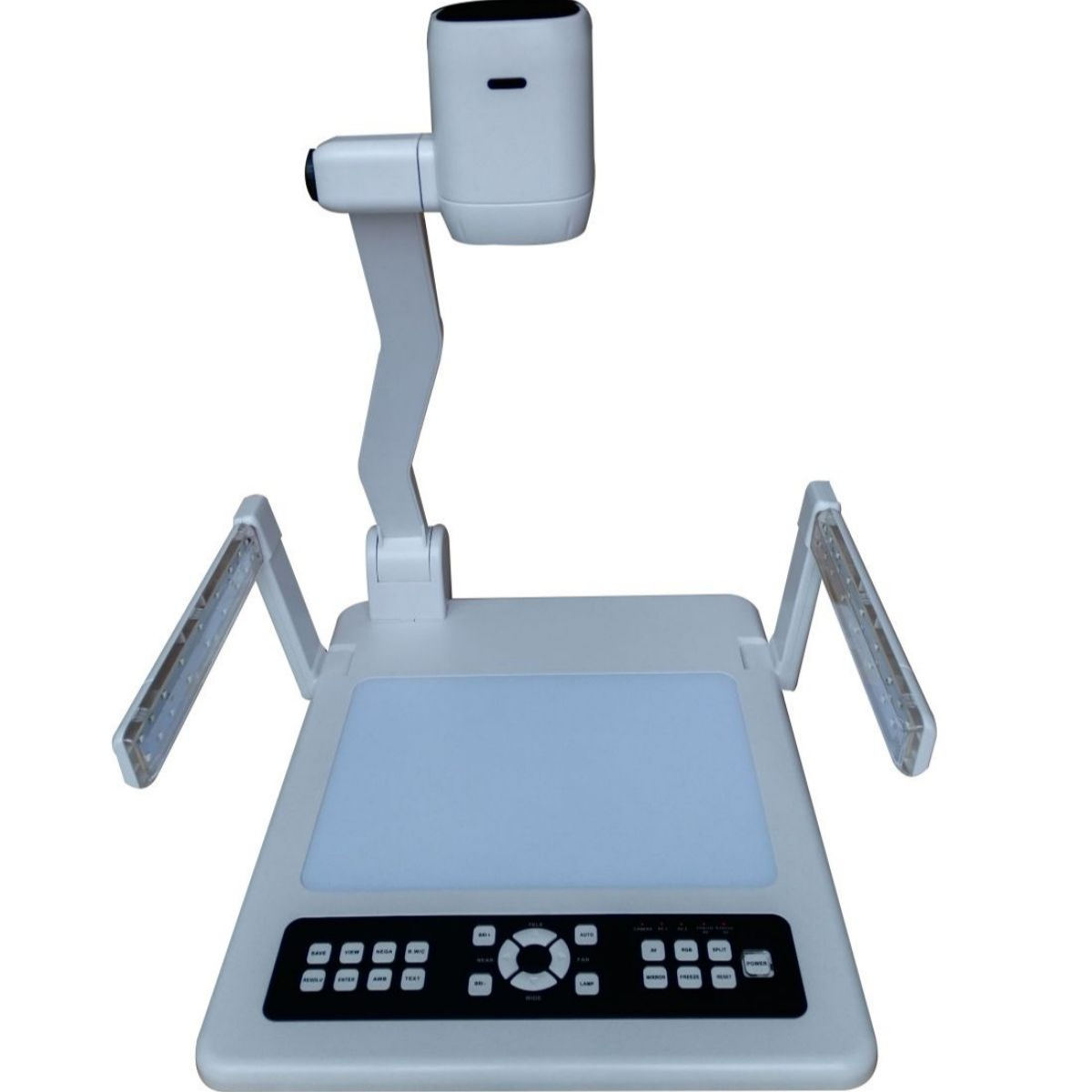
HD Optical Zoom Visual Presenter 1/3" CMOS Sensor 1-Year Warranty OEM Brand GUA Origin Professional Document Camera VGA RS232
Professional visual presenter with optical zoom, VGA/RS232 control and OEM branding options.
View factory model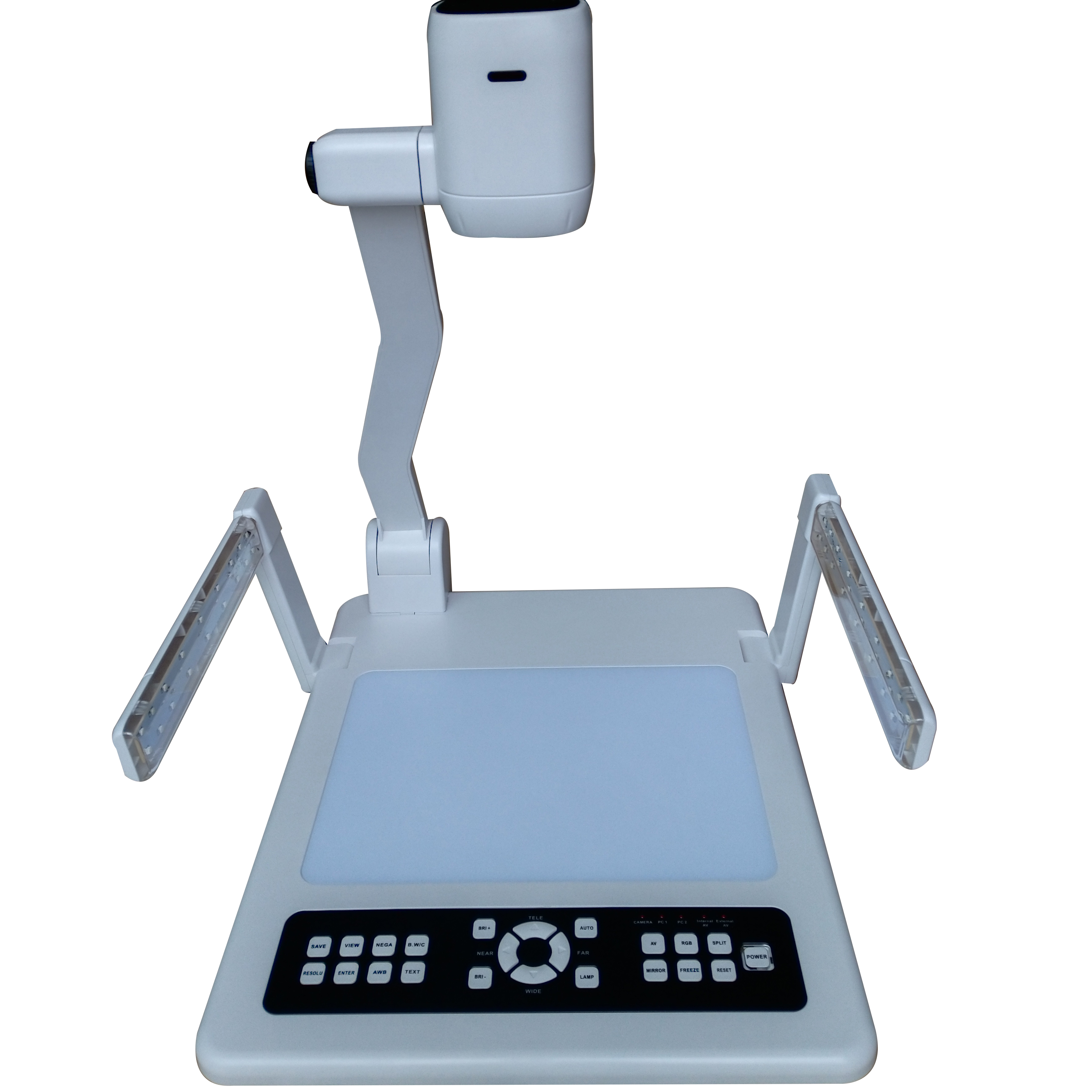
Modern Foldable Flexible Ultra HD Desktop Document Camera for School Video Output HD MI VGA Visualizer
Foldable desktop document camera with HDMI/VGA visualizer output for schools and training rooms.
View factory model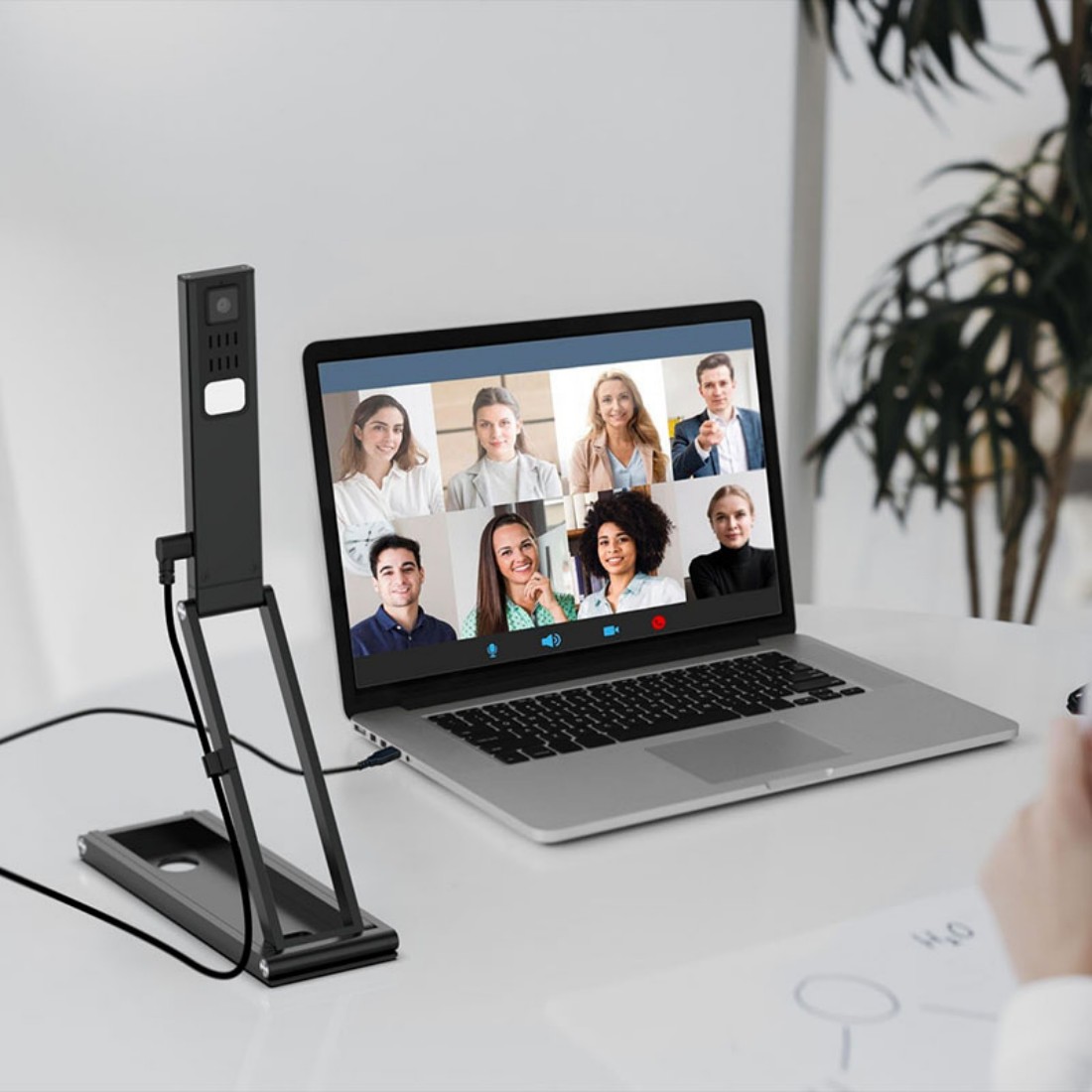
A3 4K Visual Presenter Document Camera with USB Interface for School Training Teaching Meetings Featuring Webcam Function
A3 4K visual presenter with USB and webcam function for teaching, meetings and hybrid collaboration.
View factory model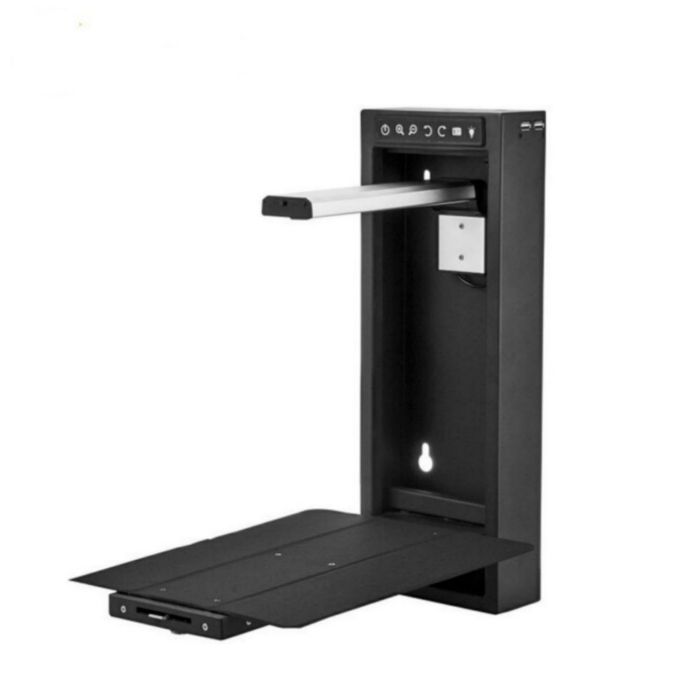
A4 Black USB 5V High-Speed 10MP High-Resolution Document Scanner Wall-Mountable OEM 24 Bit SDK 1-Year Warranty Education Stock
High-resolution A4 scanner with 24-bit output, OEM support and education stock for front-desk capture.
View factory modelWhat San Francisco Buyers Actually Mean by an A4 Visualizer
San Francisco procurement language is not always consistent. An A4 visualizer may be specified as a document camera, visual presenter, classroom camera, desktop scanner or overhead scanner. The A4 label describes the intended capture area, not the sensor size or the number of megapixels. For a buyer at a school, library, permit counter or design studio, the practical question is whether the device can capture the material at the size, resolution, speed and connectivity needed by the room or workflow.
At 300 dpi, an A4 page requires about 8.7 megapixels (2480 × 3508 pixels). A3 requires about 17.4 MP, and A2 requires about 34.8 MP. That is why a 1080p webcam can be fine for projecting a handout but inadequate as an archival A4 scanner. It is also why an A4 visualizer used for OCR, searchable PDF, compliance records or future AI indexing should be specified with pixel dimensions and lens quality, not just the word A4.
The query “A4 visualizer manufacturers & factories in San Francisco” usually contains two distinct intents: local availability and factory capability. San Francisco has strong AV integrators, service providers and resellers. Most imaging hardware, however, is manufactured outside the city. Quibow is Guangzhou-based and does not present itself as a San Francisco factory. For Bay Area buyers, our role is factory-direct product matching, sample scanning, OEM/ODM customization, export documentation and remote after-sales support. That distinction matters for E-E-A-T: references should match real operations.
Local service capacity and factory engineering capability are two different risk factors. A local integrator can help with installation, network policy and on-site response. A factory can answer questions about the sensor, SDK, firmware, optical zoom, packaging and production consistency. The best procurement decision usually combines both: a factory-direct hardware partner plus a local integration or service path if the deployment is complex.
Quick buyer’s answer
- A4 at 300 dpi: 8.7 MP minimum; 10 MP gives a comfortable margin.
- A3 at 300 dpi: 17.4 MP; 18–24 MP is a strong match.
- A2 at 300 dpi: 34.8 MP; 48 MP is the archival class.
- Projection-only rooms can often use 1080p or 4K display output.
- Ask for sample scans of your own documents, not stock marketing photos.
- Confirm Windows/macOS, Apple M1, HDMI/VGA/USB, OCR, SDK and warranty before purchase.
- For stock models, many MOQs start at 1 piece or 1 set; several document cameras start at 2 pieces.
Where A4 Visualizers and Document Cameras Fit San Francisco Workflows
San Francisco deployments rarely fit a single template. Compact offices, mixed-use classrooms, public service counters and hybrid meeting rooms all impose different constraints on capture area, image quality, connectivity and mounting.
Classrooms & Training Rooms
From neighborhood schools to downtown training labs, an A4 visualizer can project textbook pages, science demonstrations, sketches or device prototypes to HDMI/VGA displays. For A3 materials, choose 4K output, optical zoom or auto-focus to keep small text readable.
Public Libraries & Archives
Branch libraries, historical societies and special collections need no-contact capture. Overhead models with auto curve flattening reduce stress on bound books, while A2 large-format scanners handle newspapers, maps and broadsheets.
Government & Civic Service Counters
Permit desks, public records teams and service centers can capture forms, ID documents and supporting paperwork with dual-camera scanners. SDK integration supports custom workflows where standard scanner software is not enough.
Architecture & Design Studios
SoMa, Dogpatch and Mission Bay studios use visualizers to review plans, material samples and handmade sketches during hybrid client reviews. Foldable and wall-mount designs preserve desk space in compact studios.
Life Science & Healthcare Training
Training teams can document lab notebooks, instruments and instructional objects without flattening them on a flatbed. No-contact overhead capture is useful for delicate samples, textbooks and demonstration materials.
Hybrid Corporate Meetings
Financial District teams use 4K visualizers as a document camera and webcam for product reviews, whiteboard capture and onboarding. USB, HDMI and VGA options make it easier to match existing room hardware.
San Francisco Procurement Trends Shaping A4 Visualizer Decisions
Buyer intent has shifted from “can it display?” to “can it create usable, searchable, future-ready image data?” That change affects sensor choice, software support and supplier documentation.
AI-Ready Capture
OCR, searchable PDF, clean page edges and consistent lighting are now baseline requirements. Higher megapixels help A3/A2 masters, while an 8–10MP A4 device is usually the practical floor for text-heavy work.
Records Modernization
Public agencies, libraries and institutions want durable digital masters, not just projector images. Where a policy or grant requires 300 dpi at the target size, specify the optical resolution and test sample scans before award.
Hybrid Room Consolidation
Rooms need HDMI/VGA/USB, webcam function and remote control without adding another fragile device. Foldable and wall-mount visualizers save space in classrooms and compact meeting rooms.
OEM/ODM for Integrators
Bay Area AV and EdTech integrators increasingly ask for branded hardware, SDK access, packaging and small-batch customization. Factory communication speed matters as much as the unit price.
Matching A4, A3 and A2 Pages to the Right Sensor
Megapixels matter only when compared with the physical page. The chart below uses 300 dpi as the reference point because many library, archive and public-record programs specify it for master files. Lower-resolution access copies and OCR may be acceptable at 200–250 dpi, but an RFP that names 300 dpi should be matched directly.
Relative pixel demand at 300 dpi
Sensor guidance: A4 desktop visualizer 8–10MP; A3 18–24MP or 38MP for margin; A2 48MP for archival 300 dpi. A 21MP A2 system is better matched to access copies and lower-resolution OCR.
| Document size | Pixels at 300 dpi | Recommended class | Practical fit |
|---|---|---|---|
| A4 210 × 297 mm | 2480 × 3508 ≈ 8.7 MP | 10 MP or higher | 10MP A4 USB scanner, foldable desktop visualizer |
| A3 297 × 420 mm | 3508 × 4961 ≈ 17.4 MP | 18–24 MP; 38 MP for headroom | Dual-camera A3 OCR, 38MP overhead book camera, A3 4K visualizer |
| A2 420 × 594 mm | 4961 × 7016 ≈ 34.8 MP | 48 MP for ≈340 dpi | 21MP A2 for access copies; 48MP A2 for archival masters |
Important detail for San Francisco tenders: a 21MP A2 overhead scanner yields roughly 225–240 dpi across a full A2 sheet. If the specification requires 300 dpi at A2, ask for a dual 48MP or 48MP A2 configuration. For A3, 18MP is the threshold and 24–38MP provides headroom. For A4, 10MP is sufficient for 300 dpi; higher resolution can help when operators must crop, scan thick objects or preserve generous margins.

Why Quibow Is a Practical Factory-Direct Partner for San Francisco Buyers
Guangzhou Quibow Electronic Co., Ltd. is a technology-driven supplier focused on image data acquisition and conversion. Established in 2020 and based in Guangzhou, Guangdong, the company works across CIS, CMOS and CCD imaging platforms and covers product design, development coordination, production, export sales and after-sales support. The team is small — 5–10 dedicated specialists — with annual revenue in the US$1M–US$2.5M range and main markets in Eastern Europe, North America and South America.
These facts are intentionally specific. Buyers comparing “San Francisco A4 visualizer manufacturers” should be able to separate verifiable capability from vague claims. Quibow’s onsite-checked supplier profile, credit overview, ratings and trade records are maintained on Alibaba.com, not invented for this page. For San Francisco buyers, factory-direct communication means you can ask about sensor choice, SDK support, OCR languages, packaging and warranty before an order is placed.
Multi-Platform Engineering
CIS, CMOS and CCD experience lets us match the platform to the job: fast ADF batches, no-contact book capture or high-resolution flatbed color. This matters when a San Francisco deployment mixes fragile originals and high-volume office paper.
OEM / ODM & SDK
Logo, packaging, housing color, capture-software branding and SDK integration are available on selected models, with quantities confirmed per project. Integrators can build a product line without starting from a blank hardware program.
Fast, Specific Communication
≤1h average response time and a 100% message response rate are the operating targets. Technical questions should include page size, daily volume, operating system, output format and target deadline so the reply is useful.
Low-Friction MOQ
Many stock book scanners, A2/A3 scanners and flatbed units start from one piece or set; several document cameras start from two pieces. MOQ is confirmed per model and customization so pilot deployments remain practical.
Verifiable Trade Records
Supplier assessment, credit overview, ratings, trade capacity, transaction level and trade history give procurement teams independent records to review. Trust should be checkable before a purchase order is issued.
Warranty & Remote Support
Listed models such as A3 flatbeds, A2 overhead scanners and ADF scanners carry a 1-year warranty with remote technical support. Compatibility is confirmed per model before shipment, including Windows, macOS and selected Apple M1 systems.
From Requirement to San Francisco Delivery in Five Steps
A transparent workflow reduces rework for procurement teams, school districts, library systems and AV integrators. The goal is to confirm the imaging requirement before a model or accessory is locked in.
Requirement Review
Document size, daily volume, operating system, output format and target date are confirmed, usually within one business hour.
Model Matching
We recommend sensor platform and resolution, and can provide sample scans so your team can judge real text and image quality.
Customization
Logo, packaging, housing color, software branding, OCR languages and SDK integration are scoped for OEM/ODM projects.
Quality Inspection
Each unit is checked for focus, lighting uniformity, driver installation and capture speed before export packing.
Shipping & Support
Export packing, remote setup support and a 1-year warranty on listed models help Bay Area teams deploy with less friction.
Payment Methods
T/T, L/C, PayPal, Western Union
Payment Currency
USD, EUR, HKD, CNY
Delivery Terms
FOB, EXW, DDU
A San Francisco Due-Diligence Checklist Before You Specify an A4 Visualizer
These checks are especially important where a grant, public bid or district procurement policy requires documented specifications and comparable evidence.
Sample Scans on Your Documents
Send a representative A4/A3 page with small text, color charts, handwriting or a book gutter. Compare edge sharpness, glare and OCR output. Stock images are not evidence of resolution at your target page size.
Integration Questions
Confirm Windows/macOS support, Apple M1 verification where needed, HDMI/VGA/USB outputs, SDK availability, image format, OCR languages, remote-control method and whether the capture software can be branded.
Logistics & Terms
Ask for an FOB/EXW/DDU quote to San Francisco, warranty process, packing standard and who handles import clearance. Payment methods include T/T, L/C, PayPal and Western Union; currencies include USD, EUR, HKD and CNY.
Questions San Francisco Buyers Ask Most
These answers reflect real procurement concerns around local availability, factory capability, resolution and delivery terms.
Are there actual A4 visualizer factories in San Francisco?
San Francisco has AV integrators, resellers and service providers, but most imaging hardware production is outside the city. Quibow is a Guangzhou-based supplier and does not claim a local factory. We support SF buyers with factory-direct product matching, sample scans, export shipping and remote support. If a project requires on-site installation, pair factory supply with a local AV integrator.
Which Quibow model should a San Francisco classroom start with?
For A4 desk use, the 10MP A4 USB scanner is an efficient starting point. For larger A3 teaching materials, compare the A3 4K visual presenter or the foldable ultra HD desktop camera. If the room needs optical zoom for objects and demonstrations, choose the HD optical zoom visual presenter.
What resolution do we need for OCR and archive files?
At 300 dpi, A4 needs about 8.7 MP, A3 about 17.4 MP and A2 about 34.8 MP. For OCR-only access copies, 200–250 dpi may be acceptable; for archival masters, match the tender. A 21MP A2 model is not a 300 dpi A2 archive scanner; a 48MP A2 class is usually required.
Do you support OEM/ODM for Bay Area integrators?
Yes. We support logo printing, packaging, housing color, capture-software branding and SDK integration on selected models. MOQ and timeline are confirmed per project, so integrators can evaluate a pilot before committing to a larger production run.
Can you ship to San Francisco and what payment terms do you accept?
We provide shipping quotes per destination and can discuss FOB, EXW and DDU terms. Payment methods include T/T, L/C, PayPal and Western Union in USD, EUR, HKD or CNY. Transit time, import duties and final delivery arrangements are confirmed per order with the buyer or freight forwarder.
What warranty, MOQ and response time should we expect?
Many stock scanners start from one piece or set, while several document cameras start from two pieces. Listed models include a 1-year warranty with remote technical support. Quibow’s stated performance is ≤1h average response time and a 100% message response rate; exact configuration and compatibility are confirmed before shipment.
Request a Factory-Direct A4 Visualizer Quote for San Francisco Delivery
Share your document size (A4/A3/A2), daily volume, required resolution, operating system, output format and target installation date. Our team will recommend a model, confirm MOQ, prepare a shipping quote to San Francisco and, where relevant, arrange sample scans before you commit.