Eight Document Imaging Products for Indonesian Buyer Evaluation
The models below cover A2/A3 overhead capture, book digitization, classroom presentation, counter service and OEM integration. Product URLs are preserved from the current catalogue. Images are displayed in full proportion; select the model after testing your own A4, F4, A3 or A2 originals.
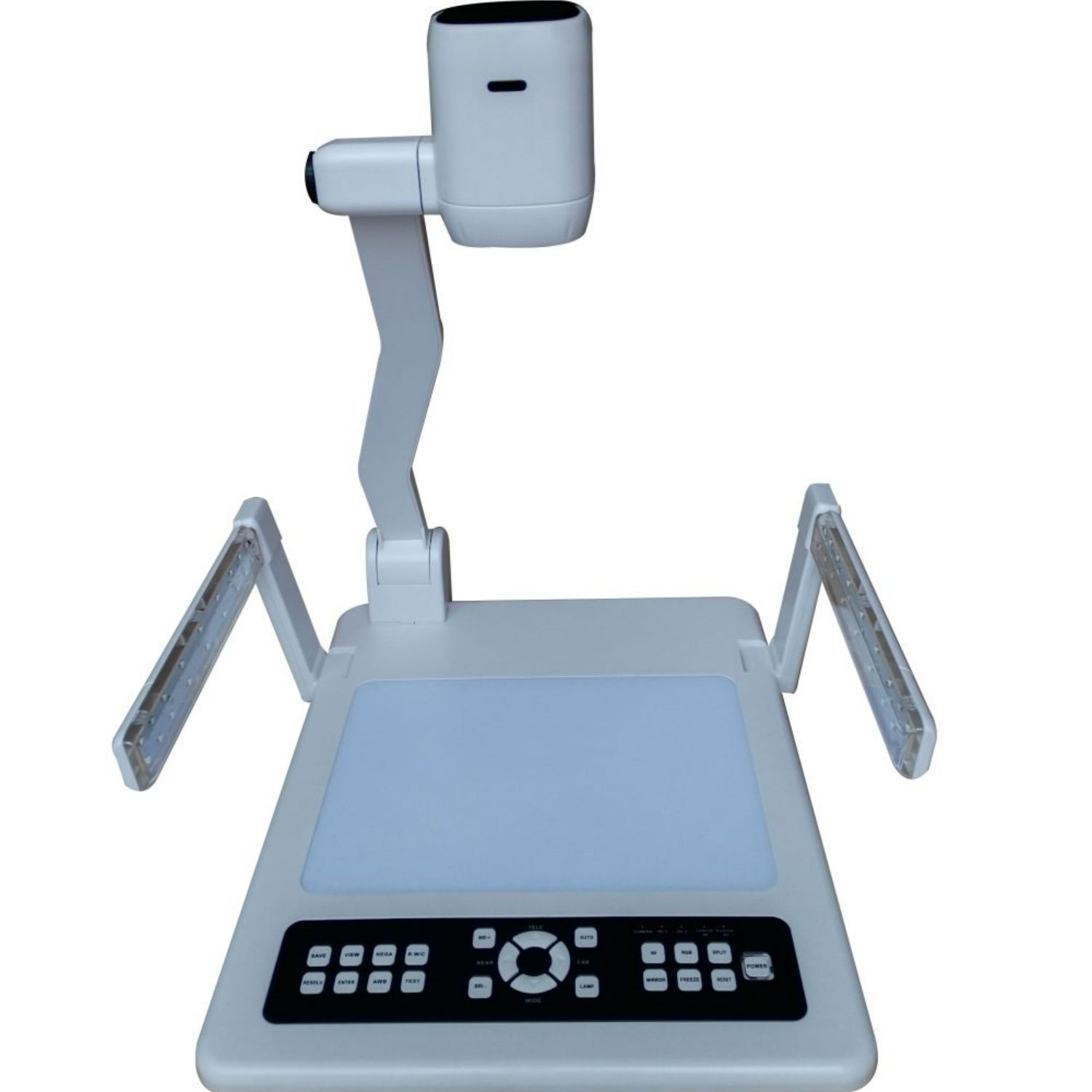
22x Optical Zoom A4 Document Camera
- 2MP CMOS sensor; VGA / USB interface
- 22x optical + 10x digital zoom
- Foldable digital presenter for desks and classrooms
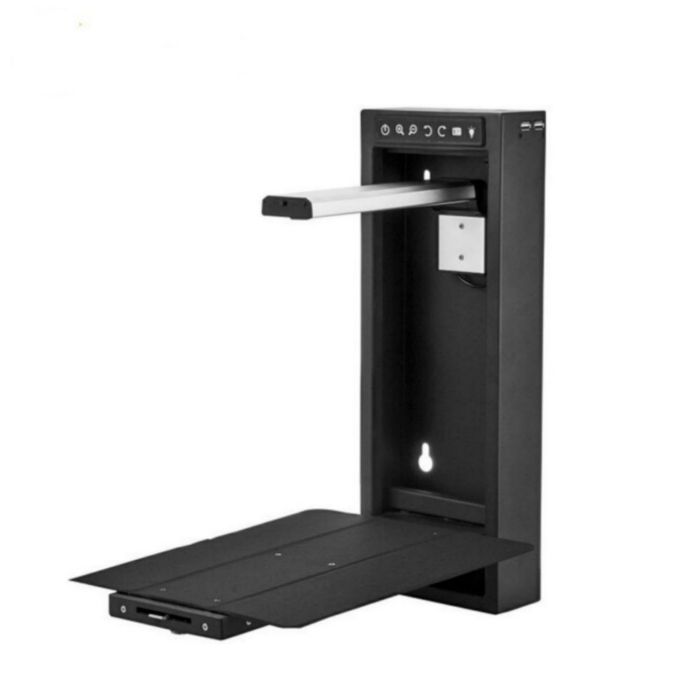
A4 10MP High-Resolution Document Scanner
- USB 5V; wall-mountable design
- OEM support, 24-bit color, SDK
- 1-year warranty; education and office stock
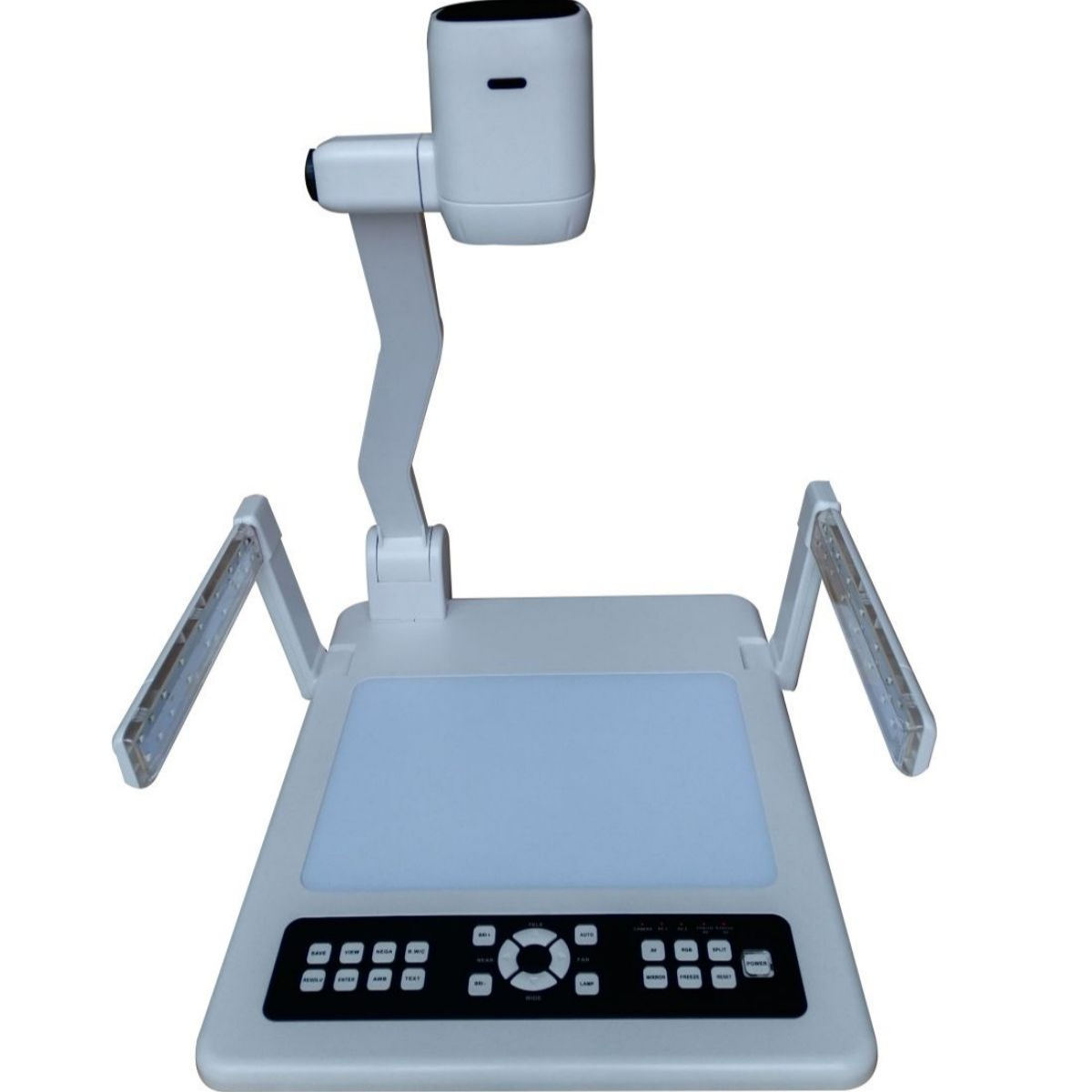
HD Optical Zoom Visual Presenter
- 1/3-inch CMOS sensor; professional document camera
- VGA and RS232 interfaces
- OEM brand support; 1-year warranty
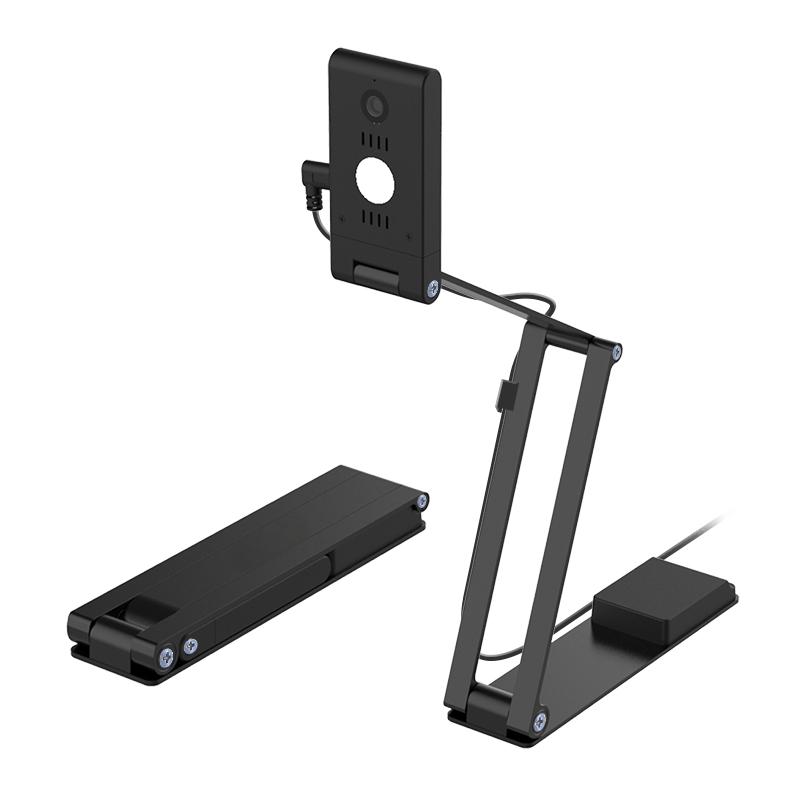
5MP 2-in-1 A3 USB Document Camera
- 5MP 1/4-inch CMOS sensor
- 10x zoom; 2-in-1 document camera and visualizer
- Value-priced model; 1-year warranty
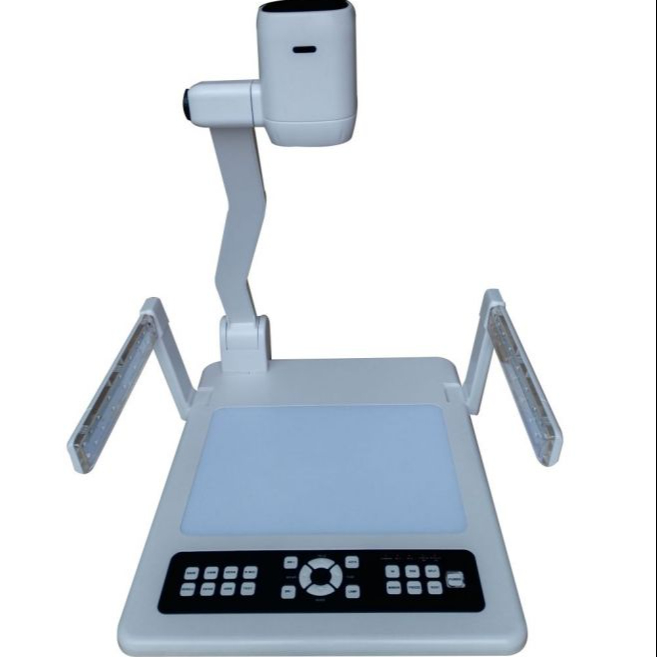
22X Optical Zoom Desktop Document Camera
- Desktop visualizer with 22X optical zoom
- HDMI, RS232, audio, microphone and video support
- Factory model for training and presentation rooms
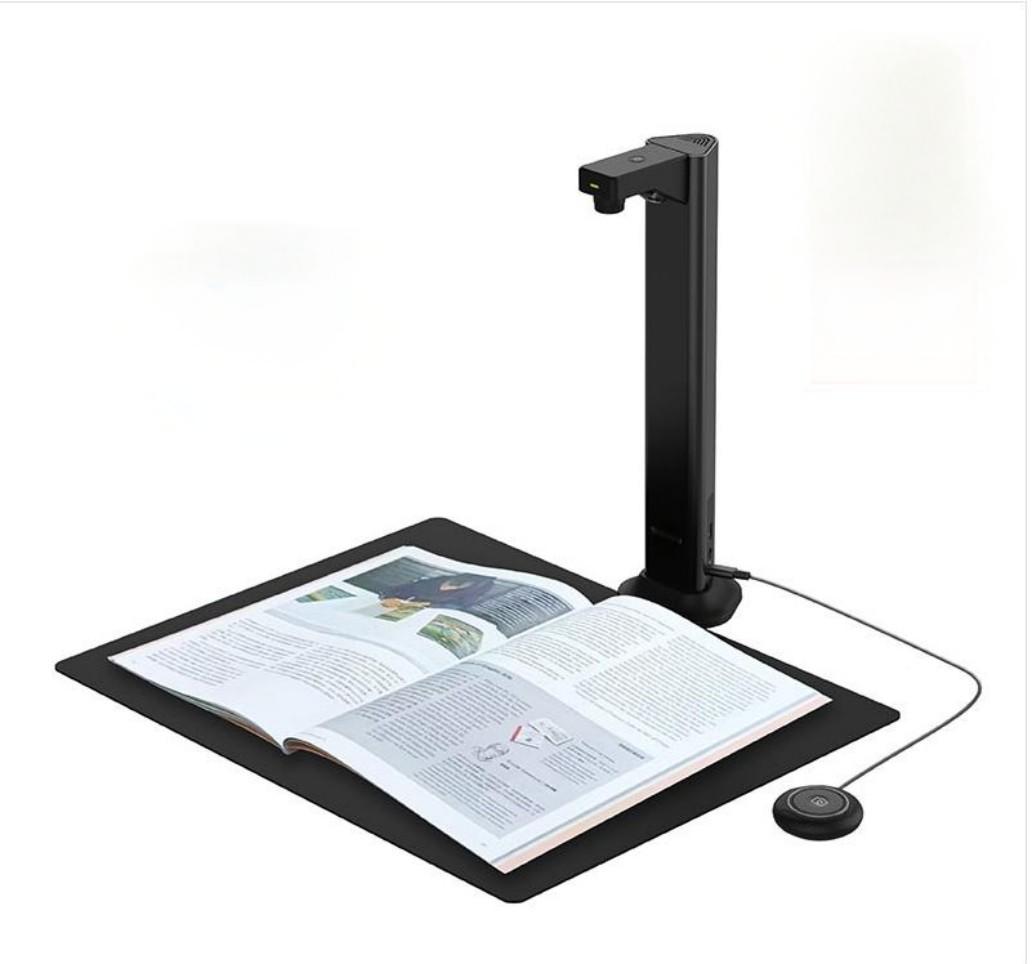
24MP UVC A3 Document Scanner
- Real 24MP capture with USB UVC output
- Text-to-speech feature
- In-stock product for education and office projects
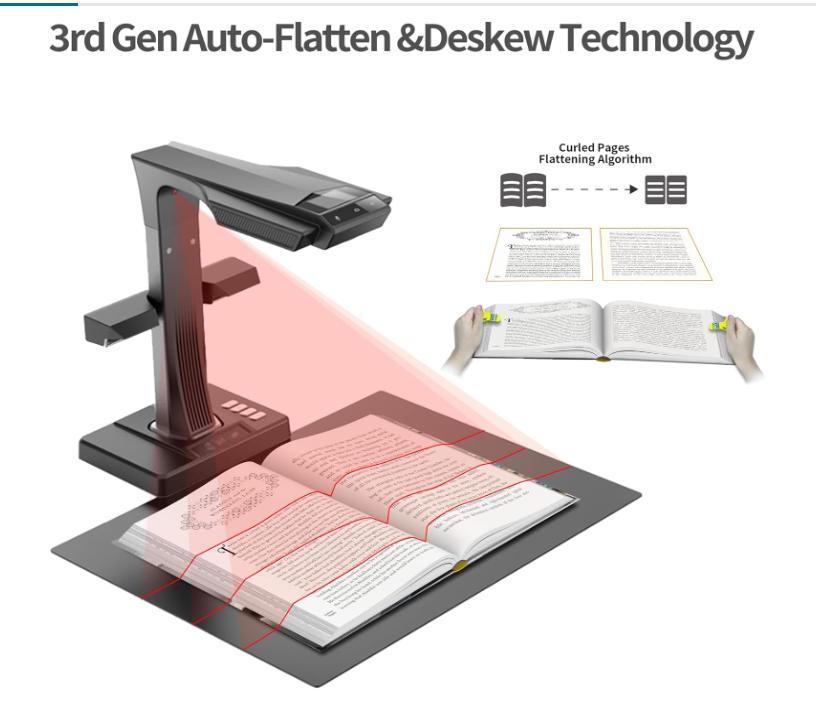
A3 24MP Book Scanner with OCR
- 4000 × 6000 pixel CMOS capture
- Auto flatten, deskew and OCR to searchable PDF
- USB visualizer for bound books and archives
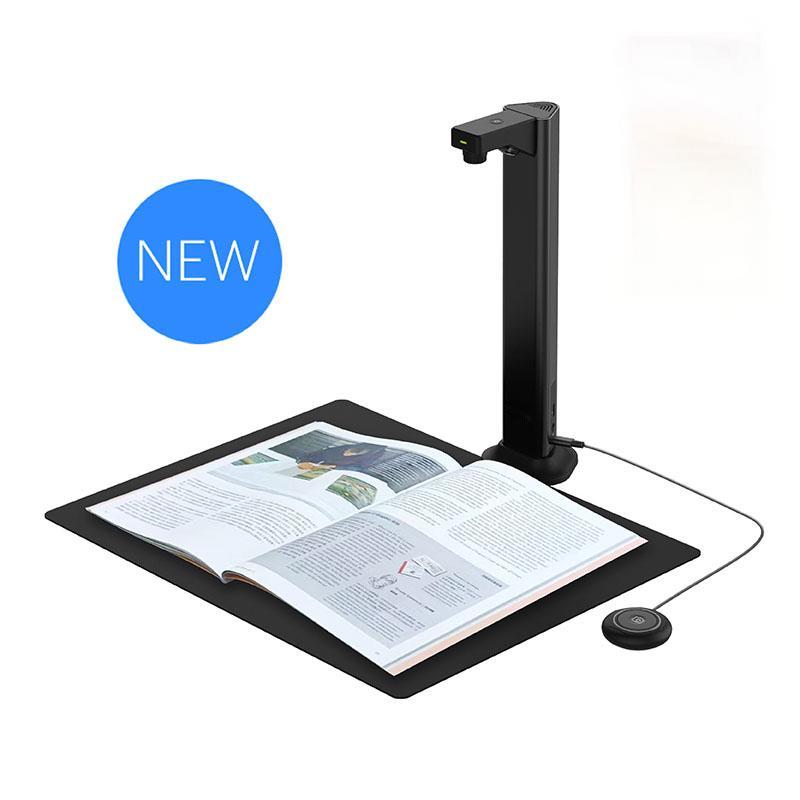
A3 18MP USB Aluminum Document Scanner
- UVC camera; aluminum body
- 1-second scan speed; OCR and text-to-speech
- In-stock model for fast deployment
For Indonesian tender projects, ask for a model comparison that includes page size, sensor, resolution at 300 dpi, OCR language, driver compatibility, warranty and packing dimensions. A sample scan made from your own F4, A3 or A2 document is more reliable than a catalogue image alone.
Supplier Signals That Matter to Indonesian Importers
Price is only one part of a scanner project. Response speed, reorder behaviour, onsite verification and model-level support reduce the risk of tender delays, driver problems and after-sales disputes.
Use these indicators as a starting point, not as a substitute for due diligence. Before awarding a tender, verify current trade records, request the latest datasheet, confirm the exact configuration, and test OCR or SDK functions with Indonesian documents.
Why A2 large format scanning is a distinct requirement in Indonesia
Indonesia is not a single-format market. Government offices, schools and many private companies still work with F4/Folio paper alongside A4, Legal and A3. Ministries, regional archives, land offices, universities, newspapers, museums and libraries also hold bound registers, broadsheet newspapers, maps, engineering drawings, posters and heritage manuscripts that exceed A3.
An A4 document camera is suitable for routine letters, ID cards and small forms, but it often crops F4 margins and cannot capture A3 spreads. An A3 model is usually the minimum for F4 and A3 office documents. An A2 large format document scanner becomes the practical choice when the original is a newspaper page, a large ledger, a map, a poster or a bound volume that must be captured in one frame without cutting the binding.
The decision is not simply “A2 or A3”. The real questions are whether the scanner can deliver the required dpi at the actual document size, preserve the binding, support Bahasa Indonesia OCR, export searchable PDF, and fit the end user’s workflow. At 300 dpi, A3 needs about 17.4 MP, while A2 needs about 34.8 MP. A 21MP A2 scanner can be useful for reading and OCR, but a 48MP A2 model is safer for archival masters and tender specifications that require 300 dpi across the full sheet.
- For A4 and F4 office files: choose 18MP or 24MP A3 book scanners where margins and OCR matter.
- For A2 newspapers, maps and large ledgers: specify 48MP A2 overhead capture for 300 dpi archives.
- For bound books: prefer non-contact CMOS overhead capture with auto flatten and deskew.
- For high-volume loose paper: consider CIS ADF models rather than an overhead scanner.
Engineer’s note for Indonesian projects
Test the scanner with actual documents, not only a clean test chart. F4 paper is longer than A4, older paper may curl, and bound volumes create spine shadow. Confirm 220–240V/50Hz adapter compatibility or USB power, ask for plug Type C/F options, and plan a UPS where mains power fluctuates. For humid and dusty locations, keep the scanner in a dry room, clean the lens and glass, and agree a spare-parts list before shipment.
CMOS overhead capture
Captures the whole page from above. Best for bound books, newspapers, maps and live presentation where the original must not be pressed flat.
CCD flatbed / bookedge
Stable color and depth of field for photos, artwork and bookedges. A zero-margin bookedge flatbed reduces spine shadow without cutting the book.
CIS / ADF automation
Efficient for loose invoices, contracts and batch files. ADF models suit paper-heavy offices, while overhead models protect fragile originals.
OCR and SDK output
Searchable PDF, text export, text-to-speech and SDK integration help Indonesian integrators build local document management workflows.
Where A2, A3 and document camera projects are used in Indonesia
Local application fit is more important than a generic “best scanner” list. The same hardware may serve a library, a government archive, a bank branch or a school if the capture area, software and warranty support match the job.
Government & SPBE digital services
Regional agencies digitize permits, civil records, land documents and service files. A3 models handle F4/A3 office files; A2 overhead scanners capture large maps and registers without dismantling bindings.
Libraries, universities and archives
Rare books, newspapers, theses and manuscripts require non-contact capture, auto flatten, deskew and OCR. A2 48MP models support broadsheets; 24MP A3 models are practical for daily book digitization.
Banking, insurance and cooperatives
Branches capture ID cards, account forms and supporting documents at service counters. Dual-lens or high-speed document cameras, OCR and SDK integration can shorten queuing and manual indexing.
Education and hybrid classrooms
Visual presenters with 22x optical zoom and HDMI/VGA output show textbooks, science demonstrations and 3D objects. A3 document cameras support teacher training and remote classes.
Newspapers, museums and publishers
Old broadsheets, maps, posters and artwork are captured at high resolution in one frame. Color fidelity, 48MP A2 capture and searchable OCR help build digital back-issue and heritage collections.
Distributors and system integrators
Indonesian resellers can combine OEM branding, SDK access, local software and service capability. This is often more valuable than a one-off lowest price, especially for government and education tenders.
Indonesia-specific trends shaping scanner demand
Digital transformation in Indonesia is not only about new software. It also depends on converting paper, bound volumes and non-standard formats into searchable, compliant and usable digital records.
E-government and SPBE momentum
Public services increasingly require searchable archives, audit trails and interoperable records. A2/A3 capture supports the paper-to-digital step before documents enter a DMS or case-management platform.
Preservation-first digitization
Archives, libraries and museums prefer non-contact capture for fragile or bound originals. Auto flatten, deskew and OCR reduce manual post-processing while protecting the physical collection.
Classroom visualization and hybrid learning
Schools and training centres need live cameras with optical zoom, HDMI/VGA output and simple controls. Visual presenters are easier to deploy than complex multi-camera studio systems.
F4/Folio remains common
Many Indonesian offices still use F4/Folio paper. Buyers should test the scanner with F4, not only A4. An A3 capture area usually provides safer margins for OCR, signatures, stamps and annotations.
Language and OCR localization
Bahasa Indonesia OCR, English OCR, searchable PDF and text-to-speech should be tested with real documents. OCR quality depends on scan resolution, contrast, skew and the software language pack.
Operational localization
Buyers ask about 220–240V/50Hz power, Type C/F plugs, humidity, dust, spare parts and remote technical support. These details influence total cost of ownership more than a small unit-price difference.
A2, A3 and F4 resolution planning at 300 dpi
Megapixels only matter in relation to paper size. Use this table to calculate the practical sensor class before comparing quotations. Always add a 5–10% margin for crop, deskew and OCR.
| Document format | Common size | Pixels at 300 dpi | Practical sensor class | Typical Indonesian use |
|---|---|---|---|---|
| A4 | 210 × 297 mm | 2480 × 3508 ≈ 8.7 MP | 10MP–18MP | Letters, forms, ID supporting documents and routine office records |
| F4 / Folio | approx. 215 × 330 mm | 2540 × 3898 ≈ 9.9 MP | 18MP A3 recommended for margins | Government files, school documents, invoices and stamped forms |
| A3 | 297 × 420 mm | 3508 × 4961 ≈ 17.4 MP | 18MP–24MP | Book spreads, drawings, larger forms and archive folders |
| A2 | 420 × 594 mm | 4961 × 7016 ≈ 34.8 MP | 48MP for full-sheet 300 dpi | Newspapers, maps, posters, large ledgers and heritage documents |
| Photos / art | Variable | 600–2400 dpi optical | 48-bit flatbed / CCD | Artwork, photographs, bookedge material and color-critical records |
Calculation note: 1 inch = 25.4 mm. If a tender asks for 300 dpi on A2, a 21MP overhead scanner is unlikely to meet the full-sheet requirement. Specify a 48MP A2 model and ask for a sample scan with a measuring scale or test chart.
Power and connectivity
Confirm 100–240V adapter or USB power, 220–240V/50Hz operation, Type C/F plug options, USB cable length and HDMI/VGA needs for visual presenters. Use a UPS where power fluctuates.
OCR and output
Test Bahasa Indonesia and English OCR, searchable PDF, text export and text-to-speech. Scan a real page with stamps, signatures, tables and mixed fonts before approval.
Software and SDK
Check Windows and macOS compatibility, including any Apple M1 environment used by the client. For integrators, confirm SDK scope, driver installation and API documentation before the tender.
Warranty and spares
Listed models commonly carry a 1-year warranty. Agree remote support, DOA handling, packing standard and a spare-parts list so Indonesian end users can maintain uptime.
Why Guangzhou Quibow Electronic fits Indonesia-focused scanner projects
Guangzhou Quibow Electronic Co., Ltd. is a technology-driven supplier focused on image data acquisition and conversion. The company develops and supplies photoelectric information equipment, including high-speed document cameras, book scanners, flatbed scanners and ID card recognition cameras, across CIS, CMOS and CCD imaging platforms.
Platform breadth
Product planning spans CIS, CMOS and CCD platforms. That makes it possible to match the sensor to the document, rather than forcing every project into one hardware type.
OEM / ODM support
Logo printing, packaging, housing color, capture-software branding and SDK integration are available on selected models, subject to project volume and technical review.
Export communication
The supplier profile states ≤1h average response time, 100% message response rate and a 27% buyer reorder rate. These signals help procurement teams start a structured technical conversation.
Quality inspection focus
Inspection attention is placed on focus, lighting uniformity, driver installation and capture speed. For Indonesian humidity and dust conditions, packing and user maintenance guidance should also be confirmed.
 Company video introduction: imaging products and workspace
 Guangzhou-based supplier environment and export support
 Book scanner, document camera and flatbed product display
Company profile context: business type is a trading company with onsite-checked status; location Guangzhou, Guangdong, China; established 2020; annual revenue US$1M–US$2.5M; team of 5–10 specialists; main markets include Eastern Europe, North America and South America. For Indonesia, confirm model-level compatibility, current trade records and project-specific documents before purchase.
From requirement to delivery in five steps
A transparent workflow helps procurement teams in Jakarta, Surabaya, Bandung, Medan, Batam and other Indonesian markets plan evaluation, samples, branding and shipment.
Requirement review
Confirm document sizes, binding, daily volume, OCR language, software, interface and destination city.
Model matching
Match A2 48MP, A3 18/24MP, bookedge flatbed, ADF or visual presenter to the real workflow.
Customization
Logo, packaging, housing color, software branding, OCR languages and SDK integration on selected models.
Quality inspection
Check focus, lighting uniformity, driver install, capture speed and accessories before packing.
Shipping and support
Export packing, documents and remote setup support, with a 1-year warranty on listed models.
Payment methods
T/T, L/C, PayPal and Western Union
Payment currency
USD, EUR, HKD and CNY
Delivery terms
FOB, EXW and DDU, subject to final quotation
Questions Indonesian buyers ask most
These answers reflect the current catalogue and supplier profile. Confirm the exact model, configuration, certification requirement and trade terms before issuing a purchase order or tender response.
What is the minimum order quantity for an A2 large format document scanner shipped to Indonesia?
Most stock book scanners, A2 large-format scanners and flatbed scanners start from 1 piece or 1 set. Several document camera models start from 2 pieces. OEM/ODM quantities are confirmed per project, especially when custom packaging, logo, housing color or SDK work is required. For mixed orders, ask for carton dimensions and pallet planning before booking freight.
Do you support OEM and ODM orders for Indonesian distributors and tender brands?
Yes. OEM/ODM support can include logo printing, packaging, housing color, capture-software branding and SDK integration on selected models. For a tender project, provide the target specification, estimated annual volume, required language, software environment and any documentation the end user expects. The final scope is confirmed after technical review.
Are the scanners compatible with Windows and macOS?
Many models, including A2 large-format scanners and selected A3 flatbed scanners, support Windows and macOS, and some are verified on Apple M1 Macs. Compatibility is model-specific. Test the actual client laptop with the exact operating system, driver and capture software before approval, particularly for government, bank or university environments with restricted IT policies.
How many megapixels do I need for A3, F4 or A2 scanning at 300 dpi?
An A3 page at 300 dpi requires about 3508 × 4961 pixels, or roughly 17.4 MP, so an 18MP or 24MP scanner is suitable. F4/Folio is longer than A4; an A3 model provides safer margins. An A2 sheet at 300 dpi requires about 4961 × 7016 pixels, or roughly 34.8 MP, so a 48MP A2 scanner is recommended for archival masters. Always add working margin for crop, deskew and OCR.
What payment and delivery terms can be used for Indonesia orders?
The supplier profile lists T/T, L/C, PayPal and Western Union, with USD, EUR, HKD or CNY currencies, and FOB, EXW or DDU delivery terms. Indonesian buyers typically arrange freight forwarding to Jakarta, Surabaya, Batam or another destination. Import duties, taxes, local port charges and any required licenses are confirmed with the importer and forwarder before shipment.
What warranty and after-sales support is available?
Listed models such as A3 flatbed scanners, A2 overhead scanners and selected ADF scanners commonly carry a 1-year warranty, backed by remote technical support. Before ordering, agree the DOA process, spare-parts list, user maintenance guidance, packing standard and support escalation path. For humid and dusty sites, include lens/glass cleaning instructions and a practical backup plan.
Can the OCR read Bahasa Indonesia and produce searchable PDF or text-to-speech?
Selected models offer OCR, searchable PDF, text export and text-to-speech features. Bahasa Indonesia OCR depends on the software language pack and the quality of the source scan. Send representative pages with real fonts, stamps, tables and signatures for a sample test. Resolution, contrast, skew and page curvature all affect OCR accuracy.
What should be included in a sample scan request?
Provide one or more representative originals: A4, F4, A3 or A2; loose or bound; normal office paper or fragile archive paper. State the target output — searchable PDF, image, text or SDK integration — plus OCR language, daily volume, destination city and tender deadline. A sample scan produced from your own document is the fastest way to confirm the right sensor and resolution class.
Can you support tender documentation, datasheets and model comparisons?
Yes. A supplier can provide model descriptions, key specifications, packing details and commercial terms for evaluation. Certification requirements, interface details and software functions must be confirmed for the exact model and destination. Do not assume that one datasheet applies to every configuration; request the current document set before submitting the tender.
Get a model match, sample scan plan and OEM/ODM quotation
Share your document sizes (A4, F4, A3 or A2), binding type, daily volume, OCR language, software or SDK needs, destination city and tender deadline. The team can then recommend a practical scanner shortlist and the next verification step.
For faster matching, include sample pages and the target dpi. Model availability, warranty and delivery terms are confirmed in the final quotation.