Surabaya buying context
Why A2 Book Scanner Factories & Exporters for Surabaya Need More Than a Price List
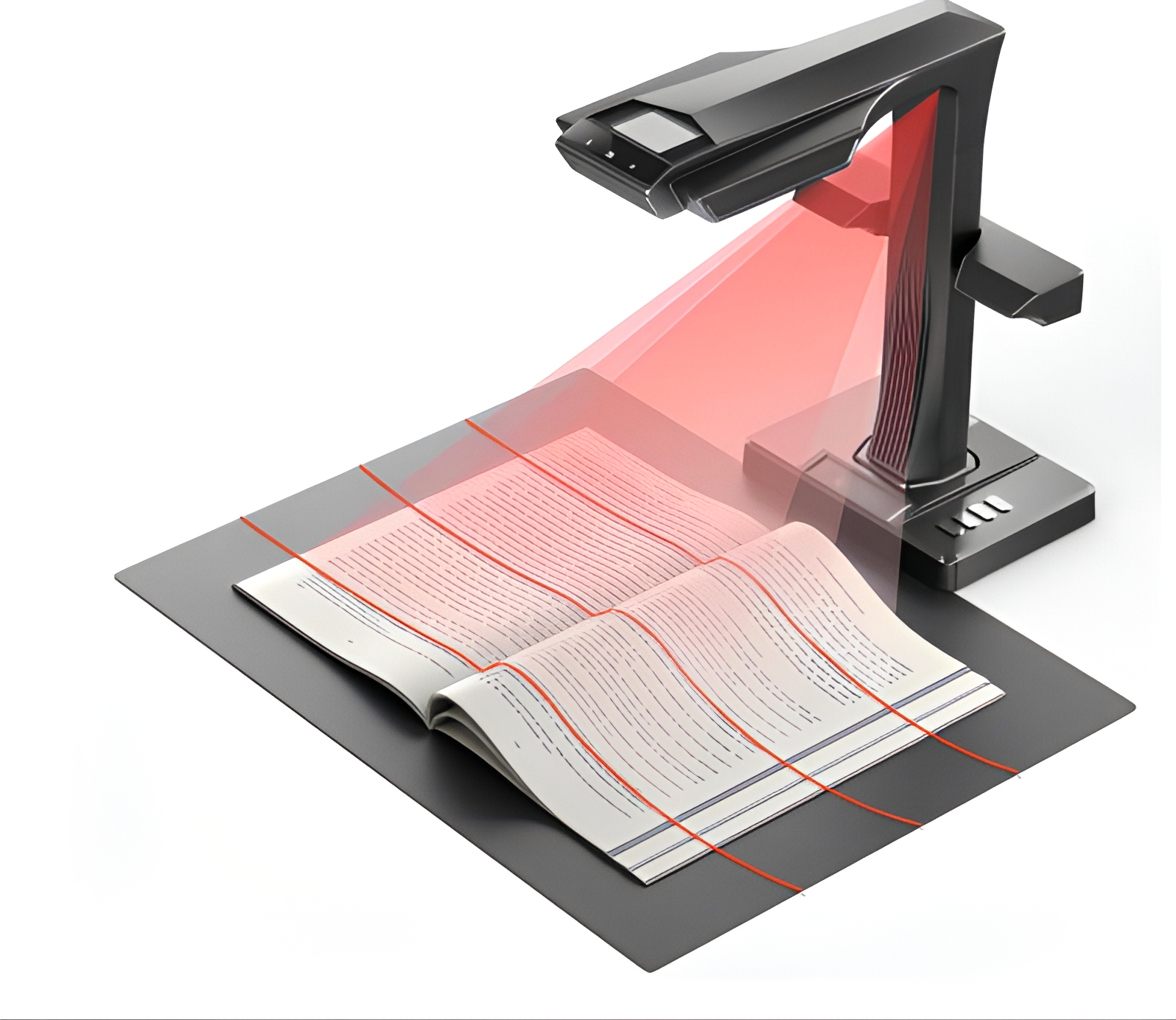
Surabaya is a working city of records. As East Java’s administrative, academic and logistics centre, it connects campus libraries, municipal offices, courts, banks, port operators, publishers and growing private archives. A buyer searching for A2 book scanner factories and exporters for Surabaya is usually not looking for a single office gadget; they are building a route from paper to searchable files. The document set may include a tightly bound textbook, a 1970s newspaper, a land certificate, a shipping manifest, an F4 student file or a collection of handwritten notes. Each format changes the sensor, capture area, lighting and software decision.
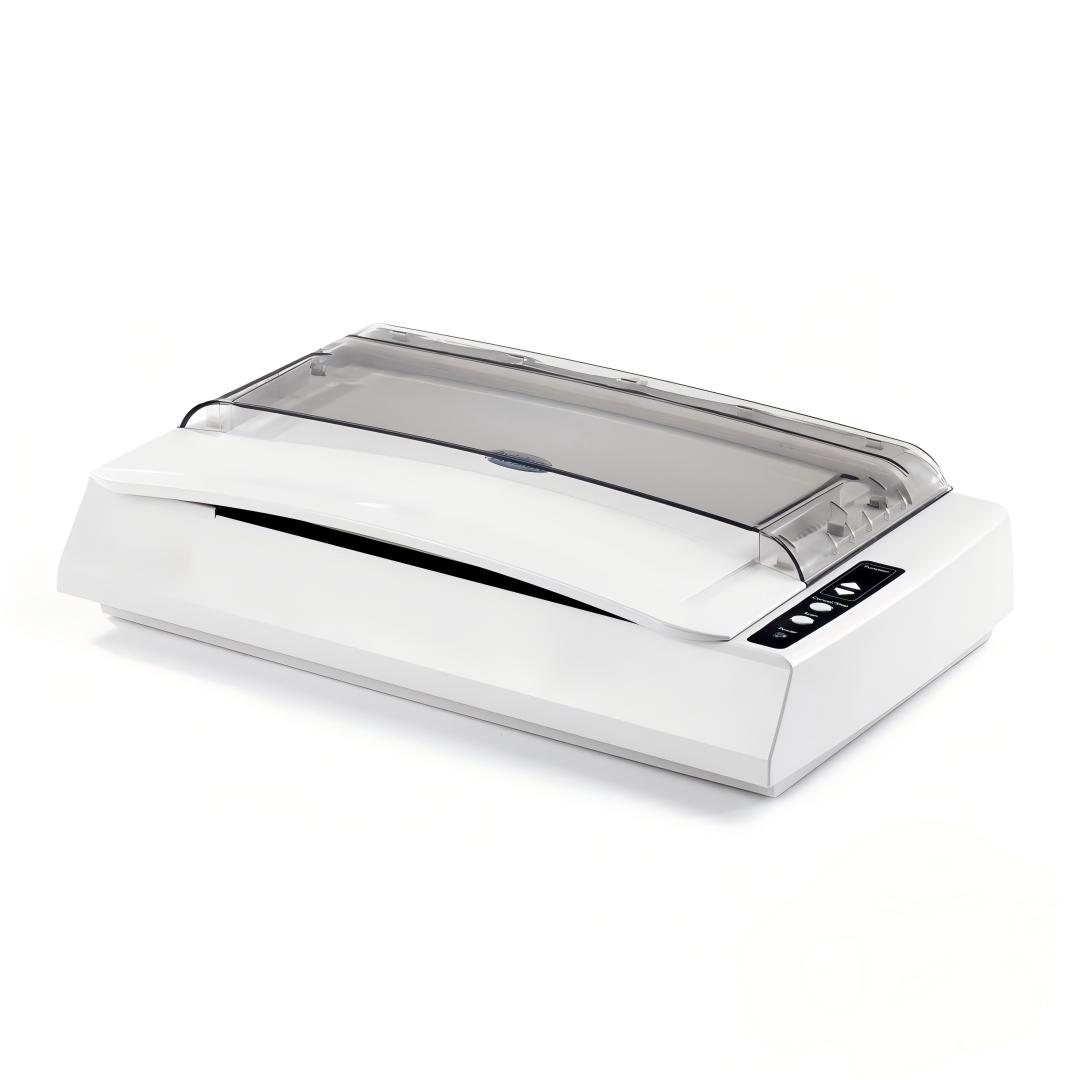
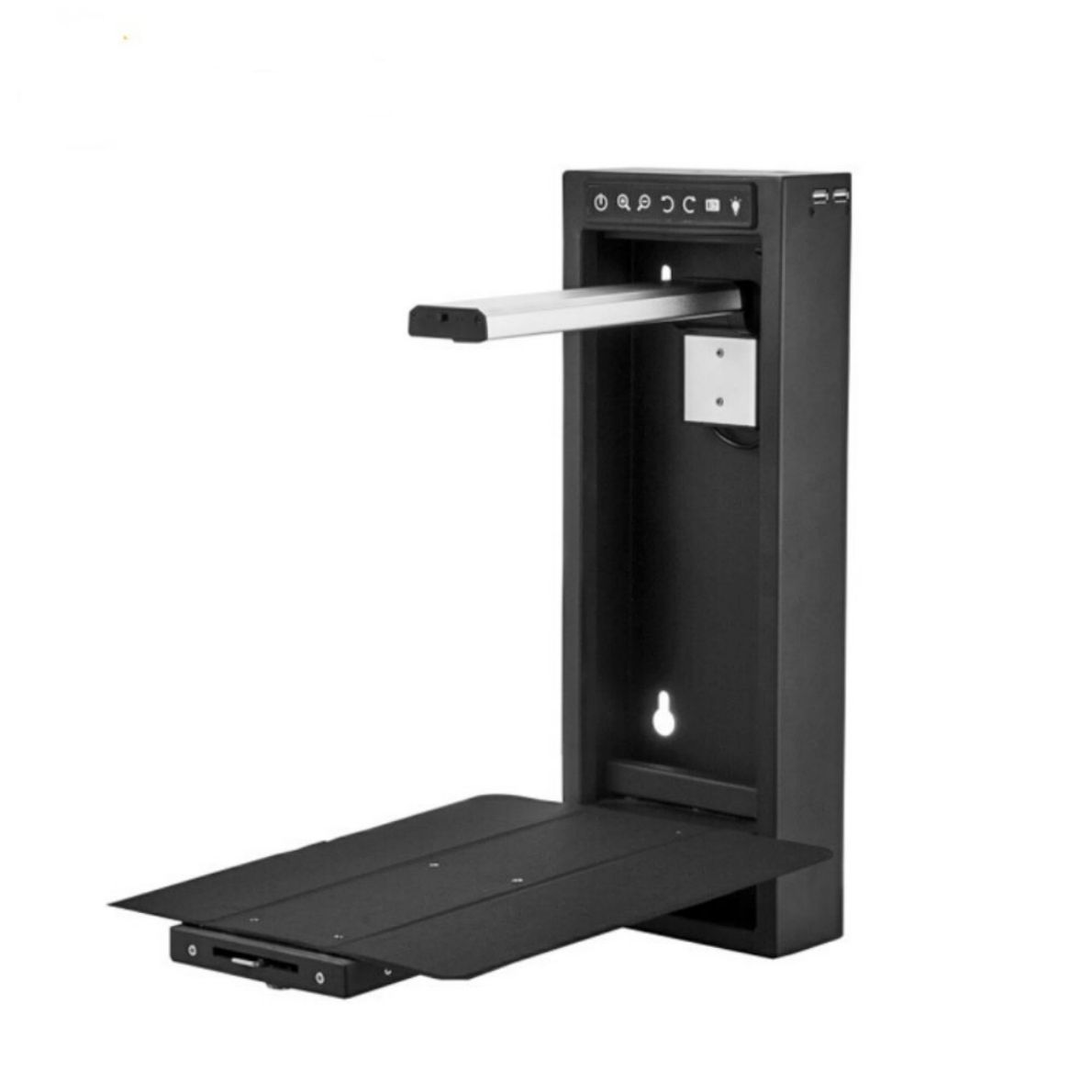
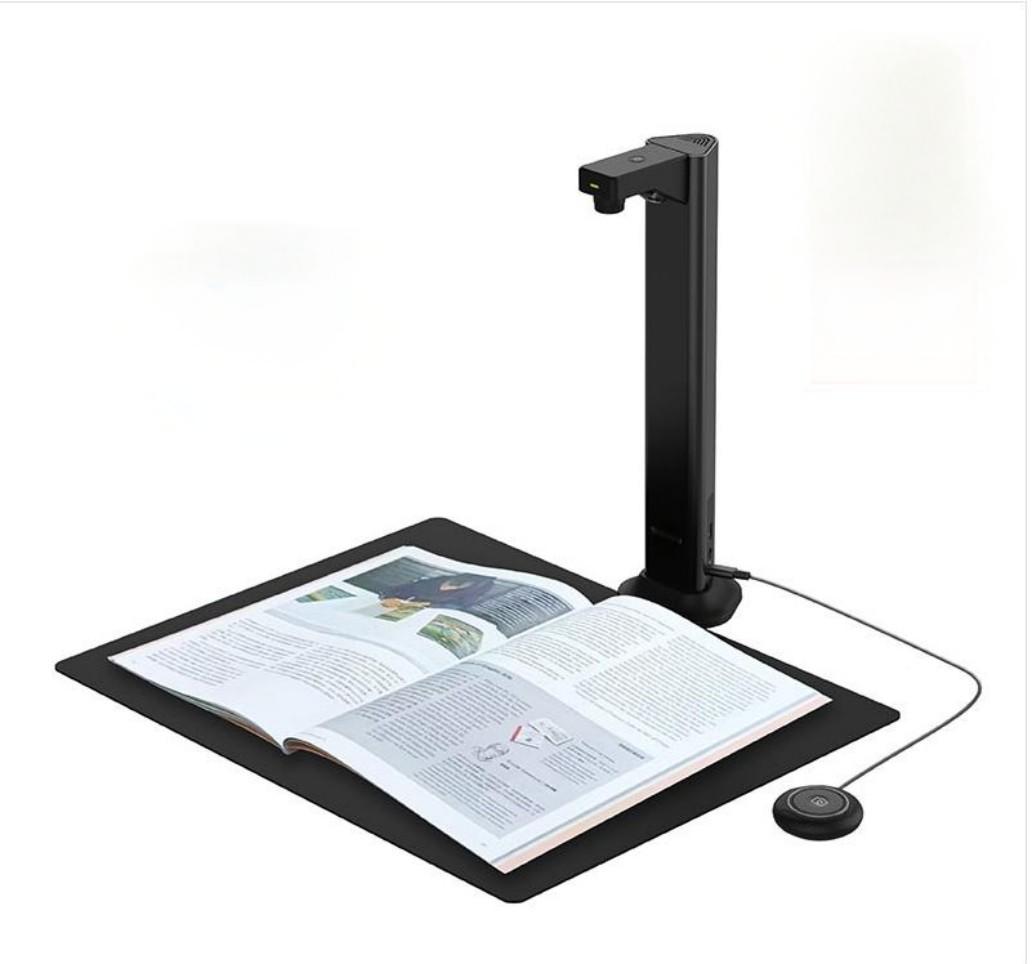
The first practical distinction is format. A4 bookedge scanners protect fragile volumes and let staff scan close to the spine, but they are slow for large-format work. A3 overhead scanners handle most books, reports and administrative files without contact, making them a strong everyday workhorse. A2 overhead scanners are needed when the page itself is the challenge: broadsheet newspapers, maps, architectural drawings, large ledgers and port documentation. Many Surabaya projects work best with a mixed fleet rather than one model for every job.
The second distinction is workflow. A device can have a high megapixel count and still fail a tender if the software cannot flatten curves, remove finger edges, deskew pages, produce searchable PDFs or export to a document management system. For Indonesian buyers, Bahasa Indonesia OCR, F4 paper handling and a clear after-sales path matter as much as the camera. Our role as a Guangzhou supplier is to test the real document, not just quote a sensor.
Engineer’s note: At 300 dpi, A2 needs about 34.8 MP before crop and deskew. A 48MP A2 scanner is the safer archival choice; an 18–24MP A3 scanner is usually sufficient for 300 dpi A3 work.