4K Document Cameras, Visual Presenters & Book Scanners for U.S. Buyers
For American procurement teams, the right model depends on whether the job is live classroom presentation, archival capture, OCR conversion or high-volume public-record intake. The eight current catalogue products below retain their original product URLs. Images are displayed in full, not cropped, so buyers can compare lens type, capture footprint and form factor before requesting sample scans.
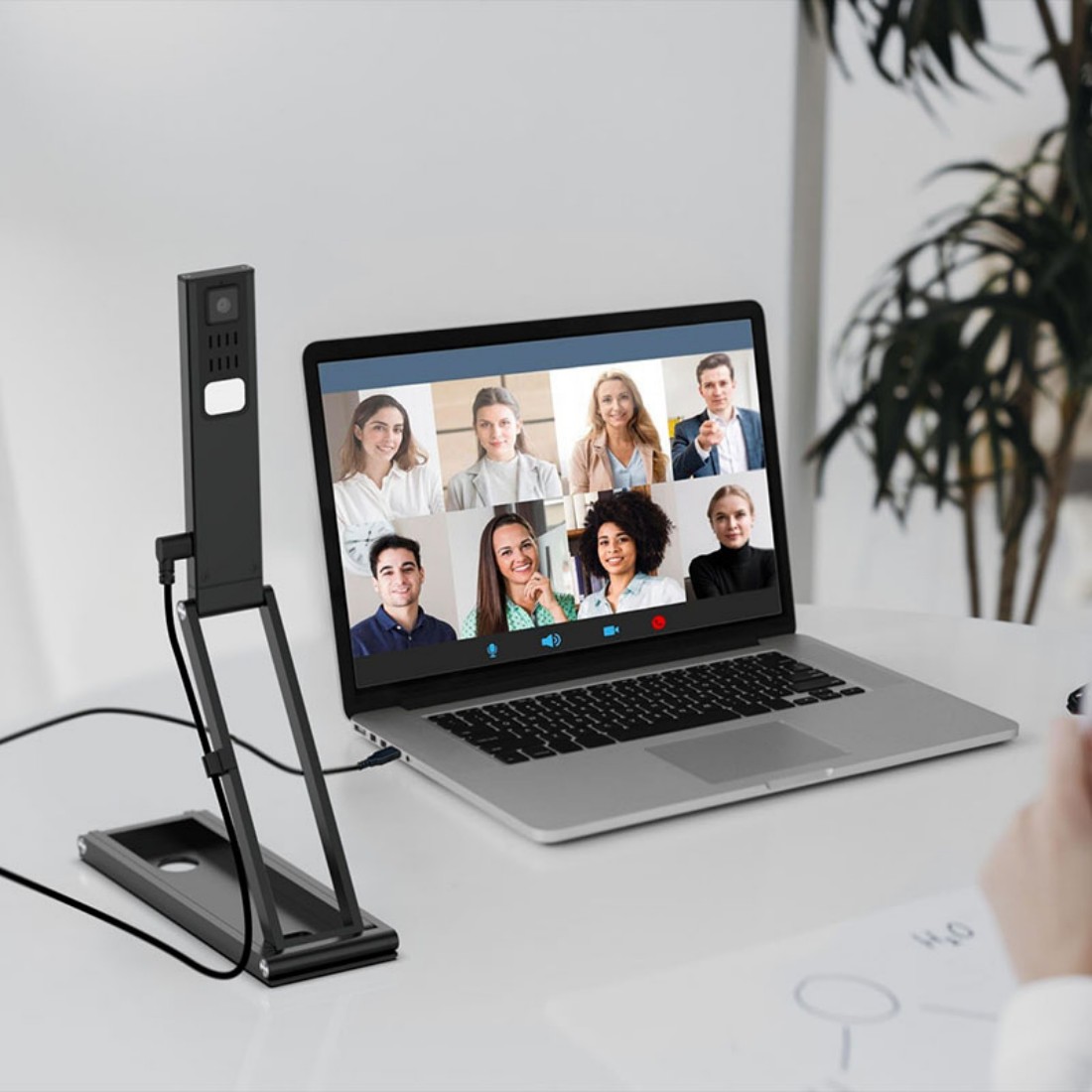
A3 4K Visual Presenter Document Camera with USB Interface for School Training Teaching Meetings Featuring Webcam Function
- A3 capture for worksheets and objects
- 4K-class display output for modern classrooms
- USB webcam function for hybrid meetings
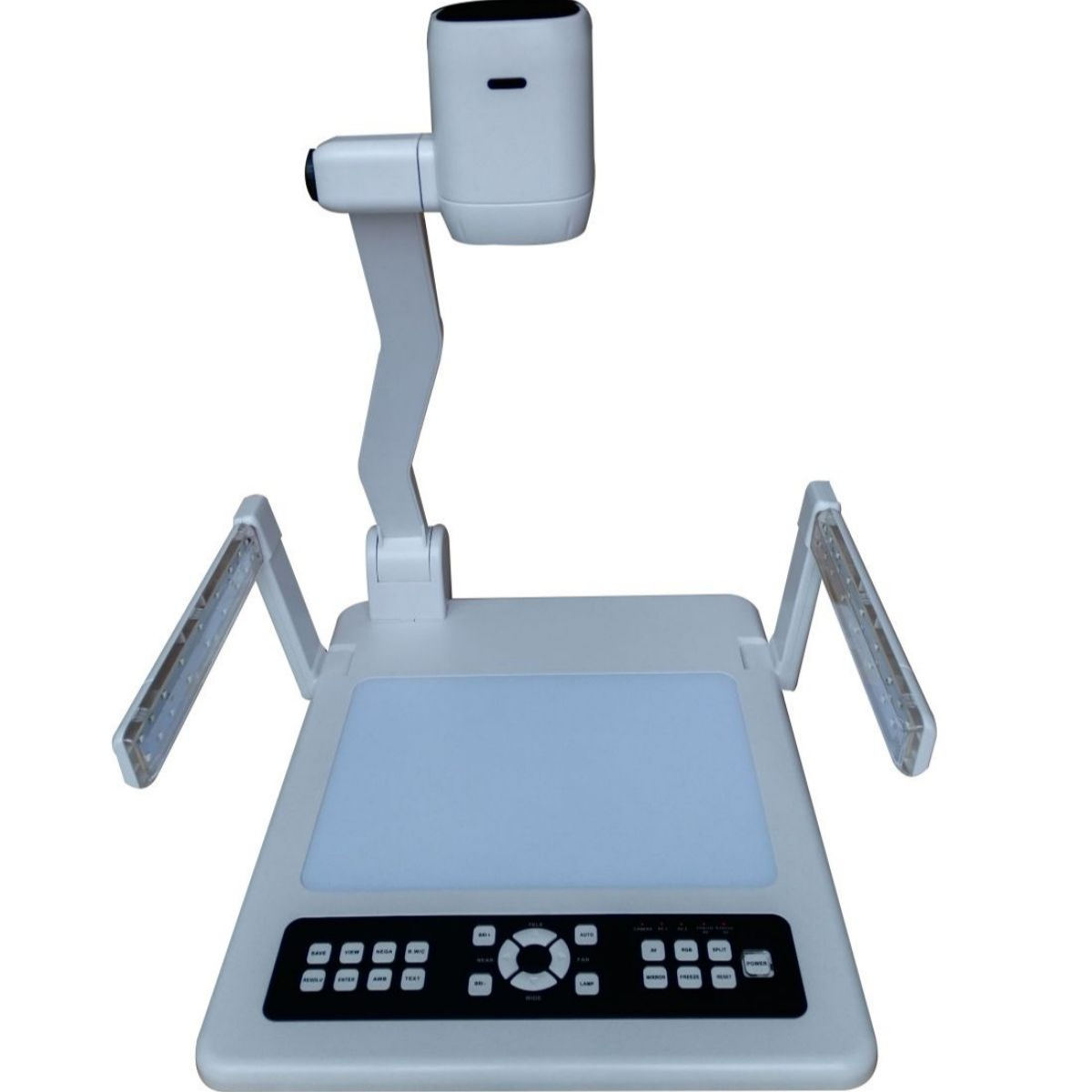
HD Optical Zoom Visual Presenter 1/3" CMOS Sensor 1-Year Warranty OEM Brand GUA Origin Professional Document Camera VGA RS232
- 1/3-inch CMOS sensor
- VGA and RS232 control options
- OEM brand support for integrators
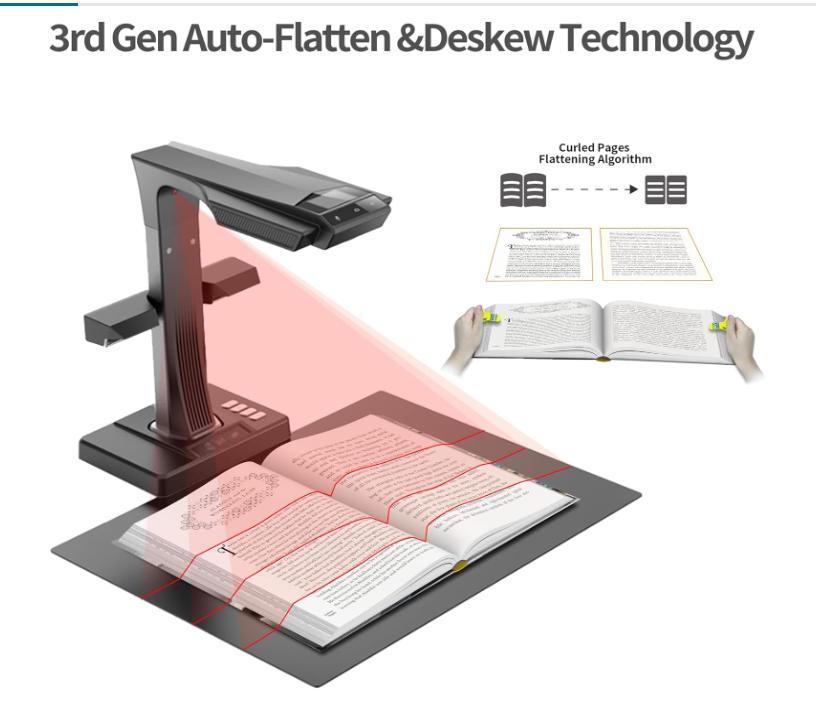
A3 24MP Book Scanner Auto Flatten Deskew CMOS Document Digitizer 4000x6000 USB Visualizer OCR Searchable PDF
- 4000 × 6000 pixel CMOS capture
- Curve flattening and automatic deskew
- OCR-ready searchable PDF workflow
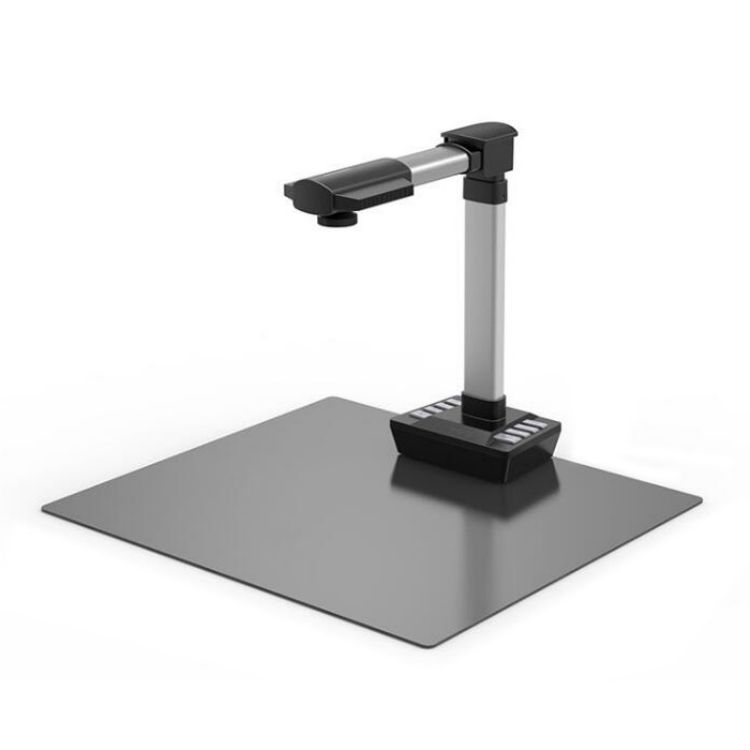
High Resolution Portable A3 Library Book Scanner with Foot Controller USB Interface Automatic Document Scanner Stock Product
- Hands-free foot pedal capture
- A3 library and archive format
- USB interface for on-site digitization
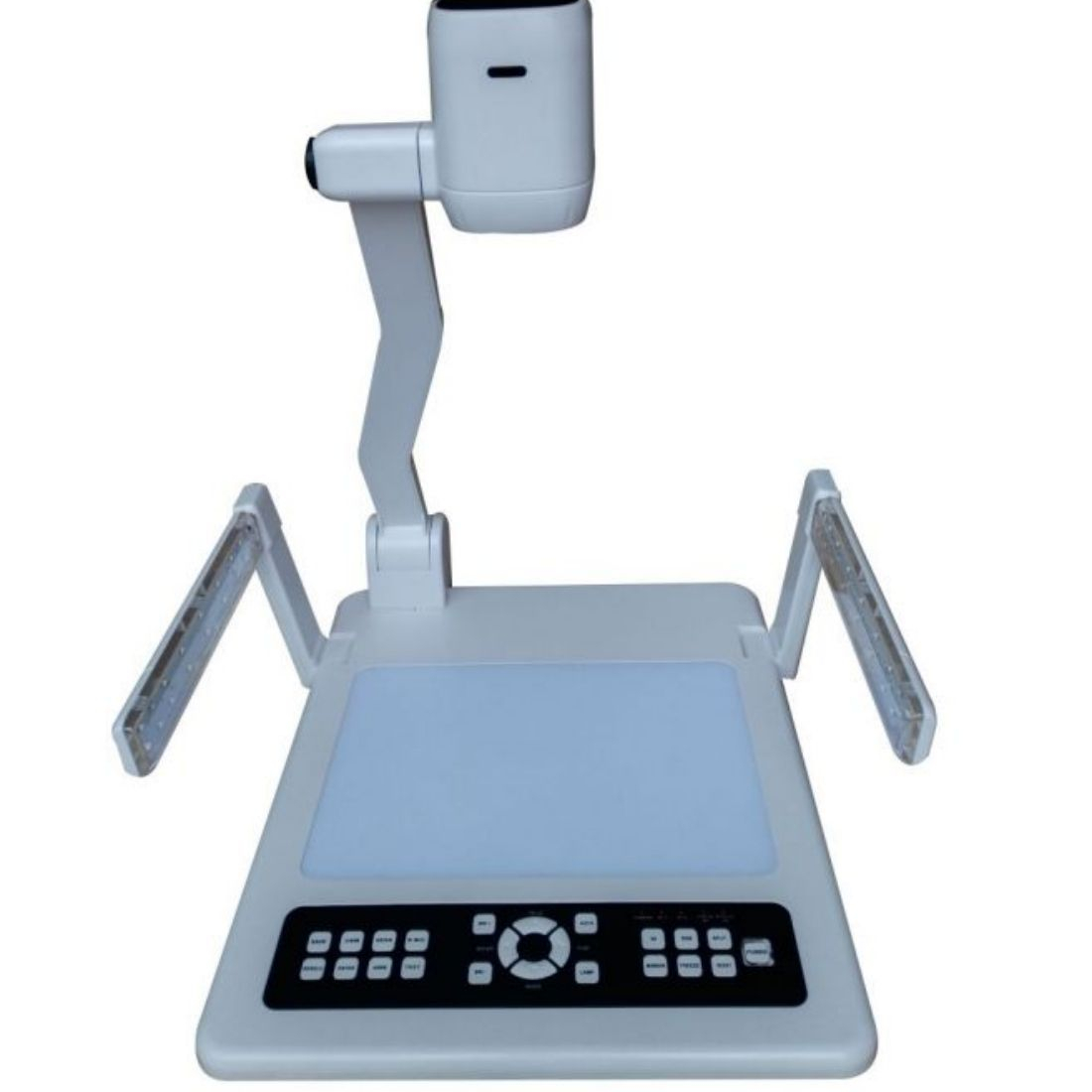
Factory 22X Optical Zoom Desktop VGA HD MI Audio Interface High Resolution Document Camera Visualizer
- 22x optical zoom for fine detail
- Desktop visualizer form factor
- VGA, HDMI and audio interface options
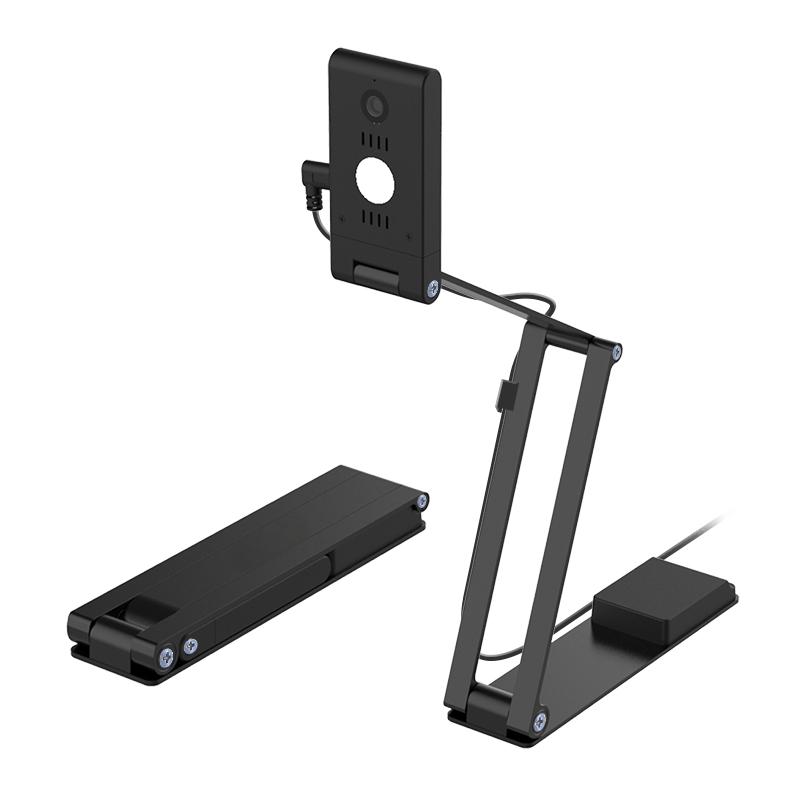
Value Priced 2-in-1 USB Digital Document Camera Visualizer A3 with 5MP 1/4" CMOS Sensor 10x Zoom 1-Year Warranty
- 5MP CMOS sensor with 10x zoom
- 2-in-1 A3 visualizer and USB camera
- Budget-conscious classroom deployment
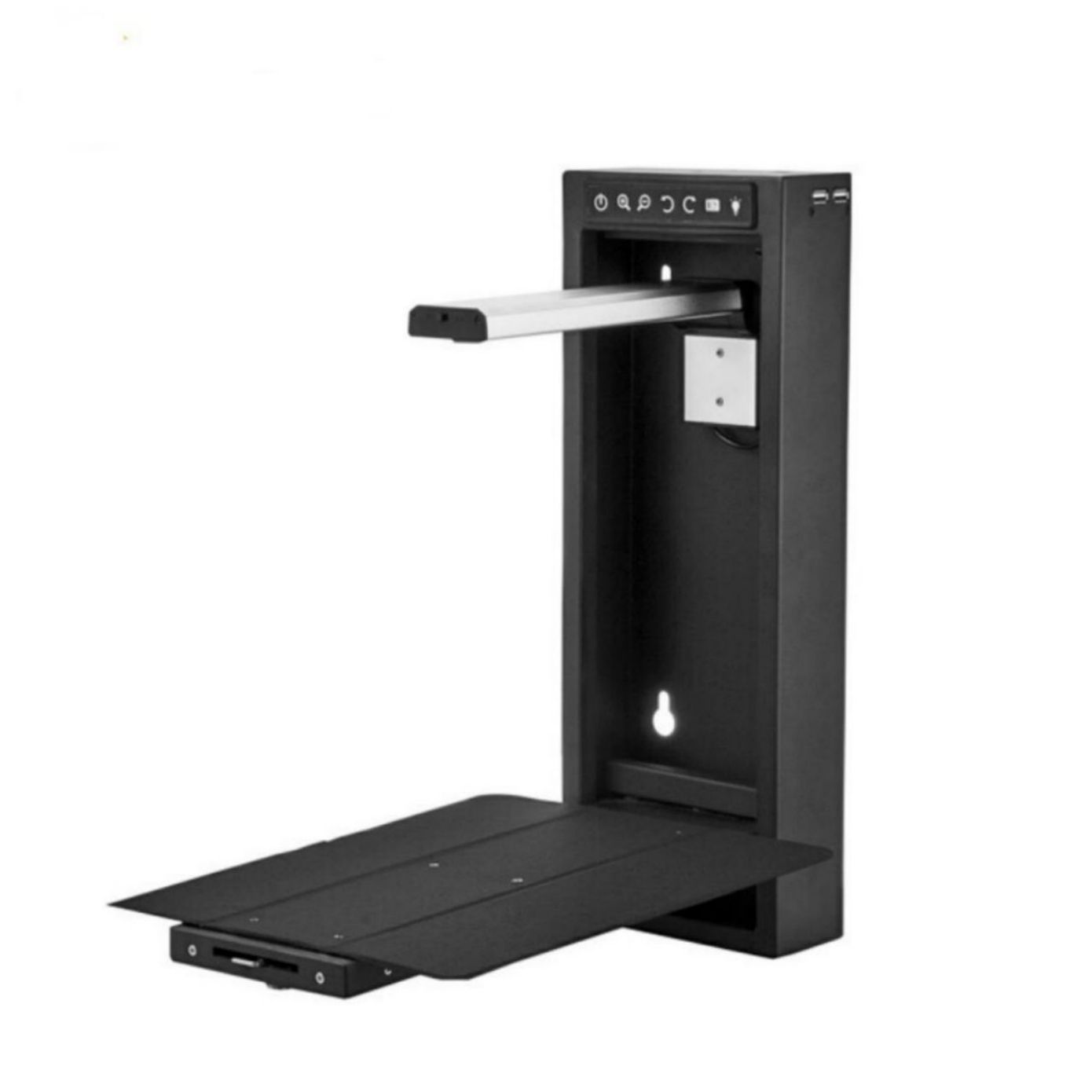
10MP USB CMOS Document Camera Wall Mount Scanner with 1-Second Scan Speed 1-Year Warranty in Stock Classroom Education A4 SDK
- Wall-mounted A4 capture position
- 1-second scan speed for service counters
- SDK support and in-stock supply
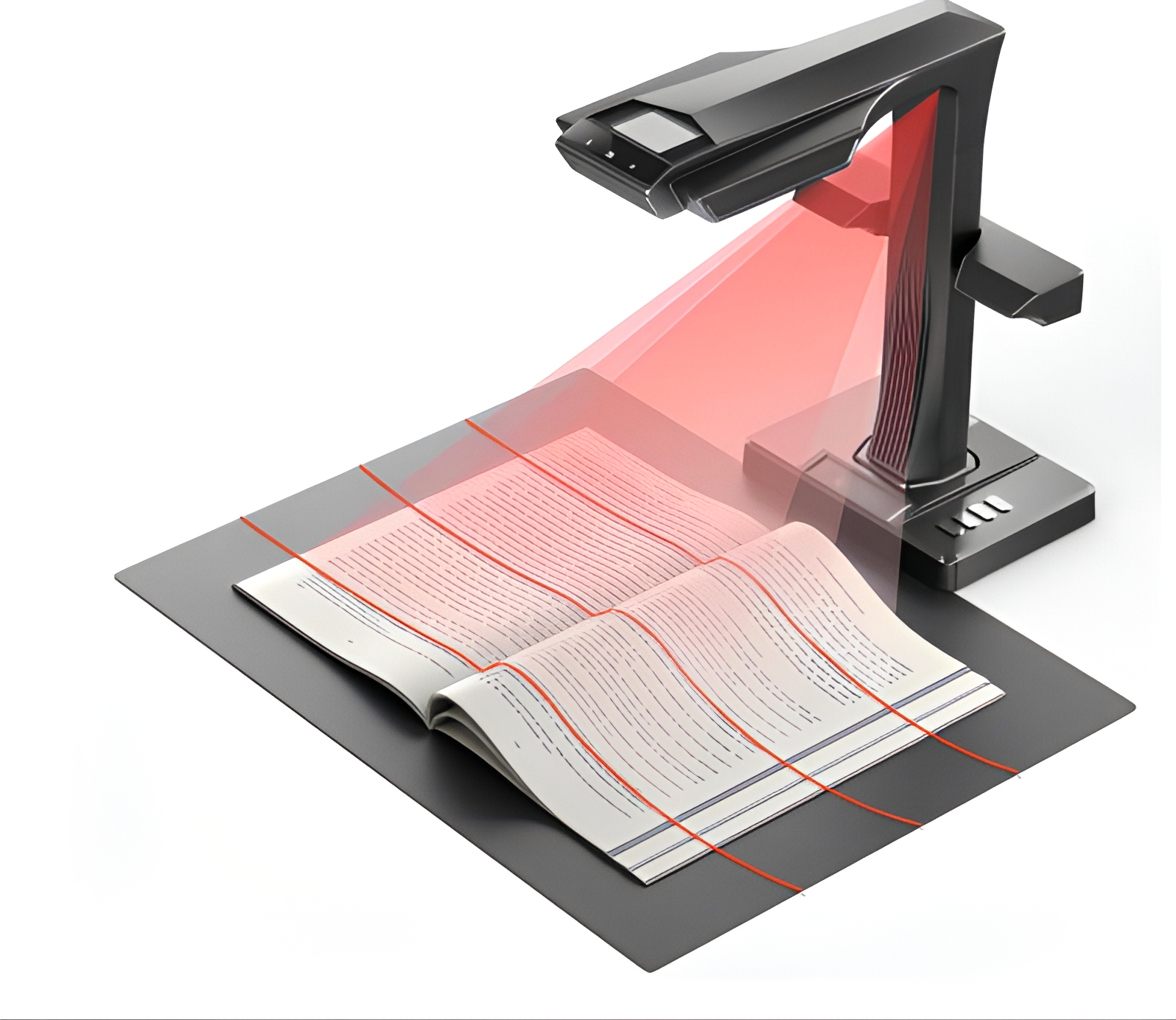
Book Scanner 38MP A3 Document Camera Auto Curve Flattening High Speed Overhead Scanner for Library Office
- 38MP high-resolution A3 capture
- Auto curve flattening for bound books
- Library, archive and office digitization
A 4K Document Camera Supplier U.S. Buyers Can Actually Verify
Guangzhou Quibow Electronic Co., Ltd. is an onsite-checked supplier founded in 2020 and located in Guangzhou, Guangdong, China. The company focuses on image data acquisition and conversion: high-speed document cameras, book scanners, flatbed scanners and ID-card recognition cameras. Its small specialist team shortens the path between a technical question and a commercial answer.
Factory-Aligned Product Range
Quibow coordinates manufacturing partners across CIS, CMOS and CCD imaging. For buyers searching for “4K document camera factories,” the practical test is not a label but control over sensor choice, optics, interface, software and after-sales execution.
OEM / ODM Without Losing Accountability
Logo printing, packaging, housing color, capture-software branding and SDK integration are available on selected models. The commercial team stays accountable for model matching, sampling, export documentation and warranty coordination.
SDK and Integration Support
U.S. AV integrators, kiosk builders and records-management vendors can discuss USB capture, OCR output and SDK access before committing to a deployment. Compatibility is confirmed model by model, not assumed from a category page.
Verifiable Trade Records
Independent platform records include supplier assessment, credit overview, ratings, trade capacity, transaction level and trade history. U.S. procurement teams should use these records together with model-level specifications and sample scans.
4K Is a Display Standard — Not Automatically an Archival-Resolution Standard
This is one of the most common specification mistakes in the U.S. market. A 4K UHD document camera is excellent for live teaching and meeting-room presentation, but preservation scanning has different math.
| Format / U.S. use | Dimensions | Approx. pixels at 300 dpi | Practical Quibow fit |
|---|---|---|---|
| U.S. Letter classroom sheets, forms | 8.5 × 11 in | 2,550 × 3,300 ≈ 8.4MP | 10MP wall-mount scanner; 10MP + 2MP dual-lens models for ID and document capture |
| U.S. Legal court and administrative files | 8.5 × 14 in | 2,550 × 4,200 ≈ 10.7MP | 18MP A3 book scanner gives cropping headroom and OCR tolerance |
| U.S. Tabloid / Ledger plans, registers, large forms | 11 × 17 in | 3,300 × 5,100 ≈ 16.8MP | 18–24MP A3 overhead or auto-flatten scanner |
| A3 textbooks, scrapbooks, maps | 11.7 × 16.5 in | 3,508 × 4,961 ≈ 17.4MP | 24MP auto-flatten deskew scanner; 38MP model for extra detail |
| A2 newspapers, archives, drawings | 16.5 × 23.4 in | 4,961 × 7,016 ≈ 34.8MP | 48MP A2 scanners for archival masters; dual 48MP when both pages are captured together |
| Photos and artwork | variable | 600–2400 dpi optical | 1200 / 2400 DPI A3 flatbed with 48-bit color |
Where 4K Visualizers and Document Cameras Create Return on Investment
American buyers rarely purchase one device for one abstract use case. They buy a repeatable capture workflow that must survive classroom schedules, public records requests, library budgets and IT reviews.
K–12 Classrooms and Media Centers
Use a 4K A3 visual presenter to show worksheets, science demonstrations, maps and small objects on a projector or flat panel. Optical zoom is more valuable than digital zoom when students must read fine print from the back row.
Public Libraries and Local History Archives
Overhead book scanners protect fragile bindings because the page is never pressed flat. For genealogy clubs, local newspapers and historical photographs, combine auto-flatten capture with OCR and a preservation-master file policy.
County Clerks, Courts and Public-Record Desks
Wall-mounted A4 cameras and high-speed overhead units support counter capture of forms, IDs and bound registers. U.S. agencies should define naming rules, retention metadata and operator training before purchase.
Higher Education, Labs and Research Offices
Engineering drawings, maps, lab notebooks and special collections often exceed Letter size. A3 and A2 overhead scanners provide non-contact capture, while 24MP and 38MP models can deliver OCR-ready output for research repositories.
Legal, Compliance and Healthcare Administration
Searchable PDFs improve retrieval across contracts, claims and administrative files. HIPAA and FERPA are organizational compliance programs, not device labels; U.S. buyers should verify where capture software stores, transmits or retains documents.
AV Integrators and Regional Distributors
Distributors need sellable differentiation, stable stock and warranty clarity. OEM/ODM branding, packaging, SDK access and documented specifications help U.S. resellers build repeatable bundles for education and government bids.
U.S. Market Trends Reshaping Document Camera Procurement
Google searchers often ask for “4K document camera factories” without separating product categories. The American market is moving toward clearer distinctions between live visualizers, archival scanners and OCR intake devices.
1. Hybrid Classrooms Demand Readability
Schools are reinvesting in in-room visibility: 4K UHD output, HDMI/USB connectivity and true optical zoom. Teachers need one camera that works for an in-person class and a remote audience without relearning the device each day.
2. Archives Want Searchable, Provenance-Rich Files
Libraries and historical societies increasingly request OCR, consistent file naming and access copies separate from preservation masters. Buyers should ask how much image alteration the software applies and whether original pixel data can be retained.
3. Procurement Teams Verify Before They Award
U.S. public buyers now compare supplier assessment, credit records, transaction history, warranty terms and response performance. For China-based suppliers, model-level evidence and clear DDU/FOB terms matter more than generic factory claims.
4. U.S. Paper Sizes Drive the Spec Sheet
Letter, Legal and Tabloid workflows do not map neatly to A3/A2 marketing language. A serious supplier should calculate 300 dpi pixel requirements for each U.S. format and recommend a sensor size that leaves cropping headroom for OCR.
From U.S. Requirement Review to Delivery in Five Practical Steps
A transparent process helps school districts, archives and integrators compare suppliers on the same basis.
Requirement Review
Confirm document size, daily volume, operating system, output format, OCR need and deployment schedule.
Model Matching
Match CIS, CMOS or CCD platform to the job. Recommend optical zoom, sensor resolution and interface.
Customization
Discuss logo, packaging, housing color, software branding, OCR languages and SDK access on selected models.
Quality Inspection
Check focus, lighting uniformity, driver installation, capture speed and export behavior before packing.
Shipping & Support
Coordinate export packing and remote setup support. Listed models carry a 1-year warranty.

Guangzhou Quibow Electronic Co., Ltd.
Quibow develops and supplies photoelectric information equipment for image acquisition and conversion. Its product scope includes high-speed document cameras, book scanners, flatbed scanners and ID-card recognition cameras. Working across CIS, CMOS and CCD platforms gives the team a practical basis for matching a U.S. buyer’s page size, lighting conditions and output workflow to the right device.
The company supports export sales and after-sales coordination from Guangzhou, with main markets listed as Eastern Europe, North America and South America. For first-time U.S. buyers, the strongest approach is to request a sample scan from your own document, confirm the software path and verify warranty terms before issuing a purchase order.
Before You Issue a Purchase Order for a Document Camera
Use the same checklist for 4K visualizers, book scanners and OEM projects. It reduces returns and keeps public bids defensible.
- Confirm whether the primary job is live 4K presentation or 300 dpi archival capture.
- Measure the largest original, including the gutter of bound books and any tabloid or A2 material.
- Check optical zoom, sensor size and native resolution; do not rely on digital zoom alone.
- Test OCR with real documents, signatures, tables and mixed fonts before district-wide approval.
- Verify Windows and macOS compatibility, including Apple M1 where claimed.
- Request sample scans made from your own page at the intended working height and lighting.
- Clarify SDK access, software licensing and whether capture data stays local or moves to a cloud service.
- Confirm warranty length, spare-part path, export packing and remote technical support.
- Review payment terms: T/T, L/C, PayPal and Western Union are listed, with FOB, EXW and DDU delivery.
- Verify origin and compliance claims if TAA, Buy American or state procurement rules apply.
Common Questions from United States Buyers
These answers reflect the current supplier information and should be confirmed for each model before purchase.
What is the minimum order quantity for Quibow scanners and document cameras?
Most stock book scanners, A2 large-format scanners and flatbed scanners start from 1 piece or 1 set. Several document camera models start from 2 pieces. OEM/ODM quantities are confirmed per project.
Do you support OEM and ODM orders for U.S. distributors?
Yes. Supported customization can include logo printing, packaging, housing color, capture-software branding and SDK integration on selected models. Buyers should confirm the exact scope, tooling cost, MOQ and approval process in writing.
Are the scanners compatible with Windows and macOS?
Many models, including A2 large-format scanners and the 1200 DPI A3 flatbed scanner, support Windows and macOS, and some are verified on Apple M1 Macs. Compatibility should be confirmed model by model before shipment.
Which resolution do U.S. buyers need for Letter, Legal, Tabloid, A3 or A2?
At 300 dpi, U.S. Letter needs about 8.4MP, Legal about 10.7MP, Tabloid about 16.8MP, A3 about 17.4MP and A2 about 34.8MP. For OCR, leave cropping headroom. For archival masters, a 24MP A3 or 48MP A2 model is safer than a 4K visualizer.
Does a 4K document camera replace a book scanner?
Not always. A 4K visualizer is optimized for live display and classroom interaction. A dedicated book scanner with a higher-resolution sensor, auto-flattening and OCR software is usually more appropriate for preservation, searchable PDFs and high-volume digitization.
What payment and delivery terms are available?
The supplier lists T/T, L/C, PayPal and Western Union in USD, EUR, HKD or CNY, with FOB, EXW and DDU delivery terms. Under DDU, the U.S. buyer should still plan for import duties, taxes and customs handling; confirm responsibilities before ordering.
What warranty is provided?
Listed models such as A3 flatbed scanners, A2 overhead scanners and the S2060W ADF scanner come with a 1-year warranty, backed by remote technical support. Confirm the warranty period for the exact model and customization scope.
Can Quibow provide sample scans or SDK information before a U.S. purchase?
Yes. Share page size, daily volume, operating system, output format and target dpi. Quibow can recommend a model, provide available sample scans and confirm whether SDK access is available for the selected product.
Is Quibow a factory or a trading company?
Public company information describes Guangzhou Quibow Electronic Co., Ltd. as an onsite-checked trading company founded in 2020. It coordinates factory partners and supplies imaging products. U.S. buyers who require a factory audit should request manufacturing evidence rather than relying on the word “factory” in a title.
Need a 4K Visualizer, A3 Book Scanner or OEM Document Camera?
Send your page sizes, daily volume, operating system, output format and target dpi. Our team can shortlist one of the eight models above, confirm OEM/ODM options and return recommended capture settings for your actual documents.
Useful details to include: U.S. Letter / Legal / Tabloid or A3/A2, bound or loose pages, OCR language, USB/HDMI requirement, project quantity and delivery state.