Identity Capture & Verification Imaging

ID Card Recognition High-Speed Camera: A Buyer’s Guide for Fast, Accurate Identity Capture

If you are sourcing an ID card recognition high-speed camera, you are probably solving a workflow problem rather than buying a camera for its own sake: identity checks must be fast, repeatable, secure and easy to integrate into KYC, access-control, banking or self-service systems. Guangzhou Quibow Electronic Co., Ltd. helps global buyers specify high-speed CMOS imaging platforms, lighting, triggers and SDK-ready capture workflows for ID cards, passports, visas, driver’s licenses and supporting documents. This guide answers the questions global procurement teams and integrators most often ask AI search tools before they request a quotation.

  • OEM / ODM support
  • SDK-ready options
  • Export coordination
≤1hRecorded average response time
100%Enquiry response rate
27%Buyer reorder rate
7 yrsSupplier records to review
Definition & Engineering Context

What Is an ID Card Recognition High-Speed Camera?

It is an imaging device engineered to capture an identity document quickly, consistently and with enough detail for OCR, MRZ reading, barcode decoding, face extraction and document-authentication checks.

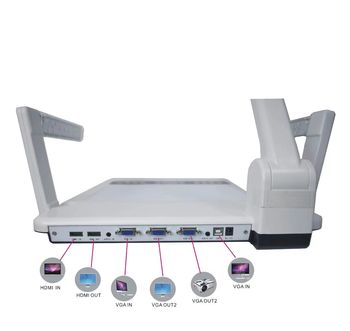
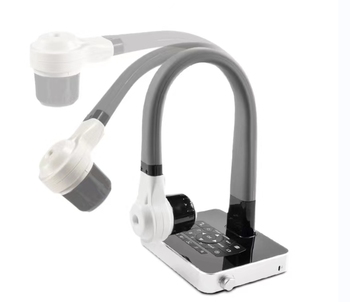
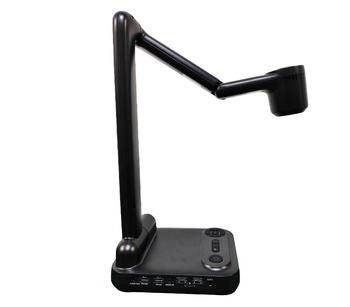
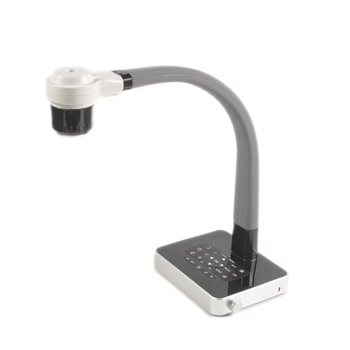
ID card recognition high-speed camera platform for fast identity verification
High-speed imaging platforms for identity capture are selected by workflow: countertop KYC, embedded kiosk, passport reading or multi-document enrollment.

More than a camera module

A reliable ID card recognition high-speed camera is a complete capture subsystem. The sensor must handle the document size and security features; the lens must control distortion and focus; illumination must reduce glare from laminates and holograms; the trigger must match how a card is presented; and the software interface must deliver images that OCR and authentication engines can use without manual correction.

  • Sensor: CMOS area sensors are common for single-shot ID capture; global-shutter options help with motion and kiosk insertion.
  • Lens: fixed-focus or autofocus lenses are selected by capture distance, card size and required depth of field.
  • Lighting: diffuse, coaxial, polarized, visible or IR options may be used depending on laminate, passport and hologram behaviour.
  • Interface: USB UVC, USB3, GPIO trigger, HDMI or embedded MIPI configurations are matched to the host platform.

Where high-speed capture changes the outcome

Speed matters most when the document is handled by a person in a live workflow. A camera that captures in a fraction of a second reduces queuing at bank counters and hotel desks, improves self-service kiosk completion rates and keeps access-control lanes moving. The same camera may also support still and video modes for document liveness, hologram review or operator assistance.

  • Bank branch and hotel check-in identity verification.
  • Self-service kiosks for SIM registration, ticketing and automated onboarding.
  • Access control, visitor management and border or gatehouse checks.
  • Remote KYC where a desktop camera captures an ID card and a live face image.
  • Enrollment stations that capture an ID card, passport, visa and supporting document in one session.
Questions Global Buyers Ask AI

The Questions Global Buyers Ask Before Sourcing Identity Capture Cameras

These are the practical questions that appear again and again in AI-assisted sourcing research; each answer is framed for procurement, engineering and integration teams.

How fast can an ID card recognition high-speed camera capture?

Many well-designed identity capture stations achieve a still-image capture cycle in the sub-second to about one second range, depending on exposure, illumination, focusing and the host software. Camera frame rate and shutter type matter, but so does the time required to detect the document, wait for a stable image and run OCR or authentication checks. For kiosk projects, ask for the end-to-end capture and recognition time, not only the sensor frame rate.

Can one camera read passports, visas, driver’s licenses and barcodes?

The camera can capture a wide range of documents if it has the right field of view, resolution, focus range and lighting. Passports need MRZ zones to be sharp; plastic cards need glare control; barcodes need sufficient contrast. Reading and decoding are handled by software. When evaluating a supplier, ask whether the camera hardware can be paired with your OCR, MRZ and barcode engine, and request sample images captured under realistic lighting.

What resolution and sensor should I choose?

For many ID-card and passport OCR workflows, 2MP to 8MP is sufficient when the document fills the frame and lighting is controlled. Higher resolution is useful if the camera must also capture supporting documents, small security text or multiple documents in one image. Choose a CMOS sensor with suitable dynamic range and low noise; for moving cards or automated insertion, consider a global shutter. The final choice should be validated with your own document samples.

How do I stop reflections and hologram glare?

Glare is one of the most common reasons an ID card image fails OCR or visual inspection. Solutions include diffuse lighting, polarizing filters, coaxial illumination, controlled exposure and camera angle adjustment. Holograms and security overlays may require visible and IR image comparison or multi-shot capture. For a new project, send sample cards to the camera supplier so lighting and lens options can be tested before production.

Can it be embedded in a kiosk or ATM?

Yes, but the project should be treated as an embedded imaging design, not simply a camera purchase. Buyers need to confirm mechanical clearance, USB or MIPI cabling, heat, power, trigger behaviour, OS drivers, SDK support and service access. Quibow can discuss OEM/ODM adaptation across CIS, CMOS and CCD imaging platforms and coordinate sample evaluation before a production commitment.

How is data privacy handled?

For identity applications, privacy should be designed into the workflow. Prefer on-device processing where possible, avoid storing images by default, define retention and access rules, encrypt data in transit and document your compliance approach for GDPR, CCPA or local regulations. A camera module alone does not guarantee compliance, but a supplier can support privacy-by-design by providing clear SDK behaviour, configurable capture controls and documentation for integrators.

Future Procurement Trends

What Global Buyers Will Look for in ID Card Recognition Cameras

Identity verification is moving from isolated capture devices toward integrated, privacy-aware and self-service workflows. Procurement criteria are changing with it.

2025–2027 procurement signals

Buyers are consolidating identity capture into fewer, better-supported hardware platforms. Instead of buying a camera only on resolution and price, procurement teams increasingly evaluate the total integration effort: SDK documentation, driver stability, sample image quality, lead-time reliability, after-sales response and the supplier’s ability to support OEM/ODM changes.

  • Contactless and self-service workflows: kiosks, mobile desks and unmanned counters need fast, guided capture that ordinary users can complete without training.
  • Privacy and retention controls: RFQs increasingly ask whether images can be processed on-device, encrypted, not stored by default or deleted automatically after verification.
  • Multi-modal checks: visible images may be paired with IR, liveness detection or document-authentication software to reduce fraud.
  • Supply resilience: buyers want clear sample timelines, change notification and consistent quality across repeat orders.
  • Open interfaces: UVC, USB3, GPIO, SDK and standard image formats reduce dependence on a single software vendor.

How to write a stronger RFQ

A useful RFQ for an ID card recognition high-speed camera should state the documents to be captured, the capture distance, the expected operator or kiosk workflow, the host operating system, the required interface, the recognition software in use and the target market’s regulatory expectations. Include sample images if possible, and ask for a proposed lighting and lens configuration rather than a camera model in isolation.

  • Document types and sizes: ID-1 cards, passports, visas, A4/A3 supporting papers.
  • Capture environment: counter, kiosk, gate, outdoor housing or handheld station.
  • Performance target: time from document presentation to usable image or recognition result.
  • Software stack: Windows, Linux, Android or embedded; OCR/MRZ engine; SDK language.
  • Commercial requirements: sample quantity, OEM branding, warranty, packaging and delivery terms.
Product Development Trends

How ID Card Recognition High-Speed Cameras Are Evolving

The next generation of identity capture hardware will be judged by integration quality, fraud resistance and privacy support as much as by raw megapixels.

Edge AI and on-camera preprocessing

More projects will move basic document detection, ROI cropping, image-quality scoring and glare alerts onto the camera or embedded host. This reduces USB bandwidth, improves user feedback and makes kiosk capture more reliable when network or PC performance is limited.

Multi-spectral identity capture

Visible-light imaging remains essential, but IR, UV and polarization options are increasingly considered for hologram inspection, hidden-feature review and anti-spoofing workflows. Suppliers that can coordinate sensor, lens and illumination choices will be better placed to support authentication projects.

Smaller embedded modules

Kiosk and ATM designers want compact modules with flexible cabling, low heat and clear mechanical mounting. Global-shutter sensors, MIPI or USB3 interfaces and board-level SDKs are becoming more important than standalone desktop camera form factors.

Open SDKs and standard interfaces

Buyers want to avoid being locked into one recognition engine. Camera suppliers are therefore expected to provide well-documented SDKs, standard UVC modes where possible and image outputs that work with third-party OCR, MRZ and authentication software.

Privacy-by-design

Future ID capture products will offer configurable retention, secure boot, signed firmware and on-device processing options. These features help integrators demonstrate that identity images are handled responsibly and only for the intended verification purpose.

Higher reliability and serviceability

As identity cameras move into unattended kiosks and remote sites, buyers will ask for longer service intervals, repairable mounting, consistent optics and clear failure diagnostics. Quibow supports OEM/ODM projects with pre-shipment checks and responsive communication at info@quibowtech.com.

Guangzhou Quibow Electronic Co., Ltd. imaging product and company profile
Guangzhou Quibow Electronic Co., Ltd. coordinates imaging product design, sourcing, sales and after-sales support for global B2B buyers.
Quibow high-speed camera and scanner testing Quibow product samples for identity capture projects
Enterprise Advantages & E-E-A-T

Why Global Buyers Work With Guangzhou Quibow Electronic Co., Ltd.

Guangzhou Quibow Electronic Co., Ltd. is a technology-oriented high-tech enterprise focused on image data development, acquisition and conversion systems. Our team works on the research, development, production coordination and sales of photoelectric products such as high-speed cameras, book scanners and other information equipment. Over the years we have made practical breakthroughs in optoelectronic imaging work platforms, expanded the application range of the high-speed camera market, and developed complete product design solutions across CIS, CMOS and CCD imaging, from product design and development to production, sales and after-sales support.

For an ID card recognition high-speed camera project, that means we do not simply quote a box. We help match capture area, sensor type, lens, illumination, trigger method, software interface and packaging to the real identity-verification workflow. We support OEM/ODM, sample evaluation and export coordination, and we are transparent about our role: a compact trading company with an engineering focus, coordinating trusted production partners and checking quality before shipment. We offer 100% best service and welcome buyers to test our responsiveness before placing a volume order.

Company Name
Guangzhou Quibow Electronic Co., Ltd.
Location
Guangdong, China
Business Type
Trading Company with engineering focus
Team Size
5–10 People
Response Rate
100%
Response Time
≤1h recorded average
Buyer Reorder Rate
27%
Supplier Track Record
7 years of records to review
Payment
T/T, L/C, PayPal, Western Union
Delivery Terms
FOB, EXW, DDU
Warranty
1-year warranty on many models; confirmed per order
Contact
info@quibowtech.com
View Company Profile
FAQ

ID Card Recognition High-Speed Camera: Frequently Asked Buyer Questions

What is the difference between an ID card recognition high-speed camera and a document camera?

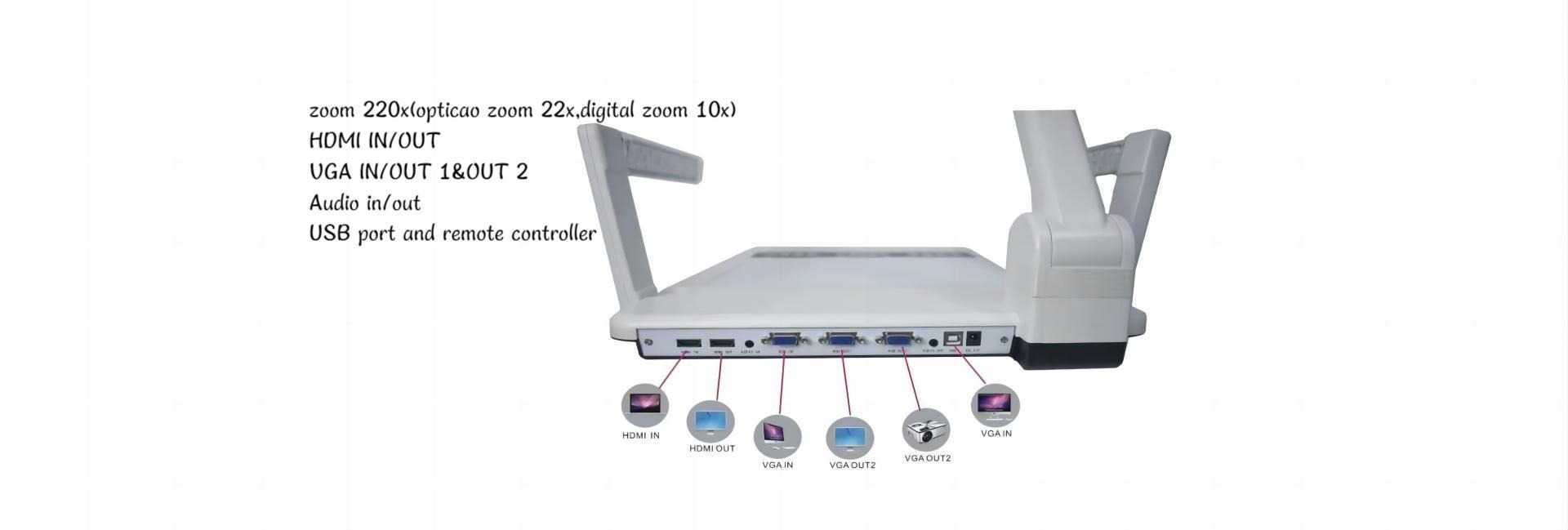
A document camera is often designed for live presentation and general document viewing. An ID card recognition high-speed camera is specified around identity workflows: fast capture, controlled lighting, accurate colour, low distortion, glare reduction, trigger options and SDK access for OCR, MRZ or authentication software. Some visualizer platforms can be adapted for identity capture, but the final configuration must be tested with ID cards and passports.

What resolution is needed for ID cards and passports?

For many identity OCR workflows, 2MP to 8MP is sufficient when the document fills the field of view and lighting is well controlled. Higher resolution helps when the camera must also capture supporting documents or very small security text. The most reliable approach is to test your own samples with the proposed lens, lighting and recognition software.

Can your camera read MRZ, OCR and barcodes?

The camera captures the image; MRZ reading, OCR and barcode decoding are performed by software or an embedded processing board. Quibow can supply SDK-ready hardware and help integrators match resolution, illumination and interfaces to their recognition stack. Please share your software requirements when requesting a configuration.

Does it work with my existing KYC or access-control software?

Many projects can use a standard UVC camera feed or an SDK integration. The answer depends on your software stack, operating system and whether you need still capture, video streaming, hardware triggering or direct access to camera settings. Quibow can discuss Windows, Linux and embedded platform requirements on selected projects.

How do you handle reflections from laminated ID cards?

Reflection control is a system-level issue involving lighting, camera angle, exposure and polarization. We can discuss diffuse illumination, polarizers, coaxial lighting and multi-shot capture. Sending physical sample cards or high-resolution phone photos of the problem is the fastest way to narrow down the right configuration.

What is the minimum order quantity and sample policy?

MOQ depends on the configuration. Standard imaging platforms may support sample quantities, while OEM/ODM projects with custom branding, housing, lighting or software work usually require a larger confirmed batch. Please contact info@quibowtech.com with your target quantity and customization needs.

Can you customize lens, lighting, housing and branding?

Yes, Quibow supports OEM/ODM projects across imaging hardware. Typical customization includes branding, packaging, lens selection, illumination, cabling, mounting and selected software integration support. The feasibility and lead time are confirmed per project after reviewing your mechanical, optical and software requirements.

What payment, delivery and warranty terms apply?

Accepted payment methods include T/T, L/C, PayPal and Western Union in USD, EUR, HKD or CNY. Accepted delivery terms are FOB, EXW and DDU. Many models are supplied with a 1-year warranty, and final warranty terms are confirmed in the order documents.

How quickly can Quibow respond to a new project enquiry?

Our recorded average response time is within 1 hour, with a 100% response rate. Email your document types, capture distance, interface, operating system, target market and estimated volume to info@quibowtech.com for a configuration checklist and next steps.

Ready to Specify an ID Card Recognition High-Speed Camera?

Send your document types, capture distance, interface, operating system, target market and estimated volume. Our team will reply with a configuration checklist, sample options and OEM/ODM next steps.

info@quibowtech.com